30 Tanzania Safari Questions Answered Planning a Tanzania safari often brings many questions. How many days do you need? Can you see the Big Five? Is Serengeti worth visiting? What should you pack? Is a private safari better than a group safari?
This Tanzania safari FAQ answers the questions most first-time visitors ask before booking. It is designed to help couples, families, honeymooners, photographers and anyone planning a Tanzania wildlife holiday.
At EKO Tanzania Adventures, we create private safari itineraries based on your travel dates, budget, group size and wildlife priorities.
For a personalised Tanzania safari quote, contact us on WhatsApp at +255 761 353 184, call +255 761 353 184, or email info@ekotanzaniaadventures.com / ekotanzaniaadventure@gmail.com.
30 Tanzania Safari Questions Answered : 1. Is Tanzania Good for Safari?
Yes. Tanzania is one of Africa’s best safari destinations. It offers Serengeti National Park, Ngorongoro Crater, Tarangire National Park, Lake Manyara, Mount Kilimanjaro, Zanzibar and many other wildlife areas.
It is especially good for travellers looking for:
- Big Five opportunities
- Great Migration safaris
- Big cats
- Elephant herds
- Family safaris
- Honeymoon safaris
- Wildlife photography
- Safari and beach combinations
2. What Is the Best Tanzania Safari Itinerary?
The best itinerary depends on your available time.
For first-time visitors, a classic Northern Circuit safari often includes:
- Tarangire National Park
- Lake Manyara National Park
- Ngorongoro Crater
- Serengeti National Park
A five- to seven-day safari is usually a good balance between wildlife viewing and travel time.
3. How Many Days Do I Need for a Tanzania Safari?
Three days is enough for a short safari to Tarangire, Ngorongoro and Lake Manyara.
However, if Serengeti is important, try to allow at least five days. A six- or seven-day itinerary is better because it gives you more time in the parks and makes the journey feel less rushed.
4. Can I See the Big Five in Tanzania?
Tanzania is one of Africa’s best countries for Big Five safaris.
The Big Five are:
- Lion
- Leopard
- Elephant
- Buffalo
- Black rhinoceros
Ngorongoro Crater, Serengeti and Tarangire are a strong combination for Big Five opportunities.
However, no safari company should guarantee all five. Leopards are elusive, and black rhinos are rare.
5. Where Is the Best Place to See Lions in Tanzania?
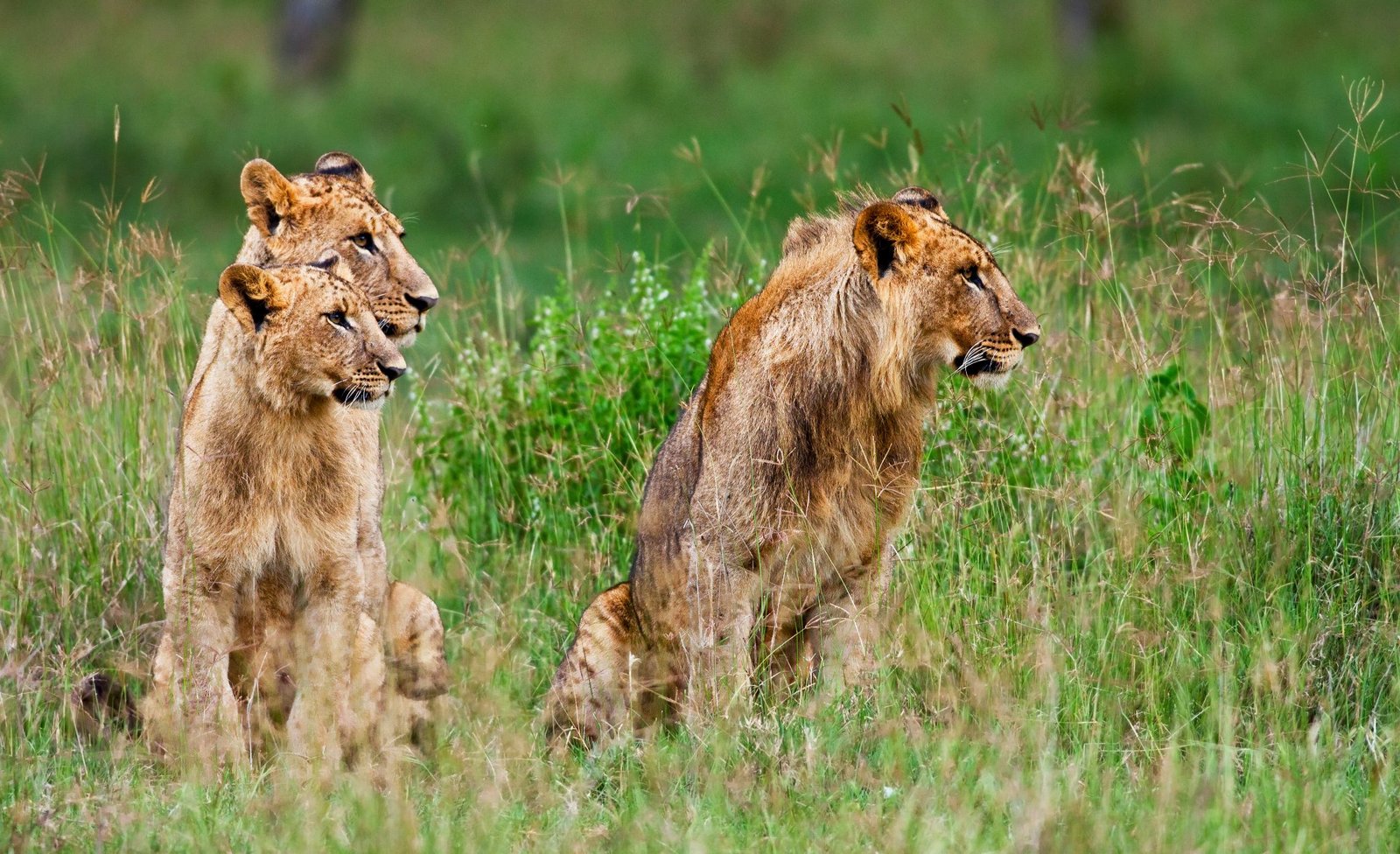
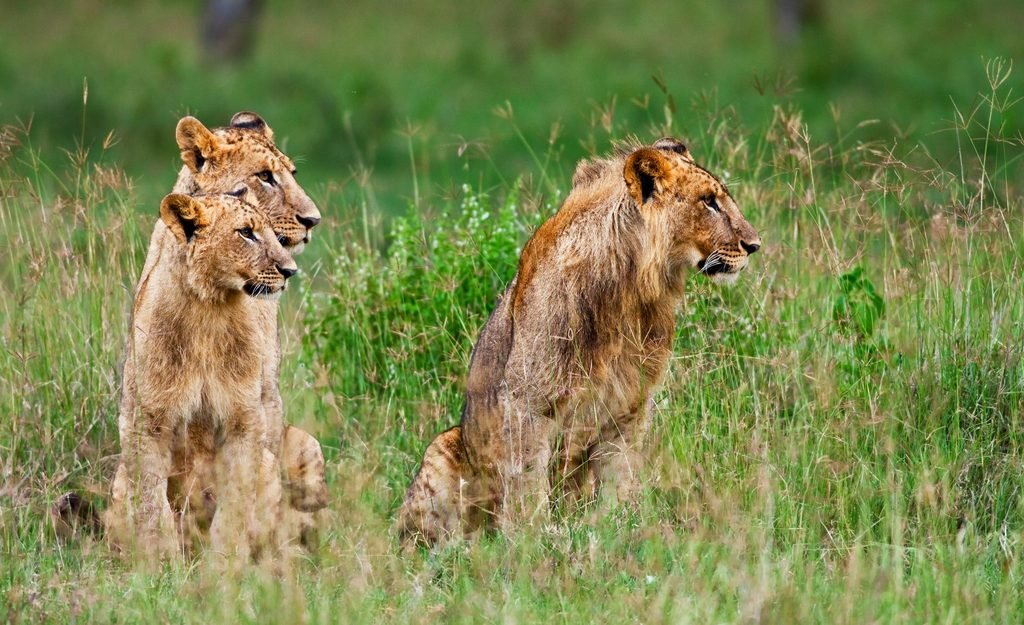
Serengeti National Park is one of the best places to see lions. Lions may be found on open grasslands, around kopjes, near water sources or resting in shade.
Ngorongoro Crater and Tarangire National Park are also good for lion sightings.
6. Where Is the Best Place to See Elephants in Tanzania?
Tarangire National Park is one of Tanzania’s best elephant destinations. The park is known for elephant families, baobab trees and the Tarangire River.
TANAPA highlights Tarangire’s elephant herds, baobab landscapes, birdlife and seasonal wildlife concentration around river habitats.
Serengeti, Ngorongoro, Lake Manyara and Ruaha also offer elephant sightings.
7. Is Serengeti Worth Visiting?
Yes. Serengeti is one of the world’s most important wildlife areas.
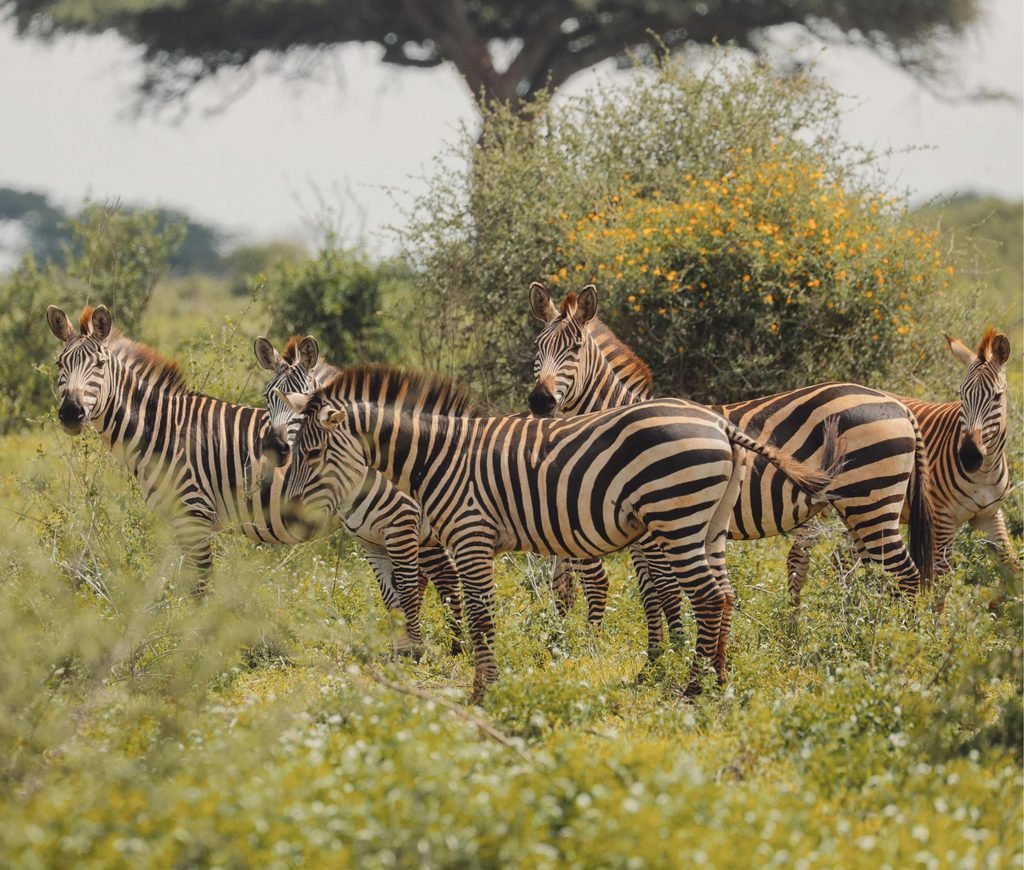
It is known for open savannah, big cats, giraffes, elephants, zebras, wildebeest and the Great Migration. UNESCO describes the annual movement of wildebeest, zebras and gazelles as one of the world’s most impressive natural spectacles.
If you have enough time, stay at least two nights in Serengeti.
8. What Is the Great Migration?
The Great Migration is the year-round movement of wildebeest, zebras and gazelles across the Serengeti-Mara ecosystem.
The animals move in search of fresh grass and water. Their location depends on rainfall, so the migration does not follow a fixed calendar.
A general pattern is:
- December to March: Southern Serengeti and Ndutu
- April to May: Central and western movement
- June to July: Western Corridor
- July to October: Northern Serengeti
- November: Movement back toward central and southern areas
9. Can You Guarantee a Mara River Crossing?
No. River crossings are natural events and cannot be guaranteed.
Herds may gather for days without crossing, cross quickly at an unexpected location or move in another direction. A good migration safari should focus on the full wildlife experience rather than only waiting for a crossing.
10. What Is Ngorongoro Crater Famous For?
Ngorongoro Crater is famous for its dramatic volcanic landscape and high concentration of wildlife.
You may see lions, buffalo, zebras, wildebeest, elephants, hippos, hyenas, jackals and many birds. Black rhinos are present but rare.
The crater is a conservation area, not a national park, and visitors must travel with a licensed guide.
11. Is Lake Manyara Worth Visiting?
Yes, especially if you want a varied safari route.
Lake Manyara offers groundwater forest, baboons, blue monkeys, elephants, hippos, birds and views toward the Great Rift Valley Escarpment. TANAPA describes the park as a mosaic of forest and soda-lake habitats.
It is commonly included as a day trip or one-night stop between Tarangire and Ngorongoro.
12. What Is a Private Tanzania Safari?
A private safari means you have your own 4×4 vehicle and driver-guide.
You do not share the vehicle with strangers. This gives you flexibility to stay longer at wildlife sightings, stop for photographs, choose your game-drive pace and travel more comfortably.
Private safaris are especially good for couples, families, honeymooners and photographers.
13. Is a Group Safari Cheaper?
Usually, yes. Group joining safaris can be cheaper because the vehicle, guide and fuel costs are shared between travellers.
However, group safaris may have fixed departure dates, fixed accommodation, less privacy and less flexibility. A private safari may provide better value for families or groups of friends sharing one vehicle.
14. How Much Does a Tanzania Safari Cost?
The price depends on safari length, number of travellers, season, accommodation category, parks and whether the safari is private or shared.
As a general guide:
- Budget camping: around US$250–$400 per person per day
- Mid-range safari: around US$400–$700 per person per day
- Luxury safari: around US$700–$1,200+ per person per day
These are planning ranges only. Request a detailed quote for your exact dates and group size.
15. What Is Included in a Tanzania Safari?
A typical safari package may include:
- Private or shared 4×4 vehicle
- Professional driver-guide
- Park entry fees
- Conservation fees
- Ngorongoro Crater service fees, if applicable
- Accommodation
- Meals
- Drinking water during game drives
- Airport or hotel transfers
- Government taxes
Always check your quotation carefully because inclusions vary.
16. What Is Not Included in a Safari Package?
Common exclusions may include:
- International flights
- Tanzania visa
- Travel insurance
- Alcoholic drinks
- Tips
- Laundry
- Optional balloon safari
- Personal purchases
- Extra hotel nights
- Zanzibar activities, unless listed
A professional quotation should clearly show both inclusions and exclusions.
17. What Is the Best Time to Visit Tanzania for Safari?
Tanzania is a year-round safari destination.
- June to October: Popular dry-season wildlife viewing
- December to March: Southern Serengeti and possible calving season
- April, May and November: Greener scenery, fewer visitors in some areas and possible value on accommodation
The best time depends on your priorities: migration, elephants, photography, family travel, birdwatching, beach time or budget.
18. What Should I Wear on Safari?
Wear comfortable, neutral-coloured clothing.
Pack:
- Lightweight shirts
- Long trousers
- Shorts for lodge time
- Fleece or warm jacket
- Light rain jacket
- Closed shoes
- Sandals
- Hat and sunglasses
- Sunscreen
- Insect repellent
Early mornings can be cool, especially in Serengeti and Ngorongoro, while afternoons may be warm.
19. Do I Need Hiking Boots for Safari?
Not for a standard vehicle safari.
Comfortable trainers, trail shoes or closed shoes are usually enough. Hiking boots are needed only if you are doing Mount Kilimanjaro, Mount Meru, a longer walking safari or another trekking activity.
20. Do I Need Binoculars?
Binoculars are highly recommended.
They are useful for seeing birds, distant predators, leopards in trees, wildlife across open plains and mountain scenery.
Your guide may have binoculars, but having your own pair is more convenient.
21. Is Tanzania Safe for Safari?
A well-organised safari with a professional guide, planned transfers and established accommodation can be a manageable and enjoyable way to travel.
Follow your guide’s instructions, keep valuables secure, use normal awareness in towns and arrange airport transfers in advance.
For health, visa and safety guidance, check current official information from your government and travel-insurance provider before departure.
22. Can Children Go on Safari in Tanzania?
Yes. Tanzania is an excellent family safari destination when the itinerary is planned properly.
A private safari is best for families because it allows flexible stops, family rooms, child-friendly schedules and rest breaks.
Children often enjoy elephants in Tarangire, baboons in Lake Manyara, lions in Serengeti and the wildlife-rich Ngorongoro Crater.
23. What Is the Best Tanzania Safari for Honeymooners?
A popular honeymoon itinerary combines:
- Tarangire National Park
- Serengeti National Park
- Ngorongoro Crater
- Zanzibar beach holiday
Add a private bush dinner, luxury tented camp, balloon safari or sunset dhow cruise for extra romance.
24. Can I Combine Tanzania Safari with Zanzibar?
Yes. This is one of Tanzania’s best holiday combinations.
After safari, you can fly to Zanzibar for beach relaxation, Stone Town culture, spice farms, snorkelling, diving, dhow cruises and spa experiences.
Popular Zanzibar beach areas include Nungwi, Kendwa, Paje, Jambiani, Matemwe and Pongwe.
25. How Many Nights Should I Stay in Zanzibar?
Three nights is the minimum for a short beach extension. Four to seven nights is better if you want time to relax and include activities.
For a honeymoon or family holiday, five to seven nights often works very well after safari.
26. Can I Climb Kilimanjaro and Do a Safari?
Yes. Tanzania is one of the few destinations where you can combine Africa’s highest mountain with a wildlife safari.
A typical itinerary may include:
- 6–9 days climbing Kilimanjaro
- 1–2 recovery nights in Arusha
- 4–7 days safari
- Optional Zanzibar beach extension
Climbing Kilimanjaro requires separate preparation, equipment, health advice and a professional mountain team.
27. Do I Need a Visa for Tanzania?
Visa requirements depend on your nationality and can change. Check current information from Tanzania Immigration or your nearest Tanzanian embassy before booking flights.
Do not rely only on old blog posts or social-media messages.
28. Can I Use Credit Cards on Safari?
Credit cards are accepted at many hotels, lodges and larger businesses, but it is wise to carry some cash for tips, small purchases and places where card systems may not work.
Ask your bank about international-card use and transaction fees before travel.
29. How Much Should I Tip on Safari?
Tipping is personal and should reflect your satisfaction. It is not compulsory, but it is common in the safari industry.
Your operator can provide current tipping guidance before travel. Many guests tip driver-guides, camp staff and lodge teams separately.
Carry small notes if possible, but do not feel pressured to tip beyond your comfort level.
30. How Far in Advance Should I Book Tanzania Safari?
For peak travel periods, Great Migration itineraries, family rooms and honeymoons, booking early is recommended.
Try to book several months in advance, especially for:
- July to October travel
- Christmas and New Year
- Northern Serengeti migration safari
- Luxury tented camps
- Zanzibar beach resorts
- Large family groups
- Balloon safaris
Last-minute safaris are sometimes possible, but accommodation choices may be limited.
Why Choose EKO Tanzania Adventures?
EKO Tanzania Adventures helps visitors plan Tanzania trips with clear, honest advice.
We offer:
- Private Tanzania safaris
- Budget, mid-range and luxury options
- Great Migration itineraries
- Family safaris
- Honeymoon safaris
- Kilimanjaro climbing packages
- Zanzibar beach extensions
- Experienced local driver-guides
- Clear itineraries and quotations
- Support before and during your journey
Start Planning Your Tanzania Safari
Every Tanzania safari is different. Tell us your dates, number of travellers, budget and wildlife priorities, and we will recommend the right itinerary.
Contact EKO Tanzania Adventures today.
- WhatsApp: +255 761 353 184
- Call: +255 761 353 184
- Email: info@ekotanzaniaadventures.com
- Alternative email: ekotanzaniaadventure@gmail.com
- Website: www.ekotanzaniaadventures.com
Plan your Tanzania safari with EKO Tanzania Adventures and travel with confidence.