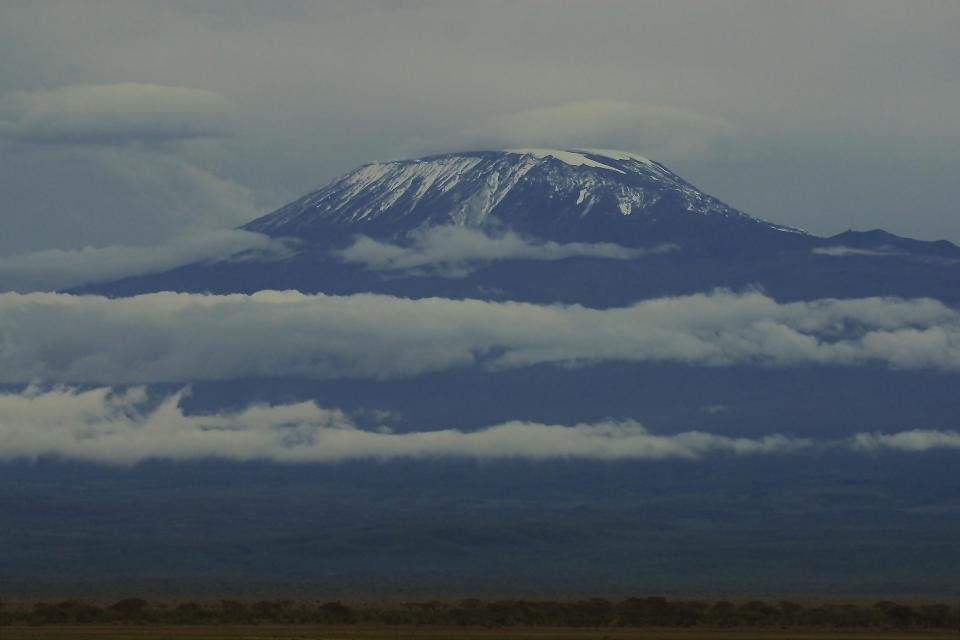
5-Day Mount Kilimanjaro Rongai Route: A Quiet and Challenging Summit Climb is a shorter and more challenging way to reach Uhuru Peak, the highest point in Africa at 5,895 metres. The route approaches Mount Kilimanjaro from the northern side near the Kenyan border, an area that is generally drier and less crowded than the mountain’s busier southern approaches.
The Rongai Route is known for its peaceful atmosphere, wide views, gradual early slopes and a strong sense of wilderness. It begins on the northern side of Kilimanjaro and climbs through forest, moorland and alpine desert before joining the Marangu Route for the final summit approach and descent.
Because this itinerary has only five trekking days, it offers less time for acclimatisation than longer Kilimanjaro routes. It is best suited to physically fit hikers with previous high-altitude trekking experience, good preparation and a clear understanding of the risks of rapid ascent. For many climbers, a 6-day or 7-day Rongai itinerary provides a better acclimatisation profile. EKO TANZANIA ADVENTURES will help you choose the most responsible itinerary for your experience and travel goals.
5-Day Mount Kilimanjaro Rongai Route at a Glance
- Duration: 5 days / 4 nights on the mountain
- Route: Rongai Route
- Starting side: Northern Kilimanjaro near the Kenyan border
- Summit: Uhuru Peak, 5,895 metres
- Ending point: Marangu Gate
- Accommodation: Mountain tents
- Difficulty: Challenging due to the short acclimatisation schedule
- Best for: Fit, experienced hikers who understand high-altitude trekking
Why Choose the Rongai Route?
The Rongai Route is one of the quieter ways to climb Kilimanjaro. While Machame and Marangu can feel busier during peak seasons, Rongai offers a more remote start and a different perspective of the mountain.
The northern slopes are often drier than the southern side of Kilimanjaro, particularly during wetter months. The route begins through forest and gradually enters heathland and moorland, with views across the plains of Kenya and Tanzania. As you climb higher, the landscape becomes more open, rocky and dramatic.
Rongai is a one-way ascent route. You climb from the north and descend on the Marangu Route to the south-east, giving you varied scenery rather than retracing the same trail. This is an appealing feature for hikers who want to experience more of the mountain in a limited time.
However, the shorter 5-day version should be approached seriously. Altitude affects everyone differently, regardless of fitness level. A good training plan, slow walking pace, hydration, proper nutrition and careful monitoring by the mountain team are essential.
Day 1: Rongai Gate to Simba Camp
Your Kilimanjaro journey begins with a morning transfer from Moshi or your hotel to the Rongai Gate area. The drive usually takes several hours because the route begins on the northern side of the mountain. On the way, you pass through rural landscapes, small villages and open countryside beneath the slopes of Kilimanjaro.
At the gate, your guide will complete registration procedures while the porters organise equipment and supplies. After a final gear check, begin your first day of trekking through montane forest.
The trail is gentle at the beginning, allowing you to settle into the rhythm of the climb. Your guide will encourage a slow pace from the first day. The principle is simple: walk slowly, breathe steadily and save energy. You may see forest birds, monkeys or signs of smaller wildlife as you move through the trees.
After several hours of hiking, reach Simba Camp at approximately 2,625 metres. The forest begins to open, and the evening brings your first views of the higher mountain slopes. Your mountain crew will have prepared the tents and dinner.
Trekking time: Approximately 3 to 4 hours
Elevation: Rongai Gate to Simba Camp, around 2,625 metres
Meals: Lunch and dinner
Overnight: Simba Camp
Day 2: Simba Camp to Kikelewa Camp
After breakfast, continue your climb through moorland and open grassland. The landscape becomes less wooded, with low shrubs, volcanic rocks and broad views across the northern side of Kilimanjaro.
The route climbs gradually but steadily. Your guide will set a manageable pace and check how everyone is feeling. This is an important part of the climb because altitude symptoms can begin to appear as you gain height. Tell your guide immediately if you experience headache, nausea, dizziness, unusual fatigue or difficulty sleeping.
The trail passes through a beautiful, quiet area with few other climbers compared with the busier Kilimanjaro routes. Depending on weather and visibility, you may enjoy views towards Mawenzi Peak, one of Kilimanjaro’s dramatic volcanic cones.
Reach Kikelewa Camp at approximately 3,630 metres in the afternoon. After lunch or tea, take time to rest, hydrate and allow your body to adjust. Your dinner will be prepared by the mountain crew, and your guide will brief you about the next day’s ascent.
Trekking time: Approximately 6 to 7 hours
Elevation: Simba Camp to Kikelewa Camp, around 3,630 metres
Meals: Breakfast, lunch and dinner
Overnight: Kikelewa Camp
Day 3: Kikelewa Camp to Mawenzi Tarn Camp
Today is shorter in distance but important for acclimatisation. After breakfast, climb towards Mawenzi Tarn Camp, located beneath the striking rocky slopes of Mawenzi Peak.
The path becomes steeper in places as you leave the moorland and enter an alpine environment. Vegetation becomes sparse, the air feels cooler and the views become increasingly dramatic. Mawenzi’s jagged volcanic towers create one of the most impressive mountain settings on Kilimanjaro.
Mawenzi Tarn Camp sits at approximately 4,330 metres beside a small mountain lake. The location is beautiful but high, so the afternoon should be taken slowly. Rest, drink water, eat well and listen to your guide’s advice.
This is your final night before the summit attempt. The mountain team will check your condition, serve an early dinner and prepare you for the long night ahead. Sleep may be difficult at this altitude, but even resting in your tent is valuable.
Trekking time: Approximately 3 to 4 hours
Elevation: Kikelewa Camp to Mawenzi Tarn Camp, around 4,330 metres
Meals: Breakfast, lunch and dinner
Overnight: Mawenzi Tarn Camp
Day 4: Mawenzi Tarn to Uhuru Peak and Descend to Horombo Hut
This is the most demanding day of the entire climb. You wake around midnight for a light meal and hot drink before beginning the summit attempt in darkness.
The early part of the climb follows a steep ascent across rocky alpine desert. The temperature can be extremely cold, and the wind may be strong. Your guide will set a very slow, steady pace. This is not a day for speed. Each step is deliberate, and the team will monitor how everyone is coping.
As dawn approaches, the sky begins to brighten over the African plains below. You continue towards Gilman’s Point on the crater rim, then follow the rim trail towards Uhuru Peak. Reaching Uhuru Peak at 5,895 metres is an emotional and significant achievement. You will have time for photographs, but the stay is usually brief because of the altitude and cold.
After celebrating, begin the long descent. First, descend towards Kibo Hut for rest and lunch, then continue down to Horombo Hut at approximately 3,720 metres. Descending to a lower altitude is often a relief, but the day remains physically demanding because of its length.
Trekking time: Approximately 12 to 16 hours
Elevation: Mawenzi Tarn to Uhuru Peak at 5,895 metres, then descend to Horombo Hut at around 3,720 metres
Meals: Breakfast, lunch and dinner
Overnight: Horombo Hut
Day 5: Horombo Hut to Marangu Gate – Return to Moshi
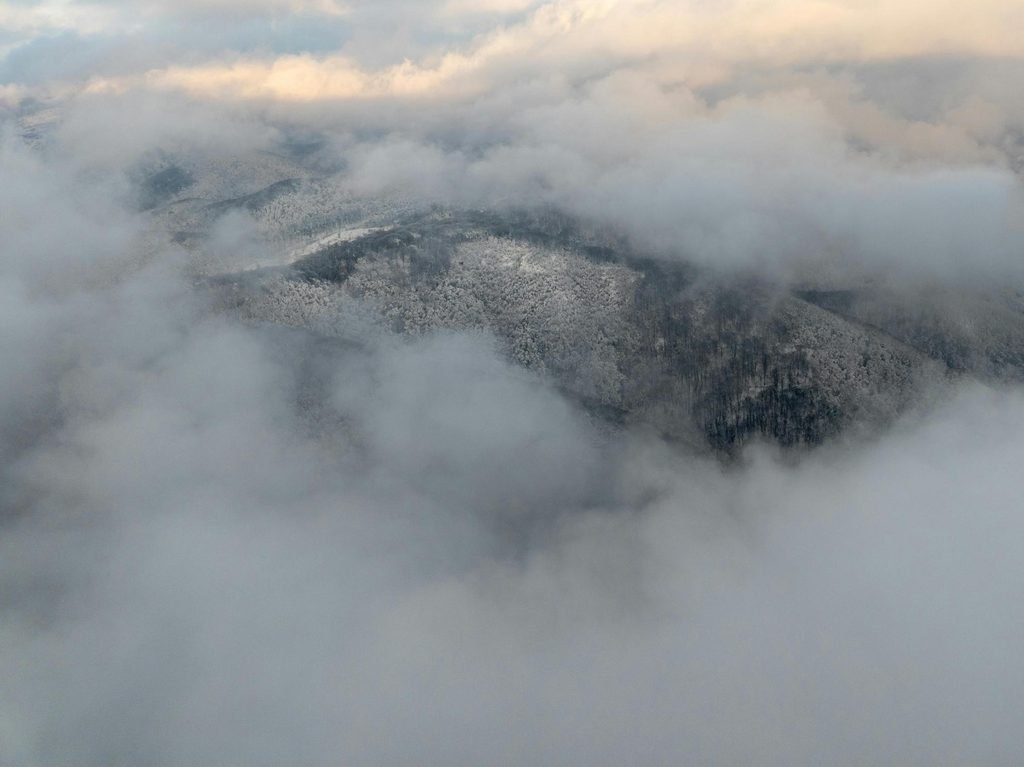
After breakfast, begin your final descent through moorland and rainforest towards Marangu Gate. The air becomes warmer and richer as you lose altitude, and the vegetation returns gradually.
This is a long downhill walk, but the trail is generally easier than the summit section. Take your time, use trekking poles if you have them and look after your knees on the descent. At Marangu Gate, you will sign out of the national park and receive your summit certificate if you have successfully reached the required point.
Your EKO TANZANIA ADVENTURES transfer vehicle will meet you at the gate and return you to Moshi or Arusha, depending on your travel arrangements. A hot shower, comfortable bed and celebratory meal are well deserved after the climb.
Trekking time: Approximately 5 to 7 hours
Elevation: Horombo Hut to Marangu Gate
Meals: Breakfast and lunch
How Difficult Is the 5-Day Rongai Route?
The Rongai Route is often considered one of Kilimanjaro’s more gradual routes in its lower sections, but the 5-day version is still demanding. The challenge is not only distance or steepness; it is the quick gain in altitude.
You climb from around 2,000 metres at the gate area to 5,895 metres at Uhuru Peak in only a few days. That is a major change for the body. Good fitness helps with stamina, but it does not prevent altitude sickness. Acclimatisation is the key factor in summit safety and success.
For this reason, we recommend that climbers consider a longer route when possible. The 6-day or 7-day Rongai Route gives more time for acclimatisation and is generally a wiser choice for many travellers. If you select this 5-day package, you should arrive well prepared and discuss your fitness and hiking history honestly with our team.
What Is Included in the Kilimanjaro Climb?
Your confirmed quotation can include:
- Airport transfers on scheduled arrival and departure dates
- Transfer from Moshi or Arusha to Rongai Gate
- Return transfer from Marangu Gate
- Kilimanjaro National Park entry fees
- Camping and conservation fees
- Professional mountain guide and assistant guides
- Porters and mountain cook
- Quality mountain tents and sleeping mats
- All meals during the trek
- Drinking water and hot meals on the mountain
- Emergency oxygen and basic first-aid equipment
- Government taxes and tourism levies as stated in your quotation
What Is Not Included?
Unless specifically listed, the following are generally excluded:
- International flights
- Tanzania visa fees
- Travel and medical insurance, including high-altitude evacuation cover
- Hotel accommodation before and after the trek
- Personal climbing equipment and sleeping bag
- Tips for guides, porters and cooks
- Alcoholic drinks and personal snacks
- Optional activities in Moshi or Arusha
Essential Kilimanjaro Packing List
A detailed packing list will be provided before your climb. Important items include:
- Warm insulated jacket for summit night
- Waterproof jacket and trousers
- Base layers and fleece layers
- Warm gloves, hat and neck gaiter
- Strong waterproof hiking boots
- Trekking poles
- Headlamp with spare batteries
- Sleeping bag suitable for cold mountain conditions
- Sunglasses and sunscreen
- Reusable water bottles or hydration bladder
- Personal medication and blister treatment
Do not underestimate the cold near the summit. Temperatures can fall well below freezing, especially during the night ascent. Proper clothing, reliable footwear and quality gloves are essential.
Important Safety and Altitude Notes
Your safety comes first. The mountain guides monitor climbers daily and may check oxygen saturation, pulse and general wellbeing. You must tell your guide about any symptoms, even if they seem minor.
Do not push ahead alone or ignore your guide’s advice. In some situations, descending is the safest decision. Reaching the summit is a goal, but returning healthy is more important.
Travel insurance with high-altitude trekking cover and emergency evacuation protection is strongly recommended. Before booking, consult a qualified medical professional if you have a medical condition that could affect your ability to climb at altitude.
Best Time to Climb Kilimanjaro via Rongai Route
The Rongai Route can be climbed at different times of year, but many travellers prefer the drier periods, generally from January to early March and from June to October. The northern side of Kilimanjaro can receive less rainfall than some southern routes, but mountain weather is always unpredictable.
Clear days can still turn cold, windy or wet at higher elevations. Your team will prepare for changing conditions, and you should bring suitable waterproof and warm clothing in every season.
Book Your 5-Day Kilimanjaro Rongai Route Climb
Choose a quieter northern approach to Mount Kilimanjaro with a private, professionally supported Rongai Route climb. EKO TANZANIA ADVENTURES will help you assess whether this shorter itinerary suits your experience or whether a longer acclimatisation schedule would be the better option.
Explore more Kilimanjaro climbs and Tanzania travel ideas through EKO TANZANIA ADVENTURES.
- WhatsApp: Chat with us on WhatsApp
- Phone: +255 761 353 184
- Email: info@ekotanzaniaadventures.com
- Alternative email: ekotanzaniaadventure@gmail.com