7 Best National Parks in Tanzania for Safari. Tanzania has some of Africa’s finest wildlife destinations. From the endless plains of Serengeti to elephant herds in Tarangire, from the rainforest slopes of Arusha National Park to the remote wilderness of Ruaha, every park offers a different safari experience.
The best Tanzania national park for you depends on what you want to see. Some travellers want the Great Migration. Others want the Big Five, birdlife, walking safaris, river wildlife, family travel, photography or a short safari from Arusha.
This guide explains seven of the best national parks in Tanzania and one essential conservation area that should be part of almost every Northern Circuit itinerary: Ngorongoro.
At EKO Tanzania Adventures, we create private Tanzania safari itineraries based on your available time, preferred wildlife, budget and accommodation style.
For safari advice and a customised quotation, contact us on WhatsApp at +255 761 353 184, call +255 761 353 184, or email info@ekotanzaniaadventures.com / ekotanzaniaadventure@gmail.com.
7 Best National Parks in Tanzania for Safari : Tanzania’s Best Safari Parks at a Glance
| Destination | Best For | Ideal Stay |
|---|---|---|
| Serengeti National Park | Great Migration, big cats and classic savannah | 2–4 nights |
| Tarangire National Park | Elephants, baobabs and birdlife | 1–2 nights |
| Lake Manyara National Park | Forest, monkeys, birds and short safaris | 1 night or day trip |
| Arusha National Park | Walking safaris, Mount Meru views and day trips | 1 day |
| Ruaha National Park | Remote wilderness, predators and southern Tanzania | 2–4 nights |
| Nyerere National Park | River safaris, boating and southern Tanzania | 2–4 nights |
| Mkomazi National Park | Quiet wildlife, rhino conservation and Kilimanjaro views | 1–2 nights |
| Ngorongoro Conservation Area | Big Five opportunities and crater scenery | 1–2 nights |
1. Serengeti National Park: Best for the Great Migration and Big Cats
Serengeti National Park is Tanzania’s most famous safari destination and one of the greatest wildlife areas in the world.
The name Serengeti comes from the Maasai word siringet, often translated as “endless plains.” Once you arrive, the name makes sense. The landscape stretches far beyond the horizon, with golden grassland, acacia trees, rocky kopjes, rivers and enormous skies.
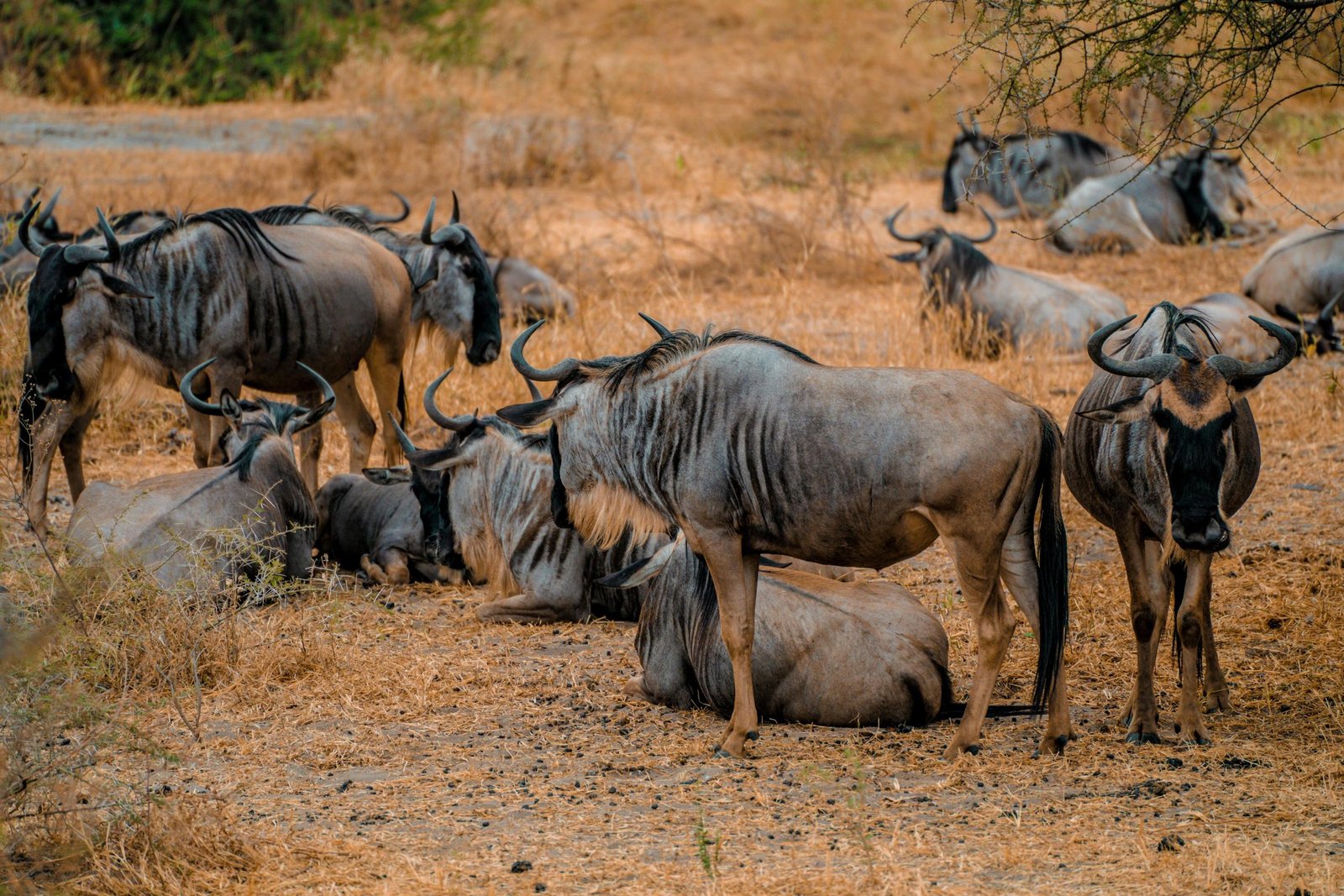
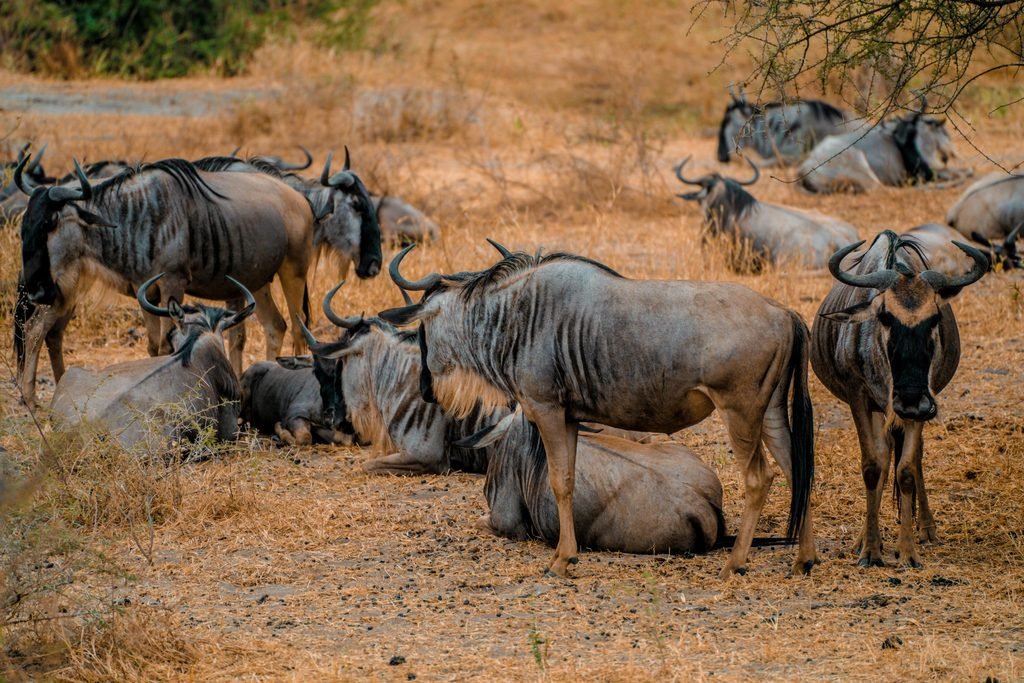
Serengeti is famous for the Great Migration, a year-round movement of wildebeest, zebras and gazelles through the wider ecosystem. UNESCO describes Serengeti’s annual migration as one of the world’s most impressive natural spectacles.
What Can You See in Serengeti?
Serengeti is excellent for:
- Lions
- Leopards
- Cheetahs
- Hyenas
- Elephants
- Giraffes
- Buffalo
- Wildebeest
- Zebras
- Gazelles
- Hippos
- Crocodiles in suitable river areas
- Eagles, vultures and many other birds
Central Serengeti, also called Seronera, is especially good for first-time visitors because it offers strong year-round wildlife viewing and big-cat habitat.
Best Time to Visit Serengeti
Serengeti can be visited throughout the year.
- December to March: Southern Serengeti and Ndutu migration/calving period
- April to May: Green season and herd movement through central or western areas
- June to July: Western Corridor and Grumeti area
- July to October: Northern Serengeti and possible Mara River activity
- November: Migration movement back toward central and southern areas
Migration timing depends on rainfall, grazing and water availability. No operator should guarantee a river crossing or exact herd location.
How Many Days Do You Need?
Stay at least two nights in Serengeti if possible. Three or four nights is even better for photographers, wildlife lovers and travellers hoping to follow the migration.
2. Tarangire National Park: Best for Elephants and Baobab Trees
Tarangire National Park is one of the Northern Circuit’s most distinctive parks. It is less vast than Serengeti, but its scenery has a special character: towering baobab trees, open savannah, acacia woodland, seasonal swamps and the Tarangire River.
Tarangire is often the best park for travellers who want to see elephants. Large family groups may be seen moving through woodland, drinking near water sources or feeding beneath baobab trees.
TANAPA highlights Tarangire’s elephant families, river landscapes, baobab galleries and rich birdlife as major attractions.
What Can You See in Tarangire?
Tarangire is especially good for:
- Elephants
- Buffalo
- Giraffes
- Zebras
- Wildebeest
- Impalas
- Warthogs
- Ostriches
- Lions
- Hyenas
- Leopards, with luck
- Birdlife, including raptors, bee-eaters and lovebirds
The park is also an excellent place for photographers because elephant herds and baobabs create classic Tanzania safari images.
Best Time to Visit Tarangire
Tarangire is rewarding all year, but many travellers prefer June to October. During drier months, the Tarangire River and swamp areas can become important water sources for wildlife.
How Many Days Do You Need?
One night is enough for many itineraries, but two nights give you more time to enjoy morning and afternoon game drives.
3. Lake Manyara National Park: Best for Forest, Monkeys and Birdlife
Lake Manyara National Park is smaller than Serengeti or Tarangire, but it offers a completely different safari atmosphere.
The park is set below the Great Rift Valley Escarpment and includes lush groundwater forest, open woodland, lake-edge habitat and scenic viewpoints. TANAPA describes it as a varied ecosystem of groundwater forest and soda-lake landscapes.
Lake Manyara is a good choice for travellers who want a short safari, a day trip from Arusha or an additional park before Ngorongoro and Serengeti.
What Can You See in Lake Manyara?
Look for:
- Baboons
- Blue monkeys
- Elephants
- Giraffes
- Buffalo
- Hippos
- Water birds
- Flamingos when conditions are suitable
- Tree-climbing lions, with luck
- Forest birds and smaller wildlife
Large baboon troops are often a highlight for families and first-time visitors. The forest setting makes the safari feel very different from open grassland parks.
Best Time to Visit Lake Manyara
Lake Manyara works throughout the year. Green-season months can be especially attractive for birdwatching, forest scenery and photography. Dry-season months often make game-drive conditions easier.
How Many Days Do You Need?
One day or one night is normally enough. It is commonly combined with Tarangire, Ngorongoro and Serengeti.
4. Arusha National Park: Best for Day Trips, Walking Safaris and Mount Meru Views
Arusha National Park is one of Tanzania’s most underrated safari destinations. It is close to Arusha town and offers a refreshing mixture of forest, open grassland, lakes, waterfalls and mountain scenery.
The park is especially good for travellers who have one extra day before or after a longer safari, Mount Kilimanjaro climb or Mount Meru trek.
Unlike many major safari parks, Arusha National Park can offer authorised guided walking-safari opportunities. TANAPA promotes walking safaris as an immersive activity conducted with certified rangers.
What Can You See in Arusha National Park?
Arusha National Park is known for:
- Giraffes
- Buffalo
- Zebras
- Warthogs
- Colobus monkeys
- Blue monkeys
- Flamingos and water birds around Momella Lakes
- Mount Meru scenery
- Forest and waterfall landscapes
Lions are not the main focus here. The appeal is the beauty, variety and chance to experience Tanzania beyond the classic Big Five safari.
Best Time to Visit Arusha National Park
The park can be visited throughout the year. Clearer mountain views are more likely on some mornings, but weather conditions change quickly around Mount Meru.
How Many Days Do You Need?
A full-day trip is usually enough. It can also be combined with a walking safari, canoeing activity where available or a short Mount Meru experience.
5. Ruaha National Park: Best for Remote Wilderness and Predators
Ruaha National Park is one of Tanzania’s best choices for travellers who want a wilder, less crowded safari. Located in southern Tanzania, it is known for rugged landscapes, baobab trees, rivers and a strong sense of remoteness.
Ruaha is different from the Northern Circuit. It requires more travel planning, often including domestic flights, but it rewards visitors with wide wilderness and fewer safari vehicles in many areas.
What Can You See in Ruaha?
Ruaha is known for:
- Lions
- Leopards
- Cheetahs
- Spotted hyenas
- Elephants
- Buffalo
- Giraffes
- Greater kudu
- Sable antelope in suitable areas
- Crocodiles and hippos around river systems
- Baobab landscapes
- Birdlife
TANAPA identifies Ruaha’s big rivers, baobab plains, elephant herds and predator country as important attractions.
Best Time to Visit Ruaha
Dry months are often popular because wildlife may concentrate around water sources. However, green-season travel can be beautiful for birding, photography and travellers seeking lower visitor numbers.
How Many Days Do You Need?
Plan at least two or three nights. Ruaha is best for travellers who have time to slow down and enjoy remote wilderness.
6. Nyerere National Park: Best for River Safari Experiences
Nyerere National Park is one of Tanzania’s leading southern safari destinations. It is especially attractive for visitors who want more than traditional vehicle game drives.
The park is associated with rivers, lakes, wetlands and woodland landscapes. It can offer a different safari rhythm, including boating activities in authorised areas, wildlife viewing near water and the possibility of seeing animals from a new perspective.
What Can You See in Nyerere National Park?
Possible wildlife includes:
- Elephants
- Buffalo
- Hippos
- Crocodiles
- Lions
- Leopards
- Giraffes
- Zebras
- Antelope species
- Water birds
- African wild dogs, with luck
Nyerere is a good choice for travellers who enjoy birdlife, river scenery and a quieter safari experience.
Best Time to Visit Nyerere
The dry season is popular for wildlife viewing around rivers and lakes. Green-season travel can also be rewarding for birdwatching and lush scenery.
How Many Days Do You Need?
Two to four nights is ideal. Nyerere works well as part of a southern Tanzania safari combined with Ruaha and Zanzibar.
7. Mkomazi National Park: Best for Quiet Wildlife and Rhino Conservation
Mkomazi National Park is a quieter northern Tanzania destination near the Kenyan border. It is a good option for travellers who want to go beyond the classic Northern Circuit and visit a park with open savannah, mountain views and important conservation work.
Mkomazi may be combined with Arusha, Kilimanjaro, West Kilimanjaro or a longer northern Tanzania itinerary.
What Can You See in Mkomazi?
Mkomazi is associated with:
- Elephants
- Giraffes
- Zebras
- Buffalo
- Antelopes
- Birds
- African wild dogs in conservation programmes
- Black rhino conservation
- Views toward the Pare Mountains and Mount Kilimanjaro region
Wildlife density can feel lower than in Ngorongoro or Serengeti, but that is part of its appeal. It is a quieter destination with open scenery and fewer safari vehicles.
Best Time to Visit Mkomazi
Dry months are generally easier for wildlife viewing and road travel, though the park can be visited year-round.
How Many Days Do You Need?
One or two nights can work well. Mkomazi is best included in a custom route rather than a very short first-time safari.
Essential Bonus Destination: Ngorongoro Conservation Area
Ngorongoro is not technically a national park—it is a conservation area—but it belongs on every list of Tanzania’s best safari destinations.
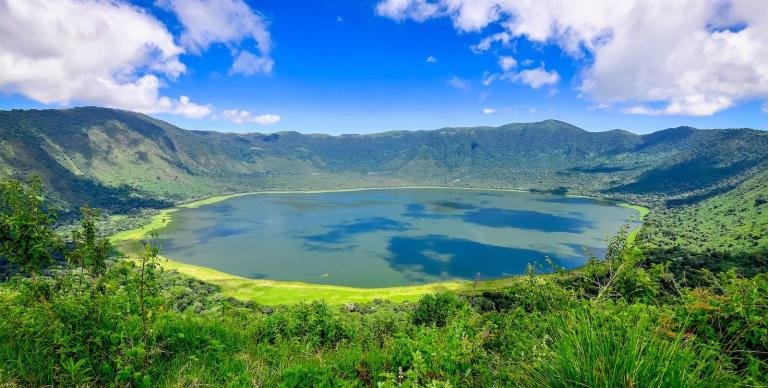
The Ngorongoro Conservation Area includes Ngorongoro Crater, highland forests, grasslands, Oldupai Gorge and important cultural landscapes. The crater floor is one of the best places in Tanzania to see concentrated wildlife in a single day.
What Can You See in Ngorongoro Crater?
You may see:
- Lions
- Buffalo
- Elephants
- Black rhinos, if fortunate
- Zebras
- Wildebeest
- Hippos
- Hyenas
- Jackals
- Gazelles
- Flamingos and water birds
All visitors inside Ngorongoro Crater are required to be accompanied by a licensed guide.
Why Ngorongoro Is So Popular
Ngorongoro is especially strong for:
- First-time safari visitors
- Big Five safari itineraries
- Families
- Honeymooners
- Wildlife photographers
- Short Tanzania safaris
- Travellers who want dramatic landscapes and wildlife together
One crater safari day is normally enough, though many guests choose to stay one or two nights nearby.
Which Tanzania Park Is Best for the Big Five?
For Big Five safari opportunities, combine:
- Ngorongoro Crater
- Serengeti National Park
- Tarangire National Park
Ngorongoro is one of the best areas for buffalo, lions and possible black-rhino sightings. Serengeti is especially good for lions and leopards. Tarangire is excellent for elephants.
No safari company should guarantee all Big Five animals. Leopards and black rhinos are particularly difficult to see, and all wildlife moves naturally.
Which Tanzania Park Is Best for Families?
For families, the best combination is usually:
- Tarangire National Park
- Lake Manyara National Park
- Ngorongoro Crater
- Serengeti National Park
Tarangire has elephants and baobabs. Lake Manyara has monkeys and forest. Ngorongoro offers concentrated wildlife. Serengeti provides the classic open-plains safari experience.
A private vehicle is ideal for families because it allows flexible breaks, child-friendly timing and more personal guiding.
Which Tanzania Park Is Best for Honeymooners?
For honeymooners, a classic route may include:
- Tarangire for elephants and romantic tented camps
- Serengeti for big cats, luxury camps and wide plains
- Ngorongoro for dramatic scenery
- Zanzibar for beach relaxation
A honeymoon itinerary can include a private bush dinner, hot-air balloon safari, special room setup, sunset dhow cruise and beach stay.
Which Tanzania Park Is Best for Photography?
Photographers often enjoy different parks for different reasons.
- Serengeti: Big cats, migration, open plains and dramatic skies
- Tarangire: Elephants, baobabs and birds
- Ngorongoro: Wildlife concentration and crater landscapes
- Lake Manyara: Forest, birds, baboons and lake scenery
- Ruaha: Remote wilderness, predators and rugged landscapes
- Nyerere: Rivers, boats, birds and water-based wildlife scenes
The best photography safari includes enough time in each destination. Two or three nights in Serengeti often produces much better results than a rushed overnight stay.
How to Choose the Right Tanzania Safari Parks
Ask yourself:
- Do I want the Great Migration?
- Is the Big Five important to me?
- Do I prefer elephants, big cats, birds or landscapes?
- Do I have three days, five days or more than one week?
- Do I want a Northern Circuit or southern Tanzania safari?
- Am I travelling with children?
- Do I want luxury, mid-range or budget accommodation?
- Do I want a Zanzibar beach extension?
- Do I want walking, boating or classic vehicle game drives?
Your answers will help determine the right route.
Plan Your Tanzania Safari with EKO Tanzania Adventures
Tanzania’s best national parks offer something for every traveller. Whether you want Serengeti’s big cats, Tarangire elephants, Ngorongoro Crater wildlife, Ruaha wilderness, Nyerere river safaris or Zanzibar beach time, EKO Tanzania Adventures can create the right itinerary.
- WhatsApp: +255 761 353 184
- Call: +255 761 353 184
- Email: info@ekotanzaniaadventures.com
- Alternative email: ekotanzaniaadventure@gmail.com
- Website: www.ekotanzaniaadventures.com
Tell us your travel dates, budget and safari interests, and we will help you choose Tanzania’s best parks for your journey.