8 Endangered Animals You Might See on Safari: 2027–2028; Going on safari is about much more than seeing lions, elephants, or beautiful landscapes. One of the most meaningful parts of a wildlife journey is the chance to see animals that are becoming increasingly rare in the wild.
Tanzania is home to an incredible variety of wildlife, including several threatened and endangered species. Some are relatively easy to encounter in certain parks, while others are shy, elusive, or found only in particular habitats. Seeing one of these animals can therefore become one of the most memorable moments of your safari.
If you are planning a Tanzania safari in 2027 or 2028, this guide introduces eight endangered or threatened animals you may have the opportunity to see, along with where you might encounter them and why their protection matters.
Important: Wildlife sightings can never be guaranteed. Animals move freely through their natural habitats, and responsible safari guides avoid disturbing them simply to provide a closer or better sighting.
1. Black Rhinoceros:8 Endangered Animals You Might See on Safari: 2027–2028
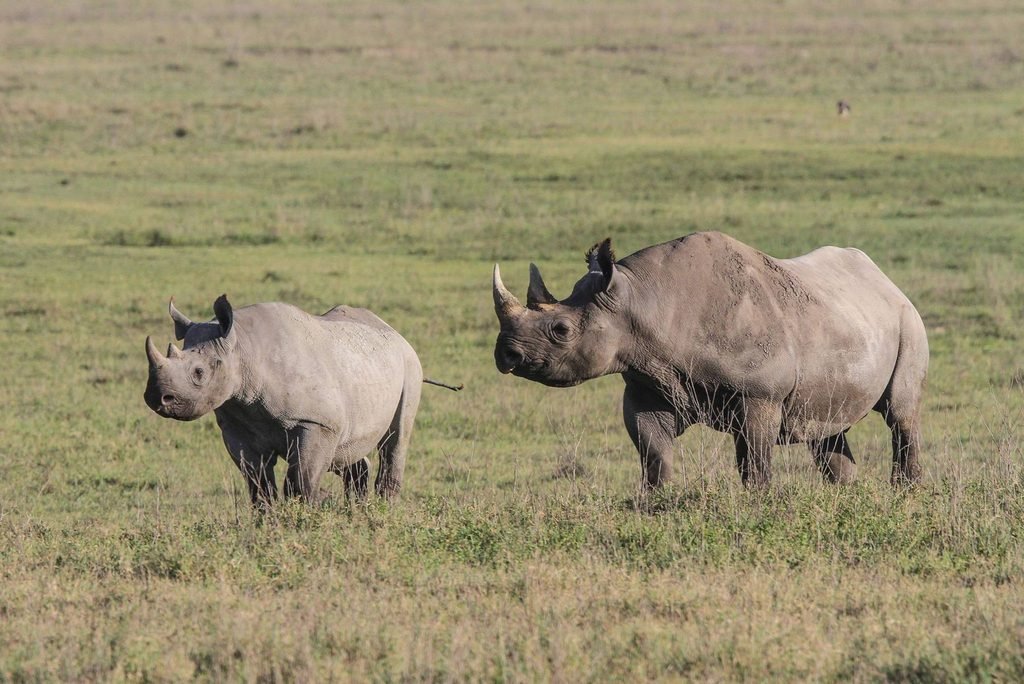
The black rhinoceros is one of Africa’s most iconic endangered animals. Its large size, powerful appearance, and increasingly rare status make seeing one in the wild a truly special experience.
In Tanzania, one of the best-known places to look for black rhinos is the Ngorongoro Crater. The crater provides a relatively protected environment where visitors may have an opportunity to observe these magnificent animals from a respectful distance.
Black rhinos are generally solitary and can be cautious around people. That means a sighting may be brief a rhino grazing in the distance or slowly moving across the open grassland but even that moment can be unforgettable.
Their greatest historic threat has been poaching for their horns. Conservation efforts have helped protect remaining populations, but the species continues to require strong protection.
Where you may see them: Ngorongoro Crater and selected protected areas.
2. African Wild Dog:8 Endangered Animals You Might See on Safari: 2027–2028
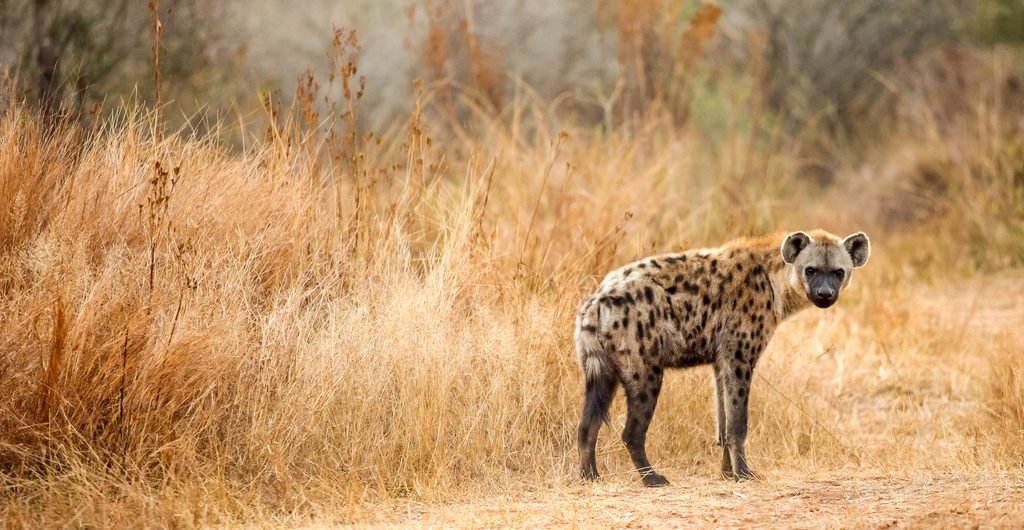
The African wild dog, sometimes called the painted dog, is one of Africa’s most fascinating predators.
Unlike lions, which are often associated with large prides, wild dogs live in highly social packs. They cooperate closely when hunting, raising young, and protecting members of the group.
They are also incredibly energetic. Watching a pack interact can be one of the most exciting wildlife encounters you can have.
African wild dogs are endangered and face challenges including habitat loss, disease, human-wildlife conflict, and fragmentation of their populations.
In Tanzania, sightings are more likely in some of the country’s southern and western wildlife areas than in the most heavily visited northern safari parks.
Where you may see them: Ruaha National Park, Nyerere National Park and other suitable protected areas.
3. Cheetah
Few animals are as instantly recognizable as the cheetah.
Known for incredible speed, cheetahs are built differently from other large African predators. Their slim bodies, long legs, flexible spine, and distinctive black facial markings make them perfectly adapted for short bursts of speed.
Seeing a cheetah in the Serengeti can be an incredible experience, especially when one is sitting quietly on a small rise overlooking the plains.
Cheetahs are classified as vulnerable rather than critically endangered, but their populations face pressure from habitat loss, declining prey, human-wildlife conflict, and genetic challenges caused by historically low population diversity.
The open landscapes of the Serengeti can provide good opportunities to search for them.
Where you may see them: Serengeti National Park and other open-grassland habitats.
4. African Elephant:8 Endangered Animals You Might See on Safari: 2027–2028 Guide
Elephants are among the most recognizable animals in Africa, but their future cannot be taken for granted.
African elephants face threats including habitat loss, human-wildlife conflict, and poaching in some areas.
There are two recognized African elephant species the African savanna elephant and the African forest elephant—and their conservation situations differ. The savanna elephant is listed as endangered, while the forest elephant is critically endangered.
For safari travelers in Tanzania, the African savanna elephant is the species you are most likely to encounter.
Watching a family herd move through the bush is a beautiful experience. You may see adults protecting young calves, elephants feeding, greeting one another, or simply walking together across the landscape.
Where you may see them: Tarangire National Park, Serengeti National Park, Ngorongoro Conservation Area, Ruaha and other protected areas.
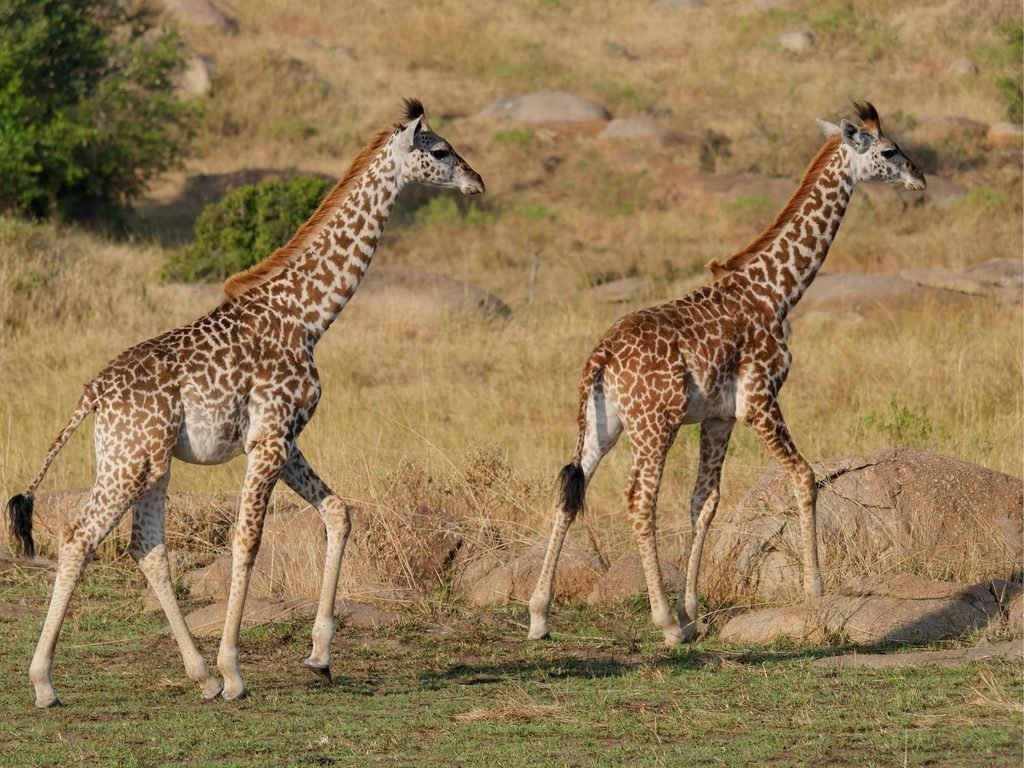
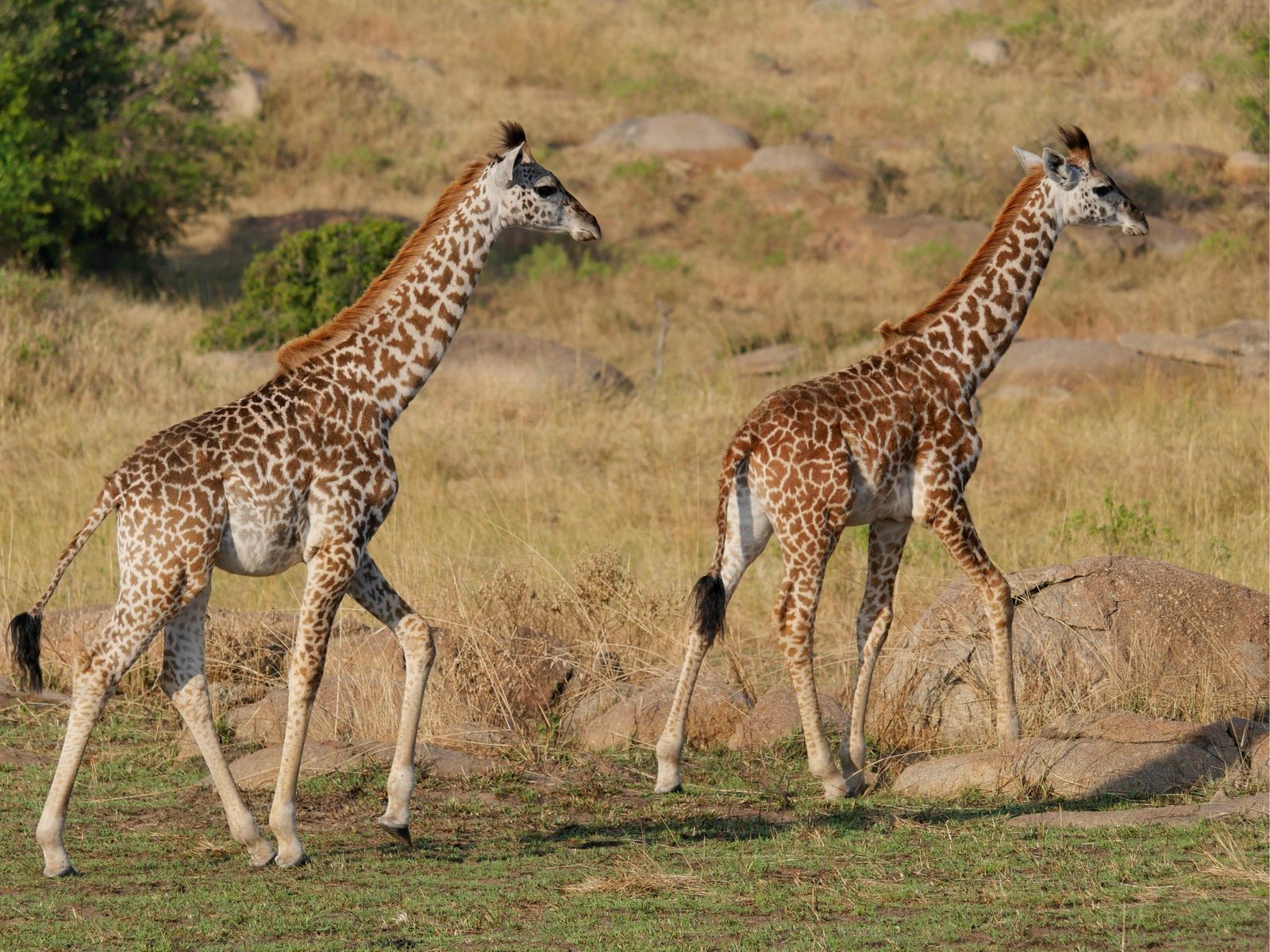
5. Giraffe:8 Endangered Animals You Might See on Safari: 2027–2028
It may seem surprising to see the giraffe on a list of threatened wildlife because giraffes are such a familiar sight on African safaris.
However, giraffe populations have experienced significant declines in parts of Africa, and conservationists continue to monitor and protect them.
Tanzania is an especially rewarding destination for giraffe lovers. Their height makes them relatively easy to spot as they move between acacia trees and open woodland.
There is something wonderfully peaceful about watching a giraffe feed. They often move slowly, carefully selecting leaves while keeping an eye on their surroundings.
Seeing one from a safari vehicle is common in many Tanzanian parks, but remembering that these animals face conservation challenges makes the encounter even more meaningful.
Where you may see them: Tarangire, Serengeti, Arusha National Park, Nyerere and many other protected areas.
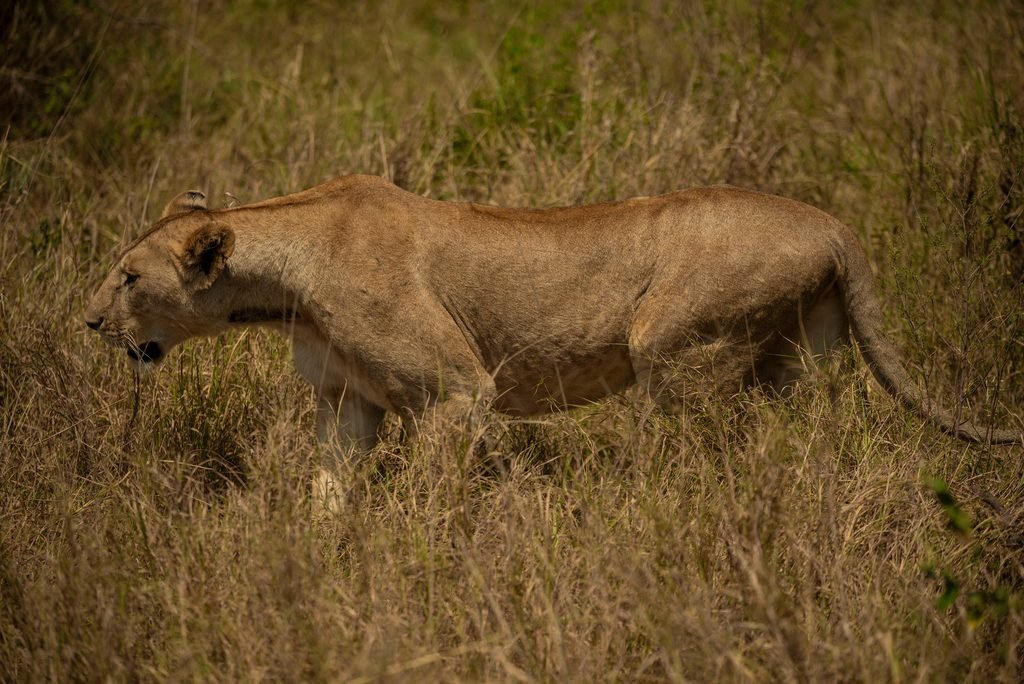
6. Lion
The African lion remains one of the world’s most famous wild animals, but wild lions face serious conservation challenges.
Their numbers are affected by habitat loss, declining prey in some regions, disease, and conflict between people and wildlife.
Tanzania is one of the best destinations for experiencing lions in their natural environment.
In Serengeti, you may encounter lions resting beneath trees during the heat of the day, watching over a pride, or becoming active in the early morning and evening.
One of the most remarkable things about seeing lions on safari is observing their social behavior. Cubs playing, adults grooming each other, and members of a pride communicating can make the experience much more interesting than simply taking a photograph.
Where you may see them: Serengeti, Ngorongoro, Tarangire, Ruaha and other protected areas.
7. Leopard
The African leopard is one of the most elusive animals you might encounter on safari.
Leopards are powerful, adaptable predators, but they are also extremely secretive. They often rest in trees during the day, making them easy to miss even when they are nearby.
This is why a leopard sighting can feel so special.
Your guide may suddenly stop the vehicle and point toward a tree. At first, you may see nothing. Then, slowly, you notice the spotted coat, the tail hanging down, and the unmistakable shape of a leopard resting on a branch.
Leopards face threats related to habitat loss, human-wildlife conflict, and the illegal wildlife trade.
Where you may see them: Serengeti, Ngorongoro, Tarangire and other suitable wildlife areas.
8. Eastern Black-and-White Colobus
The black-and-white colobus monkey is very different from the large mammals most people imagine when they think about safari.
These beautiful monkeys have striking black-and-white coats and long tails. They spend much of their time in trees, moving through forest habitats in groups.
In Tanzania, visitors may encounter colobus monkeys in forested areas, including around Arusha National Park and other suitable habitats.
Their presence reminds us that safari conservation is not only about the famous Big Five. Forests, wetlands, grasslands, and mountain ecosystems all support unique species that deserve protection.
Where you may see them: Forest habitats in northern Tanzania and other protected areas.
Why Endangered Wildlife Matters
Seeing a threatened animal in the wild can change the way you think about conservation.
When you see a black rhino standing quietly in the Ngorongoro landscape, an elephant family moving through Tarangire, or a leopard resting high in a tree, these are no longer simply animals you have seen in documentaries.
They become real.
You begin to appreciate why protecting their habitats matters.
Wildlife conservation also protects much more than individual species. Healthy ecosystems support plants, insects, birds, water systems, local communities, and countless other organisms.
That is why responsible tourism can play an important role. Visitor fees and tourism activities can contribute to conservation, employment, community development, and the protection of natural areas.
How to Have a Responsible Wildlife Encounter
As a safari traveler, you can also make a difference.
Keep a Respectful Distance
Do not encourage your driver to approach animals too closely just to get a better photograph.
Never Feed Wild Animals
Feeding wildlife can change natural behavior and create dangerous situations for both animals and people.
Follow Your Guide’s Instructions
Your guide understands the environment and can help you enjoy wildlife safely without unnecessary disturbance.
Avoid Buying Wildlife Products
Do not purchase products made from protected animals or other illegal wildlife materials.
Support Responsible Tourism
Choose safari arrangements that value conservation, local communities, and responsible treatment of guides and other staff.
Best Tanzania Parks for Wildlife Lovers in 2027–2028
If your main goal is to see a wide variety of wildlife, northern Tanzania offers an exceptional combination of destinations.
Serengeti National Park is famous for its predators, wildebeest, zebra, elephants, giraffes, and the Great Wildebeest Migration.
Ngorongoro Conservation Area is particularly interesting for travelers hoping to see black rhinos and experience a remarkable concentration of wildlife within the crater.
Tarangire National Park is an excellent destination for elephants, giraffes, birds, and beautiful baobab landscapes.
For travelers interested in less-visited areas, Ruaha National Park and Nyerere National Park can provide a very different safari atmosphere and opportunities to search for wildlife such as African wild dogs.
When Should You Go on Safari?
There is no single perfect month for seeing all eight species.
The best time depends on the animal you most want to see, the park you plan to visit, and the type of safari experience you prefer.
The dry season, particularly from around June to October, is popular for general wildlife viewing because vegetation is often thinner and animals may gather around reliable water sources.
The green season can offer beautiful scenery, newborn animals in some areas, excellent birdwatching, and fewer visitors in certain destinations.
If the Great Wildebeest Migration is important to you, your safari dates should be planned around the expected movement of the herds.
A Final Thought for Your 2027–2028 Safari
8 Endangered Animals You Might See on Safari: 2027–2028;A safari is not simply about collecting photographs.Sometimes, the most powerful moment is sitting quietly in a vehicle and watching a wild animal behave naturally in its own environment.
Perhaps it will be a black rhino slowly moving across the Ngorongoro Crater. Perhaps it will be a cheetah watching the Serengeti plains. Maybe it will be a family of elephants crossing the road in Tarangire.
These encounters remind us that Tanzania’s wildlife is part of a much bigger story one involving ecosystems, conservation, local communities, and the responsibility to protect nature for future generations.
If you are planning a Tanzania safari in 2027 or 2028, consider including destinations where you can experience not only famous wildlife, but also the conservation stories behind it.
The animals you see today should still have a safe place in the wild tomorrow.