30 Tanzania Safari Animals You May See : A Tanzania safari is far more than a search for lions and elephants. The country’s national parks and conservation areas hold an extraordinary variety of wildlife, from massive elephant herds and powerful buffalo to tiny dik-diks, colourful birds, playful monkeys and elusive nocturnal animals.
Every park has a different character. Tarangire is famous for elephants and baobabs. Serengeti is known for big cats and the Great Migration. Ngorongoro Crater offers concentrated wildlife in dramatic surroundings. Lake Manyara combines forest, monkeys, birds and lake habitats.
This guide introduces 30 animals you may see on a Tanzania safari and explains where you have the best chance of finding them.
At EKO Tanzania Adventures, our experienced driver-guides help guests understand wildlife behaviour, habitats, tracks and bird calls—not simply point at animals from the vehicle.
For a customised Tanzania wildlife safari, contact us on WhatsApp at +255 761 353 184, call +255 761 353 184, or email info@ekotanzaniaadventures.com / ekotanzaniaadventure@gmail.com.
Tanzania’s Most Famous Safari Animals
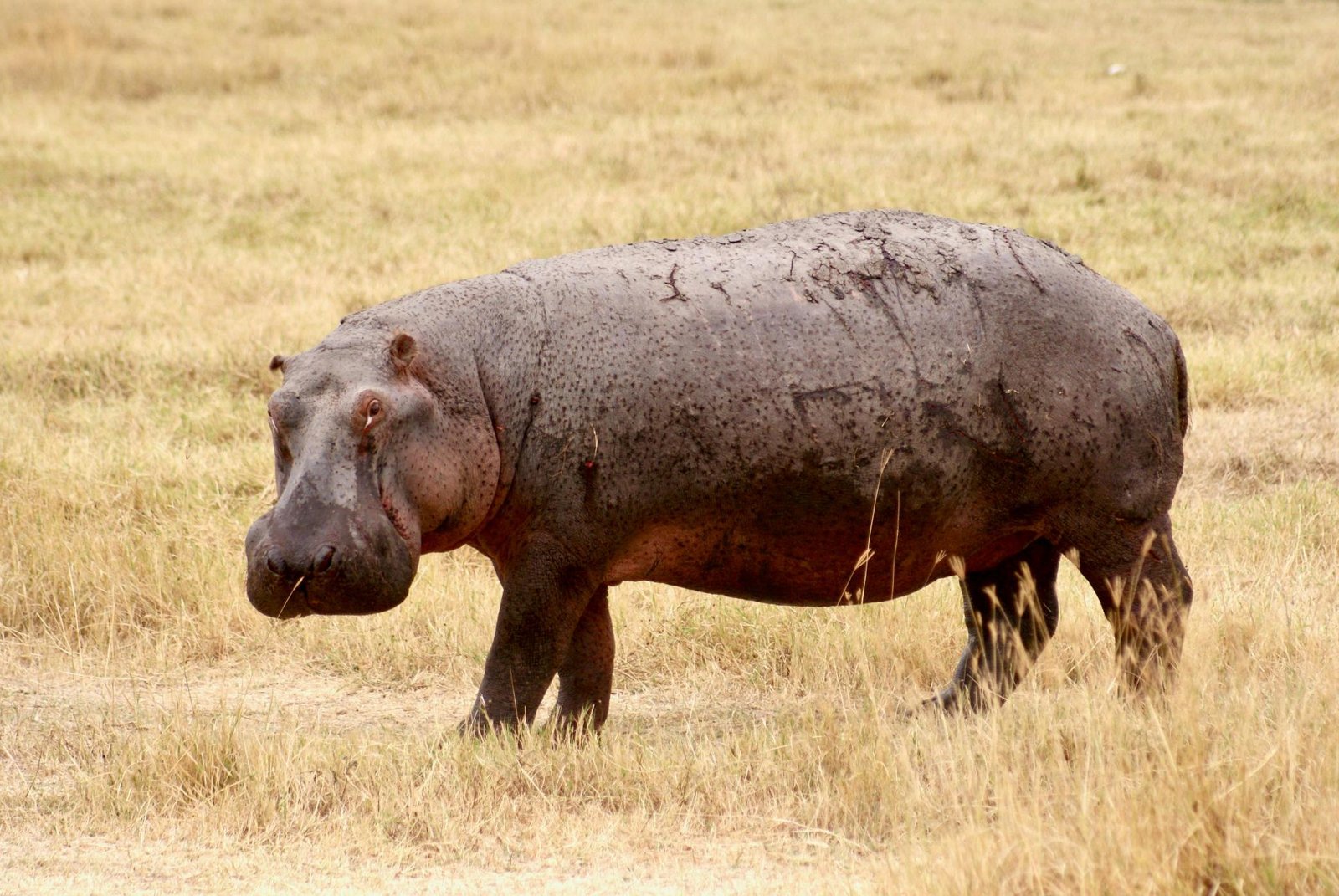
1. African Elephant
Elephants are among the most memorable animals to see in Tanzania. They live in close family groups, led by experienced females, and can be seen feeding, drinking, bathing, protecting calves and moving quietly through woodland.
Best places to see them: Tarangire National Park, Serengeti National Park, Ngorongoro Conservation Area, Lake Manyara National Park and Ruaha National Park.
Tarangire is especially famous for elephant families. TANAPA highlights elephant herds, river landscapes and baobab-dotted habitats as central attractions of the park.
2. Lion
Lions are Tanzania’s most iconic predators. They may be seen sleeping in the shade, resting on kopjes, watching prey, grooming cubs or moving through the grass in early morning and late afternoon.
Best places to see them: Serengeti National Park, Ngorongoro Crater, Tarangire National Park, Ruaha National Park and Nyerere National Park.
Serengeti is particularly strong for lion sightings because of its large open grassland and healthy prey populations.
3. Leopard
Leopards are beautiful, powerful and naturally secretive. They are often difficult to find because they rest in trees, move quietly through riverine woodland or hide in tall grass.
Best places to see them: Central Serengeti, Tarangire, Lake Manyara, Ruaha and Nyerere.
Leopard sightings are never guaranteed. A guide may find one resting in a tree, crossing a track or moving through dense vegetation, but patience and luck are essential.
4. Cheetah
Cheetahs are built for speed and are often found in open grassland where they can scan for prey. They are usually seen alone, in small family groups or with cubs.
Best places to see them: Central and southern Serengeti, Ndutu area and Ngorongoro Conservation Area.
Cheetahs are not part of the Big Five, but they are one of the most sought-after animals on a Tanzania photography safari.
5. African Buffalo
African buffalo are powerful animals that may be seen in large herds or smaller groups. They are often found near grassland, mud wallows and water sources.
Best places to see them: Ngorongoro Crater, Tarangire, Serengeti, Lake Manyara, Ruaha and Nyerere.
Buffalo are one of the Big Five and should always be observed from a respectful distance.
6. Black Rhinoceros
Black rhinos are among the rarest wildlife sightings on a Tanzania safari. They are heavily protected, and sightings should never be guaranteed.
Best place to see them: Ngorongoro Crater, with selected conservation areas and sanctuaries also playing important roles.
Rhinos may be seen at a distance in open grassland. Even a far-off sighting is special because of the animal’s conservation importance.
7. Giraffe
Giraffes are one of the easiest and most enjoyable animals to see on safari. They browse on acacia trees, walk gracefully across plains and often create beautiful sunset silhouettes.
Best places to see them: Tarangire, Serengeti, Lake Manyara, Arusha National Park, Ruaha and Nyerere.
There are several giraffe subspecies and populations across East Africa. Your guide can explain the patterns and features of the giraffes in the park you visit.
8. Plains Zebra
Zebras are common in many Tanzania safari areas and are often seen grazing with wildebeest. Their striped coats make them a favourite for photography.
Best places to see them: Serengeti, Ngorongoro Crater, Tarangire, Lake Manyara and Arusha National Park.
During the Great Migration, enormous zebra herds may travel with wildebeest through Serengeti.
9. Blue Wildebeest
Wildebeest are strongly associated with the Great Migration. They often move in large groups, grazing across the plains and travelling with zebras and gazelles.
Best places to see them: Serengeti, Ndutu, Ngorongoro Crater, Tarangire and parts of the wider Northern Circuit.
UNESCO identifies the movement of wildebeest, zebras and gazelles across Serengeti as one of the world’s great natural wildlife events.
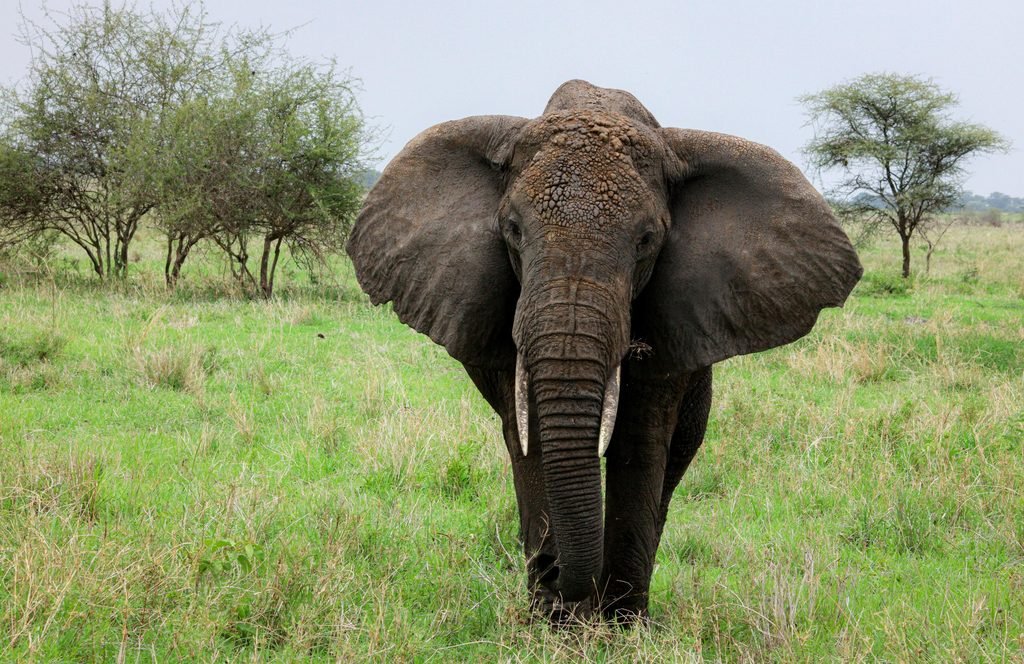
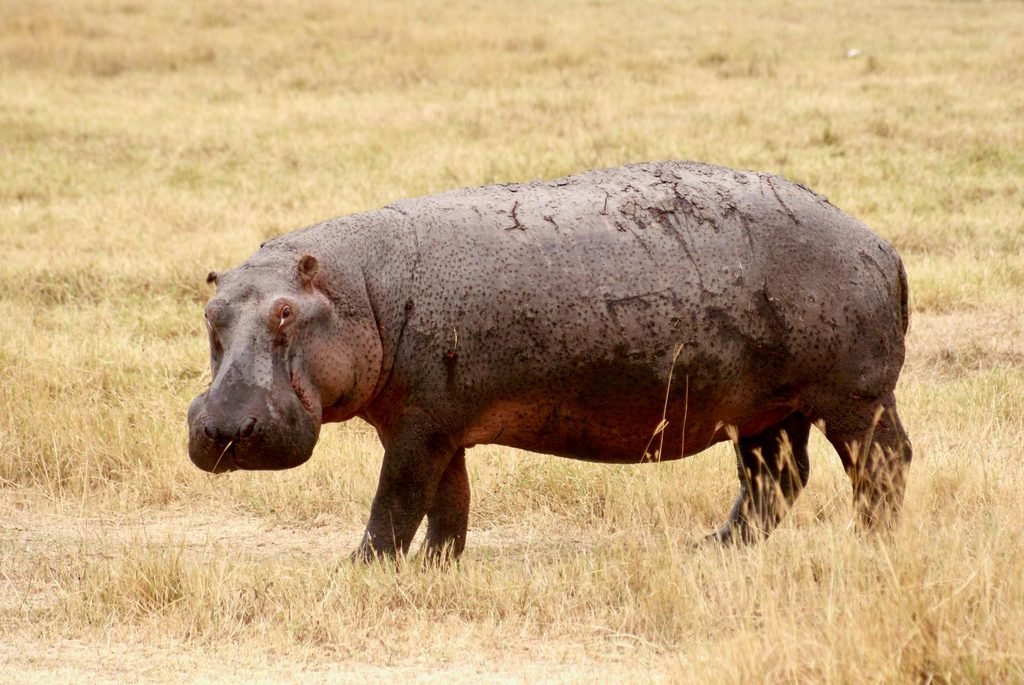
10. Hippopotamus
Hippos spend much of the day in water or mud to stay cool, then leave at night to graze.
Best places to see them: Ngorongoro Crater, Serengeti river areas, Lake Manyara, Nyerere National Park and Ruaha National Park.
Hippos may look calm, but they are powerful wild animals. Never approach them on foot or assume they are harmless.
Antelope and Grazing Animals
11. Impala
Impalas are graceful antelopes often seen in woodland and grassland. Males have long, curved horns, while females do not.
Best places to see them: Tarangire, Serengeti, Lake Manyara, Ngorongoro, Nyerere and Ruaha.
Impalas are alert animals. If they suddenly stare, snort or run, your guide may look for a nearby predator.
12. Thomson’s Gazelle
Thomson’s gazelles are small, fast and common on the open plains. They are a familiar sight in Serengeti and Ngorongoro.
Best places to see them: Serengeti, Ngorongoro Crater and Ndutu.
They are prey for cheetahs, lions and other predators, making them an important part of the grassland ecosystem.
13. Grant’s Gazelle
Grant’s gazelles are generally larger than Thomson’s gazelles and can be found in drier open habitats.
Best places to see them: Serengeti, Ngorongoro Conservation Area and Tarangire.
Your guide can explain the differences between Grant’s and Thomson’s gazelles.
14. Topi
Topi are striking antelopes with dark markings on their legs and upper body. They are often seen standing on termite mounds, watching the grassland.
Best places to see them: Serengeti, western Serengeti, Ngorongoro and some southern parks.
Topi are wonderful subjects for wildlife photography because they often stand in open, elevated positions.
15. Hartebeest
Hartebeest are large antelopes with long faces and high shoulders. They move in groups across open grassland.
Best places to see them: Tarangire, Serengeti and Ngorongoro areas.
They are often confused with wildebeest from a distance, but their body shape is very different.
16. Eland
Eland are Africa’s largest antelopes. They are large, pale brown animals with a heavy build and spiral horns.
Best places to see them: Serengeti, Tarangire, Ruaha and selected conservation areas.
They can be difficult to spot because they are often spread out in woodland or open plains.
17. Waterbuck
Waterbuck are large antelopes usually found near water. Males have long, ringed horns, and many individuals have a pale ring around the hindquarters.
Best places to see them: Tarangire, Lake Manyara, Arusha National Park, Ruaha and Nyerere.
18. Dik-Dik
Dik-diks are tiny antelopes, often difficult to spot because they hide in bushes and move quietly. They are much smaller than most visitors expect.
Best places to see them: Tarangire, Lake Manyara, Arusha National Park and woodland areas of the Northern Circuit.
A dik-dik sighting may not be as dramatic as a lion, but it is a wonderful example of Tanzania’s smaller wildlife.
Primates and Smaller Mammals
19. Olive Baboon
Baboons are highly social primates that live in large troops. They are common in forest and woodland areas and may be seen walking along roads, grooming each other or caring for young.
Best places to see them: Lake Manyara, Arusha National Park, Tarangire and Ngorongoro forest areas.
Lake Manyara is especially well known for its large baboon troops.
20. Blue Monkey
Blue monkeys are attractive forest primates with grey-blue fur and pale facial features.
Best places to see them: Lake Manyara, Arusha National Park and forested sections of Ngorongoro.
They are usually seen in trees, moving through the canopy or feeding on leaves and fruit.
21. Black-and-White Colobus Monkey
Colobus monkeys are striking primates with long white hair and black fur. They are often found in forest habitat.
Best places to see them: Arusha National Park and selected forested areas around Mount Meru.
They are a highlight of an Arusha National Park day trip and a good reason to include the park in a longer Tanzania holiday.
22. Warthog
Warthogs are common and entertaining safari animals. They may be seen kneeling to graze, running with their tails upright or resting near termite mounds.
Best places to see them: Tarangire, Serengeti, Ngorongoro, Lake Manyara, Arusha and Nyerere.
They are often seen in family groups, especially females with young.
23. Spotted Hyena
Spotted hyenas are intelligent and important predators and scavengers. They are often misunderstood because of their distinctive calls and scavenging behaviour.
Best places to see them: Serengeti, Ngorongoro Crater, Tarangire, Ruaha and Nyerere.
Hyenas are skilled hunters as well as scavengers. You may see them resting near dens, moving across the plains or following predator activity.
24. Side-Striped Jackal
Side-striped jackals are smaller and more elusive than hyenas. They may be seen moving through grassland or woodland, often alone or in pairs.
Best places to see them: Serengeti, Ngorongoro, Tarangire and southern Tanzania parks.
Jackals are more often seen in early morning or late afternoon.
25. African Wild Dog
African wild dogs are among Africa’s rarest and most exciting predators. They are highly social, fast-moving and difficult to find.
Best places to see them: Nyerere National Park, Ruaha National Park and selected conservation areas.
Wild dog sightings are never guaranteed, but they are a major highlight for wildlife enthusiasts and photographers.
Birds, Reptiles and Special Wildlife
26. Ostrich
Ostriches are the world’s largest birds and are common in open savannah. Males are mostly black and white, while females are brown-grey.
Best places to see them: Serengeti, Tarangire, Ngorongoro and Lake Manyara.
They can run extremely fast and are often seen walking across open plains.
27. Secretary Bird
Secretary birds are tall, elegant birds of prey that walk through grassland looking for small animals, including snakes and insects.
Best places to see them: Serengeti, Tarangire, Ngorongoro and open areas of the Northern Circuit.
They are excellent photography subjects because of their long legs, distinctive head feathers and unusual hunting behaviour.
28. Flamingos
Flamingos can be seen around suitable soda-lake habitats, sometimes in large groups and sometimes in smaller numbers depending on water and feeding conditions.
Best places to see them: Lake Manyara, Lake Magadi in Ngorongoro Crater and Lake Natron region.
Flamingo numbers vary with season and environmental conditions, so they should not be guaranteed.
29. Nile Crocodile
Nile crocodiles are large reptiles found in rivers and lakes. They may be seen resting on banks or floating almost motionless in water.
Best places to see them: Nyerere National Park, Serengeti river areas, Ruaha National Park and other river systems.
Always follow your guide’s instructions around water. Never approach riverbanks independently.
30. African Rock Python
African rock pythons are large non-venomous snakes, but they are rarely seen on a normal game drive because they are secretive and well camouflaged.
Best places to see them: Tarangire, Lake Manyara, Serengeti and woodland or riverine habitats.
A snake sighting is a special bonus, not something most visitors should expect.
Best Tanzania Parks for Different Animals
Best for Elephants
- Tarangire National Park
- Serengeti National Park
- Ngorongoro Conservation Area
- Ruaha National Park
Best for Lions and Leopards
- Serengeti National Park
- Ngorongoro Crater
- Ruaha National Park
- Tarangire National Park
Best for Black Rhinos
- Ngorongoro Crater
- Mkomazi conservation areas, depending on access and arrangements
Best for Great Migration Herds
- Serengeti National Park
- Ndutu area
- Northern Serengeti, depending on season
Best for Monkeys and Forest Wildlife
- Lake Manyara National Park
- Arusha National Park
- Ngorongoro highland forests
Best for River Wildlife
- Nyerere National Park
- Ruaha National Park
- Serengeti river areas
- Lake Manyara and Ngorongoro water habitats
Best Time to See Tanzania Safari Animals
Tanzania offers wildlife viewing throughout the year.
June to October
Dry-season months can be excellent for general wildlife viewing. Animals may gather closer to water sources, especially in Tarangire.
December to March
This is often a rewarding period for southern Serengeti wildlife, green landscapes and the migration calving phase, depending on rainfall.
April, May and November
Green-season travel can offer lush landscapes, birdwatching, fewer safari vehicles and beautiful photography conditions.
Animal movements are always influenced by rain, water, grazing and habitat. Your guide will adapt daily game drives to the conditions.
Tanzania Wildlife Viewing Rules
Wildlife viewing must always be respectful.
Remember to:
- Stay inside the vehicle unless instructed otherwise
- Keep a respectful distance from animals
- Do not feed wildlife
- Do not make loud sounds
- Never chase or surround animals
- Do not use flash near wildlife
- Follow park rules
- Listen to your driver-guide
- Keep children supervised
- Never walk alone in wildlife areas
The best wildlife encounters happen when animals are relaxed and allowed to behave naturally.
Plan Your Tanzania Wildlife Safari with EKO Tanzania Adventures
A Tanzania safari gives you the chance to see animals you may have known only from books and documentaries. From elephants in Tarangire to lions in Serengeti, monkeys in Lake Manyara and rhinos in Ngorongoro, every park has something special to offer.
Contact EKO Tanzania Adventures to plan a private wildlife safari around your favourite animals and travel dates.
- WhatsApp: +255 761 353 184
- Call: +255 761 353 184
- Email: info@ekotanzaniaadventures.com
- Alternative email: ekotanzaniaadventure@gmail.com
- Website: www.ekotanzaniaadventures.com
See Tanzania’s wildlife responsibly with EKO Tanzania Adventures.