How to Choose a Tanzania Safari Itinerary:- A Tanzania safari can be one of the most rewarding travel experiences in Africa, but a good trip is not created by adding as many parks as possible into a short number of days. The strongest itinerary gives you enough time to enjoy wildlife, landscapes, accommodation and the road journey without feeling as though you are constantly packing, checking out and driving.
Many travellers make one costly mistake when planning a Tanzania safari: they choose an itinerary based only on the number of destinations listed. A route with Serengeti, Ngorongoro, Tarangire, Lake Manyara, Arusha and Zanzibar may look impressive on paper, but if the journey is too short, it can become exhausting.
The right Tanzania safari itinerary depends on your available days, budget, arrival airport, travel style, accommodation preference and the wildlife experience you want most. A family, honeymoon couple, photography traveller and first-time visitor may all need different routes.
This guide explains how to choose a practical Tanzania safari itinerary and how to make sure your time is spent where it matters most—inside the parks and in the landscapes you travelled so far to see.
For personalised safari planning, EKO Tanzania Adventures can help you build a route around your travel dates, interests and preferred accommodation level.
1. Start with the Number of Real Safari Days You Have
Before selecting parks, count the real number of days available for safari activities.
If you land at Kilimanjaro International Airport late in the afternoon, that arrival day may only be suitable for an airport transfer and overnight stay in Arusha. If your international flight leaves early in the morning, your final night should usually be close enough to the departure airport.
This means an eight-night holiday may not always provide eight full safari days.
A realistic Tanzania itinerary should allow time for:
- Airport arrival and transfer
- Overnight stays before and after safari where needed
- Driving between parks
- Game drives
- Meals and rest breaks
- Park-entry procedures
- Possible road delays caused by weather or conditions
- Flights to Zanzibar or other extensions
A short safari can still be excellent. The important thing is to choose a route that suits the time available.
A practical guide by safari length
| Available safari time | Good itinerary focus |
|---|---|
| 1–2 days | Tarangire, Ngorongoro Crater or Arusha National Park |
| 3 days | Tarangire, Ngorongoro and Lake Manyara, or Serengeti plus Ngorongoro |
| 4–5 days | Serengeti, Ngorongoro and Tarangire |
| 6–7 days | A relaxed Northern Circuit safari with more time in Serengeti |
| 8–10 days | Northern Circuit with longer stays, photography focus or luxury pace |
| 10+ days | Tanzania safari combined with Zanzibar, southern parks or deeper exploration |
The goal is not to visit every park. The goal is to enjoy the parks you choose properly.
2. Choose the Right Safari Circuit
Tanzania has several safari regions. The most popular is the Northern Circuit, but it is not the only option.
Northern Tanzania Safari Circuit
The Northern Circuit is ideal for first-time visitors because it includes several famous parks within one broader route.
Popular destinations include:
- Tarangire National Park
- Lake Manyara National Park
- Ngorongoro Conservation Area
- Serengeti National Park
- Arusha National Park
- Mkomazi National Park
- Lake Natron
This circuit offers varied landscapes, from baobab country and open savannah to crater walls, woodland, soda lakes and vast Serengeti plains.
A classic Northern Circuit safari often starts and ends in Arusha, usually after arrival through Kilimanjaro International Airport or Arusha Airport.
Southern Tanzania Safari Circuit
Southern Tanzania is a strong choice for travellers looking for a quieter, more remote experience. Parks commonly considered include Nyerere National Park and Ruaha National Park.
This region can suit travellers who want boat safaris, walking experiences where permitted, fewer vehicles in some areas and a more secluded wilderness atmosphere. It may involve domestic flights or longer transfers, so it needs thoughtful planning.
Western Tanzania Safari Circuit
Western Tanzania includes remote destinations such as Katavi National Park and Mahale Mountains National Park. These journeys are generally better for experienced safari travellers, chimpanzee trekking interests and guests with more time and a higher budget for logistics.
For most first-time visitors, the Northern Circuit is the simplest and most rewarding starting point.
3. Decide What Wildlife Experience Matters Most
Do you want to see elephants, big cats, birdlife, scenic landscapes, the Great Migration, rare primates, family-friendly wildlife viewing or dramatic crater scenery?
Your answer should shape your route.
For example:
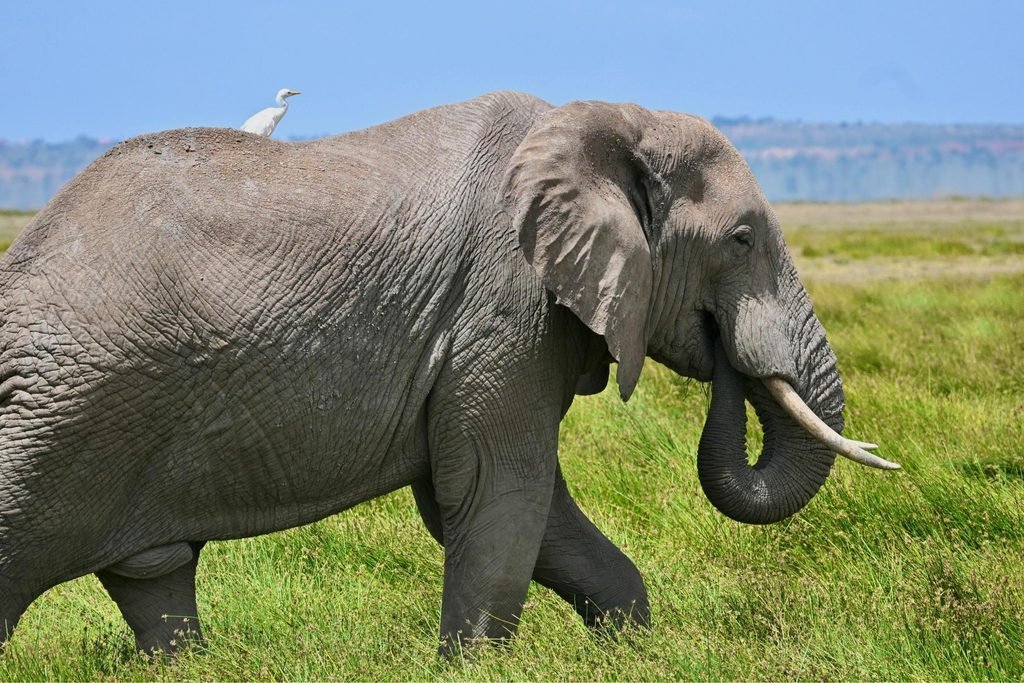
- Elephants and baobab landscapes: Tarangire National Park is an excellent choice.
- Big-cat viewing and wide-open plains: Serengeti National Park should be a priority.
- A chance to see the Big Five in a compact area: Ngorongoro Crater is often included, although wildlife sightings can never be guaranteed.
- Birdlife, forest and lake scenery: Lake Manyara or Arusha National Park can add variety.
- Great Migration planning: Serengeti location and travel month are especially important.
- Chimpanzees: Western Tanzania should be considered.
- Walking and boat activities: Choose parks and camps where these are properly permitted and arranged.
A safari itinerary should not promise every animal. Wildlife moves freely, weather affects conditions, and every game drive is different. A good planner will explain what is likely, what is seasonal and what remains a matter of chance.
4. Do Not Rush the Serengeti
Serengeti National Park is large. It is not simply one road with animals waiting beside it. Its scale is part of what makes it extraordinary.
Travellers sometimes book a Serengeti safari with only one night in the park, then spend much of the trip driving in and out. This can work on a very limited schedule, but it is rarely the most relaxed option.
For a better Serengeti experience, consider at least two nights in or near the park. This gives you:
- More than one game-drive opportunity
- A chance to explore different areas
- Less pressure to see everything in a few hours
- Better flexibility if weather or road conditions change
- More time for early-morning and late-afternoon wildlife viewing
- A more enjoyable pace for photography
If your main purpose is the Great Migration, consider three or more nights in the most suitable region for your travel month.
5. Understand Great Migration Timing Without Believing Guarantees
The Great Migration is one of the most famous wildlife movements in the world, but it does not operate according to a fixed calendar. The herds respond to rainfall, grass conditions and water availability.
Generally, the migration moves through different areas of the Serengeti ecosystem across the year. Some travellers visit during the calving period in the southern plains, while others hope to see large herds in the western corridor or northern Serengeti.
However, no responsible safari company should guarantee a river crossing, a specific herd location or a dramatic predator encounter.
When planning a migration safari, share your travel month first. Then build the route around the areas where the herds are more likely to be—not around a generic Serengeti itinerary copied for every season.
A good migration plan should include:
- Several nights in the most relevant Serengeti area
- Flexibility in daily game drives
- Accommodation positioned sensibly for the season
- Honest guidance about nature and changing conditions
- Realistic expectations about sightings
6. Balance Driving Time with Wildlife Time
Driving is part of a Tanzania safari. The landscapes between parks can be scenic, cultural and interesting, but too much road time can reduce the quality of the trip.
When comparing itineraries, ask how many hours you will drive each day. A route may say “morning game drive, then transfer,” but the transfer could be much longer than expected.
A comfortable itinerary usually avoids:
- Changing accommodation every single night
- Driving very long distances after a full-day safari
- Entering and leaving the same park too quickly
- Trying to cover Serengeti, Ngorongoro, Tarangire and Lake Manyara in only a few days
- Scheduling major transfers on the final day before an international flight
Sometimes the best itinerary has fewer destinations but more time at each one.
For example, a five-day route through Tarangire, Serengeti and Ngorongoro may be more satisfying than a five-day route that tries to include five parks.
7. Choose Between Road Safari and Fly-In Safari
Most Tanzania Northern Circuit itineraries use a comfortable 4×4 safari vehicle, often with a pop-up roof for game viewing. A road safari can be a wonderful way to see how landscapes change from Arusha to the national parks.
However, long drives are not ideal for everyone.
A fly-in safari uses domestic flights between selected locations. It can reduce travel time, especially for guests with limited days or those staying in remote regions of the Serengeti.
A road safari may be right for you if you:
- Enjoy seeing countryside and villages along the route
- Have enough days for a relaxed overland itinerary
- Want to control costs
- Are travelling as a family or private group
- Prefer carrying more luggage than small aircraft may allow
A fly-in safari may be right for you if you:
- Have limited holiday time
- Want more time in the parks
- Prefer less road travel
- Are booking a luxury safari
- Want to combine safari and Zanzibar smoothly
- Have specific mobility or comfort concerns
Flights have baggage rules, schedules and weather considerations, so they should be planned carefully. EKO Tanzania Adventures can help you decide whether flying adds real value to your itinerary or simply adds unnecessary cost.
8. Choose Your Accommodation Style Early
Your accommodation choice affects both your budget and the daily flow of the safari.
Budget camping safari
Camping safaris are ideal for travellers who enjoy being close to nature and are comfortable with simple facilities. They can provide excellent park access while keeping costs lower.
Mid-range lodge or tented-camp safari
This is a popular balance for couples, families and first-time safari travellers. Guests usually have private rooms, bathrooms, comfortable beds and good meals without the price of top-end luxury camps.
Luxury safari
Luxury camps and lodges focus on privacy, design, service, beautiful locations and personalised experiences. This option is popular for honeymoons, special occasions and guests who want a high level of comfort after game drives.
Do not choose only from photos. Ask where the accommodation is located, whether it is inside or outside the park, how long the drive is from key wildlife areas, and what the room setup is.
9. Build Your Tanzania Safari Around Your Travel Style
The same park route can be adjusted for different travellers.
For first-time safari travellers
A classic route including Tarangire, Serengeti and Ngorongoro is often a strong introduction to Tanzania. It offers a good mix of landscapes and wildlife opportunities.
For families
Private vehicles, practical travel days, family rooms and flexible meal stops can make a major difference. Avoid a schedule with too many long transfers.
For honeymooners
Prioritise scenic camps, privacy, two-night stays and a calm pace. A Zanzibar extension can add beach time after the safari.
For photographers
Time, flexibility and guide experience matter more than a long list of destinations. Consider private travel and longer stays in the Serengeti.
For budget travellers
Focus on a smaller number of parks, simple accommodation and a practical route. Spending more time in fewer places can be better value than trying to cover everything.
For older travellers or guests wanting less driving
Choose fewer park changes, well-located lodges and, if suitable, domestic flights for selected transfers.
10. Leave Space for Rest, Meals and the Unexpected
A good safari itinerary has breathing room.
You may want time to sit at camp, enjoy a sunset, organise photographs, have a relaxed lunch or simply watch wildlife from the lodge veranda. Not every hour needs to be scheduled.
Weather can affect roads. A vehicle may need to slow down on rough sections. An interesting wildlife sighting may make you want to stay longer. A family may need an extra break. A flexible itinerary handles these moments better.
Safari travel works best when it has structure but does not feel like a race.
11. Combine Tanzania Safari and Zanzibar Carefully
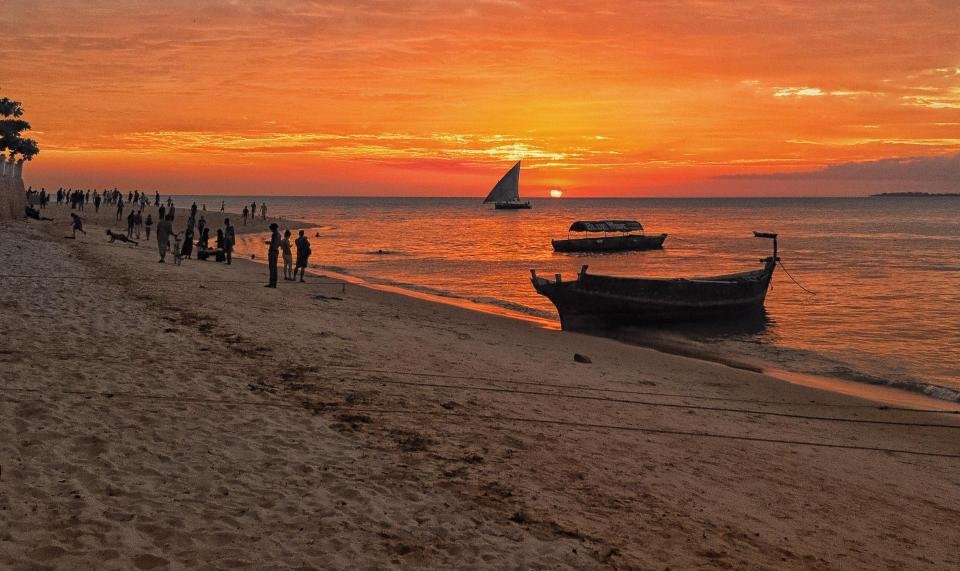
A Tanzania safari and Zanzibar beach holiday is one of the most popular East African combinations. The contrast works beautifully: days in wildlife areas followed by time beside the Indian Ocean.
A balanced combination might include:
- Four to seven days on safari
- One night in Arusha if needed for logistics
- A domestic flight to Zanzibar
- Three to six nights on the island
- A mix of Stone Town, beach relaxation and optional activities
Zanzibar is not only beaches. Travellers can also explore Stone Town, spice farms, cultural sites, snorkelling trips, dhow cruises and coastal villages.
If you want both safari and beach time, do not squeeze Zanzibar into one rushed final night. Give each part of the holiday enough time to feel worthwhile.
12. Ask These Questions Before Booking Your Itinerary
Before confirming any Tanzania safari, ask your operator for clear answers.
- How many hours of driving are planned each day?
- Is the safari vehicle private or shared?
- Which parks are included, and how much time will we spend in each one?
- Are park fees and conservation fees included?
- What accommodation is used, and where is it located?
- Does the quotation include meals, water and airport transfers?
- Is there a window seat for every guest?
- Can the itinerary be adjusted for children, photography or honeymoon travel?
- What is included and excluded from the final price?
- How many nights are spent in Serengeti?
- Will we need a domestic flight?
- What happens if road or weather conditions affect the plan?
Clear answers are a good sign. A safari should never feel confusing before you have even arrived.
Suggested Tanzania Safari Itineraries
3-Day Tanzania Safari
A short but rewarding route may include Tarangire National Park, Ngorongoro Crater and Lake Manyara National Park. This works well for travellers with limited time who want wildlife and varied scenery.
4-Day Tanzania Safari
A practical route may include Tarangire, Serengeti and Ngorongoro. It is busy but possible when well organised.
5-Day Tanzania Safari
This is a good length for Tarangire, Serengeti and Ngorongoro, with two nights in or near Serengeti for a better wildlife experience.
6-Day Tanzania Safari
A six-day itinerary allows a more comfortable Northern Circuit journey with Tarangire, Lake Manyara, Serengeti and Ngorongoro.
7-Day Tanzania Safari
Seven days gives room for a slower pace, more game drives, longer Serengeti stays and stronger options for families, photographers and honeymooners.
10-Day Tanzania Safari and Zanzibar Holiday
This can combine a five- or six-day wildlife safari with several nights in Zanzibar, giving you both adventure and relaxation.
Plan a Tanzania Safari That Feels Worth Your Time
The best Tanzania safari itinerary is not the longest list of parks. It is the route that gives you enough time to enjoy the places you have chosen.
A short safari can be powerful when it is focused. A longer safari can be extraordinary when it allows you to slow down. The key is to choose the right balance between wildlife, driving, comfort and time.
EKO Tanzania Adventures can help you create a safari itinerary that fits your dates, group size, budget and travel style. Whether you want a private family safari, a Great Migration journey, a lodge-based adventure, a camping trip or a safari and Zanzibar holiday, we will help you plan it clearly.
WhatsApp: +255 761 353 184
Call: +255 761 353 184
Email: info@ekotanzaniaadventures.com
Alternative email: ekotanzaniaadventure@gmail.com