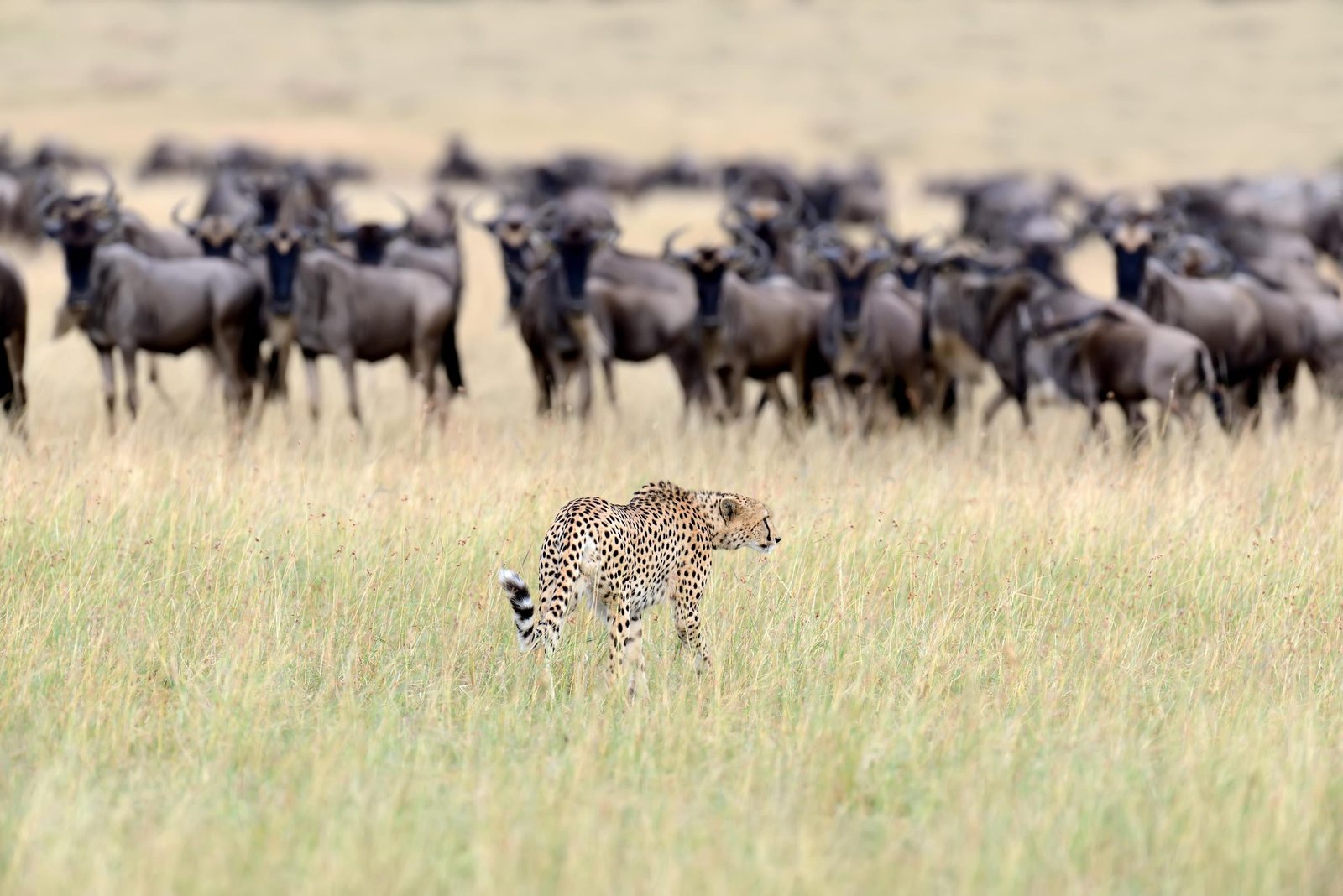
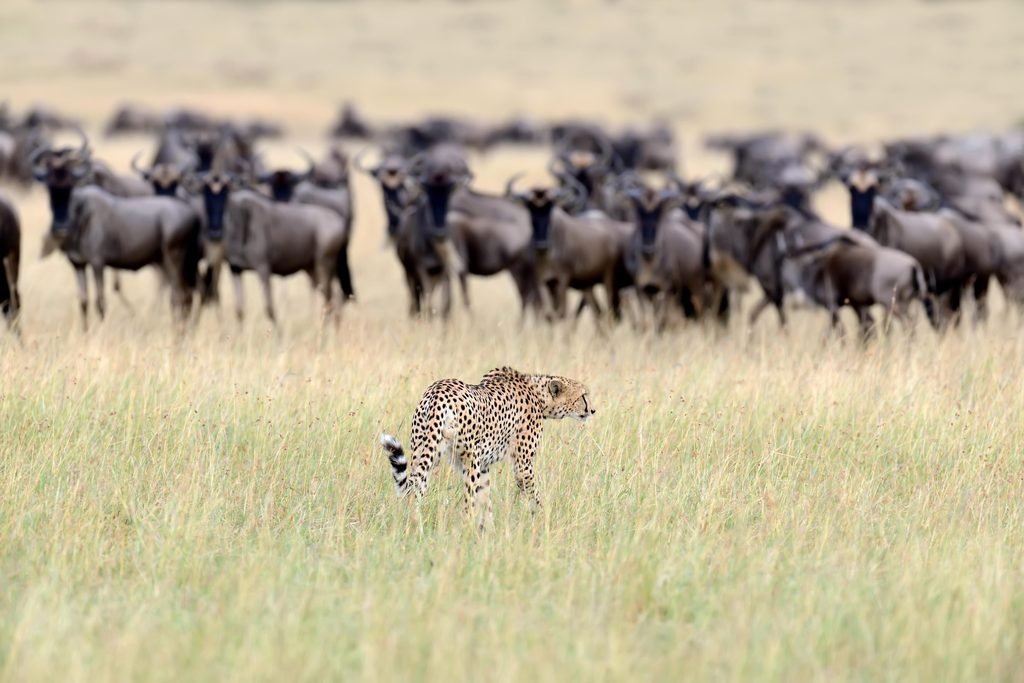
This 6-day Tanzania calving season safari is designed for travellers who want to experience one of the most dramatic wildlife periods in the Serengeti ecosystem. Between roughly December and March, depending on rainfall and grazing conditions, large herds of wildebeest and zebra gather on the southern Serengeti and Ndutu plains. This is the period when many wildebeest give birth, creating a remarkable wildlife spectacle and attracting predators to the area.
The safari combines Tarangire National Park, the Ndutu region and the Ngorongoro Crater. It gives you time in the Great Migration calving area while also including elephant herds, baobab landscapes, big-cat country and one of Africa’s most concentrated wildlife areas.
EKO TANZANIA ADVENTURES arranges this as a private safari, allowing your guide to adjust game drives around the current location of the migration herds, weather conditions and your interests. It is a strong choice for photographers, wildlife lovers, couples, families and travellers who want to see Tanzania during the green season.
Safari at a Glance
- Duration: 6 days / 5 nights
- Best travel period: Generally December to March
- Main destinations: Tarangire, Ndutu and Ngorongoro Crater
- Safari style: Private 4×4 wildlife safari
- Starting and ending point: Arusha or Kilimanjaro International Airport
- Accommodation: Lodge or tented camp
- Ideal for: Great Migration enthusiasts, photographers, couples and families
What Is the Great Migration Calving Season?
The Great Migration is a year-round movement of wildebeest, zebras and gazelles across the wider Serengeti-Mara ecosystem. It does not follow an exact calendar because rainfall, grazing and water availability influence where the herds travel.
During the green season, many herds move towards the southern Serengeti and Ndutu plains. The short-grass plains provide nutritious grazing for pregnant wildebeest, and the open landscape allows them to see approaching danger more easily. The main calving period is usually associated with late January and February, though wildlife patterns can change from year to year.
Thousands of calves may be born across the plains during this period. Newborn wildebeest are able to stand and follow the herd quickly, but the abundance of young animals also attracts predators. Lions, cheetahs, leopards, hyenas and jackals are all part of the natural cycle. Your guide will help you observe this wildlife responsibly, without interfering with animal behaviour.
Day 1: Arrival in Arusha – Welcome to Tanzania
Arrive at Kilimanjaro International Airport or Arusha Airport, where an EKO TANZANIA ADVENTURES representative will meet you and transfer you to your hotel in Arusha.
Arusha is the main starting point for northern Tanzania safaris. The first evening is kept relaxed, giving you time to recover from your flight and prepare for the journey ahead. Depending on your arrival time, you can enjoy dinner at the hotel, organise your camera equipment or simply rest.
Your guide will provide a briefing about the route, current migration conditions and the expected pace of the safari. Since this package takes place during the green season, it is wise to bring a waterproof jacket, light layers and protection for camera equipment in case of rain.
Overnight: Hotel in Arusha
Meals: Dinner, depending on arrival time and confirmed arrangement
Day 2: Arusha to Tarangire National Park – Elephants and Baobab Country
After breakfast, leave Arusha and drive towards Tarangire National Park. The journey usually takes around two to three hours, depending on traffic and road conditions.
Tarangire is known for its large elephant herds, ancient baobab trees and varied habitats. The park looks different during the green season than during the dry months. The vegetation is often fresh and colourful, the skies can be dramatic and birdlife is particularly rewarding.
Your first game drive may reveal elephants, giraffes, zebras, wildebeest, buffaloes, impalas, warthogs and numerous birds. Lions, leopards and cheetahs are present in the park, though no particular sighting can be guaranteed. Your guide will drive slowly through productive areas and explain the wildlife behaviour you see.
Enjoy a picnic lunch at a designated site before continuing with an afternoon game drive. Later, travel to your lodge or tented camp near Karatu or Mto wa Mbu for dinner and overnight.
Overnight: Lodge or tented camp near Karatu or Mto wa Mbu
Meals: Breakfast, lunch and dinner
Day 3: Journey to Ndutu – Enter the Great Migration Calving Area
After breakfast, travel through the Ngorongoro Conservation Area towards Ndutu. The route passes through scenic highland country before descending towards the southern plains of the Serengeti ecosystem.
The Ndutu area lies between the Ngorongoro Conservation Area and southern Serengeti. It is one of the most important locations for the migration during the green season. The open grassland can support enormous herds when rainfall and grazing conditions are right.
Game viewing begins as you approach the area. You may start seeing scattered groups of zebra and wildebeest, then larger concentrations across the plains. During the calving period, your guide may locate mothers with very young calves, nursery groups, grazing herds and predators searching the open landscape.
Arrive at your selected camp or lodge in the Ndutu area for lunch or later in the afternoon, depending on the route and wildlife sightings. After settling in, take an evening game drive if time permits.
Tented camps in Ndutu are especially appealing during migration season because they place you close to the wildlife action. Many camps are seasonal and positioned to follow the movement of the herds.
Overnight: Tented camp or lodge in the Ndutu area
Meals: Breakfast, lunch and dinner
Day 4: Full-Day Ndutu Calving Season Safari – Herds, Newborns and Predators
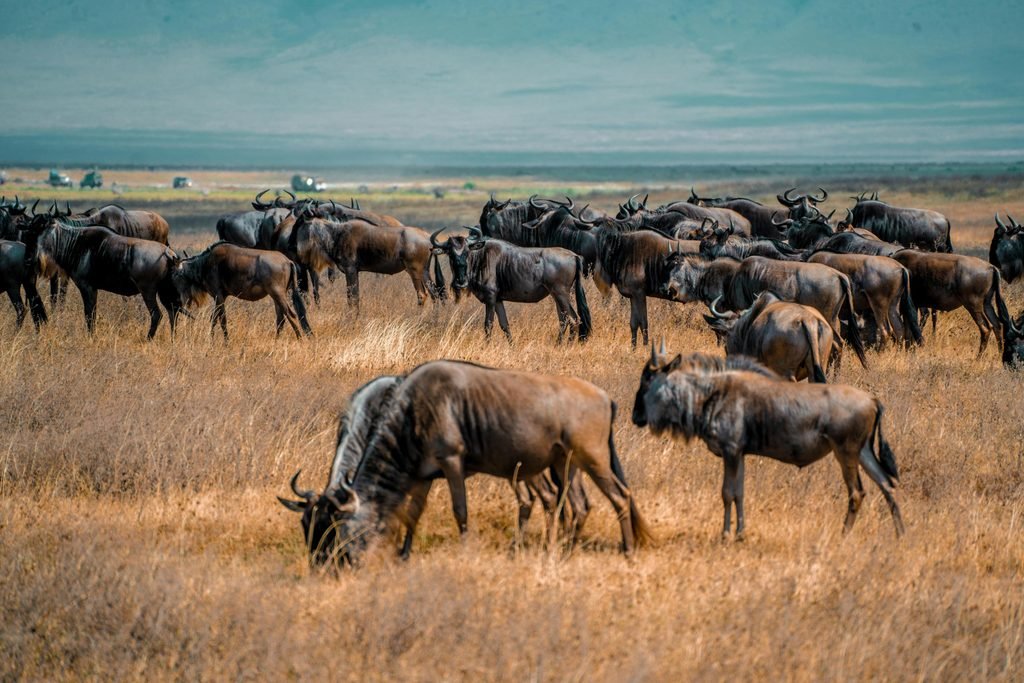
Today is dedicated to exploring the Ndutu plains. Your guide will plan the game drive around recent herd movements, predator sightings and the day’s weather conditions. A full day in the area gives you the best opportunity to appreciate the scale and complexity of the calving season.
The scene can be extraordinary. Wildebeest, zebra and gazelle herds may stretch across the grasslands, with newborn calves staying close to their mothers. The plains are open and wide, making them excellent for photography when the light is right.
Predators are drawn to areas with abundant prey. Lions may be found resting in the grass or following herds. Cheetahs use open ground to look for opportunities, while hyenas and jackals may be seen moving through the landscape. Leopard sightings are possible near denser vegetation and woodland, although leopards are naturally elusive.
This is a real wildlife ecosystem, not a staged experience. You may witness moments of tenderness, such as a calf standing for the first time, as well as the harsh realities of nature. Your guide will help you understand what you are seeing while ensuring that wildlife is given space and park rules are respected.
A picnic lunch is normally enjoyed in an approved area before continuing with the afternoon game drive. Return to camp near sunset for dinner and another night in the migration country.
Overnight: Tented camp or lodge in the Ndutu area
Meals: Breakfast, lunch and dinner
Day 5: Ndutu to Ngorongoro Highlands – Final Migration Viewing
Enjoy an early morning game drive in Ndutu before beginning the journey back towards the Ngorongoro Highlands. The morning hours can be especially productive for predator activity, birdlife and photography.
This is your final chance to spend time around the migration herds. Depending on the current location of the animals, your guide may take a scenic route through the plains and pause at productive sightings before leaving the area.
As you return towards the highlands, the landscape changes noticeably. The open southern grasslands give way to volcanic slopes, forested sections and cooler air. Arrive at your lodge in the Ngorongoro Highlands or Karatu area in the afternoon.
Take time to relax before dinner. The following morning brings a game drive inside the Ngorongoro Crater, adding a completely different wildlife environment to your safari.
Overnight: Lodge or tented camp near Ngorongoro or Karatu
Meals: Breakfast, lunch and dinner
Day 6: Ngorongoro Crater Game Drive and Return to Arusha
After an early breakfast, drive to the Ngorongoro Crater descent road. From the rim, look down across one of the most spectacular natural wildlife landscapes in Africa. The crater floor contains grassland, marshes, forest areas and Lake Magadi, all enclosed by steep volcanic walls.
Descend for a morning game drive. The crater supports lions, buffaloes, zebras, wildebeest, hippos, hyenas, jackals, elephants and many species of birds. Black rhinos live in the conservation area, though sightings depend on animal movement and visibility.
Enjoy a picnic lunch at an approved site before ascending the crater in the afternoon. Then begin the drive back to Arusha, where you can be dropped at your hotel, Arusha Airport or Kilimanjaro International Airport according to your travel plans.
If your international flight leaves early the following morning, we recommend adding an overnight stay in Arusha after the safari.
Meals: Breakfast and lunch
Why Travel During Tanzania’s Green Season?
The green season is sometimes overlooked by travellers who focus only on the dry months. However, it can be one of the most rewarding periods for a Tanzania safari, particularly for the Great Migration calving season.
Benefits may include:
- Large wildebeest and zebra herds on the southern plains
- Chance to see newborn calves during the main calving period
- Strong predator activity around the migration area
- Green landscapes and dramatic cloud formations
- Excellent opportunities for photography
- Rich birdlife, including migratory species
- Potentially fewer visitors in some safari areas than peak dry-season months
Rain can occur during the green season, but it often comes in short showers rather than lasting all day. Roads and game-drive conditions can vary, which is why an experienced guide and suitable 4×4 vehicle are important.
Accommodation Options for the Ndutu Calving Safari
EKO TANZANIA ADVENTURES can arrange the itinerary with different levels of comfort. Seasonal tented camps are popular in Ndutu because they are positioned close to migration areas. These camps offer a genuine bush atmosphere, often with en-suite facilities, comfortable beds and full-board meals.
You may choose from:
- Mid-range seasonal tented camps
- Comfort tented camps with en-suite bathrooms
- Luxury migration camps
- Lodge accommodation in Karatu or the Ngorongoro Highlands
- Private family tents or honeymoon suites where available
The best accommodation depends on your travel month, budget and how close you would like to stay to the herd movements.
Package Inclusions
Your confirmed quotation can include:
- Airport transfers on scheduled arrival and departure dates
- Private 4×4 safari vehicle with pop-up roof
- Professional English-speaking safari driver-guide
- Accommodation as selected
- Meals shown in the itinerary
- Drinking water during game drives
- Tarangire National Park fees
- Ndutu and Ngorongoro Conservation Area fees
- Ngorongoro Crater service fee, where applicable
- Government taxes and tourism levies as stated in your quotation
Package Exclusions
Unless specifically listed, the following are normally excluded:
- International flights
- Tanzania visa fees
- Travel and medical insurance
- Alcoholic drinks and premium beverages
- Tips for guides and camp staff
- Personal expenses and souvenirs
- Optional hot-air balloon safari
- Extra hotel nights before or after the safari
- Optional cultural activities
Important Travel Notes
The Great Migration is a natural movement, and the location of the herds cannot be guaranteed on a precise date. Rainfall patterns strongly influence where the animals gather. EKO TANZANIA ADVENTURES will use current information to plan the most suitable Ndutu camp area and route for your travel dates.
Wildlife sightings are also never guaranteed. The goal of this safari is to place you in the right ecosystem at the right seasonal period, with enough time and a skilled guide to make the most of the experience.
Pack clothing for warm days, cool mornings and possible rain. A waterproof jacket, sturdy shoes, camera rain protection, sunscreen, hat and light layers are useful during this season.
Book Your 6-Day Tanzania Calving Season Safari
Experience the Great Migration during one of its most powerful stages, with time in Tarangire, Ndutu and Ngorongoro Crater. EKO TANZANIA ADVENTURES will tailor your camp location, accommodation level and safari pace to your preferred travel dates.
Explore more Tanzania safari options through EKO TANZANIA ADVENTURES.
- WhatsApp: Chat with us on WhatsApp
- Phone: +255 761 353 184
- Email: info@ekotanzaniaadventures.com
- Alternative email: ekotanzaniaadventure@gmail.com