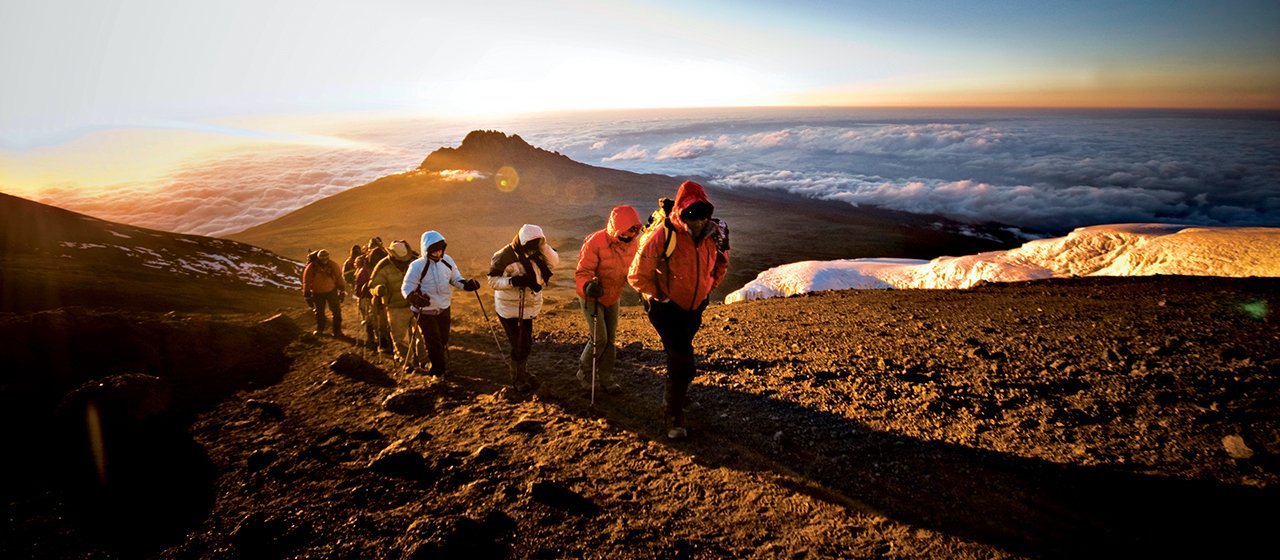
Altitude acclimatization is the most important part of a successful Mount Kilimanjaro climb. It is not your age, gym strength, or hiking speed that decides everything on the mountain. Your body’s ability to adapt gradually to less oxygen at higher elevations is what matters most.
Mount Kilimanjaro rises to 5,895 metres at Uhuru Peak. At this height, the air contains far less available oxygen than at sea level. Every climber feels the effects differently. A very fit athlete can struggle with altitude, while a slower walker with average fitness may acclimatise well and reach the summit.
The good news is that acclimatization can be supported through smart planning. Choosing enough days on the mountain, walking slowly, drinking water, eating properly, sleeping at suitable heights, and listening to your guide all help your body adjust.
This guide by EKO Tanzania Adventures explains how altitude acclimatization works on Kilimanjaro, what symptoms to look for, which routes provide the best acclimatisation profile, and how to make safer decisions during your climb.
What is altitude acclimatization?
Altitude acclimatization is the natural process through which your body adjusts to lower oxygen levels at higher elevations.
As you climb Mount Kilimanjaro, your breathing rate may increase, your heart works harder, and your body gradually makes adjustments to use oxygen more efficiently. This takes time. It cannot be rushed simply because you are physically fit.
Altitude illness can occur when the body does not adjust well to a rapid ascent. It commonly becomes a concern at higher elevations, and travellers climbing East African mountains should ensure their guides are trained and equipped to recognise altitude illness.
This is why Kilimanjaro climbing is not a race. The goal is to move slowly enough for your body to adapt day by day.
The most important phrase on the mountain is “pole pole,” meaning “slowly, slowly” in Swahili. Your guide may say it many times, especially when the trail gets steeper or the altitude begins to affect your pace.
Why altitude is the main challenge on Kilimanjaro
Kilimanjaro does not require technical mountaineering skills on its standard trekking routes. You do not need ropes, ice axes, or advanced rock-climbing experience. However, the altitude makes it a serious challenge.
A climber begins in warm rainforest at around 1,800 metres and may reach nearly 6,000 metres within several days. That is a very large elevation gain.
As you go higher, you may experience:
- Shortness of breath while walking
- Headache
- Tiredness
- Reduced appetite
- Poor sleep
- Mild dizziness
- Nausea
- Cold temperatures
- Slower recovery after hiking
A headache is a key symptom of acute mountain sickness and is often accompanied by symptoms such as tiredness, dizziness, nausea, vomiting, poor appetite, or difficulty sleeping.
These symptoms do not always mean that a climber must descend immediately, but they should never be ignored. Your guide needs to know how you are feeling so that they can monitor you properly.
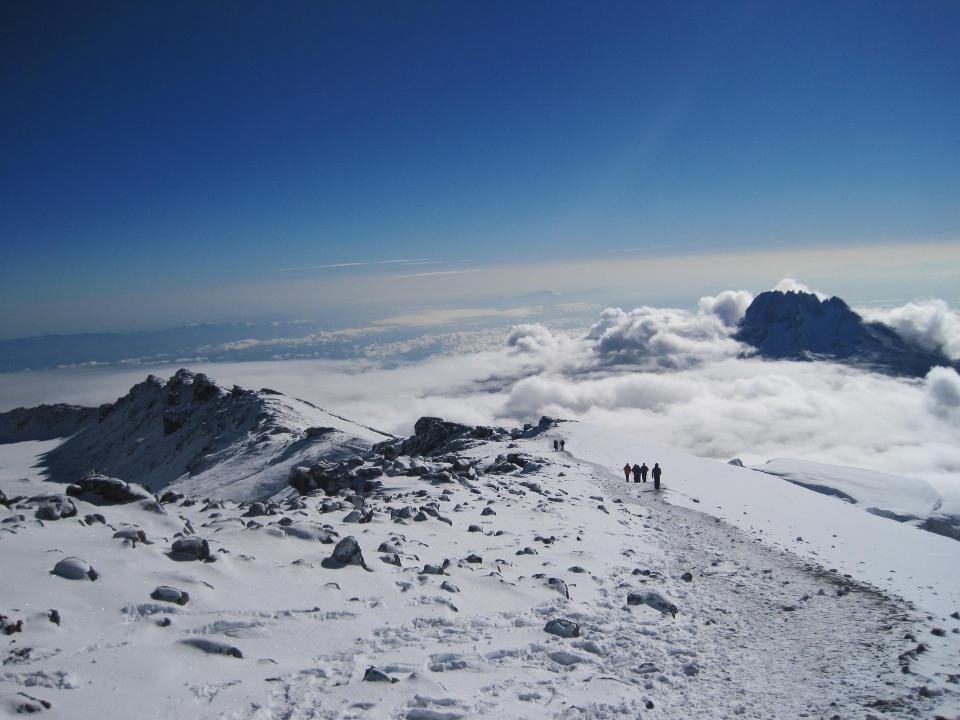
1. Choose a longer Kilimanjaro route
The best way to improve acclimatization is to allow more days on the mountain.
A longer itinerary gives your body more time to adapt to altitude. It also gives your guides more opportunity to monitor how you feel, adjust your pace, and make safe decisions if symptoms appear.
For most climbers, the following routes offer better acclimatisation than very short climbs:
| Route | Recommended Duration | Acclimatization Benefit |
|---|---|---|
| Marangu Route | 6 days | Extra acclimatisation day at Horombo Hut |
| Machame Route | 7 days | Strong “climb high, sleep low” profile |
| Lemosho Route | 7–8 days | Gradual western approach and excellent scenery |
| Rongai Route | 7 days | Quieter route with a steady ascent |
| Northern Circuit Route | 8–9 days | Longest and most gradual acclimatisation profile |
| Shira Route | 8 days | Better when climbers are experienced at altitude |
| Umbwe Route | 6 days | Steep and challenging; not ideal for rapid acclimatisation |
A five-day Kilimanjaro climb may look appealing because it is shorter and cheaper, but it can be much harder on the body. There is less time to adapt, and the chance of altitude-related difficulties is higher.
For many travellers, adding one more mountain day is one of the smartest investments they can make.
2. Walk slowly every day
One of the most common mistakes on Kilimanjaro is walking too fast during the first few days.
You may feel strong at the beginning of the trek, especially in the rainforest and lower moorland zones. Some climbers try to walk quickly because they want to prove their fitness or reach camp early. This can work against acclimatization.
A slow, steady pace helps your body use oxygen more efficiently and reduces unnecessary exhaustion. Kilimanjaro is a multi-day endurance trek, not a speed challenge.
Your guides will set the pace. Follow it, even if you feel able to go faster. Walking slowly can feel strange at first, but it is one of the reasons climbers have a better chance of reaching Uhuru Peak.
A good daily rhythm is:
- Walk slowly
- Breathe steadily
- Take short rest breaks
- Drink water regularly
- Eat small snacks
- Avoid racing other climbers
- Arrive at camp with energy left
The slowest climber is not necessarily the weakest. In many cases, the climber who manages energy carefully is the one who finishes strongest.
3. Understand the “climb high, sleep low” principle
Many Kilimanjaro routes use an acclimatisation method called “climb high, sleep low.”
This means you may hike to a higher elevation during the day, then descend slightly to sleep at a lower camp. The temporary exposure to higher altitude can help the body begin adapting, while sleeping lower reduces the stress of spending the full night at that greater height.
The Machame and Lemosho Routes are particularly known for this profile.
For example, climbers may walk up to Lava Tower at around 4,600 metres, then descend to Barranco Camp at approximately 3,900 metres to sleep. Although the descent may feel frustrating after gaining height, it is one of the most useful acclimatisation sections on the mountain.
On the Marangu Route, an extra day at Horombo Hut often includes a hike to Zebra Rocks before returning to sleep at Horombo. This is why the six-day Marangu itinerary is preferred over the five-day version.
Your guide may also suggest short acclimatisation walks near camp in the afternoon. If you feel well, these walks can be useful. They should always be done at a controlled pace and according to your guide’s advice.
4. Drink enough water, but do not force excessive amounts
Hydration is important on Kilimanjaro because dehydration can make headache, fatigue, and altitude symptoms feel worse.
Most climbers are encouraged to drink regularly throughout the day. Your exact needs depend on your body size, exertion, temperature, and medical situation, but a target of around three to four litres of fluid per day is commonly used on mountain treks.
Good hydration habits include:
- Start drinking early in the morning
- Take regular small sips while walking
- Carry water in bottles or a hydration bladder
- Drink tea and soup at camp
- Use electrolyte tablets if suitable for you
- Check that your urine is generally pale in colour
- Avoid waiting until you feel very thirsty
Do not force extreme amounts of water if you feel unwell. Drinking too much too quickly can also be a problem. If you are unsure about how much to drink, speak with your guide.
On summit night, water can freeze in bottles. Keep bottles insulated, and where practical, carry them upside down so the lid is less likely to freeze first.
5. Eat regularly at altitude
At higher elevations, some climbers lose their appetite. Food may seem less appealing, but your body still needs energy for hiking, warmth, and recovery.
Your mountain cook will prepare meals designed for trekking, often including soups, porridge, rice, pasta, potatoes, vegetables, fruit, chicken, eggs, tea, coffee, and snacks.
Try to eat something at every meal, even if you do not feel hungry. Warm soup, carbohydrates, fruit, and small snacks can be easier to manage when your appetite is low.
Bring a few familiar snacks for the trail and summit night:
- Energy bars
- Chocolate
- Dried fruit
- Nuts
- Biscuits
- Sweets
- Electrolyte tablets
- Chewing gum
- Small trail-mix packets
Tell EKO Tanzania Adventures before your climb if you are vegetarian, vegan, gluten-free, diabetic, allergic to certain foods, or have another dietary requirement.
6. Know the symptoms and speak honestly with your guide
Altitude symptoms can begin several hours after reaching a new elevation, often during or after the first night at that height.
It is important to tell your guide how you feel. Do not hide symptoms because you are worried about being told to rest or descend. Guides can only help you properly if they have accurate information.
Common mild symptoms
- Headache
- Tiredness
- Loss of appetite
- Nausea
- Dizziness
- Poor sleep
- Mild shortness of breath during activity
Serious warning signs
More serious altitude illness can include confusion, loss of coordination, severe weakness, breathlessness at rest, or worsening symptoms despite rest. Confusion and loss of coordination are warning signs of potentially severe altitude illness.
If symptoms are worsening, a person should not continue to a higher altitude. Descent is the key safety measure when a guide decides that it is needed.
Your guide will make decisions based on your symptoms, oxygen saturation readings where used, heart rate, walking ability, and overall condition. The summit is never more important than your health.
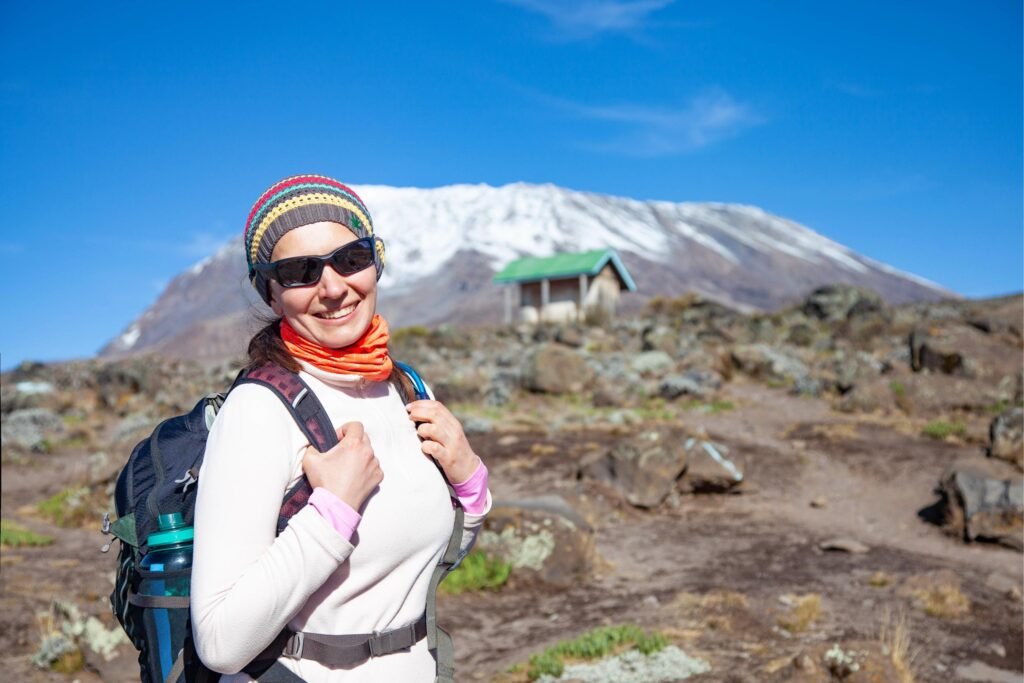
7. Sleep, warmth, and recovery matter
Sleep can become more difficult as you gain altitude. Many climbers experience light or broken sleep at higher camps. This is common, but it can make you feel tired the next morning.
You can support better rest by:
- Keeping warm at night
- Using a suitable cold-weather sleeping bag
- Wearing dry thermal layers to bed
- Eating dinner and drinking warm fluids
- Avoiding alcohol before and during the climb
- Organising your gear before dark
- Staying calm if sleep is not perfect
You do not need eight hours of deep sleep every night to complete Kilimanjaro. Many climbers sleep poorly at high altitude but still summit successfully. Focus on resting your body rather than worrying about every hour of sleep.
Cold can also make altitude feel harder. If you are shivering, your body uses more energy and you may struggle to eat, drink, or relax. Good insulation, dry socks, warm gloves, a hat, and a proper sleeping bag are essential.
8. Consider altitude medication only with medical advice
Some climbers ask about altitude medication, especially acetazolamide, commonly known by the brand name Diamox.
Medication can be appropriate for some travellers, but it is not a replacement for a sensible route and proper acclimatisation. It should only be used after discussing your health, medication history, allergies, and travel plans with a qualified doctor or travel-health professional.
Do not borrow medication from another climber or begin medication without advice. Your doctor can explain whether it is appropriate, when to start it, possible side effects, and how it may interact with other medicines.
If you have heart, lung, kidney, neurological, or other significant medical conditions, speak with your doctor well before booking a high-altitude trek. Pregnant travellers and people with complex medical conditions should obtain individual medical advice before considering high-altitude travel.
Best Kilimanjaro routes for acclimatization
Northern Circuit Route
The Northern Circuit usually takes eight or nine days and is the longest standard Kilimanjaro route. It gives climbers more time to adapt gradually and is one of the best choices for travellers concerned about altitude.
Lemosho Route
The seven-day and eight-day Lemosho Routes offer a gradual western approach, excellent scenery, and a strong acclimatisation profile. The eight-day option is especially good for first-time climbers.
Machame Route
The seven-day Machame Route provides an effective “climb high, sleep low” pattern. It is scenic and popular, although camps can be busy in high season.
Rongai Route
The seven-day Rongai Route is quieter and approaches Kilimanjaro from the northern side. It has a gradual start and can be a good option for climbers seeking less crowded trails.
Marangu Route
The six-day Marangu Route includes an extra acclimatisation day at Horombo Hut. It is the better choice compared with the faster five-day Marangu itinerary.
Can you acclimatize before arriving in Tanzania?
Fitness preparation before travel is valuable, but it does not fully prepare your body for high altitude unless you live or train at elevation.
You can improve your readiness by:
- Building cardio fitness
- Training on hills and stairs
- Taking long walks with a daypack
- Strengthening your legs and core
- Breaking in hiking boots
- Practising with trekking poles
- Learning to pace yourself
- Arriving in Tanzania rested and healthy
If you live near mountains, spending time at moderate altitude before your Kilimanjaro climb may be helpful. However, it does not replace a well-designed acclimatisation schedule on the mountain.
Some travellers also climb Mount Meru before Kilimanjaro. Mount Meru reaches 4,566 metres and can provide useful altitude exposure, but it should be treated as a real mountain climb rather than a casual warm-up. It requires its own guide, preparation, and recovery time.
A safe acclimatization plan starts before the trek
A good Kilimanjaro plan includes:
- Arriving in Tanzania one or two days before the trek
- Choosing a route with enough acclimatisation days
- Attending a full pre-climb briefing
- Using proper cold-weather equipment
- Starting the climb well rested
- Following the guide’s pace
- Eating and drinking consistently
- Reporting symptoms honestly
- Carrying suitable high-altitude travel insurance
EKO Tanzania Adventures can help you choose a route based on your age, fitness, travel dates, budget, and previous hiking experience.
Climb Kilimanjaro with a safer altitude plan
Altitude acclimatization is not something to fear, but it must be respected. The best strategy is simple: choose enough days, move slowly, hydrate, eat, sleep warm, and listen to experienced mountain guides.
EKO Tanzania Adventures arranges private and group Kilimanjaro climbs with experienced guides, mountain crews, planned acclimatisation schedules, and support from your first briefing to the final descent.
Call or WhatsApp: +255 761 353 184
Email: info@ekotanzaniaadventures.com
Alternative email: ekotanzaniaadventure@gmail.com
Take your time on the mountain. A slower climb is often the stronger climb.