Best Time to Visit Tanzania 2026 & 2027: Safari, Kilimanjaro and Zanzibar Guide;Planning a trip to Tanzania in 2026 or 2027 is exciting because the country offers so many different experiences in one destination. You can spend a few days watching elephants and lions on safari, climb Mount Kilimanjaro, meet local communities, and then finish your holiday relaxing on the white-sand beaches of Zanzibar.
But there is one important question every traveler should ask before booking:
When is the best time to visit Tanzania?
The honest answer is that there is no single perfect month for everyone. The best time depends on what you want to experience, whether your priority is wildlife, the Great Migration, climbing Kilimanjaro, relaxing in Zanzibar, avoiding crowds, finding better value, or combining several experiences into one holiday.
Tanzania can be visited throughout the year. However, different months offer different advantages. The long dry season from around June to October is especially popular for traditional wildlife safaris, while January and February can be excellent for green landscapes and the wildebeest calving season in the southern Serengeti. April and May bring heavier rains but can offer beautiful scenery, fewer visitors and potentially better-value accommodation.
For travelers planning 2026 and 2027, this guide from Eko Tanzania Adventures will help you understand Tanzania’s seasons and choose the right time for your own adventure.
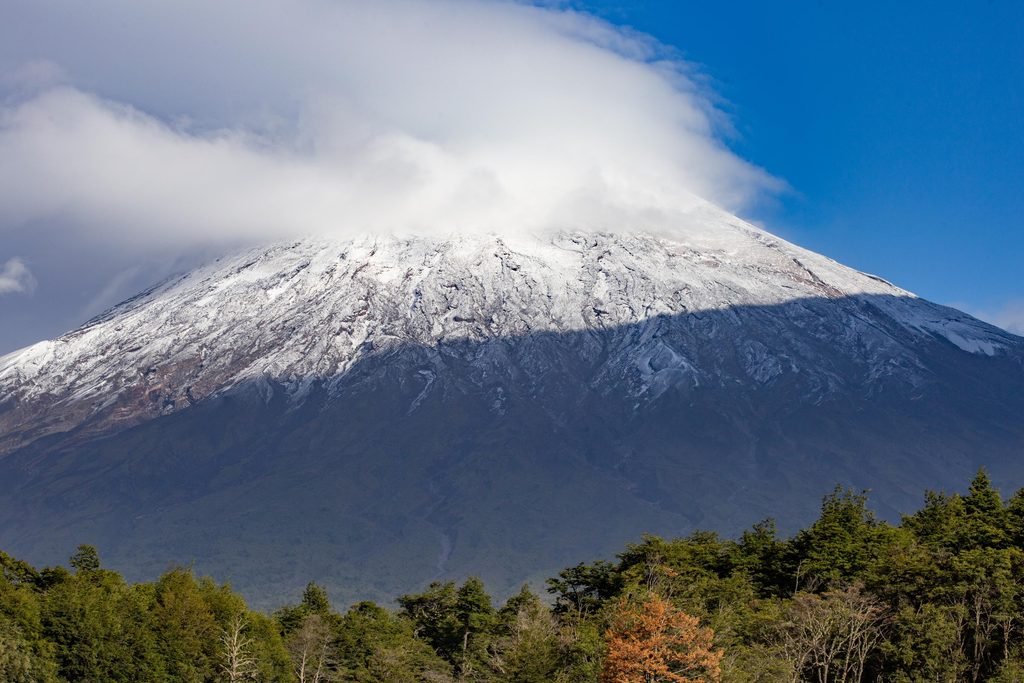
Tanzania at a Glance;Best Time to Visit Tanzania 2026 & 2027: Safari, Kilimanjaro and Zanzibar Guide
Destination: Tanzania
Best overall safari period: June to October
Excellent green-season safari: January to February
Great Migration calving: Usually January to March
Northern Serengeti migration period: Often July to October
Popular Kilimanjaro periods: January–early March and June–October
Popular Zanzibar periods: January–February and June–October
Long rains: Generally March/April to May
Short rains: Usually around November and sometimes into December
Travel years: 2026 & 2027
Travel company: Eko Tanzania Adventures
Tanzania’s tourism authorities highlight the country’s combination of wildlife, mountain adventures, cultural experiences and Indian Ocean beaches, making it possible to build a holiday around several very different experiences.
Why Timing Matters When Visiting Tanzania
Tanzania is a large country with several different climate zones. The weather you experience in the Serengeti may not be exactly the same as what you experience on the coast or high on Mount Kilimanjaro.
This is why choosing your travel dates according to your priorities is more useful than simply asking whether one month is “the best.”
For example, a traveler interested in the Great Migration may choose February because of the calving season, while someone hoping for dry weather on safari may prefer July, August or September.
A mountain climber may choose January or August, while someone planning a beach honeymoon might prefer January, February, July or September.
The right month is therefore the month that matches your Tanzania dream.
Tanzania’s Main Travel Seasons
Tanzania generally experiences two major rainy periods and two relatively drier periods.
June to October – Main Dry Season
This is one of the most popular periods for tourism.
The weather is generally drier, vegetation is often less dense, and wildlife can become easier to spot around reliable water sources. It is also an excellent period for combining a safari with Kilimanjaro or Zanzibar.
January to February – Short Dry/Green Period
January and February can be excellent for wildlife viewing. The landscape can be beautifully green, and the southern Serengeti and Ndutu region can become particularly important for the wildebeest calving season.
March to May – Long Rains
April and May are generally wetter. This does not mean Tanzania stops being worth visiting. The landscape becomes lush and green, visitor numbers can be lower, and some accommodation may offer lower-season rates.
However, travelers should be comfortable with rain and occasional changes to road conditions.
November to December – Short Rains and Green Landscapes
November often brings short rains, while December can be a mixture of rain, sunshine and festive-season demand.
The rains can produce fresh vegetation and beautiful scenery, while wildlife remains present throughout the parks.
January – Green Landscapes and Excellent Wildlife
January is a wonderful month for travelers who want Tanzania to look vibrant and green.
The southern Serengeti and Ndutu plains can hold large concentrations of wildebeest and other grazing animals. The fresh grass created by seasonal rainfall provides important feeding opportunities.
For photographers, January can be particularly attractive because the green landscape creates a beautiful contrast with wildlife.
It is also a good month for a combined Safari + Zanzibar holiday.
Kilimanjaro is climbable during January, although travelers should expect changing mountain weather and potentially busy periods around New Year.
January is ideal for:
- Green-season safari
- Wildlife photography
- Southern Serengeti
- Early Great Migration experiences
- Zanzibar beach holidays
- Kilimanjaro climbing
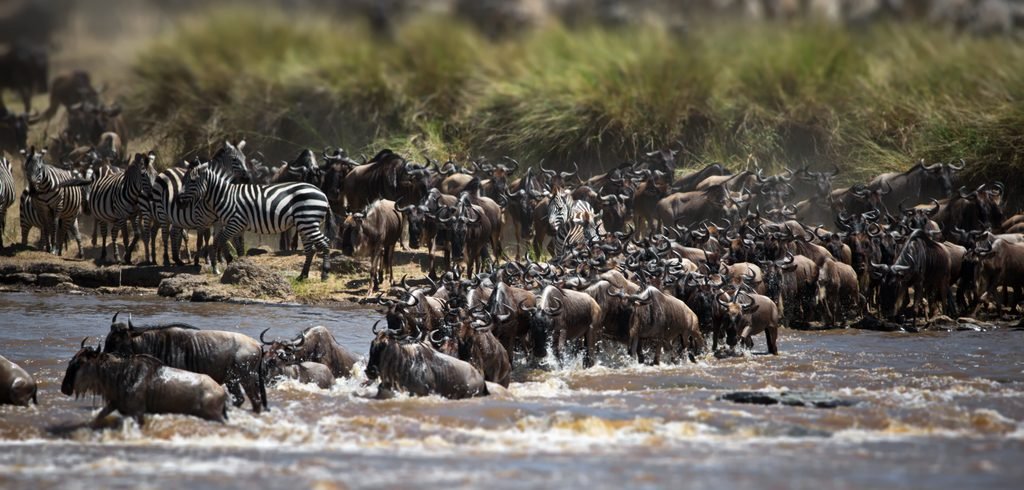
February is One of the Best Months for the Great Migration Calving Season
If seeing newborn wildebeest is one of your dreams, February deserves serious consideration.
The southern Serengeti and Ndutu area are often associated with the calving season, when huge numbers of wildebeest gather around the short-grass plains.
Newborn animals also attract predators, creating fascinating opportunities to observe the natural cycle of life.
It is important to remember that nature does not follow an exact calendar. Rainfall determines grass growth and influences animal movements, so the precise location of the herds can change from year to year.
Nevertheless, February is widely regarded as one of the strongest months for travelers interested in the calving season.
February is ideal for:
- Wildebeest calving
- Predator encounters
- Wildlife photography
- Green landscapes
- Safari and Zanzibar combinations
- Warm beach weather
March – Wildlife With Changing Weather
March can still provide rewarding wildlife experiences, particularly in the southern Serengeti.
However, the weather gradually becomes less predictable as Tanzania moves toward the long-rain period.
For flexible travelers, March can be an interesting month because you can experience excellent wildlife while avoiding some of the intense demand associated with the classic July-to-October season.
Kilimanjaro is also possible in March, but rain becomes a more important consideration.
If climbing is your main objective, Eko Tanzania Adventures can help select a route and itinerary appropriate for the expected conditions.
April – Green Tanzania and Fewer Crowds
April is one of the months that many travelers overlook.
Yes, it is generally wetter.
But that is not the whole story.
Tanzania during April can be incredibly beautiful. The landscapes become lush, the air can feel fresh after rain, and dramatic clouds can create spectacular photographic conditions.
There may also be fewer tourists in many areas.
For travelers who do not mind occasional showers, April can provide an excellent opportunity to experience Tanzania in a quieter atmosphere.
April is best suited to:
- Photographers
- Flexible travelers
- Repeat safari visitors
- Travelers looking for quieter parks
- Travelers interested in green landscapes
- People seeking potentially better-value accommodation
If your priority is guaranteed dry conditions, however, another month may be preferable.
May – Quiet, Green and Atmospheric
May continues the wetter season.
Some travelers avoid Tanzania during this period because of the possibility of rain, but those who do visit can experience a very different side of the country.
The vegetation is lush and the landscapes can be spectacular.
Wildlife does not disappear during the rainy season. Animals remain in the parks, although they may be more spread out and some roads can become challenging depending on local conditions.
May is particularly attractive for travelers who value peace and scenery more than peak-season conditions.
June – The Start of the Popular Dry Season
June marks an important change.
The landscape begins drying, conditions generally become more comfortable for long game drives, and wildlife viewing becomes increasingly attractive.
It is also an excellent time to combine several Tanzanian experiences.
A traveler might begin with:
Tarangire- Ngorongoro- Serengeti To Zanzibar
Or combine:
Kilimanjaro – Safari To Zanzibar
June can therefore be an excellent month for a complete Tanzania holiday.
July – Classic Tanzania Safari Season:Best Time to Visit Tanzania 2026 & 2027: Safari, Kilimanjaro and Zanzibar Guide
July is one of the most popular months for visiting Tanzania.
The weather is generally dry, wildlife viewing conditions are strong and the Great Migration is moving through parts of the Serengeti.
The exact location of the migration depends on rainfall and grazing conditions. Around this period, the western and northern Serengeti can become important areas for migration activity.
July is also a popular period for Kilimanjaro climbing.
If you want to combine a mountain trek with a safari, July can be an excellent choice.
Zanzibar is also generally attractive during this period, making July one of the strongest months for a complete Tanzania holiday.
August – Peak Safari and Migration Season
August is a classic month for travelers dreaming about the northern Serengeti.
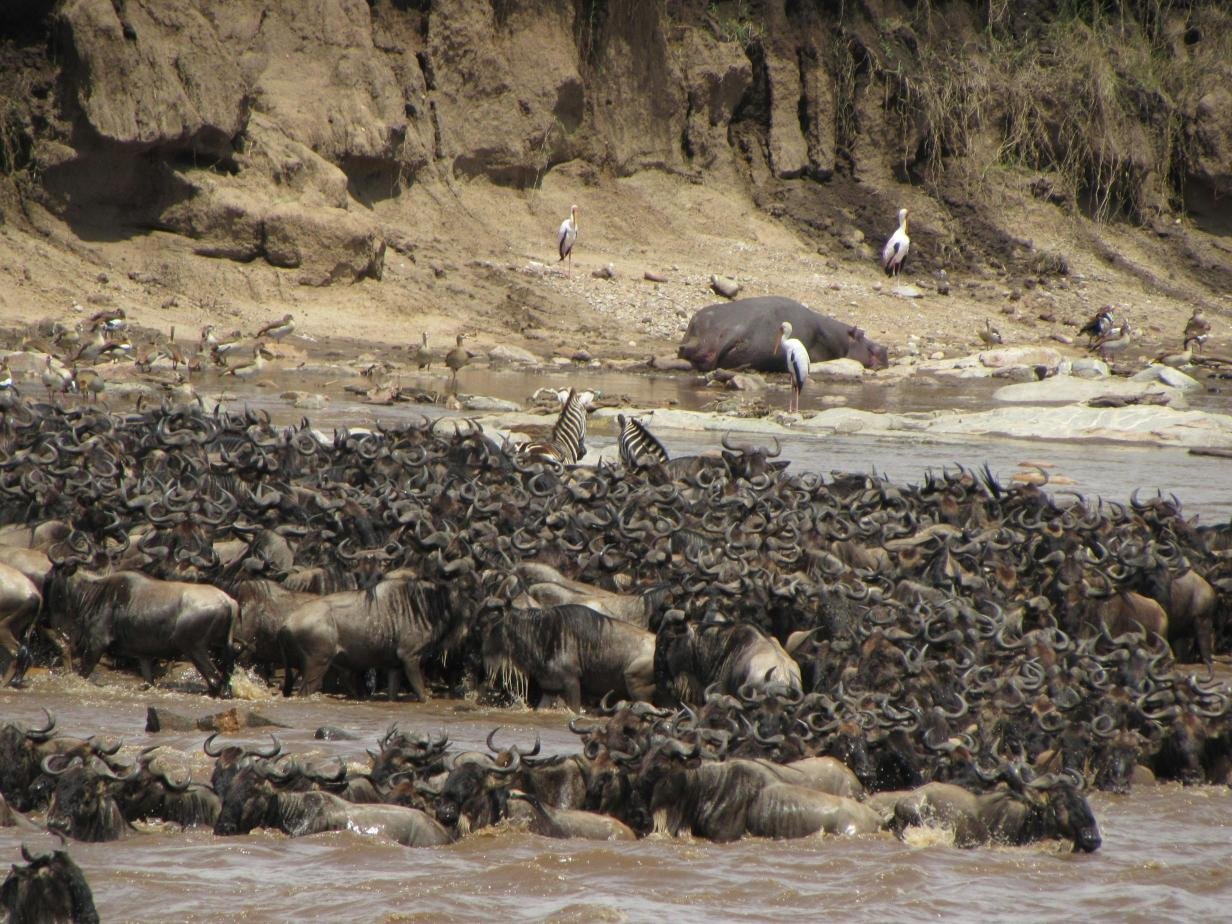
The Great Migration may be moving through the northern Serengeti, and some travelers hope to witness wildebeest crossing the Mara River.
However, river crossings are completely natural events.
There is no way to guarantee that a crossing will happen at a particular time or place. Herds may approach the river, wait, change direction or cross somewhere else.
A good itinerary should therefore focus on enjoying the entire ecosystem rather than treating a river crossing as a guaranteed performance.
August is also a busy travel period, so early booking is highly recommended.
September – Excellent Weather and Strong Wildlife Viewing
September remains one of the best months for a Tanzania safari.
The weather is generally dry, visibility can be excellent and wildlife viewing is often rewarding.
The northern Serengeti can still be an excellent place to search for migration herds, while resident wildlife remains available throughout the park.
September is also a popular time for Kilimanjaro.
For travelers who want a combination of:
Safari , Kilimanjaro And Zanzibar
September is one of the strongest choices.
October – Wildlife Before the Rains Return
October can offer a wonderful balance between good wildlife conditions and slightly less demand than the peak summer months.
The weather is generally dry, although temperatures can rise.
Tarangire can be particularly rewarding during dry conditions because wildlife is often drawn toward reliable water sources.
Ngorongoro remains an excellent destination, while Serengeti continues to offer resident wildlife even when the migration is moving elsewhere.
November – Short Rains and a Quieter Safari
November often brings short rains.
These showers do not necessarily mean rain all day. You may have sunshine in the morning, a dramatic afternoon shower and clear skies later.
Fresh grass begins to appear in many areas, and migration herds start moving toward southern Serengeti areas as conditions change.
For travelers who prefer fewer crowds and do not mind some rain, November can be an interesting option.
December – Festive Tanzania
December is a fascinating month because it combines wildlife opportunities with the Christmas and New Year holiday season.
Early December may be quieter, while the festive period can become significantly busier.
The southern Serengeti can begin attracting migration herds as fresh grazing becomes available.
December is also an excellent time for families who have school holidays.
If you want to travel around Christmas or New Year, early planning is essential because accommodation and domestic flights can become highly demanded.
Best Time for the Great Migration in 2026 and 2027
The Great Migration is not a single event that happens on one specific date.
It is a continuous natural cycle.
A general planning guide is:
| Period | Typical Migration Focus |
|---|---|
| January–March | Southern Serengeti/Ndutu and calving |
| April–June | Central and western movement |
| July–October | Northern Serengeti and possible river activity |
| November–December | Movement back toward the south |
The actual timing can change depending on rainfall and grass conditions.
This is why experienced safari planning should focus on the likely location of the herds, rather than simply booking a generic “migration safari.”
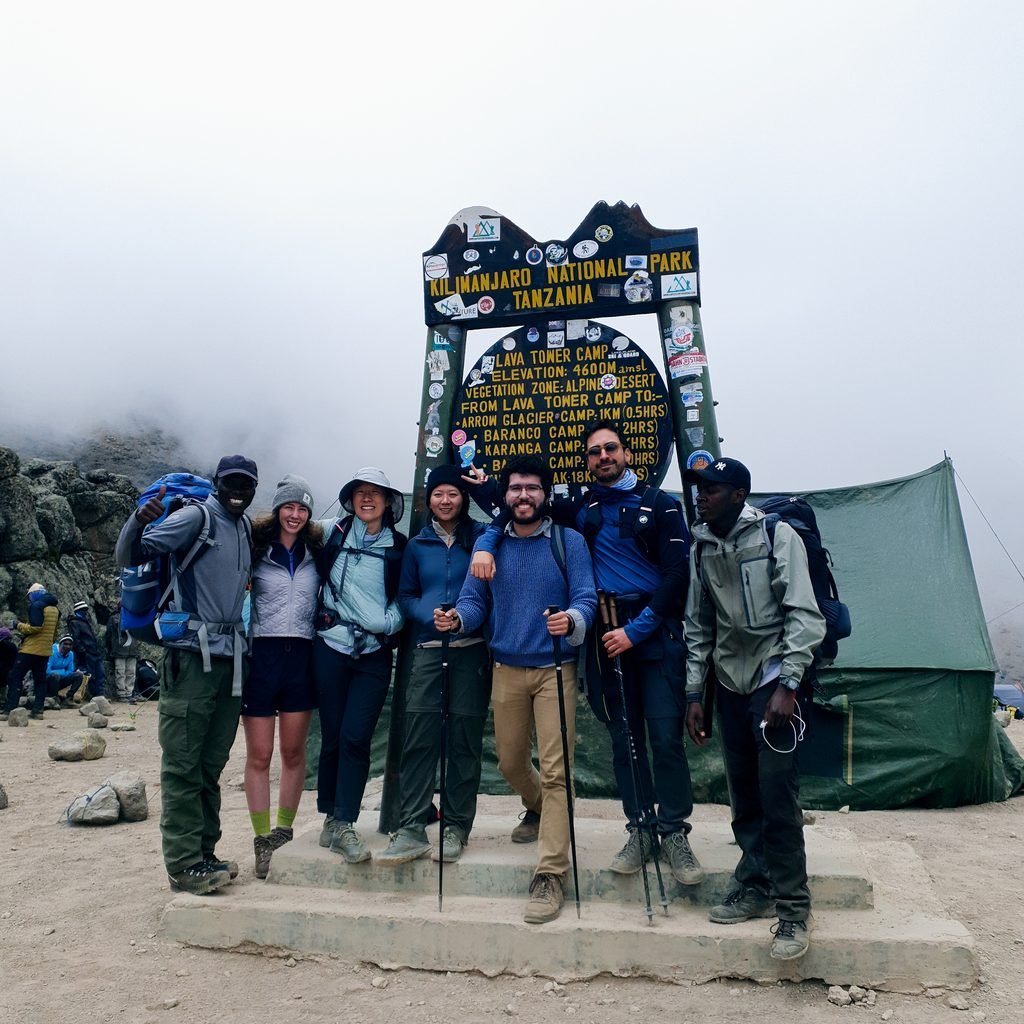
Best Time to Climb Mount Kilimanjaro
Mount Kilimanjaro can be climbed throughout much of the year, but some periods are generally more favorable.
The commonly preferred periods are:
January to Early March
These months can provide relatively dry conditions and warmer temperatures compared with some other periods.
June to October
This is another popular climbing period, especially because the weather is generally drier.
July, August and September are particularly popular.
April, May and November
These months can still be climbed, but travelers should expect a greater possibility of rain.
If you choose a wetter period, proper waterproof clothing becomes particularly important.
More importantly, choosing a route with adequate acclimatization time is essential.
A successful Kilimanjaro experience is not about rushing to the summit. It is about allowing your body time to adjust to altitude while maintaining a manageable pace.
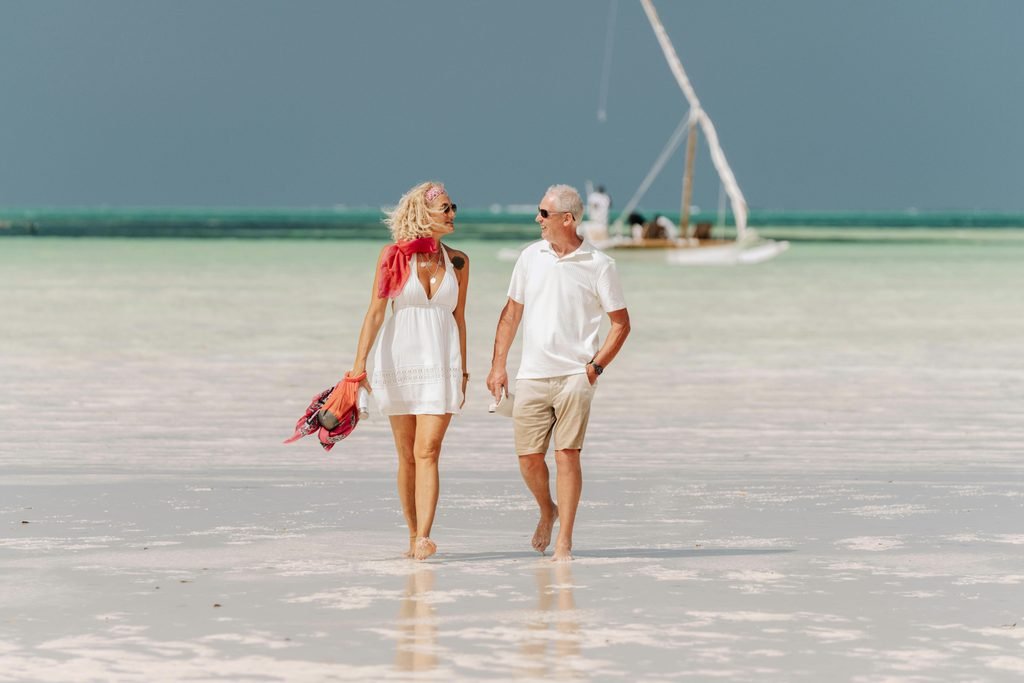
Best Time to Visit Zanzibar:Best Time to Visit Tanzania 2026 & 2027: Safari, Kilimanjaro and Zanzibar Guide
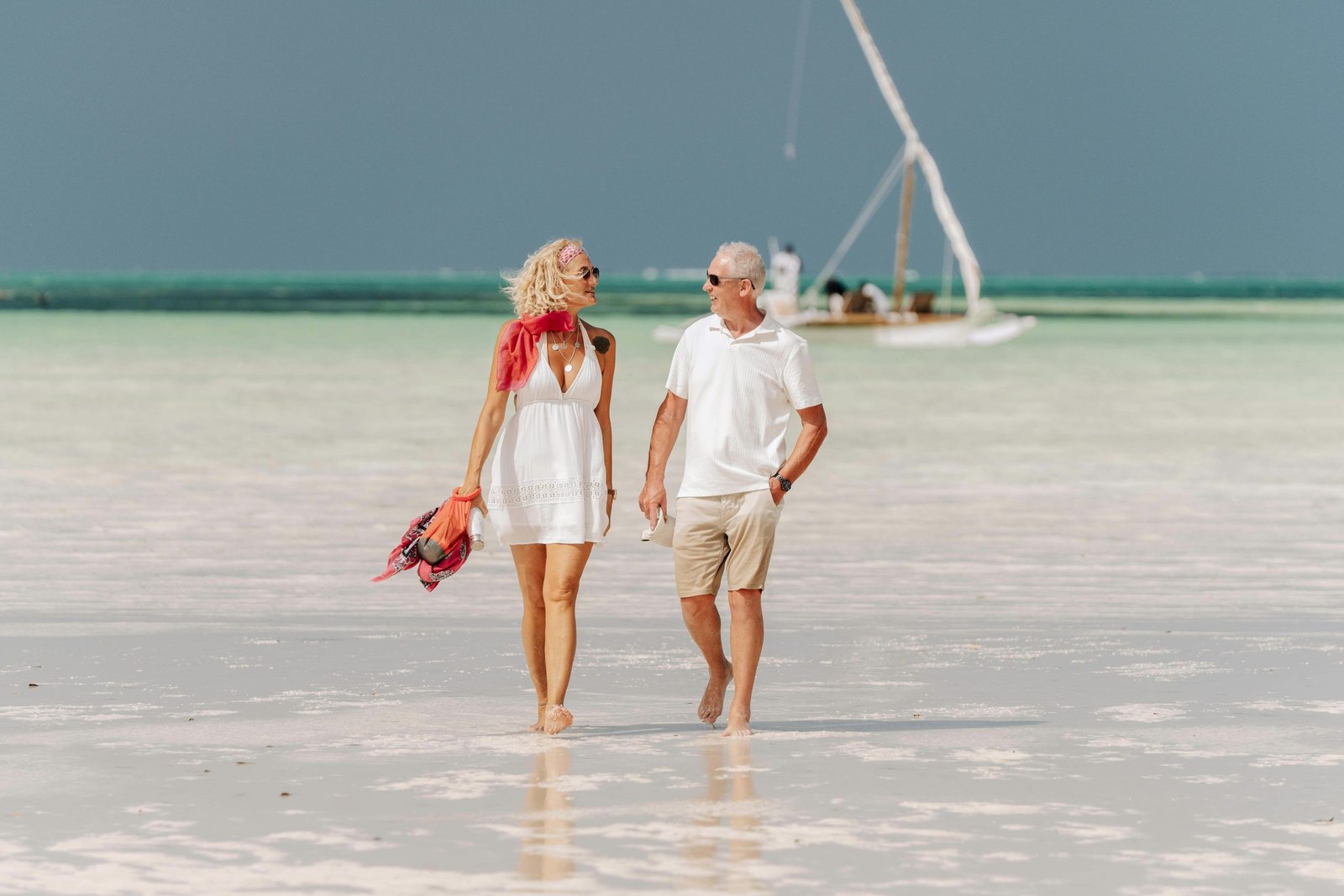
Zanzibar is a year-round destination, but certain periods are especially attractive.
January and February
These months are warm, sunny and ideal for travelers looking for a tropical beach escape.
June to October
This is another popular period because conditions are generally dry and comfortable.
It is particularly attractive after a safari or Kilimanjaro climb.
November
Short rains may occur, but the island remains attractive for flexible travelers.
April and May
These are wetter months and may not be the first choice for travelers whose primary goal is guaranteed beach weather.
However, travelers who are comfortable with tropical showers can still enjoy Zanzibar.
The Best Months for a Tanzania Safari And Zanzibar Combination
If you want to combine wildlife and beach experiences, consider:
January–February
Safari: Excellent
Migration: Excellent in southern Serengeti
Zanzibar: Excellent
Kilimanjaro: Good to excellent
June–October
Safari: Excellent
Migration: Excellent depending on location
Zanzibar: Excellent
Kilimanjaro: Excellent
This makes January, February, July, August, September and October particularly attractive months for a combined Tanzania holiday.
10-Day Tanzania Safari, Kilimanjaro and Zanzibar Package
For travelers who want to experience several highlights in one holiday, Eko Tanzania Adventures can create a customized itinerary.
A sample journey could be:
Days 1–2: Arrival and Arusha
Arrive in Tanzania and spend time resting and preparing for the adventure.
Days 3–5: Northern Tanzania Safari
Explore Tarangire, Ngorongoro and surrounding wildlife areas.
Days 6–7: Serengeti
Continue into the Serengeti for game drives.
Days 8–9: Zanzibar
Fly to Zanzibar and relax on the beach.
Day 10: Departure
Enjoy a final morning on the island before your onward flight.
For travelers specifically wanting to climb Kilimanjaro, a longer itinerary should be used rather than trying to squeeze a full mountain climb into only a few days.
How Early Should You Book for 2026 and 2027?
For popular periods, early planning gives you a much wider choice of accommodation and flight schedules.
This is particularly important for:
- July to October
- Christmas and New Year
- February calving season
- Northern Serengeti migration trips
- Large family groups
- Popular Kilimanjaro climbing dates
- Luxury accommodation
For peak-season travel, planning around 9–12 months in advance can be a sensible strategy, especially if you have specific accommodation or migration priorities.
For less busy periods, travelers can sometimes plan closer to departure, although earlier booking still provides greater flexibility.
How Much Does a Tanzania Holiday Cost?
There is no single Tanzania safari price because the total cost depends on:
- Number of travelers
- Safari duration
- Accommodation category
- Private or shared vehicle
- Season
- Internal flights
- Kilimanjaro route and duration
- Zanzibar hotel category
- Additional activities
A budget traveler may choose camping and simpler accommodation, while a luxury traveler may select premium lodges, private vehicles and internal flights.
At Eko Tanzania Adventures, the itinerary can be designed around your budget rather than forcing every traveler into the same package.
What to Pack for Tanzania
Regardless of when you travel, a few essentials are useful.
Safari
Bring:
- Neutral-colored lightweight clothing
- Comfortable trousers
- Hat
- Sunglasses
- Sunscreen
- Binoculars
- Camera
- Light jacket
- Insect repellent
- Reusable water bottle
Kilimanjaro
You will need substantially more specialized equipment, including:
- Waterproof hiking boots
- Warm layers
- Waterproof jacket and trousers
- Gloves
- Hat
- Thermal clothing
- Headlamp
- Sleeping equipment according to your package
- Trekking poles if preferred
Zanzibar
Pack:
- Swimwear
- Beach clothing
- Sandals
- Sunscreen
- Light clothing
- Sunglasses
- Light cover-up for visits to cultural or religious areas
Why Choose Eko Tanzania Adventures?
At Eko Tanzania Adventures, we understand that there is no universal answer to the question, “When is the best time to visit Tanzania?”
Your ideal month depends on what you want to see and how you want to travel.
If your dream is the Great Migration, we can focus the itinerary around the seasonal movement of the herds.
If you want to climb Kilimanjaro, we can help select a suitable route and timing.
If you want to relax after your safari, Zanzibar can be added to the itinerary.
And if your priority is value and fewer visitors, the green or shoulder seasons may be worth considering.
The goal is not simply to sell you a trip. It is to create an experience that makes sense for your time, your interests and your budget.
Frequently Asked Questions
What is the overall best month to visit Tanzania?
For many first-time travelers, July through October offers an excellent combination of dry weather and strong wildlife viewing. January and February are also outstanding if you want green landscapes and the southern Serengeti calving season.
Is Tanzania good to visit during the rainy season?
Yes. Rainy-season travel can provide green scenery, fewer visitors and potentially better accommodation value. However, travelers should be prepared for changing road conditions and occasional rain.
What is the best month for the Great Migration?
It depends on which part of the migration you want to see. February is particularly attractive for calving in the south, while July through October is often chosen for northern Serengeti migration experiences and possible river activity.
When is the best time to climb Kilimanjaro?
January to early March and June to October are commonly preferred because they tend to offer drier conditions.
Can I combine Kilimanjaro, safari and Zanzibar?
Absolutely. This is one of the most rewarding ways to experience Tanzania. The itinerary simply needs enough time for each experience rather than trying to rush everything.
Is Zanzibar good in July?
Yes. July is generally one of the attractive periods for a Zanzibar beach holiday, especially when combined with a northern Tanzania safari.
Final Verdict: When Should You Visit Tanzania in 2026 or 2027?
The best time to visit Tanzania depends on the adventure you want.
If your priority is classic safari, consider June to October.
If your dream is the Great Migration calving season, consider January to February.
If you want northern Serengeti migration experiences, consider July to October, while remembering that wildlife movements depend on rainfall and cannot be guaranteed on exact dates.
If your priority is Kilimanjaro, January–early March and June–October are popular periods.
If you want Zanzibar beaches, January–February and June–October are generally strong choices.
If you want green scenery, fewer visitors and potentially better value, April, May and November can be worth considering if you are comfortable with rain.
Ultimately, Tanzania does not have just one “best” season. It has different seasons that are best for different dreams.
A Tanzania holiday can be about the roar of a lion in the Serengeti, the first light appearing over Mount Kilimanjaro, the excitement of seeing a herd of elephants, or the feeling of warm Indian Ocean water around your feet in Zanzibar.
With thoughtful planning, 2026 and 2027 can both be exceptional years to experience Tanzania.
Eko Tanzania Adventures can help turn your preferred travel month into a complete itinerary combining safari, Kilimanjaro, culture and Zanzibar according to your interests, available time and budget