First Tanzania Safari? Planning your first Tanzania safari can feel exciting and confusing at the same time. You may be wondering which parks to visit, how many days you need, whether you can see the Big Five, what type of accommodation to choose, how much the safari costs and whether a private safari is worth it.
The good news is that Tanzania is one of the best countries in Africa for first-time safari travellers. The Northern Circuit offers a remarkable variety of wildlife areas within one journey: elephant-rich Tarangire, the forests of Lake Manyara, the dramatic Ngorongoro Crater and the vast Serengeti plains.
The key is choosing an itinerary that suits your time, budget and travel style. A safari should not feel rushed or complicated. It should give you time to observe wildlife, enjoy the landscape and relax at the end of each day.
At EKO Tanzania Adventures, we help first-time visitors plan private Tanzania safaris with clear guidance, reliable arrangements and honest advice.
For help planning your first safari, contact us on WhatsApp at +255 761 353 184, call +255 761 353 184, or email info@ekotanzaniaadventures.com / ekotanzaniaadventure@gmail.com.
1. Choose the Right Number of Safari Days
One of the most common first-time mistakes is choosing too few days.
A two-day or three-day safari can be enjoyable, especially if you have limited time. But a five- to seven-day safari usually feels more relaxed and gives you better opportunities to see different wildlife areas.
A useful guide is:
- 2–3 days: Good for Tarangire, Ngorongoro and Lake Manyara
- 4–5 days: Good for adding Serengeti
- 6–7 days: Best for a relaxed Northern Circuit safari
- 8–10 days: Ideal for deeper wildlife viewing, photography or safari plus Zanzibar
- 10–14 days: Excellent for honeymooners, families and safari-and-beach holidays
If Serengeti is important to you, try to allow at least two nights there. Serengeti is large, and one short visit can feel rushed.
2. Start with Tanzania’s Northern Safari Circuit
For most first-time visitors, the Northern Circuit is the best place to begin.
It includes:
- Tarangire National Park
- Lake Manyara National Park
- Ngorongoro Conservation Area
- Serengeti National Park
- Arusha National Park
- Mount Kilimanjaro region
This route offers varied wildlife, good road connections, a wide choice of lodges and camps, and safari itineraries for every budget.
Tarangire is known for large elephant families, baobab trees and dry-season wildlife activity around the Tarangire River. Lake Manyara adds groundwater forest, birdlife and Rift Valley scenery.
3. Understand That Wildlife Sightings Are Never Guaranteed
Tanzania has excellent wildlife, but every sighting is natural.
A responsible safari company should never promise:
- A leopard
- A black rhino
- A lion hunt
- A river crossing
- A specific number of animals
- All Big Five animals on every safari
Your guide will use experience, park knowledge, recent wildlife information and good timing to give you the best chance. But animals move freely, weather changes and nature follows its own schedule.
This is part of what makes safari special. You are not visiting an attraction with scheduled performances—you are entering a real wilderness.
4. Know What the Big Five Means
The Big Five are:
- Lion
- Leopard
- Elephant
- Buffalo
- Black rhinoceros
Tanzania is one of Africa’s best countries for Big Five safaris, especially when you combine Serengeti, Ngorongoro and Tarangire.
Ngorongoro Crater is especially important for buffalo, lions and the possibility of black rhinos. Serengeti is strong for lions and leopards, while Tarangire is excellent for elephants.
You may see four of the Big Five easily on a well-planned safari, while rhino and leopard sightings may require more patience and luck.
5. Choose Private Safari If You Want Flexibility
A private safari means you have your own 4×4 vehicle and professional driver-guide.
It is often the best option for:
- Couples
- Families
- Honeymooners
- Photographers
- Friends travelling together
- Travellers who prefer privacy
- People with specific interests or dietary needs
With a private safari, you can spend more time at a wildlife sighting, take photography stops, leave early if you want, return to camp for lunch or adjust the day around your energy level.
A group joining safari can cost less, but it may follow a fixed route and schedule. You may share the vehicle with travellers who have different interests and expectations.
6. Choose the Right Accommodation Category
Tanzania safari accommodation usually falls into several categories.
Budget Camping
This may include public campsites, basic tents or simple tented camps. It is ideal for adventurous travellers who want to keep costs low.
Mid-Range Lodge or Tented Camp
This is the most popular category. It usually includes comfortable ensuite rooms or tents, good meals and relaxed service.
Luxury Safari Lodge or Camp
Luxury properties offer larger rooms, premium dining, higher service levels and beautiful locations.
Premium-Luxury Safari
This may include exclusive camps, private suites, private decks, plunge pools, personal hosts and highly remote locations.
The parks and wildlife are the same. The main differences are room comfort, service, location and the overall safari style.
7. Do Not Try to Visit Every Park in One Short Safari
It can be tempting to add many parks to a short itinerary. But too much driving can make the safari tiring.
For example, a three-day trip should not try to include Tarangire, Lake Manyara, Ngorongoro and Serengeti all at once. You may spend too much time in the vehicle and too little time enjoying wildlife.
Instead, choose fewer places and enjoy them properly.
A good first safari route could be:
- 3 days: Tarangire, Ngorongoro and Lake Manyara
- 5 days: Tarangire, Serengeti and Ngorongoro
- 6 days: Tarangire, Lake Manyara, Serengeti and Ngorongoro
- 7 days: More time in Serengeti plus the main Northern Circuit parks
8. Learn the Best Time for Your Safari Priorities
Tanzania can be visited throughout the year, but different months suit different interests.
June to October
This is the popular dry season. Wildlife can be easier to see around water sources, and it is an excellent time for Tarangire elephants, Serengeti wildlife and Ngorongoro Crater.
December to March
This can be a great time for southern Serengeti and the Great Migration calving period, depending on rainfall and herd movements.
April, May and November
These greener months can offer fewer visitors, lush scenery, dramatic skies and attractive accommodation value in selected properties.
There is no universally perfect month. The best time depends on whether you want migration, dry weather, birdwatching, lower crowds, family travel or Zanzibar beach time.
9. Understand the Great Migration Before Booking
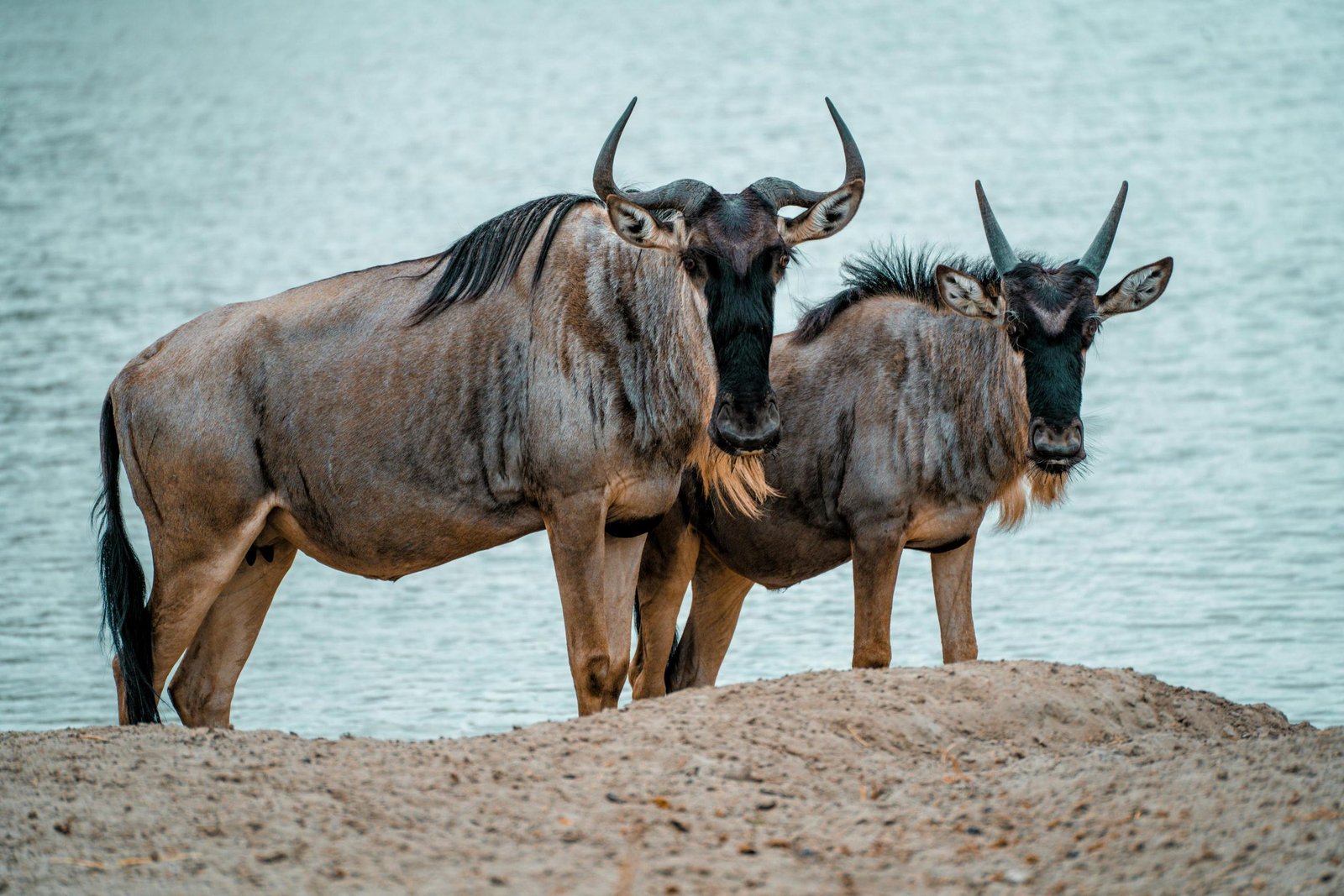
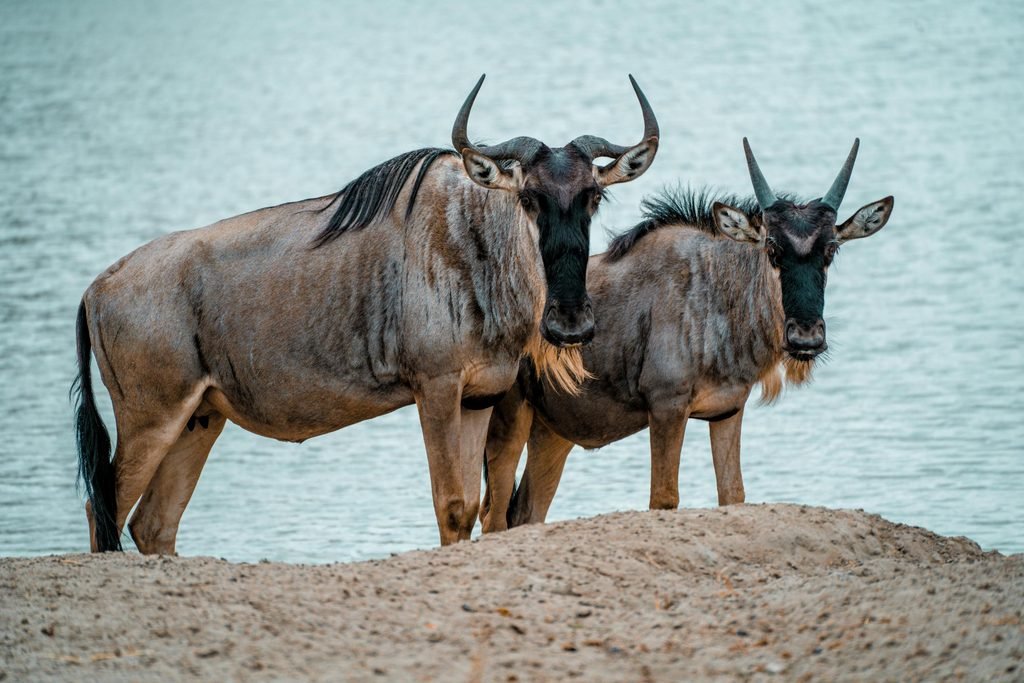
The Great Migration is a year-round movement of wildebeest, zebras and gazelles through the Serengeti ecosystem. It does not occur in one fixed place every month.
A general pattern is:
- December to March: Southern Serengeti and Ndutu
- April to May: Central and western movement
- June to July: Western Corridor and Grumeti area
- July to October: Northern Serengeti and possible Mara River crossings
- November: Movement toward central and southern Serengeti
Rainfall controls the movement. A good safari operator will recommend the best location for your dates, but no one can guarantee a river crossing or exact herd position.
UNESCO recognises Serengeti’s annual migration as one of the world’s most impressive natural events.
10. Pack Light and Dress in Layers
You do not need expensive safari clothing. Comfortable, practical clothing is best.
Bring:
- Neutral-coloured shirts and trousers
- Light jacket or fleece
- Comfortable closed shoes
- Sandals for the lodge
- Hat and sunglasses
- Sunscreen
- Insect repellent
- Camera and spare batteries
- Binoculars
- Small daypack
- Light rain jacket
Early mornings can be cool, especially in Serengeti and Ngorongoro. Afternoons can be warm. Layers help you stay comfortable throughout the day.
Avoid camouflage clothing and very bright colours.
11. Bring Binoculars If You Can
Your guide may have binoculars, but having your own pair makes the safari more enjoyable.
Binoculars are useful for:
- Birds
- Distant lions
- Leopards in trees
- Wildlife on open plains
- Mountain views
- River and lake scenes
A compact pair is enough. You do not need professional equipment.
12. Expect Early Mornings
Safari mornings often start early because wildlife is more active in cooler hours and the light is better for photography.
You may leave camp before or shortly after sunrise. This can sound difficult at first, but most travellers quickly realise that early morning is one of the best parts of the safari.
After the game drive, you can return for breakfast, rest at camp or continue with a picnic lunch in the bush.
13. Be Ready for Long Drives on Some Days
Tanzania’s parks are large, and some transfer days involve several hours on the road.
The drive from the Ngorongoro area to Serengeti is scenic and includes wildlife viewing, but it is still a journey. It is important to choose an itinerary that gives you enough time in each destination.
A well-planned safari includes:
- Comfortable vehicle
- Drinking water
- Picnic lunch or lodge meal stops
- Photography and wildlife breaks
- Realistic driving distances
- Accommodation placed close to your route
14. Listen to Your Driver-Guide
Your driver-guide is one of the most important parts of your safari.
They know the park routes, wildlife habits, safety rules, weather conditions and photography positions. They can often identify animal tracks, bird calls and signs that wildlife may be nearby.
Follow their guidance about:
- Staying inside the vehicle
- Keeping a safe distance from wildlife
- When to speak quietly
- Safari photography
- Camp safety
- Park rules
- Walking only in authorised areas
The best safari guides make the trip safer, more educational and far more enjoyable.
15. Add Zanzibar If You Want Time to Relax
After several early mornings and long game drives, Zanzibar can be a perfect safari extension.
A Zanzibar beach holiday can include:
- Nungwi or Kendwa beach relaxation
- Stone Town visit
- Spice farm tour
- Sunset dhow cruise
- Snorkelling or diving
- Jozani Forest visit
- Spa treatment
- Private beach dinner
Stone Town is a UNESCO World Heritage Site known for its historic Swahili architecture and cultural influences from Africa, Arabia, India and Europe.
Four to seven nights in Zanzibar is a good addition for honeymooners, families and couples.
16. Ask Exactly What Is Included in Your Quote
Before you pay for a safari, ask for a clear written itinerary and quotation.
Check whether the price includes:
- Private or shared vehicle
- Professional driver-guide
- Park entry fees
- Conservation fees
- Ngorongoro Crater service fees
- Accommodation
- Meals
- Drinking water
- Airport transfers
- Domestic flights, if required
- Government taxes
- Optional activities
Also ask what is not included, such as visas, international flights, insurance, drinks, tips, balloon safari or personal expenses.
A clear quotation helps you compare safari options fairly.
17. Book Early, Especially for Peak Season
If you are travelling between June and October, during Christmas and New Year, or for a Great Migration safari, it is wise to book early.
Early booking gives you:
- Better camp and lodge choices
- Better family-room availability
- More options in northern Serengeti
- Easier domestic-flight planning
- Better chance of securing preferred travel dates
- More time to prepare documents and flights
For Great Migration, family and honeymoon trips, booking several months in advance is usually best.
First Tanzania Safari Frequently Asked Questions
Is Tanzania Safe for Safari?
A safari arranged with a reputable operator, professional guide and approved accommodation is generally a safe way to travel. Follow your guide’s instructions, respect wildlife and use normal travel awareness.
Do I Need a 4×4 Vehicle?
Yes, a proper 4×4 safari vehicle is important for comfort, visibility and access on Tanzania’s safari routes.
Can I Charge My Phone and Camera?
Most safari vehicles and lodges provide charging options, but bring a power bank and spare camera batteries.
Do I Need Travel Insurance?
Travel insurance is strongly recommended. Choose a policy that covers medical needs, cancellation, luggage and activities relevant to your trip.
Can Children Join a Safari?
Yes. A private family safari is often the best option because the schedule can be adapted around children’s needs.
Do I Need a Visa for Tanzania?
Visa rules depend on your nationality and can change. Check the official Tanzania immigration guidance or consult the relevant embassy before travel.
Can I See Mount Kilimanjaro on Safari?
You may see Kilimanjaro around the Moshi, Amboseli or West Kilimanjaro areas when weather conditions are clear. It is not visible from every safari park.
Plan Your First Tanzania Safari with EKO Tanzania Adventures
Your first safari should be exciting, easy to understand and built around what you genuinely want to experience. Whether you want the Big Five, Great Migration, family safari, honeymoon, photography trip or Zanzibar extension, EKO Tanzania Adventures can plan it with you.
- WhatsApp: +255 761 353 184
- Call: +255 761 353 184
- Email: info@ekotanzaniaadventures.com
- Alternative email: ekotanzaniaadventure@gmail.com
- Website: www.ekotanzaniaadventures.com
Tell us your travel dates, group size and safari priorities, and we will help you build the right first Tanzania safari.