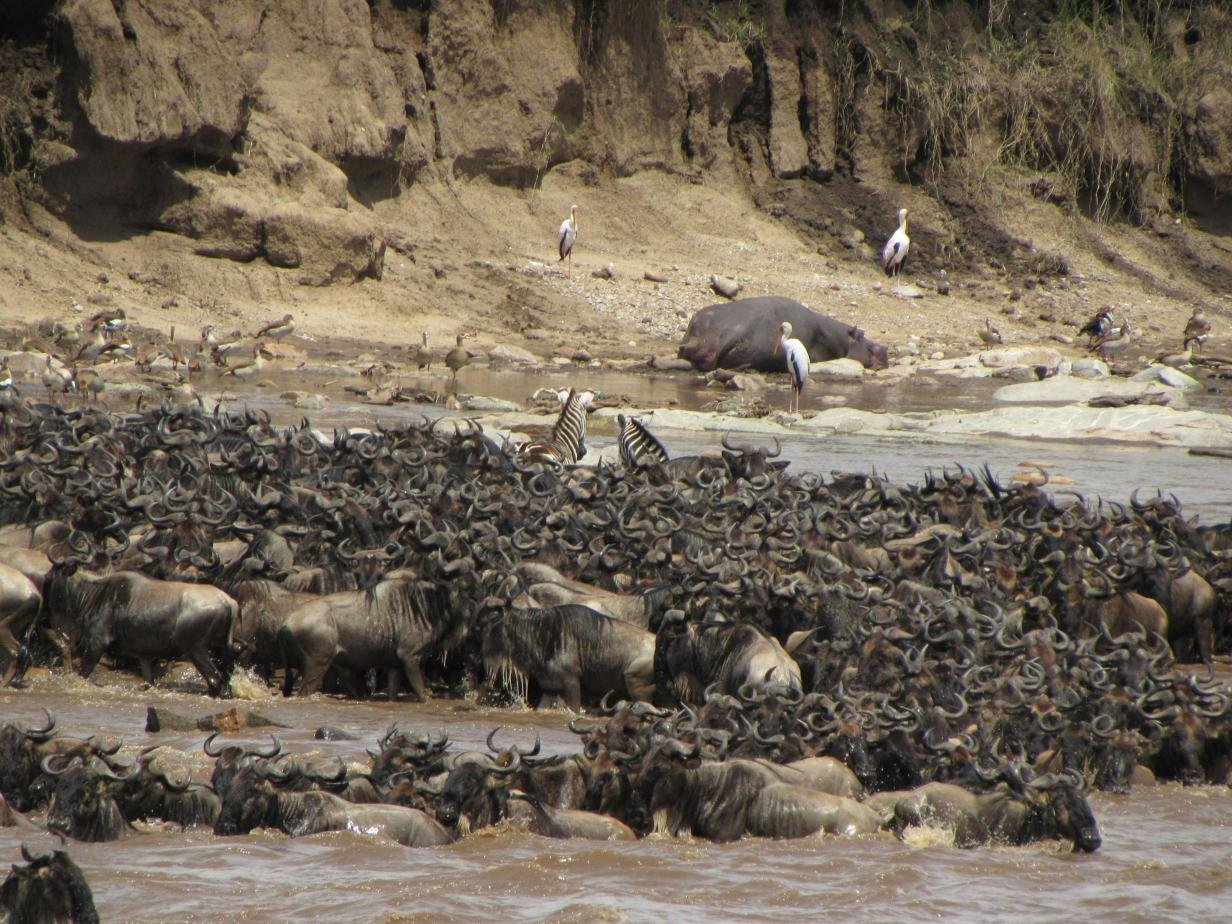
Great Migration Safari 2027 is one of the most exciting ways to experience Tanzania. The Great Migration is not a staged event or a fixed-date show. It is a continuous, natural movement of wildebeest, zebras and gazelles through the Serengeti ecosystem, guided by rainfall, fresh grass and water.
That is exactly why planning matters.
The best 2027 Great Migration safari is not simply about choosing the most famous month. It is about selecting the correct Serengeti area for your travel dates, allowing enough nights in the park and staying in accommodation that gives you practical access to the wildlife.
At EKO Tanzania Adventures, we create private Great Migration safaris based on your travel month, budget, preferred accommodation level and wildlife priorities. We give honest advice about what is likely—not unrealistic promises about river crossings, calving dates or animal sightings.
For a personalised 2027 Tanzania safari quotation, contact us on WhatsApp at +255 761 353 184, call +255 761 353 184, or email info@ekotanzaniaadventures.com / ekotanzaniaadventure@gmail.com.
What Is the Great Migration?
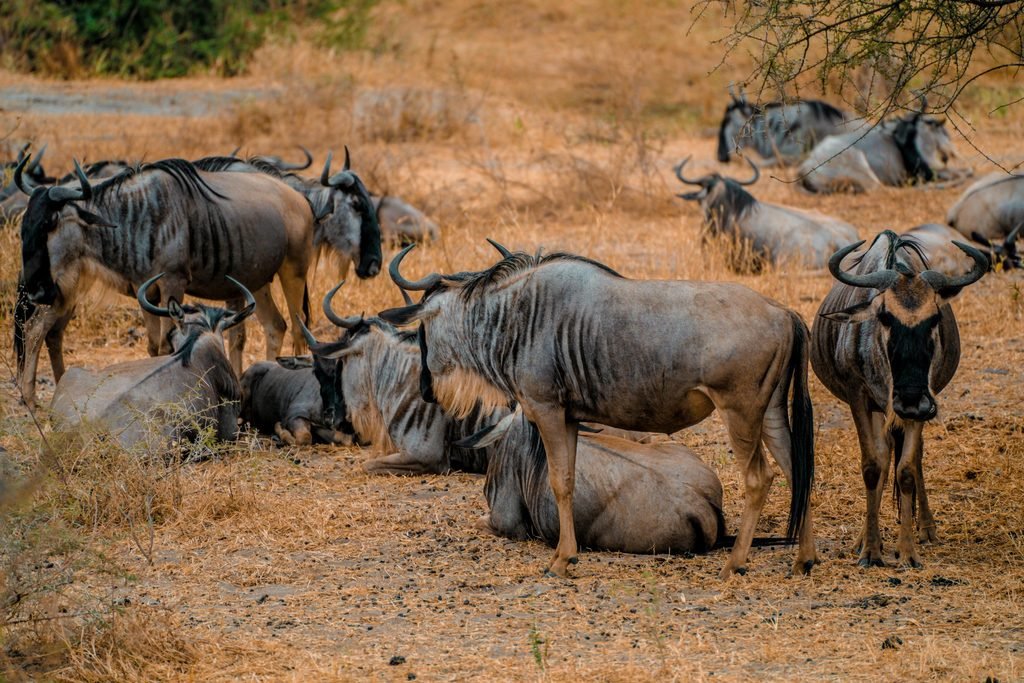
The Great Migration is the large-scale movement of wildebeest, zebras and gazelles across the Serengeti-Mara ecosystem in Tanzania and Kenya.
The animals move because they are searching for fresh grazing and water. Their exact location changes according to rainfall and seasonal conditions.
The migration is often associated with around 1.5 million wildebeest, together with large numbers of zebras and gazelles. It is one of the most remarkable wildlife movements on Earth.
UNESCO describes Serengeti National Park’s annual migration as one of the world’s most impressive natural spectacles, with wildebeest, gazelles and zebras moving across its vast savannah in search of pasture and water.
The migration includes many different experiences:
- Wildebeest calving
- Newborn animals on the plains
- Predators following the herds
- Large groups moving across open grassland
- Zebra and wildebeest herds together
- River-crossing possibilities
- Dust clouds and dramatic wildlife scenes
- Green-season landscapes
- Northern Serengeti river habitats
Every phase has value. The “best” one depends on what you want to see.
The Most Important Truth About a Great Migration Safari
No one can guarantee:
- The exact location of the herds
- A Mara River crossing
- A Grumeti River crossing
- A predator hunt
- A calving date
- A specific number of wildebeest
- A leopard, cheetah or lion encounter
- Perfect weather
Rainfall controls the movement. In one year, herds may arrive in an area earlier; in another year, later. River crossings are especially unpredictable. Animals may gather near a river for hours or days before crossing, then cross quickly in a different location.
A responsible safari company will explain the likely pattern and choose the best location for your dates. EKO Tanzania Adventures plans around real wildlife movement, not fixed marketing promises.
Great Migration Safari 2027 at a Glance
| Travel Period | Likely Migration Area | Main Experience |
|---|---|---|
| January–March 2027 | Southern Serengeti and Ndutu | Calving season, green plains and predator activity |
| April–May 2027 | Central and western Serengeti | Green season, herd movement and dramatic skies |
| June–July 2027 | Western Corridor and Grumeti region | Movement west and possible river activity |
| July–October 2027 | Northern Serengeti | Mara River possibilities and northern plains |
| November–December 2027 | Central to southern Serengeti | Return movement after seasonal rains |
This table is a planning guide only. The final itinerary should be reviewed closer to your travel dates.
Great Migration in January, February and March 2027
January to March is one of the most popular periods for a Tanzania Great Migration safari. During this time, the herds are often in the southern Serengeti and Ndutu plains, depending on rainfall.
This period is commonly associated with calving season. Large numbers of wildebeest may give birth over a relatively short period when grazing conditions are right.
Why Choose This Period?
This period is excellent for travellers who want:
- Newborn wildebeest
- Green grassland
- Zebra and wildebeest herds
- Predator activity
- Wildlife photography
- Family safari experiences
- Honeymoon safari with less focus on river crossings
- Dramatic skies and fresh landscapes
Predators such as lions, cheetahs, hyenas and jackals may be active around areas with young animals. However, no safari should promise a hunt or kill sighting.
Best Itinerary for January to March 2027
A good itinerary may include:
- Tarangire National Park
- Ngorongoro Crater
- Ndutu area
- Southern Serengeti
- Optional Zanzibar beach extension
For this period, it is often more useful to stay in southern Serengeti or Ndutu than in a fixed central Serengeti camp far from the herds.
Great Migration in April and May 2027
April and May are often called green-season months. Rainfall can make the scenery lush, grasslands bright and skies dramatic.
The herds may begin moving through central or western areas of Serengeti, depending on how the rains develop.
Why Choose April or May?
This period can be ideal for travellers who want:
- Fewer safari vehicles in some areas
- Green landscapes
- Wildlife photography
- Dramatic clouds
- Better value on selected accommodation
- A quieter safari atmosphere
- Large moving herds without peak-season pressure
Road conditions may be more challenging in some places, especially during heavy rain. A proper 4×4 vehicle, suitable camp location and flexible itinerary are important.
Is April or May a Bad Time for Safari?
No. It is simply different.
Some travellers prefer dry-season safaris, but April and May can be rewarding for photographers, repeat visitors, couples and guests who enjoy green landscapes. The key is choosing accommodation that works well for the season.
Great Migration in June and July 2027
As the dry season begins, the migration may move through central and western Serengeti toward the Western Corridor.
This is often the time when travellers become interested in Grumeti River activity. But it is important to understand that river crossings are never guaranteed.
Why Choose June or July?
This period can offer:
- Large moving herds
- Drier conditions
- Good wildlife viewing
- Golden grassland
- Predator sightings
- Possible Grumeti-area river activity
- A good balance between migration and classic Serengeti wildlife
June and July are popular months, so accommodation should be booked early.
Best Itinerary for June and July 2027
A suitable route may include:
- Tarangire National Park
- Ngorongoro Crater
- Central Serengeti
- Western Serengeti or Western Corridor
- Optional flight from Serengeti to Arusha or Zanzibar
The exact camp location should be selected according to expected herd movement and road conditions.
Great Migration in August, September and October 2027
August to October is the period many travellers choose for northern Serengeti and possible Mara River crossings.
This is high season for migration safaris. Demand can be strong, especially for tented camps in northern Serengeti.
Why Choose This Period?
This period is often ideal for travellers who want:
- Northern Serengeti landscapes
- Large wildebeest and zebra herds
- Mara River possibilities
- Wildlife photography
- Big cats and classic Serengeti game drives
- Dry-season travel conditions
- Luxury and mobile tented camps close to migration areas
Can You Guarantee a Mara River Crossing?
No.
A Mara River crossing can be dramatic, but wildlife does not follow a schedule. Herds may cross at night, wait for days or choose a different crossing point. They may also cross back and forth more than once.
The best approach is to book northern Serengeti for several nights, enjoy all wildlife activity and treat any river crossing as a special bonus.
Best Itinerary for August to October 2027
A good itinerary may include:
- Tarangire National Park
- Ngorongoro Crater
- Central Serengeti
- Northern Serengeti
- Domestic flight out of Serengeti, if preferred
- Optional Zanzibar extension
Staying at least three nights in the northern region gives you more flexibility than a very short visit.
Great Migration in November and December 2027
November often brings short rains and the start of migration movement back toward central and southern Serengeti. December may see herds moving farther south, depending on rainfall.
This is a good period for travellers who want:
- Green grassland
- Fewer visitors than peak northern season
- Migration movement
- Good birdwatching
- Wildlife photography
- Safari and Zanzibar holiday combination
- Festive-season travel
December is popular around Christmas and New Year, so early booking is still important.
Best 2027 Great Migration Safari Itineraries
5-Day Great Migration Safari
Ideal for travellers with limited time.
Possible route:
- Day 1: Tarangire National Park
- Day 2: Ngorongoro Crater
- Days 3–4: Serengeti migration area
- Day 5: Return to Arusha or fly out
This works best if accommodation is chosen in the correct Serengeti region for your month.
7-Day Great Migration Safari
A better choice for travellers who want more time in Serengeti.
Possible route:
- Day 1: Arrival in Arusha
- Day 2: Tarangire National Park
- Day 3: Ngorongoro Crater
- Days 4–6: Serengeti migration area
- Day 7: Departure or flight to Zanzibar
8-Day Great Migration Safari
This gives a more relaxed pace and may include both central and northern, western or southern Serengeti depending on the season.
Possible route:
- Day 1: Arusha arrival
- Day 2: Tarangire
- Day 3: Ngorongoro Highlands
- Day 4: Ngorongoro Crater to Serengeti
- Days 5–7: Migration-focused Serengeti safari
- Day 8: Departure or onward flight
10-Day Tanzania Safari and Zanzibar Holiday
For couples, families and honeymooners, combine migration safari with Zanzibar beach relaxation.
Possible route:
- Tarangire
- Ngorongoro
- Serengeti migration area
- Domestic flight to Zanzibar
- Stone Town
- Nungwi, Kendwa, Paje, Jambiani or Matemwe beach stay
Where Should You Stay for a Great Migration Safari?
The best camp depends on the travel month.
Southern Serengeti and Ndutu Camps
Best for January to March and early green-season migration travel.
Central Serengeti Camps
Useful during transition periods and for year-round wildlife. Central Serengeti also has strong big-cat viewing even when the main herds are elsewhere.
Western Serengeti Camps
Best for certain May to July migration movements and Western Corridor itineraries.
Northern Serengeti Camps
Best for July to October migration travel and Mara River possibilities.
Mobile Tented Camps
Mobile camps may move seasonally to stay closer to the migration. They can be excellent for travellers who want the best access to current wildlife areas.
The key is not choosing a famous camp name first. Choose the area that fits your dates, then select the best camp within your budget.
What Animals Will You See Besides Wildebeest?
A Great Migration safari is not only about wildebeest. Serengeti supports a huge variety of wildlife.
You may see:
- Lions
- Leopards
- Cheetahs
- Elephants
- Giraffes
- Buffalo
- Hippos
- Hyenas
- Jackals
- Zebras
- Gazelles
- Topi
- Hartebeest
- Ostriches
- Secretary birds
- Eagles and vultures
- Crocodiles in suitable river areas
The migration can attract predators, but the exact wildlife experience varies each day.
Great Migration Safari Cost for 2027
Safari cost depends on several factors:
- Travel dates
- Number of travellers
- Private or group safari
- Accommodation category
- Camp location
- Domestic flights
- Number of nights in Serengeti
- Park fees
- Vehicle type
- Optional balloon safari
As a planning guide:
- Budget camping or basic tented safari: From approximately US$300–$450 per person per day
- Mid-range migration safari: From approximately US$450–$750 per person per day
- Luxury migration safari: From approximately US$750–$1,300+ per person per day
- Premium-luxury migration safari: From approximately US$1,300+ per person per day
Northern Serengeti and mobile-camp itineraries during peak migration periods can cost more due to high demand and remote logistics.
Always request a full quotation that clearly states accommodation, park fees, vehicle, guide, meals and flights.
What to Pack for a Great Migration Safari
Pack light and practical items:
- Neutral-coloured clothing
- Long trousers and lightweight shirts
- Warm fleece for early morning drives
- Light rain jacket
- Comfortable closed shoes
- Hat and sunglasses
- Sunscreen
- Insect repellent
- Camera and spare batteries
- Binoculars
- Small daypack
- Soft-sided luggage for internal flights
Dry-season mornings can be cold, especially in Serengeti and Ngorongoro. Green-season months may bring rain, so layers are important.
Photography Tips for Great Migration Safari 2027
To make the most of your photography safari:
- Spend at least three nights in the migration area
- Go out early for soft morning light
- Be patient at wildlife sightings
- Include the landscape in some images
- Photograph behaviour, not only portraits
- Carry spare batteries and memory cards
- Use a zoom lens if possible
- Protect equipment from dust and rain
- Listen to your guide’s positioning advice
- Never pressure the guide to disturb wildlife
The most powerful migration photos often show scale: a herd crossing the plain, dust rising behind wildebeest, zebra patterns moving together or a single animal against a wide Serengeti sky.
Why Book Your Great Migration Safari 2027 with EKO Tanzania Adventures?
A Great Migration safari needs accurate planning, realistic information and flexible local coordination.
With EKO Tanzania Adventures, you receive:
- Private Tanzania safari planning
- Advice based on your exact travel month
- Migration-focused Serengeti accommodation recommendations
- Professional local driver-guide
- Budget, mid-range and luxury options
- Flexible game-drive routing
- Tarangire and Ngorongoro additions
- Optional Zanzibar beach extensions
- Honest guidance without false wildlife guarantees
Book Your Great Migration Safari 2027
The Great Migration is one of the most extraordinary wildlife experiences in the world. Plan it properly, choose the right Serengeti region and give yourself enough time to enjoy the journey.
Contact EKO Tanzania Adventures for a tailored 2027 Great Migration safari itinerary.
- WhatsApp: +255 761 353 184
- Call: +255 761 353 184
- Email: info@ekotanzaniaadventures.com
- Alternative email: ekotanzaniaadventure@gmail.com
- Website: www.ekotanzaniaadventures.com
Plan your Tanzania Great Migration Safari 2027 with EKO Tanzania Adventures and travel where the wildlife is moving.