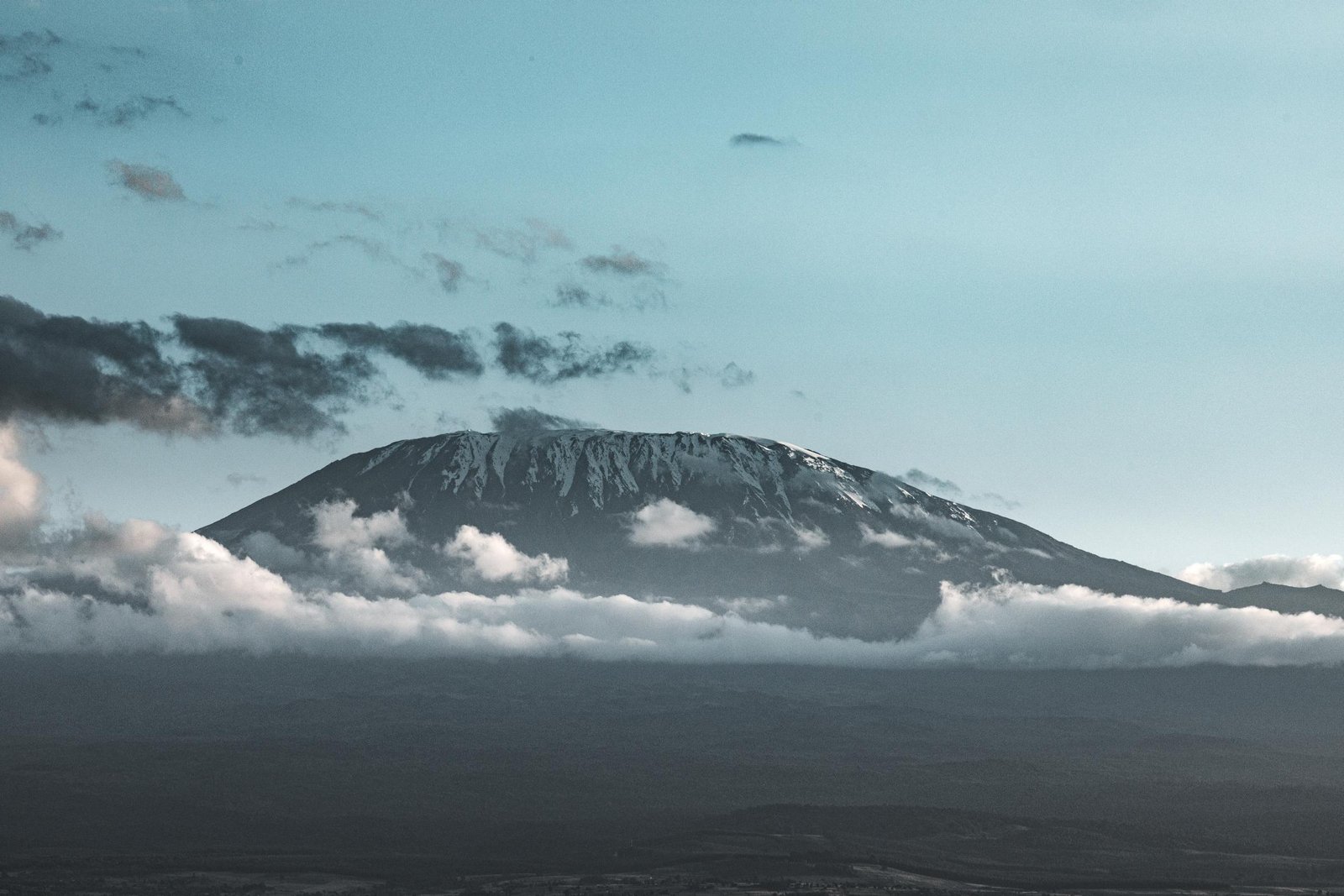
Kilimanjaro Climb Packages: 6 Top Routes and How to Find the Best Deals in 2026 & 2027;Climbing Mount Kilimanjaro is one of those experiences that stays with you long after you have returned home. Standing at 5,895 meters above sea level, Mount Kilimanjaro is Africa’s highest mountain and the world’s highest free-standing mountain.
But planning the climb is not simply about choosing a date and booking a package. One of the most important decisions you will make is choosing the right route.
Kilimanjaro has several established routes, and each one feels different. Some are quieter and more scenic, some are more popular, some offer hut accommodation, while others use mountain camps. Your choice can affect the number of days you spend on the mountain, your acclimatization, the scenery you experience, the level of traffic on the trail, and ultimately how comfortable you feel during the climb.
For 2026 and 2027, the goal should not simply be to find the cheapest Kilimanjaro package. A good deal is one that gives you a safe, well-organized and properly supported climb at a fair price.
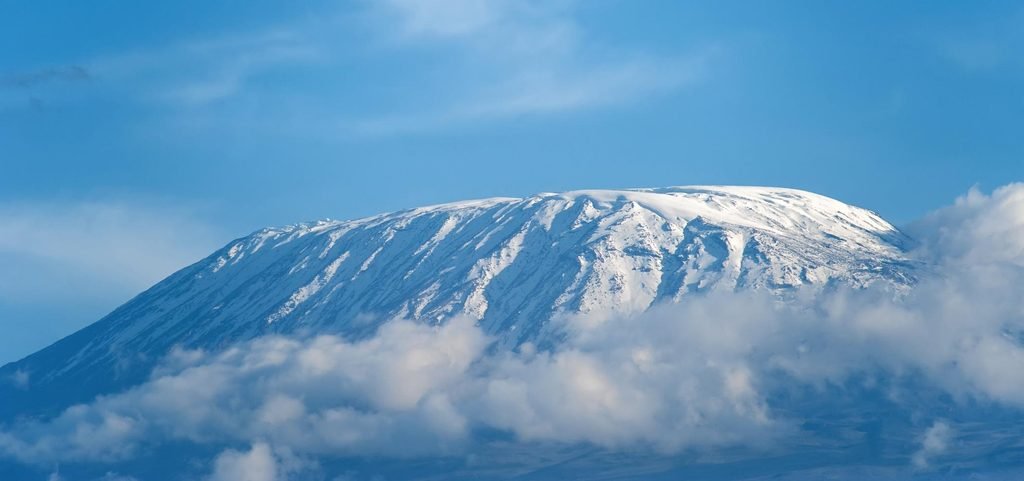
The 6 Top Kilimanjaro Routes:Kilimanjaro Climb Packages: 6 Top Routes and How to Find the Best Deals in 2026 & 2027
Here are six of the main routes travelers commonly consider when planning a Kilimanjaro climb:
- Machame Route
- Lemosho Route
- Marangu Route
- Rongai Route
- Northern Circuit Route
- Umbwe Route
Although all of these routes lead toward the same summit, the experience can be very different depending on which one you choose.
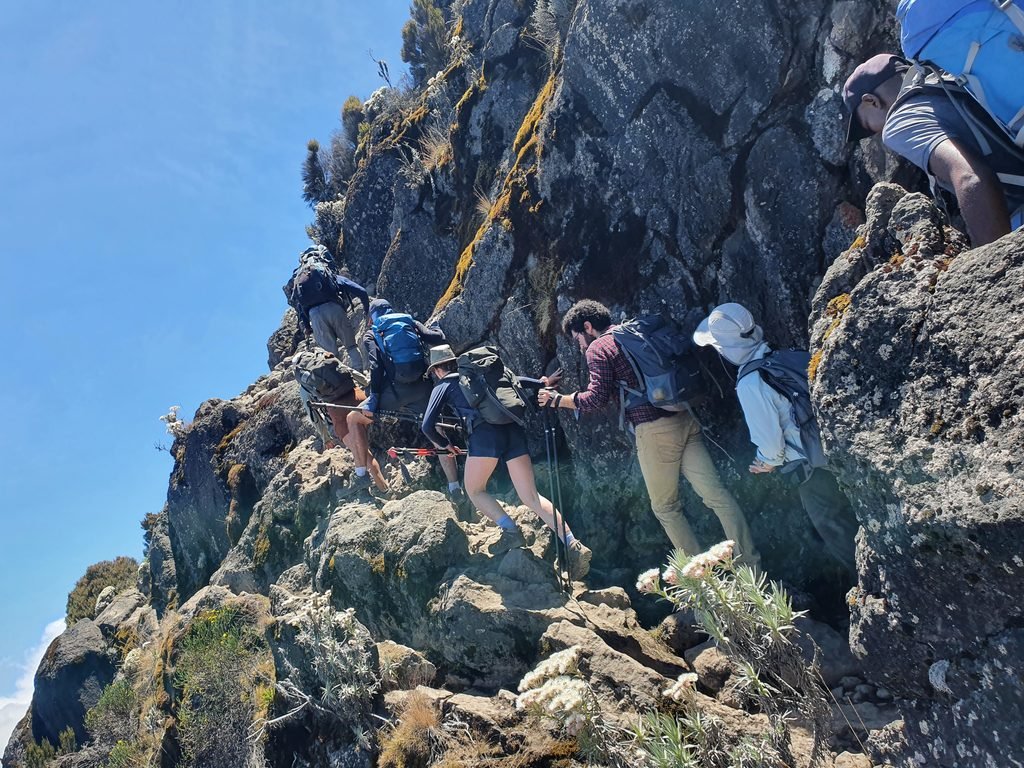
1. Machame Route – Scenic and Adventurous:Kilimanjaro Climb Packages: 6 Top Routes and How to Find the Best Deals in 2026 & 2027
The Machame Route is one of the most popular choices for climbers who want beautiful scenery and a more adventurous trekking experience.
Often called the “Whiskey Route,” Machame passes through several of Kilimanjaro’s ecological zones and provides constantly changing landscapes. The route is commonly done in 6 or 7 days, with the longer itinerary giving you more time to acclimatize.
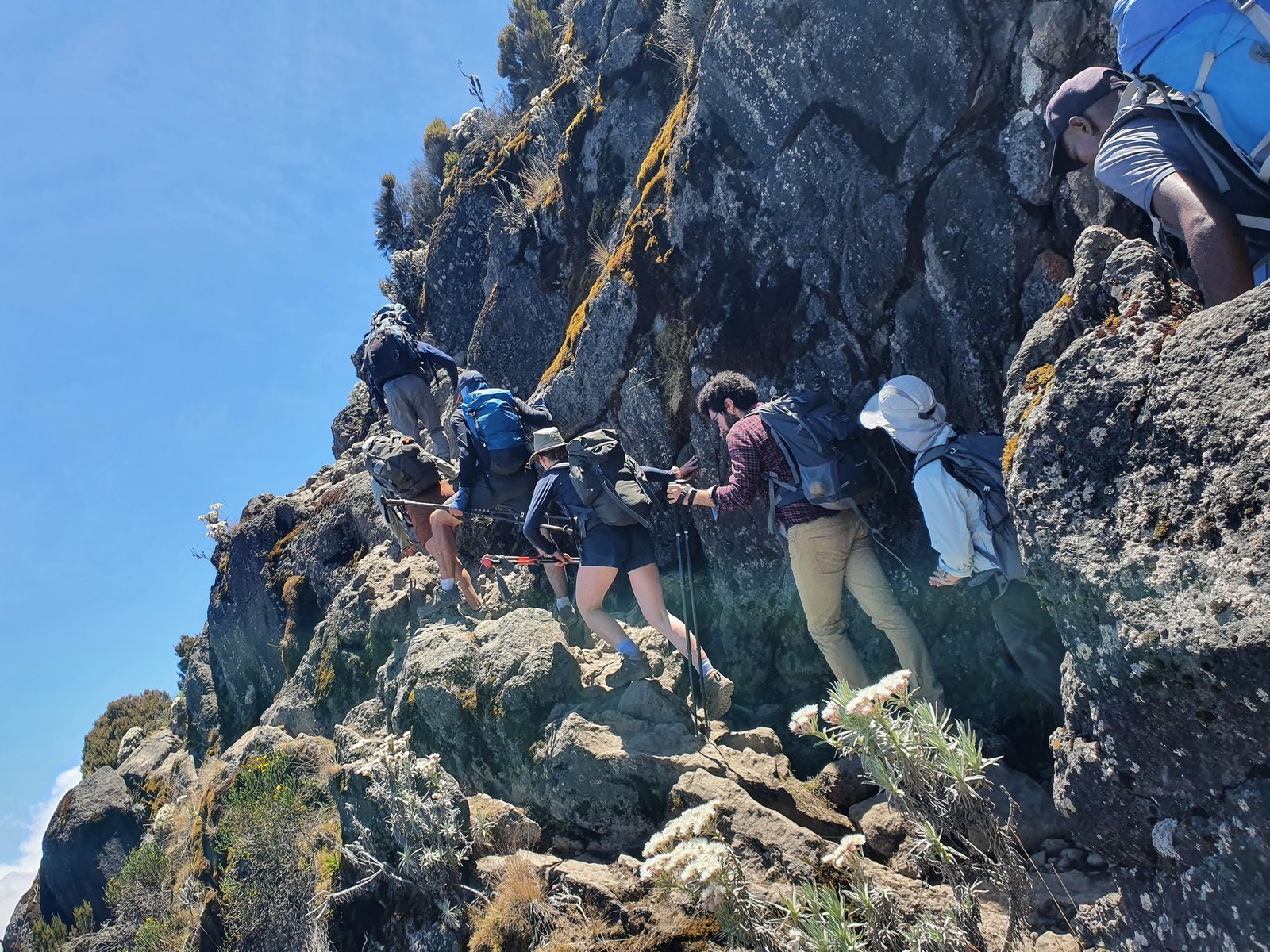
One of the memorable sections is the Barranco Wall, which adds a sense of adventure to the climb without requiring technical mountaineering skills.
Machame is a great option if you want a route that combines scenery, challenge and a classic Kilimanjaro trekking atmosphere.
Best for: Adventurous travelers, scenic trekking and reasonably fit first-time climbers.
2. Lemosho Route – Beautiful and Well Balanced
If you want a quieter beginning and spectacular scenery, Lemosho is one of the routes worth considering.
The route approaches Kilimanjaro from the western side before crossing the beautiful Shira Plateau and eventually joining the southern circuit. Longer itineraries, commonly around 7–8 days, allow more time for acclimatization
What many climbers appreciate about Lemosho is the feeling of gradually becoming part of the mountain. The first days can feel relatively peaceful, while the landscape becomes increasingly dramatic as you gain altitude.
For many first-time climbers, Lemosho provides a good balance between scenery, time, challenge and acclimatization.
Best for: First-time climbers, scenic lovers and travelers who prefer a more gradual experience.
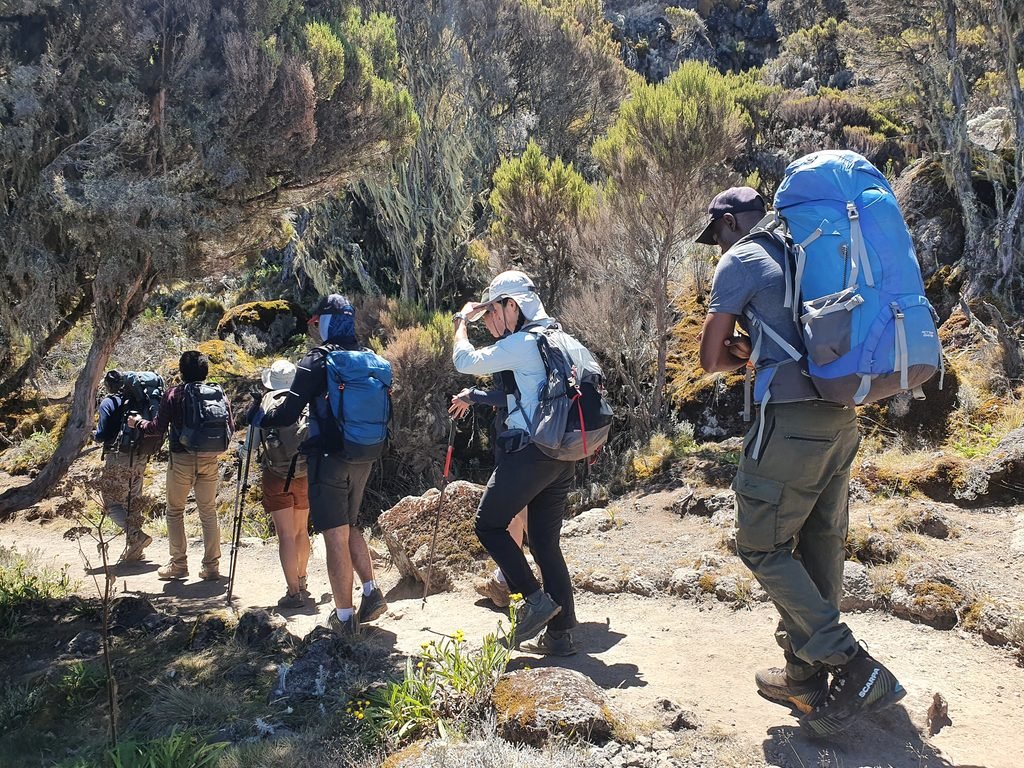
3. Marangu Route – The Classic Hut Route:Kilimanjaro Climb Packages: 6 Top Routes and How to Find the Best Deals in 2026 & 2027
The Marangu Route is one of Kilimanjaro’s oldest and most established routes. It is also unique because it uses mountain huts rather than tented camps.
This can be appealing if you prefer sleeping indoors rather than in a tent.
Marangu is sometimes considered the more straightforward route because the trail has a relatively gradual profile compared with some other approaches. However, its shorter itineraries provide less time for acclimatization, so choosing a longer version can be a sensible approach.
Another interesting feature is that you use the same general trail for ascent and descent, unlike routes such as Machame and Lemosho.
Best for: Travelers who prefer huts and a more established trekking route.
4. Rongai Route – Quiet and Remote
The Rongai Route approaches Kilimanjaro from the northern side near the Kenya border.
It is a good choice for travelers who prefer a quieter mountain experience. The northern side can feel more remote, and the landscape offers a different perspective compared with the southern approaches.
Rongai is also known for being relatively dry compared with some southern routes, which can make it attractive during wetter periods.
If you are someone who enjoys peaceful trails and would rather avoid some of the busier trekking areas, Rongai deserves serious consideration.
Best for: Quiet trekking, wilderness atmosphere and travelers seeking a different side of Kilimanjaro.
5. Northern Circuit – For Those Who Have More Time
The Northern Circuit is the longest of the main Kilimanjaro routes and takes a wide path around the mountain.
The extra time is one of its biggest advantages. More days can allow your body more opportunity to adjust to increasing altitude, while the route gives you a chance to experience a broader variety of landscapes.
It is particularly attractive to travelers who are not in a hurry and want to spend more time on the mountain.
The Northern Circuit can also be quieter than some of the more popular routes, creating a more peaceful trekking experience.
Best for: Travelers with enough time who prioritize acclimatization, scenery and a quieter experience.
6. Umbwe Route – Short, Steep and Challenging
The Umbwe Route is different from the others.
It is known for its steep and direct approach and is generally considered one of the more demanding routes on Kilimanjaro. Because of its rapid ascent profile, it is better suited to experienced and physically prepared trekkers rather than someone looking for the easiest introduction to the mountain
Umbwe can be incredibly rewarding because of its dramatic landscapes and sense of adventure, but it should not be selected simply because it is shorter.
On Kilimanjaro, spending additional days on the mountain can be beneficial for acclimatization, so a shorter itinerary is not automatically a better deal.
Best for: Experienced trekkers looking for a demanding and adventurous route.
Which Kilimanjaro Route Is Best for You?
There is no single route that is perfect for everybody.
Instead, think about your fitness, available time, budget, comfort preferences and the kind of experience you want.
| Route | Typical Duration | Best For | Main Attraction |
|---|---|---|---|
| Lemosho | 7–8 days | First-time climbers | Scenery & acclimatization |
| Machame | 6–7 days | Adventure seekers | Scenic & varied trail |
| Marangu | 5–6 days | Hut lovers | Mountain huts |
| Rongai | 6–7 days | Quiet trekkers | Remote northern approach |
| Northern Circuit | 8–9 days | Experienced planners | Long acclimatization & solitude |
| Umbwe | 6–7 days | Experienced trekkers | Steep & challenging |
The exact itinerary and route availability should always be confirmed when booking, and Kilimanjaro National Park requires climbers to use a licensed operator rather than trekking independently.
How to Find the Best Kilimanjaro Deals in 2026 & 2027
Finding a good Kilimanjaro deal is not about choosing the lowest price you see online.
A very cheap package can sometimes leave out important services, meaning you may end up paying additional costs later.
Instead, compare what is actually included.
1. Compare the Complete Package:Kilimanjaro Climb Packages: 6 Top Routes and How to Find the Best Deals in 2026 & 2027
Before booking, ask whether the price includes:
- Park and conservation fees
- Camping or hut fees
- Professional mountain guides
- Porters
- Cook
- Meals
- Tents or mountain huts
- Airport or hotel transfers
- Pre- and post-climb accommodation
- Rescue or emergency arrangements
- Government taxes and applicable fees
Notes that fees can vary according to visitor category, route and number of days, while guide and porter services are arranged through licensed operators.
2. Do Not Automatically Choose the Cheapest Route
A cheaper climb is not necessarily a better climb.
For example, a shorter itinerary may cost less, but giving yourself more time on the mountain can make the climb more comfortable and improve acclimatization.
Sometimes spending a little more on an additional mountain day is one of the smartest decisions you can make.
3. Look at the Crew and Support
Your guide and mountain crew will be an important part of your experience.
A good guide should help you maintain a sensible pace, monitor how you are feeling and explain what to expect as you gain altitude.
Kilimanjaro National Park also emphasizes gradual ascent, hydration and reporting symptoms promptly to your guide.
4. Ask About Porter Welfare
When comparing prices, do not look only at the number.
Ask how the operator handles its mountain crew and whether the package follows responsible porter practices.
A responsible climb should respect the people who make your journey possible.
5. Check the Number of Days
This is one of the most important points.
If your budget allows it, consider choosing a route with enough time for acclimatization rather than focusing only on the shortest possible climb.
The mountain is not a race.
Walking slowly, resting properly and allowing your body time to adjust can make a huge difference to your experience.
What Is Usually Included in a Kilimanjaro Package?
A professionally organized Kilimanjaro package normally includes mountain support such as:
- Experienced mountain guides
- Porters
- Cook and kitchen support
- Park fees
- Camping or hut fees
- Meals during the trek
- Drinking water during the climb
- Tents on camping routes
- Emergency and rescue arrangements according to the operator’s package
- Transfers connected to the climb
- Accommodation before and/or after the trek, depending on the package
The exact inclusions vary, so always request a detailed quotation before making a booking.
What You Should Budget For Separately
You may need to budget separately for:
- International flights
- Tanzania visa
- Travel insurance
- Personal climbing equipment
- Tips for guides, porters and support crew
- Personal snacks
- Drinks outside the included package
- Laundry
- Optional extra hotel nights
- Personal expenses
Having a clear understanding of these costs before you travel will help you avoid surprises.
When Is the Best Time to Climb Kilimanjaro?
Kilimanjaro can be climbed throughout much of the year, but weather conditions vary.
Many climbers prefer periods with generally more favorable weather, particularly around January–March and June–October. The mountain can still experience rapidly changing conditions, however, so preparation is important regardless of your travel month.
If your dates are flexible, discussing the timing with an experienced local operator can help you choose an itinerary that matches your priorities.
What Makes a Good Kilimanjaro Climb?
A great Kilimanjaro climb is not simply about reaching Uhuru Peak.
It is about the whole journey.
It is the first morning when you walk through the forest.
It is the moment the vegetation begins to change as you climb higher.
It is sharing stories with your trekking team around camp.
It is waking up before sunrise for the summit attempt.
And then, after hours of walking, finally seeing the sign at Uhuru Peak, 5,895 meters, knowing that you have made it.
Those are the moments you will remember.
Choose Your Kilimanjaro Adventure for 2026 & 2027
Whether you choose the scenic Lemosho Route, adventurous Machame Route, classic Marangu Route, peaceful Rongai Route, longer Northern Circuit, or challenging Umbwe Route, the most important thing is to choose an itinerary that matches your body, your time and your expectations.
Do not let the cheapest price make the decision for you.
A well-planned Kilimanjaro climb should give you enough time to acclimatize, experienced mountain support, appropriate equipment, good meals, reliable logistics and a realistic plan for reaching the summit.
For 2026 and 2027, the best deal is ultimately not the cheapest package—it is the package that gives you good value, proper support and the best possible experience on Africa’s highest mountain.
Plan Your Kilimanjaro Climb with EKO Tanzania Adventures
If you are ready to start planning your Kilimanjaro adventure, EKO Tanzania Adventures can customize your climb according to your preferred route, travel dates, number of travelers, accommodation preferences, budget and fitness level.