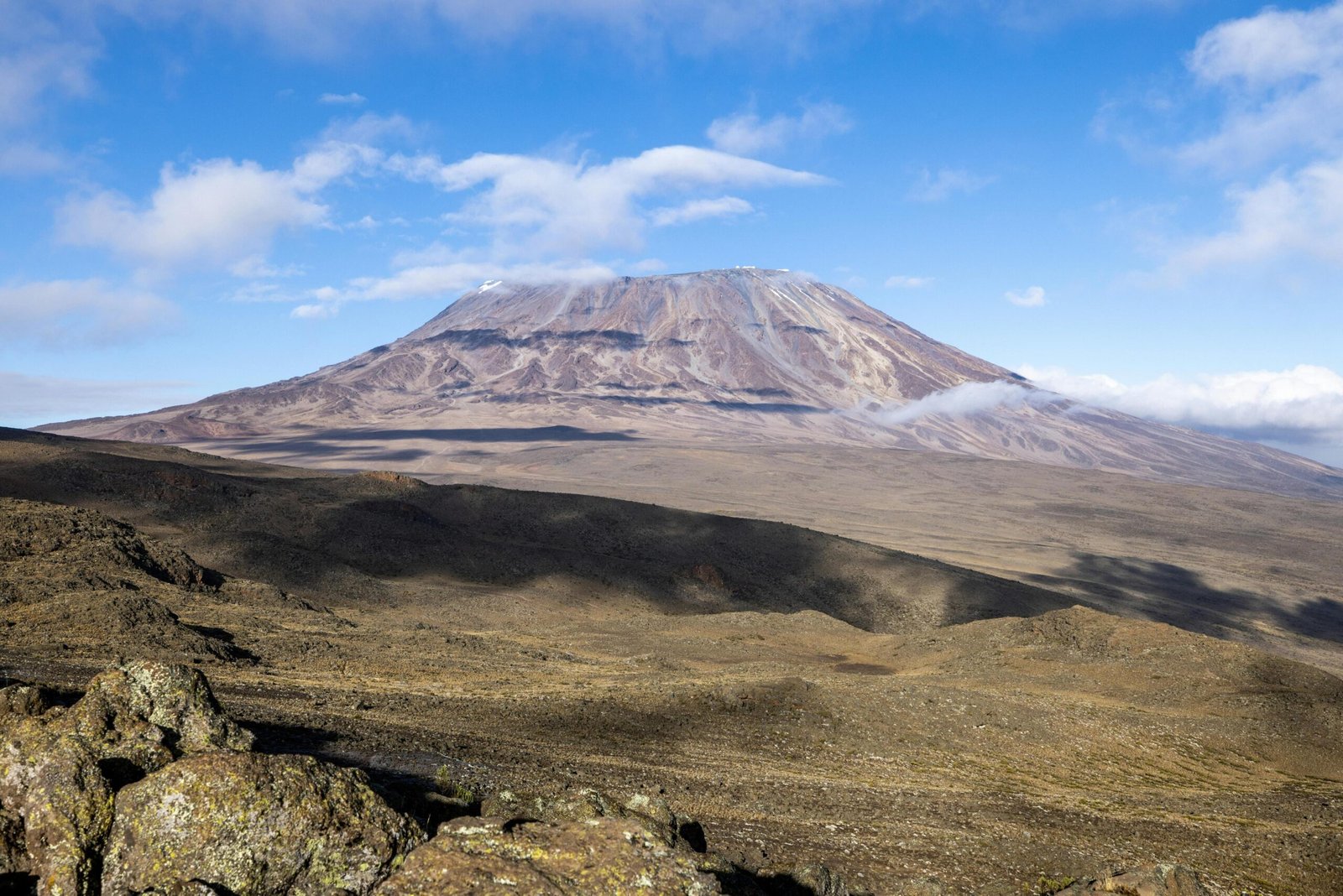
Kilimanjaro Climbing Success Rate : Every climber wants to know one thing before booking: What is the Kilimanjaro climbing success rate?
The answer is not a single fixed number. Success on Mount Kilimanjaro depends on the route you choose, the number of days on the mountain, your acclimatisation, your physical preparation, the weather, and the quality of the guiding team supporting you.
Mount Kilimanjaro rises to 5,895 metres above sea level. Reaching Uhuru Peak is a major achievement, but no responsible operator should promise that every climber will reach the summit. Altitude affects every person differently, including experienced hikers and very fit athletes.
The most honest way to think about Kilimanjaro success is this: you improve your chances by making smart choices before and during the climb. The biggest mistake is choosing a very short itinerary simply because it is cheaper or seems easier to fit into a holiday schedule.
At EKO Tanzania Adventures, we focus on route choice, sensible pacing, professional mountain support, regular health checks, and enough time for acclimatisation. These are the things that genuinely matter on Africa’s highest mountain.
What does Kilimanjaro summit success mean?
When people talk about Kilimanjaro climbing success rate, they usually mean the percentage of climbers who reach Uhuru Peak, the highest point on Mount Kilimanjaro.
However, success can also mean reaching other important points on the mountain, including:
- Gillman’s Point at approximately 5,681 metres
- Stella Point at approximately 5,739 metres
- Uhuru Peak at 5,895 metres
Some climbers reach one of the crater-rim points but do not continue to Uhuru Peak because of fatigue, cold, weather, or altitude symptoms. Reaching any of these points is still a serious accomplishment, but Uhuru Peak remains the main summit goal for most trekkers.
A good operator should be transparent about what they mean when they discuss success. Ask whether a stated rate refers specifically to Uhuru Peak or includes climbers who reached Gillman’s Point or Stella Point.
Why there is no single Kilimanjaro success rate
You may see different companies advertising very different Kilimanjaro success percentages. Be careful with any number that sounds too perfect.
A success rate can vary because of:
- Route length
- Number of acclimatisation days
- Group size
- Weather conditions
- Guide experience
- Client fitness and preparation
- Medical decisions made on the mountain
- Whether the company counts only Uhuru Peak or also crater-rim points
- Whether climbers on short routes are included in the calculation
A company operating mostly seven-day and eight-day routes may naturally have a stronger success record than one selling mainly five-day climbs. This does not always mean one guide is better than another; route design makes a major difference.
The most important question is not only, “What is your success rate?” It is also, “What do you do to improve my chance of climbing safely?”
The number of days matters more than almost anything else
The strongest way to improve your Kilimanjaro summit chance is to choose a route with enough days for acclimatisation.
Altitude sickness is the main reason climbers do not reach the summit. It is not simply a question of strength. The body needs time to adjust as oxygen levels reduce at higher elevations.
A rushed five-day itinerary may look attractive because it is shorter and less expensive, but it gives the body little time to adapt. A six-day, seven-day, eight-day, or nine-day route is usually a better investment.
Here is a practical guide:
| Route Duration | Acclimatisation Level | General Summit Potential |
|---|---|---|
| 5 days | Limited | Lower, due to rapid altitude gain |
| 6 days | Better | Good when well paced |
| 7 days | Strong | Better for many first-time climbers |
| 8–9 days | Excellent | Best option for gradual adaptation |
A longer route does not remove all risk, but it gives your body more time to adjust and allows guides to monitor how you are coping.
For many climbers, spending one extra day on the mountain is more valuable than spending that same day in a hotel before or after the trek.
Which Kilimanjaro route has the best success rate?
There is no route that guarantees reaching the summit. However, some routes are generally better for acclimatisation because they allow more time and follow a more gradual profile.
Northern Circuit Route
The Northern Circuit is usually completed in eight or nine days and is one of the best choices for climbers who want maximum acclimatisation time.
It is longer, quieter, and circles around the northern slopes of Kilimanjaro. Daily distances are often manageable, and the extra time at altitude gives the body a better opportunity to adapt.
This route is particularly suitable for first-time climbers, older travellers, hikers who prefer a slower pace, and anyone who wants to prioritise comfort over speed.
Lemosho Route
The Lemosho Route normally takes seven or eight days and is one of the most scenic routes on Kilimanjaro. It begins on the western side of the mountain, passes through rainforest, and offers a gradual approach before joining the Machame trail.
The eight-day Lemosho itinerary is especially good for acclimatisation. It gives climbers extra time to adjust and combines beautiful scenery with a strong route profile.
Machame Route
The Machame Route is popular because it is scenic and includes useful “climb high, sleep low” sections. It is available as a six-day or seven-day itinerary.
The seven-day Machame Route is usually the better choice for summit success because it gives you more time to acclimatise. The six-day version can still work well for fit, prepared climbers, but the extra day makes the experience more comfortable for many people.
Rongai Route
The Rongai Route approaches Kilimanjaro from the northern side and is usually quieter than Machame and Marangu. It is often a good choice during wetter months because the northern side can be drier.
A seven-day Rongai climb gives a more gradual pace than a six-day version. It is a good option for climbers who want a less crowded route and a slightly calmer mountain experience.
Marangu Route
Marangu uses mountain huts rather than tents, which appeals to travellers who prefer sleeping indoors. The route is often offered in five or six days.
The six-day Marangu Route is strongly recommended over the five-day version because it includes an acclimatisation day at Horombo Hut. This extra day can make a meaningful difference to how your body manages altitude.
Umbwe Route
Umbwe is one of the steepest and most direct routes on Kilimanjaro. It is beautiful and adventurous, but it is not usually the first recommendation for beginners because of rapid elevation gain and a more demanding approach.
Strong, experienced hikers may enjoy Umbwe, but a longer Lemosho, Machame, Rongai, or Northern Circuit itinerary is usually a better choice for improving overall summit potential.
How does altitude affect Kilimanjaro success?
At high altitude, there is less oxygen available with every breath. Your body must adjust gradually. This is why someone with average fitness can reach the summit while a stronger athlete may need to turn back.
Common mild altitude symptoms may include:
- Headache
- Fatigue
- Poor sleep
- Reduced appetite
- Mild dizziness
- Feeling breathless while walking uphill
These symptoms should always be reported to your guide. Hiding symptoms is dangerous and can turn a manageable issue into a serious one.
The main ways to support acclimatisation are:
- Choose a longer route
- Walk slowly
- Drink enough water
- Eat regular meals
- Avoid alcohol before and during the trek
- Use proper warm clothing
- Follow your guide’s advice
- Report symptoms early
The goal is not to prove how strong you are. The goal is to give your body time to adapt safely.
Does fitness guarantee Kilimanjaro summit success?
Fitness is important, but it does not guarantee reaching Uhuru Peak. Kilimanjaro is not a race, and being able to run fast at sea level does not automatically mean your body will perform well at 5,000 metres.
Good fitness helps because it allows you to walk for several hours, handle steep trails, recover between trekking days, and manage the long descent. However, altitude remains the most unpredictable part of the climb.
A prepared climber with moderate fitness, strong pacing, and a seven-day or eight-day itinerary may have a better experience than an athlete who chooses a rushed route.
Before travelling, aim to train for at least eight to twelve weeks. Include:
- Hill walking
- Long walks with a daypack
- Stair climbing
- Cycling, running, or swimming
- Squats, lunges, and step-ups
- Core-strength exercises
- Weekend hikes on uneven ground
The best training is walking uphill in the boots you will wear on Kilimanjaro.
Why summit night decides many Kilimanjaro climbs
Most people find summit night to be the toughest part of Kilimanjaro. You wake around midnight, dress in several warm layers, eat a light snack, and begin climbing in darkness.
The summit push can take six to eight hours, sometimes longer. It is cold, windy, and physically demanding. You are already tired from several days of trekking, and the thin air makes each step feel harder.
Summit night tests:
- Physical endurance
- Warm clothing and equipment
- Hydration
- Mental strength
- Slow pacing
- Guide support
- Altitude response
The best way to handle summit night is to accept that it will be difficult. Do not expect it to feel easy. Your guide will set a very slow pace, often called “pole pole” in Swahili. Small steps, regular water, warm gloves, and steady breathing can carry you much further than trying to move quickly.
How professional guides improve Kilimanjaro success
Your mountain guide is one of the most important people on your climb. A professional guide understands the route, weather changes, altitude symptoms, camp routines, and how to set a safe pace.
At EKO Tanzania Adventures, our mountain teams support climbers from the first briefing in Moshi or Arusha through to the final descent. A good Kilimanjaro climb includes:
- Experienced mountain guides
- Daily health and wellness checks
- Appropriate pacing
- Trained porters and cooks
- Nutritious mountain meals
- Safe drinking water
- Emergency oxygen and first-aid support
- Clear communication when conditions change
- Respectful porter treatment and organised camp support
A cheap climb can become expensive if it cuts corners on guide quality, safety equipment, food, or crew support. Kilimanjaro is not the place to choose an operator based only on the lowest price.
Proper gear improves comfort and confidence
Poor equipment can make Kilimanjaro feel much harder than it needs to be. Wet feet, cold hands, blistered heels, or an inadequate sleeping bag can drain your energy and affect your motivation.
Essential equipment includes:
- Waterproof hiking boots already broken in
- Warm insulated jacket
- Waterproof jacket and trousers
- Thermal base layers
- Warm gloves and hat
- Headlamp with spare batteries
- Sleeping bag suitable for cold mountain conditions
- Trekking poles
- Refillable water bottles or hydration system
- Sunglasses and sunscreen
- Comfortable daypack
- Blister plasters and personal medication
Do not buy everything at the last minute. Test your boots, backpack, waterproof layers, headlamp, and trekking poles before you travel.
If you need to rent equipment in Tanzania, contact EKO Tanzania Adventures in advance so we can help you organise suitable gear.
How weather affects Kilimanjaro summit success
Kilimanjaro can be climbed throughout the year, but weather affects trail conditions, comfort, and visibility.
The main dry seasons are generally:
- January to early March
- June to October
These are popular months because trails are usually drier, and there is often a better chance of clear views.
The rainy seasons generally fall around:
- March to May
- November to mid-December
Climbing during wetter months is still possible, particularly on the Rongai Route, but you should expect more mud, rain, cloud, and slippery trails.
Good gear and a flexible mindset are important in every season. Even in a dry month, rain can fall in the rainforest zone and the summit can be freezing cold.
7 ways to improve your Kilimanjaro success rate
1. Choose a longer itinerary
A seven-day, eight-day, or nine-day route gives your body more time to acclimatise.
2. Train before your trip
Build cardio fitness, leg strength, and hiking endurance before arriving in Tanzania.
3. Walk slowly
The slowest climber is not necessarily the weakest climber. A steady pace is often the smartest pace on Kilimanjaro.
4. Stay hydrated and eat enough
Drink regularly, eat mountain meals, and carry snacks for trekking days and summit night.
5. Use proper equipment
Stay dry, warm, and comfortable. Good boots and summit layers are particularly important.
6. Listen to your guide
Your guide understands altitude and mountain safety. Report symptoms honestly and follow advice.
7. Arrive early and rest
Arrive in Tanzania at least one or two days before your trek. Recover from flights, check your equipment, and begin the climb feeling fresh.
A safe descent is part of success
Reaching Uhuru Peak is exciting, but it is only half the journey. You still need to descend safely.
Many climbers feel very tired after summit night. The descent can be hard on the knees, especially when walking downhill over loose volcanic ground. Trekking poles, slow movement, drinking water, and listening to the guide are important.
A successful Kilimanjaro climb means returning safely with good memories, not simply standing at the summit for a photograph.
Book a well-planned Kilimanjaro climb
Kilimanjaro success is not about luck alone. It is about choosing the right route, allowing enough days, preparing your body, using the right gear, and climbing with an experienced local team.
EKO Tanzania Adventures can help you select a Kilimanjaro route that suits your fitness, budget, travel dates, and personal climbing goals. We arrange private climbs, group climbs, Mount Meru treks, Tanzania safaris, and Zanzibar beach extensions.
Call or WhatsApp: +255 761 353 184
Email: info@ekotanzaniaadventures.com
Alternative email: ekotanzaniaadventure@gmail.com
Give yourself enough time, climb slowly, and make a safe summit plan your first priority.