Kilimanjaro Hiking Difficulty : How difficult is climbing Mount Kilimanjaro? The honest answer is that Kilimanjaro is challenging, but it is possible for determined, well-prepared people without technical mountaineering experience.
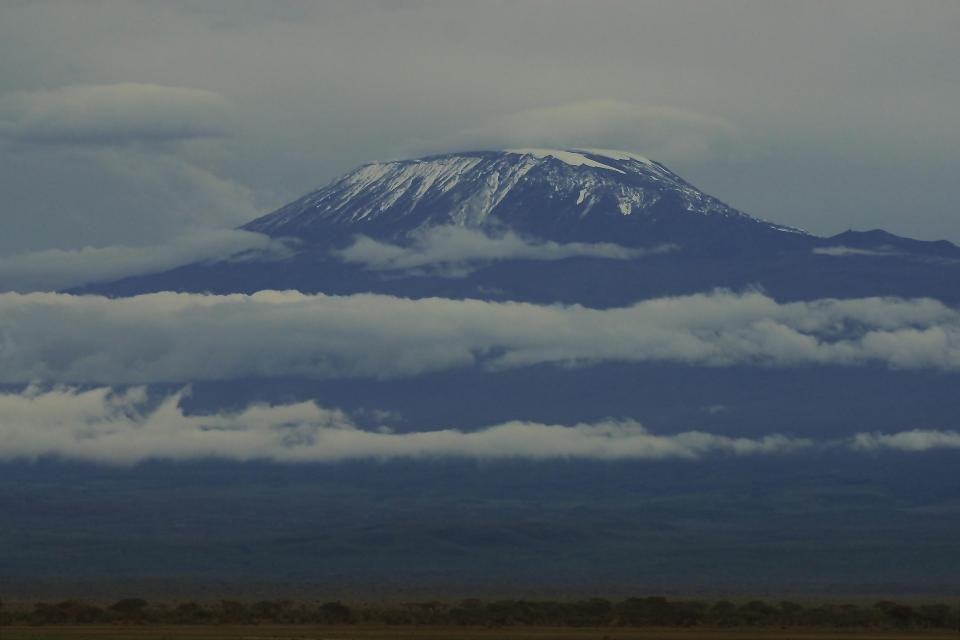
At 5,895 metres above sea level, Mount Kilimanjaro is Africa’s highest mountain and the world’s tallest free-standing mountain. Reaching Uhuru Peak requires several days of trekking, strong physical preparation, sensible pacing, warm equipment, and respect for altitude. It is not an easy hike, but it is also not a technical rock-climbing expedition.
Most standard Kilimanjaro routes do not require ropes, crampons, ice axes, or previous mountaineering experience. The real challenge is altitude. As you climb higher, oxygen becomes less available, sleep can become difficult, temperatures drop, and the final summit night tests both your fitness and determination.
This guide by EKO Tanzania Adventures explains Kilimanjaro hiking difficulty in clear terms, including route difficulty, altitude, fitness, summit night, weather, and how to give yourself the best possible chance of a safe climb.
Is Kilimanjaro difficult for beginners?
Kilimanjaro can be climbed by beginners, but beginners must prepare properly. You do not need to have climbed a mountain before, but you should have a reasonable level of fitness and be willing to train before your trip.
Many first-time mountain climbers reach Uhuru Peak every year. They succeed because they choose a suitable route, take enough days for acclimatisation, listen to their guide, and walk slowly.
A beginner who trains consistently and chooses a seven-day or eight-day route may have a better experience than a very fit person who tries to rush up the mountain in five days.
Kilimanjaro is not difficult because the trail requires advanced climbing skills. It is difficult because of:
- High altitude
- Long trekking days
- Cold temperatures
- Changing weather
- Steep sections on some routes
- The demanding summit night
- Limited sleep at higher camps
- The need to keep going when tired
If you are willing to prepare and respect the mountain, Kilimanjaro is an achievable goal.
The biggest challenge: altitude on Kilimanjaro
Altitude is the main reason Kilimanjaro is difficult. At sea level, the body has access to much more oxygen than it does near the summit. As you climb higher, your body needs time to adjust to the thinner air.
This process is called acclimatisation. It cannot be rushed by fitness alone.
You may be strong, active, and experienced in the gym, but altitude can still affect you. A climber who runs marathons may struggle with a headache at 4,000 metres, while another person with average fitness may feel fine. Every person reacts differently.
Common mild altitude symptoms can include:
- Headache
- Tiredness
- Loss of appetite
- Difficulty sleeping
- Mild dizziness
- Feeling breathless while walking uphill
These symptoms should always be reported to your guide. The guide will monitor your condition and advise on the safest next step.
The best protection against altitude problems is a longer route. More days on the mountain give your body more time to adapt.
For climbers concerned about difficulty, EKO Tanzania Adventures usually recommends avoiding rushed itineraries where possible. A six-day, seven-day, eight-day, or nine-day route is generally better than trying to summit in the shortest available time.
How hard is Kilimanjaro summit night?
For most climbers, summit night is the hardest part of the entire Kilimanjaro trek.
You normally wake up around midnight at a high-altitude camp. After a light snack and final clothing check, you begin walking in darkness with a headlamp. The temperature is often below freezing, and the wind can make it feel even colder.
The summit ascent is slow but relentless. You may walk for six to eight hours before reaching Uhuru Peak, sometimes longer depending on the route, weather, and your pace.
Summit night is difficult because of several factors happening at the same time:
- You are walking after limited sleep
- You are at very high altitude
- It is cold and often windy
- The trail can be steep and dusty
- You may feel tired from previous trekking days
- You still have a long descent after reaching the summit
The good news is that guides set a very slow pace. You will hear the Swahili phrase “pole pole,” meaning “slowly, slowly.” This is the correct way to climb Kilimanjaro.
You do not need to rush. You only need to keep moving steadily, eat small snacks, drink water, and follow your guide’s instructions. Many climbers reach the summit by focusing on one step at a time.
Kilimanjaro route difficulty comparison
Not all Kilimanjaro routes have the same difficulty. Some are shorter and steeper, while others are longer and provide more gradual acclimatisation.
| Kilimanjaro Route | Typical Duration | Difficulty Level | Best For |
|---|---|---|---|
| Marangu Route | 5–6 days | Moderate | Climbers who prefer hut accommodation |
| Machame Route | 6–7 days | Moderate to challenging | Scenic trekking and better acclimatisation |
| Lemosho Route | 7–8 days | Moderate to challenging | First-time climbers wanting a longer, well-paced route |
| Rongai Route | 6–7 days | Moderate | Quieter trekking and a drier northern approach |
| Northern Circuit | 8–9 days | Moderate physically, easier for acclimatisation | Climbers who want more time and fewer crowds |
| Shira Route | 7–8 days | Challenging | Experienced hikers comfortable with a high start |
| Umbwe Route | 5–6 days | Very challenging | Strong, experienced hikers seeking a steep route |
Is the Marangu Route easy?
The Marangu Route is sometimes called the “Coca-Cola Route,” but this name can be misleading. It is not an easy climb. It is simply known for having mountain huts rather than tents.
Marangu has a relatively direct path to the summit, which means it can be harder for acclimatisation if completed in only five days. The six-day Marangu itinerary is a better choice because it includes an extra acclimatisation day at Horombo Hut.
The route is suitable for travellers who prefer sleeping in huts and want a more established trail. However, it still requires fitness, warm gear, and careful altitude management.
Is the Machame Route difficult?
The Machame Route is one of the most popular routes on Kilimanjaro. It is scenic, varied, and offers a good “climb high, sleep low” acclimatisation profile.
Machame is moderately challenging. It includes some steep sections, particularly on the Barranco Wall, but it does not require technical climbing ability. The Barranco Wall may look intimidating in photographs, but most climbers manage it well with guidance and a slow pace.
A seven-day Machame itinerary is generally easier on the body than a six-day version because it offers another day for acclimatisation. The route can be busy during peak seasons, especially from July to September.
Is the Lemosho Route difficult?
The Lemosho Route is often considered one of the best Kilimanjaro routes for climbers who want strong scenery and a more gradual acclimatisation profile.
It starts on the western side of the mountain and usually takes seven or eight days. The early days are quieter and pass through rainforest before joining the Machame Route higher on the mountain.
Lemosho is physically demanding because of its duration and varied terrain, but it is often a better option for first-time climbers than shorter routes. The longer schedule gives your body a better chance to adjust to altitude.
For many travellers, the eight-day Lemosho Route offers one of the strongest combinations of scenery, pacing, and summit potential.
Is the Rongai Route difficult?
The Rongai Route approaches Kilimanjaro from the northern side, near the Kenya border. It is quieter than Machame and Marangu and is often considered a good option for climbers who prefer a less crowded mountain experience.
Rongai is moderate in difficulty. The trail is generally gradual at first, though summit day remains tough for everyone. Because the northern side of Kilimanjaro is often drier, Rongai can be a useful choice during wetter months.
A seven-day Rongai itinerary is recommended for climbers who want more time to acclimatise and enjoy the route.
Is the Northern Circuit the easiest Kilimanjaro route?
The Northern Circuit is one of the longest routes on Kilimanjaro, usually taking eight or nine days. It is not “easy” because you still climb to 5,895 metres, but it is often one of the best routes for acclimatisation.
It circles around the northern slopes of Kilimanjaro, providing quieter trails, wide views, and more time for your body to adapt. The daily distances are often manageable, and the route avoids some of the pressure of shorter itineraries.
For travellers with enough time and budget, the Northern Circuit is an excellent choice for reducing the difficulty caused by rapid altitude gain.
How fit do you need to be for Kilimanjaro?
You do not need to be a professional athlete, but you should be physically active before your climb. Good fitness allows you to enjoy the journey and gives you more energy for summit day.
A suitable level of preparation means you can comfortably:
- Walk for several hours
- Climb hills or stairs
- Carry a small daypack
- Exercise regularly
- Recover after longer walks
- Stay active for multiple days in a row
Start preparing at least eight to twelve weeks before your trek. Your fitness programme should include cardio exercise, leg strength, hiking practice, and time on uneven trails.
Useful training activities include:
- Long walks and hill walks
- Stair climbing
- Running or jogging
- Cycling
- Swimming
- Squats and lunges
- Step-up exercises
- Core-strength workouts
- Weekend hikes with a backpack
The best training is hiking on hills while wearing the boots you will use on Kilimanjaro. This helps strengthen your legs, test your gear, and reduce the risk of blisters.
How cold is Kilimanjaro?
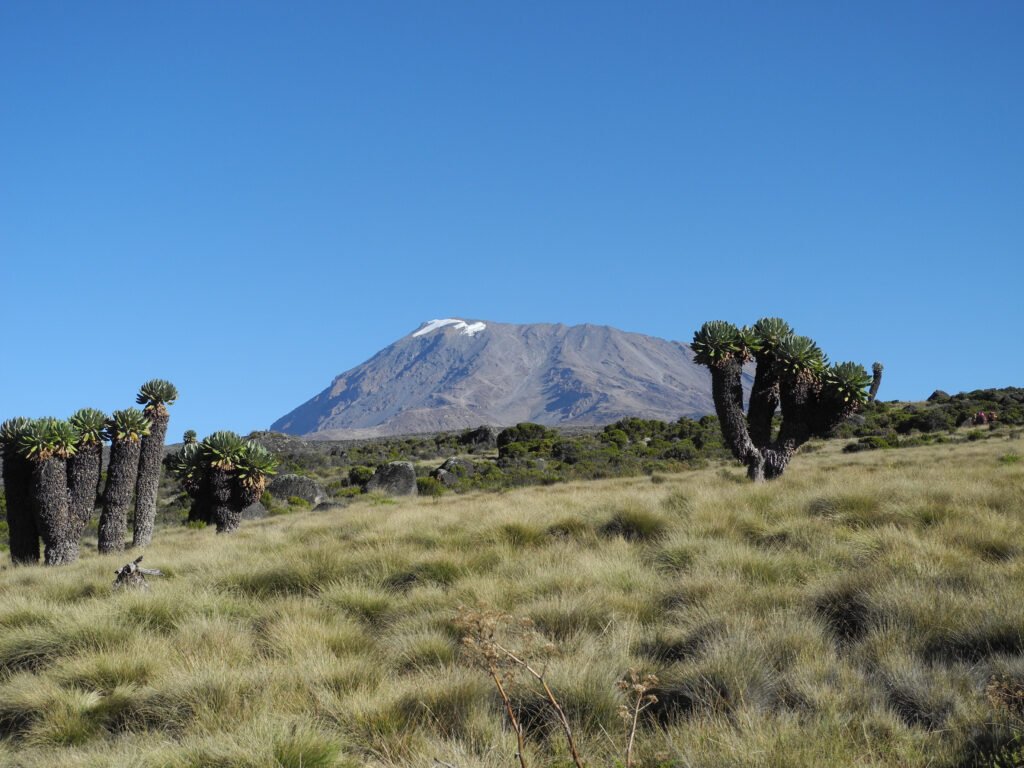
Kilimanjaro passes through several climate zones, so temperatures change significantly during the climb.
At the lower forest levels, daytime temperatures may be warm and humid. At higher camps, nights can become very cold. Near the summit, temperatures can fall well below freezing.
You may experience:
- Warm sunshine during the day
- Rain in the rainforest zone
- Strong wind in exposed areas
- Frost at higher camps
- Freezing temperatures on summit night
The cold is manageable with the right equipment. A good insulated jacket, thermal base layers, warm gloves, a hat, neck warmer, and suitable sleeping bag are essential.
Many climbers feel cold because they underestimate summit night. Proper gear is not a luxury; it is part of safe preparation.
Is Kilimanjaro dangerous?
Kilimanjaro can be dangerous if climbers ignore altitude symptoms, use poor equipment, climb too quickly, or travel with an inexperienced operator. With proper planning, a professional guide, and sensible decision-making, risks can be managed.
The main risks include:
- Altitude sickness
- Cold-related illness
- Dehydration
- Slips and falls on uneven ground
- Exhaustion
- Poor weather conditions
Your guide will monitor your health throughout the trek. EKO Tanzania Adventures uses experienced mountain teams and focuses on slow pacing, regular checks, safe route planning, proper food, drinking water, and support from trained guides.
Never hide symptoms from your guide. Reaching the summit is never more important than returning safely.
Does age make Kilimanjaro more difficult?
Age alone does not decide whether you can climb Kilimanjaro. Many climbers in their 40s, 50s, 60s, and beyond successfully reach the summit.
What matters more is your health, fitness, preparation, and the route you choose. Older climbers may benefit from choosing a longer itinerary, such as an eight-day Lemosho Route or a nine-day Northern Circuit Route, to allow more time for acclimatisation and recovery.
Before booking, speak with your doctor if you have any health condition, take regular medication, or have concerns about high altitude exercise.
How to make Kilimanjaro easier
You cannot make a 5,895-metre mountain easy, but you can make your climb much more manageable.
Choose a longer route
More days mean more acclimatisation. This is the single best way to reduce the difficulty of Kilimanjaro.
Train before you travel
Regular walking, hills, stairs, cardio exercise, and leg strength training will improve your comfort on the trail.
Use proper gear
Warm, waterproof, and well-fitting equipment protects you from cold, rain, wind, and blisters.
Walk slowly
Do not try to prove your fitness by walking too fast. Kilimanjaro rewards patience, not speed.
Drink and eat regularly
Dehydration and low energy can make the climb feel harder. Carry water, eat meals, and use snacks during the day.
Listen to your guide
Your guide understands the mountain, altitude, weather, and safe pacing. Follow instructions and report any symptoms honestly.
Sleep well before your trek
Arrive in Tanzania at least one or two days before the climb. Rest after your flight, organise your gear, and avoid beginning the trek tired.
The mental side of Kilimanjaro hiking difficulty
Kilimanjaro tests mental strength as much as physical strength. There will be moments when you are cold, tired, or wondering how far the summit still is. This is normal.
A positive mindset does not mean pretending everything is easy. It means accepting that the mountain will be difficult and continuing with calm, steady effort.
Break the journey into small goals. Focus on reaching the next camp, the next water break, or the next sunrise. Celebrate every day you complete.
The summit is a major achievement, but the full experience matters too: walking through rainforest, sleeping beneath the stars, sharing meals with your mountain team, watching the landscape change, and discovering what your body and mind can do.
Book your Kilimanjaro climb with EKO Tanzania Adventures
Kilimanjaro is challenging, but it is achievable with the right route, proper preparation, enough acclimatisation days, and an experienced local crew.
EKO Tanzania Adventures can help you choose the best Kilimanjaro route for your fitness level, travel dates, budget, and preferred trekking style. We arrange private climbs, group climbs, Mount Meru treks, Tanzania wildlife safaris, and Zanzibar beach extensions.
Call or WhatsApp: +255 761 353 184
Email: info@ekotanzaniaadventures.com
Alternative email: ekotanzaniaadventure@gmail.com
Take the challenge seriously, prepare well, and climb Kilimanjaro one steady step at a time.