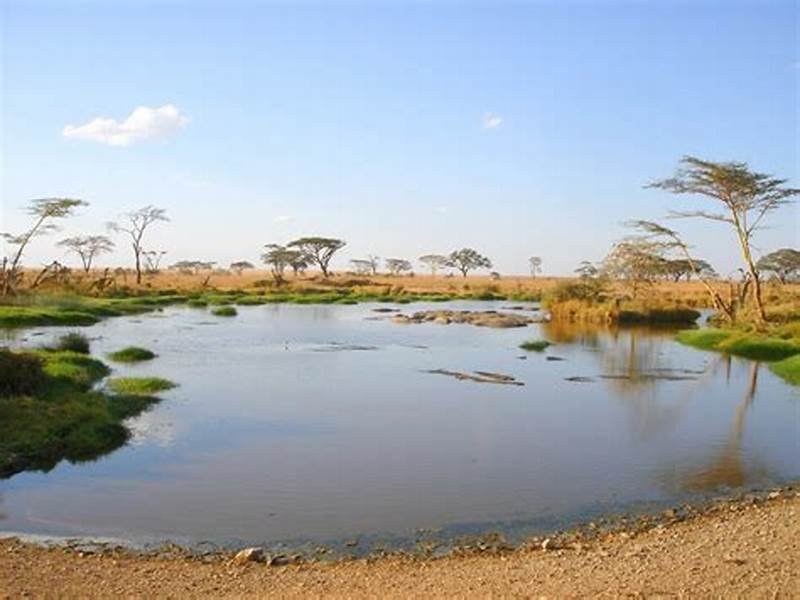
Lake Manyara National Park is one of northern Tanzania’s most scenic and diverse safari parks. It may be smaller than Serengeti National Park or Tarangire National Park, but it offers an impressive mix of groundwater forest, acacia woodland, open floodplains, hippo pools, hot springs, birdlife, the Great Rift Valley escarpment, and the alkaline waters of Lake Manyara.
The park is best known for its tree-climbing lions, large baboon troops, elephants, flamingos, and lush forest scenery. It is an excellent choice for travellers who want a safari with changing habitats in a compact area.
Lake Manyara National Park is often included in a northern Tanzania safari with Tarangire, Ngorongoro Crater, and Serengeti. It works well as a one-day game drive, but travellers with more time may enjoy an overnight stay nearby to experience the park at a more relaxed pace.
The Tanzania National Parks Authority describes Lake Manyara as a compact park of roughly 648.7 square kilometres, combining groundwater forest, alkaline lake, floodplains, acacia woodland, wetlands, and the dramatic Rift Valley escarpment.
This guide by EKO Tanzania Adventures explains what makes Lake Manyara National Park special, the wildlife you may see, the best time to visit, safari activities, accommodation choices, and how to include it in your Tanzania itinerary.
Why visit Lake Manyara National Park?
Lake Manyara National Park is a good reminder that a safari is not only about large open plains. The park changes quickly as you drive through it. You may begin in a cool, green forest beneath tall fig and mahogany trees, then move into acacia woodland, open grassland, wetland, and views across the lake toward the Rift Valley escarpment.
Lake Manyara is especially known for:
- Tree-climbing lions
- Large baboon troops
- Groundwater forest
- Elephants
- Flamingos and waterbirds
- Hippos
- Great Rift Valley scenery
- Birdwatching
- Canopy walkway experiences
- Hot spring and wetland landscapes
- Easy access from Arusha and Karatu
- A good one-day safari option
The park is a strong choice for families, photographers, birdwatchers, couples, and first-time safari travellers.
Where is Lake Manyara National Park?
Lake Manyara National Park is located in northern Tanzania, close to the town of Mto wa Mbu and along the main northern safari circuit.
It is commonly combined with:
- Tarangire National Park
- Ngorongoro Conservation Area
- Ngorongoro Crater
- Serengeti National Park
- Mto wa Mbu cultural tours
- Karatu highland accommodation
- Lake Eyasi cultural experiences
- Zanzibar beach holidays after safari
The park is reached by road from Arusha and is often visited before continuing toward Karatu, Ngorongoro, or Serengeti.
For many travellers, Lake Manyara is the second stop after Tarangire National Park. Tarangire offers elephants and baobabs, while Lake Manyara adds forest, birdlife, baboons, and Rift Valley scenery.
Lake Manyara’s groundwater forest
One of the first things visitors notice at Lake Manyara is the unusually lush forest near the entrance. Freshwater springs flow from the base of the Rift Valley escarpment, creating a green groundwater forest with tall trees and dense vegetation.
This forest habitat feels very different from the dry savannah that many people expect from a Tanzania safari.
The groundwater forest is home to wildlife such as:
- Blue monkeys
- Olive baboons
- Bushbucks
- Elephants
- Hornbills
- Turacos
- Smaller forest birds
- Butterflies and insects
Driving through this forest can feel almost tropical. The tall trees create shade, and the air is often cooler than in the open floodplains.
The contrast between the green forest, dry acacia woodland, and wide soda lake is one of the reasons Lake Manyara is such a visually interesting park.
Tree-climbing lions of Lake Manyara
Lake Manyara is famous for tree-climbing lions. Seeing lions resting in the branches of acacia trees is one of the park’s most requested safari experiences.
However, visitors should understand one important fact: lions are wild animals, and tree-climbing behaviour cannot be guaranteed. Some days they may be found in trees, while on other days they may rest in grass, shade, or thicker vegetation.
The Tanzania National Parks Authority identifies Lake Manyara as the home of tree-climbing lions and highlights this behaviour as one of the park’s most distinctive attractions.
Your guide will search the acacia woodland and floodplain areas where lions are known to occur. Even if lions are not in trees, Lake Manyara still offers rewarding wildlife viewing and a very different landscape from the larger northern parks.
Never ask a guide to approach too closely or disturb lions for a photograph. Responsible wildlife viewing always comes first.
Elephants in Lake Manyara National Park
Lake Manyara is also known for elephants, including some large-tusked individuals. Elephants may be seen in the groundwater forest, woodland, and open areas of the park.
You may see family groups feeding among trees, crossing the road, or moving quietly through the forest. Because vegetation can be denser than in Tarangire or Serengeti, elephant sightings may feel more intimate.
Elephants are powerful and unpredictable wild animals. Your guide will keep a safe distance and avoid blocking their movement. This is especially important around family herds with young calves.
Baboons and monkeys
Lake Manyara is one of the best parks in Tanzania for seeing large troops of olive baboons. It is common to see them walking beside the road, sitting in trees, grooming each other, or moving through the forest in large groups.
Blue monkeys can also be seen in the groundwater forest. Their colour, movement, and forest habitat make them different from the more familiar savannah baboons.
At picnic areas and near facilities, always keep food secure. TANAPA advises visitors not to feed wildlife, especially because primates are common near picnic sites.
Lake Manyara, flamingos and waterbirds
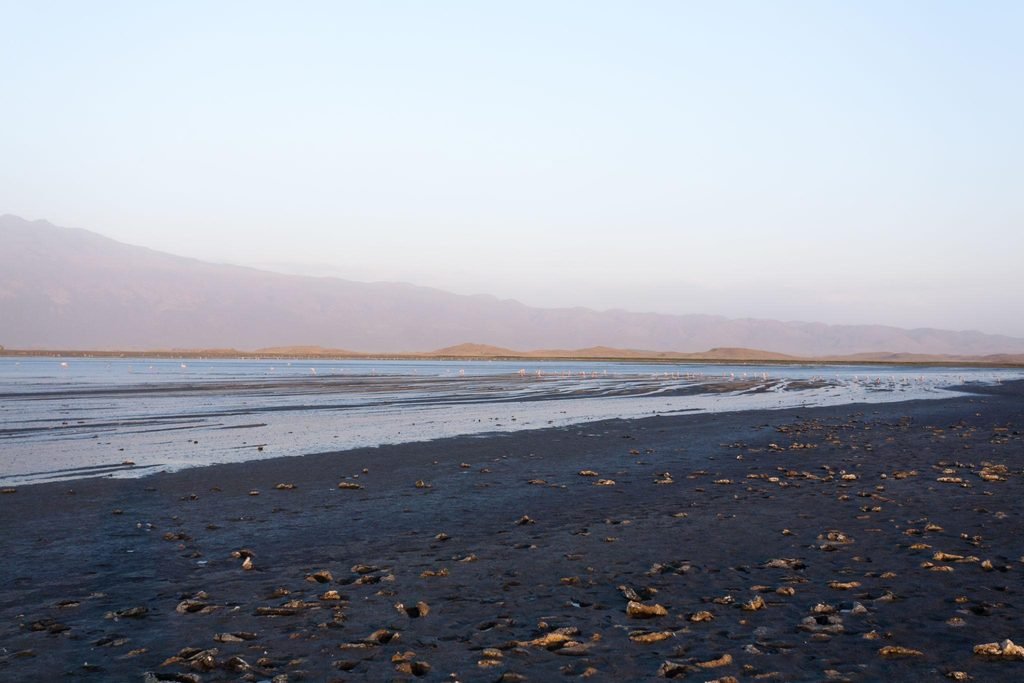
Lake Manyara is an alkaline soda lake and an important habitat for waterbirds. Depending on water levels, season, and food availability, visitors may see flamingos, pelicans, storks, herons, cormorants, and other bird species along the shoreline and wetlands.
Flamingo numbers can vary substantially. Some periods bring large gatherings, while at other times water conditions may mean fewer birds are visible. It is better to see flamingos as a seasonal highlight rather than a guaranteed sighting.
The park’s official wildlife information notes that the lake supports seasonal lesser and greater flamingos, pelicans, and other waterbirds.
For birdwatchers, Lake Manyara is especially rewarding because the park combines forest birds, wetland birds, raptors, woodland species, and open-country birds in one relatively small area.
TANAPA records more than 400 bird species in the park.
Other wildlife in Lake Manyara National Park
Although Lake Manyara is famous for lions, elephants, baboons, and birds, it supports a wide range of other animals.
Depending on your safari day, you may see:
- Buffaloes
- Giraffes
- Zebras
- Wildebeest
- Hippos
- Warthogs
- Impalas
- Grant’s gazelles
- Bushbucks
- Waterbucks
- Hyenas
- Leopards, though sightings are less common
- Mongooses
- Monkeys
- Reptiles and smaller wildlife
The park is not usually the first choice for a Big Five-focused safari because rhino sightings are not expected here. For travellers hoping to see rhino, Ngorongoro Crater is often the stronger addition to a northern Tanzania itinerary.
The Great Rift Valley escarpment
Lake Manyara lies beneath the dramatic wall of the Great Rift Valley escarpment. The steep cliffs form a striking backdrop for wildlife viewing and photography.
The escarpment helps create the park’s unique landscape. Freshwater springs flow from the base of the highlands, supporting the green groundwater forest. Beyond the forest, the landscape opens into plains, swamps, and the broad lake shore.
This combination of geology, water, forest, and savannah gives Lake Manyara a character unlike other parks in the northern circuit.
A safari here is often less about seeing the largest number of animals in one day and more about enjoying the variety of habitats and scenery.
Hot springs and wetland scenery
Lake Manyara also has areas of hot springs and wetland habitat. These features show the active geological character of the Rift Valley landscape.
Some visitor routes and viewpoints may vary depending on weather, park management decisions, road conditions, and water levels. Your guide will choose the best practical route on the day.
Wetland areas are important for birds, hippos, buffaloes, and the wider ecosystem. Visitors should remain on designated tracks and boardwalks to avoid damaging sensitive habitat.
Best time to visit Lake Manyara National Park
Lake Manyara National Park can be visited throughout the year. The best time depends on your main interest.
June to October: dry-season safari travel
The drier months are popular for northern Tanzania safaris. Roads are often easier to travel, and wildlife may be easier to spot in some areas because vegetation is thinner.
This period works well if you are combining Lake Manyara with Tarangire, Ngorongoro, and Serengeti.
January to February: warm and good for combined safaris
January and February can also be a good time to visit. This period is often used for safaris combining Lake Manyara with the southern Serengeti and Ndutu wildebeest calving season.
November to May: green landscapes and birdwatching
The wetter months bring greener scenery, dramatic skies, fresh vegetation, and good birdlife. Some tracks may become muddy, and weather can influence daily game-drive routes.
This period can be attractive for photographers, birdwatchers, and travellers who prefer fewer safari vehicles.
Lake Manyara’s forest remains lush because of groundwater springs, so it keeps its green character even when surrounding areas are drier.
How many days do you need in Lake Manyara?
Lake Manyara is often visited as a one-day game drive, and this can be enough to experience the main habitats.
One-day Lake Manyara safari
A typical one-day safari may include:
- Morning departure from Arusha or Karatu
- Entry into Lake Manyara National Park
- Forest game drive
- Wildlife viewing in woodland and floodplains
- Picnic lunch
- Search for elephants, baboons, lions, hippos, and birds
- Afternoon game drive
- Transfer to Karatu, Ngorongoro, or Arusha
This is ideal for travellers with limited time or those including several parks in one itinerary.
Two-day Lake Manyara experience
Two days offer a slower pace and may allow time for additional activities such as a canopy walkway, cultural experience in Mto wa Mbu, birdwatching, or a more relaxed game drive.
A two-day plan works well for families, photographers, and travellers who do not want to rush through the northern circuit.
Lake Manyara Canopy Walkway
Lake Manyara is known for its canopy walkway, which provides a different way to experience the forest.
The walkway allows visitors to move above parts of the forest floor and look into the treetops. It is a good option for travellers who enjoy nature, forest scenery, birds, monkeys, and a little extra activity during a safari.
The Tanzania National Parks Authority describes the Lake Manyara canopy walkway as one of Africa’s longer tree canopy walkways, with viewing decks positioned among the trees.
This activity should be booked or confirmed in advance because availability can depend on park operations and timing.
Accommodation near Lake Manyara
Most visitors stay in or around Karatu, Mto wa Mbu, Lake Manyara, or the Ngorongoro highlands.
Budget camping
Budget camping is suitable for travellers who want an adventurous safari at a lower cost. You may stay at campsites near the park or in the surrounding safari area.
Mid-range lodge or tented camp
Mid-range accommodation offers comfortable rooms or safari tents, good meals, private bathrooms in many cases, and a relaxed place to stay between game drives.
Luxury lodge
Luxury lodges may provide spacious rooms, beautiful views, premium dining, swimming pools, spa services, and a higher level of privacy and comfort.
Karatu is a popular base because it offers a wide range of accommodation and convenient access to both Lake Manyara and Ngorongoro.
How to get to Lake Manyara National Park
Most travellers reach Lake Manyara by road from Arusha. It is also easy to include after a Tarangire safari or before travelling to Ngorongoro and Serengeti.
Lake Manyara Airport may also be used for selected charter or domestic safari flights. This is useful for travellers on fly-in safari itineraries or those looking to reduce long road transfers.
Your final travel plan should be based on your flight schedule, safari duration, accommodation location, and the parks you want to visit.
Responsible safari travel in Lake Manyara
Lake Manyara’s forest, wetlands, and lake ecosystem are sensitive. Respectful travel protects wildlife and improves the experience for everyone.
During your visit:
- Stay on designated park roads and boardwalks
- Never feed baboons, monkeys, or other wildlife
- Keep a respectful distance from elephants, lions, and hippos
- Remain inside the vehicle except at approved locations
- Keep noise low near birds and wildlife
- Do not leave rubbish in the park
- Follow your guide and ranger instructions
- Keep food secure at picnic sites
- Avoid approaching tree-climbing lions for close photographs
TANAPA advises visitors to remain inside vehicles except at designated locations and to keep a safe distance from elephants, hippo pools, and tree-climbing lions.
Combine Lake Manyara with a Tanzania safari
Lake Manyara is best enjoyed as part of a wider northern Tanzania itinerary.
A classic route could include:
- Day 1: Arusha to Tarangire National Park
- Day 2: Tarangire to Lake Manyara or Karatu
- Day 3: Ngorongoro Crater safari
- Day 4–6: Serengeti National Park
- Day 7: Return to Arusha or fly to Zanzibar
This gives you a varied Tanzania safari: elephants and baobabs in Tarangire, forest and flamingos in Lake Manyara, dense crater wildlife in Ngorongoro, and vast plains with big cats in Serengeti.
Plan your Lake Manyara safari with EKO Tanzania Adventures
Lake Manyara National Park is compact, beautiful, and full of contrast. It is the right choice for travellers who want more than open grassland: forest, lake, birds, monkeys, elephants, and the possibility of seeing tree-climbing lions in one safari destination.
EKO Tanzania Adventures arranges private Lake Manyara safaris, northern Tanzania safari packages, family safaris, luxury lodge safaris, budget camping safaris, Kilimanjaro combinations, and Zanzibar beach extensions.
For official park information and current visitor guidance, visit the TANAPA Lake Manyara National Park page.
Call or WhatsApp: +255 761 353 184
Email: info@ekotanzaniaadventures.com
Alternative email: ekotanzaniaadventure@gmail.com
Travel with a local team and experience Lake Manyara as a real part of your Tanzania safari—not just a quick stop between bigger parks.