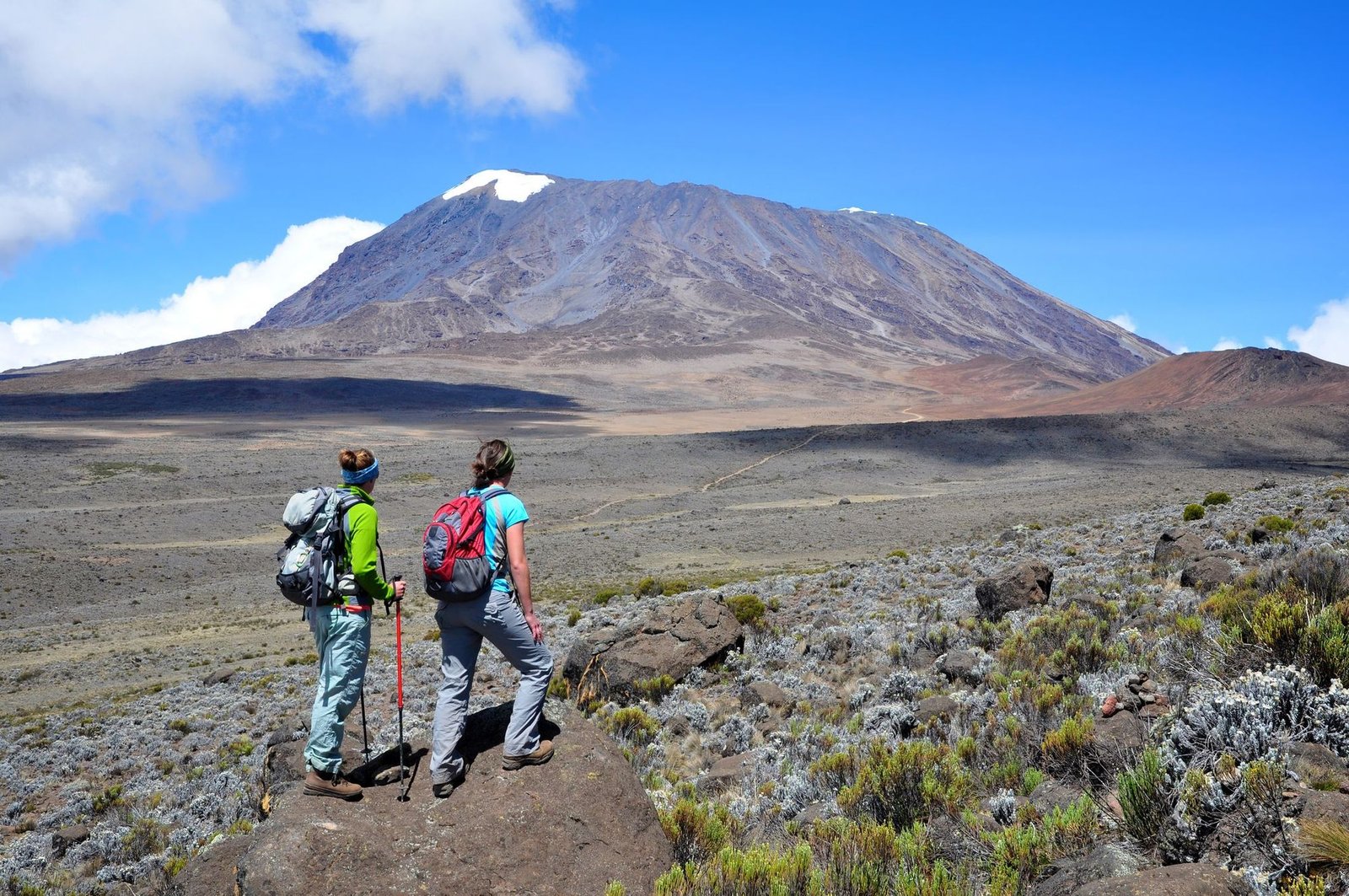
Mt. Kilimanjaro Climbing Routes : Mount Kilimanjaro has several established trekking routes, and each one offers a different experience. Some routes are quieter, some are more scenic, some use mountain huts, and others provide more days for acclimatisation. Choosing the right route is one of the most important decisions you will make before climbing Africa’s highest mountain.
At 5,895 metres above sea level, Mount Kilimanjaro is a serious high-altitude trek. None of the routes should be called easy. However, some routes are more suitable for first-time climbers because they allow more time for acclimatisation, while others are steeper, shorter, or more demanding.
The best Kilimanjaro route for you depends on your fitness, hiking experience, travel dates, budget, preferred accommodation style, and how much time you can spend on the mountain.
This guide by EKO Tanzania Adventures compares the main Mount Kilimanjaro climbing routes and their difficulty levels: Marangu, Machame, Lemosho, Rongai, Northern Circuit, Shira, and Umbwe.
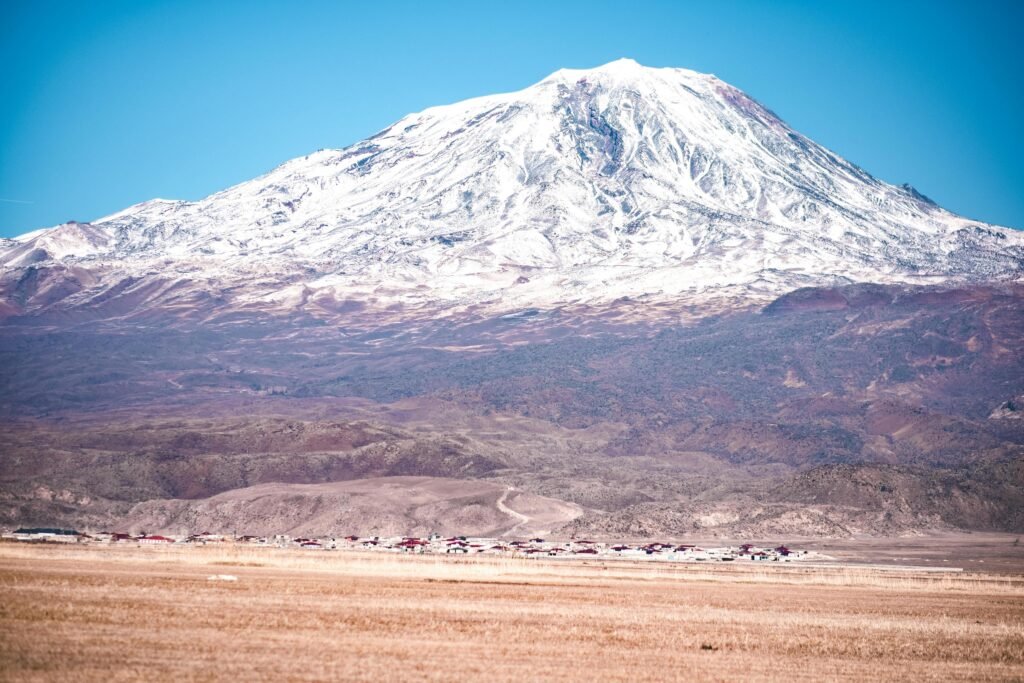
Kilimanjaro route difficulty at a glance
| Route | Typical Duration | Difficulty Level | Accommodation | Best For |
|---|---|---|---|---|
| Marangu Route | 5–6 days | Moderate | Mountain huts | Climbers who prefer sleeping in huts |
| Machame Route | 6–7 days | Moderate to challenging | Camping | Scenic trekking and strong acclimatisation |
| Lemosho Route | 7–8 days | Moderate to challenging | Camping | First-time climbers who want a well-paced route |
| Rongai Route | 6–7 days | Moderate | Camping | Quieter trails and a drier approach |
| Northern Circuit | 8–9 days | Moderate physically, excellent acclimatisation | Camping | Climbers who want more days and fewer crowds |
| Shira Route | 7–8 days | Challenging | Camping | Experienced hikers comfortable with a high start |
| Umbwe Route | 5–6 days | Very challenging | Camping | Strong, experienced trekkers seeking a steep route |
What makes a Kilimanjaro route difficult?
Kilimanjaro difficulty is not only about steepness or distance. The mountain becomes more difficult as you gain altitude because there is less oxygen available.
The main factors that affect route difficulty are:
- Number of days on the mountain
- Speed of altitude gain
- Daily walking distance
- Steepness of the trail
- Weather and trail conditions
- Summit-night distance
- Crowds on the route
- Your fitness and preparation
- Your body’s response to altitude
The most important factor is usually acclimatisation. A longer route gives your body more time to adjust to altitude. This is why an eight-day route can often feel more manageable than a five-day route, even though it involves more total trekking days.
1. Marangu Route – Moderate Difficulty
Typical duration: 5 or 6 days
Accommodation: Mountain huts
Starting point: Marangu Gate
Difficulty level: Moderate
Recommended itinerary: 6 days
The Marangu Route is one of the oldest and best-known Kilimanjaro routes. It is often called the “Coca-Cola Route,” mainly because climbers sleep in mountain huts instead of tents and may find bottled soft drinks at some camps.
Marangu begins on the south-eastern side of Kilimanjaro and follows a fairly direct route to the summit. The trail passes through rainforest, moorland, alpine desert, and the high summit zone before reaching Uhuru Peak.
The route uses:
- Mandara Hut
- Horombo Hut
- Kibo Hut
- Uhuru Peak
- Return through Horombo Hut
Why Marangu can be difficult
Marangu is sometimes incorrectly advertised as the easiest Kilimanjaro route. It is not easy. The five-day itinerary has a quick altitude gain and gives climbers limited time to acclimatise.
The six-day Marangu Route is a much better choice because it includes an additional acclimatisation day at Horombo Hut. On this day, climbers normally walk higher towards Zebra Rocks before returning to sleep at Horombo Hut.
Who should choose Marangu?
Marangu is suitable for travellers who:
- Prefer hut accommodation rather than camping
- Want a direct and traditional Kilimanjaro route
- Are willing to choose the six-day itinerary
- Want a route with established facilities
- Are comfortable sharing hut accommodation with other climbers
Marangu is not the best route for travellers who want quiet trails, remote scenery, or a long acclimatisation profile.
2. Machame Route – Moderate to Challenging
Typical duration: 6 or 7 days
Accommodation: Camping
Starting point: Machame Gate
Difficulty level: Moderate to challenging
Recommended itinerary: 7 days
The Machame Route is one of the most popular Kilimanjaro routes because it is scenic, varied, and offers a good acclimatisation pattern.
The route normally passes through:
- Machame Camp
- Shira Camp
- Lava Tower
- Barranco Camp
- Karanga Camp
- Barafu Camp
- Uhuru Peak
- Mweka Camp
Machame is known for the “climb high, sleep low” approach. Climbers go higher at Lava Tower before descending to sleep at Barranco Camp. This helps the body adapt to altitude more effectively.
Why Machame is challenging
Machame includes steep and uneven terrain. The Barranco Wall is one of the best-known sections of the route. It looks dramatic, but it is not a technical rock climb. Most climbers can manage it with a slow pace, careful foot placement, and support from guides.
The route is physically demanding because of its varied terrain and summit day, but the seven-day version offers better acclimatisation than the six-day version.
Who should choose Machame?
Machame is suitable for travellers who:
- Want a scenic camping route
- Enjoy varied landscapes
- Want a good acclimatisation profile
- Are reasonably fit and comfortable with uphill hiking
- Do not mind busier camps during peak climbing months
For many climbers, the seven-day Machame Route is one of the best choices for balancing scenery, challenge, and summit potential.
3. Lemosho Route – Moderate to Challenging
Typical duration: 7 or 8 days
Accommodation: Camping
Starting point: Londorossi Gate
Difficulty level: Moderate to challenging
Recommended itinerary: 8 days
The Lemosho Route is often considered one of the most beautiful routes on Mount Kilimanjaro. It begins on the western side of the mountain and starts with a quieter trail through rainforest before reaching the Shira Plateau.
The route normally includes:
- Mti Mkubwa Camp
- Shira 1 Camp
- Shira 2 Camp
- Lava Tower
- Barranco Camp
- Karanga Camp
- Barafu Camp
- Uhuru Peak
- Mweka Camp
Lemosho eventually joins the Machame Route around the Shira Plateau, but its first days are generally quieter and more remote.
Why Lemosho is a strong route for first-time climbers
Lemosho is not short, but the longer duration is one of its biggest strengths. The seven-day and eight-day itineraries allow better acclimatisation than more direct routes.
The eight-day Lemosho Route is particularly good because it gives climbers extra time to adapt to altitude before summit night. This makes it a popular choice for travellers who want to prioritise a gradual, well-planned climb.
Who should choose Lemosho?
Lemosho is suitable for travellers who:
- Want excellent scenery
- Prefer a quieter start to the trek
- Have enough time for a seven-day or eight-day itinerary
- Want better acclimatisation
- Are first-time climbers who are willing to train
- Prefer camping to mountain huts
Lemosho is often one of the best overall Kilimanjaro routes for people who want a rewarding experience without rushing.
4. Rongai Route – Moderate Difficulty
Typical duration: 6 or 7 days
Accommodation: Camping
Starting point: Northern side of Kilimanjaro
Difficulty level: Moderate
Recommended itinerary: 7 days
The Rongai Route approaches Kilimanjaro from the northern side, near the Kenya border. It is quieter than Marangu and Machame and is often chosen by travellers who want a less crowded route.
The typical route includes:
- Simba Camp
- Second Cave
- Kikelewa Cave
- Mawenzi Tarn
- Kibo Hut
- Uhuru Peak
- Horombo Hut
Rongai offers a different side of Kilimanjaro. The northern slopes are generally drier than the southern side, making Rongai a useful option during wetter travel periods.
Why Rongai feels different
Rongai is not as steep in the early days as Umbwe or some parts of Machame. However, altitude remains the main challenge, and summit night is still demanding.
The route has a more gradual approach and beautiful views around Mawenzi Tarn. It descends by the Marangu Route, allowing climbers to see both northern and southern sides of the mountain.
Who should choose Rongai?
Rongai is suitable for travellers who:
- Want quieter trails
- Prefer a drier northern approach
- Are climbing during wetter months
- Want a gradual start
- Prefer a seven-day itinerary for stronger acclimatisation
Rongai is a very good option for climbers who want a calmer experience away from the busiest camps.
5. Northern Circuit Route – Best for Acclimatisation
Typical duration: 8 or 9 days
Accommodation: Camping
Starting point: Londorossi Gate
Difficulty level: Moderate physically, excellent for acclimatisation
Recommended itinerary: 9 days
The Northern Circuit is the longest common Kilimanjaro route. It begins along the Lemosho Route, crosses the Shira Plateau, then turns north and circles around the quieter northern slopes of the mountain before joining the summit approach near School Hut.
The route commonly includes:
- Mti Mkubwa Camp
- Shira 1 Camp
- Shira 2 Camp
- Lava Tower or Moir Hut
- Buffalo Camp
- Third Cave Camp
- School Hut
- Uhuru Peak
- Mweka Camp
Why Northern Circuit is one of the best routes
The Northern Circuit gives climbers more time than any other standard Kilimanjaro route. This is its greatest advantage.
The daily pace is generally more gradual, the northern slopes are less crowded, and the route offers wide views across Kenya and northern Tanzania. While the total trekking distance is longer, the slower altitude gain often makes it more manageable than a faster five-day or six-day climb.
Who should choose Northern Circuit?
Northern Circuit is suitable for travellers who:
- Want the longest acclimatisation profile
- Have eight or nine days available
- Prefer quieter trails
- Want a premium, less rushed experience
- Are concerned about altitude
- Are older climbers or first-time climbers who want more time
- Want strong scenery and a less crowded mountain route
For many travellers, the Northern Circuit gives the best chance of enjoying Kilimanjaro without feeling rushed.
6. Shira Route – Challenging Difficulty
Typical duration: 7 or 8 days
Accommodation: Camping
Starting point: Shira Plateau
Difficulty level: Challenging
Recommended itinerary: 8 days
The Shira Route is similar to the Lemosho Route in its higher sections, but it begins at a much higher elevation on the western side of Kilimanjaro.
Because the starting point is already high, climbers gain altitude more quickly at the beginning of the trek. This can make the route harder for people who have not had time to acclimatise.
The Shira Route follows the Shira Plateau and later joins the same general trail used by Lemosho and Machame climbers.
Why Shira is more difficult
The high starting elevation is the main challenge. Climbers are driven to a high-altitude trailhead, then begin trekking at an elevation where some people may already feel altitude effects.
For this reason, Shira is often better suited to hikers who have previous high-altitude trekking experience or who are confident in their ability to manage a faster start.
Who should choose Shira?
Shira is suitable for travellers who:
- Have previous trekking experience
- Have already spent time at altitude
- Want a scenic western approach
- Prefer a longer seven-day or eight-day itinerary
- Understand the risks of beginning at a higher elevation
For many first-time climbers, Lemosho is usually the safer choice because it starts lower and allows a more gradual adjustment.
7. Umbwe Route – Very Challenging Difficulty
Typical duration: 5 or 6 days
Accommodation: Camping
Starting point: Umbwe Gate
Difficulty level: Very challenging
Recommended itinerary: 6 days
The Umbwe Route is one of the steepest and most direct Kilimanjaro routes. It begins on the southern side of the mountain and climbs quickly through rainforest before joining the southern circuit higher up.
The route typically includes:
- Umbwe Cave Camp
- Barranco Camp
- Karanga Camp
- Barafu Camp
- Uhuru Peak
- Mweka Camp
Why Umbwe is difficult
Umbwe has rapid altitude gain and steep trails, especially in the early days. It is physically demanding and gives less time for acclimatisation compared with Lemosho or Northern Circuit.
It is not a technical climbing route, but it is mentally and physically tough. Climbers should be comfortable with steep ascents, uneven trails, camping, and long trekking days.
Who should choose Umbwe?
Umbwe is suitable for travellers who:
- Are experienced hikers
- Have strong fitness
- Want a steep and direct route
- Have previous mountain experience
- Understand the importance of careful acclimatisation
Umbwe is generally not the first recommendation for beginners or travellers whose main priority is the best possible acclimatisation profile.
Which Kilimanjaro route is easiest?
There is no truly easy Kilimanjaro route. Every route reaches 5,895 metres, and every climber faces altitude, cold, summit night, and a long descent.
However, the Northern Circuit and eight-day Lemosho Route are often considered the most manageable options because they provide more time for acclimatisation.
The six-day Marangu Route and seven-day Rongai Route can also be good choices for climbers who prefer hut accommodation or quieter trails.
The shortest routes are not necessarily the easiest. A five-day climb may involve fewer holiday days, but it can be harder on the body because altitude gain is faster.
Which Kilimanjaro route is best for beginners?
For most first-time climbers, the best choices are:
- 8-Day Lemosho Route
- 7-Day Machame Route
- 7-Day Rongai Route
- 8 or 9-Day Northern Circuit Route
- 6-Day Marangu Route
The right choice depends on your preferred accommodation, budget, time, and fitness level.
If you want the best combination of scenery and acclimatisation, Lemosho is a strong choice. If you want the longest, least rushed route, Northern Circuit is excellent. If you prefer huts, choose the six-day Marangu Route. If you want quieter trails, Rongai is a good option.
What route should older climbers choose?
Age alone does not prevent anyone from climbing Kilimanjaro. Many climbers in their 50s, 60s, and beyond successfully reach the summit.
Older travellers often benefit from longer itineraries such as:
- 8-Day Lemosho Route
- 9-Day Northern Circuit Route
- 7-Day Rongai Route
- 7-Day Machame Route
The extra days allow more time for acclimatisation, recovery, and a slower daily pace. Before booking, discuss any health concerns with your doctor and ensure you have suitable high-altitude travel insurance.
How to make any Kilimanjaro route more manageable
No matter which route you choose, these steps can improve your experience:
- Choose the longest practical itinerary
- Train for at least eight to twelve weeks before travel
- Hike regularly on hills or stairs
- Break in your boots before arriving in Tanzania
- Use warm and waterproof clothing
- Carry enough water every day
- Eat regular meals and snacks
- Walk slowly
- Listen to your guide
- Report altitude symptoms early
- Arrive in Tanzania one or two days before your trek begins
Kilimanjaro rewards preparation, patience, and consistency more than speed.
Choose your Kilimanjaro route with EKO Tanzania Adventures
The best Mount Kilimanjaro route is the one that fits your fitness, time, comfort level, and acclimatisation needs. EKO Tanzania Adventures can help you compare routes and build a climb that gives you the strongest possible preparation for Uhuru Peak.
We arrange private Kilimanjaro climbs, group trekking departures, Mount Meru climbs, Tanzania safaris, and Zanzibar beach extensions.
Call or WhatsApp: +255 761 353 184
Email: info@ekotanzaniaadventures.com
Alternative email: ekotanzaniaadventure@gmail.com
Choose enough days, train well, and let your route work with your body—not against it.