Reach the Roof of Africa: Hiking and Trekking Mount Kilimanjaro
Mount Kilimanjaro is more than Africa’s highest mountain. It is a journey through changing landscapes, weather, altitude, and personal determination. From rainforest trails and giant groundsels to volcanic desert, freezing summit nights, and the sunrise at Uhuru Peak, climbing Kilimanjaro is one of the great trekking experiences in the world.
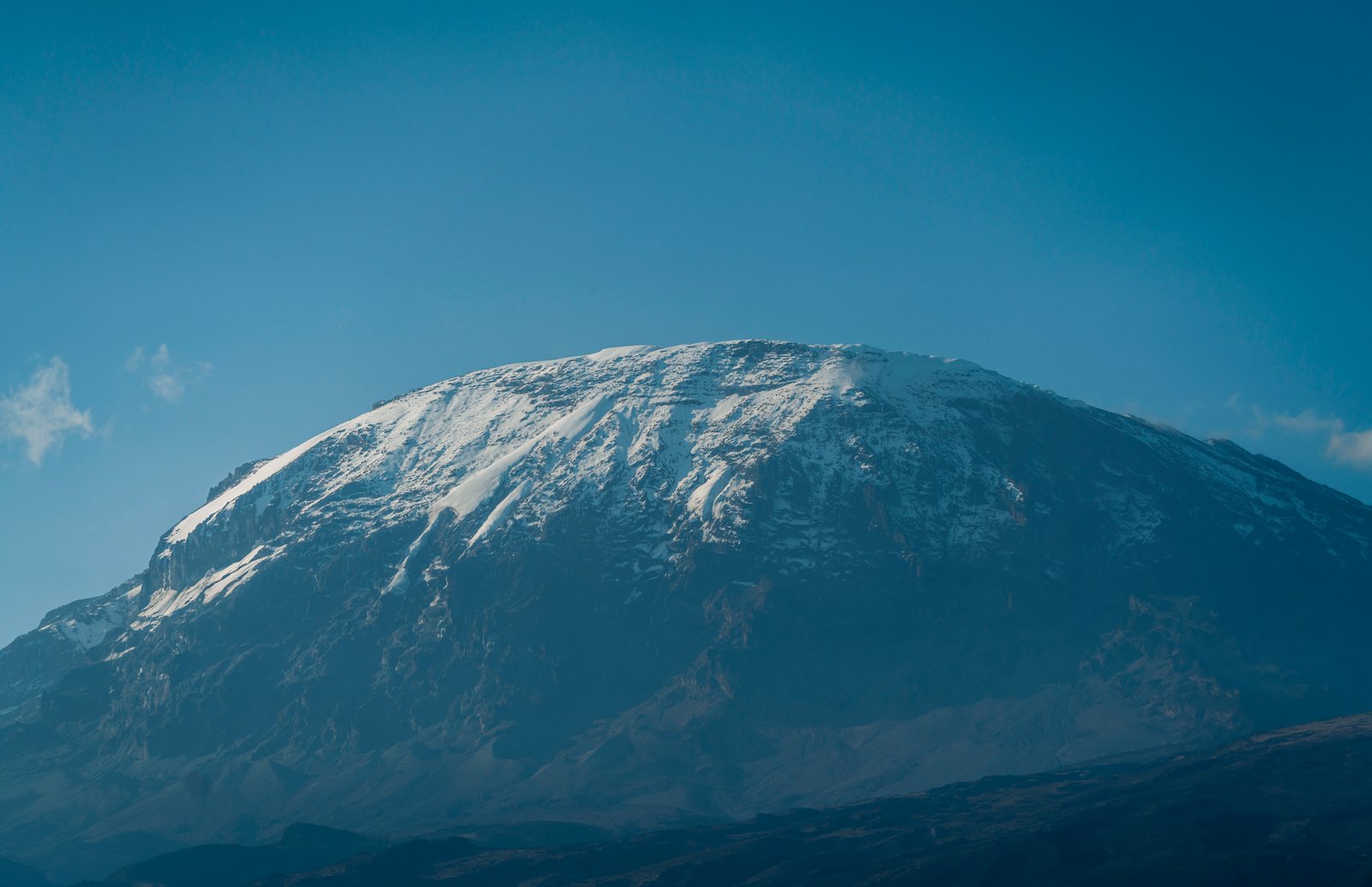
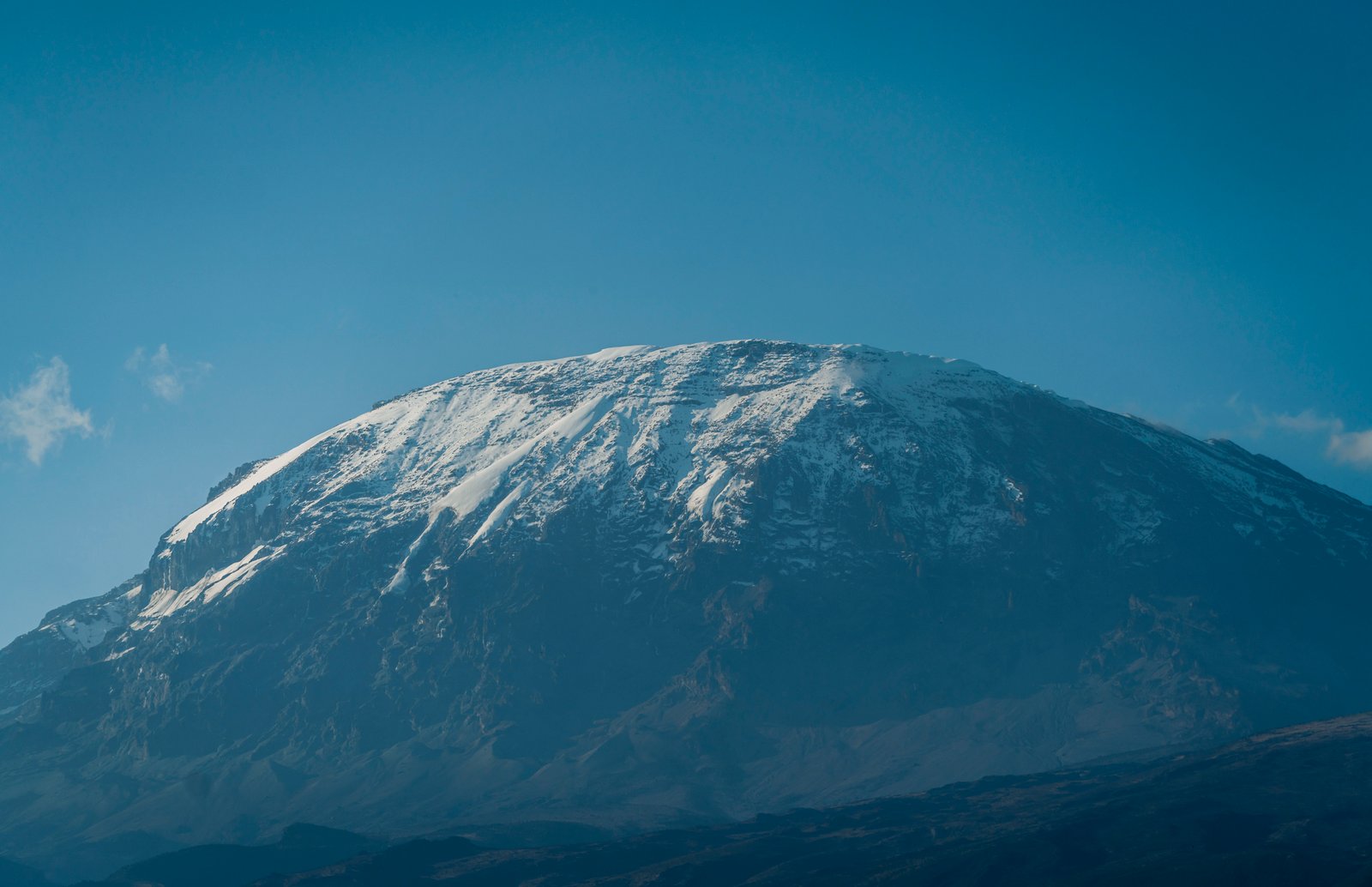
At 5,895 metres above sea level, Mount Kilimanjaro is the tallest mountain in Africa and the world’s highest free-standing mountain. It is located in northern Tanzania, close to Moshi and Kilimanjaro International Airport.
You do not need technical rock-climbing skills to reach the summit on standard trekking routes. However, Kilimanjaro is a serious high-altitude challenge. Good preparation, enough acclimatisation days, suitable equipment, an experienced mountain guide, and a sensible pace are essential.
EKO Tanzania Adventures arranges private and group Kilimanjaro climbs, with experienced guides, porters, cooks, mountain crew, airport transfers, pre-climb briefings, and safari or Zanzibar extensions.
Why climb Mount Kilimanjaro?
People climb Kilimanjaro for many different reasons. Some want to stand on Africa’s highest point. Some are taking on a personal challenge. Some are celebrating a milestone, raising money for charity, or combining the climb with a Tanzania safari.
Whatever brings you to the mountain, Kilimanjaro offers a rare experience: you begin in green rainforest and reach a high-altitude volcanic summit within a matter of days.
A Kilimanjaro climb gives you:
- Africa’s highest summit at Uhuru Peak
- A challenging but non-technical mountain trek
- Several distinct climate zones
- Forest, moorland, alpine desert, and glaciers
- Strong views across Tanzania and Kenya
- A chance to see Mount Meru in the distance
- Professional Tanzanian mountain crews
- An experience that can be combined with wildlife safari and Zanzibar beach holidays
The mountain has three volcanic peaks: Kibo, Mawenzi, and Shira. Kibo is the highest and contains Uhuru Peak, while Mawenzi is rugged and dramatic and Shira forms the broad Shira Plateau.
Where is Mount Kilimanjaro?
Mount Kilimanjaro is in northern Tanzania, close to the town of Moshi. The nearest major airport is Kilimanjaro International Airport, commonly known as JRO.
Most climbers arrive through:
- Kilimanjaro International Airport – JRO
- Arusha Airport – ARK, for domestic flights
- Julius Nyerere International Airport in Dar es Salaam – DAR, then a domestic connection
- Zanzibar Airport – ZNZ, then a domestic connection to JRO or Arusha
Moshi is the main base for Kilimanjaro climbers. It has a range of hotels, restaurants, gear-rental options, and easy access to the Marangu, Machame, Lemosho, and Rongai route areas.
It is recommended to arrive at least one or two days before your climb. This allows time to rest after international flights, attend the briefing, check equipment, rent any missing gear, and begin the trek feeling prepared.
Kilimanjaro is a trekking mountain, not a technical climb
Most people are surprised to learn that standard Kilimanjaro climbing routes do not require ropes, ice axes, crampons, or technical rock-climbing skills.
The challenge comes from:
- High altitude
- Long days of walking
- Cold temperatures
- Changing weather
- Steep sections on some routes
- Summit night in darkness
- Reduced oxygen near the summit
- Several consecutive days on the trail
This means Kilimanjaro is possible for first-time mountain climbers who train properly, choose the right route, and listen to their guides.
It is not an easy hike, but it is an achievable one.
The five climate zones of Kilimanjaro
One of the most remarkable parts of a Kilimanjaro trek is the changing landscape. The mountain rises through several ecological zones, each with its own scenery and conditions.
Cultivation and lower foothills
The lower slopes around Moshi and Marangu are home to farms, villages, banana plantations, coffee fields, and Chagga communities. This is where many climbers begin their Tanzania experience before entering the national park.
Rainforest zone
The lower hiking trails pass through rainforest. This area can be warm, humid, and wet, even in the dry season.
You may see:
- Colobus monkeys
- Blue monkeys
- Birds
- Moss-covered trees
- Ferns
- Orchids
- Small streams
- Forest flowers
A waterproof jacket and rain cover for your daypack are essential in this zone.
Moorland zone
Higher up, the forest becomes more open and changes into moorland. This zone is known for unusual plants such as giant lobelias and giant groundsels.
The landscape feels larger and more open, with wider mountain views and cooler temperatures.
Alpine desert
Above the moorland is an alpine desert environment. Vegetation becomes sparse, temperatures drop, and the landscape becomes rocky, dry, and volcanic.
This is where climbers begin to feel the full effects of altitude. The air is thinner, and walking becomes slower.
Arctic summit zone
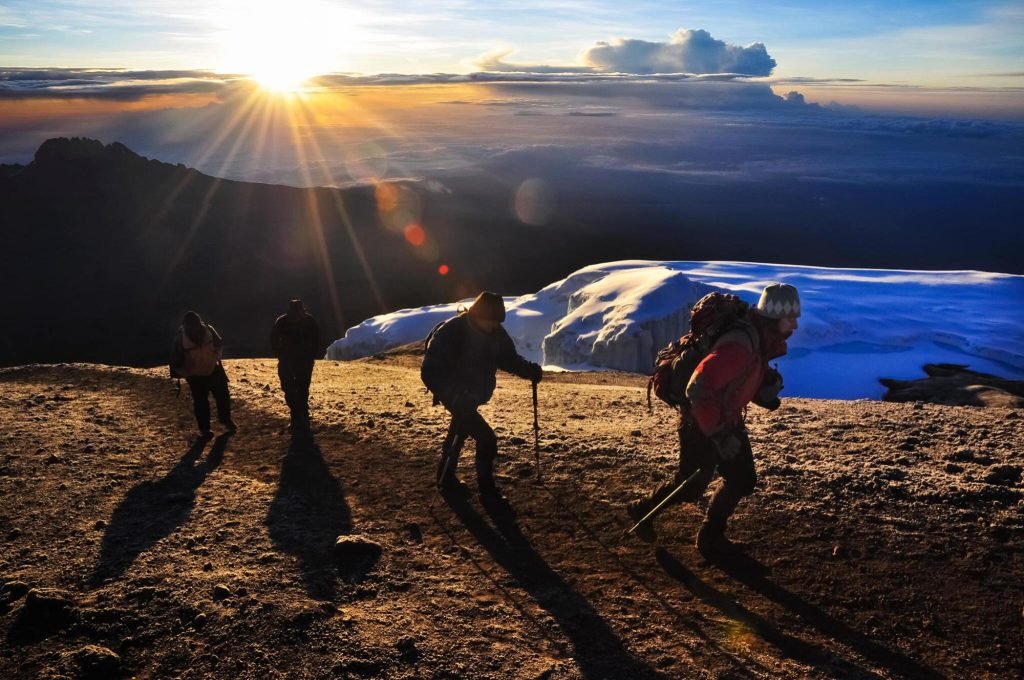
Near the summit, Kilimanjaro becomes a cold volcanic world of ash, rock, ice, wind, and snow. Summit night is often below freezing, and conditions can be demanding.
The final ascent to Uhuru Peak is not about speed. It is about patience, warm clothing, hydration, and steady movement.
Kilimanjaro climbing routes
Kilimanjaro has several main trekking routes. Each route has a different duration, scenery, difficulty level, and acclimatisation profile.
TANAPA identifies key access gates at Marangu, Machame, Lemosho via Londorossi, and Rongai in the north, with Mweka commonly used for descent on several camping routes.
Marangu Route
Typical duration: 5–6 days
Accommodation: Mountain huts
Difficulty: Moderate
Best choice: 6-day itinerary
Marangu is one of the oldest and most established Kilimanjaro routes. It is unique because climbers sleep in huts rather than tents.
The route passes through Mandara Hut, Horombo Hut, Kibo Hut, and then continues to Uhuru Peak. The six-day version includes an extra acclimatisation day at Horombo Hut and is strongly preferred over the faster five-day itinerary.
Marangu is suitable for travellers who prefer hut accommodation and a direct route, but it can be busier and has less gradual acclimatisation than longer routes.
Machame Route
Typical duration: 6–7 days
Accommodation: Camping
Difficulty: Moderate to challenging
Best choice: 7-day itinerary
Machame is one of the most scenic and popular Kilimanjaro routes. It passes through rainforest, the Shira Plateau area, Lava Tower, Barranco Wall, Karanga Camp, Barafu Camp, and then Uhuru Peak.
The route uses a useful “climb high, sleep low” profile. Climbers go higher during the day, then descend slightly to sleep at a lower camp. This can help with acclimatisation.
The seven-day Machame Route is usually more comfortable than the six-day option because it gives the body more time to adjust.
Lemosho Route
Typical duration: 7–8 days
Accommodation: Camping
Difficulty: Moderate to challenging
Best choice: 8-day itinerary
Lemosho begins on the western side of Kilimanjaro and is often considered one of the best routes for scenery and acclimatisation.
It starts in rainforest, crosses the Shira Plateau, then joins the southern circuit through Lava Tower, Barranco, Karanga, Barafu, and Uhuru Peak.
Lemosho is an excellent option for first-time climbers who have enough time and want a well-paced trek. The eight-day version gives a particularly strong acclimatisation profile.
Rongai Route
Typical duration: 6–7 days
Accommodation: Camping
Difficulty: Moderate
Best choice: 7-day itinerary
Rongai approaches Kilimanjaro from the northern side near the Kenya border. It is quieter than Machame and Marangu and often feels more remote.
The route passes through Simba Camp, Second Cave, Kikelewa Cave, Mawenzi Tarn, Kibo Hut, and then to Uhuru Peak. The descent usually follows the Marangu side of the mountain.
Rongai is a good choice for climbers who prefer quieter trails and a more gradual approach.
Northern Circuit Route
Typical duration: 8–9 days
Accommodation: Camping
Difficulty: Moderate physically, excellent for acclimatisation
Best choice: 9-day itinerary
The Northern Circuit is the longest common Kilimanjaro route. It begins along the Lemosho Route, then circles around the quieter northern slopes before approaching the summit from School Hut.
The extra days make it one of the strongest choices for acclimatisation. It is ideal for travellers with enough time who want a less rushed and more remote mountain experience.
Umbwe Route
Typical duration: 5–6 days
Accommodation: Camping
Difficulty: Challenging
Best choice: 6-day itinerary for experienced hikers
Umbwe is one of the steepest and most direct Kilimanjaro routes. It is beautiful but demanding and is usually better suited to experienced hikers with strong fitness.
It joins the southern circuit at Barranco before continuing to Karanga, Barafu, and Uhuru Peak.
Shira Route
Typical duration: 7–8 days
Accommodation: Camping
Difficulty: Challenging
The Shira Route starts at a higher altitude on the western side of Kilimanjaro. It offers excellent scenery but may be harder for some climbers because of its high starting point.
For most first-time climbers, Lemosho is usually the better western route because it begins lower and allows a more gradual ascent.
How difficult is Kilimanjaro?
Kilimanjaro is difficult, but it is possible for well-prepared people with no technical climbing experience.
The summit night is usually the hardest part. Climbers wake around midnight, dress in warm layers, and walk for several hours through cold, darkness, and thin air before reaching the summit around sunrise.
The key challenge is altitude. As you climb higher, oxygen becomes less available, and your body needs time to adapt.
A longer itinerary is one of the best ways to improve your chance of coping with altitude. TANAPA advises climbers to choose routes with acclimatisation days, ascend slowly, stay hydrated, and report symptoms promptly to guides.
Altitude acclimatisation on Kilimanjaro
Altitude affects every person differently. Being fit is helpful, but it does not guarantee that you will feel fine at high elevation.
Common mild symptoms can include:
- Headache
- Tiredness
- Poor sleep
- Reduced appetite
- Nausea
- Dizziness
- Shortness of breath during exertion
Your guide will monitor your condition throughout the climb. It is essential to report symptoms honestly. Never hide how you feel because you are worried about slowing down the group.
To support acclimatisation:
- Choose a longer route
- Walk slowly
- Drink water regularly
- Eat meals and snacks
- Avoid alcohol before and during the climb
- Stay warm
- Follow your guide’s instructions
- Report symptoms early
- Never rush the ascent
The mountain will still be there tomorrow. A safe decision is always more important than reaching the summit.
How to prepare for Kilimanjaro
Good preparation should begin at least eight to twelve weeks before your trip.
Build your fitness
Your training should include:
- Long walks
- Hill walking
- Stair climbing
- Cycling or running
- Strength exercises
- Squats and lunges
- Step-ups
- Core training
- Hiking with a daypack
You do not need to become an elite athlete. The goal is to become comfortable walking for several hours, especially uphill and downhill.
Break in your hiking boots
Never bring completely new boots to Kilimanjaro. Wear your boots during training walks and make sure they are comfortable, waterproof, and supportive.
Blisters can make a mountain climb much harder than it needs to be.
Use proper mountain equipment
Essential gear includes:
- Waterproof hiking boots
- Warm insulated jacket
- Waterproof jacket and trousers
- Thermal base layers
- Warm hat and gloves
- Headlamp with spare batteries
- Cold-weather sleeping bag
- Trekking poles
- Daypack
- Water bottles or hydration system
- Sunglasses and sunscreen
- Personal medication
- Rain cover for your bag
EKO Tanzania Adventures can advise on gear rental options in Moshi or Arusha if needed.
What is included on a Kilimanjaro climb?
Your final package will depend on the route, duration, group size, and service level, but a typical Kilimanjaro package includes:
- Airport transfers
- Pre-climb briefing
- Kilimanjaro National Park entry fees
- Conservation, camping, hut, and rescue fees as stated
- Professional mountain guide
- Assistant guides where needed
- Porters
- Mountain cook
- Food during the trek
- Drinking water on the mountain
- Tents and sleeping equipment on camping routes
- Mountain hut accommodation on Marangu Route
- Transfers between your hotel and the park gate
TANAPA requires Kilimanjaro climbs to be guided through licensed operators; solo trekking is not permitted.
What is not included?
Normally excluded items may include:
- International flights
- Tanzania visa costs
- Travel insurance
- High-altitude evacuation insurance
- Hotel stays before and after the climb
- Personal trekking gear
- Alcoholic drinks
- Tips for guides, porters, and cooks
- Personal expenses
- Any item not clearly listed in your final quotation
Always ask for a detailed inclusion and exclusion list before booking.
Best time to climb Kilimanjaro
Kilimanjaro can be climbed throughout the year, but some months are more popular because of drier weather.
January to early March
This is often a warm, relatively dry period. It can be a good choice for travellers wanting green lower slopes and good summit visibility.
June to October
This is the main dry season and a popular period for climbing. Conditions are often drier, but nights can be colder and popular routes may be busier.
March to May
This is generally the longer rainy season. Climbing is still possible, but trails may be wetter and muddier. Rongai is often considered a useful route during wetter periods because of its northern approach.
November to mid-December
Short rains may occur during this period. There can be fewer climbers, but weather is less predictable.
No season guarantees perfect weather. Even during dry months, rain can fall in the forest and summit night can be freezing.
Combine Kilimanjaro with a Tanzania safari
After reaching Uhuru Peak, many travellers continue with a wildlife safari. A safari is an excellent way to recover after your mountain climb while still experiencing Tanzania’s natural beauty.
Popular safari combinations include:
- Tarangire National Park for elephants and baobabs
- Lake Manyara National Park for forest, flamingos, and tree-climbing lions
- Ngorongoro Crater for dense wildlife viewing
- Serengeti National Park for lions, leopards, cheetahs, and the Great Migration
- Arusha National Park for Mount Meru, giraffes, and canoeing
A typical Kilimanjaro and safari holiday may include:
- 6–8 days climbing Kilimanjaro
- 3–5 days Tanzania wildlife safari
- 4–7 days Zanzibar beach holiday
This combination gives you mountain, wildlife, culture, and ocean in one trip.
Add a Zanzibar beach holiday after Kilimanjaro
A Zanzibar extension is one of the best ways to end a Kilimanjaro climb. After days of cold mountain air, early starts, and physical effort, the warm Indian Ocean is a perfect place to relax.
You can include:
- Stone Town history tour
- Zanzibar spice farm visit
- Safari Blue ocean excursion
- Snorkelling
- Jozani Forest
- Nungwi or Kendwa beach stay
- Paje or Jambiani beach holiday
- Sunset dhow cruise
- Private honeymoon dinner
- Diving and water sports
EKO Tanzania Adventures can arrange your domestic flight, Zanzibar airport transfers, beach accommodation, and excursions as part of one smooth itinerary.
Responsible Kilimanjaro trekking
Kilimanjaro is a protected mountain environment. Responsible trekking protects the landscape and supports the mountain crew.
During your climb:
- Stay on marked trails
- Do not litter
- Use refillable bottles where possible
- Follow camp rules
- Respect wildlife and vegetation
- Never hike alone
- Follow guide and ranger instructions
- Pack responsibly
- Treat porters and mountain crew with respect
- Tip fairly according to the agreed guidance
TANAPA regulations require climbers to use licensed operators, remain on designated routes, follow guide instructions, and observe camp and park rules.
Book your Kilimanjaro climb with EKO Tanzania Adventures
Reaching the Roof of Africa is a serious achievement, but it begins with a good plan. The right route, enough acclimatisation days, professional guides, proper gear, and patient pacing can make all the difference.
EKO Tanzania Adventures creates Kilimanjaro packages that fit your fitness, budget, travel dates, and preferred route. We also arrange Mount Meru climbs, Tanzania wildlife safaris, balloon flights, and Zanzibar beach holidays.
For official park guidance, current rules, and visitor information, visit the TANAPA Kilimanjaro National Park Visitor Guide.
Call or WhatsApp: +255 761 353 184
Email: info@ekotanzaniaadventures.com
Alternative email: ekotanzaniaadventure@gmail.com
Train well, choose enough days, walk slowly, and let the journey to Uhuru Peak become one of the strongest experiences of your life.