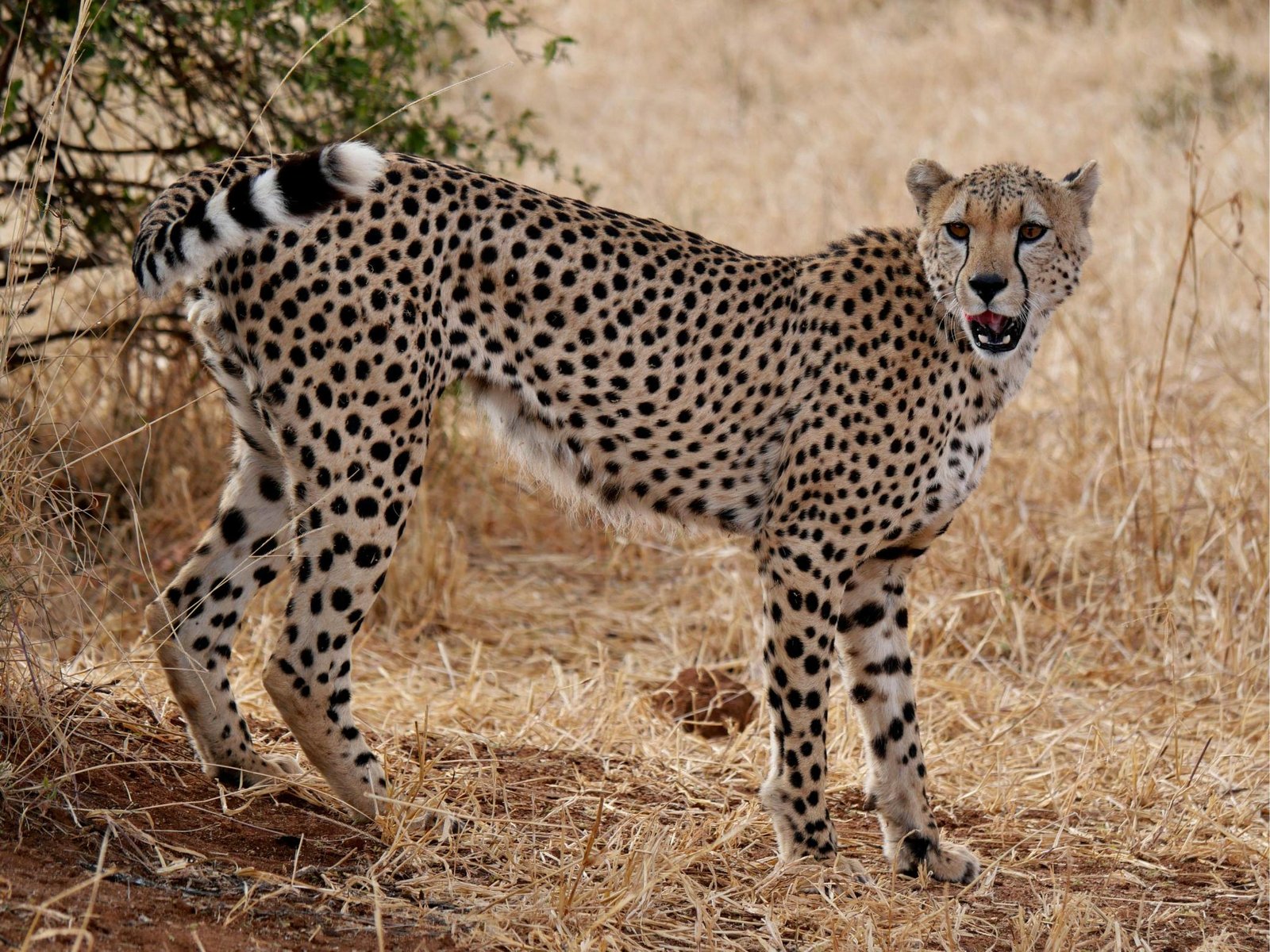
Tanzania’s The Ultimate Locations for Walking Safaris in 2026, 2027 & 2028;A walking safari offers a completely different way to experience Tanzania. Instead of sitting in a safari vehicle and simply driving from one wildlife sighting to another, you slow down and experience the African wilderness on foot. You notice animal tracks in the soil, hear birds calling from the trees, identify plants, study insects, and learn how guides read the landscape.
For travelers looking for a more intimate and meaningful safari experience in 2026, 2027, and 2028, Tanzania has several excellent locations where guided walking and hiking experiences can be incorporated into a safari itinerary.
From the wildlife-rich wilderness of Ruaha and Nyerere National Parks to the forests and waterfalls of Udzungwa Mountains, Tanzania offers different types of walking experiences depending on whether your priority is wildlife, scenery, birdwatching, hiking, photography, or cultural exploration.
At Eko Tanzania Adventures, walking safaris can be designed around your interests, fitness level, travel dates, and preferred style of accommodation.
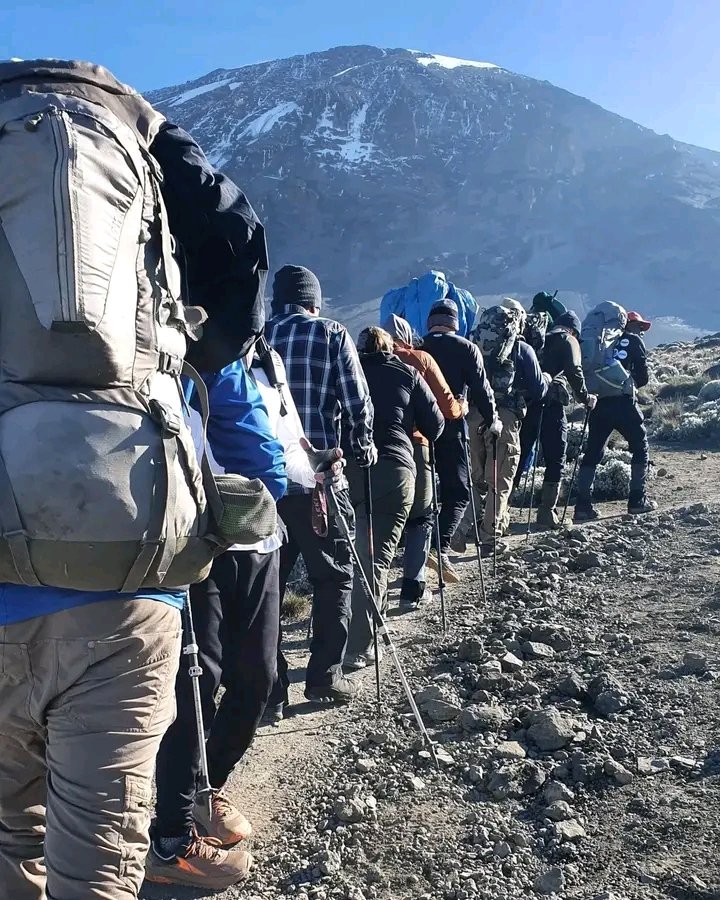
What Is a Walking Safari?:Tanzania’s The Ultimate Locations for Walking Safaris in 2026, 2027 & 2028
A walking safari is a guided experience in which travelers explore the African wilderness on foot rather than relying entirely on a safari vehicle.
The experience can range from a short nature walk lasting a few hours to a longer walking expedition involving several days in the wilderness.
The purpose is not necessarily to get as close as possible to large animals. Instead, walking allows you to understand the smaller details of the ecosystem.
You may discover:
- Elephant footprints
- Lion tracks
- Giraffe browsing patterns
- Animal droppings and signs
- Birds and their calls
- Medicinal and edible plants
- Insects and reptiles
- Different types of vegetation
- Water sources and animal trails
- Geological features
This makes a walking safari particularly interesting for travelers who want to learn how the African ecosystem works.
Walking activities must be conducted according to the rules of the specific protected area and with appropriately authorized guides or rangers. TANAPA, for example, identifies guided walking as an activity in Ruaha and guided walking safaris in Nyerere, while Udzungwa is particularly focused on guided forest trails and hiking.
Why Choose a Walking Safari in Tanzania?
1. You Experience Nature at a Slower Pace
A vehicle can take you across large distances quickly.
Walking is different.
You move slowly enough to notice details that you might otherwise miss.
A guide may stop beside a footprint and explain which animal made it, how recently it passed, and what direction it was traveling.
That simple moment can become one of the most memorable parts of your safari.
2. You Learn to Read the Wilderness
A professional walking guide can teach you how to interpret the environment.
You begin to recognize tracks, animal droppings, broken branches, feeding marks, calls, and other signs.
Instead of simply seeing wildlife, you begin to understand the clues that wildlife leaves behind.
This creates a deeper appreciation of Tanzania’s natural environment.
3. Walking Is Excellent for Photography and Birdwatching
Walking gives photographers and birdwatchers opportunities to concentrate on smaller subjects.
While a vehicle safari often focuses on large mammals, walking can reveal:
- Colorful birds
- Butterflies
- Chameleons
- Lizards
- Interesting plants
- Flowers
- Animal tracks
- Landscapes
- Insects
Udzungwa, for example, is recognized for exceptional birdlife and endemic primates, while Ruaha records more than 570 bird species according to TANAPA.
Tanzania’s Best Locations for Walking Safaris
1. Ruaha National Park: Tanzania’s The Ultimate Locations for Walking Safaris in 2026, 2027 & 2028
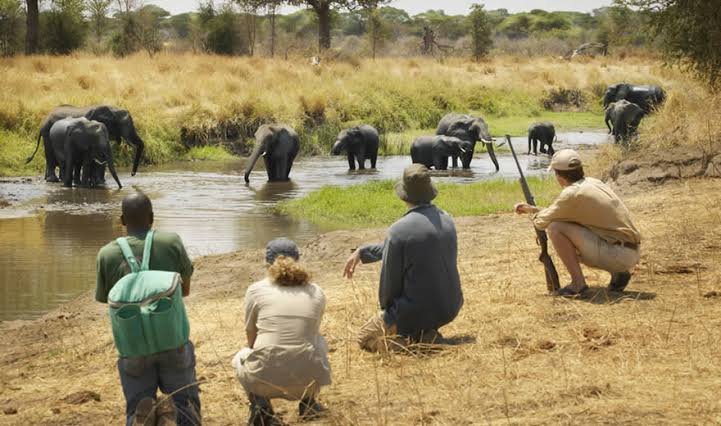
Ruaha is one of Tanzania’s most compelling destinations for travelers seeking a wilderness-focused walking experience.
The park covers approximately 20,226 square kilometers and is Tanzania’s second-largest national park. Its landscapes include baobab-studded savanna, woodland, rocky areas, and river systems.
TANAPA specifically lists walking safari among Ruaha’s visitor experiences. Guided walking is conducted in designated areas and requires authorized guides or rangers.
What Makes Ruaha Special?
Ruaha is known for its remote character and extensive wilderness.
During a walking safari, you can learn about the relationship between the Great Ruaha River, vegetation, wildlife, and seasonal water availability.
The park is also known for elephants, lions, leopards, wild dogs, buffalo, greater kudu, sable, and roan antelope.
For travelers who want walking to be an important part of a broader wildlife safari, Ruaha deserves serious consideration.
Best Walking Experience
A typical experience may include an early morning walk accompanied by an authorized guide or ranger.
The cooler morning temperatures make walking more comfortable, while wildlife signs can be particularly interesting to interpret.
A walking experience can then be combined with traditional game drives later in the day.
2. Nyerere National Park:Tanzania’s The Ultimate Locations for Walking Safaris in 2026, 2027 & 2028
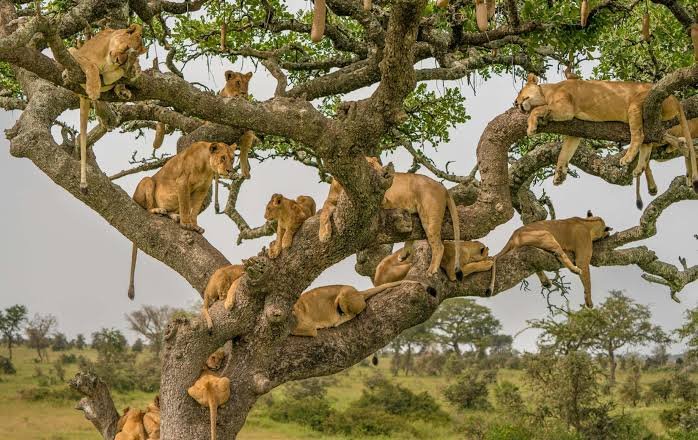
Nyerere National Park is another important destination for walking safaris in Tanzania.
The park is characterized by the Rufiji River, floodplains, lakes, miombo woodland, and riverine environments.
TANAPA currently lists guided walking safaris among the park’s visitor activities and notes that permits and pre-booking are required.
Why Choose Nyerere?:Tanzania’s The Ultimate Locations for Walking Safaris in 2026, 2027 & 2028
Nyerere offers an opportunity to combine several safari experiences within one destination.
You can potentially combine:
- Walking safari
- Game drives
- Boat safari
- Birdwatching
- Wildlife photography
The Rufiji River is particularly important to the ecosystem and supports hippos, crocodiles, elephants, birds, and other wildlife.
Nyerere is also an important habitat for African wild dogs, alongside lions, leopards, elephants, and buffalo.
A walking safari here can therefore become part of a broader southern Tanzania adventure rather than being a standalone activity.
3. Udzungwa Mountains National Park
Udzungwa provides a completely different walking experience.
Rather than focusing primarily on open savanna wildlife, Udzungwa is a destination for forest hiking, waterfalls, endemic wildlife, birdwatching, and dramatic mountain scenery.
TANAPA describes Udzungwa as part of Tanzania’s Eastern Arc forests and highlights its waterfalls, endemic primates, birdlife, and guided trails.
Sanje Waterfalls
One of the most popular walking experiences is the hike toward Sanje Falls.
The trail passes through forest environments before reaching spectacular waterfalls and viewpoints.
Depending on the route and conditions, visitors can encounter forest birds, monkeys, butterflies, plants, and other wildlife.
Endemic Primates
Udzungwa is particularly interesting for wildlife enthusiasts because of species such as the Udzungwa red colobus and Sanje mangabey.
These primates are strongly associated with the region’s forests.
For travelers who want hiking combined with biodiversity and scenery, Udzungwa provides a very different experience from a traditional savanna safari.
4. Ngorongoro Highlands
The Ngorongoro Highlands offer another opportunity to explore Tanzania on foot.
Walking in this region is less about pursuing large animals and more about experiencing highland landscapes, forests, crater environments, local communities, and cultural heritage.
Possible experiences can include hikes around areas such as:
- Empakai Crater
- Olmoti Crater
- Highland trails
- Cultural areas
- Scenic viewpoints
The highlands can be particularly appealing for travelers who want to combine walking with cultural experiences.
The terrain can be challenging in some areas, so travelers should select routes appropriate to their fitness and experience.
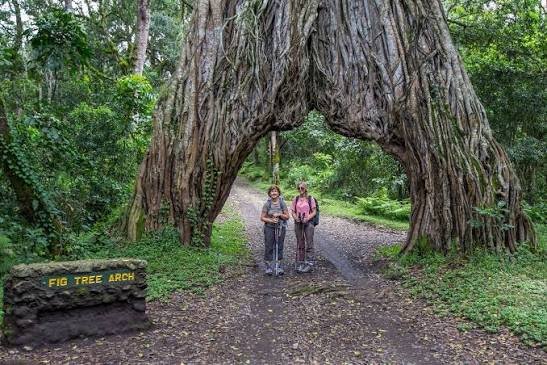
5. Arusha National ParkTanzania’s :The Ultimate Locations for Walking Safaris in 2026, 2027 & 2028
Arusha National Park is another useful destination for travelers who want to combine wildlife viewing with walking and hiking.
Its proximity to Arusha makes it convenient for travelers beginning or ending a northern Tanzania safari.
A walking experience can introduce visitors to forests, open landscapes, mountain environments, birds, and smaller wildlife.
The park also provides access to Mount Meru trekking experiences for travelers looking for a more demanding hiking adventure.
A short walking activity in Arusha National Park can therefore work well as an introduction to walking before undertaking a longer walking safari elsewhere.
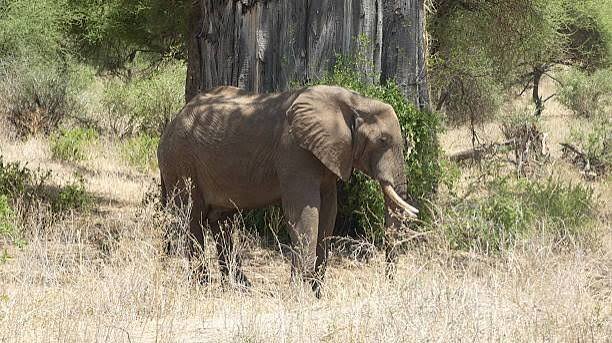
6. Tarangire National Park
Tarangire is famous for elephants, baobabs, seasonal wildlife movements, and beautiful savanna landscapes.
Walking opportunities in and around the Tarangire ecosystem can provide a different perspective from conventional game drives.
The focus is often on understanding tracks, plants, insects, birds, and the relationship between wildlife and seasonal water sources.
For travelers planning a northern Tanzania safari, a walking experience can be combined with Tarangire’s traditional game drives.
7. Serengeti Ecosystem
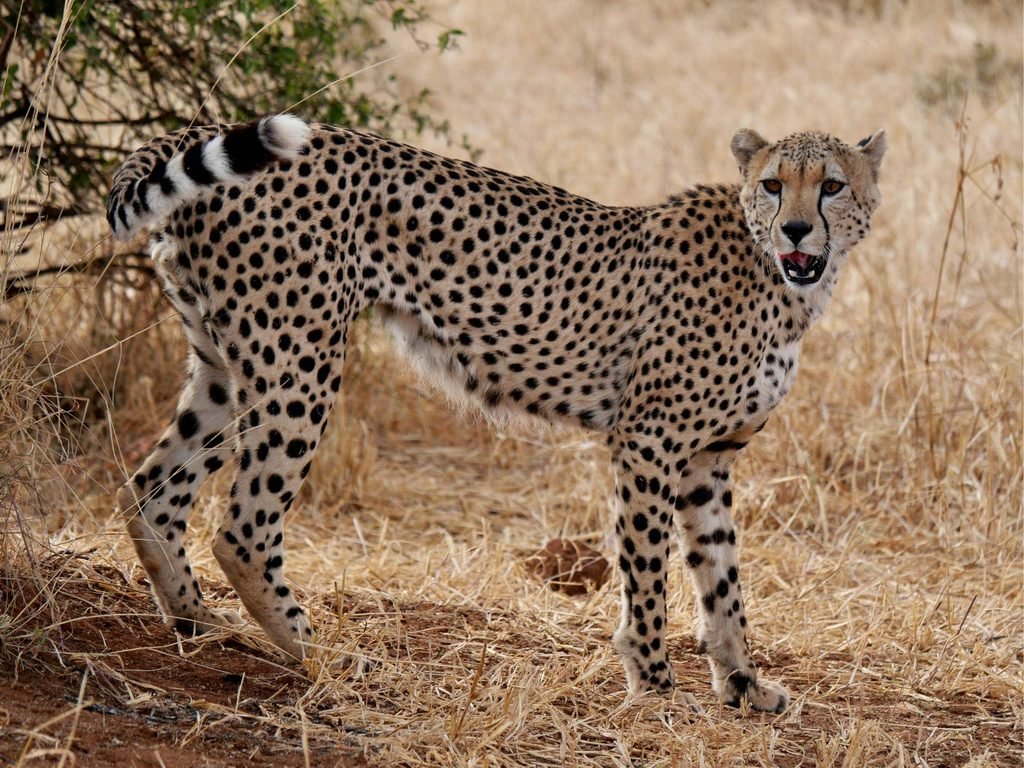
The Serengeti is primarily famous for vehicle-based game viewing and the Great Migration, but walking experiences can also be incorporated in appropriate areas and under the regulations of the relevant protected area or concession.
The important point is that a walking experience should not be assumed to be available everywhere in the Serengeti.
Travelers should confirm the specific walking location, guide requirements, permits, and current regulations before booking.
A walking experience around the Serengeti ecosystem can complement traditional game drives by focusing on tracks, plants, birds, and the landscape rather than simply searching for large mammals.
Walking Safari vs. Traditional Game Drive
Many travelers ask whether they should choose walking or a vehicle safari.
In Tanzania, you do not necessarily have to choose one.
A combination can be excellent.
Walking Safari
Best suited for:
- Nature enthusiasts
- Birdwatchers
- Photographers
- Hikers
- Travelers interested in tracks and plants
- People seeking a slower experience
- Travelers who enjoy learning from guides
Game Drive
Best suited for:
- Covering large distances
- Searching for large mammals
- Predator viewing
- Great Migration experiences
- Families with limited hiking ability
- Travelers with limited time
Combined Safari
For many travelers, combining the two provides a broader experience.
You might spend the morning walking, return for lunch, and then take an afternoon game drive.
Alternatively, you could spend several days on a traditional safari and add a one- or two-day walking experience.
Best Time for Walking Safaris in Tanzania:Tanzania’s The Ultimate Locations for Walking Safaris in 2026, 2027 & 2028
Tanzania can be visited throughout the year, but the most appropriate period depends on the location and the type of experience you want.
TANAPA notes that Tanzania’s dry season generally runs from June to October, while shorter rains commonly occur around November–December and longer rains from March to May.
For walking, weather and trail conditions are particularly important.
June to October
The dry season can provide comfortable conditions in many areas, although temperatures can vary significantly between regions and elevations.
November to December
The landscape can become greener, and birdlife can be rewarding. Some trails may become muddy.
January to February
These months can offer warm conditions and green landscapes in many parts of the country.
March to May
The long rains can create lush scenery, but wet conditions may make some trails more challenging.
The best dates should therefore be selected according to the specific destination rather than applying one rule to the entire country.
How Fit Do You Need to Be?
You do not need to be an elite athlete to enjoy every walking safari.
The important thing is choosing the correct walking route.
Some experiences are relatively gentle, while mountain and forest hikes can involve steep climbs, uneven surfaces, and longer distances.
Before booking, tell your safari planner about:
- Your fitness level
- Previous hiking experience
- Age-related mobility considerations
- Any difficulty walking on uneven terrain
- Preferred walking distance
- Whether you prefer short or full-day hikes
This allows the itinerary to be designed appropriately.
What to Pack for a Walking Safari
Walking requires slightly different preparation from a standard game drive.
Consider bringing:
- Comfortable hiking shoes
- Lightweight long trousers
- Breathable shirts
- Hat
- Sunglasses
- Sunscreen
- Insect repellent
- Lightweight rain jacket
- Reusable water bottle
- Small backpack
- Binoculars
- Camera
- Extra batteries or power bank
- Personal medication
- Snacks where permitted
Neutral-colored clothing is generally practical in natural environments.
Avoid wearing very bright clothing when the objective is quiet wildlife observation.
Safety on a Walking Safari
Walking in the African wilderness is an exciting experience, but it must always be treated seriously.
Wild animals are unpredictable.
Travelers should:
- Stay with the guide
- Follow instructions immediately
- Never approach animals independently
- Avoid running
- Keep quiet when instructed
- Maintain appropriate distances
- Remain together as a group
- Wear suitable footwear
- Carry adequate water
- Respect park regulations
Walking safaris should only be conducted where permitted and under the appropriate guidance.
TANAPA specifically emphasizes following guide instructions for wildlife safety in Ruaha, while Nyerere requires permits and pre-booking for guided walking safaris.
Example 7-Day Tanzania Walking and Wildlife Safari
Day 1: Arrival in Arusha
Arrive in Arusha and meet your safari representative.
Relax at your accommodation and prepare for the adventure.
Day 2: Arusha National Park
Begin with a guided nature walk and explore the park’s diverse landscapes.
Later, enjoy a game drive or return to Arusha depending on your itinerary.
Day 3: Tarangire National Park
Travel toward Tarangire.
Enjoy a game drive and experience the park’s elephants, baobabs, and savanna landscapes.
Day 4: Ngorongoro Highlands
Move toward the Ngorongoro Highlands and enjoy a guided walking experience.
Explore the highland landscape and learn about the area’s natural and cultural heritage.
Day 5: Transfer Toward the Southern Circuit
Travel or fly toward the southern part of Tanzania depending on the selected itinerary.
Day 6: Ruaha National Park Walking Safari
Enjoy an authorized guided walking experience.
Learn to identify tracks, plants, birds, and other signs of wildlife.
Later, enjoy a game drive if time permits.
Day 7: Final Safari Experience and Departure
Enjoy a final morning activity before continuing with your onward travel arrangements.
This is an example rather than a fixed itinerary. The route can be adjusted according to travel dates, available flights, accommodation preferences, fitness level, and walking regulations.
A More Immersive Option: Nyerere Walking Safari
For travelers particularly interested in walking, Nyerere can be incorporated into a longer southern Tanzania itinerary.
A possible itinerary could include:
Dar es Salaam , Nyerere Ruaha , Udzungwa And Dar es Salaam
This route provides an opportunity to experience three very different environments.
Nyerere introduces the Rufiji River and wetlands.
Ruaha offers vast savanna, baobabs, predators, elephants, and wilderness.
Udzungwa changes the experience completely with rainforest, mountains, waterfalls, and endemic species.
The result is not simply a wildlife trip. It becomes a journey through different ecosystems.
Responsible Walking Safaris
Walking tourism should be conducted responsibly.
The objective should be to observe rather than disturb.
Good walking practices include:
- Keeping a respectful distance from animals
- Avoiding unnecessary noise
- Staying on designated trails where required
- Following ranger instructions
- Not feeding wildlife
- Not removing plants or natural objects
- Taking all personal waste with you
- Respecting local communities
- Supporting conservation initiatives
- Using authorized guides
A walking safari is most meaningful when the wilderness remains wild.
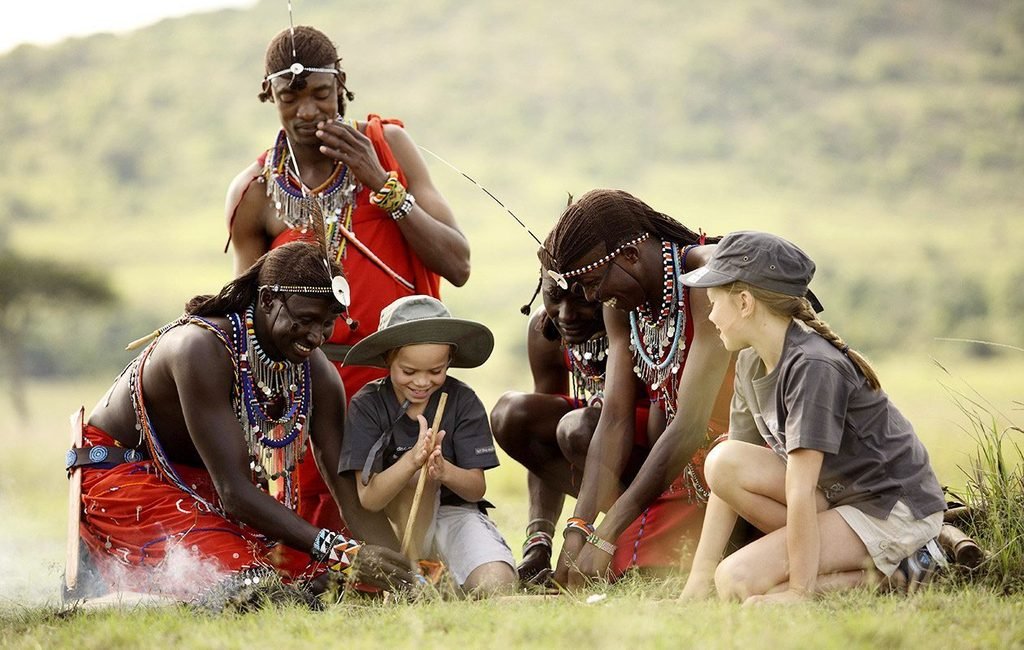
Why Choose Eko Tanzania Adventures?:Tanzania’s The Ultimate Locations for Walking Safaris in 2026, 2027 & 2028
At Eko Tanzania Adventures, we understand that some travelers want more than the traditional “drive, photograph, and leave” safari experience.
Walking allows you to slow down.
It encourages you to observe.
It allows you to listen.
And it gives you an opportunity to understand the environment rather than simply passing through it.
We can help travelers plan Tanzania walking experiences around northern destinations, southern wilderness areas, forest environments, cultural landscapes, and traditional game drives.
Your itinerary can be adjusted according to your travel dates in 2026, 2027, or 2028, your preferred accommodation level, group size, fitness level, and budget.
Final Thoughts
Tanzania’s walking safaris provide an opportunity to experience the country from a different perspective.
Ruaha National Park is particularly suited to travelers seeking a wilderness-focused walking experience alongside exceptional wildlife. TANAPA explicitly lists walking safaris among Ruaha’s activities.
Nyerere National Park offers the possibility of combining guided walking with boat safaris and game drives around the Rufiji ecosystem.
Udzungwa Mountains National Park is ideal for travelers who want hiking, rainforest, waterfalls, endemic primates, and birdwatching.
Ngorongoro Highlands, Arusha National Park, Tarangire, and selected Serengeti-area experiences can add walking or hiking to a broader northern Tanzania itinerary, subject to the specific area’s rules and available guided activities.
The greatest advantage of walking is not necessarily seeing more animals. It is learning to notice more.
A footprint becomes a story.
A bird call becomes a clue.
A plant becomes part of the ecosystem.
A quiet trail becomes an adventure.
For travelers visiting Tanzania in 2026, 2027, or 2028, a carefully planned walking safari with Eko Tanzania Adventures can turn a conventional wildlife holiday into a deeper and more personal exploration of Tanzania’s wilderness.