The Best Rise of the Slow Safari: An In-Depth, More Meaningful Approach to Tanzania’s Primary Destinations in 2026 and 2027;A safari in Tanzania has traditionally been associated with exciting game drives, famous wildlife sightings, dramatic landscapes, and the unforgettable search for Africa’s Big Five. But a new way of experiencing the wilderness is becoming increasingly appealing: the slow safari.
Instead of trying to visit as many places as possible in a short period, a slow safari gives travelers more time to stay, observe, listen, learn, and appreciate the natural world.
In 2026 and 2027, this approach offers an excellent way to experience Big Five primary safari destinations with greater depth. Rather than rushing from one park to another, travelers can spend several days exploring an ecosystem, watching wildlife behavior, learning from professional guides, and experiencing the landscape beyond the most obvious attractions.
At Eko Tanzania Adventures, the slow safari philosophy is about creating journeys that feel less rushed and more connected to Tanzania. It is not simply about traveling slowly. It is about traveling with purpose.
Whether your interests include elephants in Tarangire, the Great Migration in Serengeti, the wildlife of Ngorongoro, the birdlife of Lake Manyara, or the quieter wilderness of Nyerere National Park, a slower approach can transform the way you experience the destination.
What Is a Slow Safari?:The Best Rise of the Slow Safari: An In-Depth, More Meaningful Approach to Tanzania’s Primary Destinations in 2026 and 2027
A slow safari is a style of wildlife travel that emphasizes quality over quantity.
Traditional safari planning sometimes focuses on seeing as many destinations and animals as possible within a limited number of days. A slow safari takes a different approach.
It gives travelers more time to:
- Observe wildlife without rushing
- Stay longer in selected destinations
- Understand animal behavior
- Enjoy landscapes
- Learn about conservation
- Spend meaningful time with local communities
- Take photographs patiently
- Experience different times of day in the wilderness
- Appreciate small details that are easy to miss
Imagine seeing a pride of lions resting beneath an acacia tree. Instead of spending five minutes taking photographs before driving away, you remain quietly nearby for an appropriate period and watch the pride interact.
You may see one lion wake up, another move toward the shade, cubs play, or adults communicate.
That is the essence of slow safari.
Why Is Slow Safari Becoming More Popular?:The Best Rise of the Slow Safari: An In-Depth, More Meaningful Approach to Tanzania’s Primary Destinations in 2026 and 2027
Travelers are increasingly looking for experiences that feel personal rather than rushed.
Modern life can be fast. People move between meetings, notifications, airports, and busy schedules.
A safari provides an opportunity to do something completely different.
There is no need to hurry when a herd of elephants is moving slowly across the plains.
There is no reason to rush a sunset over the Serengeti.
And there is little value in driving away immediately when an interesting animal is behaving naturally in front of you.
The slow safari encourages travelers to disconnect from the speed of everyday life and reconnect with nature.
The Philosophy Behind a More Meaningful Safari:The Best Rise of the Slow Safari: An In-Depth, More Meaningful Approach to Tanzania’s Primary Destinations in 2026 and 2027
The philosophy is simple:
Spend more time experiencing less, but understand it more deeply.
Instead of asking, “How many parks can I visit?” travelers can ask:
- Where would I like to spend more time?
- Which ecosystem interests me most?
- What wildlife behavior would I like to understand?
- Do I want photography opportunities?
- Would I enjoy walking or cultural experiences?
- Would I prefer fewer hotel changes?
- Do I want a private or small-group safari?
These questions help create a journey that reflects the traveler’s interests.
Slow Safari and Wildlife Conservation
One of the strongest arguments for slow safari is that it naturally encourages responsible wildlife viewing.
When travelers are not rushing, there is less pressure to chase every sighting.
A guide can spend time observing an animal from an appropriate location rather than constantly repositioning the vehicle.
This approach can help reduce unnecessary disturbance.
At Eko Tanzania Adventures, responsible wildlife viewing means respecting applicable park regulations and allowing animals to behave naturally.
Wildlife is unpredictable.
A leopard may disappear into vegetation.
A lion may spend most of the afternoon sleeping.
Elephants may take their time crossing an area.
A slow safari accepts these realities instead of treating them as inconveniences.
The Serengeti: A Perfect Destination for Slow Safari


7
The Serengeti is one of Tanzania’s most iconic destinations and one of the best places to embrace the slow safari philosophy.
Its vast plains provide opportunities to observe wildlife over extended periods.
Instead of simply searching for famous animals, travelers can explore the relationships between species and their environment.
A longer Serengeti stay may allow you to experience:
- Sunrise game drives
- Longer wildlife observation
- Different habitats
- Predator activity
- Herbivore movements
- Birdlife
- Sunset experiences
- Seasonal wildlife movements
The Great Migration is another reason to spend more time in the ecosystem.
The exact location of migrating herds changes according to environmental conditions, so staying longer provides more opportunities to understand the movement rather than treating migration as a single scheduled event.
Tarangire: Slowing Down Among the Elephants


Tarangire National Park is famous for elephants, baobab trees, diverse wildlife, and beautiful landscapes.
It is an excellent destination for travelers who want to slow down and observe animal behavior.
A relaxed game drive can reveal details that might otherwise be overlooked.
You may notice elephants communicating within their family groups, giraffes feeding from trees, birds moving between branches, or antelopes responding to distant sounds.
Tarangire is also a wonderful place to appreciate the relationship between wildlife and water.
During drier periods, water availability can influence animal movements, making patient observation particularly rewarding.
Ngorongoro: Discovering an Extraordinary Ecosystem
The Ngorongoro Conservation Area offers travelers an opportunity to experience wildlife alongside an extraordinary volcanic landscape.
A slow safari here is not only about looking for animals.
It is about understanding the ecosystem.
The crater’s landscape supports a variety of wildlife, while the surrounding conservation area has its own ecological and cultural importance.
With enough time, travelers can appreciate the changing scenery, observe wildlife behavior, and learn from their guide about the relationship between conservation, tourism, pastoral communities, and the natural environment.
Lake Manyara: Look Beyond the Big Animals
Lake Manyara National Park is sometimes visited as a shorter stop, but the slow safari philosophy encourages travelers to appreciate what makes it different.
The park includes varied habitats, including woodland, forest, open areas, and the lake environment.
Bird lovers can particularly benefit from spending time here.
Instead of focusing exclusively on lions and elephants, travelers can watch smaller creatures, birds, vegetation, and ecological interactions.
A slow safari teaches an important lesson:
Wildlife is not limited to the Big Five.
Nyerere National Park: A Different Pace of Wilderness:The Rise of the Slow Safari: An In-Depth, More Meaningful Approach to Tanzania’s Primary Destinations in 2026 and 2027
Nyerere National Park provides a different safari atmosphere.
Its waterways and diverse landscapes make it suitable for travelers who want to combine traditional game drives with other experiences where available and permitted.
Boat-based wildlife viewing around appropriate waterways can provide a different perspective on nature.
From the water, travelers may observe hippos, crocodiles, birds, and animals coming toward or moving around water sources.
The slower pace of a boat experience fits naturally with the slow safari philosophy.
What Does a Slow Safari Day Look Like?
A slow safari does not mean sitting in a vehicle all day without a plan.
A typical day can still be carefully structured.
Early Morning
Wake before sunrise and prepare for an early game drive.
The morning can provide opportunities to observe wildlife during cooler hours.
Breakfast in the Wilderness
Depending on the itinerary and park regulations, breakfast may be enjoyed at an appropriate designated location.
Midday
Instead of continuously driving, return to camp or lodge for relaxation.
This allows travelers to rest during the warmer part of the day.
Afternoon
Continue with a relaxed game drive.
Rather than following a strict checklist, the guide can focus on interesting wildlife behavior and landscapes.
Sunset
Enjoy the changing colors of the African landscape where permitted and according to the specific safari arrangements.
Evening
Return to camp or lodge, have dinner, and reflect on the day’s experiences.
This rhythm is less exhausting than constantly moving between destinations.
Why Staying Longer Can Improve Your Safari
One of the greatest advantages of slow travel is that longer stays provide flexibility.
Suppose you stay one night in a destination.
You may spend part of the day traveling there and another part traveling away.
But with two or three nights, you have more complete days for exploration.
This can mean:
- More game-drive opportunities
- More time for photography
- Greater flexibility
- Less packing and unpacking
- More opportunities to observe unusual behavior
- More time to relax
For travelers who want a deeper experience, this can be more satisfying than visiting many destinations briefly.
Slow Safari for Wildlife Photographers
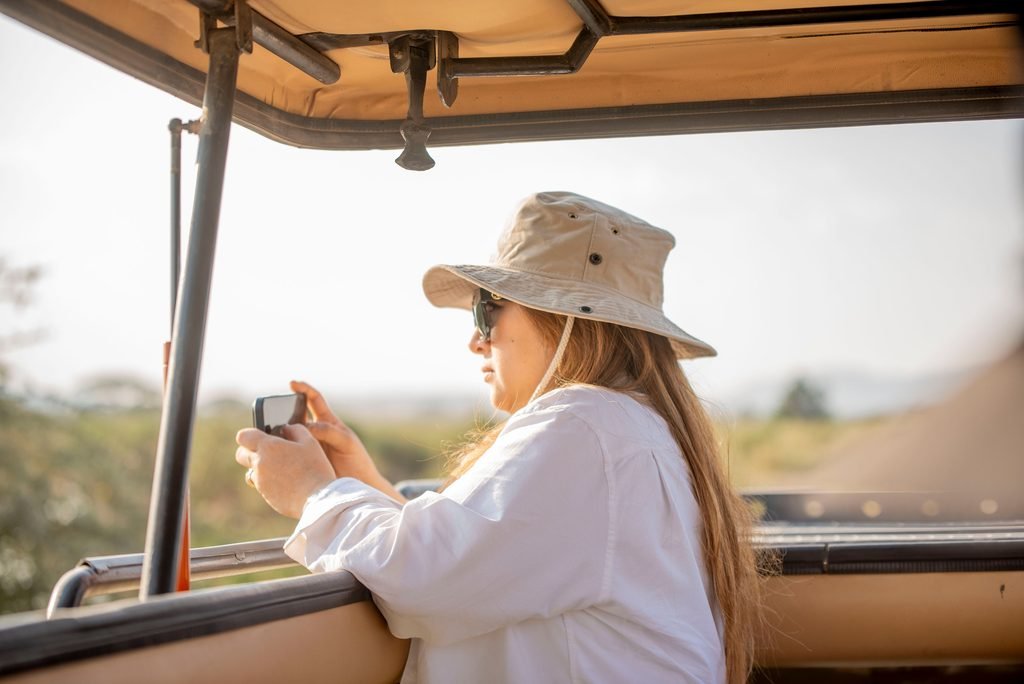
Photography and slow safari are natural partners.
Wildlife photography requires patience.
You may wait for an animal to move into the perfect light.
You may watch birds for several minutes before capturing the right moment.
You may observe a pride of lions waiting for an opportunity to hunt.
Instead of rushing from sighting to sighting, slow safari provides more opportunities to anticipate behavior.
Professional photographers can also discuss their interests with the Eko Tanzania Adventures team before departure so that the itinerary can be designed around appropriate photography opportunities.
Slow Safari for Families
Families can also benefit from a slower itinerary.
Children can become tired when they spend long periods moving from one destination to another.
A slower safari provides time for rest and allows children to process what they have seen.
Guides can explain wildlife in ways that are accessible and engaging for younger travelers.
Instead of simply saying, That is an elephant, a guide might explain:
- How elephant families live
- How elephants communicate
- What they eat
- Why their trunks are useful
- How they interact with their environment
This can turn a safari into an outdoor classroom.
Slow Safari for Couples
For couples, a slower itinerary can create more opportunities for quiet experiences.
Instead of constantly checking the next destination, couples can enjoy:
- Peaceful wildlife viewing
- Scenic landscapes
- Sunrise experiences
- Sunset moments
- Comfortable lodge or camp stays
- Private time between activities
The emphasis is on sharing the experience rather than completing a checklist.
Slow Safari and Cultural Experiences
A meaningful Tanzania safari can extend beyond wildlife.
Depending on the itinerary, travelers can incorporate responsible cultural experiences that provide opportunities to learn about local communities and traditions.
These experiences should be approached respectfully.
Travelers should listen, ask permission before taking photographs, and understand that local communities are not simply tourist attractions.
A slower journey provides more time for genuine interaction and learning.
Eating Locally and Appreciating the Journey
Slow travel also creates opportunities to appreciate food.
Rather than treating meals as something that happens between activities, travelers can enjoy them as part of the experience.
Tanzania has a diverse food culture influenced by different communities and regions.
Travelers can ask their accommodation providers or safari team about local dishes and responsibly sourced ingredients.
The journey becomes more than wildlife viewing.
It becomes an exploration of Tanzania itself.
Sustainable Travel Habits
Slow safari can support more thoughtful travel habits.
Travelers can contribute by:
- Avoiding unnecessary plastic waste
- Carrying reusable water bottles where appropriate
- Respecting wildlife regulations
- Staying on permitted routes
- Avoiding litter
- Respecting local communities
- Supporting responsible local businesses
- Following guide instructions
- Conserving water and energy at accommodation facilities
Small actions can make a difference when many travelers adopt them.
The Role of the Safari Guide
The guide is at the heart of a slow safari.
A good guide does not simply identify animals.
The guide helps travelers understand the landscape.
An experienced guide can explain:
- Animal behavior
- Tracks and signs
- Bird calls
- Vegetation
- Seasonal changes
- Predator-prey relationships
- Conservation
- Local geography
- Cultural context
Perhaps most importantly, the guide understands when not to rush.
Sometimes the guide may
That sentence can lead to one of the most memorable moments of the entire safari.
How Eko Tanzania Adventures Can Create a Slow Safari
At Eko Tanzania Adventures, travelers can discuss their interests before building an itinerary.
A slow safari package can be designed around:
Longer Stays
Spend more nights in fewer destinations.
Private or Small-Group Travel
A smaller group can provide greater flexibility depending on the selected package.
Wildlife Interests
Build the itinerary around elephants, big cats, birds, migration, landscapes, or general wildlife.
Photography
Allow more time for observation and photography.
Cultural Experiences
Include appropriate cultural experiences where available.
Comfortable Accommodation
Choose accommodation according to your preferred budget and travel style.
Flexible Daily Rhythm
Balance early starts with rest periods instead of making every day an exhausting schedule.
Sample 7-Day Slow Safari Package
Day 1: Arrival in Arusha
Meet the Eko Tanzania Adventures team and transfer to your accommodation.
Enjoy a safari briefing and prepare for the journey.
Day 2: Tarangire National Park
Travel to Tarangire.
Enjoy a relaxed game drive focusing on elephants, giraffes, antelopes, birds, and the park’s famous baobab landscape.
Overnight near or within the Tarangire area, depending on the selected accommodation.
Day 3: Tarangire — Full-Day Exploration
Spend a full day exploring Tarangire rather than immediately moving to another destination.
This allows more time for patient wildlife observation.
Day 4: Ngorongoro
Travel toward the Ngorongoro area.
Enjoy the changing landscapes and learn about the region from your guide.
Day 5: Ngorongoro Crater
Spend the day exploring the crater according to the permitted safari routes and regulations.
Focus on wildlife behavior and the ecosystem rather than simply counting species.
Day 6: Serengeti
Continue toward the Serengeti.
Enjoy an afternoon game drive if time and conditions permit.
Day 7: Serengeti Experience and Departure/Continuation
Enjoy a final wildlife experience before continuing to your next destination or returning according to the agreed itinerary.
Note: This is an example itinerary. The actual route should be adjusted according to travel dates, seasonal wildlife movements, accommodation availability, traveler interests, and the desired safari duration.
Who Should Choose a Slow Safari?
A slow safari is particularly suitable for travelers who:
- Prefer meaningful experiences
- Enjoy photography
- Love nature
- Want fewer hotel changes
- Prefer relaxed travel
- Are interested in wildlife behavior
- Enjoy learning
- Want time away from busy routines
- Prefer quality over quantity
- Are returning to Tanzania and want a deeper experience
It can also be adapted for couples, families, private travelers, photographers, nature enthusiasts, and small groups.
What Is Included in a Slow Safari Package?
The exact inclusions depend on the selected itinerary, but an Eko Tanzania Adventures safari package may include:
- Professional safari guide
- Safari vehicle
- Park fees applicable to the itinerary
- Accommodation
- Meals according to the package
- Game drives
- Drinking water during safari
- Airport transfers where specified
- Safari briefing
- Wildlife interpretation
Common Exclusions
Depending on the package, travelers may need to budget separately for:
- International flights
- Visa fees
- Travel insurance
- Personal purchases
- Tips
- Alcoholic beverages
- Optional activities
- Additional accommodation
- Other personal expenses
A detailed quotation should be prepared according to your exact travel dates, number of travelers, destinations, and accommodation preferences.
Best Time for a Slow Safari in Tanzania
Tanzania can be visited throughout the year, although different periods offer different experiences.
The best travel period depends on what you want to see.
For example, travelers interested in the Great Migration should consider the seasonal movement of the herds when planning.
Those interested in general wildlife viewing may choose their dates based on weather, park conditions, crowd preferences, and budget.
Traveling during quieter periods can also provide a different atmosphere.
The important point is that there is no single “best” month for every traveler.
The right timing depends on your priorities.
Slow Safari vs. Traditional Fast-Paced Safari
| Slow Safari | Fast-Paced Safari |
|---|---|
| Fewer destinations | More destinations |
| Longer stays | Shorter stays |
| More relaxed schedule | More structured schedule |
| Deeper wildlife observation | More rapid wildlife searching |
| Less packing and unpacking | More frequent transfers |
| More time for photography | Focus on seeing many attractions |
| Greater emphasis on immersion | Greater emphasis on coverage |
Neither style has to be suitable for everyone. The right approach depends on the traveler’s available time, interests, budget, and preferred experience.
Frequently Asked Questions
Is a slow safari boring?
Not at all. Wildlife is unpredictable. A slower safari simply gives you more time to observe what is happening instead of constantly moving.
How many days should a slow safari last?
There is no fixed duration. A five- to ten-day itinerary can work well, while longer journeys allow deeper exploration.
Can I see the Big Five on a slow safari?
Yes, depending on the destinations, season, wildlife conditions, and luck. However, sightings can never be guaranteed.
Is slow safari more expensive?
It can be, because longer stays mean additional accommodation, meals, park fees, and guide services. However, the total cost depends heavily on the itinerary and accommodation level.
Can families do a slow safari?
Yes. A slower itinerary can provide useful rest periods and make the experience more comfortable for families.
Can I combine Serengeti and Ngorongoro?
Yes. These destinations can be combined in a Tanzania safari itinerary, with the number of nights adjusted according to your schedule.
Final Thoughts: Experience Tanzania, Don’t Just Visit It
The rise of the slow safari represents a simple change in perspective.
Instead of asking how much Tanzania you can see, ask how deeply you can experience it.
Instead of racing toward every animal sighting, take time to watch behavior.
Instead of changing accommodation every night, consider staying longer.
Instead of collecting photographs alone, collect stories, knowledge, sounds, and memories.
Tanzania’s primary safari destinations offer extraordinary opportunities for this kind of travel.
The elephants of Tarangire, the endless plains of Serengeti, the wildlife-rich Ngorongoro landscape, the diverse habitats of Lake Manyara, and the waterways and wilderness of Nyerere each offer something different.
With Eko Tanzania Adventures, travelers planning a safari in 2026 or 2027 can build an itinerary around their personal interests while maintaining a strong focus on responsible wildlife viewing and meaningful experiences.
A slow safari does not mean seeing less.
It means seeing differently.
It means sitting quietly beside the wilderness, allowing nature to unfold at its own pace, and understanding that the most unforgettable moments are often the ones you could never have scheduled.
Your Tanzania safari should not simply be a journey through national parks. It should be a journey into nature, wildlife, culture, and yourself—and sometimes the best way to experience that journey is to slow down.