The Ultimate Great Migration Safari: Everything You Need to Know About Tanzania in 2026/2027;The Great Migration is one of Africa’s most remarkable wildlife experiences. Every year, enormous herds of wildebeest, accompanied by zebras and other grazing animals, move across the Serengeti ecosystem in search of fresh grass and water. Their journey is shaped by rainfall, food availability, and natural conditions, making every season different.
For travelers planning a Tanzania safari in 2026 or 2027, the Great Migration offers the opportunity to experience wildlife on a truly spectacular scale. You may witness thousands of animals moving across open plains, predators following the herds, dramatic river crossings, newborn calves taking their first steps, or peaceful scenes of grazing animals stretching toward the horizon.
At Eko Tanzania Adventures, we understand that a Great Migration safari is not simply about seeing a large number of animals. It is about being in the right place at the right time, traveling responsibly, having experienced guides, and allowing enough time to appreciate the landscape and wildlife.
This complete guide explains what you need to know when planning your Great Migration safari in Tanzania in 2026 and 2027, including the best areas to visit, seasonal movements, safari options, accommodation, costs, packing advice, and a sample itinerary.
What Is the Great Migration?:The Ultimate Great Migration Safari: Everything You Need to Know About Tanzania in 2026/2027
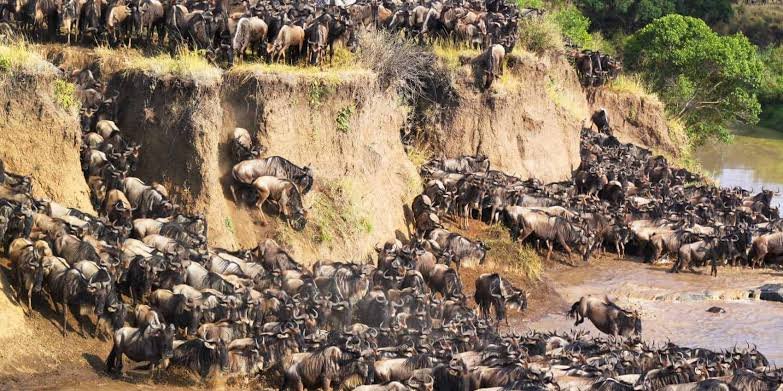
The Great Migration is the annual movement of approximately 1.5 million wildebeest, together with large numbers of zebras and gazelles, through the Serengeti ecosystem and into Kenya’s Maasai Mara before returning south.
Although people often describe it as a single event, the migration is actually a continuous natural cycle. The animals do not follow a fixed timetable. Their movement depends heavily on rainfall and the availability of fresh grazing.
Tanzania’s Serengeti National Park is at the heart of this extraordinary ecosystem. The southern Serengeti and Ndutu area are especially important during the calving season, while the Western Corridor and northern Serengeti become important at other times of the year.
This means there is no single “Great Migration month.” Instead, different parts of Tanzania provide different migration experiences throughout the year.
Great Migration Safari Seasons in Tanzania
Understanding the seasonal pattern is one of the most important parts of planning your safari.
January to March: Calving Season
The period from approximately January through March is associated with the famous calving season in the southern Serengeti and Ndutu area.
During this period, large numbers of wildebeest gather around the short-grass plains. Many females give birth within a relatively concentrated period.
This creates an extraordinary wildlife environment.
You may see:
- Newborn wildebeest calves
- Large herds of grazing animals
- Zebras and gazelles
- Lions
- Cheetahs
- Hyenas
- Jackals
- Other predators and scavengers
The abundance of young animals also attracts predators, making game drives particularly interesting.
For photographers and travelers interested in predator-prey interactions, the calving season can be a rewarding time to visit.
April to May: Green Season and Movement Northward
April and May are generally associated with heavier rains in many parts of northern Tanzania.
The landscape can become beautifully green, and there are fewer tourists in some areas. The herds gradually begin moving northward as grazing conditions change.
Travelers willing to accept a higher possibility of rain can enjoy:
- Green landscapes
- Fewer crowds
- Excellent photographic conditions
- Fresh vegetation
- Resident wildlife
- Potentially more flexible accommodation availability
Migration timing can vary, so travelers should avoid treating calendar dates as guarantees.
June to July: Western Corridor and Grumeti Area
As the dry season develops, the migration moves toward the western Serengeti and the Grumeti region.
This period can offer spectacular wildlife viewing.
The animals must navigate rivers and other natural obstacles as they continue searching for fresh grazing.
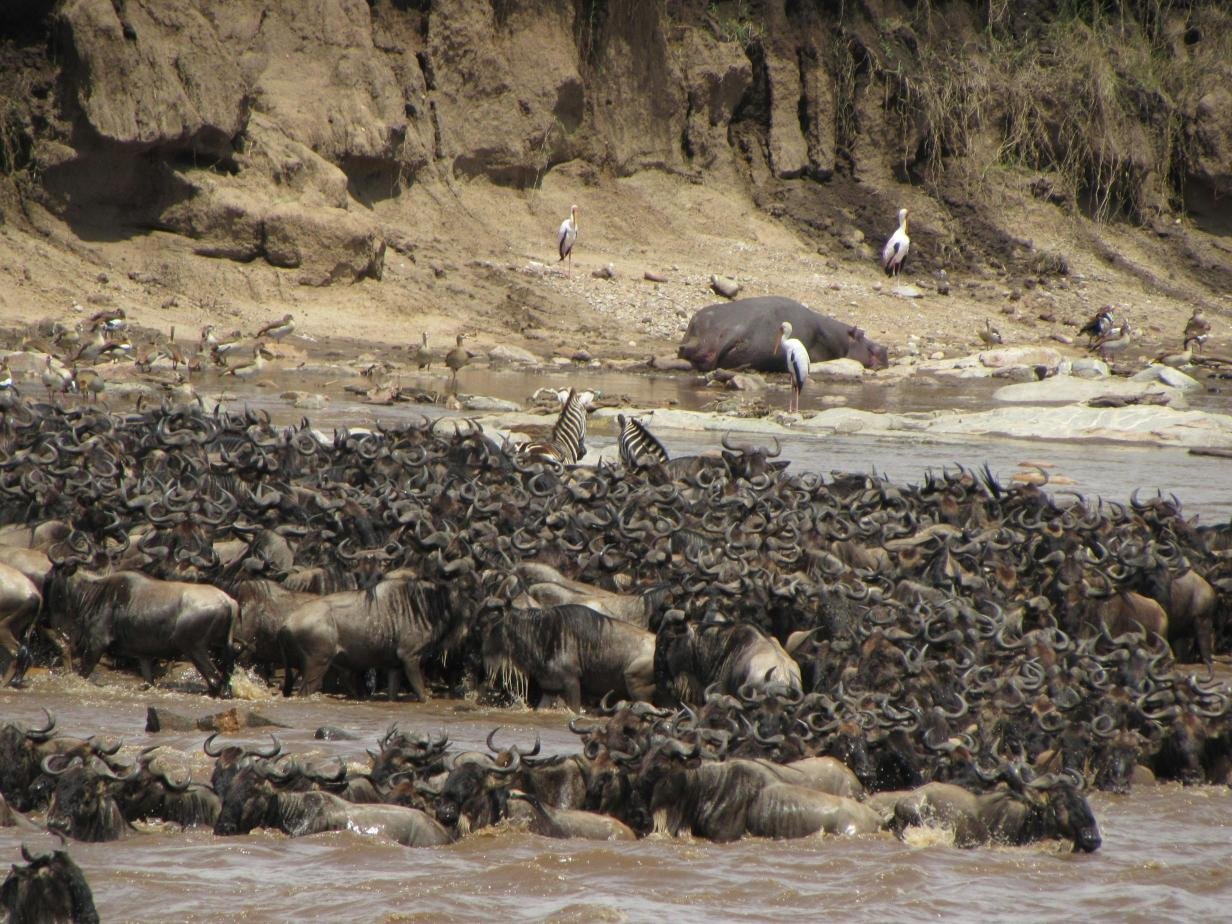
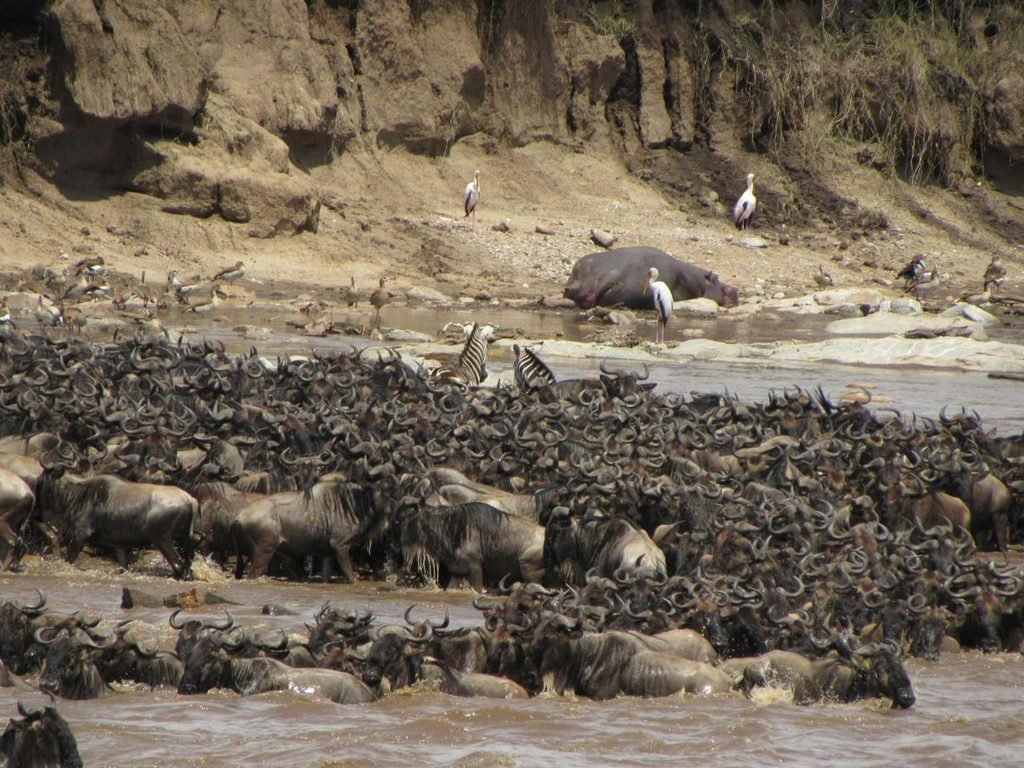
The Grumeti River is famous for dramatic scenes involving large concentrations of wildlife. However, river crossings are unpredictable. Animals may gather near a river for hours or days without crossing, or they may cross at a location that cannot be predicted in advance.
Patience is therefore extremely important.
August to October: Northern Serengeti
August through October is often associated with the northern Serengeti and the Mara River region.
This is the period many travelers associate most strongly with the dramatic “river crossing” images of the Great Migration.
Large herds can move toward and across the Mara River between Tanzania and Kenya.
However, there is an important reality that every traveler should understand:
River crossings cannot be guaranteed.
The animals make their own decisions. Rainfall, water levels, predators, herd behavior, and grazing conditions all influence movement.
A good safari operator should never promise a specific crossing on a specific day.
Instead, the goal is to spend enough time in the appropriate region and allow your guide to respond to current wildlife movements.
November to December: Return Toward the Southern Serengeti
Towards the end of the year, the herds begin moving south again.
Short rains help produce new vegetation, encouraging the animals to return toward the southern plains.
This completes another stage of the migration cycle.
December can therefore be an interesting time for travelers who want to experience the beginning of the southern movement and combine it with other northern Tanzania attractions.
Where Should You Go for the Great Migration?
The location of your safari should depend on the season in which you travel.
Serengeti National Park:The Ultimate Great Migration Safari: Everything You Need to Know About Tanzania in 2026/2027
The Serengeti is the centerpiece of a Tanzanian Great Migration safari.
Its vast grasslands support enormous concentrations of wildlife, including:
- Wildebeest
- Zebras
- Lions
- Leopards
- Cheetahs
- Elephants
- Giraffes
- Buffalo
- Hyenas
- Gazelles
The Serengeti is also home to many resident animals, meaning your safari is not dependent entirely on finding the migrating herds.
Ndutu and Southern Serengeti
Ndutu is particularly significant during the calving season.
The area sits within the broader Serengeti ecosystem and is known for open plains, abundant wildlife, and excellent opportunities to observe newborn animals.
Traveling during this season requires careful planning because demand for suitable camps and lodges can be high.
Western Serengeti
The Western Corridor becomes particularly relevant when the migration moves westward.
The Grumeti area offers a combination of migration-related wildlife viewing and resident animals.
This region can also provide a different atmosphere from the central Serengeti, with distinctive scenery and wildlife habitats.
Northern Serengeti
Northern Serengeti is especially popular during the migration’s northward movement.
It provides access to the Mara River region and can be an excellent choice for travelers visiting during the traditional migration season of August to October.
Because the northern Serengeti is far from many southern and central areas, spending several nights in the region can make the safari more rewarding than simply visiting for one rushed night.
How Long Should a Great Migration Safari Take?:The Ultimate Great Migration Safari: Everything You Need to Know About Tanzania in 2026/2027
A Great Migration safari can technically be done in a few days, but a longer trip generally provides more flexibility.
For travelers visiting Tanzania specifically for the migration, we recommend considering 5 to 8 days, depending on your budget and travel schedule.
A short safari might include:
Day 1: Arusha to Tarangire
Day 2: Tarangire to Ngorongoro
Day 3: Ngorongoro to Serengeti
Day 4: Serengeti game drives
Day 5: Serengeti to Arusha
A longer migration-focused itinerary could spend more nights inside the Serengeti, allowing your guide to search different areas based on current animal movements.
7-Day Great Migration Safari Package
Day 1: Arusha – Tarangire National Park
Your adventure begins in Arusha.
After breakfast, your safari guide collects you and drives toward Tarangire National Park.
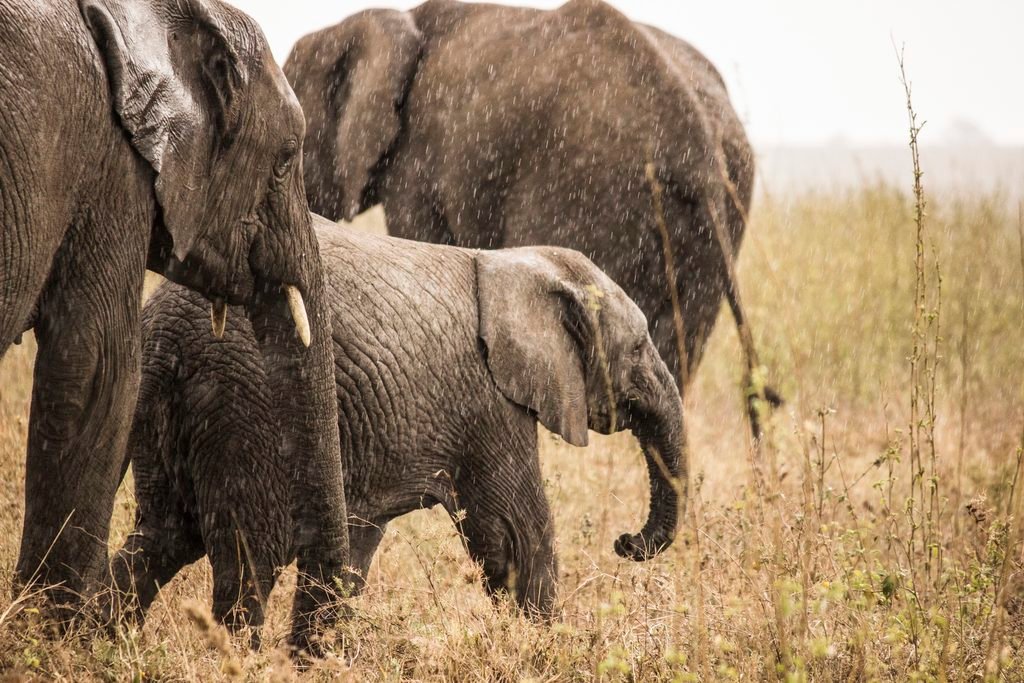
Tarangire is known for its elephants, baobab trees, seasonal wetlands, and diverse birdlife.
Enjoy a game drive before heading to your accommodation for dinner and overnight.
Overnight: Lodge or tented camp
Meals: Lunch and dinner
Day 2: Tarangire – Ngorongoro Conservation Area:The Ultimate Great Migration Safari: Everything You Need to Know About Tanzania in 2026/2027
After breakfast, enjoy another game drive before continuing toward the Ngorongoro area.
The journey takes you through beautiful landscapes and rural communities.
Upon arrival, settle into your lodge or camp overlooking or near the crater area.
Overnight: Lodge or tented camp
Meals: Breakfast, lunch and dinner
Day 3: Ngorongoro Crater – Serengeti
Start the morning with a descent into the Ngorongoro Crater.
The crater floor supports an impressive concentration of wildlife, including lions, elephants, buffalo, hippos, zebras, wildebeest and numerous bird species.
After the crater game drive, continue toward the Serengeti.
As you approach the park, the landscape becomes increasingly open, giving you your first feeling of entering the endless plains.
Overnight: Serengeti lodge or tented camp
Meals: Breakfast, lunch and dinner
Day 4: Serengeti Full-Day Game Drive
This is your first dedicated migration day.
After an early breakfast, head out with your picnic lunch.
Your guide searches for the migrating herds and resident wildlife.
Depending on the season, you may encounter large concentrations of wildebeest and zebras or follow their movement through different sections of the park.
Predators are an important part of the experience.
Keep your eyes open for lions resting under trees, cheetahs scanning the plains, leopards hidden in woodland, and hyenas moving around the herds.
Overnight: Serengeti lodge or camp
Meals: Breakfast, lunch and dinner
Day 5: Serengeti Migration Experience
Another full day is devoted to the Serengeti.
The exact route depends on the time of year and recent wildlife sightings.
If you are traveling during the calving season, the guide may concentrate on areas where wildebeest are congregating.
During the northern migration season, the focus may shift toward the northern Serengeti and Mara River area.
There is no need to rush.
One of the pleasures of a Serengeti safari is stopping to watch natural behavior rather than simply driving from one animal sighting to another.
Overnight: Serengeti
Meals: Breakfast, lunch and dinner
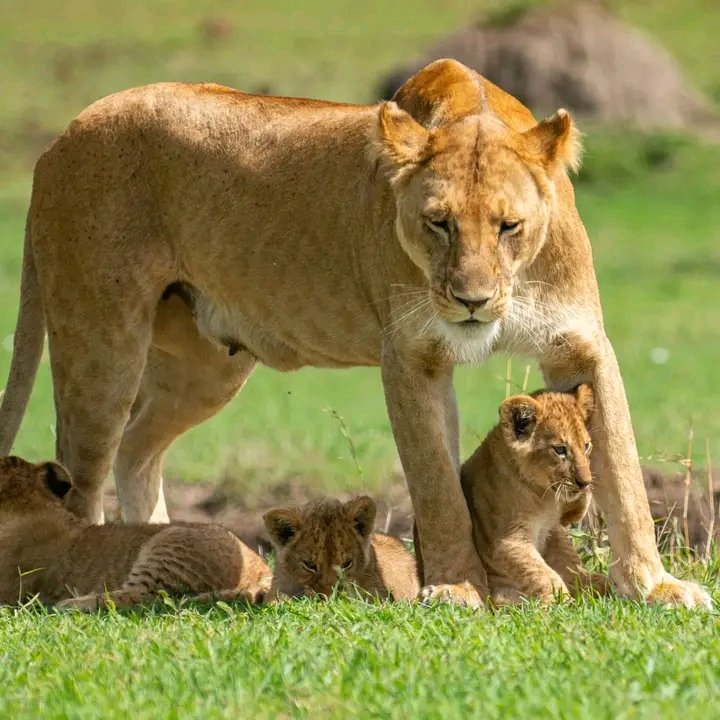
Day 6: Serengeti – Ngorongoro:The Ultimate Great Migration Safari: Everything You Need to Know About Tanzania in 2026/2027
Enjoy an early morning game drive as you leave the Serengeti.
The morning can be especially beautiful, with soft light over the plains and animals becoming active.
Continue toward Ngorongoro for your final overnight.
Overnight: Ngorongoro area
Meals: Breakfast, lunch and dinner
Day 7: Ngorongoro – Arusha
After breakfast, begin the journey back toward Arusha.
Depending on your flight schedule, your safari can end in Arusha or at Kilimanjaro International Airport.
Meals: Breakfast and lunch
This itinerary can be adjusted according to your travel dates, preferred accommodation, budget, and migration location.
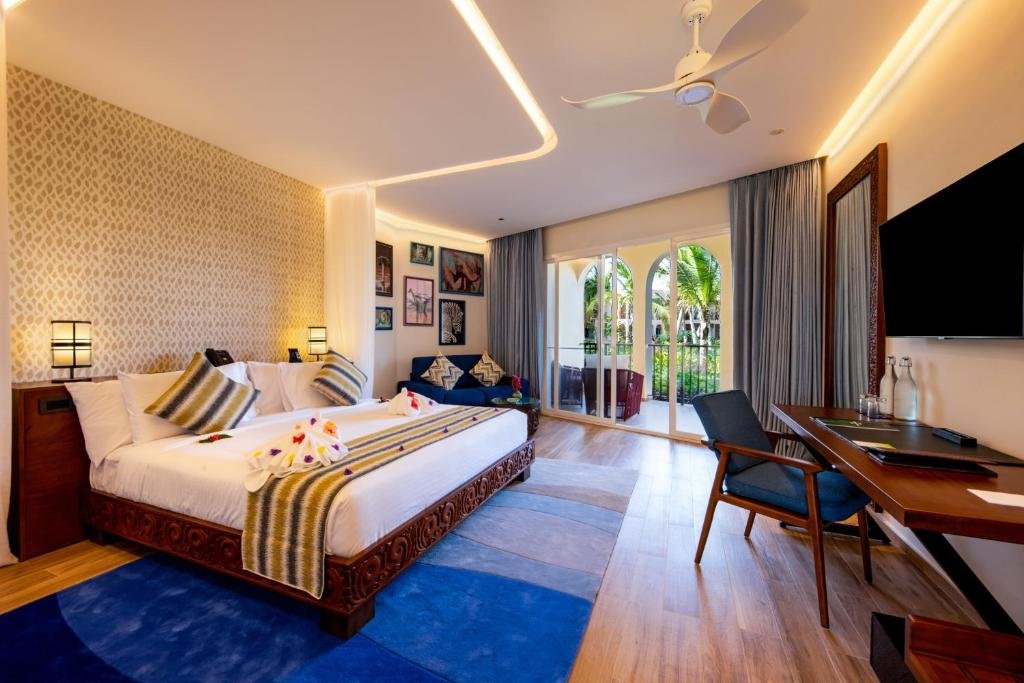
Great Migration Safari Accommodation:The Ultimate Great Migration Safari: Everything You Need to Know About Tanzania in 2026/2027
Your accommodation can significantly influence your experience.
Budget Camping
Budget camping provides an affordable way to experience Tanzania’s wilderness.
You typically sleep in tents at designated campsites, with meals prepared by the safari team.
This option is suitable for travelers who prioritize wildlife experiences over luxury.
Mid-Range Lodges and Tented Camps
Mid-range accommodation provides a balance between comfort and price.
You can expect private rooms or tents, beds, bathrooms, dining areas, and comfortable common spaces.
Luxury Lodges and Permanent Tented Camps
Luxury accommodation can include spacious tents or suites, private bathrooms, quality dining, comfortable beds, and additional services.
Some camps are positioned in areas that provide particularly convenient access to seasonal wildlife concentrations.
For migration travel, location can sometimes be more important than the number of luxury facilities.
Great Migration Safari Cost in 2026 and 2027
Safari prices vary because there is no single fixed cost for every traveler.
The final price depends on:
- Number of safari days
- Group size
- Accommodation category
- Season
- Park fees
- Vehicle type
- Number of guides
- Internal flights, if included
- Airport transfers
- Activities included
- Special camps or luxury properties
A general planning range for a private northern Tanzania safari can be approximately:
| Safari Style | Approximate Price Per Person |
|---|---|
| Budget Camping | USD 1,500–2,200 |
| Mid-Range Lodge/Tented Camp | USD 2,200–3,500 |
| Luxury Safari | USD 4,000–7,000+ |
| Premium Luxury | USD 7,000+ |
These are planning estimates rather than fixed quotations. Exact prices should be confirmed based on your travel dates, group size, accommodation choices, and itinerary.
At Eko Tanzania Adventures, we can tailor the package around your preferred travel style rather than forcing every traveler into the same itinerary.
What Is Included in a Typical Package?
A complete Great Migration safari package may include:
- Private safari vehicle
- Professional English-speaking safari guide
- Accommodation according to selected package
- Meals as specified
- National park entry fees
- Ngorongoro conservation fees
- Game drives
- Camping equipment for camping packages
- Airport or hotel transfers where agreed
- Drinking water during game drives
- Government taxes and applicable service charges
What Is Usually Not Included?
Travelers should budget separately for:
- International flights
- Tanzania visa
- Travel insurance
- Personal expenses
- Alcoholic beverages
- Laundry
- Tips
- Souvenirs
- Optional activities
- Balloon safari
- Additional hotel nights
- Personal travel arrangements outside the agreed itinerary
Always ask for a detailed quotation before booking so you understand exactly what is included.
Why Choose a Private Great Migration Safari?
A private safari gives you greater flexibility.
You can discuss with your guide:
- When to leave camp
- How long to stay at wildlife sightings
- Which areas to explore
- Where to stop for photographs
- Whether to spend more time with a particular species
This can be particularly useful during the migration because wildlife movement is unpredictable.
A private safari also allows you to adjust the pace according to your interests.
For example, photographers may prefer longer stops, while families with children may appreciate a more flexible schedule.
The Role of an Experienced Safari Guide
A vehicle alone does not create a great safari.
Your guide plays a major role in interpreting the environment and helping you understand what you are seeing.
An experienced guide can identify animal tracks, understand wildlife behavior, communicate with other guides about sightings, and choose routes according to current conditions.
Most importantly, a good guide understands that wildlife should be observed respectfully.
The goal is not simply to get the closest photograph possible.
It is to experience natural behavior without unnecessarily disturbing the animals.
What Should You Pack?
For a Great Migration safari, practical clothing is more important than fashion.
Consider packing:
- Lightweight trousers
- Long-sleeved shirts
- T-shirts
- Fleece or warm jacket
- Comfortable walking shoes
- Hat
- Sunglasses
- Sunscreen
- Insect repellent
- Binoculars
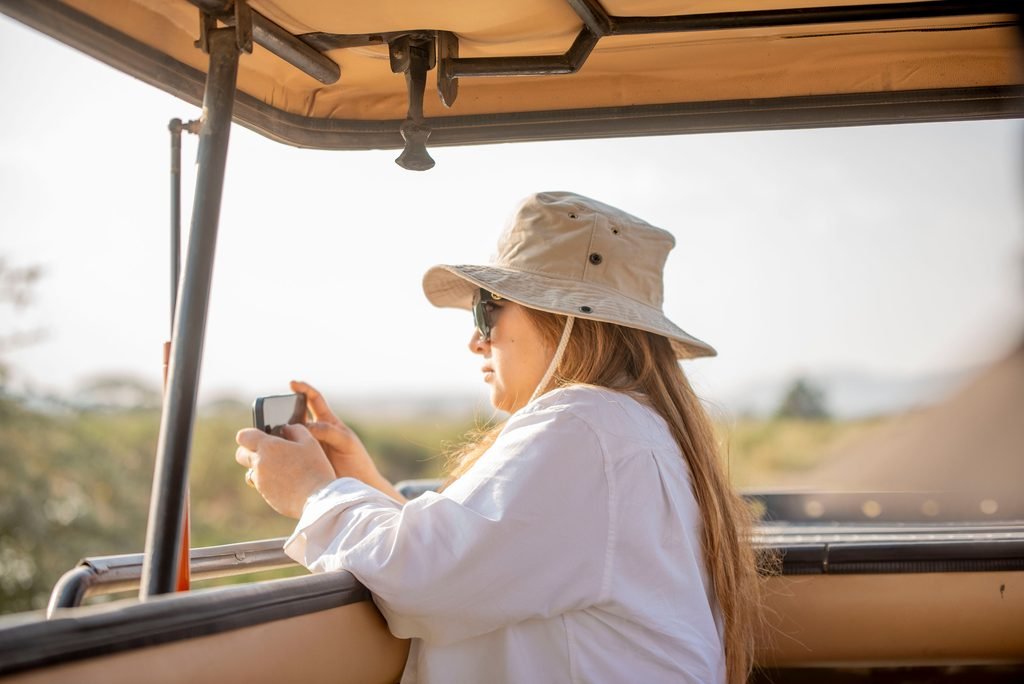
- Camera
- Spare batteries
- Power bank
- Reusable water bottle
- Small daypack
- Personal medication
- Travel documents
- Light rain jacket
Early mornings can be surprisingly cool, particularly in higher areas such as Ngorongoro.
Layering is therefore useful.
Neutral-colored clothing is also practical because it blends naturally into the safari environment.
Photography Tips for the Great Migration
The migration is an incredible subject for photography.
A telephoto lens is useful for photographing distant wildlife without approaching too closely.
A wide-angle lens can help capture the scale of the herds and landscapes.
Early morning and late afternoon often provide beautiful natural light.
But remember that photography should never come before wildlife welfare.
Follow your guide’s instructions and maintain appropriate distances from animals.
Sometimes the best photograph is not the closest one. A wide image showing thousands of animals against the Serengeti landscape can communicate the scale of the migration better than a close-up.
Can You Guarantee Seeing the Migration?
No responsible safari operator should guarantee a specific wildlife event.
The Great Migration is controlled by nature.
You cannot guarantee:
- A Mara River crossing
- A particular predator kill
- A specific animal encounter
- The exact location of the herds
- A specific weather condition
What can be done is to improve your chances by selecting the appropriate season, choosing the right region, allowing enough days, and working with experienced guides.
This is one reason why flexibility is so important.
Should You Add a Hot-Air Balloon Safari?
A hot-air balloon safari can be added to selected Serengeti itineraries.
The experience normally begins before sunrise. You travel quietly over the plains while watching wildlife and the landscape from above.
After landing, a bush breakfast is commonly part of the experience.
It is an optional activity and usually carries an additional cost, but it can provide a completely different perspective of the Serengeti.
Combining the Migration With Other Tanzanian Destinations
A Great Migration safari does not have to be your entire Tanzania holiday.
You can combine it with:
Mount Kilimanjaro
Travelers interested in adventure can combine their safari with a Kilimanjaro climbing itinerary.
Zanzibar
After several days in the bush, Zanzibar provides an opportunity to relax on beaches, explore Stone Town, or enjoy the Indian Ocean.
Tarangire National Park
Tarangire is an excellent addition to a northern circuit safari, particularly for travelers interested in elephants and baobab landscapes.
Lake Manyara
Lake Manyara offers forest scenery, birdlife, and diverse habitats.
Ngorongoro Crater
The crater is one of the most impressive wildlife destinations in northern Tanzania and fits naturally into many Serengeti itineraries.
Best Time to Book Your 2026 or 2027 Safari
For a migration-focused safari, early planning is sensible, particularly if you want accommodation in specific locations during peak periods.
Booking early can give you more choice regarding:
- Travel dates
- Camps
- Lodges
- Vehicle arrangements
- Room categories
- Safari duration
- Internal flights
- Combined safari and Zanzibar programs
This is particularly important for travelers targeting the northern Serengeti during the peak migration months.
However, early booking does not mean you need to predict the exact movement of the animals months in advance. Your itinerary can be designed around the normal seasonal pattern, with your guide adjusting daily game drives according to current conditions.
Responsible Tourism During the Great Migration
The Great Migration is a natural event, and protecting the ecosystem is essential.
Travelers can contribute by:
- Following park regulations
- Avoiding litter
- Staying on authorized roads and tracks
- Listening to their guide
- Avoiding loud behavior around wildlife
- Never feeding wild animals
- Respecting local communities
- Supporting responsible tourism businesses
- Avoiding unnecessary disturbance of animals
A safari should leave you with unforgettable memories while also respecting the environment that makes those memories possible.
Why Travel With Eko Tanzania Adventures?
At Eko Tanzania Adventures, our approach is based on creating safari experiences that feel personal rather than rushed.
We understand that different travelers have different expectations.
Some want a budget camping adventure.
Others prefer comfortable lodges.
Some travelers are photographers looking for extra time in the field.
Families may want a flexible itinerary.
Couples may want a private and comfortable safari.
We can therefore design the trip around your priorities, travel dates, accommodation preferences, and budget.
Our safari planning focuses on combining the major highlights of northern Tanzania with enough flexibility to respond to seasonal wildlife movements.
Final Great Migration Safari Planning Advice
The Ultimate Great Migration Safari: Everything You Need to Know About Tanzania in 2026/2027;The Great Migration is not a performance scheduled for tourists. It is a natural cycle involving millions of animals and constantly changing environmental conditions.
That is precisely what makes it special.
If you are planning Tanzania in 2026 or 2027, start by deciding what type of migration experience interests you most.
If you want to see newborn animals, consider the southern Serengeti and Ndutu during the calving period.
If your dream is to experience the northern migration, consider traveling during the period when the herds are normally in the northern Serengeti.
If you want a broader safari experience, combine Serengeti with Tarangire and Ngorongoro.
Most importantly, allow enough time to enjoy the journey.
The Great Migration is not only about the moment when thousands of wildebeest move across a river. It is also about sunrise over the plains, elephants walking through golden grass, lions resting after a hunt, zebras calling in the distance, Maasai communities living alongside the ecosystem, and the feeling of watching nature continue its ancient rhythm.
Book Your Tanzania Great Migration Safari for 2026 or 2027
Your Great Migration adventure can be designed around your preferred dates, budget, accommodation style, and interests.
Eko Tanzania Adventures can organize a complete Tanzania safari package covering the Serengeti, Ndutu, Ngorongoro, Tarangire and other destinations according to your travel plan.
Whether you are looking for a budget camping safari, mid-range lodge safari, private family safari, honeymoon safari, photography-focused trip, or luxury Great Migration experience, the itinerary can be customized to suit you.
The key is to choose the right season, allow sufficient time, and remain flexible enough to follow nature rather than a rigid timetable.