The Ultimate Guide to Where Mount Everest Is: Location, Epic Journey & Travel Guide 2027–2028;Mount Everest is one of those places that almost everyone has heard of, even if they have never been anywhere near the Himalayas.
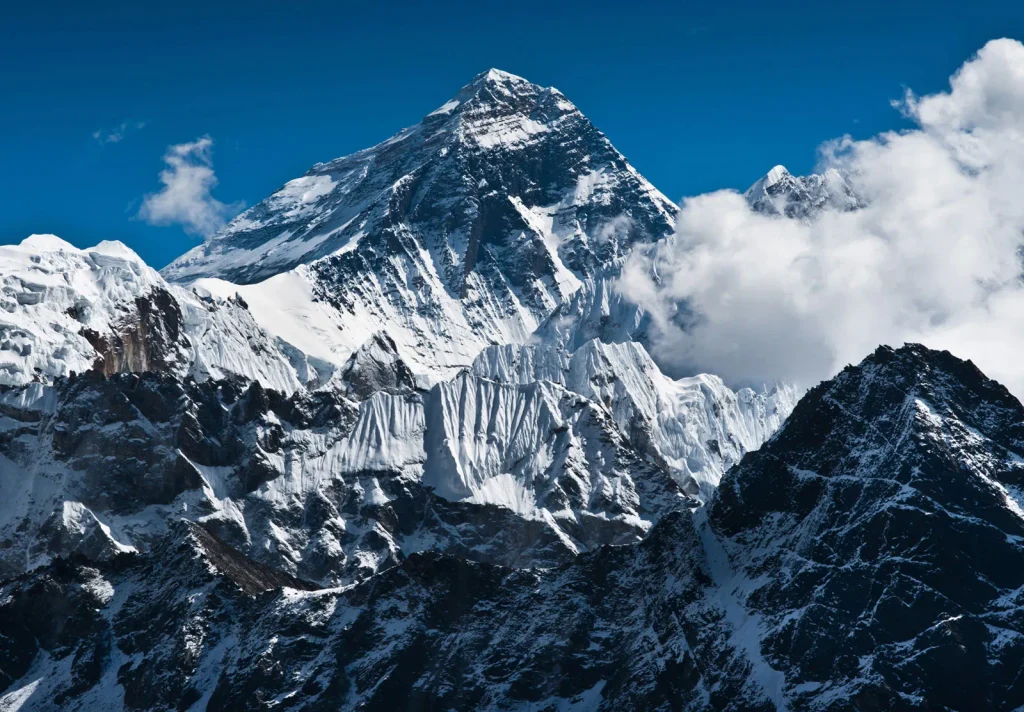
Standing at 8,848.86 meters (29,031.7 feet) above sea level, Mount Everest is the highest mountain on Earth above sea level. For generations, it has attracted mountaineers, trekkers, photographers, adventurers, and curious travelers from around the world.
But before thinking about climbing Everest, there is a much simpler question to answer:
Where exactly is Mount Everest?
Mount Everest is located in the Himalayas of Asia, on the border between Nepal and China (Tibet Autonomous Region). The mountain is part of the Mahalangur Himal sub-range and sits within one of the most dramatic high-altitude environments on Earth.
For travelers planning an adventure in 2027 or 2028, however, knowing the location is only the beginning. Understanding how to reach the Everest region, where the famous trekking routes begin, how long the journey takes, when to visit, and what you can realistically expect will help you plan a much better trip.
This guide takes you through everything you need to know about Mount Everest’s location, the journey to Everest Base Camp, travel options, trekking routes, best seasons, costs, preparation, and practical tips for 2027–2028.
Where Is Mount Everest Located?:The Ultimate Guide to Where Mount Everest Is: Location, Epic Journey & Travel Guide 2027–2028
Mount Everest is located in the Himalayan mountain range, along the international border between Nepal and China.
The southern side of the mountain lies in Nepal, while the northern side is in Tibet, which is an autonomous region of China.
The mountain is known by different names in different languages and cultures.
In Nepal, it is officially known as Sagarmatha.
In Tibet, it is known as Chomolungma.
The English name “Mount Everest” was given in honor of Sir George Everest, a former Surveyor General of India.
The mountain’s location makes it part of a much larger Himalayan landscape containing some of the highest peaks and most dramatic valleys on Earth.
Is Mount Everest in Nepal or China?
The simplest answer is:
Both.
Mount Everest lies directly on the border between Nepal and China.
However, most international trekkers who dream of experiencing Everest choose the Nepalese side, particularly because the Everest Base Camp trek is one of the world’s most famous trekking journeys.
The Tibetan side also offers access to Everest and provides spectacular views, but the travel experience, permits, regulations, and logistics are different.
For a first-time visitor interested in trekking, the Nepal side is often the most recognizable route.
How High Is Mount Everest?
Mount Everest reaches 8,848.86 meters (29,031.7 feet) above sea level.
This official height was jointly announced by Nepal and China in 2020.
At this elevation, the environment is extremely challenging.
Temperatures can be severe, oxygen levels are much lower than at sea level, and weather conditions can change rapidly.
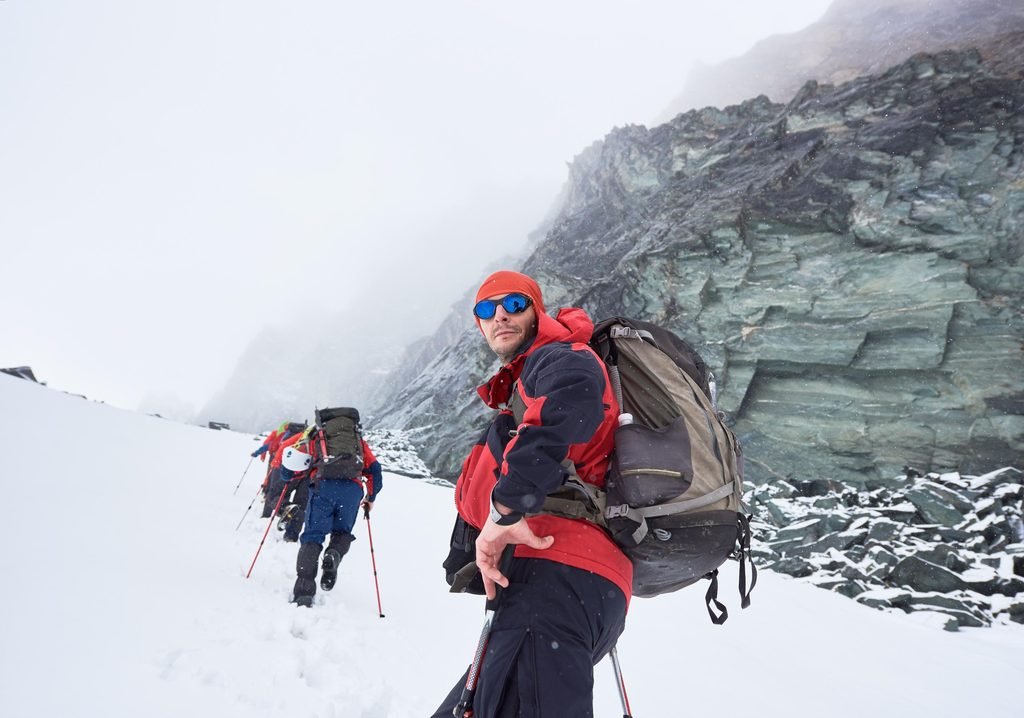
This is why climbing Mount Everest is a serious mountaineering expedition rather than an ordinary hiking trip.
It is important to distinguish between trekking to Everest Base Camp and climbing Mount Everest itself.
They are completely different experiences.
Everest Base Camp vs Climbing Mount Everest:The Ultimate Guide to Where Mount Everest Is: Location, Epic Journey & Travel Guide 2027–2028
This distinction is extremely important for travelers.
Everest Base Camp Trek
The Everest Base Camp trek takes you through the Khumbu region of Nepal toward the base camp used by climbers attempting the mountain.
You do not climb to the summit of Everest.
Instead, you trek through villages, valleys, suspension bridges, Buddhist monasteries, and high-altitude landscapes.
For many travelers, reaching Everest Base Camp is the main goal.
It is challenging, but it does not require technical mountaineering skills in the same way that an Everest summit expedition does.
Climbing Mount Everest
Reaching the summit is an entirely different undertaking.
An Everest expedition requires extensive preparation, mountaineering experience, specialized equipment, acclimatization, support teams, permits, and significant financial resources.
The risks include extreme cold, high altitude, severe weather, avalanches, falls, and altitude-related illnesses.
For most travelers, the Everest Base Camp trek is the more realistic way to experience the mountain.
Where Is Everest Base Camp?
There are two main Everest Base Camp locations associated with the mountain.
South Base Camp – NepalThe Ultimate Guide to Where Mount Everest Is: Location, Epic Journey & Travel Guide 2027–2028
The South Base Camp is in Nepal and is located at approximately 5,364 meters.
This is the famous base camp reached by trekkers following the classic Everest Base Camp route.
North Base Camp – Tibet
The North Base Camp is on the Tibetan side of Everest.
The journey there is different and involves Tibetan-side travel arrangements and regulations.
For the classic trekking experience, most travelers choose the Nepalese side.
The Epic Journey to Everest Base Camp
One of the most beautiful things about visiting Everest is that the journey is part of the adventure.
You do not simply arrive at Everest by car and step out in front of the mountain.
On the Nepal side, the classic journey begins in Kathmandu, Nepal’s capital city.
From Kathmandu, trekkers commonly travel toward Lukla, where the famous trek begins.
From Lukla, the trail winds through the Khumbu region toward Everest Base Camp.
A classic itinerary may look like:
Kathmandu → Lukla → Phakding → Namche Bazaar → Tengboche → Dingboche → Lobuche → Gorak Shep → Everest Base Camp
The exact itinerary varies depending on the trekking company, acclimatization schedule, weather, and route.
Kathmandu: The Gateway to the Everest Region
Most international travelers begin their Everest adventure in Kathmandu.
Kathmandu is much more than a transit point.
The city offers a fascinating introduction to Nepalese culture, history, religion, food, and architecture.
Before heading into the mountains, many travelers spend at least one or two nights in Kathmandu.
This allows time to:
- Recover from the international flight
- Complete final preparations
- Check trekking equipment
- Meet guides
- Obtain necessary permits
- Explore Kathmandu
- Prepare for the journey ahead
The contrast between busy Kathmandu and the peaceful mountain villages of the Khumbu region is part of the charm of the trip.
Lukla: The Starting Point for the Classic Trek
For the traditional Everest Base Camp route, trekkers commonly travel from Kathmandu to Lukla.
Lukla is home to Tenzing-Hillary Airport, one of the world’s best-known mountain airports.
The flight is short, but mountain weather can affect schedules.
This means travelers should build some flexibility into their itinerary.
A delayed flight does not necessarily mean something has gone wrong. Weather conditions in mountainous regions can change quickly.
Once you arrive in Lukla, the trekking adventure begins.
Namche Bazaar: The Heart of the Khumbu
One of the most memorable stops on the Everest Base Camp trek is Namche Bazaar.
Located at around 3,440 meters, Namche is a major trading and tourism center in the Khumbu region.
It is surrounded by dramatic Himalayan mountains and is an important acclimatization stop.
Many itineraries include an acclimatization day here.
Instead of simply doing nothing, trekkers may take a short hike to higher elevations and then return to Namche to sleep.
This helps the body gradually adapt to increasing altitude.
Namche also gives travelers an opportunity to experience local culture, visit shops and cafés, and meet other trekkers from around the world.
Tengboche and Its Famous Monastery
As the trek continues, the landscape becomes increasingly dramatic.
Tengboche is famous for its Buddhist monastery and spectacular mountain views.
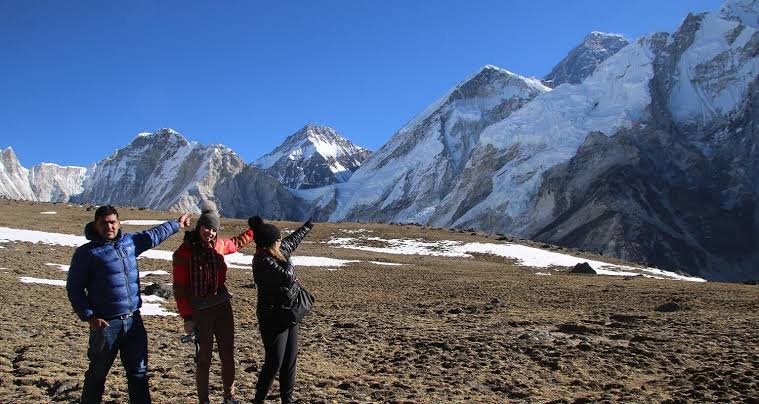
From this region, trekkers can experience views of peaks including Everest, Ama Dablam, Lhotse, and Nuptse, depending on weather and visibility.
The spiritual atmosphere of Tengboche adds another dimension to the journey.
The Everest trek is not simply about mountains. It is also an opportunity to experience the culture and traditions of the Himalayan communities who live in this demanding environment.
Dingboche and High-Altitude Acclimatization
Dingboche is another important acclimatization point.
At roughly 4,400 meters, the environment is significantly different from the lower valleys.
The air is thinner, temperatures are colder, and the landscape becomes increasingly rugged.
A good itinerary should allow trekkers enough time to adjust.
Trying to rush toward Base Camp may increase the risk of altitude-related problems.
This is one of the reasons experienced trekking guides place such strong emphasis on gradual ascent.
Gorak Shep and Everest Base Camp
Gorak Shep is one of the highest settlements along the traditional Everest Base Camp route.
From here, trekkers make the final approach to Everest Base Camp.
Reaching Base Camp can be an emotional moment.
After days of walking through valleys, forests, villages, and high-altitude landscapes, you finally arrive at the destination that inspired the journey.
The surrounding scenery is extraordinary.
You can see glaciers, massive Himalayan peaks, rocky landscapes, and the Khumbu Icefall area.
However, remember that Everest’s summit itself may not be fully visible from Base Camp depending on the surrounding peaks and viewpoint.
Kala Patthar: One of the Best Everest Viewpoints
For many trekkers, Kala Patthar is one of the highlights of the entire trip.
The viewpoint rises to more than 5,500 meters and provides spectacular panoramic views of Everest and surrounding peaks.
Trekkers commonly climb Kala Patthar early in the morning to experience sunrise over the Himalayas.
The combination of golden light, snow-covered peaks, and the vast Himalayan landscape can be unforgettable.
For travelers whose main goal is to see Mount Everest rather than climb it, Kala Patthar can be particularly rewarding.
How Long Does the Everest Base Camp Trek Take?
A classic Everest Base Camp itinerary commonly takes around 12–16 trekking days, although the exact duration varies.
The total travel time may be longer when Kathmandu stays, arrival days, acclimatization days, and weather contingencies are included.
A comfortable itinerary might include:
- Kathmandu arrival and preparation
- Flight to Lukla
- Several trekking days
- Acclimatization days
- Everest Base Camp
- Kala Patthar
- Return trek
- Flight back to Kathmandu
Do not try to make the trek unnecessarily short.
Altitude is one of the biggest challenges, and allowing adequate acclimatization is more important than saving one or two days
Best Time to Visit Mount Everest in 2027–2028
The best time depends on whether you want to trek, climb, photograph the mountains, or experience the region during a quieter period.
For the classic Everest Base Camp trek, spring and autumn are generally the most popular seasons.
March to May
Spring brings relatively favorable trekking conditions and beautiful mountain scenery.
The region can become busy, particularly during the main climbing season.
Rhododendron forests in the lower elevations can also add color to the landscape.
September to November
Autumn is another popular period.
After the monsoon season, skies can become clearer, creating excellent mountain views.
Temperatures are generally suitable for trekking, although conditions become colder as winter approaches.
December to February
Winter brings much colder temperatures and possible snow.
However, travelers who are properly prepared may enjoy quieter trails and beautiful winter landscapes.
June to August
The monsoon season can bring rain, clouds, and difficult travel conditions.
This period is generally less popular for the classic Everest Base Camp trek.
How Much Does an Everest Base Camp Trek Cost?
The cost varies depending on the length of the trek, accommodation, guide services, permits, flights, transportation, and level of support.
Your budget may need to cover:
- International flights
- Nepal entry visa
- Kathmandu accommodation
- Domestic flights
- Trekking permits
- Guide
- Porter
- Teahouse accommodation
- Meals
- Travel insurance
- Personal equipment
- Emergency expenses
- Tips
- Additional transportation
A basic trek can be considerably less expensive than a fully supported private or premium trek.
Rather than choosing a package simply because it is cheap, compare what is included.
A reliable trekking company should provide a clear itinerary and explain additional costs before you commit.
What Should You Pack for Everest Base Camp?
Packing correctly is essential.
Temperatures change dramatically as you gain altitude, so you need clothing that can be layered.
Important items include:
- Good-quality trekking boots
- Warm socks
- Thermal base layers
- Fleece jacket
- Down or insulated jacket
- Waterproof jacket
- Waterproof trousers
- Warm hat
- Gloves
- Sunglasses
- Sunscreen
- Trekking poles
- Headlamp
- Sleeping bag
- Backpack
- Water bottles
- Water purification system
- Personal medication
- Basic first-aid supplies
- Power bank
- Camera
- Passport and travel documents
Avoid bringing unnecessary items.
You will be carrying your belongings for much of the trek, either yourself or with the assistance of a porter.
Altitude: The Biggest Challenge on the Everest Trek
Fitness is important, but altitude is often the biggest challenge.
As you climb higher, the air contains less oxygen.
You may experience:
- Headache
- Fatigue
- Reduced appetite
- Difficulty sleeping
- Nausea
- Dizziness
- Shortness of breath
These symptoms should never be ignored.
A good trekking itinerary includes acclimatization days and gradual elevation gains.
If symptoms become serious, descending to a lower elevation can be essential.
The goal is not to prove how quickly you can reach Base Camp.
The goal is to reach it safely and enjoy the journey.
Is Everest Base Camp Suitable for Beginners?
You do not need to be an experienced mountaineer to trek to Everest Base Camp.
However, you should be physically prepared.
The trek involves long walking days, steep sections, uneven trails, suspension bridges, and high altitude.
Before your trip, preparation can include:
- Regular long-distance walking
- Hiking on hills
- Stair training
- Cardiovascular exercise
- Leg-strength exercises
- Training with a backpack
It is also useful to complete some longer hikes before traveling so you understand how your body responds to extended days on the trail.
Do You Need a Guide for Everest Base Camp?
A guide can make the experience safer, easier, and more informative.
A local guide understands the trail, weather conditions, villages, cultural practices, accommodation, and altitude concerns.
They can also help when plans change because of weather or transportation issues.
For a first-time trekker, having someone who knows the region can provide considerable peace of mind.
Mount Everest Travel Tips for 2027–2028
If you are planning your Everest adventure for 2027 or 2028, keep these practical tips in mind.
Plan early
Popular trekking seasons can become busy.
Build flexibility into your itinerary
Mountain weather can affect flights and trekking schedules.
Allow enough acclimatization time
Do not choose an itinerary simply because it is the shortest.
Get appropriate insurance
Make sure your travel insurance covers high-altitude trekking and emergency evacuation where applicable.
Pack for changing weather
Mountain conditions can change quickly.
Respect local culture
The Everest region is home to communities with rich cultural and religious traditions.
Stay hydrated
Hydration is particularly important at altitude.
Listen to your guide
If you experience significant altitude symptoms, communicate them immediately.
Protect the environment
Carry waste properly, reduce unnecessary plastic use, and respect local conservation rules.
Can You Combine Everest With Other Nepal Experiences?
Absolutely.
Nepal offers much more than the Everest region.
Before or after your trek, you can explore Kathmandu, visit ancient temples and cultural sites, or travel to other parts of the country.
You can also combine the Everest experience with destinations such as:
- Pokhara
- Chitwan National Park
- Annapurna region
- Kathmandu Valley
- Lumbini
This can turn a mountain trek into a much broader Nepal holiday.
Mount Everest vs Mount Kilimanjaro
Travelers sometimes compare Everest and Kilimanjaro because both are world-famous mountains.
However, they are very different experiences.
| Feature | Mount Everest | Mount Kilimanjaro |
|---|---|---|
| Location | Nepal/China | Tanzania |
| Elevation | 8,848.86 m | 5,895 m |
| Main trekking experience | Everest Base Camp | Kilimanjaro summit |
| Technical summit climbing | Required for Everest summit | Not generally required on standard routes |
| Environment | Himalayas | Volcanic mountain |
| Main gateway | Kathmandu | Kilimanjaro International Airport / Moshi |
| Trekking difficulty | High | High but different |
| Wildlife opportunities | Himalayan wildlife | African wildlife and safari combinations |
If your goal is to trek to a famous high-altitude base camp, Everest is an extraordinary choice.
If you want to stand on the highest mountain in Africa, Kilimanjaro offers a completely different adventure.
Frequently Asked Questions About Mount Everest
Where is Mount Everest?
Mount Everest is located in the Himalayas on the border between Nepal and China.
What country is Mount Everest in?
The mountain straddles the Nepal–China border. Its southern side is in Nepal, while its northern side is in Tibet, China.
How tall is Mount Everest?
Mount Everest is 8,848.86 meters (29,031.7 feet) high.
Can tourists visit Mount Everest?
Yes. Travelers can visit the Everest region and trek to Everest Base Camp without climbing the summit.
Can beginners trek to Everest Base Camp?
Many first-time trekkers complete the route, but proper physical preparation, acclimatization, and responsible planning are essential.
How long does Everest Base Camp take?
A classic itinerary commonly takes around 12–16 trekking days, depending on acclimatization and route design.
What is the best time to visit Everest?
Spring and autumn are generally the most popular seasons for trekking because of favorable conditions and mountain visibility.
Final Thoughts
So, where is Mount Everest?
It stands in the Himalayas on the border between Nepal and China, surrounded by some of the most spectacular mountain scenery on Earth.
But the real magic of Everest is not only its height.
For most travelers, the unforgettable part is the journey toward it.
Walking from Lukla through the Khumbu valleys, crossing suspension bridges, passing Buddhist monasteries, meeting local communities, watching Ama Dablam rise above the landscape, spending acclimatization days in mountain villages, and finally reaching Everest Base Camp creates an experience that stays with you long after you return home.
For travelers planning 2027–2028, the smartest approach is to plan carefully rather than rush.
Choose a suitable season, allow enough time for acclimatization, prepare physically, pack for changing mountain conditions, arrange appropriate insurance, and work with experienced local trekking professionals.
And remember: you do not have to climb Mount Everest to experience its magic.
For many people, standing at Everest Base Camp or watching the sunrise from Kala Patthar is already an extraordinary achievement.
The mountain may be the destination, but the journey through the Himalayas is what makes an Everest adventure truly unforgettable.