The Ultimate Tanzania Safari Guide for 2026, 2027 & 2028: Parks, Prices, Wildlife & Best Time to Visit;There is the endless Serengeti, famous for the Great Migration. There is the Ngorongoro Crater, where wildlife gathers in a spectacular natural setting. Tarangire is known for elephants and giant baobabs, while Lake Manyara offers forests, Rift Valley scenery and exceptional birdlife. Farther south, Nyerere National Park and Ruaha provide a different, more remote safari experience.
If there is one destination in Africa that can turn a wildlife dream into a real adventure, it is Tanzania.
Imagine waking before sunrise, stepping into a safari vehicle while the air is still cool, and driving across a landscape where giraffes move between acacia trees and elephants cross the road ahead of you. Later in the day, you might watch lions resting beneath a tree, follow a herd of wildebeest across the plains, or sit quietly beside a waterhole as animals gather for a drink.
Tanzania is not simply one safari destination. It is a collection of extraordinary landscapes and ecosystems, each offering something different.
There is the endless Serengeti, famous for the Great Migration. There is the Ngorongoro Crater, where wildlife gathers in a spectacular natural setting. Tarangire is known for elephants and giant baobabs, while Lake Manyara offers forests, Rift Valley scenery and exceptional birdlife. Farther south, Nyerere National Park and Ruaha provide a different, more remote safari experience.
The official Tanzania tourism authority highlights wildlife safaris among the country’s essential experiences, alongside mountains, culture, coastlines and cuisine.
For travelers planning a safari in 2026, 2027 or 2028, the biggest questions are usually the same:
Which parks should I visit?
What animals can I see?
When is the best time to go?
How much does a Tanzania safari cost?
How many days should I spend on safari?
This guide answers those questions and provides a practical Tanzania safari package that can be customized by Eko Tanzania Adventures.
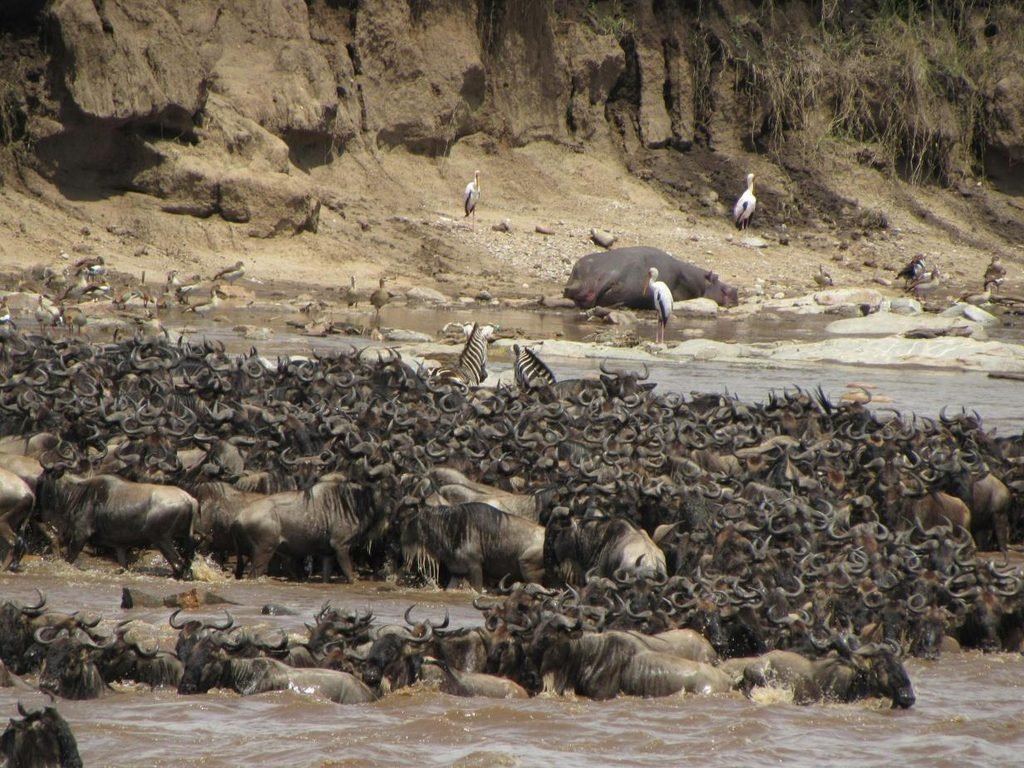
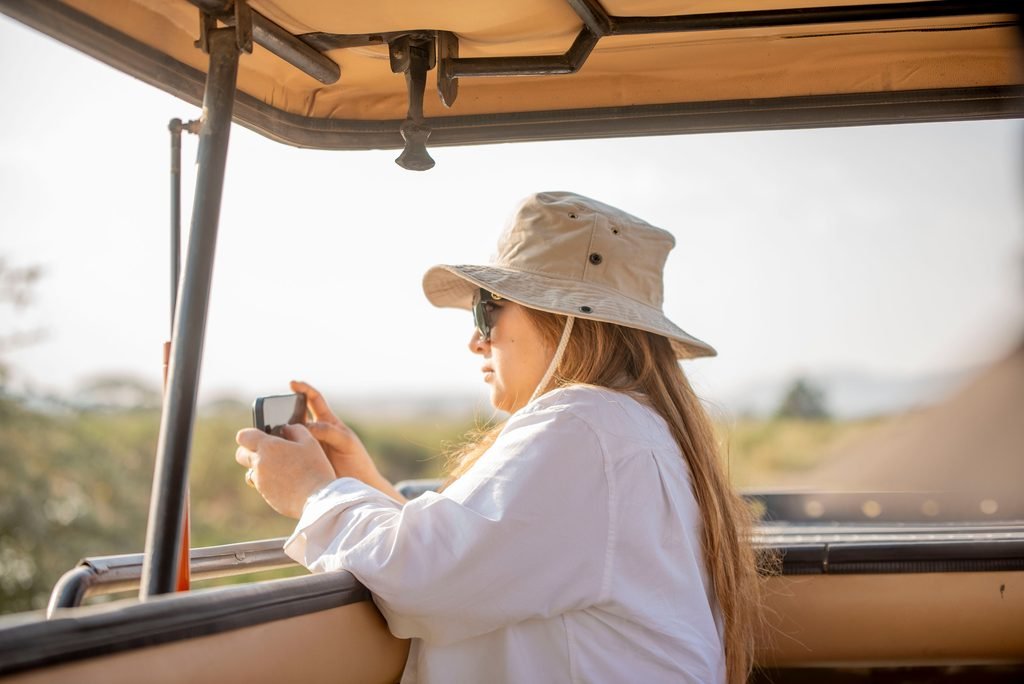
Tanzania Safari at a Glance:The Ultimate Tanzania Safari Guide for 2026, 2027 & 2028: Parks, Prices, Wildlife & Best Time to Visit
| Safari Feature | Details |
|---|---|
| Destination | Tanzania |
| Main Safari Regions | Northern, Southern and Western Tanzania |
| Best Known Parks | Serengeti, Ngorongoro, Tarangire, Lake Manyara, Nyerere, Ruaha |
| Famous Wildlife | Lions, elephants, leopards, cheetahs, buffalo, giraffes, zebras, wildebeest and more |
| Big Five | Lion, leopard, elephant, buffalo and rhinoceros |
| Main Safari Style | Private or small-group 4×4 safari |
| Recommended Duration | 4–10 days |
| Travel Years | 2026, 2027 & 2028 |
| Accommodation | Camping, tented camps, lodges or luxury lodges |
| Main Starting Point | Arusha for many northern safaris |
| Recommended Company | Eko Tanzania Adventures |
Why Choose Tanzania for Your 2026–2028 Safari?
Tanzania has one of the most diverse safari experiences in Africa.
The country is home to numerous national parks and protected areas. TANAPA currently lists major destinations including Serengeti, Tarangire, Lake Manyara, Nyerere, Ruaha, Katavi, Mahale and others.
This diversity means that your safari can be designed around your interests.
If you want the Great Migration, Serengeti should be central to your itinerary.
If you want elephants and baobabs, Tarangire is an excellent choice.
If your dream is seeing a concentration of wildlife in a relatively compact area, Ngorongoro Crater is a natural highlight.
If you prefer remote wilderness, Nyerere or Ruaha may be more suitable.
And if you want to combine wildlife with beaches, you can finish your safari in Zanzibar.
The Best Tanzania Safari Parks to Visit
1. Serengeti National Park:The Ultimate Tanzania Safari Guide for 2026, 2027 & 2028: Parks, Prices, Wildlife & Best Time to Visit
The Serengeti is arguably Tanzania’s most famous safari destination.
Its vast plains provide the setting for one of the world’s most spectacular wildlife phenomena: the Great Migration.
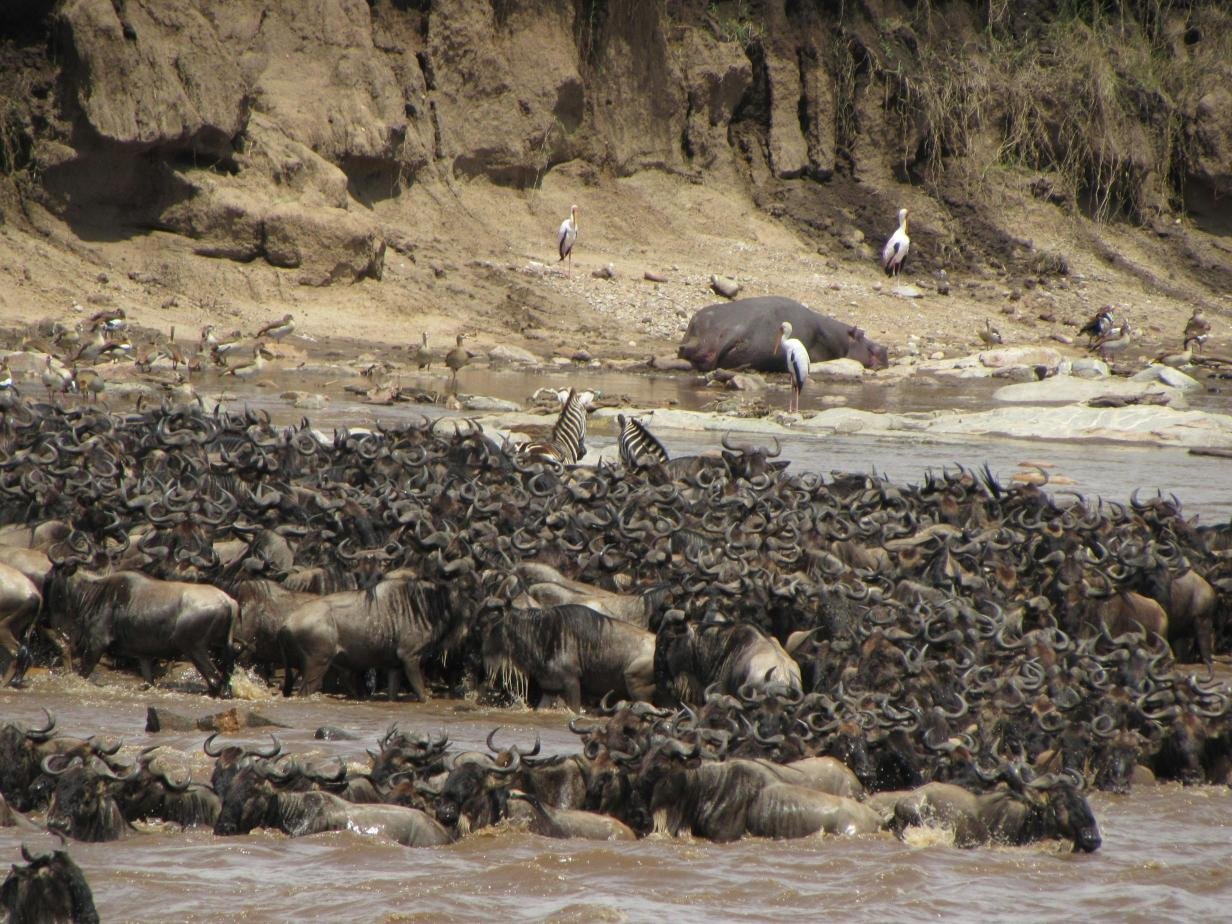
Millions of wildebeest, accompanied by large numbers of zebra and other herbivores, move through the Serengeti ecosystem in search of fresh grazing and water.
But you should not visit Serengeti only because of migration.
Even outside peak migration periods, the park offers exceptional opportunities to see lions, leopards, cheetahs, elephants, giraffes, buffalo, hippos, hyenas and many other species.
The official Tanzania tourism site describes the Serengeti as part of the country’s signature northern safari circuit, alongside Ngorongoro and Tarangire.
Best for:
- Great Migration
- Big cats
- Wildebeest and zebra
- Photography
- Long game drives
- Classic African landscapes
2. Ngorongoro Crater
Ngorongoro is unlike almost anywhere else.
The enormous volcanic caldera creates a natural setting where wildlife can be observed across grasslands, wetlands and other habitats.
A crater game drive can provide opportunities to see:
- Lions
- Buffalo
- Elephants
- Hippos
- Zebra
- Wildebeest
- Hyenas
- Gazelles
- Flamingos
- And, with luck, black rhinoceros
The official Tanzania tourism website identifies Ngorongoro as one of Tanzania’s world-famous natural attractions and a major part of the northern safari circuit.
The scenery is also part of the attraction.
You are not simply watching animals you are watching them within an extraordinary geological landscape.
Best for:
- Wildlife density
- Big Five opportunities
- Families
- First-time safari travelers
- Photography
- Combining with Serengeti
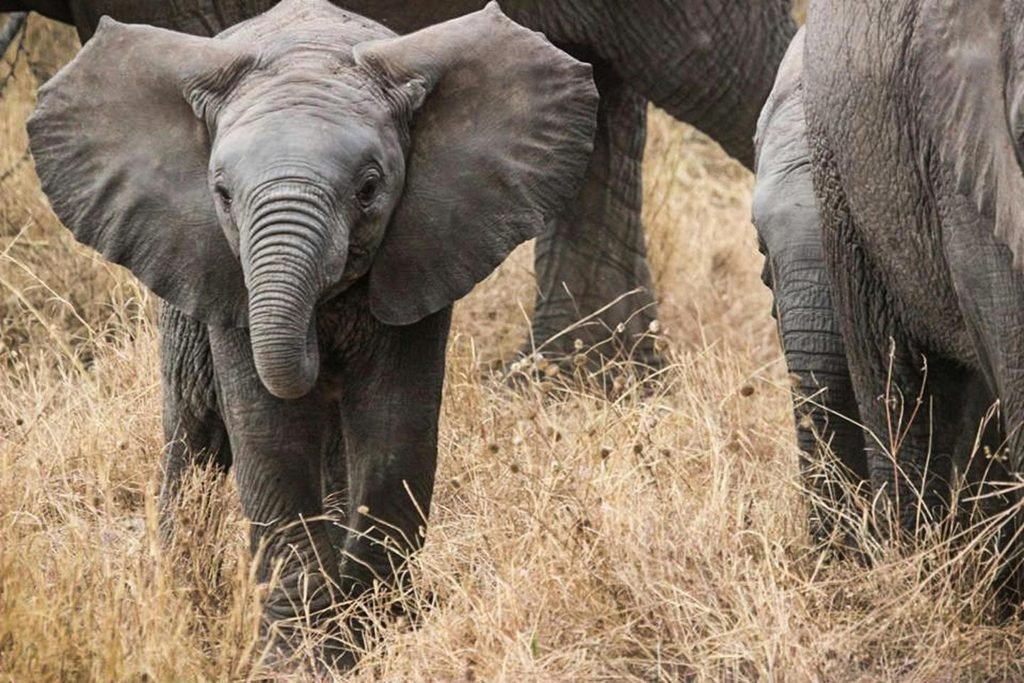
3. Tarangire National Park:The Ultimate Tanzania Safari Guide for 2026, 2027 & 2028: Parks, Prices, Wildlife & Best Time to Visit
Tarangire is one of the best places to include when elephants are high on your safari wish list.
The park is known for its large elephant herds and iconic baobab trees. TANAPA currently describes Tarangire as a park famous for elephants and baobab landscapes.
During dry periods, the Tarangire River and other water sources can attract wildlife from surrounding areas.
You may encounter:
- Elephants
- Lions
- Giraffes
- Zebras
- Wildebeest
- Buffalo
- Antelope
- Warthogs
- Many bird species
The landscape is different from Serengeti.
Instead of endless open plains, you may drive through woodland, grassland and areas dominated by enormous baobabs.
Best for:
- Elephants
- Baobab scenery
- Short safaris
- Families
- Photography
- Combining with Ngorongoro
4. Lake Manyara National Park
Lake Manyara is a smaller park but offers impressive ecological variety.
The Rift Valley landscape creates a dramatic backdrop, while groundwater forests provide a completely different environment from the open Serengeti plains.
Depending on conditions and season, visitors can see:
- Elephants
- Giraffes
- Buffalo
- Zebras
- Baboons
- Hippos
- Numerous bird species
- Lions
Lake Manyara is also associated with the famous phenomenon of tree-climbing lions, although wildlife sightings can never be guaranteed.
Best for:
- Short safari itineraries
- Birdwatching
- Forest scenery
- Rift Valley landscapes
- Combining with Ngorongoro
5. Nyerere National Park
For travelers looking for a more southern and wild safari atmosphere, Nyerere National Park is a fascinating option.
The park is part of the former Selous ecosystem and is one of Tanzania’s major protected areas.
It provides a different safari experience from the northern circuit.
Depending on your itinerary, activities may include:
- Game drives
- Boat safaris
- Wildlife viewing
- Birdwatching
- Selected walking experiences where permitted
The diversity of activities is one reason Nyerere can be an excellent choice for travelers who want more than conventional game drives.
TANAPA lists Nyerere among Tanzania’s major national parks.
6. Ruaha National Park
Ruaha is another excellent destination for travelers who want a quieter and more remote safari experience.
It is particularly attractive for people who enjoy large landscapes, elephants, predators and fewer vehicles than some of the country’s most famous northern destinations.
TANAPA describes Ruaha as Tanzania’s largest national park and highlights its large lion and elephant populations.
Best for:
- Remote wilderness
- Elephants
- Lions
- Large landscapes
- Experienced safari travelers
- Southern Tanzania itineraries
What Wildlife Can You See on a Tanzania Safari?
Tanzania offers an impressive range of wildlife.
The Big Five
The famous Big Five are:
- Lion
- Leopard
- Elephant
- Buffalo
- Rhinoceros
Seeing all five on one safari is possible, but it should never be guaranteed.
Wild animals move freely.
That unpredictability is part of what makes a safari exciting.
Lions
Lions are among the most frequently requested animals on Tanzania safaris.
They may be seen resting beneath trees, walking across open plains, hunting, or interacting with members of their pride.
Serengeti and Ngorongoro are particularly famous for lion viewing.
Leopards
Leopards are more secretive.
You may find one resting in an acacia tree or partially hidden in vegetation.
A good guide with strong knowledge of the area can make a significant difference when searching for these elusive cats.
Cheetahs
Cheetahs are particularly associated with open grasslands where they can use their speed.
The Serengeti ecosystem can provide excellent opportunities to look for them.
Elephants
Elephants are one of Tanzania’s most impressive safari animals.
Tarangire is especially well known for elephants and is an excellent choice for travelers who want to spend time observing these magnificent animals.
Giraffes
Few sights are more African than a giraffe standing among acacia trees.
Giraffes can be encountered in many Tanzanian safari areas.
Wildebeest and Zebra
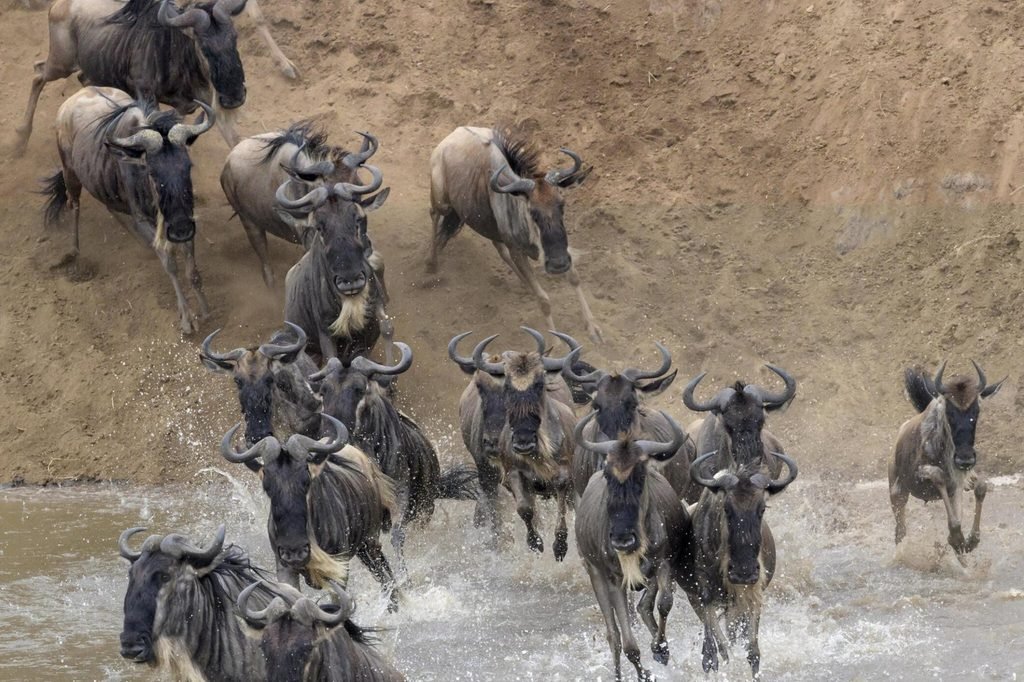
These animals are central to the Great Migration.
Watching huge herds moving across the landscape can be one of the most powerful experiences of a Tanzania safari.
The Best Time to Visit Tanzania for Safari
There is no single “best” month for every safari.
The ideal time depends on what you want to see.
June to October – Dry Season
This is one of the most popular periods for safari.
The weather is generally drier, vegetation can be less dense, and animals may be easier to locate around remaining water sources.
This period is particularly attractive for classic wildlife viewing.
However, popular areas can also be busier.
November to December – Short Rains
The short rains can transform the landscape.
Fresh vegetation appears, temperatures can be pleasant, and migratory wildlife responds to changing conditions.
Rain does not necessarily mean that safari plans must be cancelled.
Instead, travelers should understand that conditions are less predictable.
January to February – Calving Season
This is an exciting period in the Serengeti ecosystem.
The wildebeest calving season attracts predators because young animals provide abundant opportunities for hunting.
Travelers interested in predator-prey interactions and newborn animals may find this season particularly rewarding.
March to May – Long Rains
The long rains can bring greener landscapes and fewer visitors in some areas.
Safari conditions can be more variable, with rain affecting roads and driving conditions.
However, travelers who enjoy lush scenery and quieter parks may find this period attractive.
Great Migration Planning for 2026–2028
One of the biggest misconceptions about the Great Migration is that it happens at one fixed location on one exact date.
It does not.
The herds respond to rainfall, fresh grass, water and environmental conditions.
That means their location changes throughout the year.
A responsible safari operator should therefore discuss the seasonal pattern rather than promise a guaranteed crossing or exact herd location.
The broader migration cycle can include:
- Calving in the southern Serengeti/Ndutu ecosystem
- Movement northward
- Crossing the central and western Serengeti
- Northern Serengeti movement
- Return toward the southern plains
River crossings can be spectacular, but they are unpredictable.
A crossing may happen when you are not there.
That is why a good safari should be about the entire wildlife experience—not just one photograph.
Tanzania Safari Packages for 2026–2028
3-Day Tanzania Safari
Tarangire and Ngorongoro
Ideal for travelers with limited time.
structure:
Day 1: Arusha – Tarangire
Day 2: Ngorongoro Crater
Day 3: Ngorongoro-Arusha
This is an excellent introduction to northern Tanzania.
5-Day Classic Tanzania Safari
Tarangire , Ngorongoro And Serengeti
Day 1:
Arusha – Tarangire
Day 2:
Tarangire – Ngorongoro
Day 3:
Ngorongoro – Serengeti
Day 4:
Full Serengeti game drive
Day 5:
Serengeti – Arusha
This is one of the strongest options for travelers who want to experience three iconic destinations within a relatively short period.
7-Day Ultimate Northern Tanzania Safari
For travelers who want more time, a seven-day itinerary provides greater flexibility.
Day 1:
Arrival in Arusha
Day 2:
Tarangire National Park
Day 3:
Tarangire – Ngorongoro
Day 4:
Ngorongoro Crater
Day 5:
Ngorongoro – Central Serengeti
Day 6:
Full Serengeti game drive
Day 7:
Serengeti – Arusha or onward flight
The official tourism authority currently promotes multi-day itineraries combining Ngorongoro and Serengeti, reinforcing their role as core northern Tanzania safari destinations.
10-Day Luxury Tanzania Safari
For travelers who want a slower, more comfortable experience, a 10-day safari allows you to spend more nights in the major wildlife areas.
A possible itinerary is:
Day 1: Arusha
Day 2: Tarangire
Day 3: Lake Manyara
Day 4: Ngorongoro
Day 5: Ngorongoro Crater
Day 6: Central Serengeti
Day 7: Serengeti
Day 8: Northern Serengeti
Day 9: Serengeti
Day 10: Departure
This type of itinerary is particularly attractive for photographers, honeymooners, families, and travelers who dislike rushing.
Tanzania Safari Prices for 2026–2028
Safari prices vary widely.
The biggest factors include:
- Number of safari days
- Group size
- Accommodation level
- Season
- Private or shared vehicle
- Park fees
- Transport
- Domestic flights
- Meal plan
- Special activities
TANAPA maintains official park tariffs and notes that fees differ by park and visitor category; the authority also states that applicable fees can change over time.
For that reason, the following figures should be treated as indicative planning ranges, not fixed quotations.
| Safari Style | Duration | Estimated Cost Per Person |
|---|---|---|
| Budget camping | 3 Days | US$700–1,000 |
| Mid-range lodge | 3 Days | US$950–1,400 |
| Mid-range lodge | 5 Days | US$1,500–2,200 |
| Mid-range/luxury | 7 Days | US$2,200–3,300 |
| Luxury lodge/tented camp | 7 Days | US$3,500–5,500+ |
| Luxury safari | 10 Days | US$5,000–8,000+ |
The final Eko Tanzania Adventures quotation should be based on your exact dates, group size, accommodation preferences, route and selected activities.
What Is Included in a Complete Safari Package?
A comprehensive package with Eko Tanzania Adventures can include:
- Airport pickup
- Airport transfer
- Professional safari guide
- Private 4×4 safari vehicle
- Pop-up roof for wildlife viewing
- Park entrance fees
- Game drives
- Accommodation
- Breakfast
- Lunch
- Dinner
- Drinking water during safari
- Government taxes applicable to the package
- Crater-related arrangements where applicable
- Transfers according to itinerary
The official Tanzania tourism site similarly identifies common safari-package components such as a private 4×4 vehicle, professional driver-guide, park fees, game drives, accommodation, meals and transfers.
What Is Not Included?
Unless specifically stated, your package may exclude:
- International flights
- Tanzania visa
- Travel insurance
- Tips and gratuities
- Alcoholic drinks
- Laundry
- Personal purchases
- Souvenirs
- Additional activities
- Extra accommodation
- Medical expenses
- Optional domestic flights
- Any service not specifically listed in the quotation
Always request a written list of inclusions before making your booking.
What Should You Pack for a Tanzania Safari?
You do not need to bring your entire wardrobe.
A practical safari packing list includes:
Clothing
- Lightweight trousers
- Long-sleeved shirts
- T-shirts
- Fleece or light jacket
- Comfortable walking shoes
- Hat
- Light rain jacket
- Comfortable sleepwear
Safari Essentials
- Binoculars
- Camera
- Extra memory cards
- Power bank
- Sunglasses
- Sunscreen
- Insect repellent
- Reusable water bottle
- Small backpack
Documents
- Passport
- Visa documentation
- Travel insurance
- Flight details
- Emergency contacts
Neutral-colored clothing is generally practical for safari.
Tanzania Safari for Families
Tanzania can be an excellent family destination.
Children can learn about wildlife while experiencing a completely different environment from everyday life.
However, parents should consider:
- Safari duration
- Children’s ages
- Driving distances
- Accommodation facilities
- Meal preferences
- Travel time
- Private vehicle versus shared safari
A private safari is often particularly useful for families because the schedule can be adjusted around the children’s needs.
Tanzania Safari for Honeymooners
A safari can be an unforgettable honeymoon experience.
Imagine spending the morning watching elephants and lions before returning to a beautiful lodge surrounded by wilderness.
For honeymooners, Eko Tanzania Adventures can combine safari with:
- Luxury accommodation
- Private game drives
- Romantic bush meals
- Sundowner experiences
- Cultural experiences
- Zanzibar beach relaxation
A classic combination is:
Serengeti , Ngorongoro And Zanzibar.
Safari and Zanzibar Combination
Why choose between wildlife and beaches when you can enjoy both?
A popular extended Tanzania itinerary can look like:
Days 1–2: Tarangire and Ngorongoro
Days 3–5: Serengeti
Day 6: Flight to Zanzibar
Days 7–9: Zanzibar beach and cultural experiences
Day 10: Departure
After several days of wildlife viewing, Zanzibar provides the perfect opportunity to slow down.
You can enjoy:
- White-sand beaches
- Indian Ocean swimming
- Stone Town
- Spice experiences
- Blue Safari
- Snorkeling
- Cultural activities
Responsible Tanzania Safari Travel
A safari should leave you with wonderful memories while contributing positively to conservation and local communities.
Travelers can help by:
- Respecting wildlife distances
- Never feeding animals
- Following guide instructions
- Staying inside designated areas
- Avoiding unnecessary plastic
- Taking rubbish with them
- Respecting local communities
- Supporting responsible cultural experiences
- Avoiding disturbance of wildlife
Tanzania’s national parks exist to protect extraordinary ecosystems for future generations.
Your safari is an opportunity to enjoy these places while helping preserve them.
Why Choose Eko Tanzania Adventures?
Choosing a safari company is about more than finding a vehicle.
You want a team that understands the destination.
You want a guide who knows how to read animal behavior.
You want someone who understands changing road conditions and seasonal wildlife patterns.
You want clear communication before your arrival.
And you want a safari that feels personal rather than rushed.
Eko Tanzania Adventures can build your itinerary around your travel dates, budget, preferred accommodation, wildlife interests and available time.
Whether you want a short three-day safari or a luxury ten-day adventure, the itinerary can be adjusted to suit your goals.
The focus is on:
Safety
Comfort
Wildlife
Professional guiding
Responsible tourism
Authentic Tanzanian experiences
Frequently Asked Questions
What is the best month for a Tanzania safari?
There is no single best month for every traveler. June to October is popular for dry-season wildlife viewing, while January and February can be excellent for the Serengeti calving season.
How many days should I spend on safari?
For a first visit, five to seven days provides a good balance. If you want to explore several parks without rushing, seven to ten days is even better.
Which park is best for the Big Five?
Ngorongoro and Serengeti are among the strongest choices, but wildlife is wild and sightings can never be guaranteed.
Is Serengeti worth visiting outside the Great Migration?
Absolutely. Serengeti has resident wildlife and offers excellent safari opportunities throughout much of the year.
Is Tanzania expensive?
Tanzania safaris can be designed for different budgets. Camping is generally less expensive than mid-range or luxury lodge travel, while private vehicles and premium accommodation increase the cost.
Can I visit Tanzania in the rainy season?
Yes. Rainy-season travel can offer green landscapes, fewer visitors in some areas and potentially attractive rates. However, road and weather conditions can be more variable.
Can I combine Kilimanjaro with safari?
Yes. A very popular Tanzania itinerary combines a Kilimanjaro trek with a northern safari.
Can I combine safari with Zanzibar?
Yes. Safari followed by Zanzibar is one of the best ways to combine wildlife, culture and beach relaxation.
Is a private safari better than a group safari?
A private safari provides greater flexibility over departure times, game-drive duration, photography stops and itinerary changes. A group safari can be more economical.
Can I book for 2026, 2027 or 2028?
Yes. Early planning is especially useful for travelers who want specific lodges, peak-season dates, private vehicles or special experiences.
Final Thoughts: Your Tanzania Safari Starts Here
A Tanzania safari is not simply a holiday where you drive around looking for animals.
It is the feeling of seeing an elephant for the first time.
It is the excitement when your guide suddenly stops the vehicle because there is a lion nearby.
It is watching giraffes move slowly through the trees.
It is hearing zebras calling across the plains.
It is seeing thousands of wildebeest moving through the Serengeti.
It is standing above the Ngorongoro Crater and realizing how enormous the landscape is.
It is sitting quietly at sunset while the African sky changes color.
And it is returning home with stories that you will probably tell for years.
For 2026, 2027 and 2028, Tanzania remains an extraordinary destination for travelers who want authentic wildlife experiences, dramatic landscapes and meaningful adventure.
The key is choosing the right parks for your interests, selecting the right season, allowing enough time, and working with a safari team that understands the country.
For a first safari, Tarangire, Ngorongoro and Serengeti provide an exceptional introduction to northern Tanzania.
For a longer adventure, add Lake Manyara, spend additional nights in Serengeti, or explore the southern wilderness of Nyerere and Ruaha.
For honeymooners, combine a luxury safari with Zanzibar.
For families, consider a private itinerary that provides flexibility.
For photographers, spend more nights in wildlife-rich areas rather than trying to visit too many parks in too little time.
And for travelers who simply want to experience Africa at its most memorable, allow yourself enough time to slow down.
The best safari moments cannot be rushed.
Plan Your 2026, 2027 or 2028 Tanzania Safari with Eko Tanzania Adventures
From the elephants of Tarangire to the endless plains of Serengeti, from the remarkable Ngorongoro landscape to the remote wilderness of southern Tanzania, your adventure can be designed around what matters most to you.
Your Tanzania safari is more than a trip. It is a collection of moments, landscapes and encounters that stay with you long after you leave Africa.
Start planning your Tanzania safari with Eko Tanzania Adventures and make 2026, 2027 or 2028 the year you experience the wild heart of Tanzania.