The Ultimate Technique of Ethical Guiding: How Eko Tanzania Adventures Guides Prioritize Wildlife in 2026 and 2027;A safari is much more than driving through a national park and taking photographs of wild animals. It is an opportunity to experience nature respectfully, learn about Tanzania’s extraordinary ecosystems, and understand why protecting wildlife matters for future generations.
At Eko Tanzania Adventures, ethical guiding is an important part of creating meaningful safari experiences in 2026 and 2027. Our guides are not simply people who know where animals can be found. They are also responsible for helping guests understand appropriate wildlife behavior, respecting park regulations, reducing unnecessary disturbance, and encouraging responsible tourism.
The goal is simple: give travelers an unforgettable safari while keeping wildlife and its natural environment at the center of the experience.
This complete guide explains the techniques and principles behind ethical wildlife guiding and how Eko Tanzania Adventures can help travelers experience Tanzania responsibly.
What Is Ethical Guiding?
Ethical guiding means conducting wildlife experiences in a way that respects animals, habitats, local communities, conservation rules, and fellow travelers.
A guide has an important position during a safari. Guests often follow the guide’s decisions, especially when approaching wildlife. A knowledgeable guide therefore has a responsibility to make choices that balance the visitor experience with the welfare of the animals.
Ethical guiding can include:
- Maintaining appropriate distances from wildlife
- Avoiding unnecessary vehicle pressure
- Following national park regulations
- Avoiding behaviors that interfere with animals
- Keeping noise levels low
- Respecting nesting and breeding areas
- Preventing guests from feeding wildlife
- Supporting conservation awareness
- Respecting local communities and cultural traditions
- Leaving natural areas clean
- Educating visitors about responsible photography
The principle is that wild animals should not have to change their natural behavior simply because tourists have arrived.
Why Ethical Wildlife Guiding Matters:The Ultimate Technique of Ethical Guiding: How Eko Tanzania Adventures Guides Prioritize Wildlife in 2026 and 2027
Tanzania is home to some of Africa’s most remarkable wildlife landscapes. From the vast plains of Serengeti National Park to the forests and grasslands around Lake Manyara, Tarangire’s elephant country, and the Ngorongoro ecosystem, these environments support diverse wildlife.
Safari tourism provides valuable opportunities for people to appreciate these ecosystems. However, tourism must be managed responsibly.
If vehicles approach animals too closely, surround them, create excessive noise, or block their movement, wildlife can become stressed or change its natural behavior.
Ethical guiding helps reduce these risks.
For Eko Tanzania Adventures, responsible guiding also means helping visitors understand that seeing an animal is a privilege rather than an entitlement.
A lion does not exist for a photograph. An elephant does not exist for entertainment. A leopard does not have to perform for visitors.
The responsibility of a safari guide is to allow travelers to observe wildlife while respecting the fact that the animals are living their own lives.
1. Keeping a Respectful Distance From Wildlife:The Ultimate Technique of Ethical Guiding: How Eko Tanzania Adventures Guides Prioritize Wildlife in 2026 and 2027
One of the most important techniques of ethical guiding is maintaining an appropriate distance from animals.
When a guide spots a lion, cheetah, leopard, elephant, rhino, giraffe, or another interesting species, the temptation can be to drive as close as possible.
Ethical guiding takes a different approach.
The guide considers:
- The animal’s behavior
- The direction it is moving
- The surrounding vehicles
- The terrain
- The time of day
- Whether the animal appears relaxed
- Park regulations
- Whether approaching further could disturb it
Sometimes the best wildlife encounter is not the closest one.
A guide may position the vehicle at a suitable distance and allow the animal to move naturally.
This creates a more authentic experience because guests observe behavior rather than forcing an encounter.
2. Allowing Animals to Control the Encounter
Wildlife should have freedom to move away.
If an elephant begins walking toward a vehicle, the guide should not automatically interpret this as an invitation to get closer. The animal’s behavior needs to be understood carefully.
Similarly, if a lion walks away, an ethical guide should not necessarily chase it simply because guests want a better photograph.
The animal decides whether it stays or moves.
This approach is particularly important around large mammals because their behavior can change quickly.
Experienced guides observe body language and environmental conditions before deciding what to do.
3. Avoiding Wildlife Chasing:The Ultimate Technique of Ethical Guiding: How Eko Tanzania Adventures Guides Prioritize Wildlife in 2026 and 2027
Wildlife chasing is inconsistent with responsible safari practices.
When a vehicle repeatedly follows an animal that is trying to move away, the experience can become stressful for the animal.
At Eko Tanzania Adventures, ethical guiding focuses on observation rather than pursuit.
If a cheetah is moving across the plains, the guide can follow appropriate routes while allowing the animal to continue naturally.
If the animal disappears into tall grass, that does not mean the safari has failed.
Sometimes the most valuable lesson is understanding that wildlife cannot be controlled.
4. Respecting Animals During Sensitive Periods
Wildlife has different needs during different stages of life.
Breeding, nesting, raising young, feeding, and resting are particularly important periods.
Guides need to recognize situations where additional caution is appropriate.
For example, animals with young offspring can behave differently from animals without young. A mother may become defensive if vehicles approach too closely.
Ethical guiding therefore requires patience.
Rather than creating pressure for the sake of photographs, guides can explain the situation to guests and observe from a responsible position.
This makes the safari educational as well as enjoyable.
5. Responsible Photography
Photography is one of the main reasons people go on safari.
Everyone wants that unforgettable photograph of a lion beneath an acacia tree or elephants crossing the plains.
But good wildlife photography should never come at the expense of the animal.
Ethical guides can encourage guests to:
- Use camera zoom instead of demanding closer approaches
- Avoid shouting to attract animals
- Avoid flash when inappropriate
- Follow park rules
- Avoid blocking animals with vehicles
- Be patient
- Accept imperfect photographs
Sometimes the best photograph comes from waiting quietly.
A guide can explain that wildlife photography is about observing behavior and anticipating moments rather than forcing an animal into position.
6. Keeping Noise Under Control
The African wilderness has its own soundtrack.
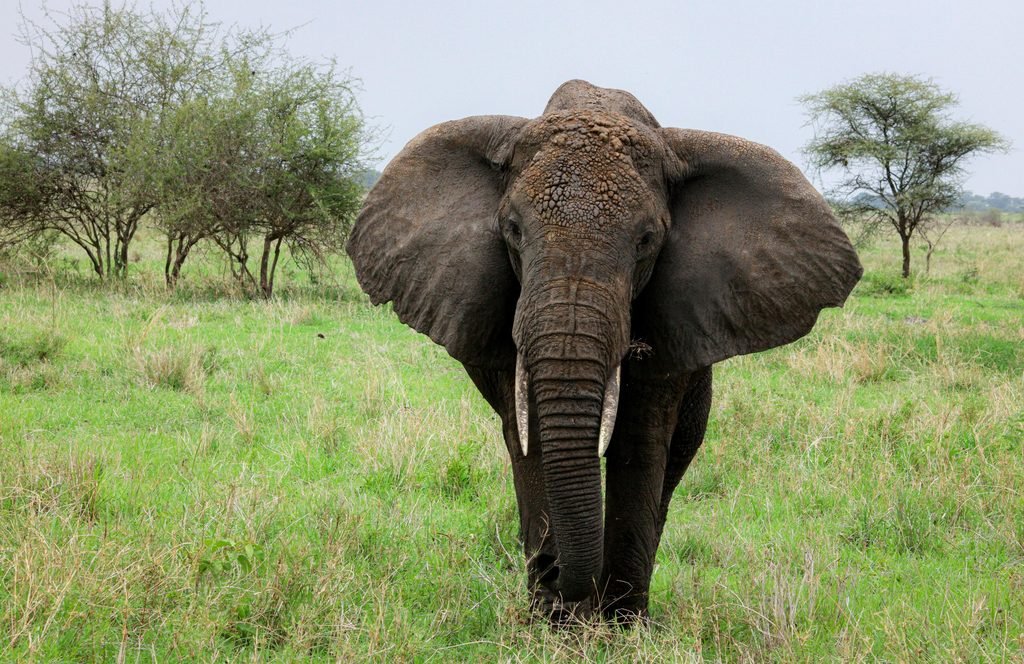
Wind moves through grass. Birds call from trees. Insects buzz. Elephants communicate. Lions may vocalize across the plains.
Excessive human noise can interfere with this atmosphere.
Ethical guiding therefore includes encouraging guests to speak quietly around wildlife.
This benefits both wildlife and visitors.
A quiet vehicle can often observe animals for longer because the experience feels less intrusive.
It also allows travelers to hear the natural environment.
7. Never Feeding Wild Animals
Feeding wild animals can create serious behavioral problems.
Animals can begin associating vehicles or people with food. This may encourage unnatural behavior and create safety concerns.
For this reason, safari guests should never feed wild animals.
Guides have an important educational responsibility here.
If a guest asks whether an animal can be given food, the guide should explain why this is inappropriate rather than simply saying no.
Wild animals need to remain wild.
8. Respecting National Park Regulations
Tanzania’s protected areas operate under rules designed to protect wildlife and ecosystems.
Ethical guiding means following these regulations rather than treating them as obstacles.
Rules can concern areas such as:
- Vehicle movement
- Speed
- Wildlife distances
- Off-road driving
- Camping
- Waste disposal
- Wildlife interactions
- Visitor conduct
A responsible guide explains these rules to guests and demonstrates compliance through their own behavior.
This is one of the clearest ways travelers can contribute to conservation.
9. Avoiding Unnecessary Off-Road Driving
Off-road driving can sometimes provide opportunities to view wildlife, but where it is prohibited or restricted, it can damage vegetation and soils.
Repeated vehicle movement can create tracks and contribute to habitat disturbance.
Ethical guides therefore use established routes and follow the regulations of the particular protected area.
Instead of trying to reach every animal at any cost, they work with the landscape.
This is an important change in mindset:
The safari should adapt to the environment, not force the environment to adapt to the safari.
10. Giving Wildlife the Right of Way
Wild animals have priority in their own habitat.
When an elephant approaches a road, for example, vehicles should respond appropriately rather than attempting to force the animal to change direction.
Guides need to remain observant and patient.
Allowing animals to cross naturally can create some of the most memorable safari experiences.
Guests may spend several minutes waiting, but the reward can be seeing an elephant herd crossing peacefully or a family group moving through the landscape.
11. Responsible Use of Safari Vehicles
A safari vehicle is part of the wildlife experience.
Ethical guiding means considering how the vehicle affects animals.
A guide may position the vehicle where guests can see clearly without blocking the animal’s movement.
When several vehicles are present, cooperation and patience become especially important.
No photograph is worth creating unnecessary congestion around an animal.
The guide’s role is therefore partly about managing the human side of wildlife viewing.
12. Understanding Wildlife Behavior
Ethical guiding begins with knowledge.
A professional guide should understand animal behavior and recognize signs that an animal may be uncomfortable.
For example, elephants may communicate stress through changes in posture, ear movements, trumpeting, or other behaviors.
Predators also have different behavioral patterns depending on whether they are hunting, feeding, resting, protecting young, or interacting with other members of their group.
Understanding these behaviors helps guides make better decisions.
Instead of simply saying, “There is a lion,” the guide can explain:
- Why the lion is resting
- What it may have been doing earlier
- Why it is positioned in a particular area
- What behavior guests should watch for
- Why the guide is maintaining a particular distance
This transforms a game drive into a learning experience.
13. Patience Is One of the Greatest Guiding Techniques
Wildlife does not follow a schedule.
A leopard may be hidden for hours.
A lion may sleep throughout the afternoon.
A herd of elephants may take a long time to cross a road.
A cheetah may suddenly disappear into tall grass.
Ethical guiding requires patience.
Rather than constantly searching for the next attraction, guides can encourage travelers to slow down and observe.
This approach often reveals details that rushed visitors miss.
A safari is not a race to see the largest number of species.
It is an opportunity to understand nature.
14. Teaching Guests to Become Responsible Observers
An excellent guide does more than drive and identify animals.
The guide teaches guests how to behave in the wilderness.
Before or during the safari, the guide can explain:
- Why animals should not be fed
- Why guests should remain inside the vehicle when required
- Why voices should be kept low
- Why wildlife needs space
- Why litter must never be left behind
- Why patience matters
- Why park regulations exist
This education can influence travelers long after their Tanzania trip has ended.
A visitor who learns responsible wildlife behavior in Tanzania may carry those principles into future wildlife experiences around the world.
15. Respecting Tanzania’s Natural Landscapes
Wildlife cannot be separated from its habitat.
Protecting animals also means respecting forests, grasslands, wetlands, rivers, woodlands, and other ecosystems.
Guides can help travelers understand how habitats support wildlife.
For example, herbivores depend on vegetation, predators depend on prey, and many species depend on water sources.
This interconnectedness is one of the most fascinating aspects of safari ecology.
A guide can therefore turn an ordinary game drive into a story about an entire ecosystem.
16. Supporting Local Communities
Ethical tourism is not only about wildlife.
Tanzania’s conservation landscapes are connected with people and communities.
Responsible tourism can create economic opportunities through employment, accommodation, guiding, cultural experiences, local services, and other tourism-related activities.
Eko Tanzania Adventures can help travelers understand the importance of respecting local cultures and communities during their journeys.
When visiting cultural destinations, guests should approach people with the same respect they are encouraged to show wildlife.
Ask before taking photographs, listen to local explanations, and avoid treating cultural traditions as entertainment without context.
17. Ethical Guiding in the Serengeti
The Serengeti is one of Tanzania’s most famous wildlife destinations.

6
The vast ecosystem presents unique guiding challenges because wildlife can move over enormous distances.
Ethical guiding here involves understanding seasonal movements and animal behavior rather than simply searching for famous species.
The Great Migration is a good example.
Large herds of wildebeest and other animals move across the ecosystem in response to ecological conditions.
Visitors may hope to witness dramatic river crossings, but guides should never attempt to manipulate the animals or interfere with their natural movement.
The goal is to observe the migration as nature presents it.
18. Ethical Guiding Around Elephants
Elephants are among Tanzania’s most impressive animals.


6
Their size can make people assume they are always confident around vehicles, but elephants still need space.
Guides should monitor elephant behavior and position vehicles responsibly.
A calm herd may continue feeding while vehicles observe from an appropriate distance.
If elephants show signs that they want more space, the guide should respond accordingly.
This creates safer and more respectful encounters for everyone.
19. Ethical Guiding and Big Cats
Lions, leopards, and cheetahs are among the most sought-after safari animals.


7
Their popularity creates an important responsibility.
Guides should avoid turning a predator sighting into a crowded spectacle.
A lion sleeping under a tree may not provide dramatic action, but observing its behavior can still be fascinating.
A leopard may disappear into vegetation, and a cheetah may change direction unexpectedly.
Ethical guiding means accepting these moments rather than attempting to control them.
20. Rhino Conservation and Responsible Viewing
Rhinos are among Africa’s most closely protected animals.


6
Seeing a rhino in Tanzania can be a deeply memorable experience.
Because rhinos face significant conservation pressures, responsible observation is particularly important.
Guides should follow all relevant protected-area regulations and avoid unnecessary disturbance.
Rather than focusing only on obtaining a photograph, guides can explain the conservation story behind the species and why habitat protection matters.
21. Ethical Guiding in Ngorongoro
The Ngorongoro ecosystem provides another important setting for responsible wildlife tourism.


5
The concentration of wildlife can result in many visitors wanting to see the same animals.
This makes responsible vehicle behavior particularly important.
Guides should follow applicable rules, avoid unnecessary disturbance, and encourage guests to appreciate the broader ecosystem rather than focusing only on individual animals.
22. The Eko Tanzania Adventures Approach
For Eko Tanzania Adventures, ethical guiding can be understood through several core principles:
Wildlife First
Animals should remain the priority during wildlife encounters.
Respect
Wildlife, landscapes, communities, and fellow travelers deserve respect.
Patience
Natural behavior cannot be scheduled.
Education
Guests should understand what they are seeing and why responsible behavior matters.
Safety
Wildlife viewing must be conducted with appropriate attention to guest and animal safety.
Conservation Awareness
A safari should help travelers appreciate the importance of protecting Tanzania’s natural heritage.
Responsible Tourism
Tourism should create meaningful experiences without unnecessarily damaging the environment.
23. What Guests Can Do to Support Ethical Safaris
Ethical guiding is a partnership between the guide and the traveler.
Guests can contribute by:
- Listening carefully to their guide.
- Never feeding animals.
- Keeping noise low.
- Remaining inside the vehicle where required.
- Avoiding requests to approach animals too closely.
- Never asking the guide to break park regulations.
- Taking photographs responsibly.
- Keeping all rubbish with them.
- Respecting local communities.
- Being patient when wildlife is not immediately visible.
A responsible guest makes the guide’s job easier and contributes directly to a better safari environment.
24. Why Ethical Guiding Makes a Safari More Meaningful
Some travelers initially believe that an ethical safari might mean fewer opportunities to see wildlife.
In reality, responsible observation can create a deeper experience.
When guests slow down, they may notice:
- How elephants communicate
- How lions interact within a pride
- How birds respond to predators
- How herbivores react to danger
- How animals use different habitats
- How weather influences wildlife movement
- How predators conserve energy
- How young animals learn from adults
These details can transform a simple wildlife sighting into a memorable story.
The safari becomes less about collecting photographs and more about understanding nature.
25. What Makes a Great Ethical Safari Guide?
A great guide combines several qualities.
Knowledge
The guide understands wildlife, ecology, geography, and local environments.
Observation
The guide notices small changes in animal behavior.
Communication
The guide explains what guests are seeing in an understandable way.
Patience
The guide understands that wildlife operates according to natural rhythms.
Respect
The guide treats animals and people with dignity.
Responsibility
The guide follows applicable regulations and prioritizes safe, appropriate wildlife encounters.
Adaptability
No two safari days are identical. A good guide adjusts plans according to weather, wildlife movement, road conditions, and other circumstances.
Safari Experiences With Eko Tanzania Adventures in 2026 and 2027
Travelers planning Tanzania safaris in 2026 or 2027 can build an itinerary around destinations such as:
- Serengeti National Park
- Ngorongoro Conservation Area
- Tarangire National Park
- Lake Manyara National Park
- Nyerere National Park
- Arusha National Park
- Other protected areas and cultural destinations depending on the itinerary
The appropriate combination depends on the traveler’s interests, available time, budget, season, and preferred style of accommodation.
Eko Tanzania Adventures can structure safari experiences around wildlife viewing while incorporating responsible tourism principles throughout the journey.
Example Ethical Safari Package Structure
Day 1: Arrival in Tanzania
Meet your Eko Tanzania Adventures team and transfer to your accommodation.
The day can be used for safari briefing, rest, and preparation.
Day 2: Tarangire National Park
Begin the safari with a game drive through Tarangire.
Guests may encounter elephants, giraffes, zebras, antelopes, birds, and other wildlife.
The guide explains animal behavior and emphasizes responsible viewing.
Day 3: Ngorongoro Conservation Area
Travel toward Ngorongoro and enjoy wildlife viewing while learning about the ecosystem and conservation.
Day 4–5: Serengeti National Park
Spend time exploring the Serengeti.
The guide focuses on natural wildlife behavior rather than chasing sightingsFinal Day: Departure
After breakfast, begin the journey toward the airport or your next destination.
The trip concludes with a final opportunity to reflect on Tanzania’s wildlife and the importance of protecting it.
The exact itinerary can be adjusted according to the season, number of travelers, interests, and available time.
What Is Included in an Ethical Safari Package?
A package organized by Eko Tanzania Adventures can be customized, but typical inclusions may include:
- Professional safari guide
- Safari vehicle
- Park entry fees according to the itinerary
- Accommodation
- Meals as specified
- Game drives
- Drinking water during safari
- Airport transfers where included
- Safari briefing
- Wildlife and conservation interpretation
Exact inclusions and prices depend on the itinerary, accommodation level, travel dates, group size, and destinations selected.
What Is Usually Not Included?
Travelers should check the final quotation carefully. Depending on the package, common exclusions may include:
- International flights
- Travel insurance
- Visa fees
- Personal expenses
- Alcoholic beverages
- Tips
- Optional activities
- Personal purchases
- Additional accommodation outside the agreed itinerary
A transparent quotation helps travelers understand exactly what they are paying for before the safari begins.
Why Choose an Ethical Guiding Approach in 2026 and 2027?
The future of safari tourism depends on maintaining a healthy relationship between visitors, wildlife, communities, and protected areas.
Travelers increasingly want experiences that are not only exciting but also meaningful.
An ethical safari provides an opportunity to:
- See wildlife responsibly
- Learn about conservation
- Support tourism employment
- Respect Tanzania’s natural heritage
- Experience authentic wildlife behavior
- Develop greater appreciation for nature
For Eko Tanzania Adventures, the objective is not simply to take guests into a national park.
It is to help them understand what makes Tanzania’s wilderness valuable.
Frequently Asked Questions
What does ethical wildlife guiding mean?
It means guiding wildlife experiences in a manner that respects animals, habitats, conservation regulations, local communities, and visitor safety.
Will ethical guiding reduce my chances of seeing wildlife?
Wildlife sightings can never be guaranteed because animals move freely. Ethical guiding focuses on observing wildlife without unnecessarily disturbing it.
Can I ask my guide to drive closer to an animal?
You can always discuss your wishes with your guide, but the guide should make the final decision based on safety, wildlife behavior, park regulations, and responsible viewing principles.
Can I feed animals during a safari?
No. Feeding wild animals can alter their natural behavior and create safety and conservation concerns.
Why should vehicles keep their distance?
Maintaining appropriate space helps reduce disturbance and allows animals to behave naturally.
Is ethical guiding only about animals?
No. It also involves protecting habitats, respecting communities, following park regulations, reducing waste, and encouraging responsible tourism.
Final Thoughts: Protecting the Experience for Future Generations
A Tanzania safari is an experience that can stay with a traveler for the rest of their life.
The sound of a lion calling across the Serengeti, elephants moving through the bush, giraffes walking across open grassland, or a rhino appearing in the distance can create memories that photographs alone cannot fully capture.
But these experiences are possible because Tanzania’s wildlife and protected landscapes continue to exist.
That is why ethical guiding matters.
For Eko Tanzania Adventures, responsible guiding means placing wildlife and conservation considerations at the heart of the safari experience. It means knowing when to approach, when to wait, and sometimes when to leave an animal alone. It means teaching travelers that the wilderness is not a theme park and that wildlife should never be forced to perform for visitors.
In 2026 and 2027, travelers can choose to experience Tanzania not merely as spectators but as responsible visitors.
The most meaningful safari is not necessarily the one where you get closest to an animal or collect the largest number of photographs.
It can be the safari where you sit quietly, watch a wild animal behaving naturally, listen to your guide explain what is happening, and realize that you are witnessing something that belongs to the wilderness—not to you.
Eko Tanzania Adventures is committed to making the safari experience educational, respectful, memorable, and centered on the protection of Tanzania’s remarkable