Serengeti National Park is one of the greatest wildlife destinations on Earth. Located in northern Tanzania, it is known for its immense grassland plains, powerful predator populations, rocky kopjes, golden sunsets, and the annual movement of wildebeest, zebra, and gazelle across the wider Serengeti ecosystem.
For many travellers, the Serengeti is the main reason to visit Tanzania. It is a place where lions rest on granite rocks, leopards hide in riverine trees, elephants cross open country, cheetahs scan the plains, and vast herds can appear over the horizon.
The park is much more than one famous migration scene. It is a vast safari landscape with different regions, habitats, and wildlife experiences throughout the year. UNESCO describes Serengeti National Park as approximately 1.5 million hectares of savannah, with the annual movements of large herbivore herds and their predators among the world’s most impressive natural events.
This guide by EKO Tanzania Adventures explains where Serengeti National Park is located, the wildlife you may see, the best time to visit, how the Great Migration moves, where to stay, and how to plan a safari that suits your travel dates.
Why visit Serengeti National Park?
The Serengeti offers something that few safari destinations can match: scale. The plains seem to continue forever, and the sense of open space is part of the experience.
A Serengeti safari is ideal for travellers who want:
- Big Five safari opportunities
- Large lion populations and regular big-cat sightings
- The Great Wildebeest Migration
- Private game drives with an experienced guide
- Luxury lodge safaris
- Mid-range tented camp safaris
- Budget camping safaris
- Family safaris
- Photography safaris
- Honeymoon safaris
- Fly-in safari options
- A combined Serengeti, Ngorongoro, Tarangire, and Zanzibar holiday
The Serengeti is also a UNESCO World Heritage Site, recognised for its exceptional natural importance.
Where is Serengeti National Park?
Serengeti National Park is in northern Tanzania, forming part of the wider Serengeti-Mara ecosystem. It connects with the Ngorongoro Conservation Area to the south-east and continues north toward Kenya’s Maasai Mara.
The park is normally visited as part of Tanzania’s famous northern safari circuit, together with:
- Tarangire National Park
- Lake Manyara National Park
- Ngorongoro Conservation Area
- Ngorongoro Crater
- Arusha National Park
- Lake Natron, on selected itineraries
Most road safaris begin in Arusha, the main safari city in northern Tanzania. Travellers usually arrive through Kilimanjaro International Airport, then spend a night in Arusha before starting their safari.
The journey from Arusha to Central Serengeti is long by road, but it is scenic. It usually passes through the Ngorongoro Conservation Area, with opportunities to stop at viewpoints and enjoy changing landscapes along the way.
For travellers with limited time, fly-in safaris are also available. Small aircraft can connect Arusha or Kilimanjaro with selected Serengeti airstrips, reducing driving time and allowing you to reach remote areas more easily.
Serengeti wildlife: what animals can you see?
The Serengeti is famous for its wildlife density and diversity. While no safari can guarantee a particular animal, the park provides excellent opportunities to see a wide range of species.
Lions
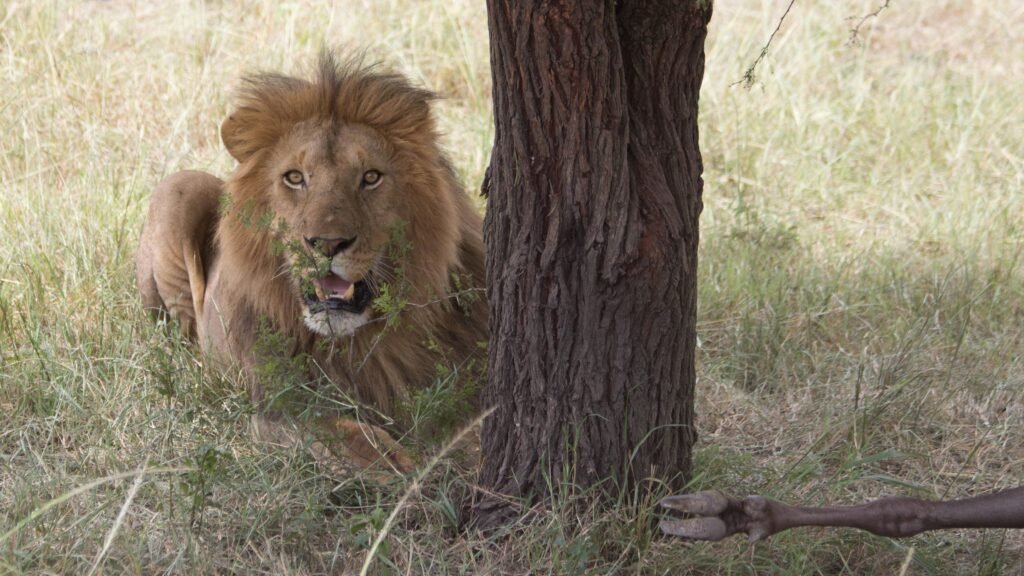
The Serengeti is one of the best places in Africa to see lions. Lion prides may be found in open grassland, near kopjes, along rivers, or resting in shade during the hottest hours of the day.
Your guide may find lions sleeping beneath trees, watching prey from a raised mound, feeding after a hunt, or moving across the plains in the early morning.
Leopards
Leopards are more secretive than lions, but the Serengeti offers good opportunities to see them, especially around riverine areas in Central Serengeti. Guides often search large trees along the Seronera River and nearby drainage lines, where leopards may rest on branches.
A leopard sighting requires patience and luck, but an experienced guide knows the habitats where they are most often seen.
Cheetahs
Open grassland gives cheetahs space to hunt. The southern plains and Central Serengeti are particularly good areas for looking for them.
Cheetahs are often seen sitting on termite mounds, scanning the landscape, or moving through shorter grass. They are fast and elegant, but they are also vulnerable to disturbance, so responsible guides keep a respectful distance.
Elephants
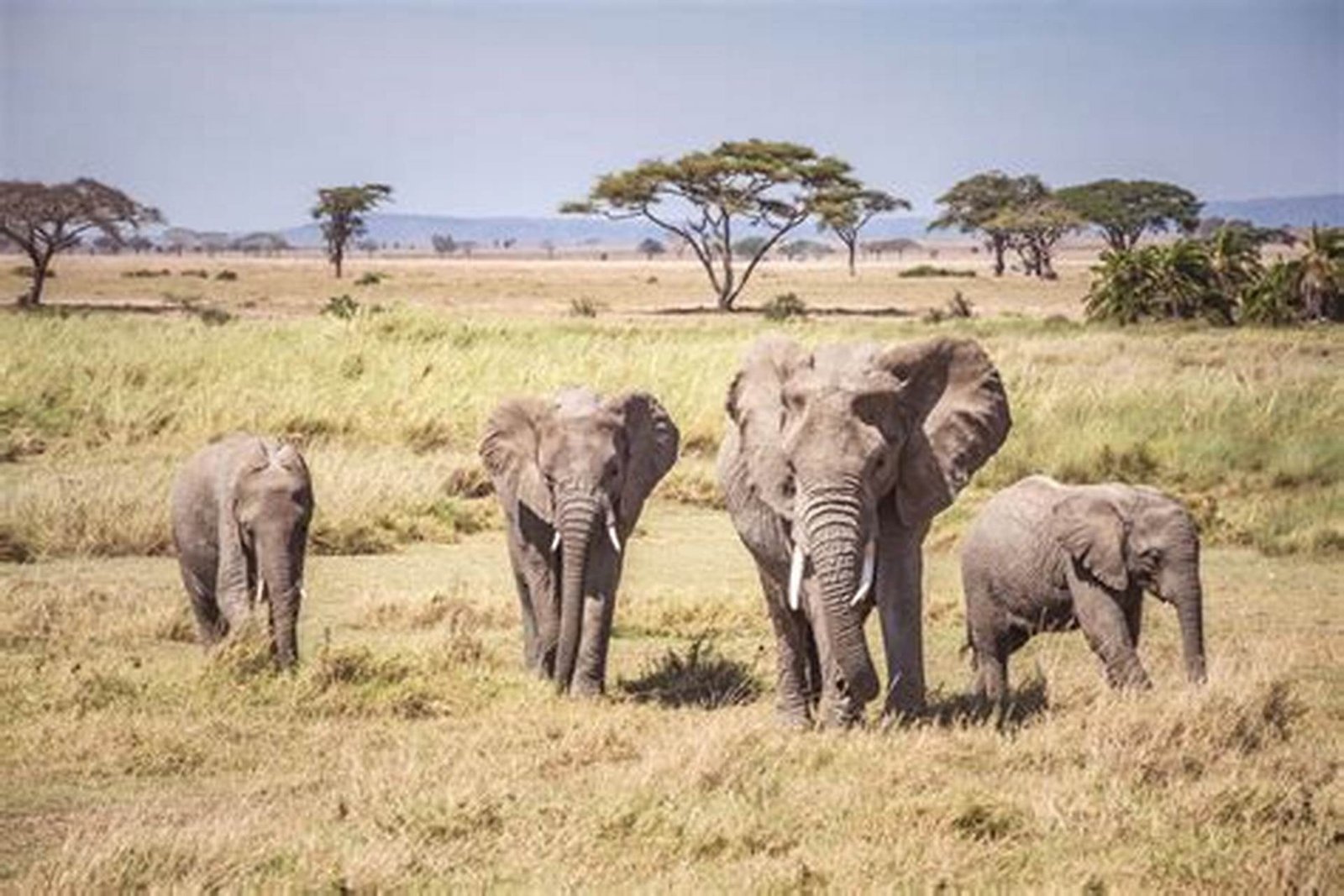
Elephants are commonly seen in selected Serengeti areas, especially near woodland, river systems, and the northern sections of the park. They may appear as family groups moving through the bush, feeding beside tracks, or crossing open country.
Buffaloes, rhinos, and the Big Five
The Serengeti offers the possibility of seeing all members of the Big Five: lion, leopard, elephant, buffalo, and rhino. However, black rhinos are rare and sightings are never guaranteed. The Ngorongoro Crater is often a stronger choice for travellers who want to improve their chances of seeing rhino during a northern Tanzania safari.
A combined Serengeti and Ngorongoro itinerary gives you a good balance between wide open plains, predator viewing, crater wildlife, and varied scenery.
Other common wildlife
Depending on your location and season, you may also see:
- Wildebeest
- Plains zebra
- Thomson’s gazelle
- Grant’s gazelle
- Giraffe
- Hyena
- Jackal
- Hippo
- Crocodile
- Warthog
- Impala
- Topi
- Eland
- Reedbuck
- Dik-dik
- Baboons
- Vervet monkeys
- Ostrich
- Secretary birds
- Vultures
- Eagles
- Flamingos in selected seasonal areas
The Serengeti is also a rewarding destination for birdwatchers. Its open grasslands, rivers, acacia woodland, kopjes, and wetlands attract a wide variety of birdlife.
The Great Wildebeest Migration
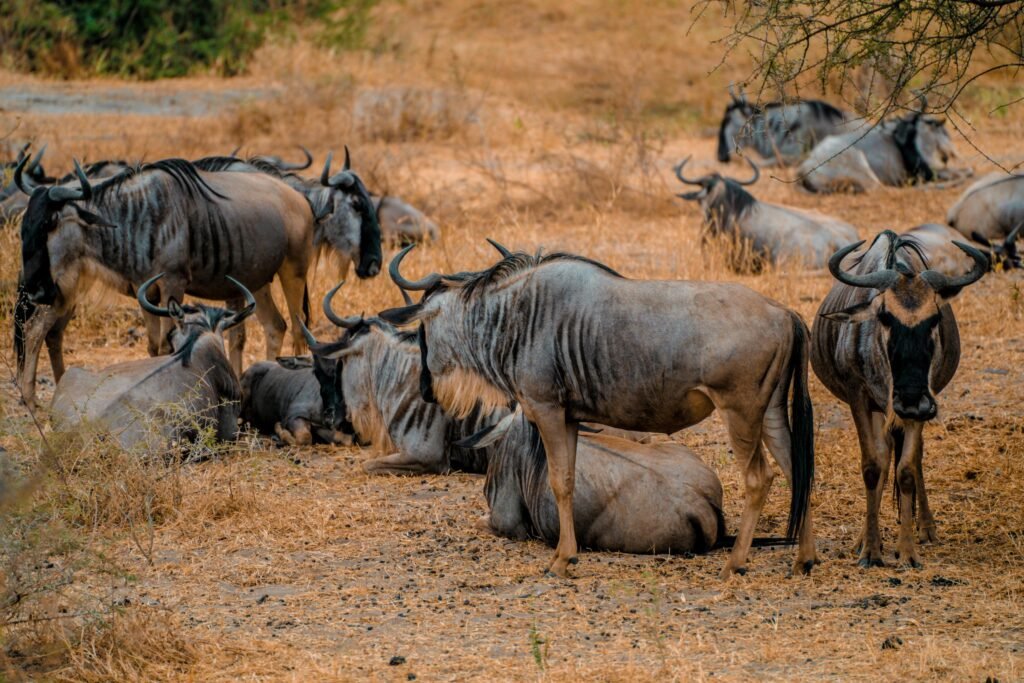
The Great Migration is the best-known wildlife event in Serengeti National Park. It involves huge numbers of wildebeest, zebra, and gazelles moving through the wider ecosystem in search of fresh grazing and water.
The migration does not follow an exact calendar. It is driven by rainfall and grass conditions. This is important to understand when planning a migration safari. No safari company can honestly guarantee that a herd will be in one exact location on one exact date.
The movement is often described in general seasonal patterns:
| Period | Typical Migration Area | What You May See |
|---|---|---|
| December to March | Southern Serengeti and Ndutu plains | Herds, calving season, predator activity |
| April to May | Central Serengeti and western movement | Long moving columns of animals, greener landscapes |
| June to July | Western Corridor and Grumeti area | Herd movement and possible river crossings |
| July to October | Northern Serengeti and Mara River region | Herds, northern plains, possible river crossings |
| November | Movement back south | Herds travelling toward southern grasslands |
The annual movement of wildebeest, gazelles, and zebras across the Serengeti landscape is recognised internationally as one of the world’s great natural events.
Calving season in Southern Serengeti and Ndutu
From roughly January to March, many wildebeest gather on the short-grass plains of Southern Serengeti and Ndutu. This period is often called calving season because many calves are born during these months.
The open grassland can provide dramatic wildlife scenes: newborn calves taking their first steps, large herds spread across the plains, and predators following the migration.
Calving dates and herd locations depend on rainfall, so the exact timing changes from year to year. A knowledgeable guide will use current conditions to choose the most suitable areas.
Western Corridor and Grumeti
Around late spring and early summer, many herds begin moving west toward the Western Corridor. This area includes river systems, woodland, and open plains.
Travellers visiting in June or July may see large herds moving through this part of the ecosystem. River-crossing activity can happen, but it should never be promised. Wildlife moves according to weather, water levels, grazing, and its own natural rhythm.
Northern Serengeti and Mara River
From around July to October, many travellers focus on Northern Serengeti. This is the period when herds may be found near the Mara River and the border area between Tanzania and Kenya.
River crossings are among the most dramatic moments of the migration, but they are unpredictable. A herd may wait near a river for hours or days before crossing. It is better to choose a well-planned northern Serengeti safari and enjoy the full wildlife experience rather than expect one single event.
Serengeti regions: where should you stay?
Serengeti National Park is large, so your accommodation location matters. The best area depends on your travel dates and safari interests.
Central Serengeti – Seronera
Central Serengeti, often called Seronera, is the most popular area for year-round safari travel. It has permanent water sources, riverine habitat, open plains, and strong resident wildlife populations.
It is particularly good for:
- Lions
- Leopards
- Cheetahs
- Hyenas
- Elephants
- Giraffes
- General game viewing
- First-time safari travellers
- Short Serengeti safaris
Central Serengeti is a strong choice even when the Great Migration is in another part of the park because resident wildlife remains excellent throughout the year.
Southern Serengeti and Ndutu
Southern Serengeti and Ndutu are best known for the migration calving season, usually between approximately December and March.
This region suits travellers interested in:
- Large wildebeest herds
- Calving season
- Predator activity
- Open grassland photography
- February safari travel
- Migration-focused itineraries
Western Corridor
The Western Corridor is a good choice during the migration’s westward movement, often around May to July. It includes river systems and a more remote feel than Central Serengeti.
Northern Serengeti
Northern Serengeti is ideal for travellers visiting between roughly July and October, particularly those hoping to see the migration in the Mara River area.
It is more remote and can be more expensive because of travel distance, lodge location, and domestic flight logistics. However, it is a superb choice for travellers who want wide open landscapes, fewer vehicles in some areas, and a strong migration-focused safari.
Best time to visit Serengeti National Park
Serengeti National Park can be visited throughout the year. The best time depends on what you want to see.
Best time for general wildlife viewing
Central Serengeti offers excellent wildlife viewing throughout the year. If your main goal is lions, leopards, elephants, giraffes, cheetahs, and classic safari landscapes, you can visit in many months.
Best time for wildebeest calving
January to March is often the best period for the southern plains and Ndutu calving season.
Best time for northern migration safaris
July to October is usually the main period for Northern Serengeti and Mara River migration safaris.
Best time for fewer visitors
The greener rainy periods can have fewer visitors, especially around April and May. Conditions may be wetter, but the scenery is lush and the park can feel quieter.
Best time for dry-season travel
June to October is generally a popular dry-season period. Roads and tracks are often easier to use, although popular areas can be busier.
How many days do you need in Serengeti?
A minimum of two nights in Serengeti is recommended, but three nights or more gives you a much better experience.
For a short safari, you may include:
- One night in Central Serengeti
- One full day of game drives
- A morning game drive before travelling onward
For a stronger itinerary, consider:
- Two or three nights in Central Serengeti
- One or two nights in Northern Serengeti during migration season
- A combination of Serengeti and Ngorongoro Crater
- A fly-in safari to save time
- A private vehicle for flexible game drives
The more time you have, the more freedom your guide has to follow wildlife movements and explore different habitats.
Safari accommodation in Serengeti
EKO Tanzania Adventures can arrange Serengeti accommodation based on your budget and travel style.
Budget camping safari
Budget camping safaris are suitable for travellers who want to experience the Serengeti at a lower cost. You sleep in tents at designated campsites, and a safari cook prepares meals.
This style is social, adventurous, and ideal for travellers who enjoy being close to nature.
Mid-range tented camp safari
Mid-range tented camps offer comfortable beds, private bathrooms in many properties, good meals, and a real safari atmosphere. They are a popular choice for couples, families, and first-time visitors.
Luxury lodge or luxury tented camp safari
Luxury properties may offer spacious suites, premium dining, private decks, swimming pools, excellent service, and dramatic wilderness locations. This option is ideal for honeymooners, photographers, special celebrations, and travellers looking for greater comfort.
The best accommodation is not always the most expensive property. The most important factor is choosing a camp in the right area for your safari dates.
How to get to Serengeti National Park
By road
Most road safaris begin in Arusha. The journey to Serengeti normally passes through the Ngorongoro Conservation Area. It is a long drive, but it offers changing scenery and opportunities to see wildlife en route.
Road safaris work well for travellers who want to combine Serengeti with Tarangire, Lake Manyara, and Ngorongoro Crater.
By domestic flight
Fly-in safaris are ideal for travellers with limited time or those who prefer to avoid long drives. You can fly from Arusha, Kilimanjaro, Zanzibar, or selected other airports to Serengeti airstrips.
A fly-in safari can be combined with private game drives in the park. This is popular for luxury safaris, honeymoon trips, and travellers visiting the remote Northern Serengeti.
Responsible Serengeti safari travel
The Serengeti is a protected wildlife landscape. Visitors have a responsibility to travel respectfully.
During your safari:
- Keep a respectful distance from animals
- Never feed wildlife
- Stay inside the vehicle unless your guide says otherwise
- Avoid loud noise near animals
- Follow park rules and guide instructions
- Do not pressure guides to drive off-road where it is not permitted
- Avoid leaving rubbish in the park
- Use refillable water bottles where possible
- Respect local communities and staff
Responsible travel helps protect the wildlife and landscapes that make Serengeti National Park special.
Combine Serengeti with other Tanzania destinations
A Serengeti safari works perfectly with other Tanzania experiences.
You can combine it with:
- Tarangire National Park for elephants and baobab trees
- Ngorongoro Crater for dense wildlife viewing and rhino opportunities
- Lake Manyara National Park for forest and Rift Valley scenery
- Mount Kilimanjaro climbing
- Mount Meru climbing
- Zanzibar beach holidays
- Cultural visits around Mto wa Mbu or Maasai communities
- Lake Natron and Oldonyo Lengai on selected routes
For many travellers, the ideal Tanzania trip combines four or five safari days with several relaxing days in Zanzibar.
Plan your Serengeti safari with EKO Tanzania Adventures
Serengeti National Park is not a destination to rush. The right itinerary, accommodation location, guide, and travel dates can turn a good safari into an exceptional one.
EKO Tanzania Adventures creates private Serengeti safaris, Great Migration safaris, luxury lodge safaris, mid-range safaris, family safaris, camping safaris, fly-in safaris, Kilimanjaro combinations, and Zanzibar beach extensions.
For additional official information about the park’s global conservation value, visit the UNESCO Serengeti National Park page.
Call or WhatsApp: +255 761 353 184
Email: info@ekotanzaniaadventures.com
Alternative email: ekotanzaniaadventure@gmail.com
Travel with a local team, stay in the right Serengeti area for your dates, and experience Tanzania’s most famous wildlife landscape properly.