The Ultimate 6-Day Marangu Route 2026–2028; is a classic Mount Kilimanjaro climbing itinerary designed for trekkers who want to experience Africa’s highest mountain through one of its most established and accessible routes. Known as the Coca-Cola Route, Marangu is particularly distinctive because it uses mountain huts rather than tents for overnight accommodation.
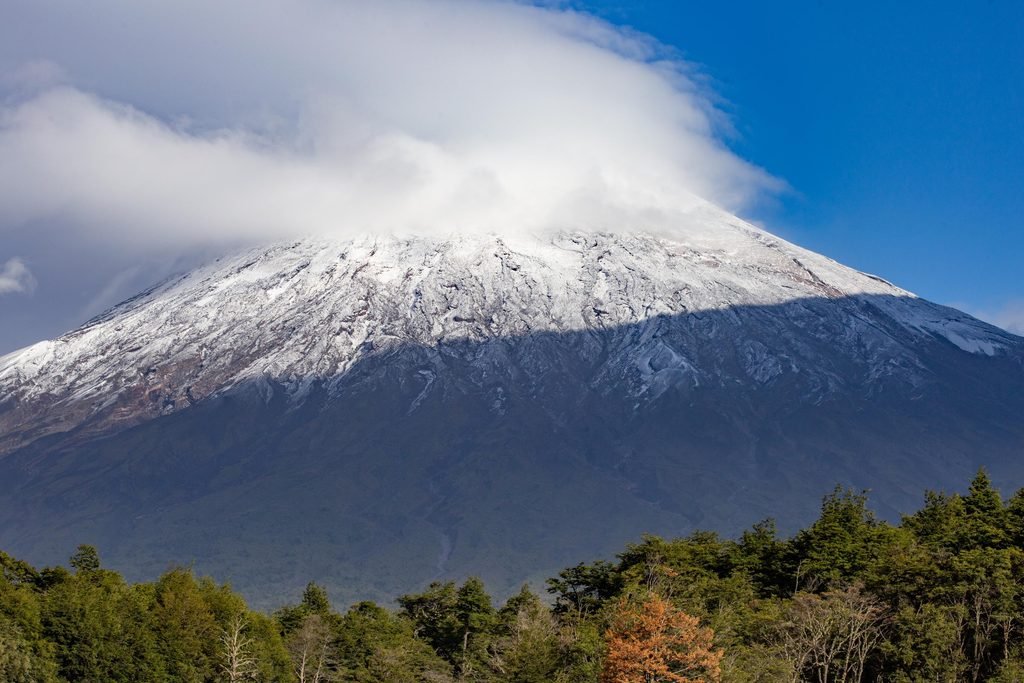
The route takes you from the lower slopes of Kilimanjaro through lush rainforest, moorland, alpine desert, and finally the high-altitude summit zone before reaching Uhuru Peak at 5,895 metres (19,341 feet).
A six-day itinerary provides more time for acclimatization than shorter Marangu programs, making it a more gradual option for travelers who want to experience the mountain without rushing the ascent.
6-Day Marangu Route at a Glance:The Ultimate 6-Day Marangu Route 2026–2028
| Feature | Details |
|---|---|
| Route | Marangu Route |
| Duration | 6 Days |
| Summit | Uhuru Peak |
| Elevation | 5,895 m |
| Starting Point | Marangu Gate |
| Ending Point | Marangu Gate |
| Accommodation | Mountain huts |
| Difficulty | Challenging |
| Main attraction | Classic route with hut accommodation |
| Best suited for | Trekkers seeking a structured Kilimanjaro adventure |
Why Choose the 6-Day Marangu Route?
The Marangu Route is one of the most recognizable routes on Mount Kilimanjaro.
Unlike routes that require camping, Marangu uses designated mountain huts along the trail. This can be attractive to travelers who prefer sleeping indoors rather than inside tents.
The six-day itinerary also allows additional time compared with the classic five-day Marangu schedule.
This extra day can provide a more comfortable trekking rhythm and additional opportunity for acclimatization.
However, it is important to understand that no Kilimanjaro itinerary guarantees reaching Uhuru Peak. Altitude affects people differently, and the final summit attempt depends on weather, health, acclimatization, and the guide’s assessment.
The 6-Day Marangu Route Itinerary:The Ultimate 6-Day Marangu Route 2026–202
Day 1: Marangu Gate to Mandara Hut
Starting elevation: approximately 1,860 m
Mandara Hut: approximately 2,700 m
Your Kilimanjaro adventure begins at Marangu Gate, where registration and park procedures are completed before you start hiking.
The trail immediately enters the beautiful montane rainforest.
This section is characterized by:
- Tall forest
- Dense vegetation
- Birds
- Moist surroundings
- Gradual uphill walking
The first day is generally considered one of the easier sections of the climb, allowing you to become familiar with the trekking rhythm.
After several hours, you arrive at Mandara Hut.
The mountain crew prepares your accommodation and meals while you have time to relax and recover.
Overnight: Mandara Hut.
Day 2: Mandara Hut to Horombo Hut
Mandara Hut: approximately 2,700 m
Horombo Hut: approximately 3,720 m
The second day takes you out of the rainforest and into the moorland zone.
As you climb higher, the vegetation changes noticeably.
The landscape becomes more open, and you begin to see the distinctive high-altitude plants of Kilimanjaro.
Horombo Hut is one of the major accommodation points on the Marangu Route.
Because you are now above 3,700 metres, your body begins to experience a more noticeable reduction in available oxygen.
This makes hydration, nutrition, rest, and a slow walking pace increasingly important.
Overnight: Horombo Hut.
Day 3: Acclimatization Day at Horombo Hut
One of the major benefits of this six-day itinerary is the additional acclimatization day.
Rather than continuing directly toward Kibo, you spend an additional day around Horombo.
This day can include a relatively moderate hike toward the higher elevations around Mawenzi Ridge, followed by a descent back to Horombo Hut.
The objective is not simply to walk farther.
The main purpose is to give your body additional exposure to altitude while allowing you to sleep at a lower elevation than the highest point reached during the day.
This follows the commonly used acclimatization principle:
Climb high and sleep lower.
The day also gives you an opportunity to rest, enjoy the scenery, and prepare mentally for the more demanding sections ahead.
Overnight: Horombo Hut.
Day 4: Horombo Hut to Kibo Hut
Horombo Hut: approximately 3,720 m
Kibo Hut: approximately 4,703 m
Today you leave the vegetation behind and enter the alpine desert environment.
The trail crosses the broad Saddle, a high-altitude area between Kibo and Mawenzi.
The environment becomes increasingly barren, with very little vegetation.
This section can feel physically demanding because of the altitude, even though the trail itself is relatively gradual in places.
Upon reaching Kibo Hut, you will prepare for the summit attempt.
The summit night normally begins very early, often around midnight or during the early morning hours.
Therefore, the afternoon and evening should be dedicated primarily to eating, organizing equipment, and resting.
Overnight: Kibo Hut.
Day 5: Kibo Hut to Uhuru Peak and Horombo Hut:The Ultimate 6-Day Marangu Route 2026–202
This is the most demanding and important day of the entire expedition.
You normally begin the summit attempt during the night.
Kibo Hut to Gilman’s Point
The trail climbs through steep, rocky terrain toward the crater rim.
The darkness, cold, steep slope, and altitude make this section particularly challenging.
Trekkers generally move slowly and steadily.
After reaching the crater rim, you may continue toward Gilman’s Point, approximately 5,685 metres above sea level.
Gilman’s Point to Uhuru Peak
From Gilman’s Point, the trail continues along the crater rim toward Uhuru Peak.
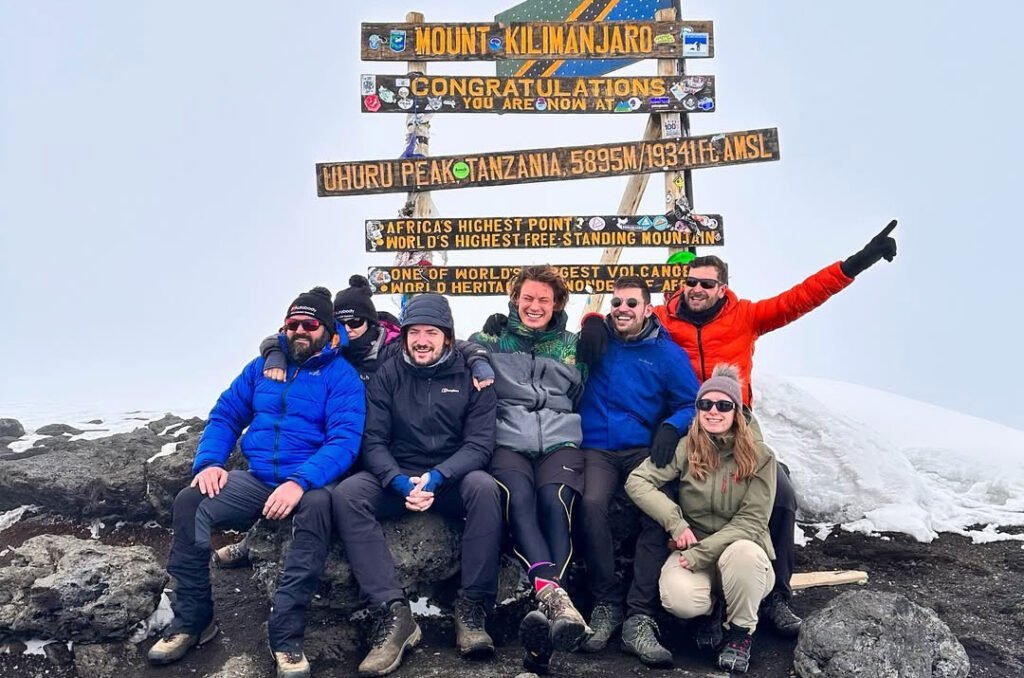
Uhuru Peak stands at:
5,895 metres above sea level.
Reaching Uhuru Peak represents the highest point of the Kilimanjaro climb and the highest point in Africa.
After reaching the summit, trekkers normally spend a limited amount of time at the top because of the extreme altitude and cold.
You then begin the descent.
Uhuru Peak to Kibo Hut:The Ultimate 6-Day Marangu Route 2026–202
The descent from the summit toward Kibo Hut is considerably faster than the ascent.
Once you reach Kibo, you normally have an opportunity to rest and recover.
Afterward, the journey continues toward Horombo Hut.
Although the descent is physically easier from an altitude perspective, the long summit day can leave trekkers extremely tired.
Overnight: Horombo Hut.
Day 6: Horombo Hut to Marangu Gate
Horombo Hut: approximately 3,720 m
Marangu Gate: approximately 1,860 m
The final day is primarily a descent through the mountain’s ecological zones.
You return through the moorland and rainforest toward Marangu Gate.
The lower you descend, the warmer and more oxygen-rich the environment becomes.
At Marangu Gate, you complete the final park procedures before meeting your transfer vehicle.
This marks the official completion of your six-day Kilimanjaro adventure.
What Makes the 6-Day Marangu Route Special?
1. Mountain Hut Accommodation
Marangu is particularly famous for its hut accommodation.
This means trekkers do not normally need to sleep in tents along the route.
The huts provide a different experience from camping-based routes such as Machame or Lemosho.
2. Additional Acclimatization
The six-day itinerary includes an acclimatization day at Horombo.
This gives trekkers more time to adjust to increasing altitude compared with compressed itineraries.
3. Beautiful Ecological Zones
During the climb, you experience several distinct environments:
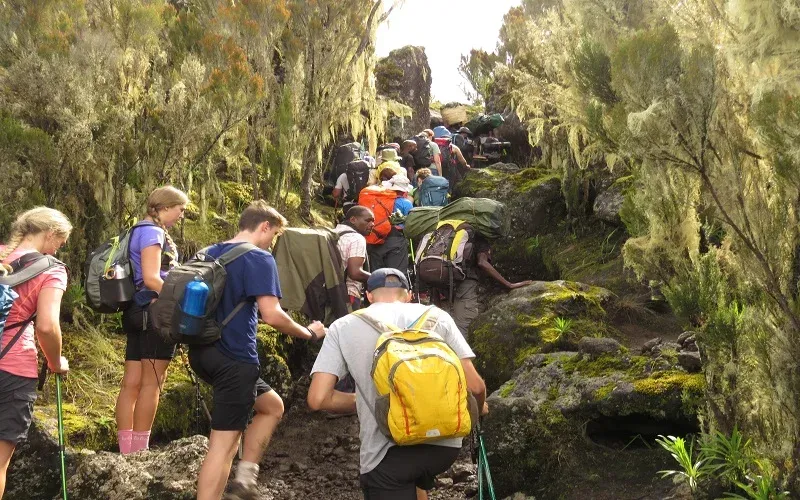
Rainforest → Moorland → Alpine Desert → High-Altitude Summit Zone
This changing scenery is one of the most memorable aspects of climbing Kilimanjaro.
4. Classic Kilimanjaro Experience
Marangu is one of the oldest and most established routes on Kilimanjaro.
It provides a straightforward route structure and is widely recognized by trekkers from around the world.
How Difficult Is the 6-Day Marangu Route?
Although Marangu is sometimes described as one of the easier Kilimanjaro routes because of its relatively gradual trail and hut accommodation, the 6-Day Marangu Route is still a serious high-altitude expedition.
The greatest challenge is altitude rather than technical climbing.
Potential difficulties include:
- Fatigue
- Headaches
- Nausea
- Reduced appetite
- Cold temperatures
- Steep summit sections
- Limited sleep before the summit
- Difficulty breathing at high altitude
Physical fitness is important, but fitness alone does not prevent altitude sickness.
Your body needs time to adapt to the decreasing oxygen availability as you climb.
Training for the 6-Day Marangu Route
You should prepare your body before arriving in Tanzania.
Hiking
Regular hikes are excellent preparation.
Gradually increase the length and elevation of your walks.
Cardiovascular training
Consider activities such as:
- Walking
- Jogging
- Cycling
- Swimming
- Stair climbing
Strength training
Pay particular attention to:
- Quadriceps
- Hamstrings
- Calves
- Glutes
- Core
Long walks
Practice walking for several hours while carrying a daypack.
This helps your body become accustomed to sustained activity.
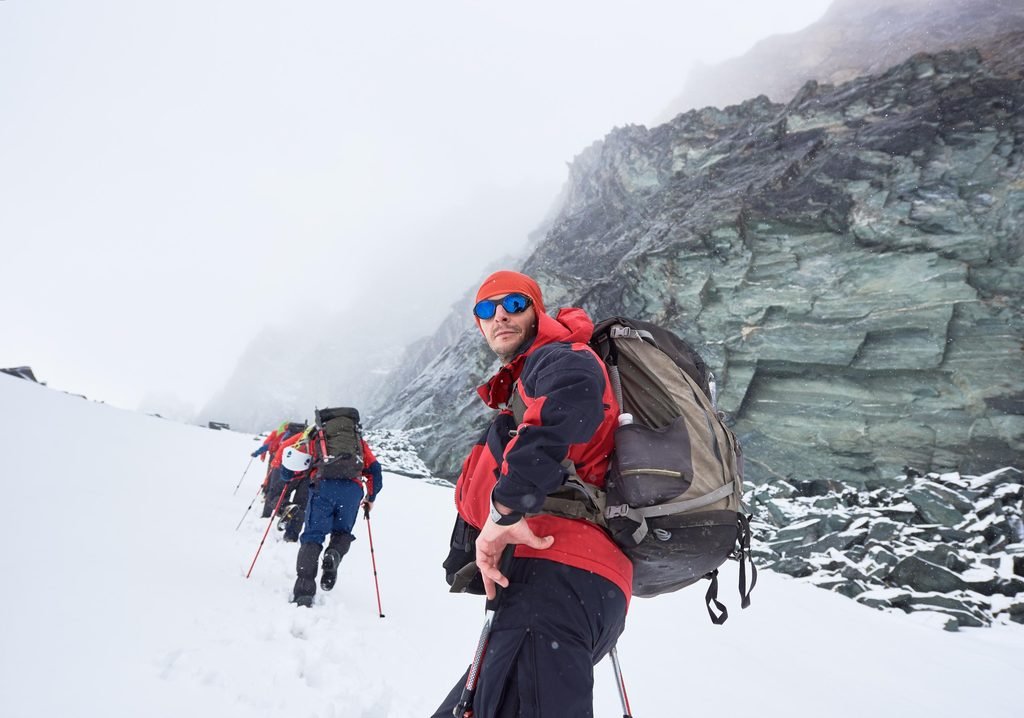
Altitude Acclimatization Of The Ultimate 6-Day Marangu Route 2026–202
Altitude is one of the most important considerations on Kilimanjaro.
At 5,895 metres, there is significantly less atmospheric pressure and less available oxygen than at sea level.
Some climbers may experience symptoms such as:
- Headache
- Fatigue
- Nausea
- Dizziness
- Poor appetite
- Difficulty sleeping
If you experience unusual or worsening symptoms, tell your guide immediately.
Do not attempt to hide symptoms because you want to reach the summit.
A professional mountain crew will monitor trekkers throughout the climb and can recommend changes to the itinerary or descent when necessary.
What to Pack for the 6-Day Marangu Route
Because temperatures vary dramatically between the rainforest and summit, layering is essential.
Clothing
Bring:
- Moisture-wicking shirts
- Trekking trousers
- Fleece jacket
- Insulated jacket
- Waterproof jacket
- Thermal base layers
- Warm hat
- Gloves
- Several pairs of hiking socks
Footwear
Use sturdy, comfortable hiking boots that have already been broken in.
Essential equipment
You should also consider:
- Headlamp
- Trekking poles
- Sleeping bag
- Water bottles or hydration system
- Sunglasses
- Sunscreen
- Backpack
- Duffel bag
- Personal toiletries
- Personal medication
- Small first-aid supplies
The exact equipment supplied by the trekking operator can vary, so obtain a final packing list before departure.
Food and Water on the Mountain:The Ultimate 6-Day Marangu Route 2026
Your body needs sufficient energy during a multi-day climb.
Mountain meals should provide adequate carbohydrates, protein, and calories to support long trekking days.
Hydration is equally important.
Drink regularly throughout the day rather than waiting until you become thirsty.
At high altitude, appetite can decrease, so small, frequent meals can sometimes be easier to manage.
Best Time to Climb the Marangu Route
Mount Kilimanjaro can be climbed during much of the year, but weather conditions vary considerably.
Many trekkers prefer the generally drier periods because the trails can be more comfortable and visibility may be better.
Commonly preferred periods include:
- January to February
- June to October
- Some periods around December
The wetter seasons can bring rain, mud, and cloud cover, particularly on the lower slopes.
However, mountain weather is unpredictable, and conditions can change quickly.
Estimated Cost of the 6-Day Marangu Route
The cost of a six-day Marangu climb depends on several factors.
These include:
- Number of trekkers
- Travel season
- Private or group climb
- Park and conservation fees
- Guide and mountain crew
- Hut accommodation
- Meals
- Transfers
- Pre- and post-climb accommodation
- Equipment rental
- Additional services
Rather than relying on a single advertised price, travelers should request a complete quotation.
A professional quotation should clearly separate:
Included services + excluded services + accommodation + transportation + park fees + crew services + payment terms.
Travelers should also understand whether gratuities, personal equipment, airport transfers, and hotel nights are included.
6-Day Marangu Route vs 5-Day Marangu Route
The main difference is the additional acclimatization opportunity.
| Feature | 5-Day Marangu | 6-Day Marangu |
|---|---|---|
| Duration | 5 days | 6 days |
| Acclimatization | More limited | Additional acclimatization day |
| Pace | More compressed | More gradual |
| Hut accommodation | Yes | Yes |
| Summit | Uhuru Peak | Uhuru Peak |
| Difficulty | Challenging | Challenging |
| Ideal consideration | Limited time | More time for acclimatization |
The additional day does not eliminate altitude risk, but it provides a less compressed itinerary.
Tips for a Successful Kilimanjaro Climb
Walk slowly
A controlled pace is essential.
Do not feel pressured to walk at the speed you would use on a normal hike.
Follow your guide’s instructions
Your mountain guide understands the route and monitors the group throughout the expedition.
Stay hydrated
Regular hydration supports your body during the long trekking days.
Eat sufficiently
Even when your appetite decreases, try to maintain your energy intake.
Protect yourself from the sun
The sun can be strong at high altitude.
Use sunscreen, sunglasses, and appropriate head protection.
Keep warm
The summit zone can be extremely cold, particularly during the nighttime ascent.
Communicate honestly
Tell your guide immediately if you feel unwell.
Who Should Consider the 6-Day Marangu Route?
This itinerary may appeal to travelers who:
- Prefer hut accommodation
- Want a classic Kilimanjaro route
- Want an additional acclimatization day
- Enjoy mountain hiking
- Have reasonable physical fitness
- Prefer a structured itinerary
- Want to experience several Kilimanjaro ecological zones
- Are prepared for a demanding summit attempt
The route should not be treated as an easy walk simply because huts are available. The altitude and summit day remain significant challenges.
Final Conclusion
The Ultimate 6-Day Marangu Route 2026; offers a memorable way to experience Mount Kilimanjaro, combining established mountain infrastructure with dramatic scenery and the ultimate objective of reaching Uhuru Peak at 5,895 metres.
From the lush rainforest around Marangu Gate to the moorland around Horombo, the stark alpine desert near Kibo, and the demanding summit approach, every stage provides a different perspective of Africa’s highest mountain.
The additional acclimatization day at Horombo is an important feature of the six-day itinerary, while the hut accommodation makes Marangu different from camping-based routes.
For travelers planning their Kilimanjaro adventure in 2026, 2027, or 2028, successful preparation should focus on physical training, appropriate clothing and equipment, gradual acclimatization, hydration, nutrition, and careful attention to the guidance of the mountain crew.
The ultimate objective may be Uhuru Peak, but a successful Kilimanjaro expedition is equally about making the journey safely, patiently, and responsibly from the rainforest all the way to the roof of Africa.