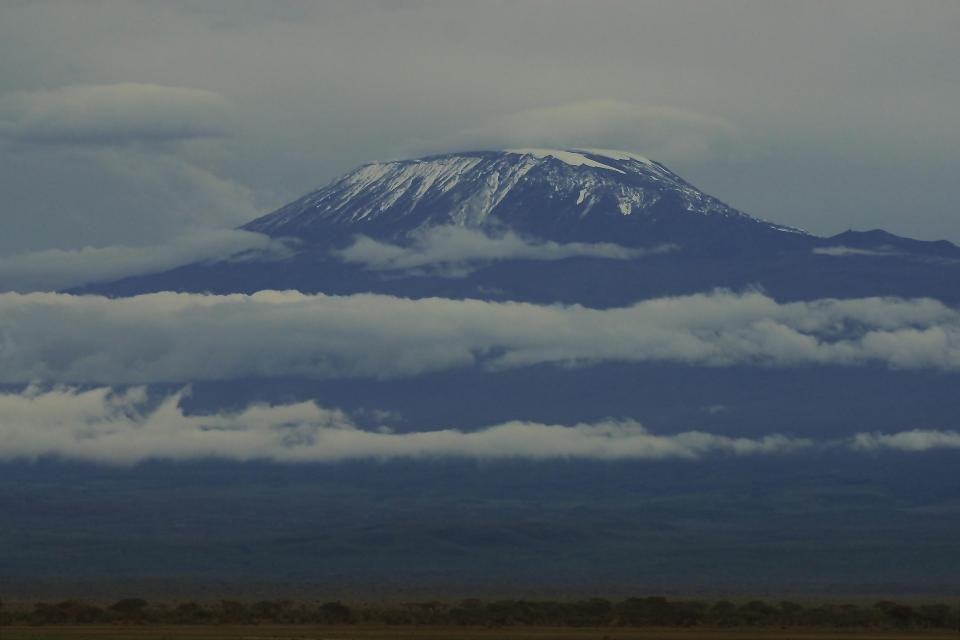
A Beginner’s Guide to Climbing Mount Kilimanjaro: Conquering Kilimanjaro in 2026–2028; Climbing Mount Kilimanjaro is one of those adventures that stays with you long after you have returned home. Standing at 5,895 metres (19,341 feet), Mount Kilimanjaro is Africa’s highest mountain and the world’s highest free-standing mountain.
For a first-time climber, however, the idea of walking to the Roof of Africa can feel intimidating. You may wonder whether you are fit enough, which route you should choose, what equipment you need, how much the climb costs, and whether you really can reach Uhuru Peak.
The good news is that you do not need previous mountaineering experience or technical climbing skills to climb Kilimanjaro. What you need is preparation, patience, determination, a sensible itinerary, good equipment, and a professional mountain crew.
This complete 2026–2028 beginner’s guide is designed to take you through the entire experience—from choosing your route and preparing at home to reaching the summit and descending safely.
Why Climb Mount Kilimanjaro?:A Beginner’s Guide to Climbing Mount Kilimanjaro: Conquering Kilimanjaro in 2026–2028
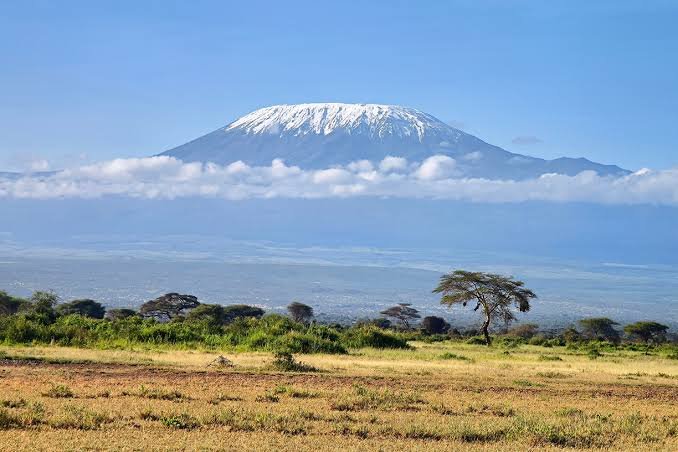
There are many mountains in the world, but Kilimanjaro is special.
You begin your journey in the green foothills of Tanzania and gradually move through several completely different environments. One day you may be walking beneath tropical forest, and a few days later you are crossing a dry alpine landscape with enormous views across the African plains.
Eventually, the vegetation disappears almost completely. The air becomes colder and thinner. Ahead of you is Kibo, the highest volcanic cone of Kilimanjaro.
Then comes summit night.
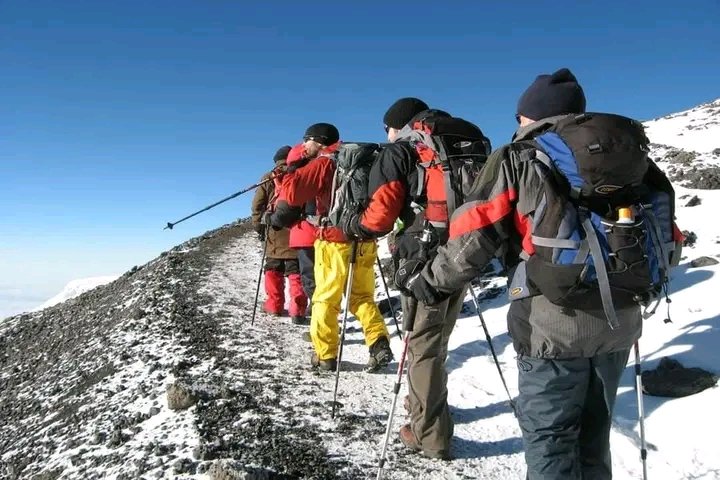
You leave your camp during the night and begin walking slowly toward the crater rim. It can be cold, dark, windy and physically demanding. Every step feels important.
Eventually, the sky begins to brighten.
When you finally reach Uhuru Peak at 5,895 metres, the feeling is difficult to describe. You have not simply reached a geographical point. You have completed something that may have seemed impossible when you first started planning the trip.
That is why Kilimanjaro is suitable for beginners but it should never be treated as an easy walk.
Is Kilimanjaro Suitable for a Beginner?
Yes.
You do not have to be an experienced mountaineer to climb Kilimanjaro. The mountain does not require ropes, technical rock climbing, or advanced mountaineering skills on the standard trekking routes.
The real challenge is altitude and endurance.
TANAPA states that climbs to Kibo generally take around 5–8 days depending on the route, and emphasizes that additional days can improve the likelihood of reaching the summit.
For a beginner, our recommendation is simple:
Do not choose the shortest itinerary simply because it is cheaper or faster.
Giving your body more time to adapt to altitude can make the experience considerably more manageable. Many established Kilimanjaro itineraries therefore use 6–9 days on the mountain.
The Best Kilimanjaro Routes for Beginners
Choosing the right route is one of the most important decisions you will make.
The major routes offer different scenery, accommodation, difficulty levels and acclimatization profiles.
Lemosho Route – Our Recommended Beginner Option:A Beginner’s Guide to Climbing Mount Kilimanjaro: Conquering Kilimanjaro in 2026–2028
If your priority is a good balance between scenery, gradual acclimatization and summit opportunity, the Lemosho Route is an excellent choice.
Lemosho approaches Kilimanjaro from the west and crosses the beautiful Shira Plateau before joining the southern circuit.
A typical Lemosho itinerary lasts around 7–8 days, although longer versions are also possible. The route is approximately 70 km and uses tented camps.
One of its biggest advantages is that the longer itinerary gives you more time to acclimatize.
For a first-time climber with enough time, we recommend an 8-day Lemosho climb.
Why beginners like Lemosho
Machame Route – For Active and Adventurous Beginners
The Machame Route is another excellent option.
Often called the “Whiskey Route,” Machame is famous for dramatic scenery and varied terrain. The route normally takes 6–7 days, with the 7-day itinerary generally giving you more time for acclimatization.
You will pass through rainforest, moorland, high-altitude desert and the summit zone.
The famous Barranco Wall is one of the most memorable sections of the route. Although it looks intimidating from below, it is a trekking scramble rather than technical rock climbing.
Machame is best for a beginner who is reasonably fit and enjoys a more active trekking experience.
Marangu Route – The Classic Beginner Route
Marangu is often called the “Coca-Cola Route.”
It is the only major Kilimanjaro route where climbers sleep in mountain huts rather than tents. The route follows the same general trail during ascent and descent.
The trail itself has a relatively gentle gradient compared with some alternatives, but that does not mean altitude is easier.
A common mistake is choosing a short Marangu itinerary because it appears easier.
For beginners, a longer version with an additional acclimatization day is a much better approach.
Marangu is ideal if:
- You prefer huts to tents
- You want a classic Kilimanjaro experience
- You prefer a less technical trekking trail
- You are comfortable with shared mountain accommodation
Rongai Route – A Quieter Northern Adventure
Rongai approaches Kilimanjaro from the northern side.
It is generally quieter than some of the popular southern routes and provides a different perspective of the mountain.
Rongai can be an attractive option for climbers who want a more peaceful wilderness experience.
It is also considered a useful choice during wetter periods because the northern side tends to be drier than some southern approaches.
For beginners, a 6–7-day Rongai itinerary can be considered, although the specific itinerary should always prioritize acclimatization rather than simply minimizing the number of days.
Our Beginner Package for 2026–2028
For a first Kilimanjaro climb, we recommend the following package:
8-Day Lemosho Route Kilimanjaro Climb
Duration: 8 days / 7 nights on the mountain
Difficulty: Moderate to challenging
Highest point: Uhuru Peak – 5,895 m
Accommodation: Mountain tents
Starting point: Londorossi/Lemosho side
Finishing point: Mweka Gate
Recommended for: First-time Kilimanjaro climbers
Meals: Breakfast, lunch and dinner during the trek
Guide: Professional mountain guide
Porters: Included according to operational requirements
Airport transfers: Available as part of the complete package
Pre- and post-climb accommodation: Can be included
This itinerary gives beginners a more comfortable pace than trying to rush to the summit.
Complete 8-Day Lemosho Beginner Itinerary
Day 1: Londorossi Gate to Big Tree Camp
Your Kilimanjaro adventure begins after breakfast.
You drive toward the western side of the mountain and complete the necessary park formalities before entering the forest.
The first day is relatively gentle.
The trail takes you through lush rainforest where you may hear birds and see monkeys moving through the trees.
You eventually reach Big Tree Camp, where your mountain crew prepares your tent and dinner.
Approximate trekking time: 3–4 hours.
Overnight: Big Tree Camp.
Day 2: Big Tree Camp to Shira Camp
After breakfast, the trail gradually leaves the dense rainforest behind.
The vegetation begins to change as you climb toward the moorland zone.
You start to appreciate how quickly the landscape changes on Kilimanjaro.
Eventually you reach the Shira Plateau, one of the most spectacular areas of the mountain.
Overnight: Shira Camp.
Day 3: Shira Plateau Acclimatization
This is an important day for beginners.
Instead of rushing higher, you spend time exploring the Shira area and allowing your body to adjust.
A shorter acclimatization hike may be included depending on weather, group condition and the guide’s assessment.
The philosophy is simple:
Walk high, rest lower.
This gives your body more opportunity to adapt to the altitude.
Day 4: Shira Camp – Lava Tower – Barranco Camp
This is one of the most important acclimatization days.
You climb toward Lava Tower, reaching approximately 4,600 metres, before descending toward Barranco Camp.
The strange thing about Kilimanjaro is that sometimes you deliberately climb higher during the day and then sleep lower at night.
That strategy can help your body adapt.
By the time you arrive at Barranco, you may feel tired—but you will also have experienced one of the most beautiful days on the mountain.
Overnight: Barranco Camp.
9. Day 5: Barranco Wall to Karanga Camp
Do not be frightened when you first see Barranco Wall.
It looks dramatic, but the route does not require technical climbing.
Your guides will show you where to place your feet and how to move safely.
Once you reach the top, take a moment to look back.
The view is incredible.
You then continue toward Karanga Camp.
This is a relatively short but valuable day because it allows you to conserve energy before the final push.
Overnight: Karanga Camp.
10. Day 6: Karanga to Barafu Camp
Today you enter the high alpine desert.
Vegetation becomes sparse and the environment feels increasingly harsh.
You eventually reach Barafu Camp, the primary staging point for the summit attempt.
The atmosphere changes here.
Dinner is usually early.
Then you sleep for a few hours.
11. Day 7: Summit Day – Uhuru Peak
This is the day you have been waiting for.
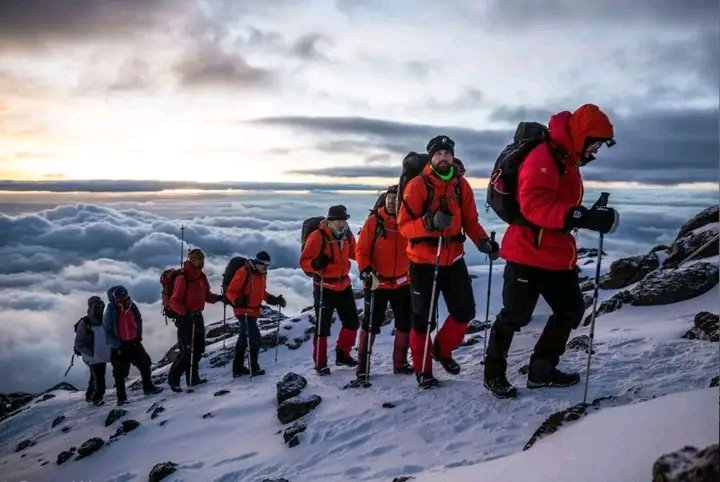
You normally begin the summit attempt around midnight or in the early hours of the morning, depending on the itinerary and guide’s plan.
Dress warmly.
Walk slowly.
Do not try to compete with other climbers.
Your guide will establish a steady rhythm.
The trail becomes increasingly steep as you approach Stella Point and the crater rim.
At this altitude, every step requires effort.
Eventually, you continue toward Uhuru Peak.
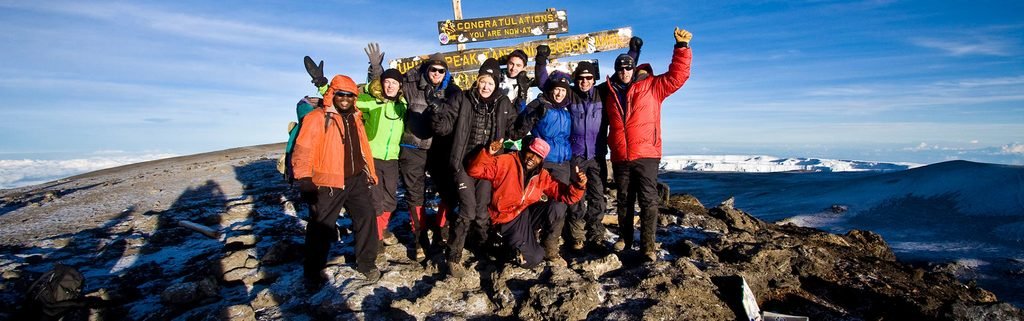
And then you see the famous summit sign.
UHURU PEAK – 5,895 METRES
Congratulations.You are standing on the highest point in Africa.Take photographs, celebrate with your team and enjoy the moment but remember that you still have a long descent ahead.You descend toward Mweka Camp for the night.
This can be a 12–16-hour day, depending on conditions and individual pace.
12. Day 8: Mweka Camp to Mweka Gate
After breakfast, you begin your final descent.
The landscape gradually changes again as you return to the rainforest.
The air becomes warmer.
The vegetation becomes greener.
Eventually you arrive at Mweka Gate.
After completing the necessary exit procedures, you transfer back toward your hotel.
You have officially completed your Kilimanjaro adventure.
Kilimanjaro Package Cost for 2026–2028
The exact cost of a Kilimanjaro package depends on the route, number of climbing days, group size, accommodation category, park fees, crew requirements, transfers and hotel nights.
For planning purposes, a complete 8-day Lemosho beginner package can be budgeted approximately as follows:
| Package | Estimated Price Per Person |
|---|---|
| 8-Day Lemosho Group Climb | US$2,100–US$2,800 |
| 8-Day Lemosho Private Climb | US$2,700–US$3,500+ |
| Airport Transfers | Included/available depending on package |
| Pre-climb hotel | Usually 1 night |
| Post-climb hotel | Usually 1 night |
| Professional mountain guide | Included |
| Porters | Included |
| Mountain meals | Included |
| Park and camping fees | Included in quoted package where applicable |
Important: These are planning estimates, not a fixed 2026–2028 tariff. TANAPA notes that fees vary according to visitor category, route and number of days, and that conservation, camping/hut and rescue charges may apply. Current official fees should therefore be confirmed when the booking is made.
For a final quotation, the package should be priced according to the exact travel dates, number of climbers, route and accommodation level.
What Is Included in the Package?
A professional complete Kilimanjaro package should normally include:
Before the climb
- Airport pickup
- Transfer to Moshi
- Pre-climb hotel accommodation
- Trek briefing
- Equipment check
- Route briefing
During the climb
- Kilimanjaro National Park fees
- Professional mountain guide
- Assistant guides where required
- Porters
- Camping fees or hut accommodation depending on route
- Mountain tents
- Sleeping arrangements
- Three meals per trekking day
- Drinking-water support according to the operator’s arrangement
- Emergency/rescue arrangements required by the park/operator
- Park registration and related climbing logistics
- Summit assistance
- Descent transfer
After the climb
- Transfer from the mountain
- Hotel accommodation if included in your selected package
- Breakfast
- Airport transfer when scheduled as part of the package
Always ask for a detailed written quotation before booking so you know exactly what is included and excluded.
What Is Not Usually Included?
Your international flights are generally separate.
You should also budget for:
- Tanzania visa
- Travel insurance
- Personal travel insurance with high-altitude trekking coverage
- Personal clothing and equipment
- Tips for the mountain crew
- Alcohol and personal drinks
- Laundry
- Personal purchases
- Additional hotel nights
- Medical expenses outside the package
- Optional activities before or after the climb
Travel insurance is particularly important because Kilimanjaro is a high-altitude environment.
Kilimanjaro Packing List for Beginners
You do not need to bring your entire wardrobe.
However, you need appropriate equipment.
Clothing
- Moisture-wicking base layers
- Fleece or warm mid-layer
- Insulated jacket
- Waterproof jacket
- Waterproof trousers
- Trekking trousers
- Thermal underwear
- Warm hat
- Sun hat
- Gloves
- Hiking socks
- Warm summit socks
Footwear
Bring properly broken-in hiking boots.
Do not arrive with brand-new boots and expect them to be comfortable on summit day.
Also consider:
- Lightweight camp shoes
- Gaiters
- Spare socks
Personal equipment
- Headlamp
- Spare batteries/power bank
- Sunglasses
- Sunscreen
- Lip balm
- Water bottles or hydration system
- Small backpack
- Trekking poles
- Personal medication
- Toiletries
- Wet wipes
- Small first-aid supplies
TANAPA specifically recommends cold-weather and rain gear, a headlamp and personal medications for Kilimanjaro visitors.
How to Prepare Your Body for Kilimanjaro
You do not need to become a professional athlete.
But you should arrive physically prepared.
Begin training around 8–12 weeks before your climb, if possible.
Focus on:
Walking
Start with regular walks.
Gradually increase distance and include hills or stairs.
Cardio
Good options include:
- Jogging
- Cycling
- Swimming
- Stair climbing
- Brisk walking
Strength
Focus on:
- Squats
- Lunges
- Step-ups
- Calf raises
- Core exercises
Long weekend hikes
If you live somewhere with hills, use them.
If you live somewhere flat, use stairs or a treadmill with an incline.
The goal is not to walk quickly.
The goal is to become comfortable walking for several hours.
The Most Important Beginner Rule: Pole Pole
You will hear your guides say:
Pole pole.
It means slowly, slowly
This is one of the most important phrases on Kilimanjaro.
Do not race.
Do not worry about how quickly another person is walking.
A slow, controlled pace helps conserve energy and gives your body more time to adapt.
Your goal is not to be the fastest climber.
Your goal is to reach Uhuru Peak safely.
Understanding Altitude Sickness
Altitude is the biggest challenge for many Kilimanjaro climbers.
Symptoms can include:
- Headache
- Nausea
- Dizziness
- Fatigue
- Loss of appetite
- Shortness of breath
Mild symptoms can occur as your body adjusts, but serious altitude illness can become dangerous.
That is why you should tell your guide immediately if you feel unwell.
Do not hide symptoms because you are afraid of being removed from the climb.
Your guide’s job is to protect your health.
TANAPA specifically advises climbers to report symptoms promptly and to follow guide instructions.
Best Time to Climb Kilimanjaro in 2026–2028
Kilimanjaro can be climbed throughout the year, but conditions vary.
The commonly preferred periods are:
January–March
Generally good for climbing, with relatively warm conditions and opportunities for clear views.
June–October
Another popular period, especially for travelers who prefer the generally drier conditions of the northern Tanzania trekking season.
November–December
Rain can affect some routes, although climbs remain possible.
The best month depends on your priorities, route and tolerance for weather variability.
Rather than choosing dates only because they are “cheap,” consider the weather, crowds and the amount of time you have available.
Why Longer Climbs Are Better for Beginners
One of the most important lessons for a first-time climber is this:
More days can be an advantage.
A 5-day climb may look attractive because it saves time and money.
But Kilimanjaro is not a race.
The mountain is high enough that your body needs time to adapt.
Longer routes allow you to climb more gradually and can improve the overall experience. TANAPA itself notes that climbs typically take 5–8 days and that more days increase the possibility of reaching the summit.
For beginners, I would generally choose:
8-day Lemosho > 7-day Machame > 6-day Marangu
if the main priority is giving yourself a good acclimatization schedule.
Why Choose Eko Tanzania Adventures?
For your Kilimanjaro adventure in 2026, 2027 or 2028, Eko Tanzania Adventures can organize a personalized climbing experience built around your preferred route, travel dates, group size and budget.
The goal should not simply be to sell you a mountain package.
It should be to help you understand the mountain before you arrive.
Your trip should include:
- Pre-climb preparation guidance
- Route selection
- Airport transfers
- Hotel arrangements
- Professional mountain guides
- Mountain crew coordination
- Quality meals
- Proper trekking logistics
- Safety-focused planning
- Summit support
- Post-climb transfers
The most important thing is that your climb is organized professionally and that your itinerary allows enough time for acclimatization.
Kilimanjaro Beginner Tips
Here are some simple lessons that can make a big difference:
1. Choose the right route
Do not choose a route simply because it is the cheapest.
2. Give yourself enough days
A longer itinerary is often worth the additional cost.
3. Train before arrival
You will enjoy the mountain much more if you arrive fit.
4. Break in your boots
Comfortable feet are extremely important.
5. Bring layers
Kilimanjaro can take you from warm rainforest to freezing summit conditions.
6. Drink regularly
Follow your guide’s hydration recommendations.
7. Eat even when you are not hungry
Your body needs energy.
8. Walk slowly
Remember: pole pole.
9. Listen to your guide
Your guide has experience with the mountain and changing conditions.
10. Don’t compare yourself with other climbers
Everyone reacts differently to altitude.
11. Protect yourself from the sun
High-altitude sunlight can be intense.
12. Keep a positive attitude
There will probably be difficult moments.
That’s part of the adventure.
Your 2026–2028 Kilimanjaro Adventure
Imagine arriving in Tanzania and seeing Kilimanjaro for the first time.
At the beginning, the mountain may seem impossibly high.
Then you start walking.
The forest surrounds you.
You hear birds.
The trail climbs gradually.
Days later, the landscape has completely changed.
You are walking above the clouds.
You are tired, but you keep moving.
Then summit night arrives.
The world becomes dark and quiet.
Your headlamp illuminates the trail ahead.
Step by step, you climb.
Eventually, the horizon begins to turn orange.
The first rays of sunlight appear.
And then you see Uhuru Peak.
That is the moment you realize that the mountain you were looking at from below is now beneath your feet.
Final Kilimanjaro Package Recommendation
A Beginner’s 8-Day Lemosho Route Kilimanjaro Climb – 2026, 2027 & 2028
Duration: 8 Days / 7 Nights
Mountain: Mount Kilimanjaro
Summit: Uhuru Peak – 5,895 m
Route: Lemosho
Difficulty: Moderate to challenging
Accommodation: Tented mountain camps
Recommended for: First-time climbers
Estimated package: US$2,100–US$2,800 per person for a group climb, subject to exact dates, group size and final inclusions
Meals: Full board during the trek
Professional guide: Included
Porters: Included
Park fees: Included where stated in the final quotation
Airport transfers: Available
Pre/post-climb hotel: Available
Summit assistance: Included
Best strategy: Slow pace + good preparation + adequate acclimatization
Most importantly, remember that conquering Kilimanjaro is not about being the strongest person in the group. It is about preparation, patience, determination and respecting the mountain.
With the right itinerary and professional support, a first-time trekker can take on one of Africa’s greatest adventures.
Your Kilimanjaro story can begin in 2026, 2027 or 2028. The summit is waiting.