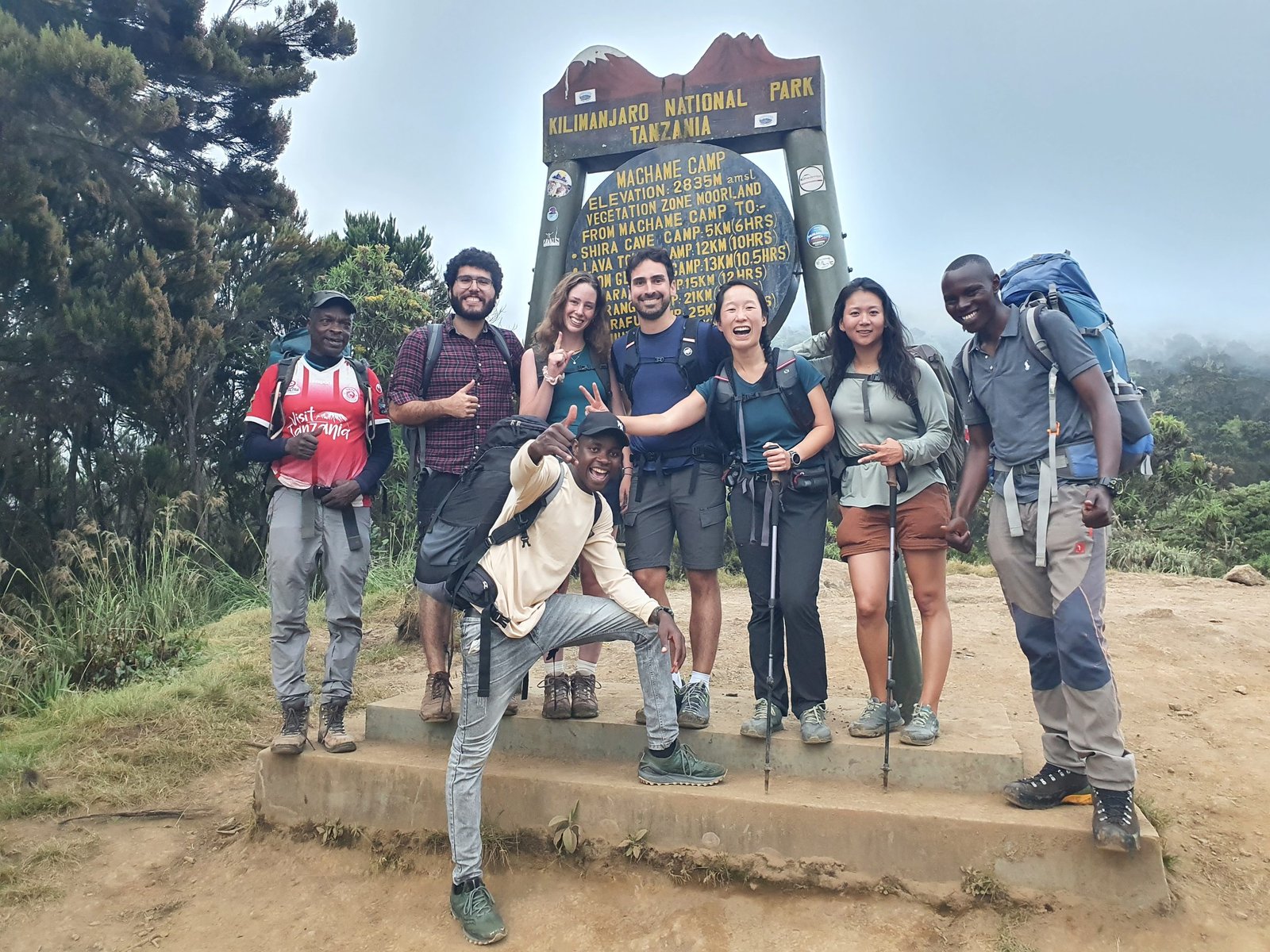
The Ultimate 10-Day Lemosho Route 2026–2028;Climbing Mount Kilimanja is more than simply reaching the highest point in Africa. It is a journey through changing landscapes, dramatic mountain scenery, high-altitude environments, and a demanding but rewarding physical challenge. Among the many routes to Uhuru Peak, the 10-Day Lemosho Route offers one of the most extended itineraries for climbers who want to dedicate additional time to acclimatization and enjoy a gradual ascent.
The Lemosho Route is widely appreciated for its scenic approach, relatively gradual progression during the early stages, and opportunity to experience several ecological zones of Mount Kilimanjaro. A 10-day itinerary allows the journey to be spread over a longer period, reducing the need to rush from one altitude zone to another.
For travelers planning their Kilimanjaro adventure in 2026, 2027, or 2028, this itinerary provides an excellent framework for a slower and more immersive mountain expedition.
10-Day Lemosho Route at a Glance Of The Ultimate 10-Day Lemosho Route 2026–2028
| Day | Route | Overnight |
|---|---|---|
| Day 1 | Lemosho Gate – Big Tree Camp | Big Tree Camp |
| Day 2 | Big Tree Camp – Shira 1 Camp | Shira 1 Camp |
| Day 3 | Shira 1 – Shira 2 Camp | Shira 2 Camp |
| Day 4 | Shira 2 – Moir Hut | Moir Hut |
| Day 5 | Moir Hut – Lava Tower – Barranco Camp | Barranco Camp |
| Day 6 | Barranco – Karanga Camp | Karanga Camp |
| Day 7 | Karanga – Barafu Camp | Barafu Camp |
| Day 8 | Barafu – Uhuru Peak – Mweka Camp | Mweka Camp |
| Day 9 | Mweka Camp – Mweka Gate | Mweka area / departure |
| Day 10 | Departure or optional safari/beach extension | — |
Exact camp locations and daily arrangements can vary depending on the trekking program, mountain conditions, park regulations, and the operator’s itinerary.
Why Choose the 10-Day Lemosho Route?:The Ultimate 10-Day Lemosho Route 2026–2028
The biggest attraction of a 10-day Lemosho climb is the opportunity to take the ascent slowly.
Altitude is one of the most important factors on Kilimanjaro. A climber can be physically strong and still experience altitude-related problems if the body does not adapt adequately to increasing elevation.
A longer itinerary provides more time for the body to adjust.
However, spending 10 days on the mountain does not guarantee that someone will avoid altitude sickness. Acclimatization depends on individual physiology, pacing, hydration, sleep, altitude exposure, and other factors.
The 10-day itinerary is particularly attractive to travelers who prefer:
- A slower climbing pace
- More time at altitude
- A gradual approach to the summit
- Scenic trekking rather than rushing
- More opportunities to observe the mountain environment
- A longer and more immersive Kilimanjaro experience
- Additional time for rest and adaptation
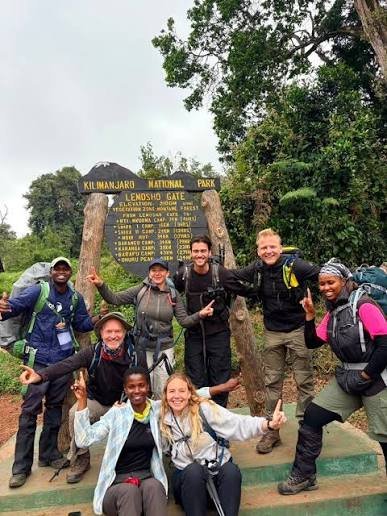
Day 1: Lemosho Gate to Big Tree Camp:The Ultimate 10-Day Lemosho Route 2026–2028
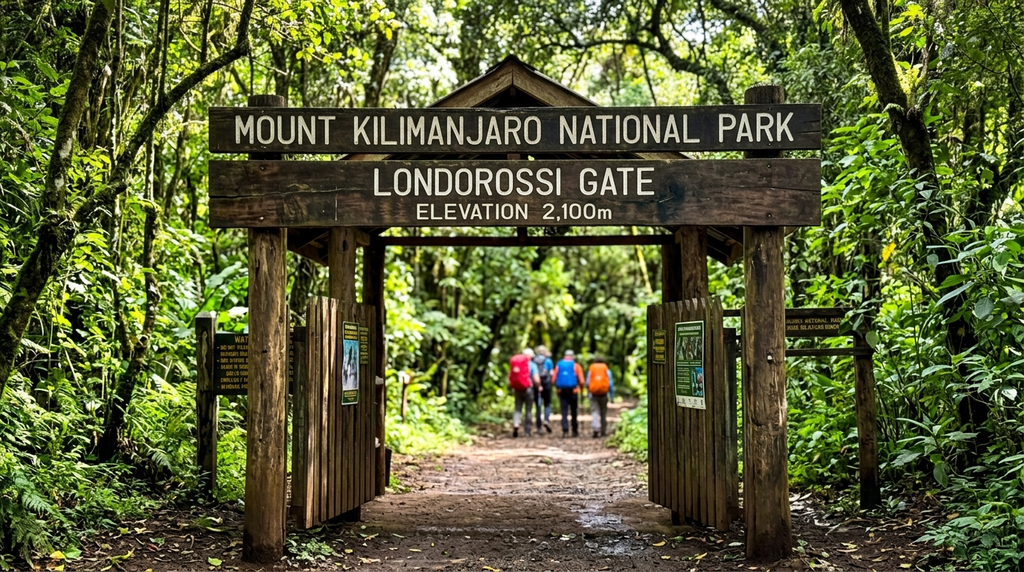
Your adventure begins after traveling from your accommodation toward the western side of Mount Kilimanjaro.
After registration and other entry procedures at Lemosho Gate, the trek begins through the lower montane forest.
The first day is generally designed as an introduction to the mountain. The walking distance is manageable compared with later stages, allowing climbers to settle into their rhythm.
The forest environment can feel very different from the surrounding lowlands. The trail passes through lush vegetation, and the atmosphere gradually changes as you move deeper into Kilimanjaro’s wilderness.
You eventually arrive at Big Tree Camp, where you spend the night.
The main goal on this first day is not speed. It is to begin the expedition comfortably and conserve energy for the days ahead.
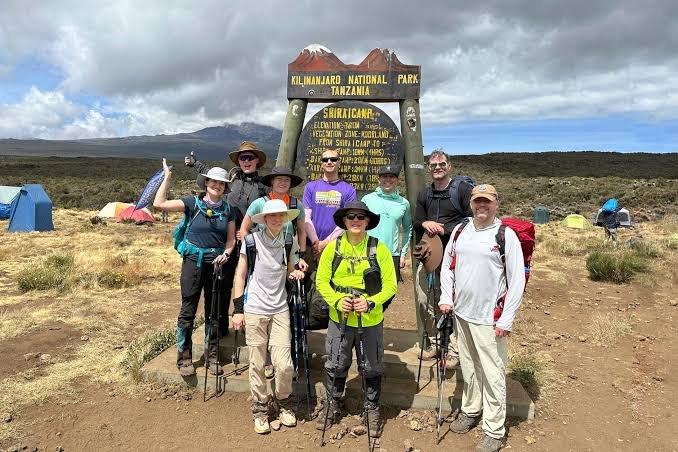
Day 2: Big Tree Camp to Shira 1 Camp:The Ultimate 10-Day Lemosho Route 2026–2028
The second day takes you higher toward the Shira Plateau.
As you leave the forest zone behind, the landscape gradually becomes more open. Vegetation becomes less dense, and mountain scenery begins to dominate the surroundings.
The change in environment is one of the memorable aspects of the Lemosho Route.
You continue climbing at a controlled pace toward Shira 1 Camp, where you spend the night.
This stage introduces you to a higher altitude, making it an important part of the acclimatization process.
Your guides will normally encourage a slow and consistent walking rhythm. On Kilimanjaro, the principle of “pole pole,” meaning slowly, is extremely important.
Day 3: Shira 1 to Shira 2 Camp
Day three provides an opportunity to explore more of the Shira Plateau while continuing the gradual ascent.
Rather than focusing solely on gaining altitude quickly, the itinerary allows you to spend additional time in the high-altitude environment.
The Shira landscape is characterized by wide-open terrain, volcanic features, and impressive views toward the higher sections of Kilimanjaro.
Walking across the plateau can feel dramatically different from the forest trekking of the first days.
You arrive at Shira 2 Camp, where you rest and prepare for the increasingly challenging stages ahead.
For many climbers, this is one of the most scenic portions of the route.
The fourth day continues across higher terrain toward Moir Hut.
Day 4: Shira 2 to Moir Hut:The Ultimate 10-Day Lemosho Route 2026–2028
This section introduces more rugged surroundings and reinforces the importance of maintaining a steady pace.
Moir Hut is located at a higher elevation than the earlier camps, meaning your body is now experiencing a substantially different environment.
This is where the extended 10-day itinerary becomes particularly valuable.
Instead of rushing through the mountain, you have additional time to experience altitude and monitor how your body responds.
Your guide and mountain crew can also observe your condition and adjust the pace when necessary.
Day 5: Moir Hut to Lava Tower and Barranco Camp
Day five is an important acclimatization day.
You climb toward the Lava Tower area, reaching a significantly higher elevation before descending toward Barranco Camp.
This follows the well-known acclimatization principle:
Climb high, sleep lower.
The temporary ascent exposes your body to a higher altitude, while descending to Barranco provides a lower sleeping elevation.
The landscape becomes increasingly dramatic as you move through the alpine desert environment.
After reaching the Lava Tower area, the trail descends toward Barranco Camp.
The Barranco landscape is one of the highlights of the Lemosho Route, with the imposing Barranco Wall rising above the campsite.
Day 6: Barranco to Karanga Camp:The Ultimate 10-Day Lemosho Route 2026–2028
The day begins with the famous Barranco Wall.
Although the wall may appear intimidating from a distance, the route involves scrambling and careful hiking rather than technical rock climbing under normal conditions.
With the assistance of experienced mountain guides, climbers make their way upward at a controlled pace.
Once above the wall, the trail continues through the alpine desert landscape toward Karanga.
The route includes a series of ups and downs, making this day physically demanding even though the overall distance is not extreme.
You eventually reach Karanga Camp, where you rest before the final approach to Barafu.
Day 7: Karanga to Barafu Camp
This is the final major preparation day before the summit.
The trail climbs toward Barafu Camp, the high camp from which the summit attempt begins.
As you approach Barafu, the environment becomes increasingly barren and exposed.
At this stage, conserving energy becomes extremely important.
Once you arrive at camp, the mountain team normally prepares for the summit attempt.
Because summit night starts very early, climbers usually eat, organize their equipment, and try to sleep as much as possible.
The summit is now within reach.
Day 8: Barafu Camp to Uhuru Peak and Mweka Camp
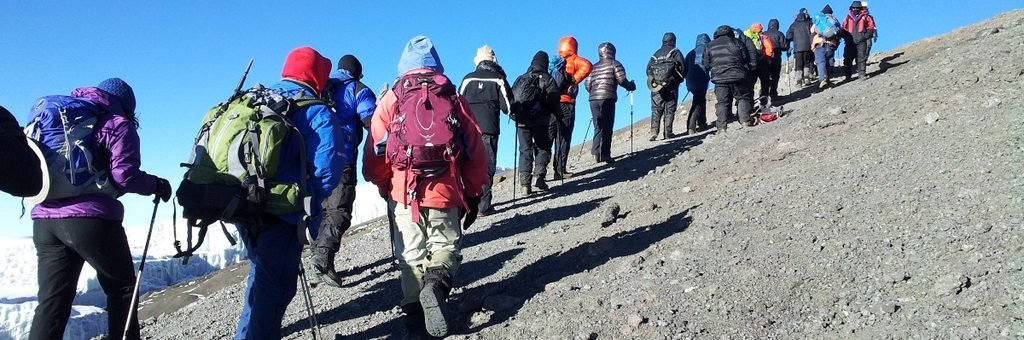
This is the most demanding and memorable day of the expedition.
The summit attempt usually begins during the night or very early morning.
The purpose of the early start is to reach the summit around sunrise or during the morning, depending on pace and conditions.
The trail climbs toward Stella Point on the crater rim before continuing toward Uhuru Peak, the highest point of Mount Kilimanjaro.
At approximately 5,895 meters (19,341 feet) above sea level, Uhuru Peak represents the highest point on the mountain and the highest elevation in Africa.
The final ascent can be challenging because of altitude, cold temperatures, darkness, steep terrain, and accumulated fatigue.
Once you reach Uhuru Peak, the moment can be deeply rewarding.
After spending an appropriate amount of time at the summit, you begin the descent.
The descent continues toward Mweka Camp, where you spend the night.
Although descending is generally faster than ascending, it can still be physically demanding after the summit effort.
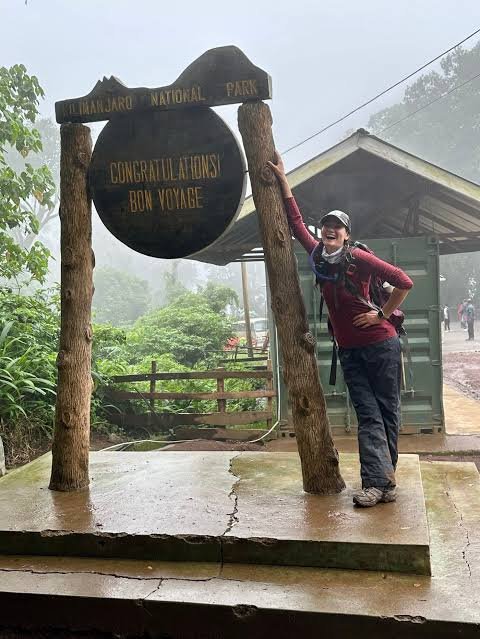
Day 9: Mweka Camp to Mweka Gate:The Ultimate 10-Day Lemosho Route 2026–2028
The final trekking day takes you from Mweka Camp through the forest toward Mweka Gate.
After several days in high-altitude environments, returning into the forest can feel like entering a completely different world.
At the gate, the formal trekking process is completed and the mountain adventure comes to an end.
From here, you can return to your accommodation in the Arusha or Moshi area, depending on your travel arrangements.
Some travelers choose to continue with a Tanzania safari, while others travel onward to Zanzibar for a beach holiday.
Day 10: Departure or Optional Tanzania Extension
The tenth day provides flexibility.
Depending on how the package is designed, it can be used as a departure day or as the beginning of an additional Tanzania experience.
A popular option is to combine your Kilimanjaro climb with a wildlife safari.
Possible safari destinations include:
- Tarangire National Park
- Ngorongoro Conservation Area
- Serengeti National Park
- Lake Manyara National Park
Another option is to continue to Zanzibar for a tropical beach holiday.
This creates a memorable combination of mountain adventure, wildlife, culture, and coastal relaxation.
Exceptional Acclimatization on the 10-Day Lemosho Route
The central reason many climbers consider a 10-day itinerary is the additional time available for acclimatization.
As altitude increases, atmospheric pressure decreases and the body receives less oxygen with each breath.
The body needs time to adapt.
A longer itinerary can provide more gradual exposure to altitude compared with a compressed schedule.
Important acclimatization practices include:
Walk Slowly
A slow pace helps conserve energy and allows your body to adapt to the altitude.
Stay Hydrated
Adequate fluid intake is an important part of mountain preparation. Your guide and support team can advise you on appropriate hydration during the trek.
Eat Regularly
High-altitude trekking requires energy. Even when appetite decreases, maintaining adequate nutrition is important.
Communicate With Your Guide
If you experience headache, nausea, unusual fatigue, dizziness, breathing difficulty, confusion, or other concerning symptoms, inform your guide immediately.
Do not hide symptoms because you are afraid of being removed from the climb.
Altitude illness can become serious.
Follow Your Guide’s Instructions
Experienced mountain guides monitor the group’s pace, condition, and progress. Their instructions should be taken seriously, especially during the summit attempt.
Difficulty of the 10-Day Lemosho Route
The 10-day Lemosho Route is physically demanding, but the longer itinerary gives climbers more time to adapt to the mountain environment.
The main challenges include:
- High altitude
- Long walking days
- Cold temperatures
- Steep sections
- Rocky terrain
- Summit-night fatigue
- Limited sleep around the summit attempt
- Changing weather conditions
The biggest challenge is usually not simply fitness.
Altitude is a major factor.
Someone who is physically fit can still struggle at high elevation, while a moderately fit person may progress well when properly paced and acclimatized.
Who Is the 10-Day Lemosho Route Suitable For?
This itinerary can be particularly suitable for travelers who prioritize a gradual expedition rather than completing Kilimanjaro as quickly as possible.
It may appeal to:
- First-time high-altitude trekkers
- Experienced hikers wanting a longer itinerary
- Travelers with enough vacation time
- People who prefer slower trekking
- Climbers who want additional acclimatization opportunities
- Photographers and nature enthusiasts
- Travelers combining Kilimanjaro with safari or Zanzibar
However, the route remains physically demanding. Good preparation is still necessary.
Training for the 10-Day Lemosho Route
You should begin preparing well before your arrival in Tanzania.
A balanced training program can include:
Long-Distance Walking
Build your ability to walk for several hours while carrying a daypack.
Hill Training
Practice walking uphill and downhill whenever possible.
Cardiovascular Training
Activities such as walking, hiking, cycling, swimming, or running can improve cardiovascular endurance.
Strength Training
Strengthen your legs, hips, core, and upper body to help you handle long trekking days.
Practice With Your Hiking Boots
Do not arrive in Tanzania with completely new boots.
Wear them during training so your feet can adjust and reduce the risk of blisters.
What to Pack for the 10-Day Lemosho Route
A suitable packing list should include:
- Waterproof hiking boots
- Comfortable trekking trousers
- Thermal base layers
- Warm fleece or insulating layer
- Waterproof jacket and trousers
- Warm down or synthetic jacket
- Gloves
- Warm hat
- Sun hat
- Sunglasses
- Headlamp
- Sleeping bag suitable for cold mountain temperatures
- Trekking poles
- Water bottles or hydration system
- Backpack
- Duffel bag for your mountain equipment
- Sunscreen
- Personal toiletries
- Personal medication
- Headlamp batteries
- High-energy snacks
Your exact equipment requirements depend on the season, itinerary, personal preferences, and the equipment supplied as part of your package.
Best Time to Climb the Lemosho Route in 2026–2028
Kilimanjaro can be climbed throughout the year, but weather conditions vary by season.
Generally, the drier periods are popular because trails tend to be more favorable for trekking.
Commonly preferred periods include:
- January to March
- June to October
- December
The rainy periods can bring wetter trails and more challenging conditions, although some experienced travelers still choose to climb during these months.
The best month depends on your priorities, including weather, crowd levels, budget, and availability.
Estimated Cost of the 10-Day Lemosho Route
The cost of a 10-day Lemosho climb varies considerably.
Important factors include:
- Number of climbers in the group
- Season
- Park fees
- Guide and mountain crew costs
- Food
- Camping equipment
- Transfers
- Accommodation before and after climbing
- Airport transfers
- Number of private services
- Additional activities
For a properly organized 10-day Lemosho Route, travelers should expect a higher total cost than shorter Kilimanjaro itineraries because the trip involves additional days of park fees, staff support, food, accommodation, logistics, and equipment.
A realistic package quotation should clearly explain what is included rather than presenting only a headline price.
What a Kilimanjaro Package Should Include
Before booking, check whether the price covers:
- Kilimanjaro National Park fees
- Camping fees
- Rescue-related park charges where applicable
- Professional mountain guide
- Porters
- Cook
- Meals during the climb
- Drinking water
- Airport or hotel transfers
- Accommodation before and after the climb
- Government taxes and applicable service charges
Also ask which items are excluded.
Possible exclusions include:
- International flights
- Visa
- Travel insurance
- Personal climbing equipment
- Tips for the mountain crew
- Personal expenses
- Additional accommodation
- Optional safari or Zanzibar extensions
10-Day Lemosho vs Shorter Kilimanjaro Routes
| Feature | 10-Day Lemosho | Shorter Itinerary |
|---|---|---|
| Trekking pace | More gradual | Often faster |
| Time for acclimatization | Extended | More limited |
| Scenic experience | Extensive | Depends on route |
| Time commitment | Longer | Shorter |
| Physical challenge | Still demanding | Can feel more compressed |
| Suitable for | Travelers with more time | Travelers with limited vacation |
| Summit preparation | More gradual | More compressed |
The important point is that more days do not automatically guarantee summit success. Individual response to altitude varies, and safe decision-making on the mountain remains essential.
Why Lemosho Is a Memorable Kilimanjaro Experience
The Lemosho Route offers a remarkable transition through Kilimanjaro’s ecological zones.
During the expedition, you can experience environments ranging from:
Rainforest → Moorland → Shira Plateau → Alpine Desert → Arctic Summit Zone
This dramatic transformation is one of the reasons the route is so appealing.
The mountain does not look the same from the beginning to the summit.
Every few days, the vegetation, temperature, terrain, and atmosphere change.
Responsible Trekking on Kilimanjaro
A successful climb should also respect the mountain and the people who make the expedition possible.
Travelers should:
- Avoid leaving litter on the trail
- Follow designated routes
- Respect wildlife and vegetation
- Use campsites responsibly
- Follow park regulations
- Treat guides, cooks, and porters respectfully
- Carry reusable water bottles where practical
- Avoid unnecessary single-use plastic
- Listen to safety instructions
Responsible tourism helps protect Kilimanjaro for future generations.
Practical Tips for a Successful 10-Day Lemosho Climb
1. Start Training Early
Do not wait until the final few weeks before departure.
2. Arrive in Tanzania Rested
A good night’s sleep before starting the climb can help you begin the expedition in better condition.
3. Keep Your Pace Slow
There is no prize for reaching camp first.
4. Tell Your Guide How You Feel
Communication is essential at altitude.
5. Protect Yourself From the Sun
High-altitude sunlight can be intense. Use sunscreen, sunglasses, and appropriate clothing.
6. Keep Warm
Temperatures can fall dramatically, especially around the summit.
7. Take the Summit Seriously
Summit night is demanding. Follow the guide’s instructions and do not underestimate the combination of cold, altitude, darkness, and fatigue.
8. Focus on the Journey
Kilimanjaro is not only about the summit photograph.
The forests, volcanic landscapes, camps, sunrise views, friendships, and sense of progression are all part of the experience.
Combining the 10-Day Lemosho Route With a Tanzania Safari
One of the advantages of choosing a longer Kilimanjaro itinerary is that travelers often have enough vacation time to add a safari afterward.
A possible extension could include a northern Tanzania safari through Tarangire, Ngorongoro, and Serengeti.
This creates a complete Tanzania adventure:
Kilimanjaro → Wildlife Safari → Zanzibar
You can begin with the physical challenge of climbing Africa’s highest mountain, continue with wildlife viewing, and finish with several relaxing days on the Indian Ocean coast.
Final Thoughts
The Ultimate 10-Day Lemosho Route 2026–2028 ;is designed for travelers who want to experience Mount Kilimanjaro through a longer, more gradual expedition. Its greatest advantage is the additional time available for altitude exposure and adaptation, while the route itself provides a spectacular journey through Kilimanjaro’s changing ecological zones.
From the forested slopes of Lemosho to the open Shira Plateau, from Lava Tower and Barranco to Barafu Camp and finally Uhuru Peak, every stage contributes something different to the adventure.
Reaching Uhuru Peak at approximately 5,895 meters is a demanding achievement, and the summit should never be treated as guaranteed. Good preparation, sensible pacing, appropriate equipment, experienced mountain support, and careful attention to altitude symptoms are all essential.
For travelers planning their Kilimanjaro adventure in 2026, 2027, or 2028, the 10-day Lemosho Route offers a long-form mountain experience that gives the journey itself as much importance as the final summit.
If your goal is to experience Kilimanjaro without rushing, while allowing substantial time for acclimatization and enjoying the dramatic scenery of one of Africa’s most iconic mountains, the 10-day Lemosho itinerary is a compelling format for y