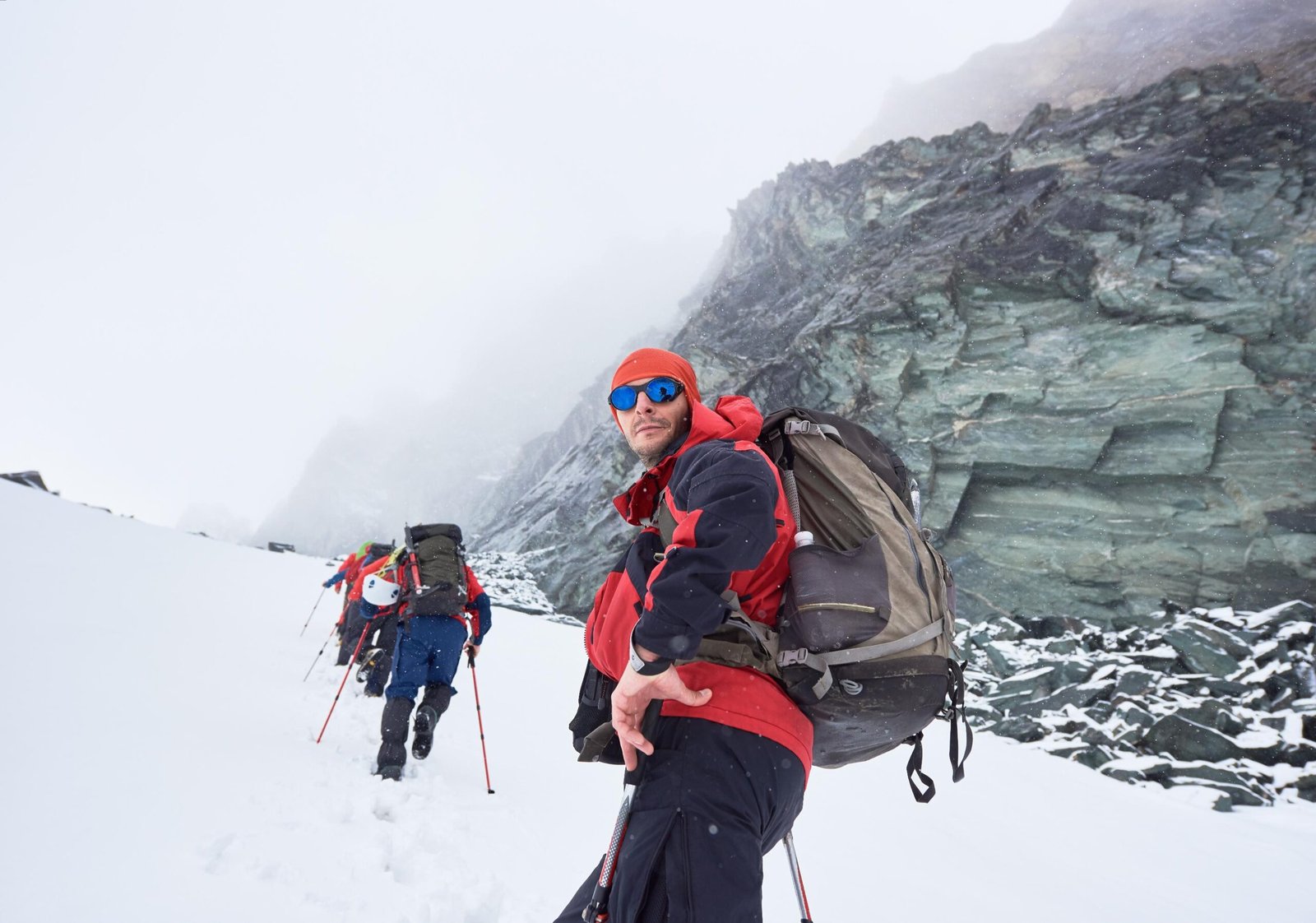
Preparing for Climbing Mount Kilimanjaro : Climbing Mount Kilimanjaro is one of the world’s great trekking goals. At 5,895 metres, Uhuru Peak is the highest point in Africa, but reaching it is not simply about being strong or determined. Good preparation is what turns a difficult climb into a safer, more enjoyable, and more realistic summit attempt.
The right preparation begins long before you arrive in Tanzania. It includes choosing a suitable route, allowing enough days for acclimatisation, improving your fitness, packing proper equipment, arranging travel insurance, and understanding what altitude can do to your body.
You do not need technical climbing experience to climb Kilimanjaro. You do not need ropes, ice axes, or advanced mountaineering skills on the standard trekking routes. But you do need to be prepared for long days of walking, cold temperatures, changing weather, thin air, and a demanding summit night.
This guide from EKO Tanzania Adventures explains exactly how to prepare for climbing Mount Kilimanjaro, whether you are planning a Machame, Marangu, Lemosho, Rongai, Northern Circuit, Shira, or Umbwe Route trek.
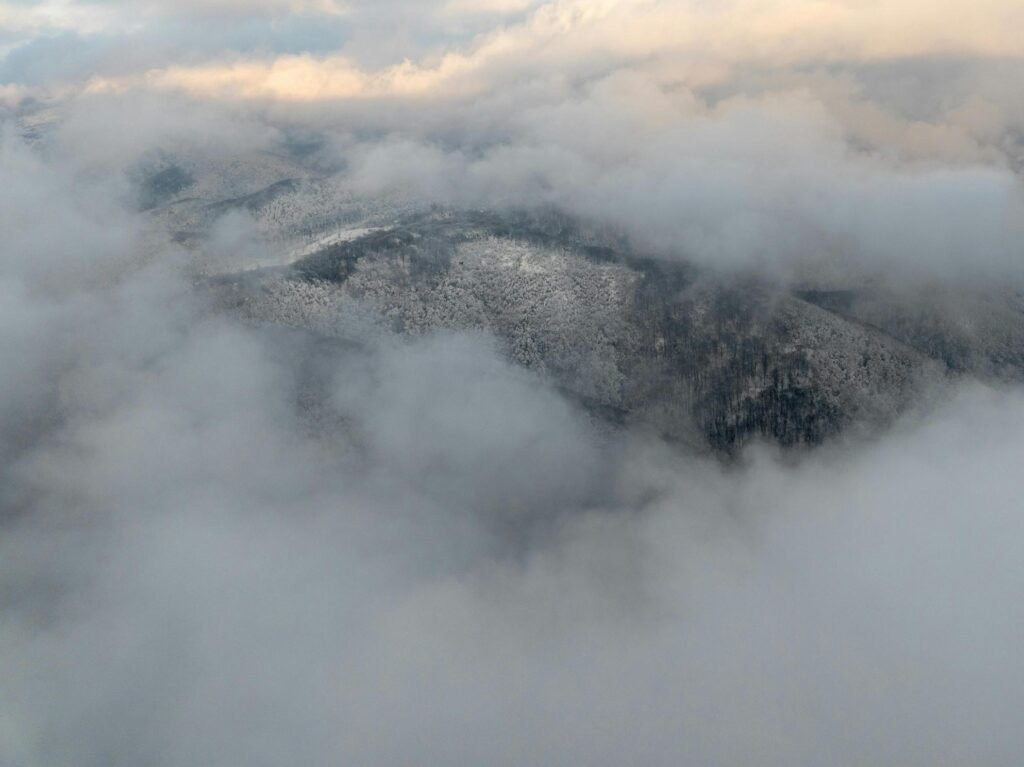
1. Choose a Kilimanjaro route with enough acclimatisation time
The most important choice you make is not your jacket or hiking boots. It is the number of days you give your body to adjust to altitude.
Kilimanjaro is high enough for altitude sickness to affect anyone, including very fit people. A longer route does not guarantee reaching the summit, but it gives your body more time to adapt gradually and usually improves your chances of success.
For most climbers, the better choices are:
- 6-Day Machame Route
- 7-Day Machame Route
- 7-Day Lemosho Route
- 8-Day Lemosho Route
- 6-Day Rongai Route
- 7-Day Rongai Route
- 8 or 9-Day Northern Circuit Route
- 6-Day Marangu Route
Shorter climbs may cost less and fit into a tighter schedule, but they often involve faster altitude gain. It is usually better to choose one extra day on the mountain than to rush the climb.
The phrase you will hear often on Kilimanjaro is “pole pole,” meaning “slowly, slowly” in Swahili. This is not just a friendly phrase. Slow pacing is one of the most important parts of acclimatisation.
2. Build your fitness before travelling to Tanzania
Kilimanjaro is a trekking mountain, not a technical climbing mountain, but it requires good endurance. You may walk for four to eight hours on many trekking days, and summit night can take much longer.
Start preparing at least eight to twelve weeks before your climb if possible. If you already exercise regularly, you can focus on making your fitness more specific to hiking. If you are starting from a lower fitness level, give yourself more time and build gradually.
Your training should include three main areas.
Cardiovascular fitness
Walking uphill at altitude requires a healthy heart and lungs. Good activities include:
- Fast walking
- Hill walking
- Hiking with a small backpack
- Stair climbing
- Running or jogging
- Cycling
- Swimming
- Rowing machine workouts
- Elliptical or cross-trainer sessions
Aim for regular sessions rather than one extreme workout each week. Consistency matters more than trying to become exhausted.
Leg and core strength
Your legs will carry you uphill and protect your knees during long descents. Your core helps with balance, posture, and carrying a daypack.
Useful exercises include:
- Squats
- Lunges
- Step-ups
- Calf raises
- Deadlifts with suitable weight
- Planks
- Side planks
- Glute bridges
- Stair sessions
You do not need to become a bodybuilder. The goal is practical strength for repeated uphill and downhill movement.
Hiking practice
The best training for a mountain trek is walking on uneven ground. Try to include regular hikes, preferably with hills. Wear the boots you plan to take to Kilimanjaro and carry a light daypack.
Build up gradually. Start with shorter walks and increase your distance, elevation gain, and time on your feet. A weekend hike of several hours is valuable because it teaches you how your feet, knees, back, and energy levels respond.
3. Train for the long summit night
The final push to Uhuru Peak is usually the hardest part of the climb. Most groups leave camp around midnight and walk for six to eight hours, sometimes longer, before reaching the summit near sunrise.
It is cold, dark, windy, and high. You may be tired from the previous days of trekking, and the thin air makes every step feel harder.
You cannot fully recreate 5,895 metres at home, but you can prepare for the effort. Include long walks, uphill training, and occasional early-morning or evening hikes in your routine. Practice walking slowly for several hours, because the summit pace is deliberately slow.
Mental preparation is also important. Summit night is rarely comfortable, even for strong hikers. Expect that it will be difficult. If you expect discomfort, you are less likely to panic when you feel tired, cold, or slow.
Break the climb into small goals. Focus on reaching the next rest stop, the next ridge, or the next sunrise rather than thinking only about the summit.
4. Buy or rent the right Kilimanjaro gear
Good gear makes a real difference on Kilimanjaro. You will move through several climate zones, from warm rainforest to freezing summit conditions. A proper layering system lets you add or remove clothing as conditions change.
Essential clothing
- Waterproof hiking boots with ankle support
- Thick hiking socks and spare pairs
- Moisture-wicking base layers
- Hiking trousers
- Lightweight trekking shirts
- Warm fleece or insulated mid-layer
- Down jacket or warm insulated jacket
- Waterproof jacket with hood
- Waterproof trousers
- Warm hat or beanie
- Neck warmer or buff
- Warm gloves and insulated summit gloves
- Sun hat or cap
- Sunglasses with UV protection
Avoid brand-new boots. Break in your boots before travelling so you know they are comfortable and less likely to cause blisters.
Essential equipment
- Daypack, usually around 25–35 litres
- Headlamp with spare batteries
- Trekking poles
- Refillable water bottles or hydration bladder
- Sleeping bag suitable for cold mountain conditions
- Rain cover for your daypack
- Personal first-aid items
- Power bank for phone or camera
- Sunscreen and lip balm with SPF
- Hand sanitiser and wet wipes
- Small quick-dry towel
- Personal medication
EKO Tanzania Adventures can advise you on what is included with your climb and what equipment may be available for rent in Arusha or Moshi.
5. Learn how altitude affects the body
Altitude is the main challenge on Kilimanjaro. As you climb higher, the air contains less available oxygen. Your body needs time to adapt, and this process is called acclimatisation.
Mild symptoms can include:
- Headache
- Tiredness
- Reduced appetite
- Difficulty sleeping
- Mild dizziness
- Feeling short of breath during exertion
These symptoms can happen even if you are fit. The key is to communicate honestly with your guide. Do not hide symptoms because you are worried about slowing the group down. Your guide needs correct information to help you make safe decisions.
More serious symptoms require immediate attention and may mean descending. Your guide is trained to monitor your condition and will advise you based on safety.
The best ways to support acclimatisation are simple:
- Choose a longer route
- Walk slowly
- Drink enough water
- Eat regularly
- Avoid alcohol before and during the climb
- Sleep and rest when possible
- Follow your guide’s instructions
- Report symptoms early
Speak with your doctor before travel about your personal health, any existing conditions, and whether altitude medication is suitable for you. Never begin medication without proper medical advice.
6. Hydrate properly before and during the trek
Dehydration can make altitude symptoms feel worse, so drinking enough water is important. Most climbers should aim to drink regularly throughout the day rather than waiting until they feel very thirsty.
On the mountain, your guide may recommend around three to four litres of fluid per day, depending on your size, exertion level, and conditions. This includes water, tea, soup, and other fluids, but plain water should remain the main focus.
Bring either two refillable bottles or a hydration bladder. In very cold conditions, bottles can freeze near the summit, so keep them insulated and carry them upside down where practical. Water freezes first at the top of the bottle, so this can help prevent the lid from becoming blocked.
Avoid drinking excessive alcohol in the days before your climb. Alcohol can affect sleep, hydration, and how you feel at altitude.
7. Prepare your nutrition and energy plan
Your mountain crew will prepare meals during your Kilimanjaro climb, and food is designed to give you enough energy for long trekking days. Meals often include soup, vegetables, rice, pasta, potatoes, chicken, eggs, fruit, porridge, tea, coffee, and snacks.
At altitude, some climbers lose appetite. It is still important to eat something. Small portions, warm soups, carbohydrates, and familiar snacks can help.
Bring a few favourite snacks from home, especially for summit night. Good options include:
- Energy bars
- Chocolate
- Dried fruit
- Nuts
- Sweets
- Electrolyte tablets
- Biscuits
- Chewing gum
- Small packets of nuts or trail mix
Tell EKO Tanzania Adventures before departure if you are vegetarian, vegan, gluten-free, diabetic, allergic to foods, or have any other dietary requirement. This allows the mountain cook to prepare properly.
8. Arrange travel insurance with high-altitude cover
Do not travel to Kilimanjaro with ordinary travel insurance only. Check that your policy specifically covers trekking to at least 6,000 metres and includes emergency evacuation.
Your insurance should cover:
- High-altitude trekking
- Emergency evacuation
- Medical treatment
- Trip cancellation or interruption
- Lost or delayed luggage
- Travel delays
Read the policy wording carefully. Some policies cover hiking only up to a lower altitude, which is not enough for Kilimanjaro. Keep your policy details, emergency number, and insurer contact information accessible during your trip.
9. Plan your arrival in Tanzania early
Arrive in Tanzania at least one or two days before your Kilimanjaro climb begins. This gives you time to rest after international flights, recover from jet lag, check your equipment, rent missing items, and meet your guide.
Arriving on the same day as your trek can create unnecessary pressure. Flight delays, lost luggage, tiredness, or last-minute gear issues can make the beginning of the climb stressful.
Before the trek, EKO Tanzania Adventures will arrange a briefing. This is the time to check your equipment, ask questions, confirm your route, discuss dietary needs, and make sure you understand the daily plan.
Use your first night in Moshi or Arusha to rest, drink water, eat a good meal, and organise your bags.
10. Understand what your porter carries and what you carry
Your Kilimanjaro team includes porters who carry the main equipment, food, camp supplies, and your duffel bag. However, you will carry your personal daypack every day.
Your daypack should normally include:
- Water
- Rain jacket
- Warm layer
- Gloves and hat
- Snacks
- Sunglasses and sunscreen
- Camera or phone
- Headlamp
- Personal medication
- Toilet paper or tissues
- Small first-aid items
- Documents or valuables
Keep it light but practical. You should have quick access to anything you may need during the day without opening your main bag.
Porters work hard and are a vital part of a safe Kilimanjaro climb. Pack responsibly, follow the stated luggage weight limits, and plan to tip your mountain team fairly at the end of your trek.
11. Prepare mentally for changing conditions
Kilimanjaro is not only physical. It also tests patience and mindset. There may be rain in the forest, dust in the alpine desert, wind at camp, cold on summit night, and days when you do not feel as strong as expected.
A good mindset helps. Be flexible, listen to your guide, and focus on the whole experience rather than only the final summit photograph.
Some useful mental habits include:
- Do not compare yourself too much with other climbers
- Take one day at a time
- Walk at your own safe pace
- Celebrate small progress
- Ask for help when you need it
- Keep a positive but realistic attitude
- Remember that turning back for health reasons is never failure
The goal is to return safely with a strong experience, whether or not you stand at Uhuru Peak.
12. Choose a professional local Kilimanjaro team
Your guide and mountain crew make a major difference to your climb. A professional operator plans your route properly, provides experienced guides, checks your health, prepares food, manages porters responsibly, and supports you when conditions become difficult.
When booking, ask about:
- Route length and acclimatisation profile
- Guide experience and safety training
- Daily health checks
- Emergency oxygen and first-aid equipment
- Mountain crew size
- Food and drinking water arrangements
- Sleeping arrangements
- Porter welfare
- Included permits and rescue fees
- Equipment rental options
- Transfer and hotel arrangements before and after the climb
A low price should never be the only reason to choose a Kilimanjaro operator. Your safety, crew support, route length, and overall organisation are far more important.
A simple Kilimanjaro preparation timeline
Three months before your climb
Start regular cardio and strength training. Begin weekend hikes, check your passport validity, research travel insurance, and choose your route.
Two months before your climb
Increase the length of your hikes, break in your boots, buy or rent important gear, and confirm your flights.
One month before your climb
Take longer training walks with a backpack. Check all clothing layers, arrange vaccinations or medical advice if required, and finalise insurance.
Two weeks before your climb
Reduce the risk of injury by avoiding extreme new workouts. Continue light training, sleep well, organise documents, and prepare your packing list.
One week before your climb
Stay hydrated, eat well, avoid excessive alcohol, complete your packing, and get plenty of rest. You want to arrive in Tanzania healthy and fresh, not exhausted from last-minute training.
Book your Kilimanjaro climb with EKO Tanzania Adventures
Preparing for Kilimanjaro is part of the adventure. With good fitness, suitable equipment, enough acclimatisation days, and the right local mountain team, you give yourself the best chance of enjoying the climb and reaching your personal goal safely.
EKO Tanzania Adventures can arrange private and group Kilimanjaro climbs, Mount Meru treks, Tanzania safaris, and Zanzibar beach extensions.
Call or WhatsApp: +255 761 353 184
Email: info@ekotanzaniaadventures.com
Alternative email: ekotanzaniaadventure@gmail.com
Prepare well, climb slowly, and let every day on Mount Kilimanjaro count.