The Ultimate 7-Day Machame Group Climbing Tour 2026–2028Climbing Mount Kilimanjaro is one of the most remarkable adventure experiences in Tanzania. Standing at approximately 5,895 meters above sea level, Mount Kilimanjaro is Africa’s highest mountain and attracts trekkers from around the world who dream of standing at Uhuru Peak.
Among the mountain’s established trekking routes, the Machame Route is especially popular because of its dramatic scenery, diverse landscapes, and progressive approach toward the summit. A 7-day Machame group climbing tour gives travelers the opportunity to experience this route at a measured pace while sharing the adventure with other climbers.
The 2026–2028 climbing seasons provide an excellent opportunity to plan this expedition well in advance. However, Kilimanjaro should never be treated as an ordinary hiking trip. Altitude, weather, terrain, cold temperatures, and summit-night fatigue all require proper preparation.
This guide explains what travelers can expect from a 7-Day Machame Route group climb, including the itinerary, acclimatization strategy, difficulty, training, packing requirements, estimated costs, and practical preparation advice.
7-Day Machame Route at a Glance Of The Ultimate 7-Day Machame Group Climbing Tour 2026–2028
| Day | Route | Approximate Overnight |
|---|---|---|
| Day 1 | Machame Gate – Machame Camp | Machame Camp |
| Day 2 | Machame Camp – Shira Camp | Shira Camp |
| Day 3 | Shira Camp – Lava Tower – Barranco Camp | Barranco Camp |
| Day 4 | Barranco Camp – Karanga Camp | Karanga Camp |
| Day 5 | Karanga Camp – Barafu Camp | Barafu Camp |
| Day 6 | Barafu Camp – Uhuru Peak – Mweka Camp | Mweka Camp |
| Day 7 | Mweka Camp – Mweka Gate | Departure/Transfer |
Daily distances, hiking times, and exact camping arrangements can vary according to weather, trail conditions, park requirements, and the specific group itinerary.
What Makes the 7-Day Machame Group Climb Special?
The Machame Route is often called the “Whiskey Route,” a traditional nickname that contrasts it with the Marangu Route. More importantly for modern travelers, Machame provides a scenic trekking experience through several distinct environments.
A 7-day itinerary gives you enough time to progress gradually through the mountain while maintaining a realistic schedule.
The journey takes you through:
Montane Forest – Moorland -Shira Plateau – Alpine Desert -Summit Zone:The Ultimate 7-Day Machame Group Climbing Tour 2026–2028
Each environment provides a different perspective of Kilimanjaro.
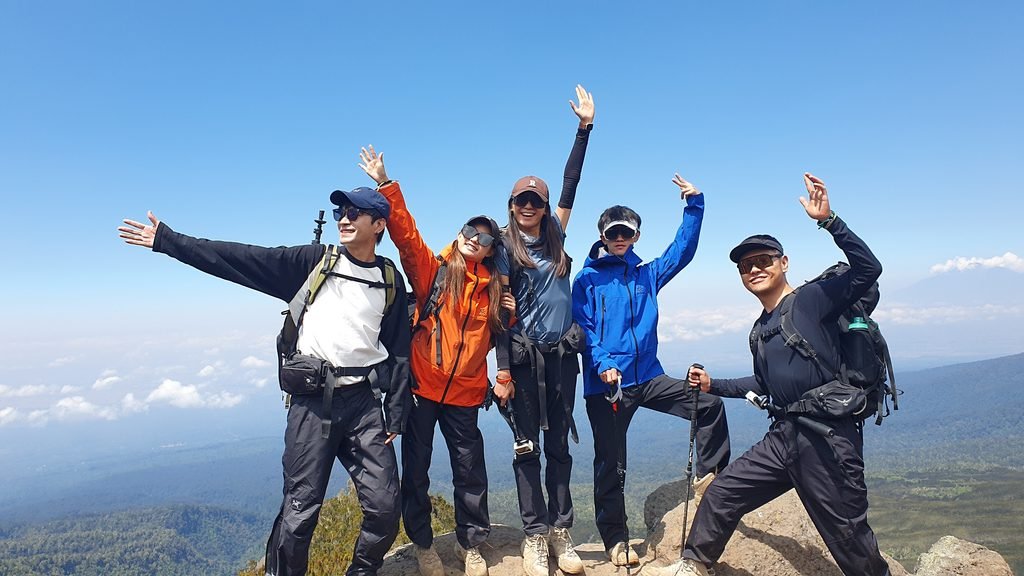
The group format adds another dimension to the experience. Instead of completing the mountain alone, you share the trail with fellow climbers who may come from different countries and backgrounds.
For many travelers, these shared experiences become one of the most memorable parts of the expedition.
Day 1: Machame Gate to Machame Camp
Your Kilimanjaro adventure begins with a transfer to Machame Gate, where registration and other park entry procedures are completed.
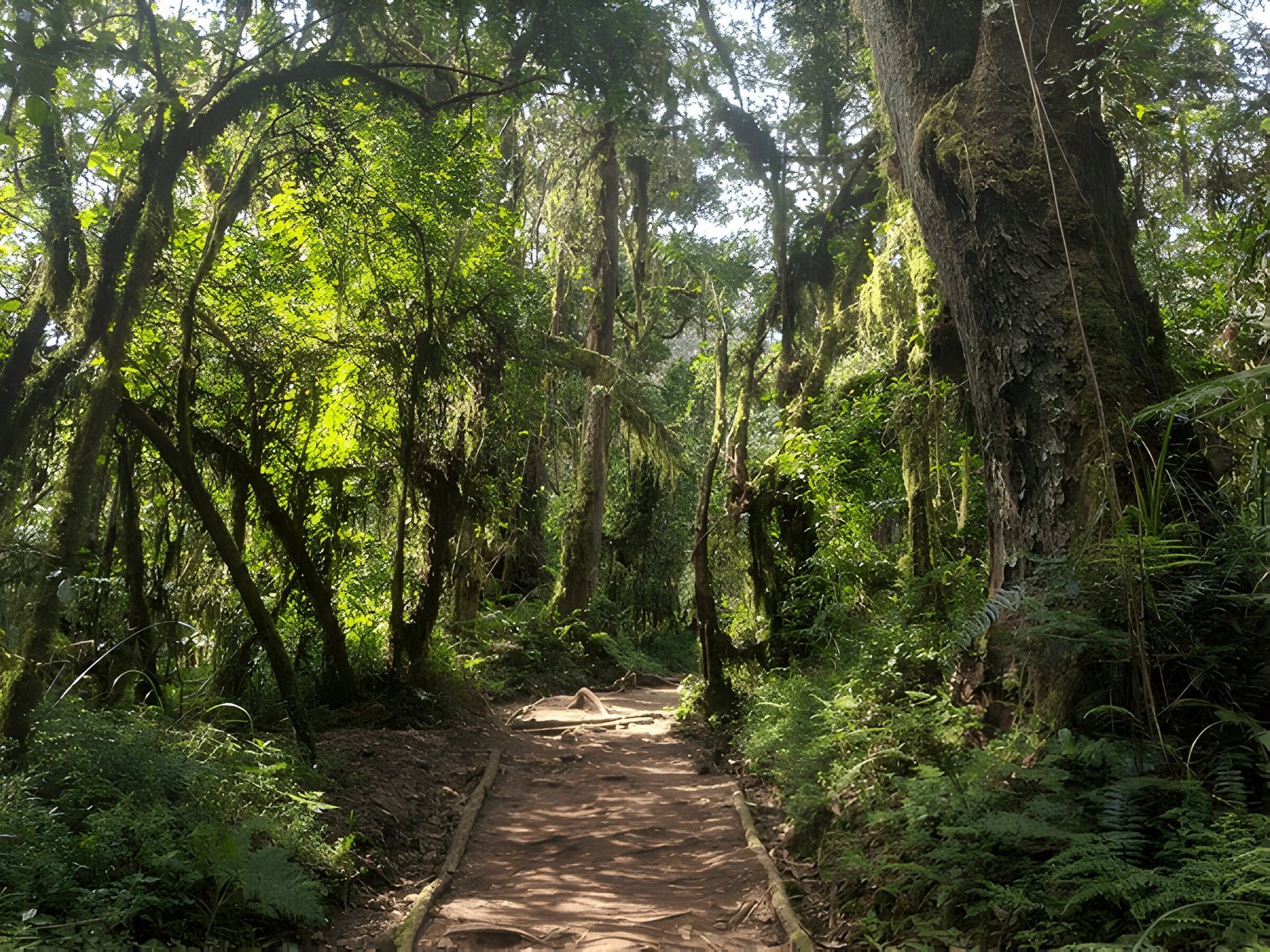
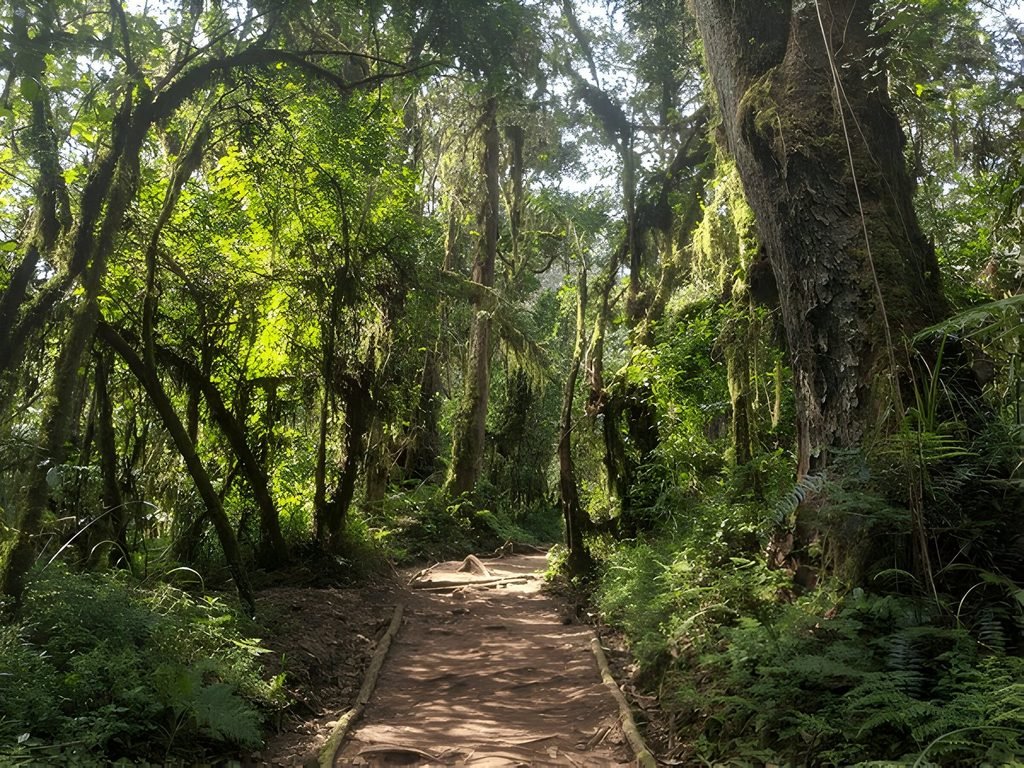
After meeting your mountain crew and organizing your equipment, the trek begins through the montane forest.
The first section of the Machame Route is surrounded by lush vegetation. Depending on the season, the forest can be cool, humid, and sometimes muddy.
The trail gradually climbs toward Machame Camp.
Although the first day is not normally the most difficult part of the expedition, it is important not to use too much energy early in the climb.
The best approach is to establish a comfortable walking rhythm from the beginning.
At camp, you have time to eat, rest, organize your belongings, and prepare for the next day.
Day 2: Machame Camp to Shira Camp:The Ultimate 7-Day Machame Group Climbing Tour 2026–2028
The second day takes you out of the dense forest and toward the higher moorland environment.
The vegetation becomes shorter as you gain elevation, and the views begin to open.
This is also where the mountain starts to feel more serious.
You continue toward Shira Camp, located on the Shira Plateau.
The changing scenery is one of the major attractions of Machame.
Instead of walking through the same landscape every day, you experience a gradual transformation as altitude increases.
Once you reach camp, you can rest while the mountain team prepares meals and organizes the next stage of the journey.
The principle of “pole pole,” or slowly, is important throughout the climb.
Day 3: Shira Camp to Lava Tower and Barranco Camp
Day three is one of the most important days for acclimatization.
The route climbs from the Shira Plateau toward the Lava Tower area before descending toward Barranco Camp.
This is a classic example of the principle:
Climb high, sleep lower.
You gain substantial elevation during the day and then descend to a lower sleeping altitude.
This gradual exposure can help your body adjust to the changing altitude, although individual responses vary and no itinerary can guarantee that altitude illness will be avoided.
The landscape becomes increasingly rugged and dry as you move into the alpine desert zone.
After Lava Tower, the trail descends toward Barranco Camp, positioned beneath the impressive Barranco Wall.
Arriving at Barranco can be particularly rewarding because of the dramatic mountain scenery surrounding the campsite.
Day 4: Barranco Camp to Karanga Camp
Day four begins with one of the most recognizable sections of the Machame Route: the Barranco Wall.
The wall looks imposing from below, but the standard route does not require technical rock climbing. Instead, trekkers negotiate a steep section using hands and feet in places while following the established trail.
The group normally moves carefully and steadily.
After completing the wall, the trail continues through a series of valleys and ridges toward Karanga Camp.
The terrain includes several ups and downs, so conserving energy remains important.
Karanga is an important staging point before the final ascent toward Barafu.
After reaching camp, you have time to eat, rest, hydrate, and prepare for the high-altitude section ahead.
Day 5: Karanga Camp to Barafu Camp
Day five takes you toward Barafu Camp, the high camp used before the summit attempt.
The vegetation is now sparse, and the surroundings become increasingly barren.
The altitude is also becoming more noticeable.
At Barafu, the main objective is preparation.
Your guides normally explain the summit schedule and help ensure that you are ready for the early-morning ascent.
You should organize your summit clothing, headlamp, water, snacks, gloves, and other essential equipment before going to sleep.
The summit attempt generally begins during the night or very early morning.
Because sleep may be limited, resting as much as possible at Barafu is important.
Day 6: Barafu Camp to Uhuru Peak and Mweka Camp
Day six is the most demanding stage of the Machame Route.
The summit attempt usually starts very early, when temperatures are extremely cold and much of the mountain is still dark.
The trail climbs toward Stella Point, located on the crater rim.
From Stella Point, climbers continue along the crater rim toward Uhuru Peak.
Uhuru Peak is the highest point on Mount Kilimanjaro and stands at approximately 5,895 meters (19,341 feet) above sea level.
The final ascent is challenging because of:
- High altitude
- Cold temperatures
- Darkness
- Steep terrain
- Physical fatigue
- Reduced oxygen availability
- Limited sleep
This is where the importance of the previous days becomes clear.
The best strategy is to move slowly, maintain a steady rhythm, listen to your guide, and focus on one section of the trail at a time.
Reaching Uhuru Peak is a significant personal achievement.
After spending an appropriate amount of time at the summit, the group begins descending.
The descent continues toward Mweka Camp, where you spend the night.
The descent can be physically demanding on tired legs, but reaching the lower camp normally provides a strong sense of accomplishment.
Day 7: Mweka Camp to Mweka Gate
The final trekking day is comparatively shorter.
You descend through the forest toward Mweka Gate.
As you lose elevation, the environment changes again.
The cool, high-altitude landscape gives way to greener vegetation.
At Mweka Gate, the trekking formalities are completed.
From there, you can transfer to your hotel in the Moshi or Arusha area.
Depending on your travel schedule, the end of the climb can also be the beginning of another Tanzania adventure.
Many travelers choose to continue with a wildlife safari or a Zanzibar beach holiday.
Why Group Climbing Is Popular
A group climb can make the Kilimanjaro experience more social and cost-efficient.
Instead of traveling completely independently, you trek alongside other climbers following the same general itinerary.
Benefits may include:
Shared Experience
You have fellow trekkers with whom you can share challenges, meals, stories, and summit memories.
Social Atmosphere
Group climbs can be an opportunity to meet travelers from different countries and cultures.
Shared Logistics
Transportation, camp arrangements, meals, guides, and porters are organized around the group.
Potentially Lower Cost
Depending on the package, joining a group can reduce the per-person cost compared with a private climb.
The exact group size and inclusions should always be confirmed before booking.
Acclimatization on the 7-Day Machame Route
Acclimatization is one of the most important subjects for anyone planning Kilimanjaro.
As you climb higher, atmospheric pressure decreases. Your body therefore has to adapt to a lower-oxygen environment.
The Machame itinerary includes an important acclimatization pattern on day three, when you climb toward Lava Tower and then descend to Barranco.
However, altitude affects people differently.
A strong level of physical fitness does not make someone immune to altitude illness.
Important habits include:
- Walk slowly
- Drink regularly
- Eat enough food
- Sleep whenever possible
- Avoid rushing
- Tell your guide about unusual symptoms
- Follow instructions from your mountain crew
Symptoms such as severe headache, persistent vomiting, confusion, difficulty walking, significant breathing problems, or worsening illness require immediate attention from the mountain team.
How Difficult Is the 7-Day Machame Route?
The 7-day Machame Route is considered a demanding high-altitude trek.
You do not need technical mountaineering skills for the standard route, but you need reasonable physical endurance and mental preparation.
The major challenges include:
- Long hiking days
- Steep sections
- High altitude
- Cold summit conditions
- Rocky terrain
- Summit-night fatigue
- Changing weather
- Limited sleep before the summit
The summit day is particularly demanding because the climb begins during the night and combines a substantial ascent with a long descent.
Training for a 7-Day Machame Group Climb
Preparation should begin several weeks or months before your expedition.
Build Walking Endurance
Regular long walks are an excellent foundation.
Gradually increase your walking time so that your body becomes comfortable with several hours of activity.
Train on Hills
If possible, practice on hills or stairs.
Kilimanjaro involves repeated uphill and downhill sections, so your legs should be prepared for both.
Improve Cardiovascular Fitness
Walking, hiking, cycling, swimming, or running can help improve endurance.
Strengthen Your Legs
Focus on exercises that strengthen:
- Quadriceps
- Hamstrings
- Calves
- Glutes
- Core
Practice With Your Equipment
Wear your hiking boots during training.
Also practice carrying the daypack you intend to use on Kilimanjaro.
This helps you identify uncomfortable equipment before the actual climb.
Essential Packing List
A well-prepared climber should have appropriate clothing and equipment for both warm and extremely cold conditions.
Essential items can include:
- Waterproof hiking boots
- Hiking trousers
- Thermal base layers
- Fleece or warm mid-layer
- Insulated jacket
- Waterproof jacket
- Waterproof trousers
- Warm gloves
- Hat
- Sun hat
- Sunglasses
- Headlamp
- Trekking poles
- Water bottles or hydration system
- Sleeping bag appropriate for Kilimanjaro temperatures
- Comfortable backpack
- Duffel bag
- Sunscreen
- Personal toiletries
- Personal medication
- High-energy snacks
- Camera or phone if desired
The exact equipment provided by the trekking package should be confirmed before departure.
Best Time for a Machame Group Climb in 2026–2028
Mount Kilimanjaro can be climbed throughout the year, but weather conditions change significantly between seasons.
The commonly preferred trekking periods are generally associated with drier conditions, particularly around:
- January to early March
- June to October
- December
The wetter seasons can produce muddy trails, cloudier conditions, and more challenging trekking environments.
However, travel decisions also depend on crowd levels, personal schedules, budget, and availability.
If you are planning for 2026, 2027, or 2028, booking well ahead can be useful, particularly for preferred travel dates.
Estimated Cost of a 7-Day Machame Group Climb
The price of a 7-day Machame group climb depends on several factors.
These can include:
- Group size
- Travel season
- Park and conservation fees
- Camping fees
- Guide and porter services
- Food
- Drinking water
- Transfers
- Pre- and post-climb accommodation
- Equipment provided
- Airport transfers
- Additional services
A group climb can often be more economical per traveler than a private expedition because some logistical costs are shared.
However, travelers should not compare packages using price alone.
A very low advertised price may exclude important services.
What to Check Before Booking
Ask whether the quotation includes:
- Kilimanjaro park fees
- Camping fees
- Professional mountain guides
- Porters
- Cook
- Meals during the climb
- Drinking water
- Accommodation before or after trekking
- Transfers
- Government taxes and applicable fees
Also confirm what is excluded.
Common exclusions can include:
- International flights
- Tanzania visa
- Travel insurance
- Personal equipment
- Tips
- Personal expenses
- Additional hotel nights
- Safari extensions
- Zanzibar travel
A clear quotation should explain these details before you confirm your booking.
7-Day Machame Group Climb vs Private Climb
| Feature | Group Climb | Private Climb |
|---|---|---|
| Social experience | Shared with other travelers | More private |
| Group size | Usually shared | Usually arranged around your party |
| Schedule | More standardized | More customizable |
| Cost | Can be more economical | Can be higher |
| Interaction | More opportunities to meet people | More personal |
| Flexibility | Depends on group | Greater customization possible |
The right arrangement depends on your travel preferences, budget, preferred level of privacy, and desired flexibility.
Accommodation During the Machame Route
The Machame Route is primarily a camping route.
Unlike the Marangu Route, where climbers generally sleep in mountain huts, Machame uses campsites.
This means your mountain team normally establishes and manages the camp environment.
Camping allows you to experience the mountain more directly.
After a long day of trekking, reaching camp, having a warm meal, and resting inside your tent can become an important part of the Kilimanjaro experience.
Food and Water on the Mountain
Nutrition becomes increasingly important as trekking days accumulate.
Meals should provide sufficient energy for long walking days.
Typical trekking meals can include combinations of:
- Rice
- Pasta
- Potatoes
- Vegetables
- Meat
- Soup
- Fruit
- Eggs
- Bread
- Tea and coffee
The exact menu varies by package.
Water is equally important.
Your trekking team should explain the available water supply and how much you should carry during each day’s hike.
Responsible Group Trekking
A group climb should also be environmentally and socially responsible.
Travelers can contribute by:
- Keeping the mountain clean
- Avoiding litter
- Following park regulations
- Respecting other climbers
- Respecting local communities
- Treating guides, cooks, and porters respectfully
- Avoiding unnecessary plastic waste
- Following designated trails
- Listening to safety instructions
Kilimanjaro is a globally important natural attraction, and responsible tourism helps preserve it.
Combining Your Kilimanjaro Climb With a Tanzania Safari
Completing the 7-day Machame Route can be only one part of a larger Tanzania holiday.
After descending from Kilimanjaro, you can add a safari through northern Tanzania.
Possible destinations include:
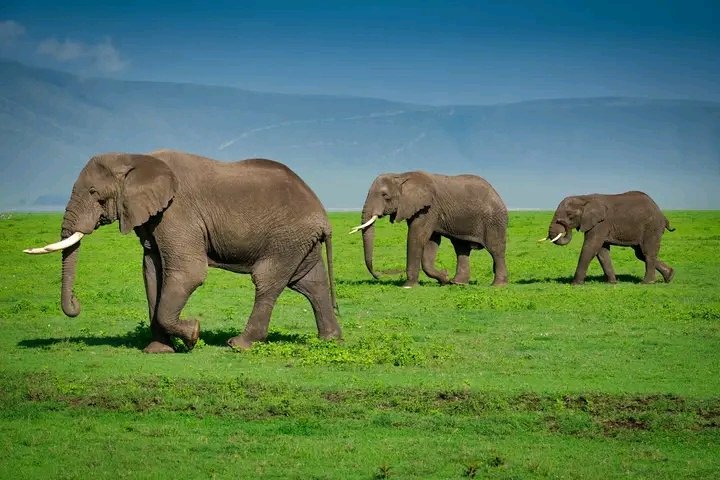
Tarangire National Park:The Ultimate 7-Day Machame Group Climbing Tour 2026–2028
Known for elephants, baobab landscapes, and diverse wildlife.
Ngorongoro Conservation Area
Famous for the spectacular Ngorongoro Crater and its concentration of wildlife.
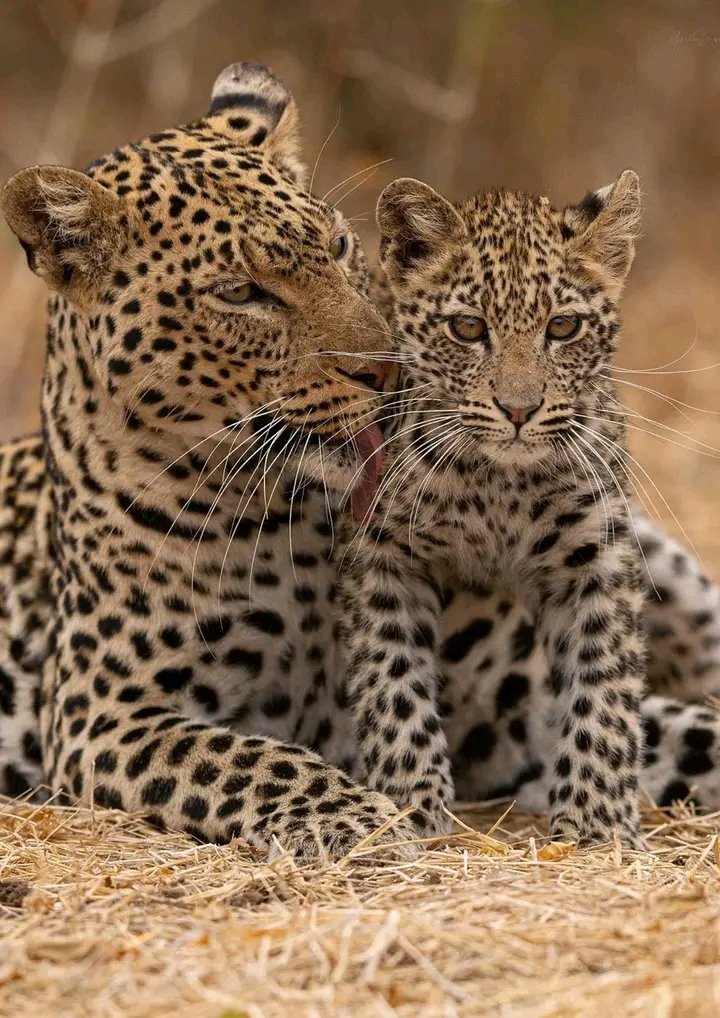
Serengeti National Park:The Ultimate 7-Day Machame Group Climbing Tour 2026–2028
One of Africa’s most famous wildlife destinations and an important ecosystem for large-scale wildlife movements.
You can also extend your trip to Zanzibar for several days of beach relaxation.
A popular overall itinerary could therefore look like:
7-Day Machame Climb → Tanzania Safari → Zanzibar Beach Holiday
This combination allows travelers to experience mountains, wildlife, culture, and the Indian Ocean within one Tanzania journey.
Practical Tips for a Successful Machame Group Climb
Start Slowly
Do not try to race other climbers.
Your goal is to conserve energy for the summit.
Listen to Your Guide
Mountain guides are an important part of the expedition and should be informed about any concerning symptoms.
Keep Your Daypack Light
Carry only what you need during the day’s hike.
Protect Yourself From the Sun
The higher you climb, the stronger sun exposure can feel.
Stay Warm
Temperatures near the summit can be extremely cold, particularly before sunrise.
Eat Even When You Are Not Very Hungry
Your body needs energy throughout the climb.
Keep a Positive Mindset
There may be difficult moments.
Breaking the trek into smaller sections can make the overall journey feel more manageable.
Frequently Asked Questions
Is the 7-Day Machame Route Suitable for Beginners?
It can be suitable for beginners who are adequately prepared for a demanding high-altitude trek. Previous mountain-climbing experience is not necessarily required, but physical preparation and careful acclimatization are important.
Is Machame a Camping Route?
Yes. The Machame Route is primarily a camping route, with overnight stays at designated mountain camps.
How High Is Uhuru Peak?
Uhuru Peak is approximately 5,895 meters (19,341 feet) above sea level.
Is the 7-Day Machame Route Difficult?
Yes. It is a demanding trek because of altitude, long hiking days, steep sections, cold conditions, and the challenging summit attempt.
Can I Join Other Climbers?
Yes. Group departures can allow individual travelers to trek with other climbers, depending on the package and departure date.
Can I Combine Machame With a Safari?
Yes. A Kilimanjaro climb can be combined with a Tanzania safari before returning home or continuing to another destination.
Final Thoughts
The Ultimate 7-Day Machame Group Climbing Tour 2026–2028 ;Nevertheless, Kilimanjaro is a serious high-altitude expedition. Reaching Uhuru Peak cannot be guaranteed, and good preparation is essential. Physical training, appropriate equipment, slow pacing, hydration, nutrition, and honest communication with your mountain guide all contribute to a safer and more enjoyable experience.offers an extraordinary way to experience Mount Kilimanjaro while sharing the journey with fellow adventurers.
From the lush forest around Machame Gate to the open Shira landscape, the dramatic Barranco Wall, the high-altitude environment of Barafu, and finally the demanding ascent to Uhuru Peak, every stage brings a different experience.
The seven-day schedule provides a structured progression toward the summit while incorporating an important acclimatization day through the Lava Tower–Barranco section.
For travelers planning a Kilimanjaro group climbing adventure in 2026, 2027, or 2028, the Machame Route provides an opportunity to combine physical challenge, spectacular landscapes, international friendship, and the unforgettable experience of standing on Africa’s highest mountain.
The journey is not simply about reaching the summit. It is about every step that takes you there.