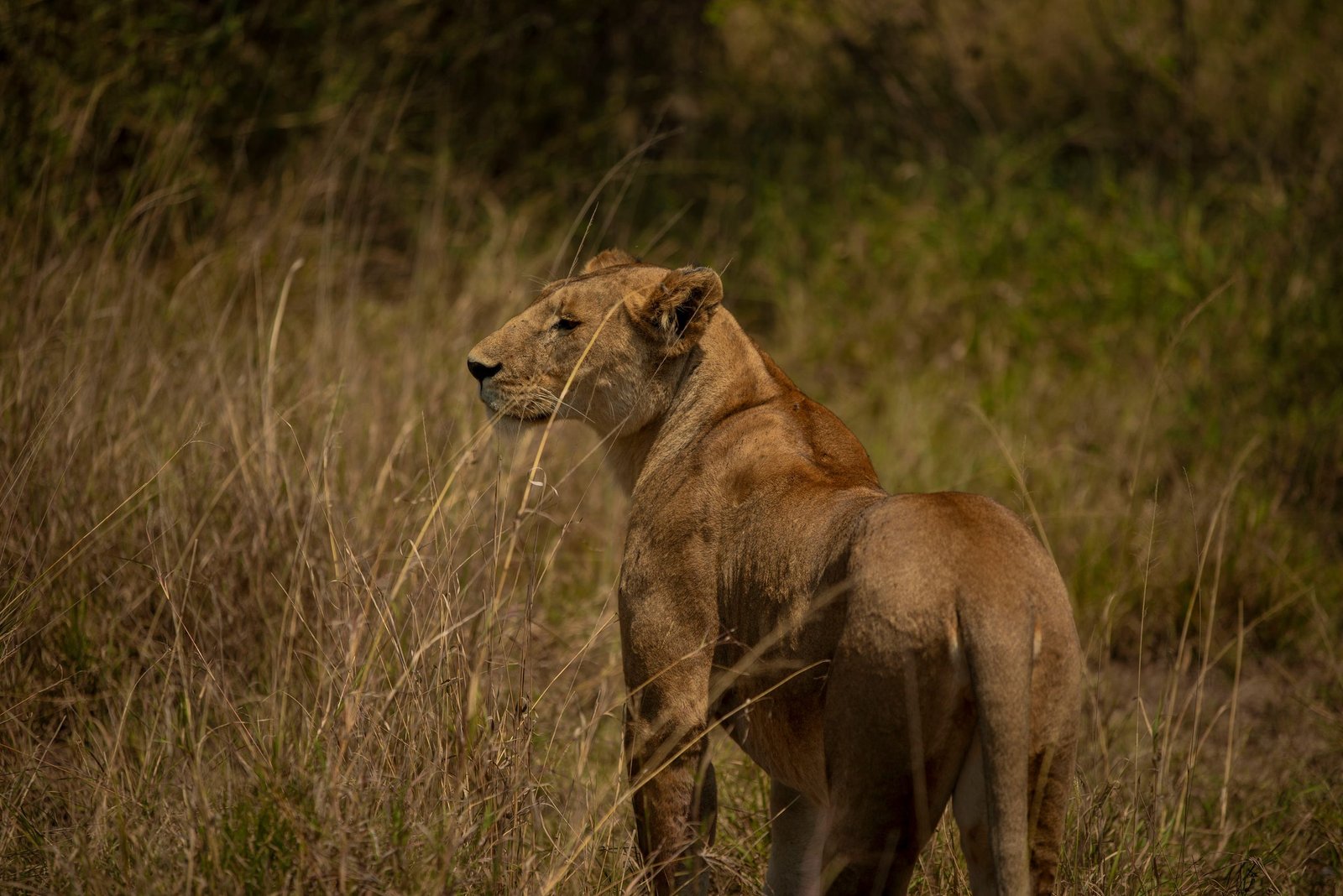
The Greatest 10-Day Tanzania Safari 2026–2028;This is the kind of experience that makes a Tanzania safari unforgettable.Imagine waking up before sunrise, stepping outside your tent, and hearing nothing but the sounds of the African wilderness. The air is cool, the horizon is beginning to glow, and somewhere beyond the camp, thousands of wildebeest are already on the move.
The 10-Day Tanzania Safari 2026–2028 is designed for travelers who want more than a quick wildlife tour. It gives you time to explore some of northern Tanzania’s most spectacular destinations while following the incredible Great Wildebeest Migration, with the possibility of witnessing the famous Mara River crossing when the herds are in the northern Serengeti.
Over ten days, you will experience the diverse landscapes of Tanzania from elephant-filled Tarangire and the dramatic Ngorongoro highlands to the endless plains of Serengeti. You will have several days dedicated to wildlife viewing, giving your safari guide more opportunities to locate the moving herds and the predators that follow them.
Most importantly, this journey leaves room for the unexpected. Wildlife does not follow a timetable, and that is part of what makes a safari so special.
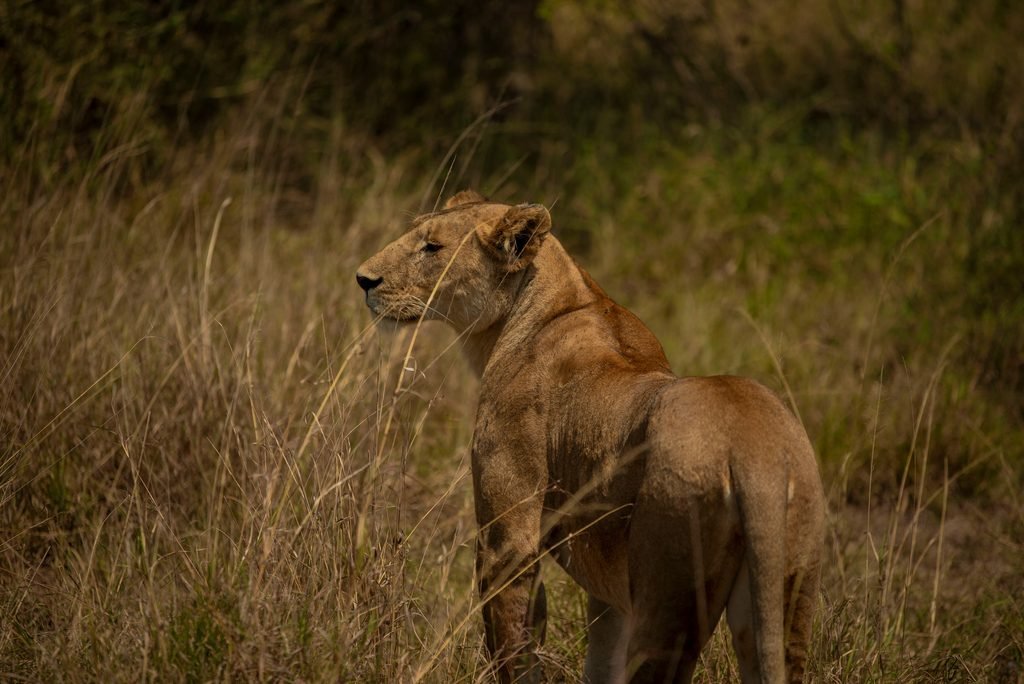
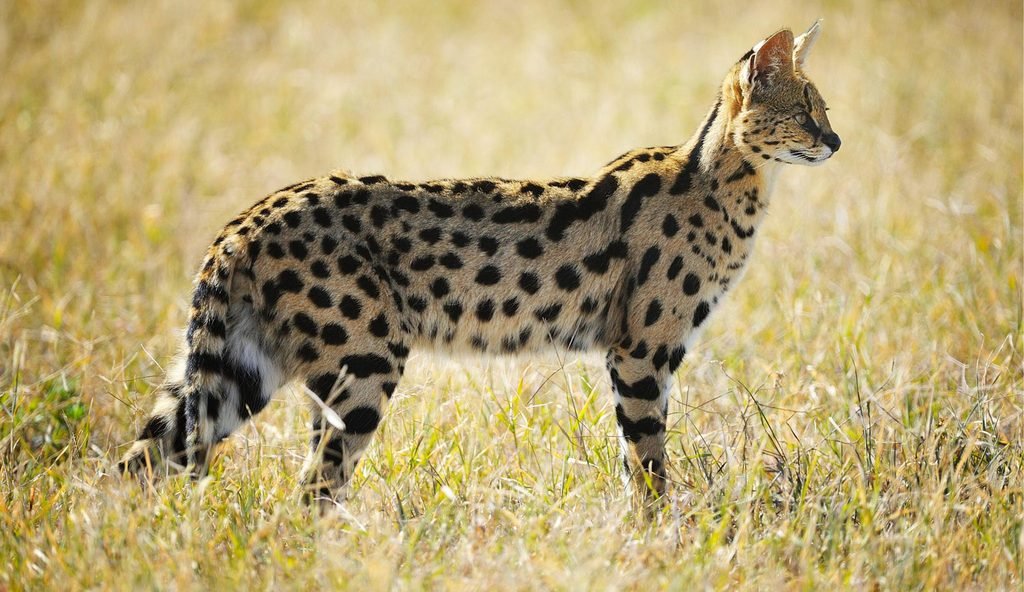
Why Choose a 10-Day Tanzania Migration Safari?The Greatest 10-Day Tanzania Safari 2026–2028
The Great Wildebeest Migration is not a single event that happens on one particular day.
It is a continuous movement of huge herds of wildebeest, accompanied by zebras and other grazing animals, as they search for fresh grass and water across the Serengeti ecosystem and into Kenya’s Maasai Mara.
This is why spending more time in the region can be such an advantage.
A short safari might give you a glimpse of the migration, but a 10-day itinerary gives you a much better opportunity to slow down, explore different areas, and follow the wildlife according to seasonal movements.
And while the migration is the star of the journey, it is certainly not the only attraction.
You may also encounter:
- Lions
- Leopards
- Cheetahs
- Elephants
- Buffaloes
- Giraffes
- Hyenas
- Hippos
- Crocodiles
- Zebras
- Wildebeest
- Many species of birds
Every game drive has the potential to bring something completely different.
Day 1: Arrival in Arusha
Your Tanzanian adventure begins in Arusha.
After arriving at the airport, you will be welcomed by your safari team and transferred to your hotel.
There is no need to rush into the wilderness on your first day. Take the evening to relax, recover from your journey, and prepare for the days ahead.
If you arrive early enough, you can spend some time exploring Arusha or simply enjoy a quiet evening at your accommodation.
Tomorrow, the safari begins.
Accommodation: Arusha hotel
Meals: Depending on arrival time
Day 2: Arusha to Tarangire National Park
After breakfast, you will leave Arusha and drive toward Tarangire National Park.
Tarangire is famous for its large elephant herds and enormous baobab trees, but the park has much more to offer.
As you begin your game drive, you may see giraffes browsing among the trees, zebras and wildebeest crossing open areas, buffaloes grazing, and elephants moving calmly through the bush.
The atmosphere here is different from Serengeti. Tarangire feels more intimate, with woodland, river valleys, and distinctive baobab landscapes creating beautiful scenery.
It is also a wonderful introduction to Tanzania’s wildlife before you head deeper into the northern safari circuit.
After your game drive, you will head to your accommodation for dinner and an overnight stay.
Accommodation: Lodge or tented camp
Meals: Breakfast, lunch and dinner
Day 3: Tarangire to Ngorongoro Highlands
After breakfast, you will leave Tarangire and travel toward the Ngorongoro Conservation Area.
The landscape changes as you climb into the highlands. The air becomes cooler, the scenery becomes greener in some areas, and you begin to see a different side of Tanzania.
Along the way, you may encounter local communities and traditional Maasai settlements.
The afternoon can be spent relaxing at your accommodation or, depending on your itinerary, exploring nearby areas.
This is a quieter day compared with the intensive game-drive days ahead, giving you time to rest before continuing toward Serengeti.
Accommodation: Ngorongoro lodge or tented camp
Meals: Breakfast, lunch and dinner
Day 4: Ngorongoro Crater Game Drive – Serengeti
Wake up early because today brings one of the highlights of the safari.
After breakfast, you will descend into the Ngorongoro Crater for a game drive.
From the crater rim, the view is breathtaking. Far below, the crater floor spreads out like a giant natural amphitheater, with grasslands, wetlands, woodland, and wildlife.
Inside the crater, you may encounter lions, buffaloes, zebras, wildebeest, hippos, elephants, hyenas, and potentially black rhinoceros.
After exploring the crater, you will continue toward Serengeti.
As you approach the park, the scenery begins to open into the famous Serengeti plains.
You will spend the night in or around Serengeti, ready for the main adventure ahead.
Accommodation: Serengeti lodge or tented camp
Meals: Breakfast, lunch and dinner
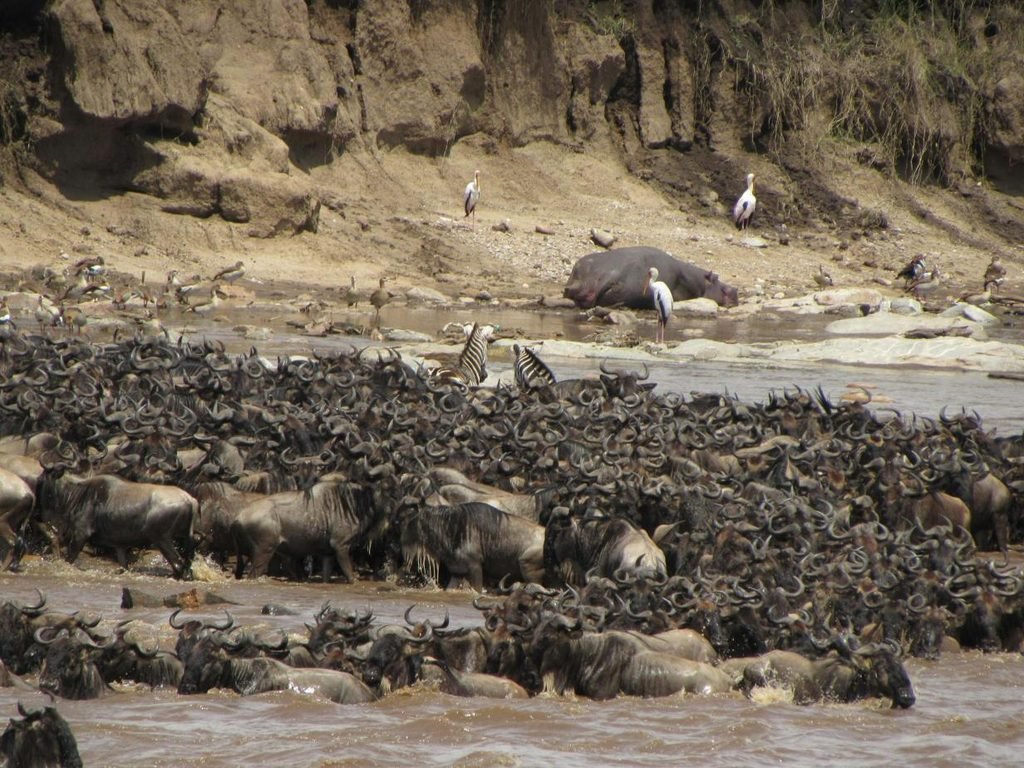
Day 5: Serengeti – Searching for the Great Migration:The Greatest 10-Day Tanzania Safari 2026–2028
Today you begin focusing more closely on the wildebeest migration.
Your safari guide will use local knowledge and current information about wildlife movements to determine the best areas to explore.
You may come across enormous herds moving slowly across the plains.
The sight can be overwhelming.
There may be wildebeest as far as you can see, with zebras moving among them and predators watching from nearby.
Lions and hyenas often take advantage of the abundance of prey, while cheetahs may hunt in more open areas.
The day is spent exploring rather than following a rigid schedule. If you find an interesting wildlife scene, you can stay and observe it.
Accommodation: Serengeti lodge or tented camp
Meals: Breakfast, lunch and dinner
Day 6: Northern Serengeti – Following the Herds
If your travel dates coincide with the migration’s movement toward northern Serengeti, today may take you deeper into the region.
The northern Serengeti has a more remote feeling, with dramatic rocky landscapes, open grasslands, and the Mara River ecosystem.
This is where patience becomes important.
The herds may move slowly for hours. They may gather near the river and then suddenly change direction.
You could spend part of the day watching thousands of animals gather along the riverbank.
Then, unexpectedly, the movement begins.
One wildebeest enters the water.
Others follow.
Suddenly, the river becomes alive with movement.
This is the famous Mara River crossing.
But it is important to remember that crossings are completely natural and unpredictable. There is no guaranteed time or date when a crossing will happen.
Sometimes you may wait for hours and nothing happens.
That uncertainty is part of the real wilderness experience.
Accommodation: Northern Serengeti lodge or tented camp
Meals: Breakfast, lunch and dinner
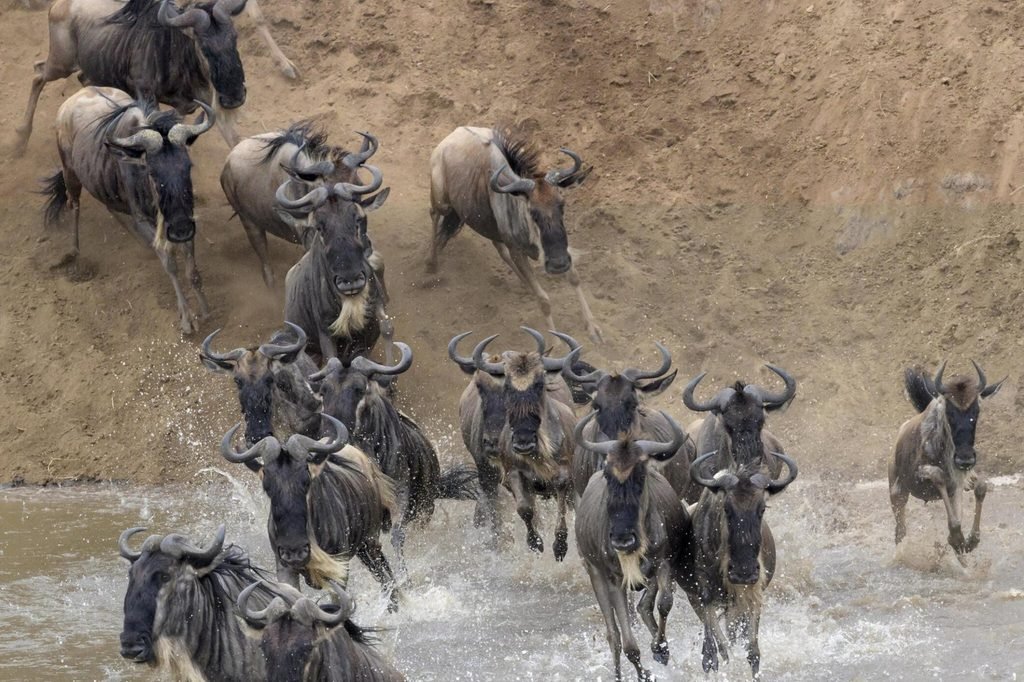
Day 7: Mara River and Northern Serengeti:The Greatest 10-Day Tanzania Safari 2026–2028
Today gives you another opportunity to explore the northern Serengeti.
Having additional time in the area is particularly valuable because wildlife movements are unpredictable.
Your guide may search different areas along the Mara River and surrounding plains depending on where the herds have been observed.
You may see wildebeest and zebras gathering near the river, crocodiles waiting in the water, or predators following the herds.
Even if there is no river crossing on this particular day, there is plenty to experience.
Northern Serengeti is beautiful in its own right, and watching wildlife move naturally through this landscape can be just as memorable as witnessing a dramatic crossing.
Accommodation: Northern Serengeti lodge or tented camp
Meals: Breakfast, lunch and dinner
Day 8: Central Serengeti – Wildlife and Predators
After spending time in the north, you will gradually make your way toward central Serengeti.
This gives you another opportunity to experience the enormous variety of the park.
The central Serengeti is well known for its wildlife year-round, including large numbers of lions and other predators.
You may come across a pride resting under a tree, a leopard hidden among branches, or a cheetah scanning the open plains.
The journey itself becomes a game drive, so there is always the possibility of an unexpected sighting.
By evening, you will arrive at your accommodation for dinner and relaxation.
Accommodation: Central Serengeti lodge or tented camp
Meals: Breakfast, lunch and dinner
Day 9: Full-Day Serengeti Safari
Your final full safari day is dedicated to Serengeti.
There is something special about having a day without the pressure of reaching another destination.
You can take your time.
Perhaps you will spend the morning searching for predators.
Maybe you will find a large elephant herd.
Or you may simply stop somewhere beautiful, have lunch, and watch the plains stretching toward the horizon.
Your guide will continue looking for wildlife based on the season and recent sightings.
This final day is also a chance to appreciate everything you have experienced during the previous eight days.
The elephants of Tarangire.
The dramatic Ngorongoro landscape.
The endless Serengeti.
The moving herds.
And, if nature was on your side, the unforgettable spectacle of the Mara River crossing.
Accommodation: Serengeti lodge or tented camp
Meals: Breakfast, lunch and dinner
Day 10: Serengeti to Arusha
After breakfast, you will begin your journey back toward Arusha.
Depending on your travel arrangements, you may have a final opportunity for a short morning game drive before leaving Serengeti.
As the landscape changes and the safari vehicle heads toward Arusha, you will have time to reflect on the adventure.
Ten days can pass surprisingly quickly.
You may arrive in Tanzania hoping to see the Great Migration and leave with memories of much more—sunrises over the Serengeti, elephants in Tarangire, the Ngorongoro Crater, local communities, wildlife encounters, and perhaps thousands of wildebeest crossing the Mara River.
Meals: Breakfast and lunch
When Is the Best Time to See the Mara River Crossing?
Timing is one of the most important factors when planning a migration safari.
The Mara River crossings generally occur during the northern migration period, commonly associated with around July to October, but nature does not follow a fixed calendar.
The herds respond to rainfall, fresh grass, water availability, and environmental conditions.
This means nobody can honestly promise that a river crossing will happen on a specific day.
The best approach is to give yourself several days in the northern Serengeti and work with an experienced guide who can respond to current herd movements.
That is one reason this 10-day itinerary can be so valuable for serious migration travelers.
What Makes the Mara River Crossing So Special?
The Mara River crossing is famous because of the sheer scale and unpredictability of the event.
Thousands of wildebeest may gather along the riverbank.
They hesitate.
They move forward.
They stop again.
Then suddenly one animal commits to the crossing, and others follow.
The river itself contains another part of the story. Nile crocodiles live in the water and may take advantage of the opportunity when animals enter the river.
The scene can be dramatic, emotional, and completely unpredictable.
But the crossing is not something that should be treated as a performance.
It is a natural survival journey.
The wildebeest are simply following ancient instincts in search of food and water
What Wildlife Can You See?
During your 10-day safari, you may encounter a remarkable variety of animals, including:
- Wildebeest
- Zebras
- Lions
- Leopards
- Cheetahs
- Elephants
- Buffaloes
- Giraffes
- Hippos
- Crocodiles
- Hyenas
- Warthogs
- Antelopes
- Baboons
- Many species of birds
The exact sightings will depend on the season, weather, habitat and animal movements.
That uncertainty is part of what makes a real safari exciting.
Accommodation Options
You can choose accommodation according to your preferred travel style and budget.
Budget Camping
A budget camping safari provides a more affordable and adventurous way to experience Tanzania. You sleep in campsites and spend most of your day exploring the wilderness.
Mid-Range Lodges and Tented Camps
This is an excellent balance between comfort and value. You can enjoy comfortable rooms or tented accommodation while still spending most of your time in nature.
Luxury Lodges and Camps
For travelers looking for a more exclusive experience, luxury lodges and premium tented camps offer additional comfort, beautiful locations, quality dining and personalized service.
What Is Included?
A typical 10-day safari package may include:
- Safari vehicle
- Professional safari guide
- Park entry fees
- Ngorongoro Crater fees
- Game drives
- Accommodation according to your selected package
- Meals according to the itinerary
- Drinking water during game drives
- Airport or hotel transfers, depending on the package
- Applicable government taxes and fees
Always confirm the exact inclusions before booking because packages can differ.
What Is Not Included?
Common exclusions may include:
- International flights
- Tanzania visa
- Travel insurance
- Tips
- Alcoholic beverages
- Personal shopping
- Laundry
- Souvenirs
- Optional activities
- Personal expenses
Why Choose a 10-Day Safari Instead of a Shorter Trip?
The biggest advantage is time.
Wildlife does not operate according to a traveler’s schedule.
If you arrive at the Mara River for only one day, the herds may be on the opposite side of the ecosystem. If you stay several days, your chances of being in the right area at the right moment improve.
More days also mean less pressure.
You can enjoy Tarangire without rushing.
You can explore Ngorongoro properly.
You can spend multiple days in Serengeti.
And you can dedicate more time to the northern Serengeti when migration activity is expected.
For travelers whose main goal is the Great Migration, that extra time can make a meaningful difference.
Final Thoughts
The Great Wildebeest Migration is often described as one of Africa’s greatest wildlife spectacles, but experiencing it in person is something entirely different.
It is the sound of thousands of hooves.
It is dust rising across the plains.
It is the hesitation at the riverbank.
It is the sudden movement of the herd.
And sometimes, it is simply sitting quietly in the safari vehicle, waiting and wondering what will happen next.
The Greatest 10-Day Tanzania Safari 2026–2028 gives you the time and flexibility to experience these moments while exploring Tarangire, Ngorongoro and the Serengeti.
There is no guarantee that nature will give you a Mara River crossing on your preferred day—and that is precisely why the experience feels so genuine.
You are not watching a scheduled show.
You are witnessing wildlife following its own ancient journey across one of the world’s most extraordinary ecosystems.
Plan Your 10-Day Tanzania Migration Safari with EKO Tanzania Adventures
EKO Tanzania Adventures can customize this safari according to your travel dates, number of travelers, preferred accommodation, budget and your migration priorities.
If seeing the wildebeest migration and the Mara River crossing is at the top of your Tanzania wish list, choosing the right dates, route and number of days is essential. A carefully planned itinerary gives you more time to follow the herds and enjoy the Serengeti at a relaxed pace.