Great Migration Safari 2027–2028: A Comprehensive Guide to Tanzanian Planning The Great Migration Safari 2027–2028 is an opportunity to experience one of Africa’s most extraordinary natural spectacles in the heart of Tanzania’s Serengeti ecosystem.
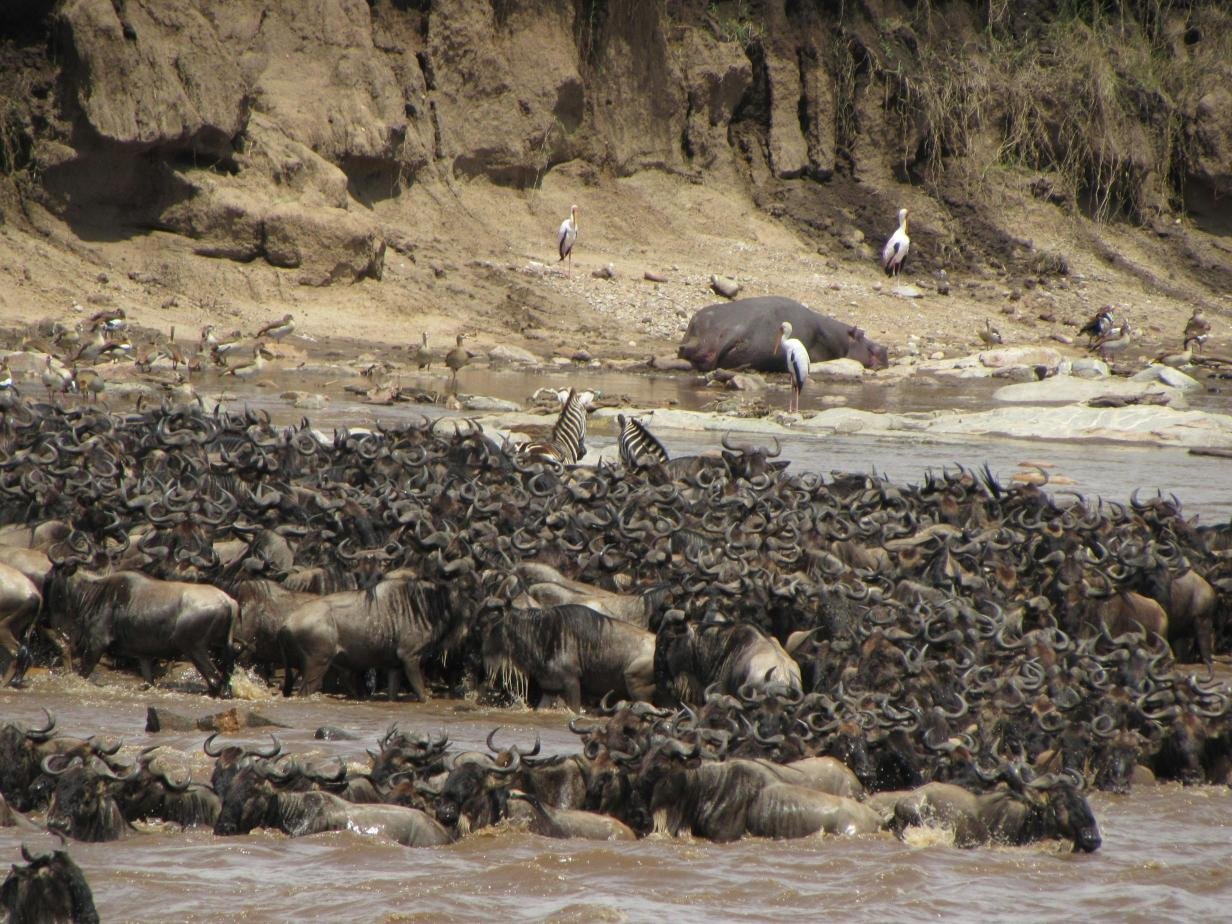
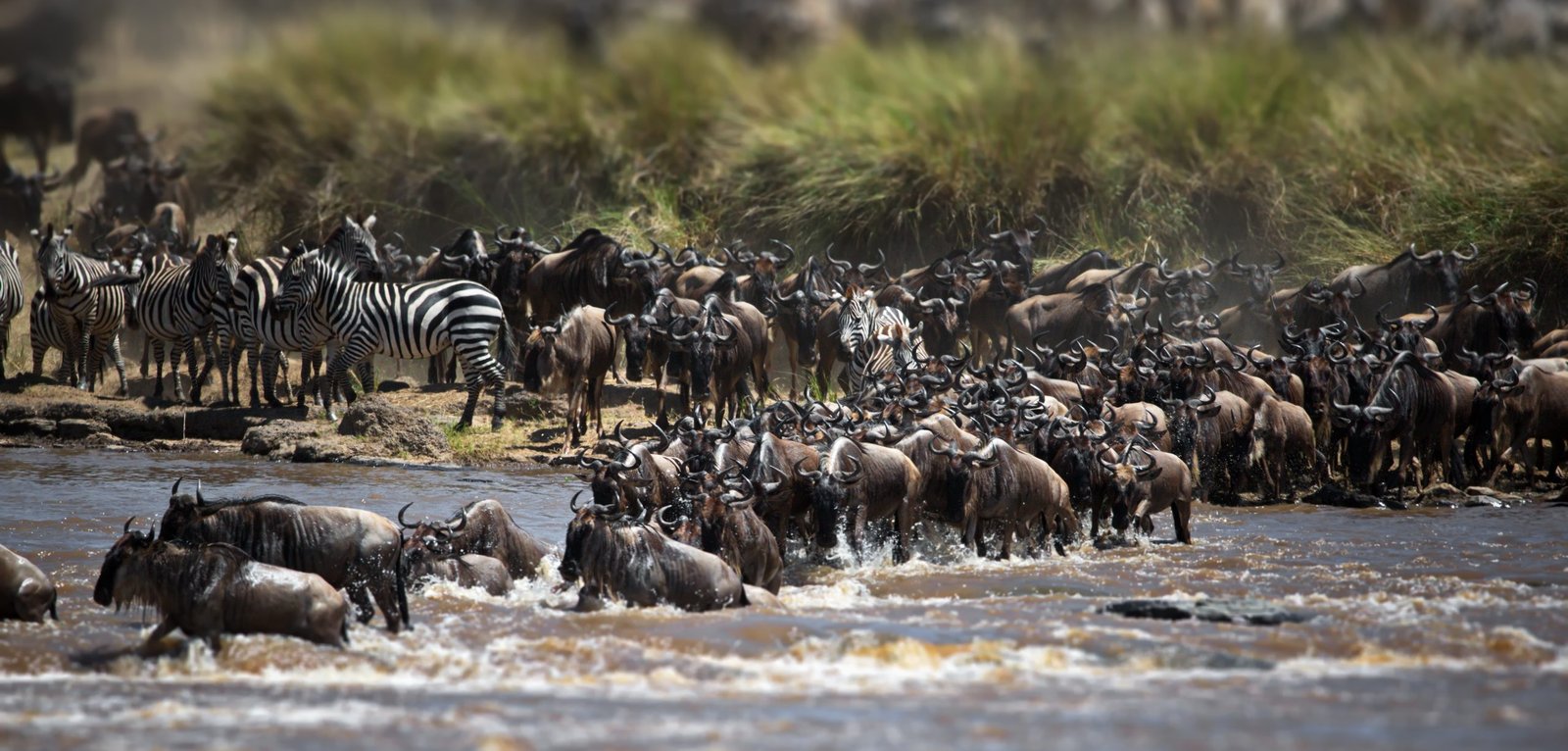
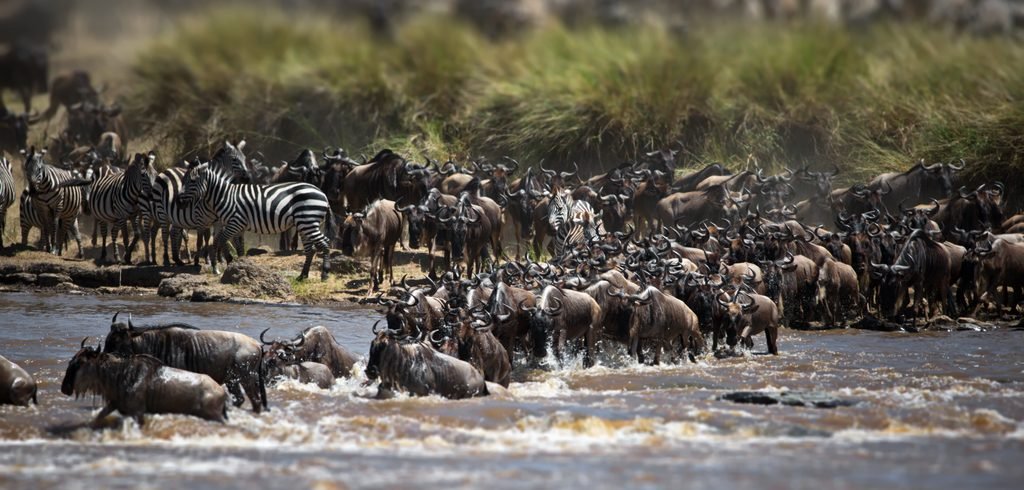
Few wildlife experiences in the world can compare with watching hundreds of thousands of wildebeest moving across the plains of Tanzania. The sound of hooves, the dust rising behind enormous herds, zebras moving alongside wildebeest, and predators waiting for an opportunity create a safari experience that stays with you long after you return home.
But planning a Great Migration safari is different from booking an ordinary wildlife holiday. The animals do not follow a fixed timetable. Their movements are influenced by rainfall, fresh grass, water availability and natural instincts. One month the herds may be concentrated in southern Serengeti, while several months later they may be moving through the western or northern parts of the ecosystem.
That is why successful migration planning is about understanding the annual cycle, choosing the right region and season, allowing enough time, and working with an experienced safari team.
With Eko Tanzania Adventures, travelers planning for 2027 or 2028 can create a safari around their interests, whether the dream is witnessing the calving season, following the herds across the Serengeti, searching for dramatic river crossings, photographing predators, or simply experiencing the immense beauty of Tanzania’s wilderness.
Great Migration Safari 2027–2028: A Comprehensive Guide to Tanzanian Planning at a Glance
Safari Destination: Serengeti National Park and surrounding migration areas
Travel Years: 2027–2028
Recommended Duration: 5–10 days
Safari Style: Private or small-group safari
Main Wildlife: Wildebeest, zebra, gazelles, lions, cheetahs, leopards, hyenas and crocodiles
Main Migration Seasons: January–March, June–October, with movements throughout the year
Best for Calving: Generally January–March
Best for Northern Serengeti: Generally July–October
Possible River Crossings: Usually associated with July–October, but timing varies
Accommodation: Camping, tented camps, lodges or luxury camps
Travel Company: Eko Tanzania Adventures
What Is the Great Migration?
The Great Migration is the annual movement of enormous herds of wildebeest, accompanied by large numbers of zebras and gazelles, across the Serengeti ecosystem in Tanzania and the Masai Mara ecosystem in Kenya.
It is not a single event.
Instead, it is a continuous cycle.
The animals move in search of fresh grazing and water. Their movements are strongly connected to seasonal rainfall, which means the exact timing and location can change from one year to another.
This is one of the reasons the migration is so fascinating.
You are not watching animals perform a scheduled event. You are witnessing a natural process that has been taking place for generations.
Why Choose Tanzania for Your 2027–2028 Migration Safari?
Tanzania offers an extraordinary opportunity to experience the migration because much of the annual cycle takes place within the Serengeti ecosystem.
The Serengeti is also valuable because it is not only about the migrating herds.
Even when the wildebeest move into another part of the ecosystem, the Serengeti continues to support resident wildlife.
You can encounter:
- Lions
- Leopards
- Cheetahs
- Elephants
- Buffaloes
- Giraffes
- Hippos
- Hyenas
- Jackals
- Gazelles
- Zebras
- Warthogs
- Numerous bird species
This means your safari does not depend entirely on finding the migration.
You are exploring one of Africa’s great wildlife ecosystems.
Understanding the Great Migration Calendar for 2027–2028
One of the biggest mistakes travelers make is thinking there is one exact “Great Migration month.”
The reality is more complicated.
The following calendar is a useful planning guide rather than a guarantee.
January to March: Calving Season
During the beginning of the year, migration herds are generally associated with the southern Serengeti and Ndutu region.
This is the calving period.
Large numbers of wildebeest gather on short-grass plains where fresh grazing is available.
Thousands of calves may be born during the season.
The sight can be beautiful, but it also attracts predators.
Lions, cheetahs, hyenas and other predators take advantage of the abundance of young animals.
For wildlife photographers, this creates extraordinary opportunities.
A February safari can therefore provide an experience very different from the famous river-crossing season.
April to May: The Herds Begin Moving
As conditions change, the herds gradually begin moving away from the southern plains.
The timing depends heavily on rainfall and grazing conditions.
April and May can bring wetter weather, and roads in some areas can become challenging.
However, these months also offer lush green scenery and dramatic skies.
Travelers who do not mind rain may enjoy the quieter atmosphere.
A migration safari during this period should be planned carefully around road accessibility and the expected movement of the herds.
June: The Journey North Begins:Great Migration Safari 2027–2028: A Comprehensive Guide to Tanzanian Planning
June can be an exciting transition period.
The herds continue moving north and west in search of fresh grazing.
The Serengeti becomes increasingly dry as the year progresses, and the animals respond to changing water and food availability.
This is also a beautiful time to experience Tanzania because the dry season is becoming established.
A well-planned June itinerary can combine migration viewing with excellent general wildlife viewing.
July to October: Northern Serengeti and River-Crossing Season
This is the period most commonly associated with the dramatic images of the Great Migration.
Large herds may reach the northern Serengeti.
Here, the Mara River becomes one of the major geographical features influencing the animals’ movement.
Some travelers dream of seeing wildebeest crossing the river.
It can be spectacular.
But there is something every responsible safari planner should understand:
A river crossing cannot be guaranteed.
The animals may gather at the river for hours or days. They may approach the water and turn back. They may cross at a different location. They may wait for the right conditions.
This unpredictability is exactly what makes the experience authentic.
Instead of promising a crossing on a particular date, Eko Tanzania Adventures focuses on putting travelers in the right region during the most likely period and allowing sufficient time for wildlife viewing.
November to December: The Return South
As the short rains begin, fresh grass becomes available in different parts of the ecosystem.
The herds gradually begin moving south again.
November and December can therefore be fascinating months for travelers who want to see the migration away from the peak-season crowds.
The scenery can become greener, and the cycle begins moving toward the southern plains where the next calving season will eventually take place.
The Best Great Migration Safari Months in 2027–2028
There is no single best month for everyone.
Instead, choose your dates according to the experience you want.
| Experience | Recommended Period |
|---|---|
| Wildebeest calving | January–March |
| Predator action | January–March |
| Green landscapes | January–May / November–December |
| Herds moving north | May–July |
| Northern Serengeti | July–October |
| Possible river crossings | July–October |
| Quieter migration experience | November–December or selected shoulder months |
| Dry-season safari | June–October |
The actual migration can vary from year to year, so these periods should be used for planning rather than treated as fixed schedules.
7-Day Great Migration Safari Package 2027–2028
For travelers who want enough time to experience the Serengeti properly, a seven-day safari is an excellent option.
Day 1: Arusha – Tarangire National Park
Your adventure begins in Arusha.
After breakfast, your guide collects you and you travel toward Tarangire National Park.
The park is known for its elephants, baobab trees and wildlife-rich areas around seasonal water sources.
Enjoy an afternoon game drive before heading to your accommodation.
Overnight: Tarangire
Meals: Lunch and dinner
Day 2: Tarangire – Ngorongoro Conservation Area
After breakfast, enjoy a morning game drive before continuing toward the Ngorongoro region.
The landscape changes dramatically as you approach the highlands.
You can enjoy an afternoon at your accommodation and prepare for the next stage of the safari.
Overnight: Ngorongoro area
Meals: Breakfast, lunch and dinner
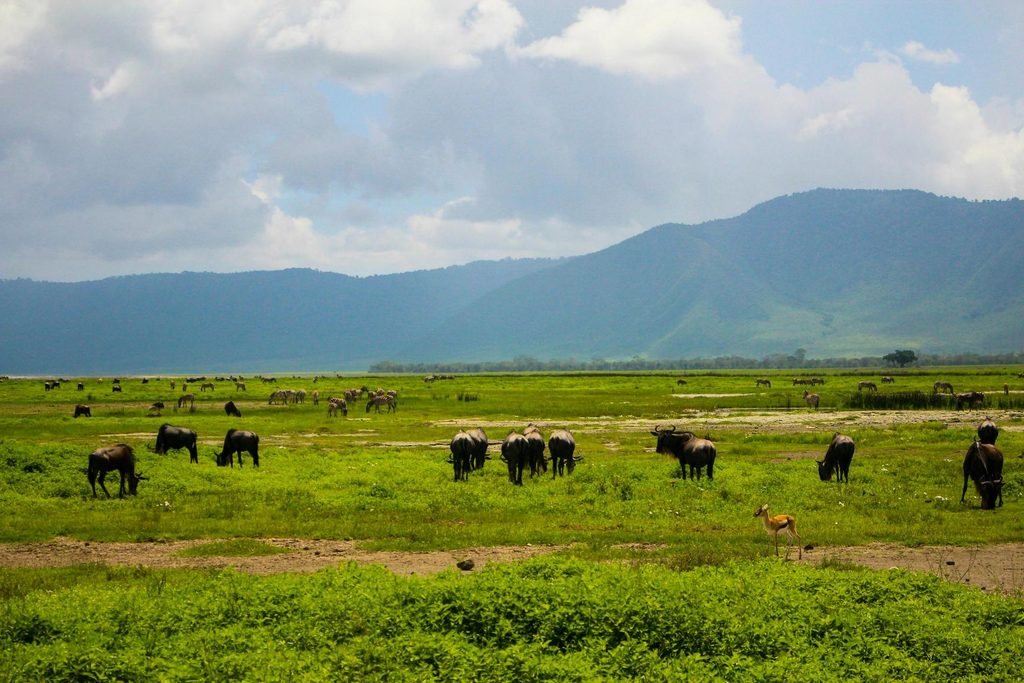
Day 3: Ngorongoro Crater – Serengeti:Great Migration Safari 2027–2028: A Comprehensive Guide to Tanzanian Planning
Start early and descend into the Ngorongoro Crater for a game drive.
The crater is home to a remarkable concentration of wildlife.
After lunch, continue toward Serengeti National Park.
As you approach the Serengeti, the landscape opens into vast grasslands.
You have arrived in the heart of the migration ecosystem.
Overnight: Serengeti
Meals: Breakfast, lunch and dinner
Day 4: Central Serengeti Game Drive
Spend the day exploring the Serengeti.
Your guide will search for wildlife according to your travel season.
Depending on the time of year, you may encounter migration herds, lions, cheetahs, elephants, giraffes, zebras and other animals.
Rather than rushing between sightings, take time to enjoy the landscape.
The Serengeti is one of those places where simply sitting quietly and watching nature can become a highlight.
Overnight: Serengeti
Meals: Breakfast, lunch and dinner
Day 5: Serengeti Migration Tracking
This is a dedicated migration day.
Your guide focuses on locating the herds according to the seasonal movement.
If traveling during the calving season, you may concentrate on the southern Serengeti.
If traveling during the northern migration season, the itinerary can be positioned toward the northern Serengeti.
This flexibility is essential.
The safari should follow the animals rather than forcing the animals to fit a predetermined itinerary.
Overnight: Serengeti
Meals: Breakfast, lunch and dinner
Day 6: Full-Day Serengeti Safari
Enjoy another full day in the Serengeti.
This extra day is valuable because wildlife sightings are unpredictable.
You may spend time observing a pride of lions, searching for a leopard resting in a tree or following a herd of wildebeest across the plains.
During the river-crossing period, you may spend time near potential crossing areas, always following park regulations and your guide’s instructions.
Overnight: Serengeti
Meals: Breakfast, lunch and dinner
Day 7: Serengeti – Arusha
After breakfast, enjoy a final game drive depending on your departure arrangements.
You then begin your journey back toward Arusha or connect with a domestic flight according to your itinerary.
Your Great Migration adventure ends, but the memories of the Serengeti remain.
Meals: Breakfast and lunch
Can the Safari Be Shorter?
Yes.
Travelers with limited time can choose a four- or five-day itinerary focused heavily on the Serengeti.
However, if the migration is your main objective, spending more nights in the relevant migration area is usually beneficial.
A seven-day safari provides a much better balance between travel time and wildlife viewing.
For travelers with more time, an eight-, nine- or ten-day itinerary can be even more rewarding.
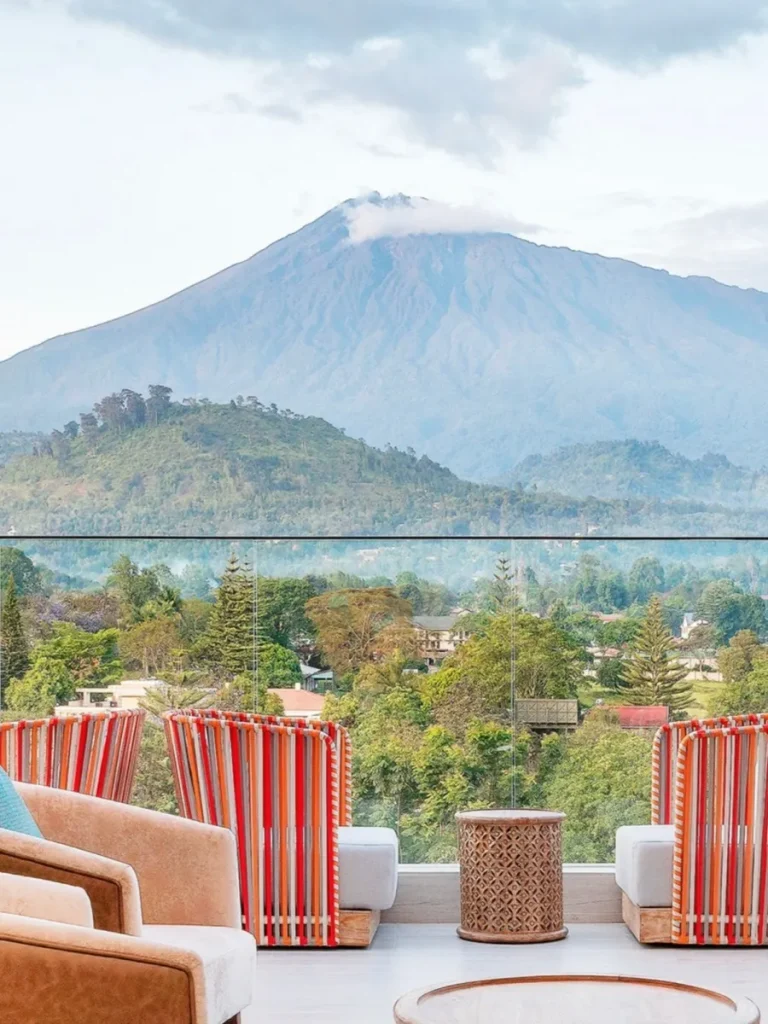
Accommodation Options Of Great Migration Safari 2027–2028: A Comprehensive Guide to Tanzanian Plannin
Eko Tanzania Adventures can arrange different accommodation levels.
Budget Camping
Best for travelers who want to spend more of their budget on the experience itself.
You sleep in tents at designated campsites and enjoy a more traditional safari atmosphere.
Mid-Range Tented Camps and Lodges
This option provides a comfortable balance between price and facilities.
You can enjoy private rooms or tents, beds, bathrooms and dining facilities while remaining close to nature.
Luxury Camps and Lodges
Luxury accommodation adds additional comfort, privacy and premium services.
It can be ideal for honeymooners, couples, families or travelers celebrating a special occasion.
Private vs Group Great Migration Safari
A private safari offers the greatest flexibility.
You can decide how long to stay at wildlife sightings, adjust your departure time and customize the route around your interests.
A group safari can be more economical and allows you to share the experience with other travelers.
For photographers and travelers specifically targeting migration activity, a private safari can be particularly useful because the itinerary can be adapted more easily.
Estimated Great Migration Safari Cost
The final cost for a 2027–2028 migration safari depends on duration, group size, accommodation, transportation and season.
An indicative planning range is:
| Safari Category | Approximate Cost Per Person |
|---|---|
| Budget Camping – 5 Days | $1,500–$2,000 |
| Mid-Range – 5 Days | $2,100–$2,900 |
| Luxury – 5 Days | $3,500–$5,000+ |
| Budget Camping – 7 Days | $2,000–$2,600 |
| Mid-Range – 7 Days | $2,800–$3,800 |
| Luxury – 7 Days | $4,500–$6,500+ |
These are indicative planning figures, not fixed quotations. Peak-season accommodation, private vehicles, special camps and internal flights can change the final price considerably.
For an accurate quotation, Eko Tanzania Adventures should calculate the package based on your exact travel dates, number of travelers, accommodation preference and migration region.
What Is Included?
A standard Eko Tanzania Adventures migration safari package can include:
- Private 4×4 safari vehicle
- Professional safari guide
- Park entry and conservation fees
- Game-drive fees
- Accommodation according to selected package
- Breakfast, lunch and dinner
- Drinking water during game drives
- Airport or hotel transfers according to itinerary
- Crater fees where applicable
- Safari planning and itinerary support
What Is Not Included?
The following are normally excluded unless specifically requested:
- International flights
- Tanzania visa
- Travel insurance
- Personal shopping
- Alcoholic beverages
- Laundry
- Tips
- Private expenses
- Optional activities
- Additional hotel nights
- Internal flights unless included in your quotation
What Should You Pack?
A Great Migration safari requires practical clothing rather than a huge suitcase.
Pack:
- Lightweight trousers
- T-shirts
- Long-sleeved shirts
- Fleece or light jacket
- Comfortable shoes
- Hat
- Sunglasses
- Sunscreen
- Insect repellent
- Binoculars
- Camera and spare batteries
- Power bank
- Reusable water bottle
- Personal medication
- Small daypack
Neutral colors such as khaki, brown and green are practical for safari.
Avoid excessively bright clothing if possible.
Photography Tips for the Great Migration
The migration is a dream for photographers.
A telephoto lens is useful for distant animals, while a wider lens can capture the scale of the herds and landscape.
Try not to photograph everything.
Sometimes the best photograph comes after putting the camera down and watching.
If you are photographing a river crossing, patience is essential.
A crossing can happen suddenly after a long period of waiting.
Listen to your guide, respect other vehicles and never encourage or disturb the animals for a photograph.
Responsible Great Migration Tourism
The Great Migration is an extraordinary natural process, and visitors have a responsibility to protect it.
Responsible safari behavior includes:
- Keep a respectful distance from wildlife.
- Never feed wild animals.
- Do not make unnecessary noise.
- Do not leave rubbish behind.
- Follow park regulations.
- Stay on permitted roads.
- Avoid blocking animals’ movement.
- Listen carefully to your guide.
A great photograph is never more important than the welfare of an animal.
Why Book Your 2027–2028 Safari Early?
Great Migration safaris are popular, particularly during the July–October period.
Early booking gives you a better chance of securing:
- Preferred accommodation
- Convenient flights
- Private safari vehicles
- Specific travel dates
- Suitable migration locations
- Special camps
- Family rooms
- Honeymoon arrangements
This is particularly important if you have a specific week in mind.
For a 2027 or 2028 safari, early planning also gives you time to compare different itineraries and decide whether to include Zanzibar, Kilimanjaro or additional cultural experiences.
Combine the Great Migration With Zanzibar
One of the most beautiful ways to finish a Tanzania safari is with several days in Zanzibar.
After spending days following wildebeest across the Serengeti, you can fly to the coast and exchange the dusty safari roads for white beaches and warm Indian Ocean water.
A combined itinerary could look like:
Days 1–7: Tanzania safari and Great Migration
Days 8–11: Zanzibar beach holiday
Day 12: Departure
Zanzibar can add a completely different dimension to your Tanzania experience.
Combine the Migration With Kilimanjaro
Adventurous travelers can also combine the Great Migration with Mount Kilimanjaro.
For example:
Days 1–7: Kilimanjaro climb
Days 8–13: Great Migration safari
Days 14–17: Zanzibar
The exact number of days should be adjusted according to your chosen Kilimanjaro route.
The important thing is not to rush the mountain.
Proper acclimatization is one of the most important elements of a safe and enjoyable Kilimanjaro climb.
Frequently Asked Questions
Is the Great Migration guaranteed in 2027 or 2028?
The migration itself is an annual natural cycle, but the exact location and timing of the herds cannot be guaranteed. Rainfall and grazing conditions influence their movements.
What is the best month for a Great Migration safari?
For calving, January to March is usually an excellent period. For northern Serengeti migration and possible river-crossing experiences, July to October is commonly preferred.
Can I see a river crossing?
You may, but no responsible safari operator can guarantee one. The animals decide when and where they cross.
How many days should I spend on safari?
Five days can work for travelers with limited time. Seven days or more is preferable if the Great Migration is your primary reason for visiting Tanzania.
Is a private safari worth it?
If your budget allows, yes. Private safaris provide greater flexibility and allow your guide to adjust the itinerary according to wildlife movements and your interests.
Can families go on a Great Migration safari?
Yes. Families can enjoy migration safaris, although the itinerary should be designed around children’s ages and comfort.
Is the Great Migration only wildebeest?
No. Wildebeest are the dominant species, but zebras, gazelles and numerous predators are also part of the spectacle.
Final Thoughts: Plan for the Experience, Not Just the Date
Great Migration Safari 2027–2028: A Comprehensive Guide to Tanzanian Plannin;The Great Migration is sometimes presented as though travelers can simply arrive in Tanzania on one particular date and watch the animals cross a river.Nature does not work that way.
The real beauty of the migration is its unpredictability.One morning you may wake up to discover wildebeest covering the plains. Later that day, your guide may find a pride of lions watching the herd. The next morning, you may follow fresh tracks toward a distant gathering of animals.
These unexpected moments are what make a Great Migration safari unforgettable.
For 2027 and 2028, the smartest approach is to choose your travel period based on the experience you want and then build your itinerary around the likely location of the herds.
Choose January to March if your dream is the calving season and intense predator activity.
Choose July to October if your dream is the northern Serengeti and the possibility of witnessing dramatic river activity.
Choose the shoulder or green seasons if you prefer lush scenery, fewer visitors and a quieter safari atmosphere.
And remember that the Serengeti is extraordinary even when you are not looking at a migrating herd. Lions still hunt, elephants still walk across the plains, giraffes still browse among the trees, and sunsets still stretch across the horizon.
With Eko Tanzania Adventures, your 2027–2028 Great Migration safari can be tailored around your preferred season, budget, accommodation and travel style.
Whether you are a first-time safari traveler, a wildlife photographer, a couple looking for a romantic adventure, a family planning a once-in-a-lifetime holiday, or an experienced traveler returning to Africa, Tanzania offers the opportunity to experience the Great Migration in a deeply personal way.
The Great Migration is not simply something you watch. It is something you experience—through the sound of hooves, the movement of dust, the silence before a river crossing, the roar of predators and the endless rhythm of life across the Serengeti.
Start planning your 2027–2028 Great Migration Safari with Eko Tanzania Adventures, and let Tanzania’s wilderness become one of the stories you will remember for the rest of your life.