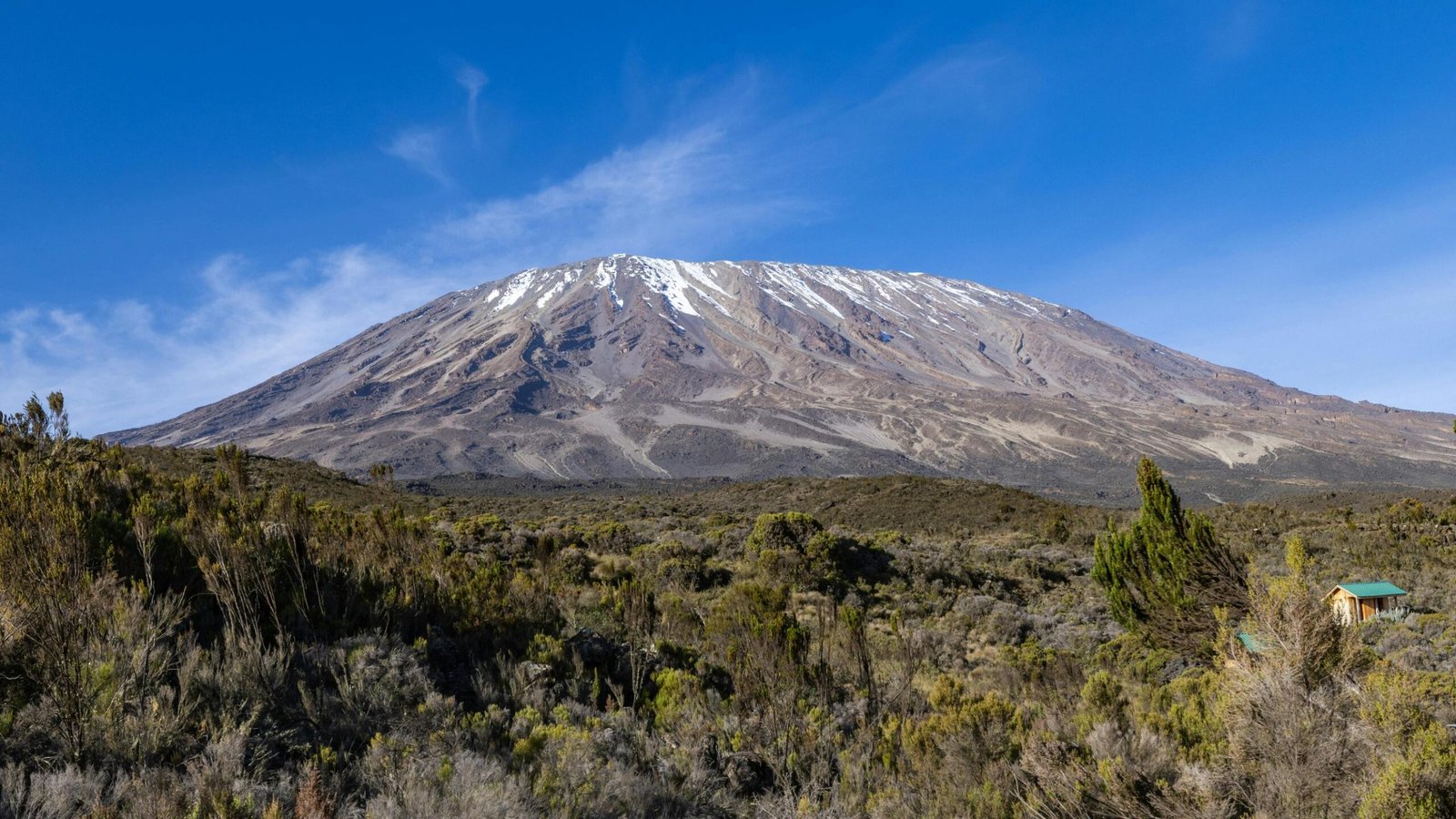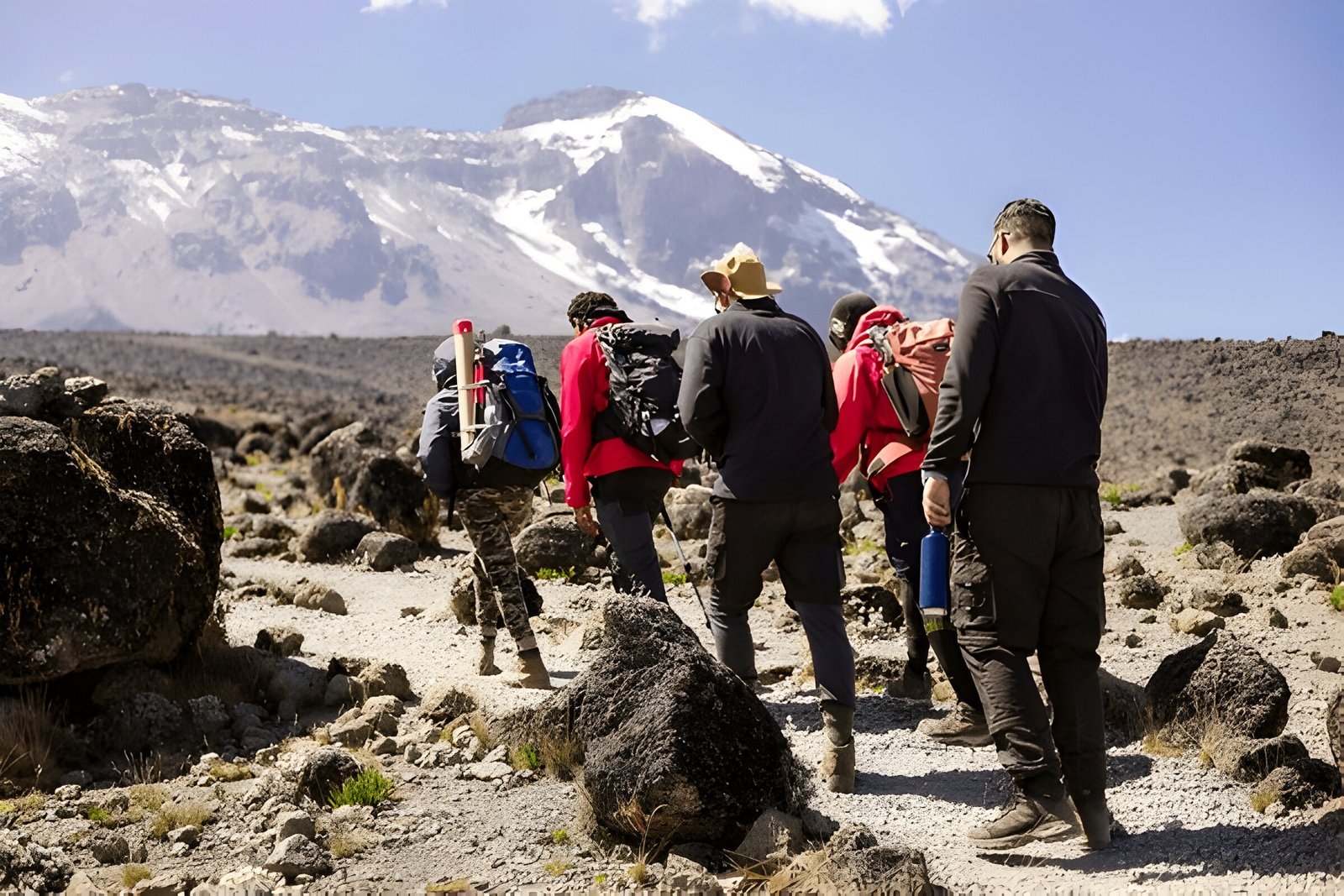
The Ultimate 8-Day Northern Circuit Route 2027–2028;Climbing Mount Kilimanjaro is not just about reaching the summit. It is about experiencing the mountain slowly, taking in its changing landscapes, challenging yourself each day, and allowing the journey to become part of the adventure.
If you are looking for a longer and more immersive way to climb Africa’s highest mountain, the 8-Day Northern Circuit Route is an exceptional choice. This route is known for its longer itinerary, beautiful scenery, quieter trails, and gradual approach to high altitude.
Unlike many other Kilimanjaro routes that approach the summit from the south or west, the Northern Circuit travels around the quieter northern slopes of the mountain before joining the summit approach. This creates a much more complete experience of Kilimanjaro and gives trekkers the opportunity to see different sides of the mountain.
The eight-day itinerary also provides valuable time for acclimatization. Rather than rushing upward, you spend more days gradually gaining elevation and allowing your body to adjust to the changing altitude.
For travelers planning a Kilimanjaro adventure in 2027 or 2028, the Northern Circuit can be an excellent option for those who value scenery, time, and a slower trekking rhythm.
Why Choose the 8-Day Northern Circuit Route?
The biggest advantage of the Northern Circuit is the amount of time it gives you on the mountain.
Eight days allows you to experience Kilimanjaro at a more relaxed pace than many shorter itineraries. You have more time to appreciate the surroundings and prepare for the summit.
The route is also known for being quieter than some of the more heavily used approaches. This can make the experience feel more peaceful and remote.
Another major benefit is the variety of landscapes. You pass through rainforest, moorland, high desert, and the rugged environment around the summit.
For many trekkers, the Northern Circuit feels less like simply following a trail and more like completing a journey around one of Africa’s most iconic mountains.
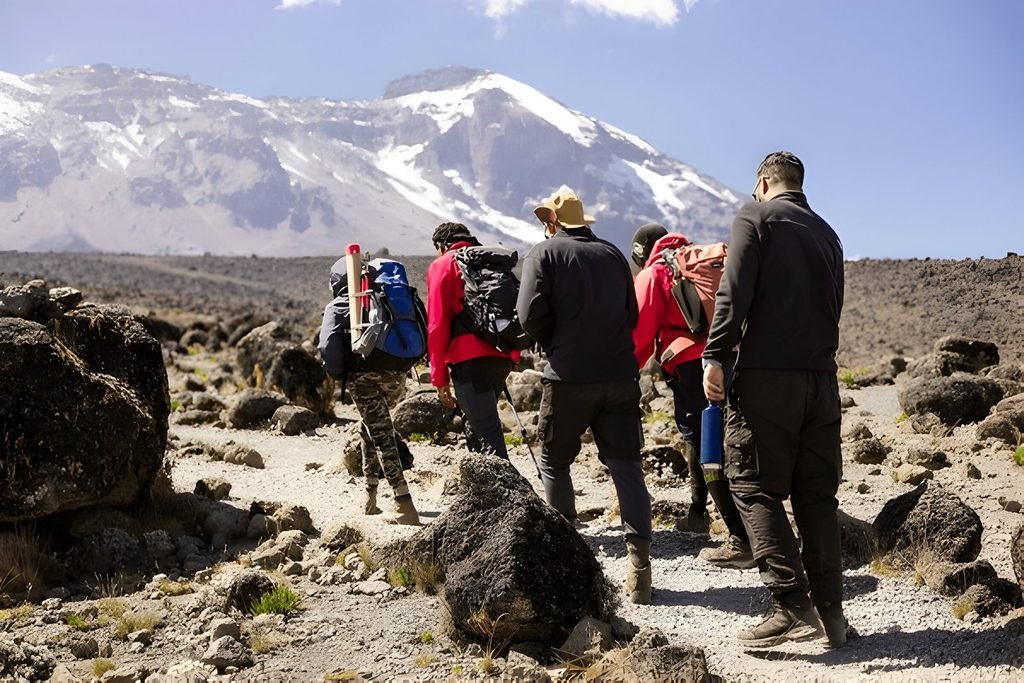
What Makes the Northern Circuit Different?:The Ultimate 8-Day Northern Circuit Route 2027–2028
The Northern Circuit begins from the western side of Kilimanjaro and initially follows the Lemosho approach.
Instead of immediately heading toward the southern slopes, the route continues around the northern side of the mountain.
This creates a long, scenic loop before the final summit push.
The northern slopes are generally quieter and offer a different perspective of Kilimanjaro. On clear days, the surrounding landscapes can be spectacular.
The route eventually connects with the eastern side of the mountain before heading toward the summit camps.
This longer approach is one of the reasons the Northern Circuit is particularly attractive to travelers who want a comprehensive Kilimanjaro experience.
Day 1: Londorossi Gate to Mti Mkubwa Camp
Your adventure begins with a drive toward the western entrance of Kilimanjaro National Park.
After completing registration and meeting your mountain crew, you begin your trek through the rainforest.
The first section is surrounded by dense vegetation, and the atmosphere feels completely different from the towns and roads below.
The trail is usually relatively gentle, allowing you to settle into your walking rhythm.
Your guide will encourage you to walk slowly from the beginning. There is no reason to rush because you have many days ahead.
After several hours, you reach Mti Mkubwa Camp, where you spend your first night.
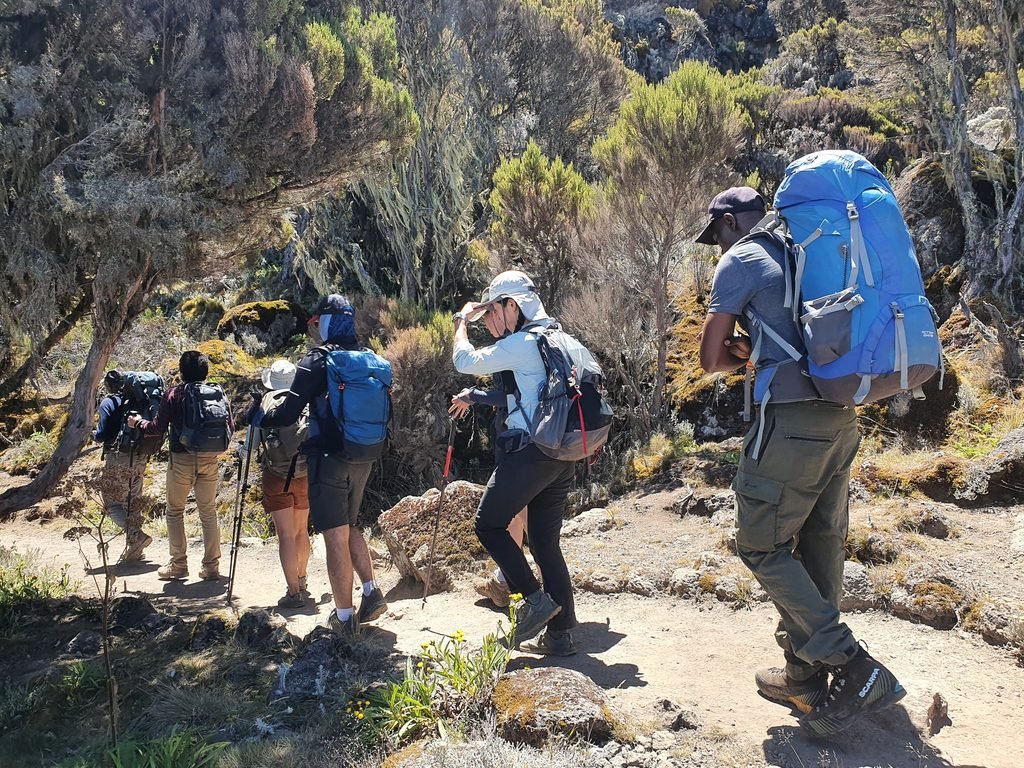
Day 2: Mti Mkubwa Camp to Shira 1 Camp:The Ultimate 8-Day Northern Circuit Route 2027–2028
The trail gradually leaves the rainforest and enters the moorland zone.
The vegetation becomes shorter and the landscape opens up.
As you climb higher, views toward Kilimanjaro become increasingly impressive.
You continue toward Shira 1 Camp, located on the Shira Plateau.
This is an exciting transition because you can clearly see how dramatically the mountain environment changes as you gain altitude.
Your body is also beginning to adjust to the higher elevation, so maintaining a comfortable pace is important.
Day 3: Shira 1 Camp to Shira 2 CampThe Ultimate 8-Day Northern Circuit Route 2027–2028
Today you continue across the Shira Plateau.
This is one of the most scenic sections of the Northern Circuit.
The landscape is broad and open, with volcanic formations and mountain views surrounding you.
The walking is generally manageable, but altitude is becoming increasingly noticeable.
Use this day to settle into the rhythm of high-altitude trekking.
Eat properly, drink enough water, and rest whenever necessary.
At the end of the day, you arrive at Shira 2 Camp for dinner and overnight accommodation.
Day 4: Shira 2 Camp to Moir Hut Camp
The route begins moving away from the busy southern approach and toward the northern side of Kilimanjaro.
You enter a more remote and rugged environment.
The landscape becomes increasingly rocky, and the vegetation becomes sparse.
Moir Camp is situated in a beautiful high-altitude valley and provides an excellent opportunity to experience a quieter side of Kilimanjaro.
This section is also useful for acclimatization because you continue spending time at increasing elevations without immediately attempting the summit.
Day 5: Moir Hut Camp to Pofu Camp
The trek continues around the northern slopes of Kilimanjaro.
This is one of the defining features of the Northern Circuit.
You are no longer simply climbing directly upward. Instead, you are gradually moving around the mountain while gaining altitude.
The northern side is often quieter, which can make the trek feel more peaceful.
You walk through high-altitude terrain with impressive views across the surrounding landscape.
Eventually, you reach Pofu Camp, where you rest for the night.
Day 6: Pofu Camp to Third Cave Camp
Today you continue across the northern side of Kilimanjaro.
The trail takes you through an increasingly barren environment as you approach the higher sections of the mountain.
The pace remains slow and steady.
By now, you have spent several days at altitude, so your body has had more opportunity to adjust.
You eventually reach Third Cave Camp.
This is an important rest point before the route begins moving toward the summit zone.
Day 7: Third Cave Camp to School Hut
The final trekking day before the summit takes you toward School Hut, one of the high camps used for the Northern Circuit summit attempt.
The landscape becomes more rugged and almost desert-like.
At this stage, the summit feels much closer.
Your guide will brief you about the upcoming summit attempt, including the expected departure time and what you should carry.
You normally have an early dinner and rest as much as possible.
Try to sleep because the summit attempt will begin during the night or early morning.
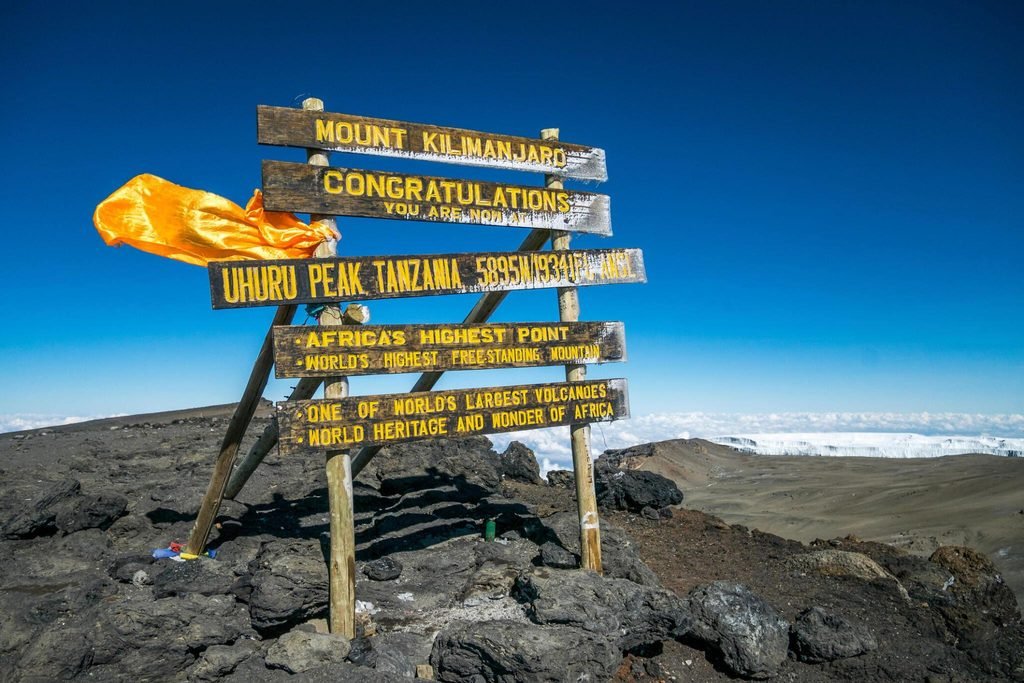
Day 8: School Hut to Uhuru Peak and Descent
This is the most demanding and rewarding day of the entire adventure.
You usually begin the summit attempt during the early hours while it is still dark.
The temperature is cold, the terrain is steep, and the altitude is significant.
Your pace will be deliberately slow.
Rather than thinking about the entire climb, focus on one step at a time.
As you climb higher, the sky gradually begins to brighten.
Eventually, you reach the crater rim.
Depending on the exact route conditions and your pace, you may reach a point such as Gilman’s Point before continuing toward Uhuru Peak.
The final section along the crater rim is challenging but incredibly rewarding.
When you finally reach Uhuru Peak at 5,895 meters, you have reached the highest point in Africa.
Take a moment to appreciate the achievement.
You have spent eight days crossing forests, moorlands, volcanic landscapes, and high-altitude terrain.
After celebrating at the summit, you begin the long descent toward the lower mountain.
The descent can be physically tiring, particularly after the summit effort, so take care with every step.
Is the 8-Day Northern Circuit Route Difficult?
The Northern Circuit is still a serious high-altitude trek, even though the longer itinerary can provide a more gradual acclimatization profile.
You need good physical preparation and mental determination.
The main challenges include altitude, long walking days, cold temperatures, uneven terrain, and the summit attempt.
However, you do not need technical mountaineering experience for the standard route.
The most important qualities are patience, endurance, preparation, and the willingness to follow your guide’s instructions.
Acclimatization Advantage
One of the strongest reasons to choose the eight-day Northern Circuit is the opportunity for acclimatization.
Your body needs time to adjust as you move from lower elevations toward nearly 6,000 meters.
A longer itinerary gives you more time to experience altitude gradually.
However, no itinerary can completely eliminate the risk of altitude-related problems.
If you develop symptoms such as severe headache, dizziness, vomiting, unusual weakness, confusion, or difficulty breathing, tell your guide immediately.
Never hide symptoms simply because you want to reach the summit.
Your safety should always come first.
Preparing for the Northern Circuit
Preparation should begin well before your arrival in Tanzania.
Focus on building endurance rather than simply trying to become stronger.
Long walks and hikes are particularly useful because they prepare you for spending several hours on your feet.
You can also include stair climbing, jogging, cycling, and strength exercises in your training routine.
If possible, practice hiking on uneven terrain.
Your body should become comfortable with walking uphill and downhill for extended periods.
Mental preparation is equally important.
There may be days when you feel tired or uncomfortable. Remember that you do not need to conquer the entire mountain at once.
Focus on the day in front of you.
What Should You Pack?
Because the Northern Circuit passes through several climate zones, you need clothing that can adapt to changing conditions.
Essential equipment commonly includes hiking boots, moisture-wicking layers, warm clothing, waterproof outer layers, gloves, a warm hat, sunglasses, a headlamp, water bottles, a backpack, trekking poles, and a suitable sleeping bag.
The summit section is especially cold, so adequate insulation is essential.
You should also carry personal medication, sunscreen, toiletries, and high-energy snacks.
Your trekking company can provide a detailed packing list based on the season and specific arrangements.
Food and Water
Food is an important source of energy throughout the climb.
A good mountain meal plan should provide enough carbohydrates, protein, and calories to support long trekking days.
Breakfast gives you energy for the day’s walk, lunch helps maintain your strength, and dinner supports recovery.
Hydration is equally important.
Drink water regularly and follow your guide’s advice.
At high altitude, dehydration can contribute to headaches and fatigue, so staying hydrated is an important part of your daily routine.
The Importance of Walking Slowly
One of the most important lessons on Kilimanjaro is to avoid rushing.
You may feel strong during the first few days and be tempted to walk quickly.
Resist that temptation.
The mountain becomes more demanding as you climb higher.
Walking slowly helps conserve your energy and allows you to maintain a sustainable rhythm.
Your guide will normally set the pace, and following that pace can be one of the smartest decisions you make on the mountain.
The Role of Your Mountain Crew
Your mountain crew is an important part of your Kilimanjaro experience.
Your guide leads the trek, monitors your progress, and helps you make safe decisions.
Porters carry much of the camping equipment and supplies, while cooks prepare meals where applicable.
A professional and supportive crew can make a significant difference, particularly during the more difficult stages.
Treating the mountain crew with respect is also an important part of responsible trekking.
Best Time for the Northern Circuit in 2027–2028
The Northern Circuit can be climbed at different times of the year.
Many travelers prefer the generally drier periods, especially around January to February and June through October.
These periods can provide favorable trekking conditions, although Kilimanjaro weather remains unpredictable.
Cloud, rain, wind, cold temperatures, and changing conditions can occur at any time.
The best approach is to choose a suitable season while remaining prepared for different weather conditions.
Who Should Choose the 8-Day Northern Circuit?
The route is an excellent option for travelers who want a longer Kilimanjaro adventure and are not in a hurry.
It can be especially attractive if you value:
A longer acclimatization schedule
Quieter trails
Scenic landscapes
A remote trekking atmosphere
A complete experience around the mountain
More time to settle into the trekking routine
It is also a good option for people who simply want to spend more time experiencing Kilimanjaro rather than completing the climb as quickly as possible.
Why the Northern Circuit Can Be Unforgettable
There is something special about walking around a mountain rather than simply walking toward its summit.
The Northern Circuit allows you to see Kilimanjaro from different perspectives.
Every day changes the scenery.
The forest slowly disappears.
The open moorland begins.
The Shira Plateau stretches across the landscape.
The northern slopes become increasingly rugged.
Eventually, the vegetation disappears almost completely and you enter the high-altitude world surrounding the summit.
By the time you reach Uhuru Peak, you have experienced an extraordinary range of environments within one mountain.
Final Thoughts
The Ultimate 8-Day Northern Circuit Route 2027–2028 is an outstanding choice for travelers who want a longer, quieter, and more immersive Mount Kilimanjaro adventure.
The route gives you time to appreciate the mountain rather than rushing from one camp to another. Its northern approach offers a different perspective, while the eight-day schedule provides a gradual progression toward the summit.
There will be challenging moments. Your legs will become tired, the air will become thinner, and the summit night will test your determination.
But that is part of the experience.
Kilimanjaro teaches patience. It teaches you to slow down, trust the process, listen to your body, and keep moving forward.
And when you finally stand at Uhuru Peak, looking across the African landscape from 5,895 meters above sea level, you will understand why the journey was worth every step.
The summit is the destination, but the eight-day journey around Kilimanjaro is what makes the adventure truly unforgettable.