Climbing Mount Kilimanjaro usually takes 5 to 9 days, depending on the route, itinerary, acclimatization schedule, and pace. TANAPA states that reaching Kibo Peak generally takes 5–8 days, while its broader Kilimanjaro materials describe routes ranging from about 5 to 9 days or longer.
For most travelers, however, 6–8 days is a much more comfortable planning range than choosing the shortest possible itinerary. More time on the mountain allows your body to adjust to altitude and gives you a slower, more manageable walking schedule. TANAPA specifically advises climbers to add acclimatization days and to “walk slow.”
How Many Days Do Different Kilimanjaro Routes Take?:How Long Does It Take to Hike Mount Kilimanjaro?
| Route | Typical Duration | Main Character |
|---|---|---|
| Marangu Route | 5–6 days | Huts, straightforward trail |
| Machame Route | 6–7 days | Scenic, challenging, popular |
| Lemosho Route | 7–8 days | Scenic and excellent for acclimatization |
| Rongai Route | 6–7 days | Quieter northern approach |
| Northern Circuit | 9–10 days | Longest, gradual acclimatization |
| Umbwe Route | 5–6 days | Steep and demanding |
These durations can vary according to the specific itinerary and operator.
Why Does Kilimanjaro Take Several Days?
Kilimanjaro is not simply a matter of walking uphill until you reach the summit.
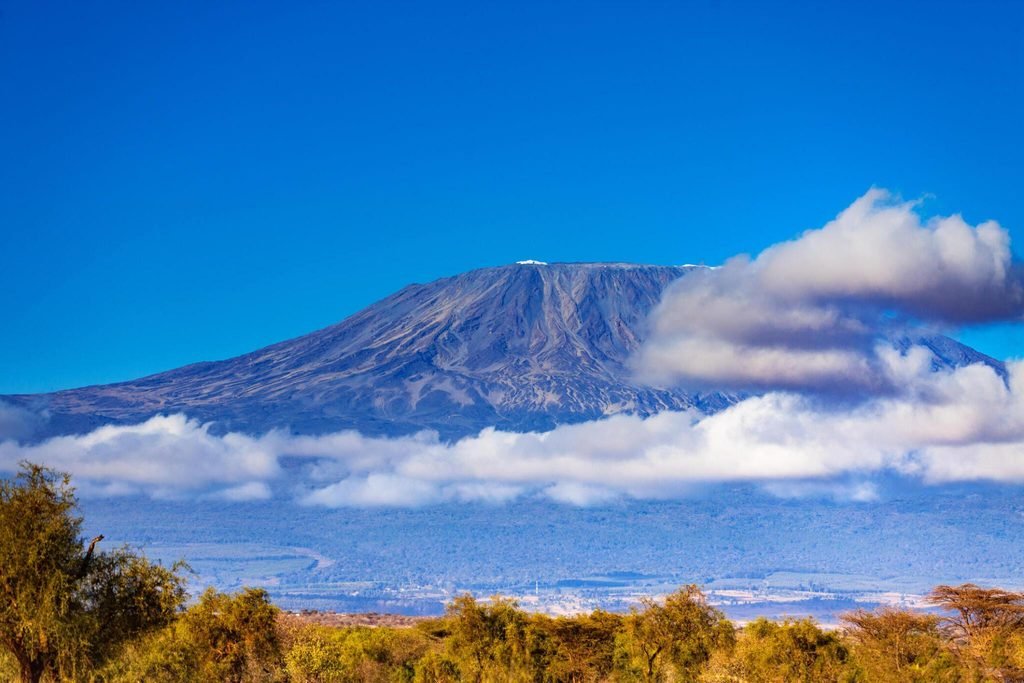
The mountain rises to 5,895 metres (19,341 feet), making it Africa’s highest mountain.
The major challenge is altitude.
You can be physically fit and still experience altitude-related symptoms because your body needs time to adapt to the decreasing oxygen availability as you climb.
That is why a good Kilimanjaro itinerary gradually gains elevation and includes appropriate acclimatization opportunities.
TANAPA recommends choosing an itinerary with acclimatization days, ascending slowly, staying hydrated and reporting symptoms to your guide.
What Does a Typical Kilimanjaro Day Look Like?
Most trekking days involve several hours of walking rather than continuous hiking from sunrise to sunset.
A typical day may look something like this:
Morning: Wake up, have breakfast and prepare your daypack.
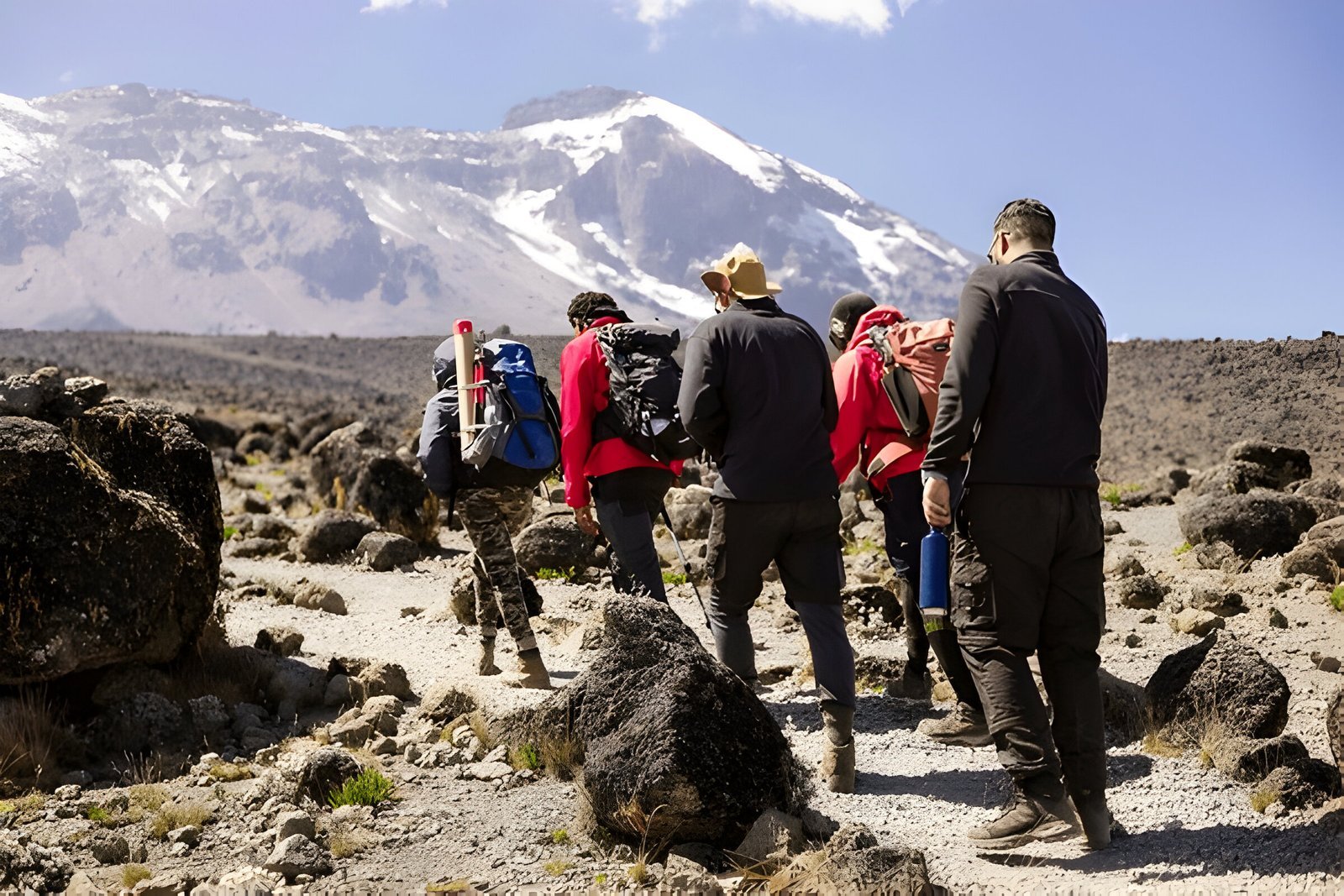
Morning to afternoon: Walk at a deliberately slow pace toward the next camp.
Afternoon: Arrive at camp, eat, rest and drink fluids.
Evening: Dinner, briefing from the guide and preparation for the following day.
The summit day is different.
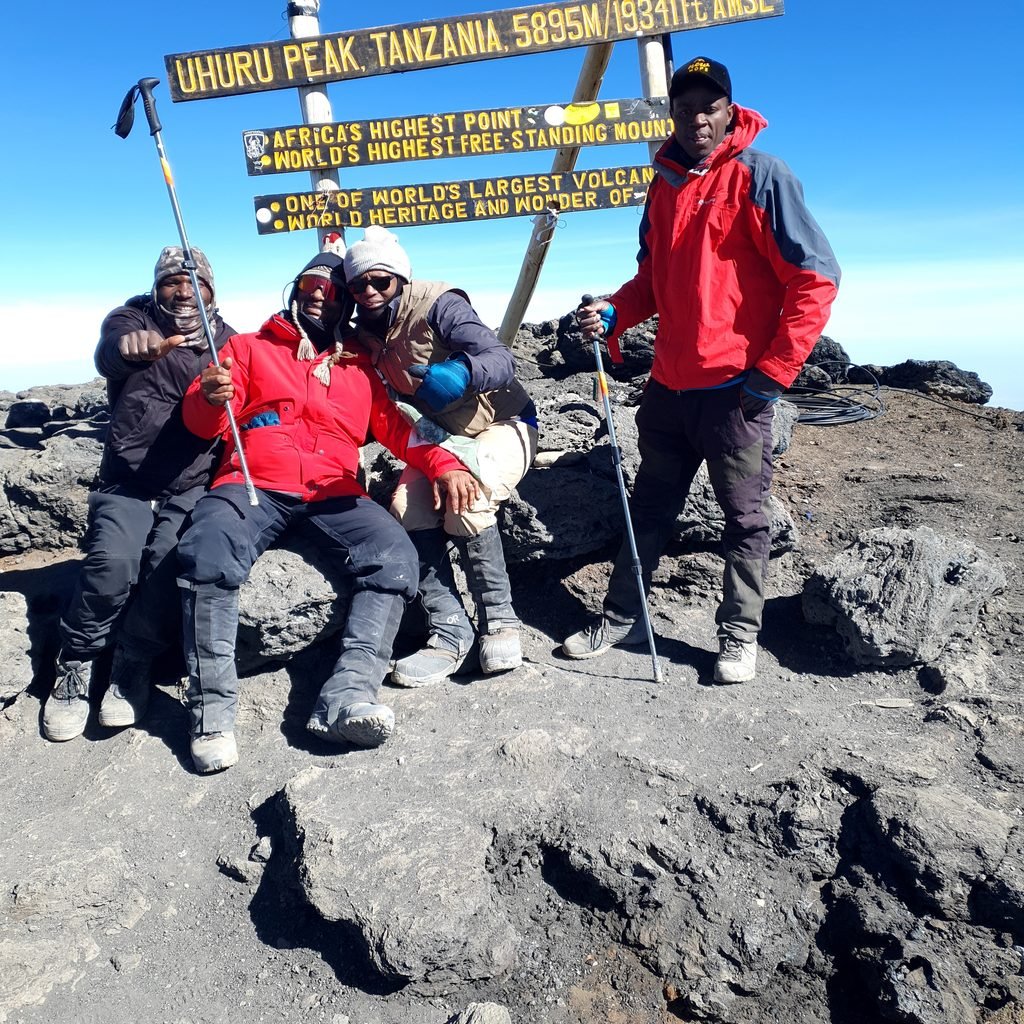
How Long Does Summit Day Take?:How Long Does It Take to Hike Mount Kilimanjaro?
The summit attempt is normally the most demanding part of the entire climb.
You may begin walking around midnight or in the early hours of the morning, depending on the route and itinerary.
The purpose is generally to reach the summit around sunrise or during the morning, then descend to a lower camp.
A summit day can involve many hours of walking, and the exact duration varies considerably according to the route, weather, altitude, pace and individual fitness.
The final ascent is slow. Guides commonly use the Swahili phrase “pole pole,” meaning “slowly, slowly.”
The goal is not to race.
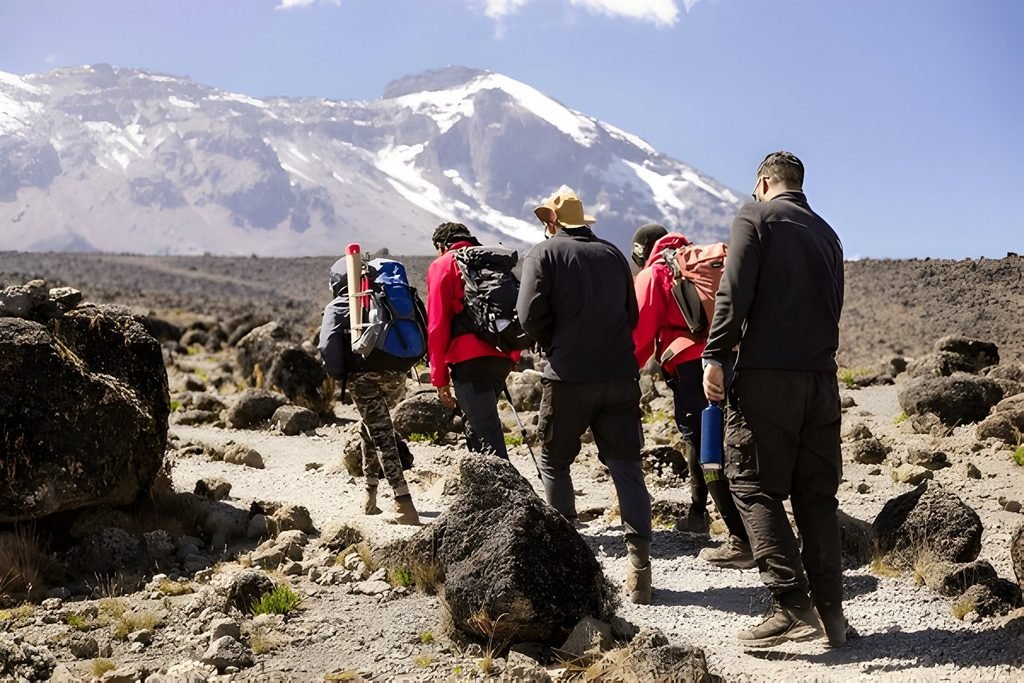
Is 5 Days Enough to Climb Kilimanjaro?
Technically, some Kilimanjaro itineraries are designed around five days.
But shorter does not necessarily mean better.
A five-day itinerary gives you less time to acclimatize, which can make the climb more demanding. Tanapa guidance emphasizes adding acclimatization days, and its visitor guidance recommends choosing an itinerary that allows gradual ascent.
For someone asking, How long should I take?, I would generally recommend considering:
- 6 days – reasonable for some routes
- 7 days – a strong balance of time and cost
- 8 days – excellent for a more gradual experience
- 9–10 days – ideal if prioritizing gradual acclimatization and a less rushed schedule
There is no route length that guarantees reaching the summit.
How Long Should a Beginner Take?
For a first-time Kilimanjaro climber, 7 or 8 days is often a sensible target.
The additional days can make the experience less rushed and provide more opportunity for your body to adjust to altitude.
For example, an 8-day Lemosho itinerary can provide a gradual progression through Kilimanjaro’s different ecological zones and include additional acclimatization time.
The Northern Circuit can be even longer, making it attractive to travelers who want a more gradual ascent and a quieter experience.
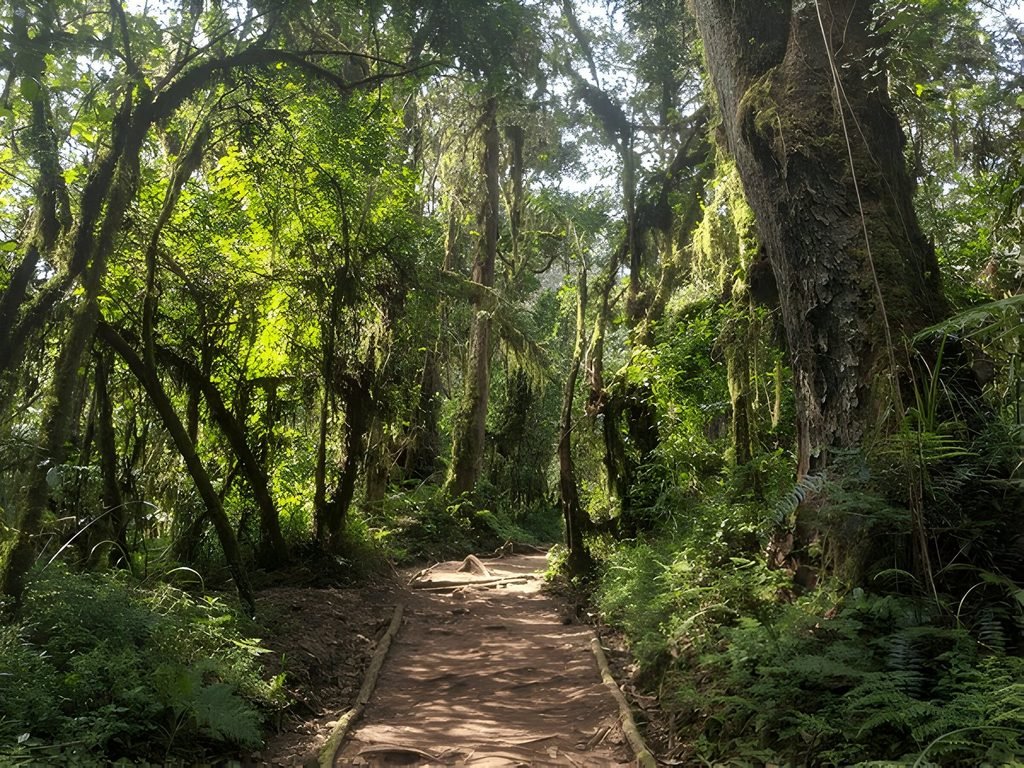
Which Route Is Best If You Have More Time?
Lemosho – 7 or 8 Days
Lemosho is an excellent choice if you want scenery combined with a gradual climb.
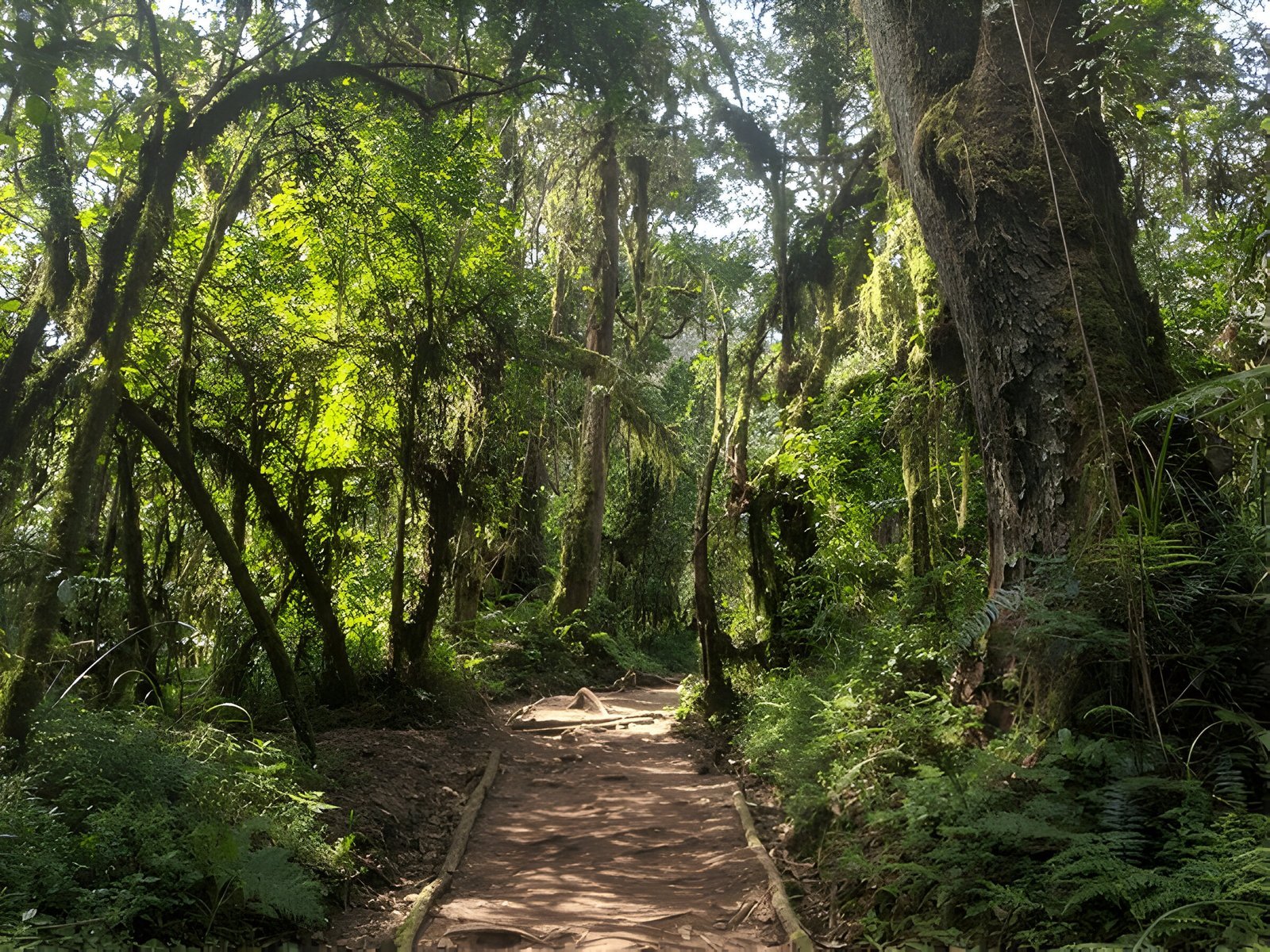
You travel through several of Kilimanjaro’s ecological environments, from forest to heath and moorland, alpine desert and the summit zone. TANAPA describes these distinct ecological zones as one of the mountain’s major attractions.
Recommended for: travelers who want scenery and more acclimatization time.
Machame – 6 or 7 Days
Machame is a scenic and physically demanding option.
A seven-day itinerary gives you more time than the shortest versions and is popular with trekkers looking for a balance between duration and acclimatization.
Recommended for: reasonably fit hikers who want a scenic trekking experience.
Marangu – 5 or 6 Days
Marangu is distinctive because accommodation is provided in mountain huts rather than tents on the standard route. TANAPA confirms that Marangu uses huts at Mandara, Horombo and Kibo.
Recommended for: travelers who prefer hut accommodation and a well-established route.
Rongai – 6 or 7 Days
Rongai approaches Kilimanjaro from the northern side and offers a different perspective of the mountain.
Recommended for: travelers interested in a quieter northern approach.
Northern Circuit – 9 or 10 Days
If time is available, the Northern Circuit offers one of the longest itineraries.
Its gradual character makes it attractive to climbers who want to prioritize acclimatization and spend more time experiencing the mountain rather than rushing toward the summit.
How Long Does the Whole Kilimanjaro Trip Take?
Remember that the climb itself isn’t necessarily the entire Kilimanjaro holiday.
For example, a seven-day climb might be organized as:
- Day 1: Arrival and hotel
- Days 2–8: Mountain trek
- Day 9: Descent/return and overnight
- Day 10: Departure
The exact arrangement depends on your route and travel plans.
Kilimanjaro National Park is accessible from the Moshi/Arusha area, with major gates including Marangu, Machame, Lemosho/Londorossi and Rongai.
Does Fitness Determine How Long Kilimanjaro Takes?
Fitness affects how comfortably you can handle the walking, but fitness alone does not determine the appropriate number of days.
A very fit person can still experience altitude problems.
Conversely, someone with moderate hiking experience may successfully climb if they follow a sensible itinerary, walk slowly, rest appropriately and listen to their guide.
Kilimanjaro requires:
- Endurance
- Patience
- Mental resilience
- Appropriate clothing
- Good hydration habits
- Gradual acclimatization
- A professional mountain crew
The Best Answer: Plan for 7–8 Days
If you’re asking this question because you’re planning your first Kilimanjaro climb, my practical recommendation is to look first at a 7- or 8-day itinerary rather than automatically choosing the shortest package.
TANAPA’s own guidance emphasizes patience, slow walking and adding acclimatization days.The extra time can make your journey feel less rushed and allow you to enjoy the changing landscapes instead of focusing entirely on reaching the next camp.
A simple guide:
5 days: Possible, but demanding and less forgiving.
6 days: Reasonable for some climbers.
7 days: Excellent balance for many travelers.
8 days: Very good choice for a gradual climb.
9–10 days: Excellent if you have time and want a longer, more gradual experience
Final Thoughts
So, how long does it take to hike Mount Kilimanjaro?
The official Tanzanian national park guidance puts the climb broadly in the 5–9 day range depending on route, with longer itineraries also possible.
But the better question is not simply “What is the shortest time I can take?”
It is:
How many days should I allow my body to adapt while giving myself a realistic opportunity to enjoy and complete the climb?
For many travelers, 7–8 days is an excellent starting point. If your priority is maximum acclimatization and a slower experience, consider a 9- or 10-day Northern Circuit itinerary.