How Many Tribes Are There in Tanzania? An Insight into Tanzania’s Rich Tribal Heritage in 2026–2028;Tanzania is one of Africa’s most culturally diverse countries. Beyond its famous wildlife, Mount Kilimanjaro, Serengeti plains, Zanzibar beaches, and Ngorongoro Crater, the country is home to a remarkable collection of communities with different histories, languages, traditions, livelihoods, arts, music, food, and ways of life.
For travelers planning a Tanzania holiday in 2026, 2027, or 2028, understanding this cultural diversity can make a safari or other journey much more meaningful. A visit to Tanzania can be more than watching wildlife; it can also be an opportunity to learn about the people whose communities have shaped the country’s history.
How Many Tribes Are There in Tanzania?
Tanzania is generally described as having more than 120 ethnic groups or tribes. Several Tanzanian government-related sources use the figure of over 120, while some recent research and international organizations give estimates above 125. The exact number is difficult to establish because ethnic identity is not counted in the same way as population totals, and definitions of an ethnic group or community can vary.
Therefore, when asking, “How many tribes are there in Tanzania?”, the most useful answer for travelers iTanzania has more than 120 ethnic communities, commonly referred to as tribes.
These communities are spread throughout mainland Tanzania and Zanzibar, with many having their own historical territories, languages or dialects, cultural practices, and traditions.
Importantly, Tanzania’s cultural identity is not simply a collection of separate tribes. Kiswahili provides an important common language and contributes to a shared national identity across communities.
Tanzania’s Cultural Heritage: Diversity and Unity:How Many Tribes Are There in Tanzania? An Insight into Tanzania’s Rich Tribal Heritage in 2026–2028
One of the fascinating things about Tanzania is the coexistence of considerable cultural diversity with a strong national identity.
Many communities maintain their own cultural traditions while participating in a wider Tanzanian society. Kiswahili is spoken throughout the country and is an important language of everyday communication and national cohesion.
This means that a traveler can move from one region to another and encounter different traditions, foods, landscapes, histories, and forms of cultural expression while still experiencing a strong sense of Tanzania as one country.
Tanzania’s ethnic communities are also linguistically diverse. Most belong to Bantu-speaking communities, while other groups are associated with Nilotic, Cushitic, and other ethnolinguistic traditions.
Major Tanzanian Tribes and Ethnic Communities
There are too many communities to describe individually in a single travel guide, but several are particularly well known because of their history, cultural heritage, population, location, or importance to cultural tourism.
1. Sukuma Of How Many Tribes Are There in Tanzania? An Insight into Tanzania’s Rich Tribal Heritage in 2026–2028
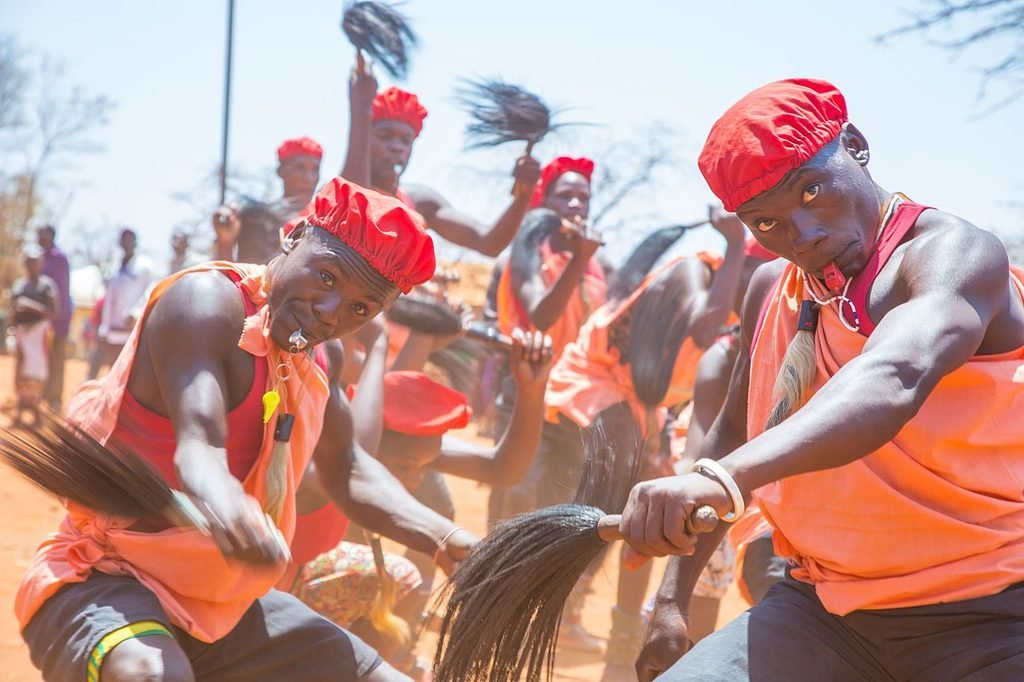
The Sukuma are generally recognized as Tanzania’s largest ethnic group. Their traditional homeland is around the Lake Victoria region, particularly areas including Mwanza and neighboring parts of northwestern Tanzania.
Historically, Sukuma communities have been associated with agriculture and livestock keeping. Their cultural heritage also includes distinctive music and dance traditions.
For visitors interested in Tanzanian culture, learning about Sukuma traditions provides an important perspective because their community represents a significant part of the country’s social and cultural history.
2. Chagga:How Many Tribes Are There in Tanzania? An Insight into Tanzania’s Rich Tribal Heritage in 2026–2028
The Chagga, also spelled Chaga, are strongly associated with the slopes of Mount Kilimanjaro.
Their homeland is characterized by fertile volcanic soils, and agriculture has traditionally played an important role in community life. Coffee and bananas are particularly associated with the Kilimanjaro area.
For travelers climbing Mount Kilimanjaro, cultural experiences around the mountain can provide an additional dimension to the journey. Instead of seeing Kilimanjaro only as a mountain to climb, visitors can learn about the people who have lived and farmed around it for generations.
3. Maasai Of How Many Tribes Are There in Tanzania? An Insight into Tanzania’s Rich Tribal Heritage in 2026–2028
The Maasai are among the most internationally recognized communities in Tanzania.
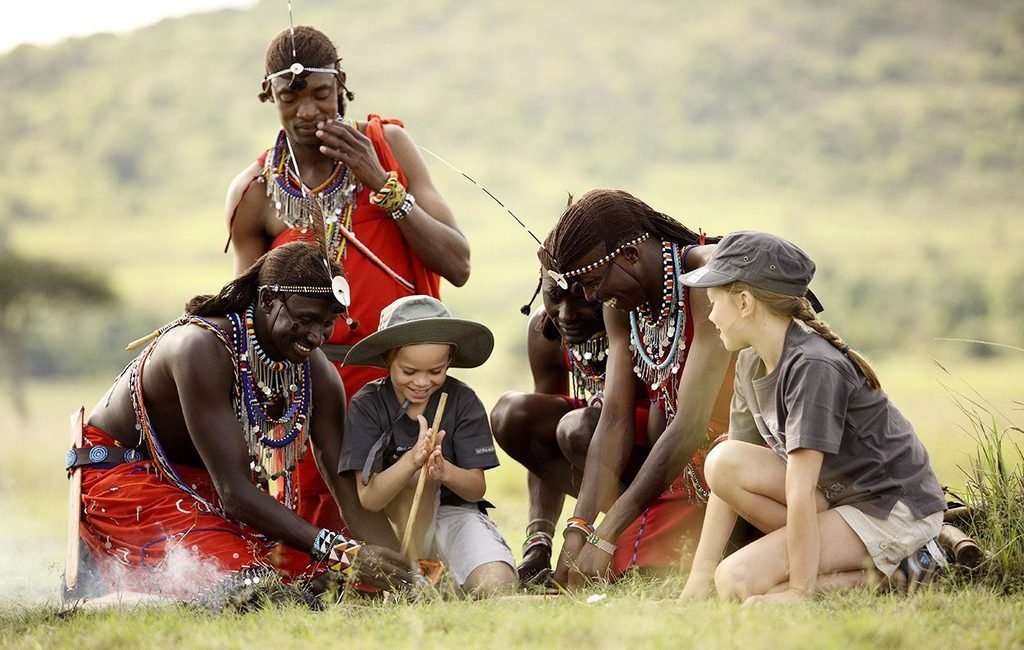
They are traditionally associated with pastoralism and cattle keeping, and many Maasai communities live in northern Tanzania. Their cultural traditions include distinctive clothing, beadwork, ceremonies, livestock-based livelihoods, and strong community structures.
Maasai communities are especially associated with areas around northern Tanzania, including landscapes near Ngorongoro, Manyara, Tarangire, and Serengeti.
However, travelers should remember that Maasai people are not simply a tourist attraction. Cultural visits should be approached respectfully, with attention to community consent, local customs, and fair economic benefits.
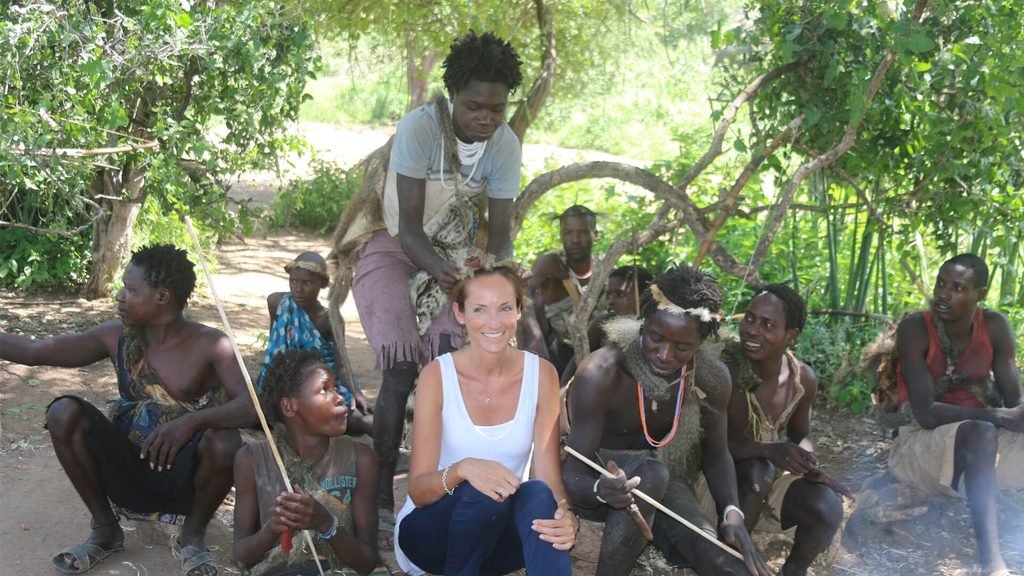
4. Hadzabe OfHow Many Tribes Are There in Tanzania? An Insight into Tanzania’s Rich Tribal Heritage in 2026–2028
The Hadzabe, or Hadza, are one of Tanzania’s smaller communities and are particularly associated with the area around Lake Eyasi.
The Hadzabe have a distinctive hunter-gatherer cultural heritage and speak a language with unique linguistic characteristics. Their traditional relationship with the surrounding environment is an important part of their cultural identity.
A carefully organized Lake Eyasi cultural experience can give visitors an opportunity to learn about Hadzabe traditions directly from community members.
It is important, however, to avoid treating traditional communities as living museums. Responsible cultural tourism should emphasize learning, dignity, consent, and direct community participation.
5. Datoga and Barabaig
The Datoga are traditionally associated with pastoralism, livestock keeping, metalworking, and agriculture.
The Barabaig are a Datoga subgroup and are particularly associated with northern Tanzania.
Their cultural traditions offer another perspective on the diversity of livelihoods found in Tanzania. While many visitors first associate northern Tanzania with Maasai culture, the region is home to several different communities with their own histories and identities.
6. Nyamwezi
The Nyamwezi are historically associated with central-western Tanzania.
Their history is particularly interesting because of their involvement in long-distance trade across the interior of East Africa. Today, agriculture and other economic activities form important parts of community life.
The Nyamwezi are also closely related historically and geographically to the Sukuma, although each community has its own identity and cultural heritage.
7. Makonde
The Makonde are associated particularly with southeastern Tanzania and the Mtwara region.
They are internationally recognized for their artistic traditions, especially intricate wood carving.
Makonde carving is one of the most recognizable forms of Tanzanian traditional art and represents an important connection between cultural heritage and contemporary artistic expression.
Visitors interested in African art can therefore gain a deeper understanding of Tanzania by learning about Makonde artistic traditions.
8. Haya
The Haya are primarily associated with the northwestern part of Tanzania around Lake Victoria, particularly the Kagera region.
Agriculture has traditionally been important, and the region has long been associated with coffee cultivation.
The Haya demonstrate how Tanzania’s cultural heritage is closely connected with geography. Climate, soil, lakes, mountains, forests, and historical trade routes have all influenced the development of different communities.
9. Hehe
The Hehe are strongly associated with the Iringa region of southern-central Tanzania.
Their history includes the resistance of Chief Mkwawa against German colonial forces during the late nineteenth century. The story of Mkwawa remains an important part of regional historical heritage.
For travelers visiting Iringa and surrounding areas, learning about Hehe history adds an important historical dimension beyond Tanzania’s better-known safari destinations.
10. Gogo
The Gogo, or Wagogo, are associated particularly with the Dodoma area in central Tanzania.
The relatively dry environment of central Tanzania has influenced traditional livelihoods and settlement patterns.
Dodoma is now the national capital, making the region an interesting meeting point between modern Tanzania and the cultural heritage of central Tanzanian communities.
Four Broad Ethnolinguistic Traditions
Tanzania’s communities are sometimes discussed according to broader linguistic and cultural classifications rather than individual tribes.
These include:
Bantu-speaking communities
The majority of Tanzania’s population belongs to Bantu-speaking communities. These include groups such as the Sukuma, Chagga, Nyamwezi, Haya, Hehe, Makonde, Gogo, and many others.
Nilotic communities
Communities such as the Maasai are associated with Nilotic linguistic traditions.
Cushitic communities
Several communities in northern Tanzania have Cushitic linguistic heritage, including the Iraqw.
Other indigenous linguistic traditions
The Hadzabe and Sandawe are particularly notable for their distinctive linguistic and cultural histories. Sources differ in how they classify some Tanzanian communities, which is another reason why simply assigning an exact number to Tanzania’s tribes can be difficult.
Why Does Tanzania Have So Many Tribes?
Tanzania’s cultural diversity has developed over a very long period.
Several factors contributed to the formation of different communities, including:
- Migration
- Agriculture
- Pastoralism
- Hunting and gathering
- Long-distance trade
- Geographic separation
- Lake and river systems
- Mountain environments
- Coastal commerce
- Historical political organization
- Interaction between neighboring communities
Tanzania covers a huge geographical area, from the Indian Ocean coast to the Great Lakes region and from the northern highlands to the southern and western landscapes.
Different environments encouraged different ways of life.
For example, communities living around Mount Kilimanjaro developed agricultural systems adapted to fertile volcanic slopes, while pastoral communities in the northern plains developed livelihoods strongly connected with livestock and seasonal grazing.
Coastal communities developed traditions influenced by centuries of Indian Ocean commerce, creating cultural connections between African, Arab, Persian, and Indian worlds.
The Role of Kiswahili in Bringing Tanzania Together
One of the most important parts of Tanzania’s modern cultural history is the widespread use of Kiswahili.
Although Tanzania contains many ethnic communities and languages, Kiswahili serves as a common language across the country. Government and tourism sources emphasize its role in national unity and communication.
This is particularly noticeable when traveling through Tanzania.
A safari driver might come from one community, a lodge employee from another, and a local cultural guide from another, yet they can communicate easily in Kiswahili.
This creates an interesting combination:
Many cultures + many histories + one widely shared national language.
Cultural Tourism in Tanzania in 2026–2028
For travelers visiting Tanzania between 2026 and 2028, cultural tourism can complement a traditional safari.
Instead of spending an entire trip only inside national parks, visitors can include experiences such as:
Maasai cultural experiences
Travelers can visit participating communities, learn about traditional livelihoods, hear stories, see beadwork, and learn about pastoral traditions.
Lake Eyasi cultural experiences
The Lake Eyasi area can provide opportunities to learn about Hadzabe and Datoga communities.
Kilimanjaro cultural experiences
Visitors can combine a Kilimanjaro trek with cultural experiences involving communities around the mountain.
Mto wa Mbu cultural tours
Mto wa Mbu is a multicultural area near Lake Manyara where visitors can experience local food, farming, crafts, and community life.
Makonde art experiences
Travelers interested in African art can learn about traditional carving and contemporary artistic practices associated with the Makonde.
Zanzibar cultural heritage
Zanzibar offers another dimension of Tanzanian cultural history, shaped by centuries of Indian Ocean trade and interactions among African, Arab, Persian, and Indian communities.
Responsible Cultural Tourism
Cultural tourism should be conducted responsibly.
A good cultural experience is not simply about taking photographs of people in traditional clothing. It should create genuine interaction and learning while respecting local communities.
When booking a cultural activity, travelers should consider:
- Community participation – Are local people directly involved?
- Fair economic benefits – Does tourism revenue reach the community?
- Respect for photography – Are visitors expected to ask before taking photographs?
- Respect for traditions – Are ceremonies and sacred practices treated appropriately?
- Accurate interpretation – Does the guide explain the culture without stereotypes?
- Environmental responsibility – Does the experience protect the local environment?
- Authentic interaction – Is the experience based on genuine community participation rather than a staged performance?
These principles help ensure that tourism supports rather than undermines Tanzania’s cultural heritage.
Tanzania’s Tribal Heritage and Safari Tourism
One of the great advantages of traveling through Tanzania is that wildlife and cultural experiences can often be combined.
Imagine a journey beginning in Arusha, continuing to Tarangire National Park, then Ngorongoro, and finally Serengeti.
Along the way, travelers can experience not only elephants, lions, giraffes, zebras, and wildebeest but also the human history surrounding these landscapes.
For example, the northern safari circuit contains communities with long histories of pastoralism and agriculture. Understanding these communities can give visitors a more complete perspective on the landscape.
The land is not simply a wilderness without people. It is part of a broader cultural environment shaped by generations of human interaction with nature.
Is Every Tribe Completely Different?
No.
Although Tanzania contains more than 120 ethnic communities, this does not mean that every group has completely separate traditions.
Neighboring communities have interacted for centuries through marriage, trade, migration, language exchange, political relationships, and shared environments.
Consequently, there can be similarities in:
- Food
- Clothing
- Farming methods
- Music
- Dance
- Family structures
- Traditional medicine
- Livestock keeping
- Craft production
- Religious practices
At the same time, individual communities maintain their own identities and distinctive traditions.
This mixture of similarity and difference is one of the most interesting features of Tanzania’s cultural heritage.
Why Cultural Heritage Matters for Tanzania’s Future
Tanzania’s cultural heritage is valuable not only for tourism but also for national identity and future generations.
Traditional knowledge can provide insights into:
- Sustainable agriculture
- Livestock management
- Local ecosystems
- Traditional medicine
- Craftsmanship
- Food preservation
- Oral history
- Music and dance
- Community organization
However, cultural heritage is not static. Urbanization, education, migration, technology, economic change, and globalization are influencing how traditions are practiced.
Tanzania’s challenge is therefore not simply to preserve the past exactly as it was, but to allow communities to maintain and develop their cultural identities in ways that remain meaningful to them.
Tanzania Forest Services notes that some smaller ethnic communities face gradual cultural change associated with migration, modernization, and other social factors.
Planning a Tanzania Cultural Safari in 2026, 2027 or 2028
If cultural heritage is important to you, you can design a Tanzania itinerary that combines wildlife, landscapes, and cultural experiences.
A possible journey could include:
Day 1: Arrival in Arusha
Day 2: Cultural experience around Arusha or Mto wa Mbu
Day 3: Tarangire National Park
Day 4: Lake Manyara and local cultural experience
Day 5: Ngorongoro Conservation Area
Day 6: Serengeti National Park
Day 7: Serengeti wildlife safari
Day 8: Return toward Arusha or continue to Zanzibar
The exact itinerary can be adjusted according to your interests, available time, budget, and travel season.
For travelers climbing Kilimanjaro, cultural experiences can also be added before or after the trek.
Frequently Asked Questions
How many tribes are there in Tanzania?
Tanzania is commonly described as having more than 120 ethnic groups or tribes. Some recent sources estimate more than 125 communities, illustrating that the exact figure depends on how ethnic communities are defined and counted.
What is the largest tribe in Tanzania?
The Sukuma are generally recognized as Tanzania’s largest ethnic group.
What is Tanzania’s most famous tribe?
The Maasai are among the country’s most internationally recognized communities, particularly because of their distinctive cultural traditions and association with northern Tanzania.
Are all Tanzanian tribes Bantu?
No. Most Tanzanian communities are Bantu-speaking, but the country also includes communities associated with Nilotic, Cushitic, and other linguistic traditions.
What language connects Tanzania’s different tribes?
Kiswahili is the principal national language used to connect people from different ethnic and linguistic backgrounds.
Can tourists visit Tanzanian tribes?
Yes. Cultural tourism experiences are available in different parts of Tanzania. However, visitors should choose experiences that respect local communities and traditions.
Experience Tanzania Beyond Wildlife with Eko Tanzania Adventures
A Tanzania safari in 2026, 2027, or 2028 can be much more than a wildlife journey. The country’s national parks and landscapes are only one part of the experience.
Its greatest cultural richness can be found in the people, languages, stories, traditional knowledge, food, music, art, agriculture, pastoral traditions, and historical experiences of its many communities.
With more than 120 ethnic groups, Tanzania offers an extraordinary cultural landscape.
From the Sukuma around Lake Victoria to the Chagga around Kilimanjaro, from Maasai communities in northern Tanzania to the Hadzabe around Lake Eyasi, from Makonde artists in the southeast to the many communities of the coast and Zanzibar, every region adds another chapter to Tanzania’s story.
For travelers working with Eko Tanzania Adventures, a cultural component can be incorporated into a safari, Kilimanjaro climbing trip, or broader Tanzania holiday according to the itinerary and communities available to welcome visitors.
The most meaningful journey is often the one that combines Tanzania’s famous landscapes with an understanding of the people and cultures that make the country unique.