The Ultimate Guide to Mount Kilimanjaro: Location, Climbing Routes, Prices, and Advice for 2026–2028;Mount Kilimanjaro is more than Africa’s highest mountain. It is one of Tanzania’s most iconic natural landmarks and one of the world’s most memorable trekking destinations. Rising to 5,895 meters (19,341 feet) above sea level, Kilimanjaro is the highest mountain in Africa and the world’s highest free-standing mountain.
For travelers planning to climb in 2026, 2027, or 2028, choosing the right route, understanding the costs, preparing properly, and allowing enough time for acclimatization can make a major difference.
At Eko Tanzania Adventures, we help travelers turn the dream of standing on Uhuru Peak into a carefully planned mountain experience. This guide covers where Kilimanjaro is located, the major climbing routes, expected costs, preparation, best times to climb, accommodation, altitude, equipment, safety, and practical advice for your 2026–2028 adventure.
1. Where Is Mount Kilimanjaro Located?
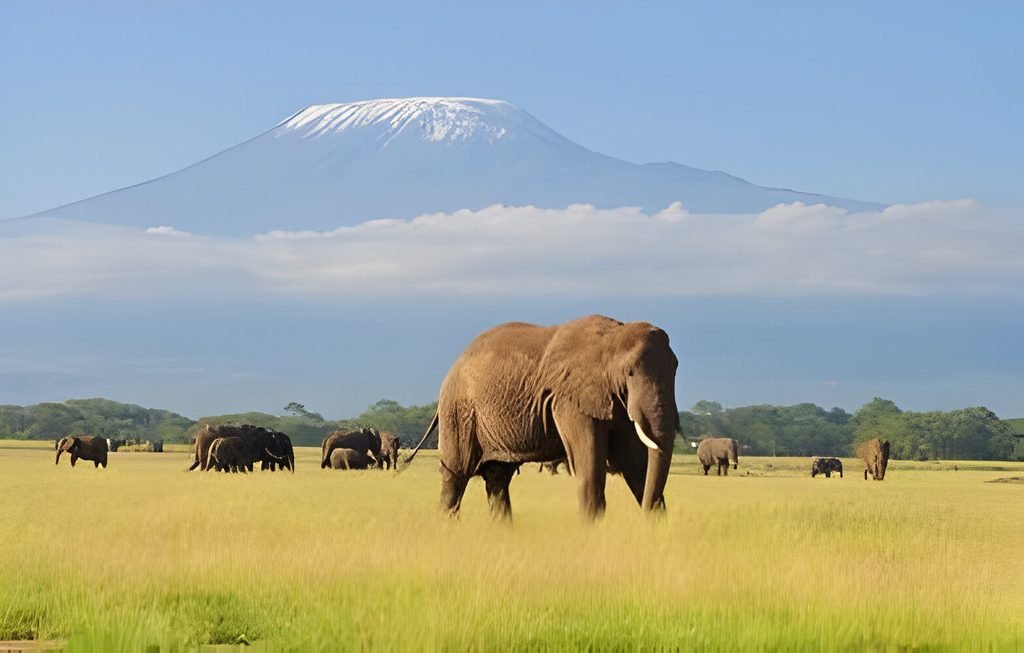
Mount Kilimanjaro is located in northern Tanzania, close to the border with Kenya and within Kilimanjaro National Park.
The mountain is relatively accessible compared with many other major mountains. Kilimanjaro National Park can be reached from the Moshi and Arusha areas, with climbing access through several principal gates, including Marangu, Machame, Lemosho/Londorossi, and Rongai.
For international travelers, Kilimanjaro International Airport (JRO) is generally the most convenient airport for a Kilimanjaro climb. Eko Tanzania Adventures places the airport approximately 40 km from the national park.A typical journey therefore looks like:
International flight Kilimanjaro International Airport To Moshi/Arusha To mountain gate for Kilimanjaro trek up to Uhuru Peak descent Moshi/Arusha
Moshi is particularly popular as a pre- and post-climb base because of its proximity to the mountain and its established tourism infrastructure.
2. How High Is Kilimanjaro?
The summit of Kilimanjaro, Uhuru Peak, stands at approximately 5,895 meters (19,341 feet).
Kilimanjaro consists of three major volcanic cones:
- Kibo – 5,895 m
- Mawenzi – 5,149 m
- Shira – 3,962 m
The Ultimate Guide to Mount Kilimanjaro: Location, Climbing Routes, Prices, and Advice for 2026–2028;Kibo is the highest and is the cone containing Uhuru Peak. Mawenzi is rugged and technically more demanding, while Shira is an older volcanic structure forming the Shira Plateau.
The mountain is therefore not simply one steep slope. It is an enormous volcanic landscape containing forests, moorlands, alpine desert, volcanic formations, glaciers and summit terrain.
3. Why Is Kilimanjaro Special?
One of the most fascinating aspects of climbing Kilimanjaro is the rapid change in environment.
During your trek, you can pass through several ecological zones.
Cultivation and Lower Slopes
The lower mountain is surrounded by communities and agricultural areas.
Montane Forest
Higher up, the landscape becomes greener and cooler. Depending on the route, trekkers may encounter forest wildlife such as blue monkeys and black-and-white colobus monkeys.
Heath and Moorland
The forest gradually gives way to open landscapes containing giant vegetation and dramatic mountain views.
Alpine Desert
The environment becomes increasingly dry, rocky and exposed.
Arctic/Summit Zone
Near the summit, temperatures can become extremely cold, with snow and ice possible around the upper slopes.
This dramatic transformation is one reason Kilimanjaro feels like several different journeys combined into one.
4. Kilimanjaro Climbing Routes
One of the most important decisions you will make is choosing your route.
TANAPA states that summit trekking generally takes around 5–8 days depending on the route, and notes that spending more days on the mountain increases the possibility of reaching the summit.
The main routes travelers should consider include:
- Marangu
- Machame
- Lemosho
- Rongai
- Northern Circuit
- Umbwe
Let’s look at each one.
5. Marangu Route – The Classic Kilimanjaro Route
The Marangu Route is one of Kilimanjaro’s oldest and most recognizable routes.
It is sometimes called the “Coca-Cola Route”, while Machame is commonly associated with the nickname “Whiskey Route.”
One major difference is accommodation.
On Marangu, trekkers sleep in mountain huts rather than tents. TANAPA confirms that Marangu uses the Mandara, Horombo and Kibo huts.
Why Choose Marangu?
It can appeal to travelers who prefer:
- Mountain huts
- A relatively straightforward trail
- A shorter itinerary
- Established trekking infrastructure
- A classic Kilimanjaro experience
However, the shorter nature of many Marangu itineraries means acclimatization should be considered carefully.
For first-time climbers, we often recommend considering a longer version of the route rather than simply choosing the shortest possible itinerary.
6. Machame Route – The Scenic Adventure
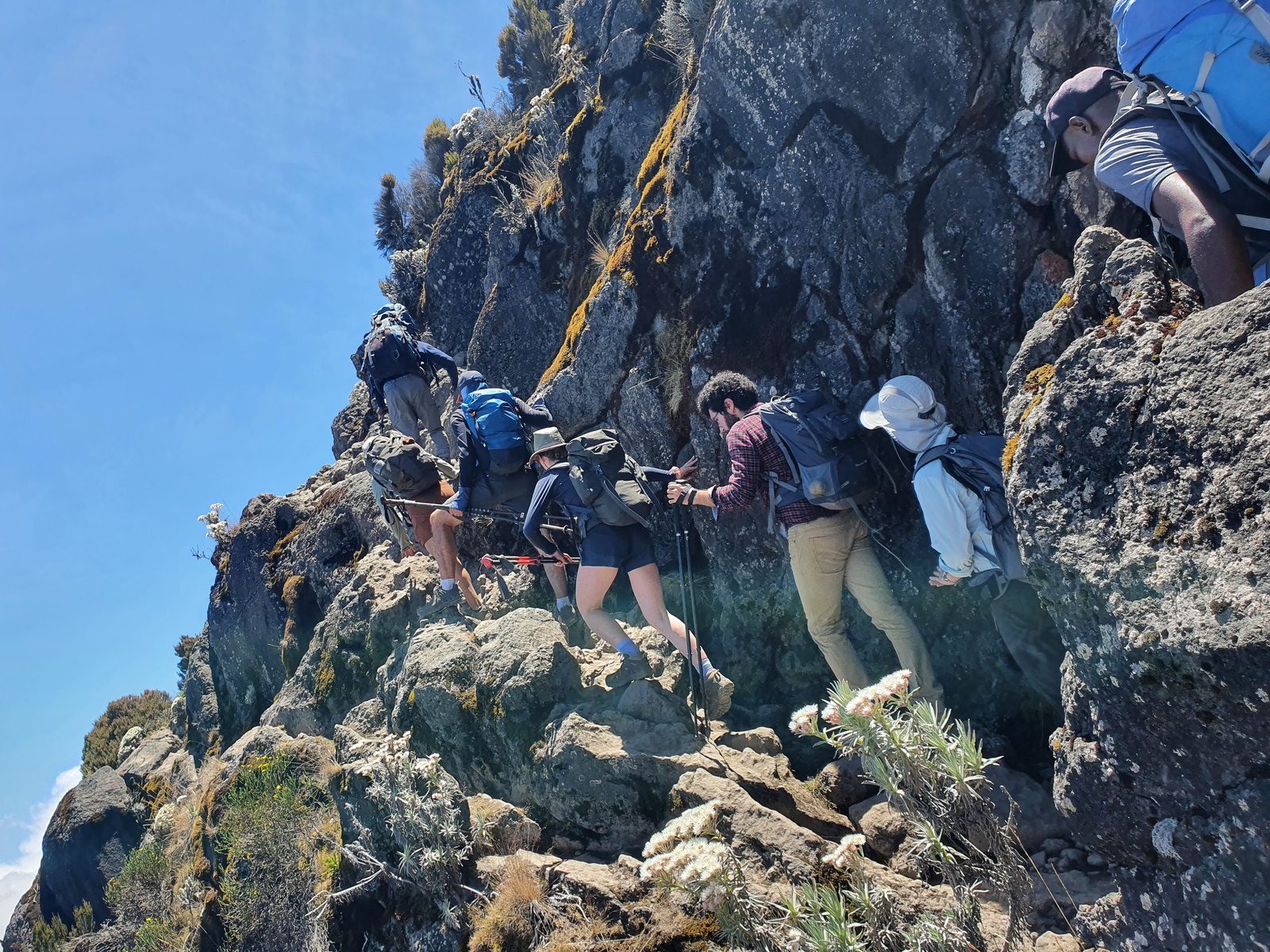
The Machame Route is one of the most popular choices for travelers who want beautiful scenery and a more varied trekking experience.
It is a camping route, so you sleep in mountain tents.
Machame is known for landscapes including:
- Montane forest
- Moorland
- Shira Plateau
- Barranco
- Karanga
- Barafu
- Kibo summit area
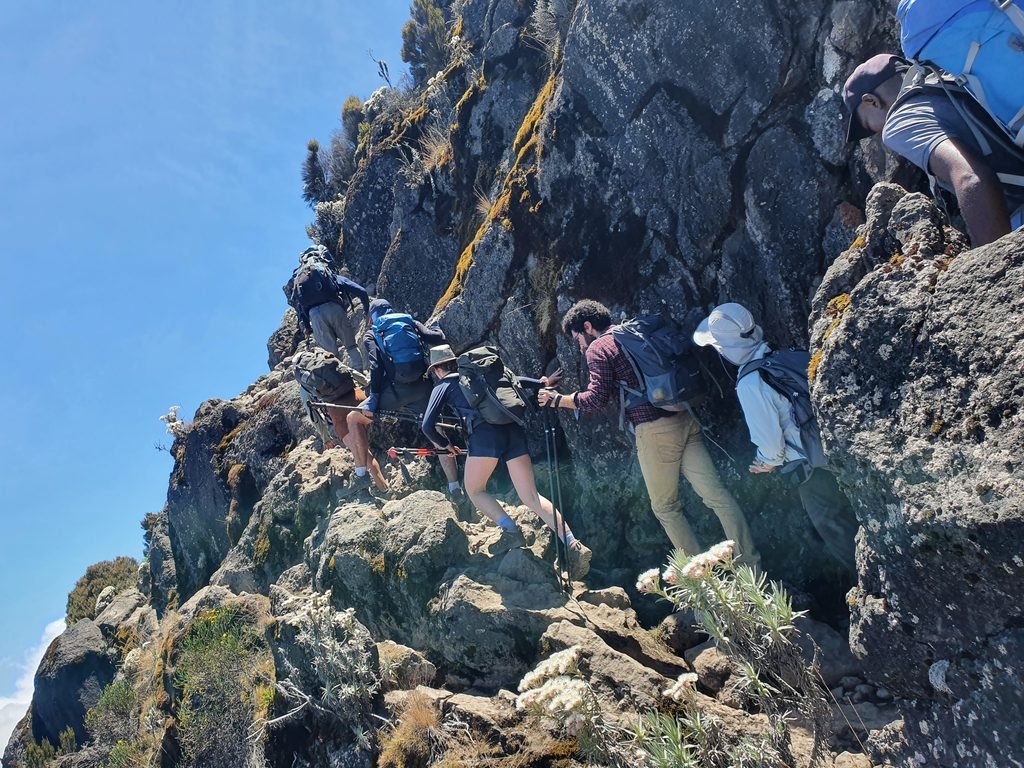
The route also provides the famous Barranco Wall, which can be an exciting part of the trek.
Why Choose Machame?
Machame is especially attractive if you want:
- Scenic diversity
- Camping
- A longer trekking experience
- Good acclimatization opportunities
- A classic Kilimanjaro adventure
A well-planned 6- or 7-day Machame itinerary is a popular choice for travelers seeking a balance between adventure and acclimatization.
7. Lemosho Route – Scenic and Excellent for Acclimatization
The Lemosho Route is another excellent option for travelers who want a longer and more gradual Kilimanjaro experience.
It begins on the western side of the mountain and provides beautiful landscapes before connecting with sections of the southern circuit.
The route can be particularly attractive for travelers who want:
- A quieter beginning
- Beautiful scenery
- More time on the mountain
- Gradual acclimatization
- A longer trek
An 8-day Lemosho itinerary is an excellent option for many first-time climbers who have the time and budget for a longer adventure.
The extra days can make the journey feel less rushed.
8. Rongai Route – The Northern Approach
The Rongai Route approaches Kilimanjaro from the northern side near the Tanzania–Kenya border.
It offers a different perspective compared with the southern routes.
Rongai can appeal to travelers who want:
- A quieter trail
- Northern-side scenery
- A different approach to the mountain
- Camping
- A route with a distinct atmosphere
For travelers planning 2026–2028, Rongai is worth considering if you want something slightly different from the heavily traveled southern routes.
9. Northern Circuit – The Long Adventure
If time is available, the Northern Circuit is one of the longest trekking options on Kilimanjaro.
It provides more time for acclimatization and explores a broad section of the mountain.
This route can be particularly attractive for experienced hikers or travelers who prefer a slower journey.
The primary advantage is simple:
More time on the mountain can provide a more gradual experience.
However, it also requires more vacation time and therefore generally costs more than a shorter itinerary.
10. Umbwe Route – For Experienced Trekkers
Umbwe is known as one of the steeper and more demanding approaches.
It is not generally the first route we would recommend to someone whose priority is maximizing comfort and acclimatization.
It can be suitable for experienced trekkers who specifically want a more challenging route.
For a first Kilimanjaro climb, Machame, Lemosho, Rongai or a longer Marangu itinerary may be more appropriate depending on your goals.
11. Which Kilimanjaro Route Is Best?
There is no single route that is perfect for everyone.
Here is a simple comparison:
| Route | Typical Style | Main Advantage |
|---|---|---|
| Marangu | Huts | Classic route and hut accommodation |
| Machame | Camping | Scenic and adventurous |
| Lemosho | Camping | Scenic, gradual and longer |
| Rongai | Camping | Quieter northern approach |
| Northern Circuit | Camping | Longest and gradual |
| Umbwe | Camping | Steep and challenging |
For many first-time international climbers, Lemosho or Machame are excellent choices because they combine scenery, adventure and opportunities for acclimatization.
12. How Much Does It Cost to Climb Kilimanjaro in 2026–2028?
This is one of the most important questions.
There is no single universal Kilimanjaro price.
The final price depends on:
- Route
- Number of days
- Group size
- Accommodation before and after the climb
- Number of guides and support staff
- Park and conservation fees
- Camping or hut arrangements
- Transfers
- Meals
- Equipment
- Private or group trekking
- Season
- Additional hotel nights
- Airport transfers
TANAPA confirms that fees vary according to visitor category, route and number of days, and can include conservation, camping/hut and rescue fees.
Therefore, travelers should be cautious about websites advertising one universal “Kilimanjaro price.”
13. What Should You Budget for?
For international travelers, a professionally organized Kilimanjaro climb commonly falls into the several-thousand-U.S.-dollar range, depending heavily on itinerary and service level.
As a practical planning estimate for 2026–2028, you might consider:
Budget/Basic Group Climb
Approximately US$1,800–$2,500+ per person
Mid-Range Group Climb
Approximately US$2,300–$3,500+ per person
Premium/Private Climb
Approximately US$3,500–$5,000+ per person
Luxury or Highly Customized Experience
Can exceed US$5,000 per person, depending on accommodation, private arrangements and additional services.
These are planning ranges, not fixed Eko Tanzania Adventures quotations. Exact prices should be confirmed based on your route, number of days, group size and travel dates.
TANAPA’s official tariff information should also be checked before booking because park charges and applicable fees can change.
14. What Is Usually Included in a Kilimanjaro Package?
A complete Eko Tanzania Adventures Kilimanjaro package can be designed to include the major services required for a comfortable and organized climb.
Depending on the selected package, inclusions may include:
- Kilimanjaro National Park fees
- Professional mountain guides
- Porters
- Mountain crew support
- Camping equipment
- Mountain meals
- Drinking water during the trek
- Airport or hotel transfers where specified
- Pre-climb briefing
- Accommodation before and after the trek where specified
- Emergency support arrangements
- Park rescue-related charges where applicable
Your quotation should clearly state what is included and excluded.
15. What Is Usually Not Included?
Travelers should also budget separately for:
- International flights
- Tanzania visa
- Travel insurance
- Personal climbing equipment
- Personal medication
- Tips for mountain crew
- Alcoholic drinks
- Extra hotel nights
- Personal laundry
- Souvenirs
- Optional Tanzania safari
- Optional Zanzibar extension
Travel insurance is especially important because a high-altitude trek carries risks that ordinary holiday insurance may not cover.
16. When Is the Best Time to Climb Kilimanjaro?
Kilimanjaro can be climbed throughout the year, but weather conditions vary.
Many climbers prefer the traditionally drier periods.
Generally popular periods include:
January–March
and
June–October
December can also be popular around the holiday period, while April and May are generally wetter.
However, there is no completely guaranteed weather window.
The best month for you depends on:
- Your vacation dates
- Your preferred route
- Your tolerance for rain
- Crowd levels
- Budget
- Desired scenery
17. How Fit Do You Need to Be?
You do not need to be an elite athlete.
However, Kilimanjaro requires several days of continuous walking, often for many hours per day.
Good preparation should include:
Cardiovascular Training
Walking, jogging, cycling, swimming or other aerobic activities can help.
Hiking
Regular hiking is one of the best ways to prepare.
Leg Strength
Work on:
- Squats
- Lunges
- Step-ups
- Calf raises
Core Strength
A strong core can make carrying a daypack and maintaining balance more comfortable.
Back-to-Back Hiking
Occasionally hiking on consecutive days can teach your body how to handle accumulated fatigue.
18. Mental Preparation Is Just as Important
Kilimanjaro is not only a physical challenge.
There will be moments when you may feel tired or uncertain.
The most useful mental approach is:
Pole pole means slowly slowly.
Don’t race.
Don’t compare yourself with another climber.
Focus on the next step.
Your goal is not to prove that you are the fastest person on the mountain.
Your goal is to climb safely and enjoy the journey.
19. Altitude and Acclimatization
Altitude is one of the biggest challenges on Kilimanjaro.
At almost 5,900 meters, the air contains substantially less available oxygen than at sea level.
You therefore need to give your body time to adapt.
Eko Tanzaniaadventures Guids advises climbers to choose itineraries with acclimatization days, ascend slowly, stay hydrated and report symptoms promptly to guides.
Possible symptoms of altitude sickness can include:
- Headache
- Nausea
- Dizziness
- Fatigue
- Loss of appetite
- Difficulty sleeping
More serious symptoms require immediate attention and may require descent.
Never hide symptoms from your guide because you are afraid of failing.
Safety comes first.
20. What Should You Pack?
Your Kilimanjaro packing list should be carefully prepared.
Clothing
Bring:
- Moisture-wicking base layers
- Warm fleece
- Insulated jacket
- Waterproof jacket
- Trekking trousers
- Warm trousers
- Thermal underwear
- Gloves
- Warm hat
- Sun hat
Footwear
Bring:
- Broken-in hiking boots
- Comfortable camp shoes
- Several pairs of hiking socks
Never begin Kilimanjaro with brand-new boots that have not been tested.
Equipment
You may need:
- Sleeping bag
- Headlamp
- Trekking poles
- Backpack
- Duffel bag
- Water bottles or hydration system
- Sunglasses
- Sunscreen
- Personal first-aid supplies
- Toiletries
- Camera
Eko Tanzania Adventures specifically advises visitors to carry suitable cold-weather and rain gear, a headlamp and personal medications.
21. What Is Summit Night Like?
Summit night is usually the most demanding part of the trek.
You typically leave camp very early in the morning—or during the night depending on your itinerary—with the objective of reaching the summit around sunrise or shortly afterward.
You may experience:
- Extreme cold
- Darkness
- Strong wind
- Slow walking
- Fatigue
- Thin air
- Long periods of climbing
The secret is to remain patient.
Walk slowly.
Follow your guide.
Take appropriate breaks.
Eat and drink according to your team’s guidance.
And focus on one step at a time.
Then, suddenly, the horizon begins to brighten.
You see the sky changing color.
And you realize:
Uhuru Peak is close.
That moment is difficult to describe until you experience it yourself.
22. What Happens After Reaching Uhuru Peak?
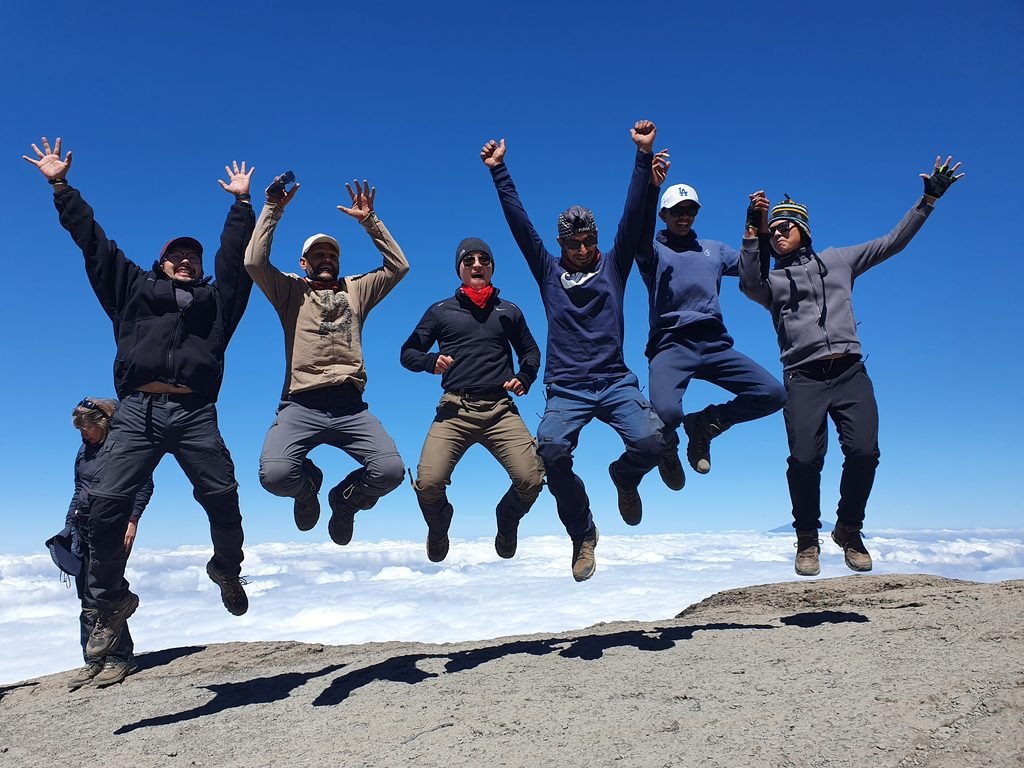
At the summit, you will have time for photographs and to appreciate the achievement, subject to conditions and guide instructions.
Uhuru Peak is the highest point of Kibo and therefore the highest point in Africa.
The official TANAPA attraction information highlights Uhuru Peak, the summit landscape, crater features and remaining summit icefields among Kilimanjaro’s major attractions.
But remember that the climb isn’t finished when you reach the summit.
You still have to descend.
Many trekkers underestimate the descent because they are so focused on reaching the top.
Your legs may be tired, and loose volcanic terrain can make descending demanding.
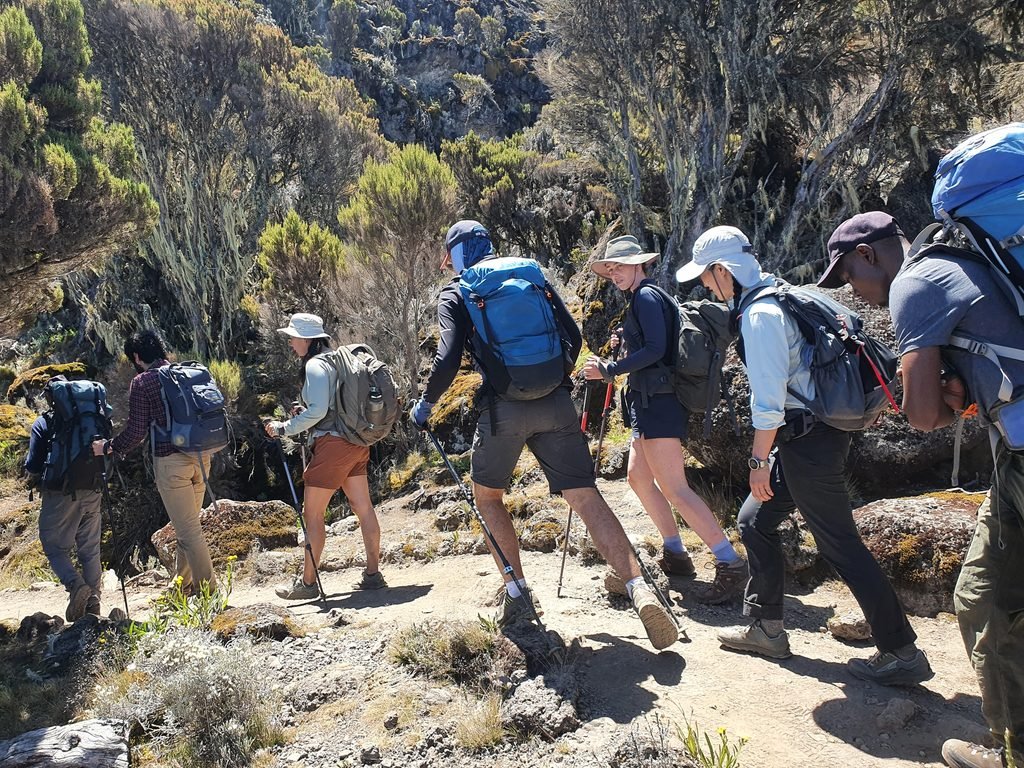
23. Why Choose Eko Tanzania Adventures?
At Eko Tanzania Adventures, our philosophy is simple:
Your Kilimanjaro climb should be safe, organized, personal and memorable.
We can help you select a route according to:
- Your experience
- Fitness level
- Available vacation time
- Budget
- Group size
- Preferred accommodation
- Desired scenery
- Travel dates
Our mountain packages can be arranged for individuals, couples, families and private or group travelers.
We also understand that many international visitors want to combine Kilimanjaro with a Tanzania safari or a Zanzibar beach holiday.
This allows you to transform a mountain expedition into a complete Tanzania experience.
24. Kilimanjaro and Safari Combination
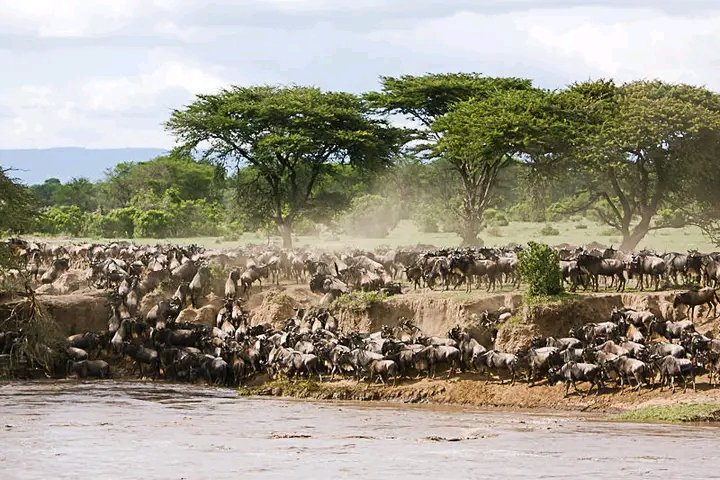
One of the best ways to extend your trip is to combine your climb with a wildlife safari.
After several days on the mountain, you can transition from high-altitude landscapes to the wildlife-rich plains of northern Tanzania.
Popular combinations include:
Kilimanjaro, Tarangire, Ngorongoro and Serengeti
or:
Kilimanjaro , Serengeti and Zanzibar
This gives you the opportunity to experience two completely different sides of Tanzania:
Africa’s highest mountain and some of Africa’s most famous wildlife landscapes.
25. How Far in Advance Should You Book for 2026–2028?
If you have fixed dates, early planning is recommended.
Booking ahead gives you more opportunity to secure:
- Your preferred route
- Preferred dates
- Private guide arrangements
- Suitable accommodation
- Airport transfers
- Safari extensions
- Zanzibar extensions
It also gives you enough time to prepare physically and mentally.
For a 2026, 2027 or 2028 expedition, don’t wait until the last few weeks if your dates are important.
26. Kilimanjaro Safety Advice
Always remember:
- Climb with a licensed operator.
- Never trek alone.
- Follow marked routes.
- Listen to your mountain guide.
- Report altitude symptoms immediately.
- Stay hydrated.
- Eat regularly.
- Protect yourself from the sun.
- Keep warm at high elevations.
- Respect changing weather conditions.
- Carry appropriate personal medication.
- Follow park regulations.
TANAPA states that climbs must be guided by a licensed operator and that solo trekking is not permitted.
27. Responsible Travel on Kilimanjaro
Kilimanjaro is not just a tourist attraction. It is a protected environment.
As a responsible traveler, you should:
- Avoid littering.
- Remain on designated trails.
- Respect wildlife.
- Avoid damaging vegetation.
- Minimize waste.
- Follow camp regulations.
- Treat mountain crew with respect.
- Support fair and responsible porter practices.
TANAPA emphasizes Leave No Trace principles and responsible trekking within the park.
A successful Kilimanjaro trip should leave you with memories—not a negative footprint.
28. A Sample 7-Day Kilimanjaro Planning Structure
For travelers considering a 7-day trek, a general structure could look like this:
Day 1
Mountain gate – first camp
Day 2
First camp – higher elevation camp
Day 3
Continue climbing and acclimatize
Day 4
High-altitude trekking and preparation for summit
Day 5
Summit attempt → descent
Day 6
Continue descent
Day 7
Final descent – transfer to Moshi
The exact schedule depends on your chosen route.
Longer routes can provide additional acclimatization and exploration days.
29. Kilimanjaro 2026–2028 Quick Planning Guide
| Category | Recommendation |
|---|---|
| Mountain | Mount Kilimanjaro |
| Summit | Uhuru Peak |
| Elevation | 5,895 m |
| Location | Northern Tanzania |
| Main Airport | Kilimanjaro International Airport |
| Best-known routes | Marangu, Machame, Lemosho, Rongai, Northern Circuit, Umbwe |
| Typical climb length | About 5–8 days, depending on route |
| Accommodation | Huts on Marangu; camping on most other routes |
| Best preparation | Hiking + cardio + strength + mental preparation |
| Major challenge | Altitude and summit night |
| Best approach | Slow pace + acclimatization |
| Booking period | Plan early for fixed 2026–2028 dates |
TANAPA confirms the general 5–8-day range and identifies six mountain trails leading to the summit.
30. Final Advice From Eko Tanzania Adventures
If Mount Kilimanjaro is on your bucket list for 2026, 2027 or 2028, don’t think of it simply as a holiday.
Think of it as a personal expedition.
Choose your route carefully.
Give yourself enough days.
Train consistently.
Prepare mentally.
Invest in suitable equipment.
Use a professional guide.
Respect altitude.
And don’t rush.
The mountain has stood here for thousands of years. You don’t need to conquer it in a hurry.
Walk slowly.
Look around.
Enjoy Tanzania.
Talk to your guides.
Take photographs.
Celebrate every camp.
And when you finally reach Uhuru Peak, take a moment to appreciate what you have achieved.
At Eko Tanzania Adventures, we are ready to help you plan your Kilimanjaro experience around your preferred route, dates, budget and travel style.
Mount Kilimanjaro is waiting. Your 2026–2028 adventure can begin today.