Kilimanjaro Northern Traverse, 9 Days Rongai Route: 9 Strong Arguments for This Calm Route2026-2028;Rongai is famous for approaching Kilimanjaro from the northern side, close to the Tanzania Kenya border. TANAPA identifies Rongai as one of the principal access routes to Kilimanjaro National Park.
If your dream is to climb Mount Kilimanjaro without feeling rushed, the 9-Day Rongai Route is one of the most attractive choices to consider for your Tanzania adventure in 2026, 2027 and 2028.
Unlike some of the busier southern approaches, Rongai has a reputation for being quieter, more gradual and generally drier. The northern side also provides a completely different perspective of Kilimanjaro, with views toward Kenya and the dramatic Mawenzi massif.
For travelers who value peace, gradual walking, additional acclimatization and a less hurried mountain experience, the nine-day version is particularly appealing.
At Eko Tanzania Adventures, we can arrange this climb as a private or small-group expedition, with experienced mountain guides, porters, cooks, camping equipment and carefully planned acclimatization.
Why the 9-Day Rongai Route Is Called a Calm Route:Kilimanjaro Northern Traverse, 9 Days Rongai Route: 9 Strong Arguments for This Calm Route(2026-2028)
The word calm does not mean easy.
Kilimanjaro remains a serious high-altitude mountain, and the summit reaches 5,895 metres (19,341 feet).
Rather, the calm character of Rongai comes from its:
- Gradual northern approach
- Relatively quiet trails
- Gentle terrain in many sections
- Longer itinerary
- Additional acclimatization opportunity
- Remote wilderness atmosphere
- Dry northern environment
- Different descent route
- Less rushed pace
One current Rongai route guide describes the northern approach as quieter, drier and generally gentler than many southern approaches.
9 Strong Arguments for Choosing the 9-Day Rongai Route
1. It Is Kilimanjaro’s Northern Approach
Rongai has a special geographical character.
It approaches Kilimanjaro from the northeast, close to the Kenyan border. This means your first experience of the mountain is completely different from climbing from Machame or Lemosho.
Instead of immediately following the western or southern slopes, you gradually approach Kibo from the north.
The result is a feeling of entering a quieter side of Africa’s highest mountain.
The route eventually crosses toward the eastern/southern side for the summit and descent, allowing you to experience different sides of Kilimanjaro during one expedition.
2. The Northern Side Is Generally Drier
This is one of Rongai’s biggest advantagesThe northern slopes sit in a relatively dry rain-shadow environment, so the approach can be drier than some southern routesThat can mean:
- Less muddy trail conditions
- More comfortable walking
- Clearer views in some conditions
- A different vegetation character
- A pleasant option during shoulder periods
Of course, Kilimanjaro weather is unpredictable.
Rain, snow, wind and clouds can occur at any time at altitude.Therefore, a “drier route” should never be interpreted as a guaranteed dry climb.
3. It Is One of the Quieter Routes
If you dislike crowded trails, Rongai deserves serious consideration.
The northern approach generally has less traffic than the most popular southern routes, particularly during the early stages.
Imagine waking in your tent to the sound of the mountain rather than a busy trail.
You eat breakfast.
Your guide checks your equipment.
Then you begin walking at a comfortable pace.
There is no need to race.
You can stop to photograph the landscape, drink water and appreciate the changing scenery.
That peaceful atmosphere is one of the defining characteristics of the Rongai experience.
4. The Terrain Is Relatively Gradual
Rongai is often selected by climbers who prefer a more gradual walking profile.
The northern approach has long, steady sections rather than the succession of steep features found on some other routes. Current route information describes Rongai as having gentler gradients and a steady walking character.
This does not mean that Rongai is effortless.
The summit remains extremely demanding.
But the early and middle sections can feel more manageable because you have time to establish a rhythm.
That makes the route particularly appealing to travelers who want to concentrate on endurance and acclimatization rather than technical terrain.
5. Nine Days Provide More Time for Acclimatization
This is one of the strongest arguments for selecting the nine-day version.
Altitude is one of the greatest challenges on Kilimanjaro.
Your body needs time to adjust as you climb higher.
A longer itinerary gives you more opportunity to:
- Walk slowly
- Rest
- Hydrate
- Monitor symptoms
- Adapt to increasing elevation
- Take acclimatization walks
- Build confidence before summit day
TANAPA specifically advises climbers to choose itineraries with acclimatization days, ascend slowly, stay hydrated and report symptoms promptly to their guide.
A longer itinerary cannot guarantee summit success, but it can provide a better framework for acclimatization.
6. Mawenzi Tarn Is One of the Great Highlights
Few places on Kilimanjaro are as memorable as Mawenzi Tarn.
Mawenzi is Kilimanjaro’s dramatic second volcanic peak, with jagged rock formations rising above the surrounding landscape.
A well-designed Rongai itinerary can include additional time around Mawenzi Tarn for acclimatization.
One current nine-day Rongai itinerary specifically includes an additional acclimatization day at Mawenzi Tarn before continuing toward Kibo.
This is valuable for two reasons.
First, it gives your body additional exposure to altitude.
Second, it gives you time to appreciate one of the most spectacular environments on the mountain.
You can take a short acclimatization walk with your guide, return to camp, rest and enjoy the views.
That is exactly the type of relaxed mountain experience that makes the nine-day itinerary attractive.
7. You See Kenya and Tanzania From the Mountain
The northern approach provides broad views across the landscape toward Kenya.
As you gain elevation, the vegetation opens and the horizon expands.
You can look north toward the plains while Mawenzi and Kibo dominate the mountain landscape.
This gives Rongai a distinct sense of wilderness.
It is not simply a climb toward the summit.
It is a journey through a remote northern landscape.
8. You Descend on a Different Side
One of the great advantages of Rongai is that the adventure does not necessarily finish where it began.
After approaching from the north and reaching Uhuru Peak, the descent normally continues toward the Marangu side of the mountain.
This creates a natural traverse.
You experience the northern slopes on the ascent and another side of Kilimanjaro during the descent.
That variety makes the overall expedition more interesting.
It also means your photographs and memories are not simply repeated views of the same landscape.
9. It Is Perfect for Travelers Who Want to Slow Down
The final argument is perhaps the most important.
Some travelers want to climb Kilimanjaro as quickly as possible.
Others want to experience it.
If you belong to the second group, the nine-day Rongai route may be exactly what you are looking for.
You have time to wake slowly.
You have time for breakfast.
You walk pole pole.
You stop when necessary.
You watch the clouds move around Kibo.
You photograph Mawenzi.
You speak with your guides.
You enjoy evenings in camp.
And eventually, you stand at the summit.
The journey becomes part of the achievement.
Complete 9-Day Rongai Route Itinerary
The exact camp sequence can vary by operator and by the chosen acclimatization strategy. The following is a practical 9-day/8-night Eko Tanzania Adventures itinerary designed around a calm pace and additional acclimatization.
Day 1: Arrival in Tanzania – Moshi
Your adventure begins when you arrive at Kilimanjaro International Airport.
An Eko Tanzania Adventures representative meets you and transfers you to your hotel in Moshi.
After checking in, you have time to rest.
In the evening, your mountain guide conducts a detailed briefing.
You discuss:
- The route
- Weather
- Equipment
- Altitude
- Safety procedures
- Walking pace
- Meals
- Summit strategy
Your guide also checks your equipment to ensure that you are properly prepared.
Overnight:
Moshi hotel
Meals:
Dinner.
Day 2: Rongai Gate – Simba Camp
After breakfast, you drive toward the northern side of Kilimanjaro.
The journey takes you toward the Rongai/Nalemuru trailhead near the Kenyan border.
After completing registration, you begin walking.
The lower landscape includes farmland and forest.
This is a relatively gentle introduction to the mountain.
The objective is not speed.
The objective is to establish a comfortable rhythm.
Overnight:
Simba Camp
Hiking:
Approximately 3–5 hours, depending on conditions and pace.
Day 3: Simba Camp – Second Cave Camp
Today you continue upward.
The forest gradually transitions toward open moorland.
Kibo becomes increasingly impressive as you move higher.
The landscape becomes more spacious and the views toward northern Tanzania and Kenya open up.
Your guide maintains a slow pace and monitors how everyone is responding to altitude.
Overnight:
Second Cave Camp
Meals:
Breakfast, lunch and dinner.
Day 4: Acclimatization Day
This is one of the most important days of the itinerary.
Rather than rushing toward a higher camp, you spend additional time acclimatizing.
Your guide may take you on a short hike to gain altitude before returning to camp to sleep lower.
This is a classic climb high, sleep low strategy.
You also have time to:
- Rest
- Hydrate
- Eat properly
- Check your equipment
- Photograph the mountain
- Discuss your physical condition with the guide
The exact acclimatization walk should be determined by your guide based on weather and your group’s condition.
Overnight:
Second Cave Camp or designated acclimatization camp
Day 5: Second Cave – Kikelewa Cave
Today you continue across the moorland.
The landscape becomes more open and dramatic.
Mawenzi begins to dominate the horizon.
The walking remains controlled and steady.
As you approach Kikelewa, the environment becomes increasingly alpine.
Overnight:
Kikelewa Cave Camp
Meals:
Breakfast, lunch and dinner.
Day 6: Kikelewa Cave – Mawenzi Tarn
Today is one of the most beautiful days of the climb.
You leave Kikelewa and climb toward Mawenzi Tarn.
The terrain becomes increasingly rugged.
Mawenzi’s jagged formations rise dramatically above the trail.
Eventually, you arrive at the spectacular camp beside Mawenzi Tarn.
The setting is extraordinary.
Overnight:
Mawenzi Tarn Camp
Hiking:
Approximately 3–5 hours.
Day 7: Mawenzi Tarn Acclimatization Day
This is another valuable acclimatization opportunity.
Instead of immediately crossing the Saddle toward Kibo, you spend additional time at altitude.
After breakfast, your guide may lead you on an acclimatization hike around the Mawenzi area.
You return to camp afterward for lunch, rest and preparation.
The additional day can be particularly useful for travelers who have limited previous high-altitude trekking experience.
Overnight:
Mawenzi Tarn Camp
Meals:
Breakfast, lunch and dinner.
Day 8: Mawenzi Tarn – Kibo Camp
Today you cross the broad high-altitude saddle between Mawenzi and Kibo.
The vegetation almost disappears.
You enter a stark alpine desert environment.
The landscape can feel almost lunar.
Kibo rises ahead.
This is a relatively demanding psychological day because you are now very high.
After reaching Kibo Camp, you eat and rest.
Your guide provides a detailed summit briefing.
You prepare your clothing, water, snacks, headlamp and trekking poles.
Then you sleep as much as possible before the summit attempt.
Overnight:
Kibo Camp
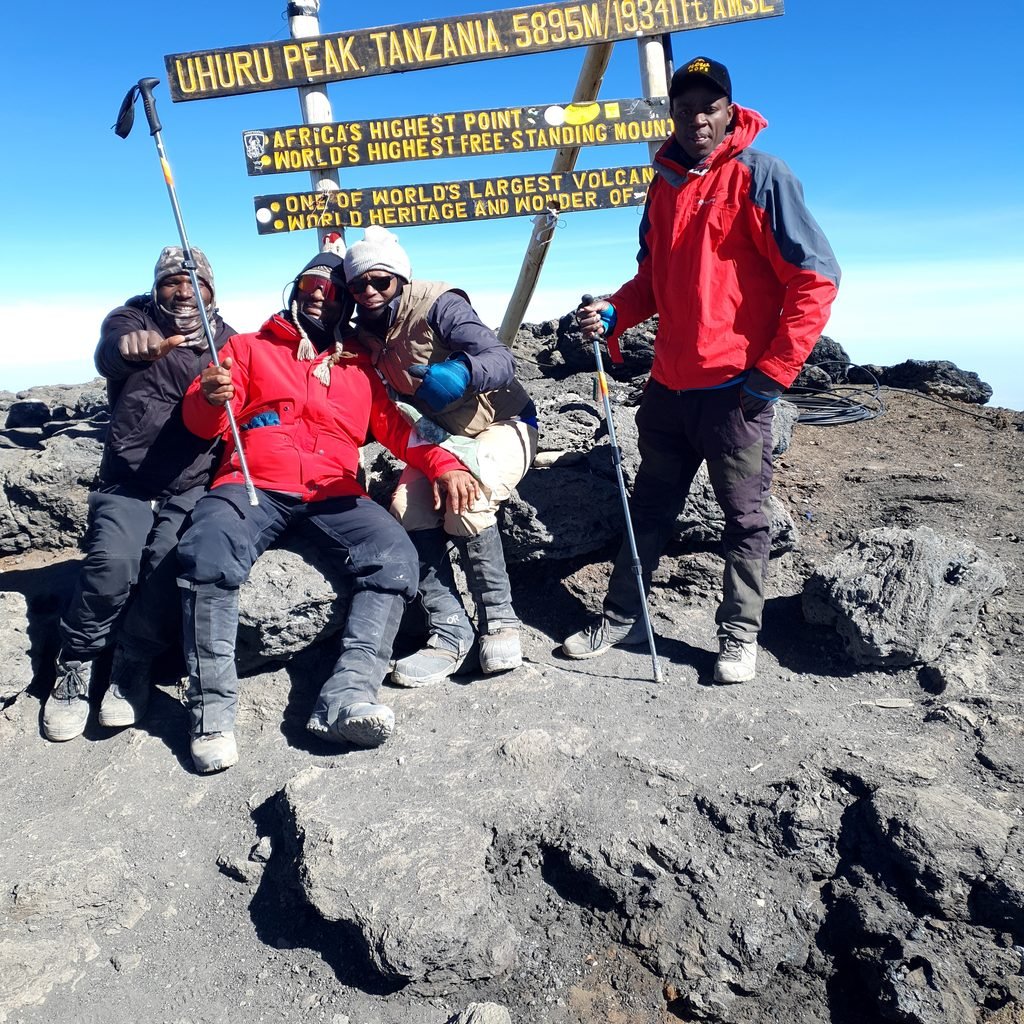
Day 9: Kibo Camp – Uhuru Peak – Descent of Kilimanjaro Northern Traverse, 9 Days Rongai Route: 9 Strong Arguments for This Calm Route(2026-2028)
This is the most important day.
You begin the summit ascent in the early hours.
The pace is deliberately slow.
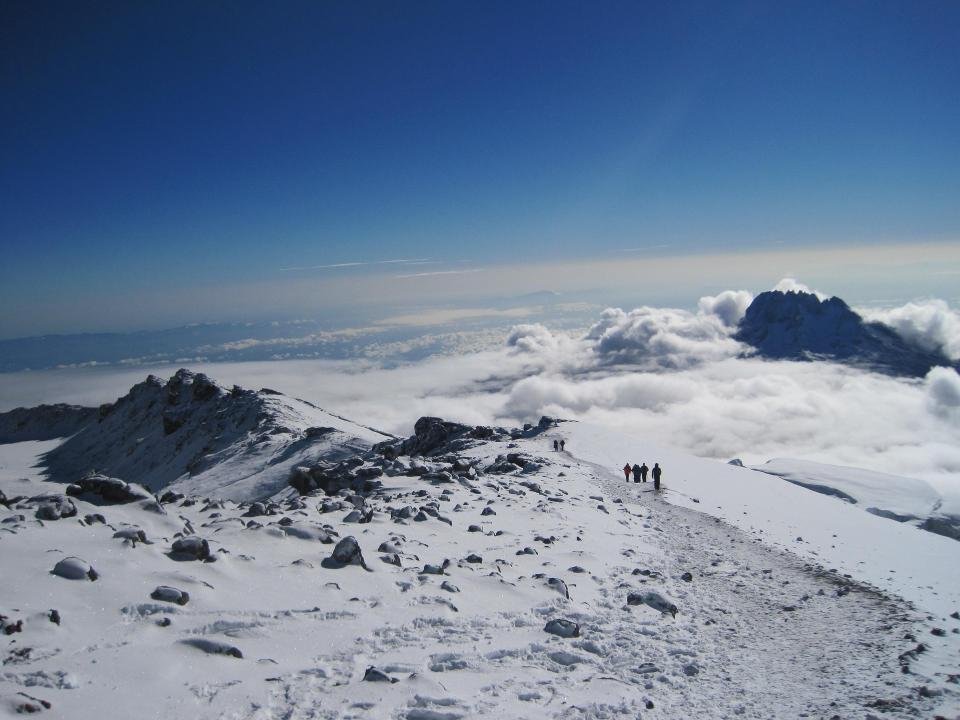
You climb toward Gilman’s Point on the crater rim.
From there, you continue toward Stella Point and ultimately along the crater rim toward:
UHURU PEAK – 5,895 METRES
Standing on the highest point of Africa is an extraordinary achievement.
Take photographs.
Celebrate with your guide and fellow climbers.
Then begin the long descent.
Depending on the exact itinerary and your condition, you continue down toward the designated lower camp and onward to the Marangu side.
The final descent schedule can be adjusted according to weather, health and mountain conditions.
End of the mountain trek.
Estimated 9-Day Rongai Package Cost
The final price depends on group size, travel season, accommodation, number of acclimatization days, transfers and the services included.
For planning purposes, a reasonable estimated range is:
| Group Size | Estimated Price Per Person |
|---|---|
| 6–8 climbers | US$2,500–$3,200 |
| 4–5 climbers | US$2,700–$3,500 |
| 2–3 climbers | US$3,000–$3,900 |
| Private solo climb | US$3,500–$4,500+ |
These are planning estimates rather than fixed quotations. Current market pricing varies significantly by operator and exact itinerary; for example, one currently published nine-day Rongai departure is advertised around US$2,889 per climber.
For your exact 2026, 2027 or 2028 departure, Eko Tanzania Adventures can calculate the final package based on your dates and group size.
What Is Included?
A comprehensive Eko Tanzania Adventures package can include:
- Airport pickup
- Moshi hotel accommodation before climbing
- Professional licensed mountain guides
- Porters
- Mountain cook
- Park entry fees
- Camping fees
- Rescue fees
- Mountain tents
- Sleeping mats
- Three meals per day on the mountain
- Drinking water
- Transportation to Rongai Gate
- Transportation from the mountain after descent
- Summit assistance
- Government taxes and applicable charges
- Summit certificate
TANAPA confirms that Kilimanjaro climbs must be guided through licensed operators and that other routes besides Marangu use designated tented camping arrangements.
What Is Not Included?
Unless specifically stated in your quotation, the following are normally excluded:
- International flights
- Tanzania visa
- Travel insurance
- Personal trekking equipment
- Sleeping bag
- Personal medication
- Tips
- Alcoholic drinks
- Laundry
- Personal shopping
- Extra hotel nights
- Optional safari
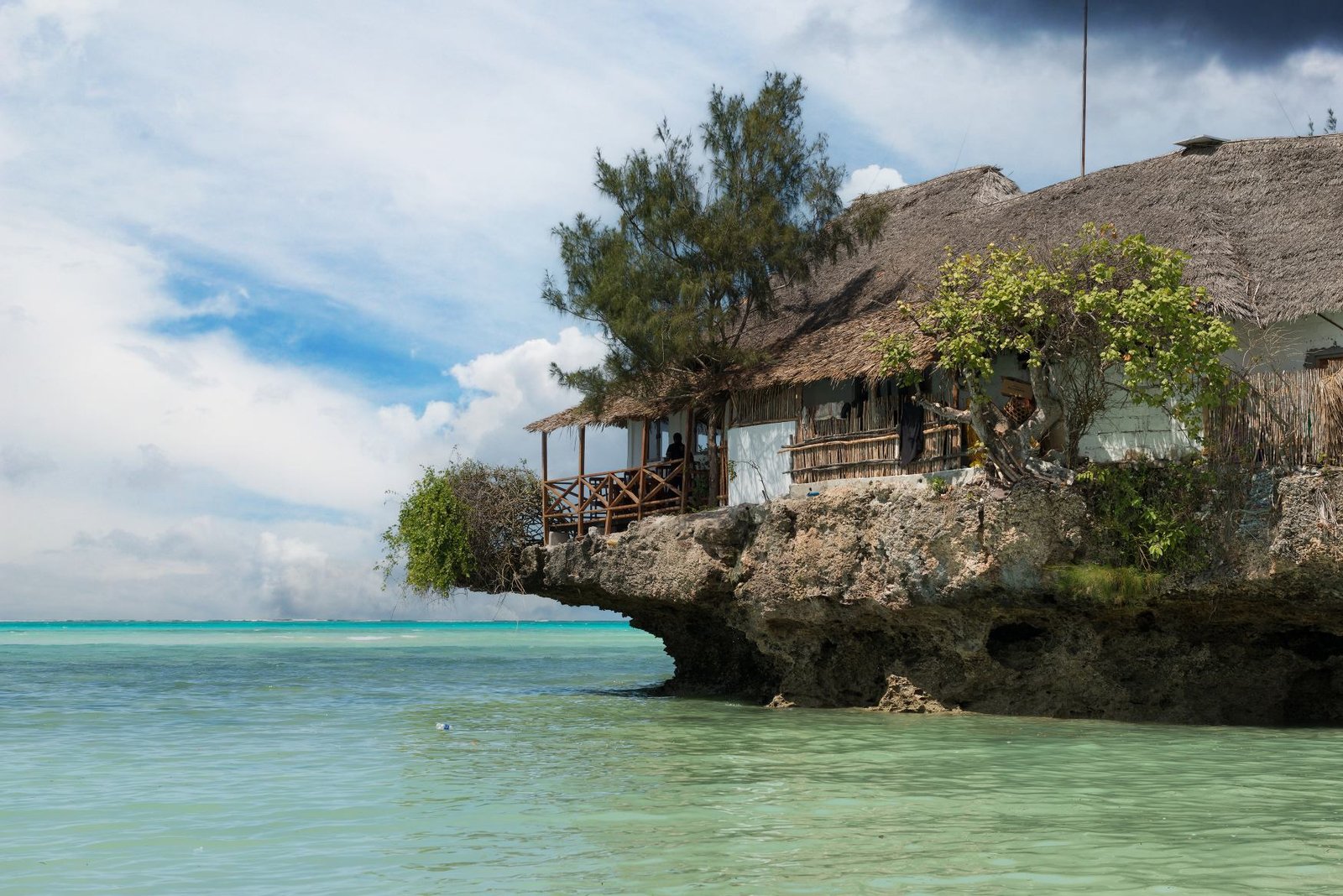
- Zanzibar extension
- Emergency expenses not covered by insurance
Best Time for the 9-Day Rongai Route
One of Rongai’s advantages is its relatively dry northern position.
However, Kilimanjaro can be climbed throughout much of the year.
January–February
Often attractive for travelers looking for relatively dry conditions and clear mountain views.
June–October
A popular climbing period with generally favorable trekking conditions.
September–October
A particularly attractive period for many travelers.
November–December
Rain is more likely, but the northern approach can still be considered because Rongai is generally drier than several southern approaches.
Always remember that mountain weather can change rapidly.
What Should You Pack?
For a nine-day Rongai climb, your packing list should include:
Clothing
- Moisture-wicking base layers
- Fleece jacket
- Warm insulated jacket
- Waterproof jacket
- Waterproof trousers
- Hiking trousers
- Warm gloves
- Warm hat
- Sun hat
- Hiking socks
Equipment
- Comfortable hiking boots
- Trekking poles
- Headlamp
- Backpack
- Duffel bag
- Sleeping bag
- Water bottles
- Sunglasses
- Sunscreen
- Lip balm
- Personal medication
- Toiletries
- Camera
- Power bank
Your equipment should be tested before departure.
Do not wait until you reach Moshi to discover that your boots cause blisters or your waterproof jacket is inadequate.
Physical Preparation
Rongai may be gentler than some routes, but preparation remains essential.
Start training several weeks or months before your climb.
Focus on:
Walking
Build your ability to walk for several hours continuously.
Hiking
Practice on hills and uneven terrain.
Cardiovascular fitness
Cycling, running, swimming and brisk walking can improve endurance.
Strength
Train your:
- Legs
- Core
- Glutes
- Back
Long-distance walking
Practice carrying a small backpack.
Most importantly, learn to walk slowly for extended periods.
Kilimanjaro rewards patience.
Altitude Safety
Altitude is the biggest issue to take seriously.
Possible symptoms include:
- Headache
- Fatigue
- Nausea
- Dizziness
- Reduced appetite
- Shortness of breath
Never hide symptoms from your guide.
TANAPA recommends slow ascent, hydration, acclimatization and prompt reporting of symptoms.
If serious altitude illness develops, descending may be necessary.
Reaching the summit is never more important than your health.
Rongai vs. Other Kilimanjaro Routes
| Feature | Rongai | Machame | Lemosho | Northern Circuit |
|---|---|---|---|---|
| Approach | North | South | West | West/North |
| Atmosphere | Quiet | Busier | Moderate | Quiet |
| Scenery | Excellent | Excellent | Exceptional | Exceptional |
| Gradual terrain | Very good | Moderate | Moderate | Good |
| Acclimatization | Good–excellent on longer versions | Good | Excellent | Excellent |
| Rain exposure | Generally lower | Higher | Moderate | Lower on northern section |
| Main attraction | Peaceful northern traverse | Scenic challenge | Scenic western approach | Complete mountain circuit |
| Ideal for | Travelers seeking calm | Adventurous trekkers | Scenery + acclimatization | Maximum mountain experience |
Why Choose Eko Tanzania Adventures?
Your operator can make a significant difference to your Kilimanjaro experience.
With Eko Tanzania Adventures, the focus of this package is on creating a climb that is:
Safe. Comfortable. Responsible. Well-paced. Memorable.
Your mountain team can support you with:
- Pre-climb briefing
- Equipment checks
- Experienced mountain guides
- Porters
- Professional cooking
- Altitude monitoring
- Proper pacing
- Camp organization
- Summit support
- Emergency planning
The objective is not to rush you toward Uhuru Peak.
It is to help you experience the mountain responsibly while giving yourself the best practical opportunity to reach the summit.
Final Verdict: Is the 9-Day Rongai Route Right for You?
If you are searching for a quiet, gradual and less hurried Kilimanjaro experience, the nine-day Rongai Route is an excellent option.
Its greatest strengths are its northern approach, quieter trails, relatively dry environment, gradual terrain and additional time for acclimatization.
You begin near the Kenyan border.
You walk through forest and moorland.
You watch Kibo rise above the horizon.
You spend time beneath the spectacular Mawenzi massif.
You cross the high Saddle.
And finally, you climb toward the summit of Africa.
Uhuru Peak – 5,895 metres.
The Rongai Route proves that climbing Kilimanjaro does not have to mean rushing.
Sometimes the best strategy is to slow down.
Walk pole pole. Breathe. Enjoy the landscape. Trust your mountain team. Take one step at a time.
For travelers planning their Kilimanjaro adventure in 2026, 2027 or 2028, the 9-Day Rongai Route with Eko Tanzania Adventures offers an outstanding combination of tranquility, wilderness, acclimatization and adventure.
9 days. One quiet northern approach. One incredible mountain. One unforgettable journey to the Roof of Africa.