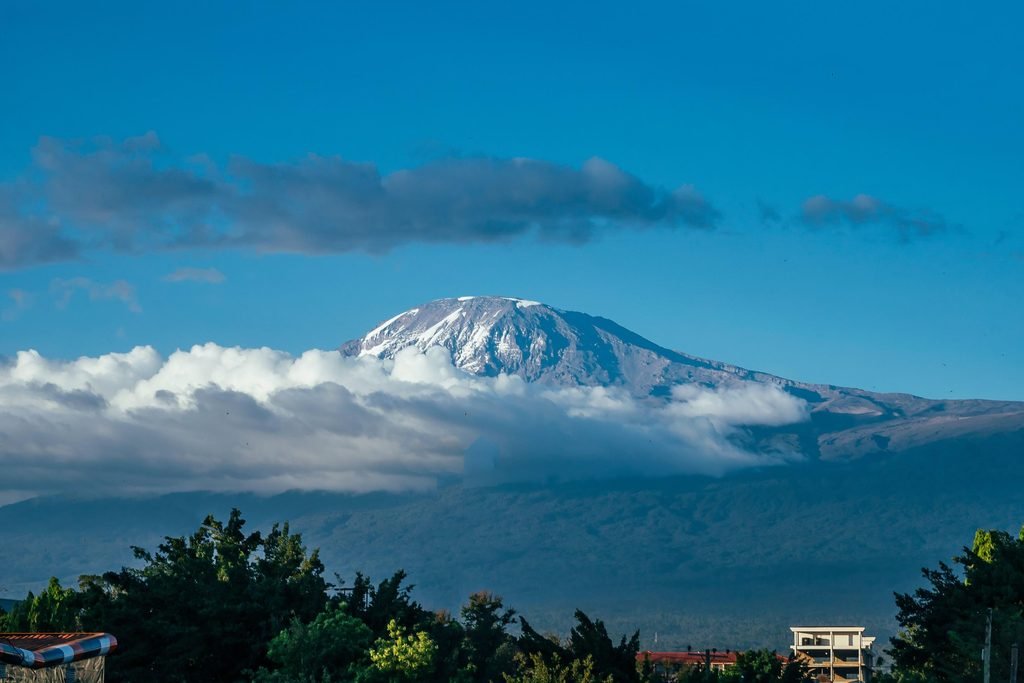
The Ultimate 8-Day Lemosho Route 2026–2028; is an exceptional choice for travelers looking for a longer, scenic, and carefully paced expedition to the summit of Mount Kilimanjaro. Renowned for its beautiful landscapes, quieter beginning, gradual altitude gain, and excellent acclimatization profile, the Lemosho Route provides an immersive journey across the mountain’s diverse ecological zones.
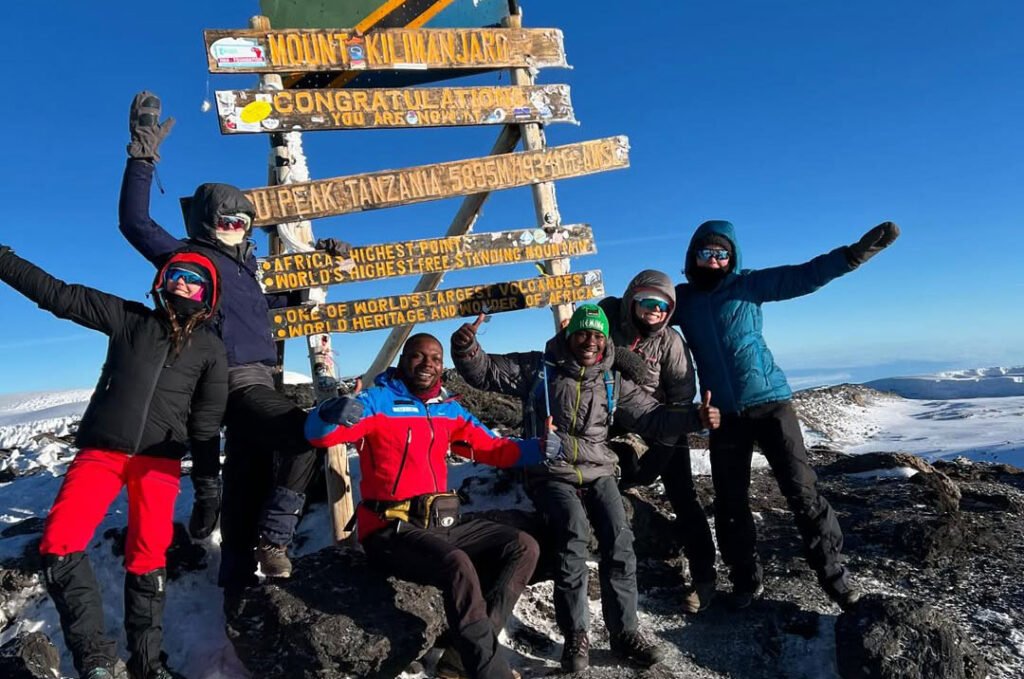
At 5,895 metres (19,341 feet) above sea level, Uhuru Peak is the highest point on Mount Kilimanjaro and the highest point in Africa. Reaching it requires determination, preparation, patience, and respect for altitude.
The eight-day itinerary is especially attractive because it gives trekkers more time to adjust to increasing elevation than shorter itineraries. It also allows you to experience a large portion of Kilimanjaro’s western and southern landscapes before making the final summit attempt.
8-Day Lemosho Route at a Glance:The Ultimate 8-Day Lemosho Route 2026–2028
| Feature | Details |
|---|---|
| Route | Lemosho Route |
| Duration | 8 Days |
| Summit | Uhuru Peak |
| Elevation | 5,895 m |
| Starting area | Lemosho |
| Summit approach | Barafu Camp |
| Descent | Mweka Route |
| Accommodation | Mountain camps |
| Difficulty | Challenging |
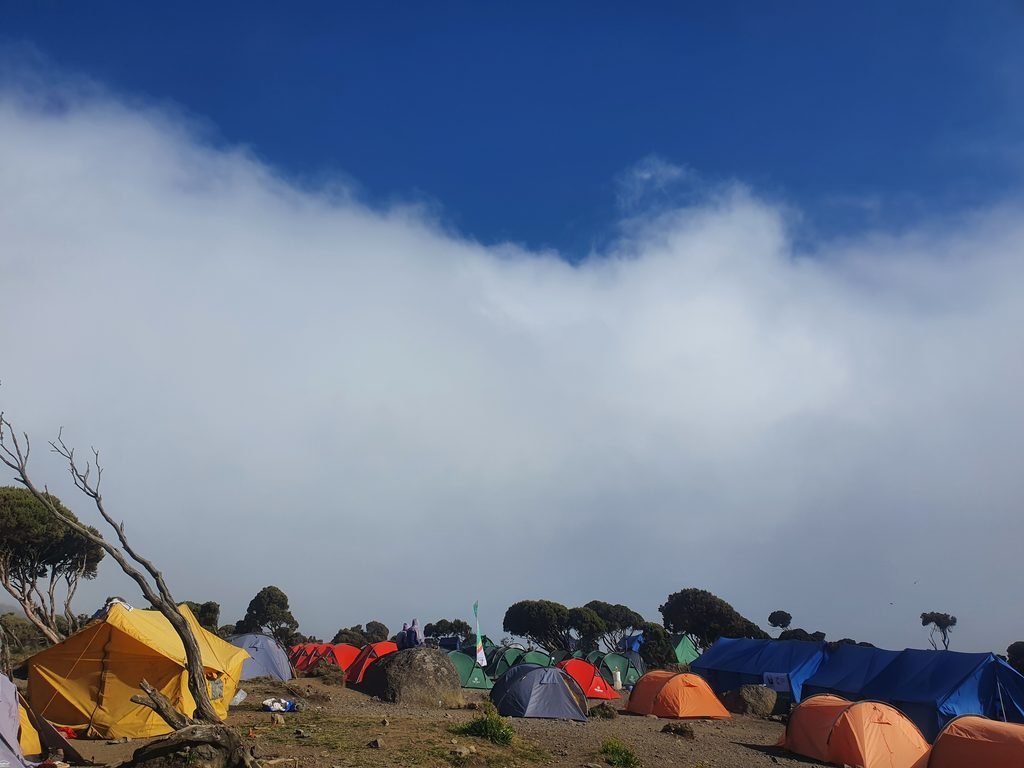
| Scenery | Rainforest, moorland, Shira Plateau, alpine desert and summit terrain |
| Suitable for | Experienced hikers and determined first-time high-altitude trekkers |
Why Choose the 8-Day Lemosho Route?:The Ultimate 8-Day Lemosho Route 2026–2028
The Lemosho Route is widely appreciated for its combination of scenery, gradual altitude gain, and extended trekking schedule.
Unlike some shorter routes, Lemosho begins on the western side of Kilimanjaro and gradually crosses the mountain toward the southern summit approach.
One of the biggest attractions of the eight-day itinerary is the opportunity to spend more time acclimatizing before the summit attempt.
The route also passes through several spectacular environments, including:
- Montane rainforest
- Shira Plateau
- Moorland
- Lava Tower
- Barranco Valley
- Karanga Valley
- Alpine desert
- Uhuru Peak
This changing environment makes the journey feel like a complete expedition rather than simply a climb to the summit.
8-Day Lemosho Route Itinerary
Day 1: Lemosho Starting Point to Big Tree Camp
Starting elevation: approximately 2,100–2,400 m
Big Tree Camp: approximately 2,780 m
Your adventure begins on the western side of Mount Kilimanjaro.
After completing the necessary park procedures, you begin trekking through the montane rainforest.
This is one of the most beautiful sections of the journey.
The forest is characterized by:
- Tall trees
- Dense vegetation
- Moss-covered branches
- Birds
- Cool temperatures
- Occasional wildlife signs
The trail gradually gains elevation before reaching Big Tree Camp.
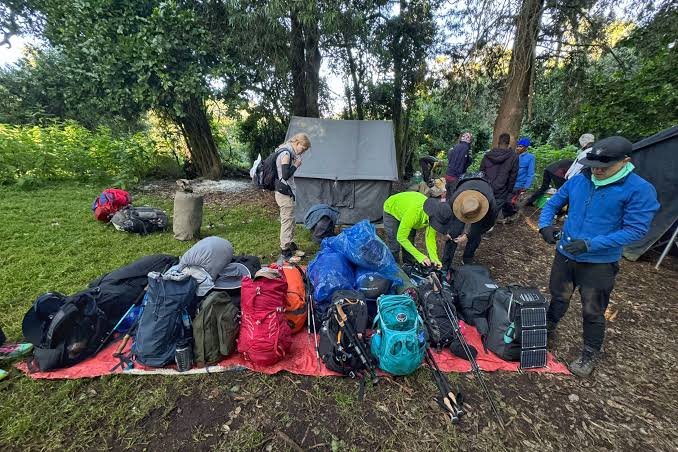
After settling into camp, you can rest and prepare for the following day’s hike.
Overnight: Big Tree Camp.
Day 2: Big Tree Camp to Shira 1 Camp:The Ultimate 8-Day Lemosho Route 2026–2028
Big Tree Camp: approximately 2,780 m
Shira 1 Camp: approximately 3,500 m
The second day takes you out of the rainforest and toward the higher moorland environment.
The vegetation gradually becomes shorter and more open.
As you gain altitude, views of Kilimanjaro’s volcanic landscape begin to expand.
The Shira Plateau is one of the major highlights of the Lemosho Route.
Depending on weather conditions, you may have impressive views toward the summit and surrounding mountain landscape.
The day’s hiking is designed to continue your gradual adaptation to altitude.
Overnight: Shira 1 Camp.
Day 3: Shira 1 Camp to Shira 2 Camp
Shira 1: approximately 3,500 m
Shira 2: approximately 3,850 m
This is a relatively moderate day compared with some of the later stages.
You cross sections of the Shira Plateau, one of Kilimanjaro’s most distinctive landscapes.
The open terrain gives you a completely different experience from the rainforest.
The day also provides valuable time for your body to adjust to the increasing altitude.
Depending on the itinerary and conditions, the guide may organize an acclimatization walk around the Shira area.
The key principle is to maintain a comfortable pace rather than rushing.
Overnight: Shira 2 Camp.
Day 4: Shira 2 Camp to Lava Tower to Barranco Camp
Shira 2 Camp: approximately 3,850 m
Lava Tower: approximately 4,630 m
Barranco Camp: approximately 3,960 m
This is one of the most important acclimatization days of the entire expedition.
The trail climbs toward Lava Tower, taking you above 4,600 metres.
After reaching this higher elevation, you descend toward Barranco Camp.
This follows the important acclimatization strategy:
Climb high, sleep lower.
The landscape becomes increasingly dramatic as you move into the alpine desert.
Lava Tower itself is an impressive volcanic formation and an important high-altitude point along the route.
Later, you descend toward Barranco Camp, located beneath the spectacular Barranco Wall.
Overnight: Barranco Camp.
Day 5: Barranco Camp to Karanga Camp
Barranco Camp: approximately 3,960 m
Karanga Camp: approximately 4,035 m
The day begins with one of the most famous sections of the Lemosho Route: the Barranco Wall.
From the bottom, the wall may appear intimidating, but the trail involves scrambling and careful foot placement rather than technical mountaineering.
Your guide will help you navigate the more challenging sections.
Once you reach the top, you continue through the high-altitude landscape toward Karanga Valley.
The day’s distance is relatively manageable, giving you additional opportunity to conserve energy for the summit push.
Overnight: Karanga Camp.
Day 6: Karanga Camp to Barafu Camp
Karanga Camp: approximately 4,035 m
Barafu Camp: approximately 4,640 m
Today you enter the final stage before the summit attempt.
The landscape becomes increasingly barren as you move through the alpine desert.
The trail eventually reaches Barafu Camp, the main launching point for the summit.
At this altitude, the environment can feel extremely cold and exposed.
Once you arrive, your guide and mountain crew will help you prepare for the summit attempt.
You should use the afternoon to:
- Eat
- Hydrate
- Organize summit clothing
- Prepare your headlamp
- Check trekking poles
- Rest
- Mentally prepare for the summit night
The summit attempt generally starts around midnight or during the early hours of the next morning.
Overnight: Barafu Camp.
Day 7: Barafu Camp to Uhuru Peak to Mweka Camp
This is the summit day and usually the most physically demanding part of the entire expedition.
Barafu Camp to Stella Point
The climb normally begins in darkness.
You ascend gradually toward Stella Point on the crater rim.
This section can be extremely challenging because of:
- High altitude
- Cold temperatures
- Darkness
- Steep terrain
- Fatigue
- Reduced oxygen
The guide sets a controlled pace designed to conserve energy.
Stella Point to Uhuru Peak:The Ultimate 8-Day Lemosho Route 2026–2028
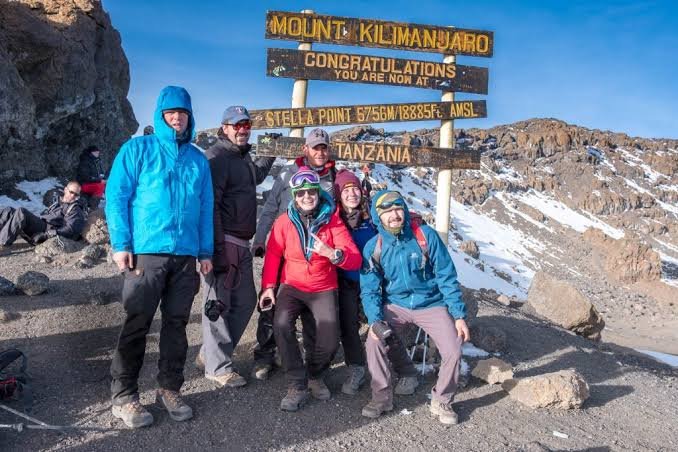
After reaching Stella Point at approximately 5,739 metres, you continue around the crater rim toward Uhuru Peak.
The final section can be physically demanding, but the scenery is extraordinary.
Eventually you reach:
Uhuru Peak – 5,895 metres above sea level.
This is the highest point in Africa.
After celebrating the achievement and taking appropriate photographs, you begin the descent.
Because of the extreme altitude, it is generally advisable not to remain at the summit longer than necessary.
Uhuru Peak to Barafu Camp:The Ultimate 8-Day Lemosho Route 2026–2028
The descent to Barafu is significantly quicker than the ascent.
Once you reach Barafu, you normally have a short rest and something to eat before continuing downward.
Barafu Camp to Mweka Camp
You then descend toward Mweka Camp.
The lower elevation provides welcome relief after spending hours in the summit zone.
By the time you reach Mweka Camp, you will likely be tired but satisfied after completing the summit attempt.
Overnight: Mweka Camp.
Day 8: Mweka Camp to Mweka Gate
Mweka Camp: approximately 3,100 m
Mweka Gate: approximately 1,640 m
The final day is a descent through the rainforest.
The trail becomes greener and warmer as you lose elevation.
After reaching Mweka Gate, you complete the necessary park procedures and meet your transfer vehicle.
Your eight-day Kilimanjaro expedition officially comes to an end.
Many trekkers celebrate this moment with their mountain crew, marking the completion of an extraordinary journey from the lower slopes to the summit of Africa.
The Main Highlights of the 8-Day Lemosho Route
1. The Shira Plateau
The Shira Plateau provides some of the most impressive open landscapes on Kilimanjaro.
Its broad terrain allows trekkers to appreciate the enormous scale of the mountain.
2. Lava Tower
Lava Tower provides an important acclimatization point and introduces trekkers to the dramatic alpine desert environment.
3. Barranco Wall
The Barranco Wall is one of the most memorable physical sections of the route.
It adds an adventurous scrambling element to the trek.
4. Southern Circuit
The route crosses toward Kilimanjaro’s southern side before making the summit attempt.
This creates a varied trekking experience.
5. Uhuru Peak
The ultimate objective is Uhuru Peak at 5,895 metres.
Reaching the summit represents the culmination of days of preparation, trekking, acclimatization, and determination.
How Difficult Is the 8-Day Lemosho Route?
The 8-Day Lemosho Route is a challenging high-altitude trek.
It does not generally require technical climbing skills, but the physical demands are significant.
The greatest challenge is altitude.
As you climb above 4,000 metres, you may experience:
- Headaches
- Fatigue
- Reduced appetite
- Nausea
- Dizziness
- Difficulty sleeping
- Shortness of breath
Individual responses to altitude vary considerably.
Being physically fit does not guarantee immunity from altitude-related illness.
For this reason, acclimatization and listening to your mountain guide are essential.
Training for the 8-Day Lemosho Route
Good preparation can make your expedition more manageable.
Hiking Training
Practice long walks on varied terrain.
Whenever possible, include uphill and downhill sections.
Cardiovascular Fitness
Activities such as:
- Walking
- Running
- Cycling
- Swimming
- Stair climbing
can help develop endurance.
Strength Training
Strengthen your:
- Legs
- Glutes
- Calves
- Core
Backpack Training
Practice hiking with a daypack similar to what you expect to carry during the actual trek.
Avoid carrying unnecessary weight.
Altitude Acclimatization on Lemosho
The longer Lemosho itinerary provides useful opportunities for gradual acclimatization.
The route includes sections where you ascend to a higher elevation during the day and descend to sleep lower.
The Lava Tower–Barranco section is a good example.
However, acclimatization is not an exact science.
If symptoms become severe or worsen, your guide should be informed immediately.
A responsible climbing operation will prioritize your health over reaching a particular destination on the itinerary.
What to Pack for the 8-Day Lemosho Route
Because Kilimanjaro passes through several climate zones, you need clothing for both warm and extremely cold conditions.
Clothing
Pack:
- Moisture-wicking base layers
- Trekking trousers
- Fleece jacket
- Warm insulated jacket
- Waterproof jacket
- Thermal underwear
- Warm hat
- Gloves
- Hiking socks
Footwear
Use well-fitting hiking boots that have already been broken in.
Other essentials
You should also bring:
- Headlamp
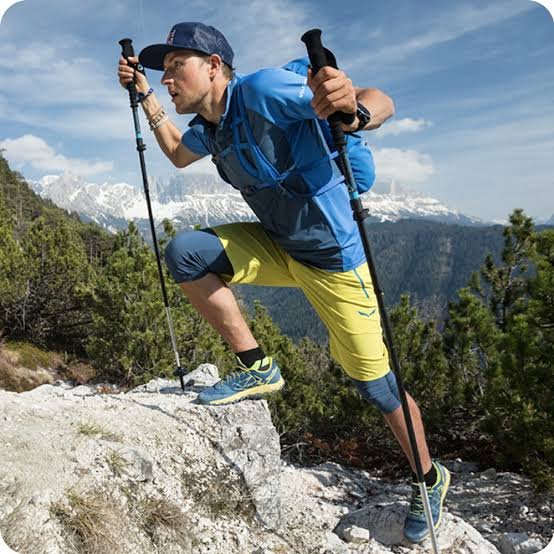
- Trekking poles
- Sleeping bag
- Backpack
- Duffel bag
- Water bottles or hydration system
- Sunglasses
- Sunscreen
- Personal toiletries
- Personal medication
- Small first-aid supplies
Your trekking company should provide a detailed equipment list before departure.
Food and Hydration During the Expedition
Long trekking days require sufficient nutrition.
Meals should provide enough energy to support prolonged physical activity.
Carbohydrate-rich foods can help provide readily available energy, while protein supports recovery.
Hydration is equally important.
Drink water regularly throughout the day.
At high altitude, some trekkers experience reduced appetite, so maintaining regular meals and snacks can be useful.
Best Time to Climb the 8-Day Lemosho Route
Kilimanjaro is climbable during much of the year.
However, many trekkers prefer the generally drier periods.
Commonly preferred periods include:
- January to February
- June to October
- Some periods around December
The wetter seasons can bring muddy trails and reduced visibility on some sections.
Nevertheless, mountain weather is unpredictable, and favorable-season travel does not guarantee clear weather.
Estimated Cost of the 8-Day Lemosho Route
The final price depends on the specific climbing arrangement.
Important cost factors include:
- Number of climbers
- Private or group expedition
- Travel season
- Park and conservation fees
- Mountain crew
- Accommodation
- Meals
- Transfers
- Equipment rental
- Hotel nights before or after the climb
- Additional services
When requesting a quotation, ask for a complete breakdown.
A useful quotation should clearly explain:
What is included + what is excluded + accommodation + transportation + park fees + crew services + payment terms.
Travelers should also confirm whether airport transfers, hotel accommodation, equipment rental, and gratuities are included.
8-Day Lemosho vs Shorter Kilimanjaro Routes
The eight-day itinerary is particularly attractive to travelers who prefer a more gradual expedition.
| Feature | Shorter Routes | 8-Day Lemosho |
|---|---|---|
| Duration | Shorter | 8 days |
| Acclimatization opportunity | More limited | More extensive |
| Scenery | Varies by route | Highly varied |
| Starting area | Depends on route | Western Kilimanjaro |
| Camping | Yes | Yes |
| Summit | Uhuru Peak | Uhuru Peak |
| Overall experience | More compressed | More gradual |
The longer duration does not guarantee summit success, but it provides more time for the body to adjust to altitude.
Who Is the 8-Day Lemosho Route Suitable For?
The route may be appropriate for travelers who:
- Want a scenic Kilimanjaro expedition
- Prefer a longer itinerary
- Want additional acclimatization opportunities
- Enjoy hiking and outdoor adventure
- Have reasonable physical fitness
- Are comfortable camping
- Want to experience several ecological zones
- Have enough time for an eight-day mountain adventure
It can be suitable for both experienced hikers and determined first-time Kilimanjaro trekkers, provided they understand the physical and altitude-related challenges involved.
Practical Tips for a Successful Lemosho Climb
Walk slowly
Do not try to compete with other trekkers.
A steady pace helps conserve energy.
Drink regularly
Keep hydrated throughout the day.
Eat consistently
Do not rely only on your appetite to determine when to eat.
Layer your clothing
Temperatures can change dramatically as you move between ecological zones.
Use trekking poles
They can help with balance, especially on steep ascents and descents.
Protect your skin
Use sunscreen and appropriate sun protection.
Listen to your body
Tell your guide about any concerning symptoms immediately.
Respect the mountain
Kilimanjaro is a demanding high-altitude environment, not an ordinary hiking trail.
Final Conclusion
The Ultimate 8-Day Lemosho Route 2026–2028 offers an extraordinary journey across Mount Kilimanjaro, combining spectacular scenery, progressive altitude gain, challenging trekking, and the ultimate goal of reaching Uhuru Peak at 5,895 metres.
From the rainforest of western Kilimanjaro to the expansive Shira Plateau, the dramatic Lava Tower, the adventurous Barranco Wall, the high-altitude landscape around Barafu, and finally the summit, every stage contributes something different to the expedition.
The eight-day itinerary is particularly valuable for travelers who want a more gradual and immersive Kilimanjaro experience rather than rushing toward the summit.
Success on Lemosho depends on more than physical strength. Preparation, pacing, acclimatization, hydration, nutrition, appropriate equipment, experienced mountain support, and honest communication about how you feel are all important.
For travelers planning their Kilimanjaro adventure in 2026, 2027, or 2028, Lemosho offers a remarkable opportunity to experience Africa’s highest mountain through a route known for its scenery and progressive approach to the summit.
The ultimate destination is Uhuru Peak, but the real expedition begins from the first step on the trail and continues through every forest, valley, ridge, and high-altitude landscape along the way.