Tarangire National Park is one of Tanzania’s most distinctive safari destinations, famous for its large elephant herds, ancient baobab trees, seasonal wildlife concentrations, diverse habitats, and excellent birdlife. Covering about 2,850 square kilometres, the park takes its name from the Tarangire River, an important water source for wildlife, particularly during the dry season.
For travellers planning a Tanzania safari in 2026, 2027, or 2028, Tarangire can be an excellent part of a Northern Tanzania itinerary, especially when combined with Serengeti National Park and Ngorongoro Crater. Tanzania’s tourism authorities also highlight Tarangire for its elephant herds and baobab landscapes as part of the Northern Tanzania safari circuit.
Below are 9 powerful reasons to include Tarangire National Park in your Tanzania safari plans.
1. Experience Tarangire’s Remarkable Elephant Herds:The Ultimate 9 Reasons to Visit Tarangire National Park in 2026–2028
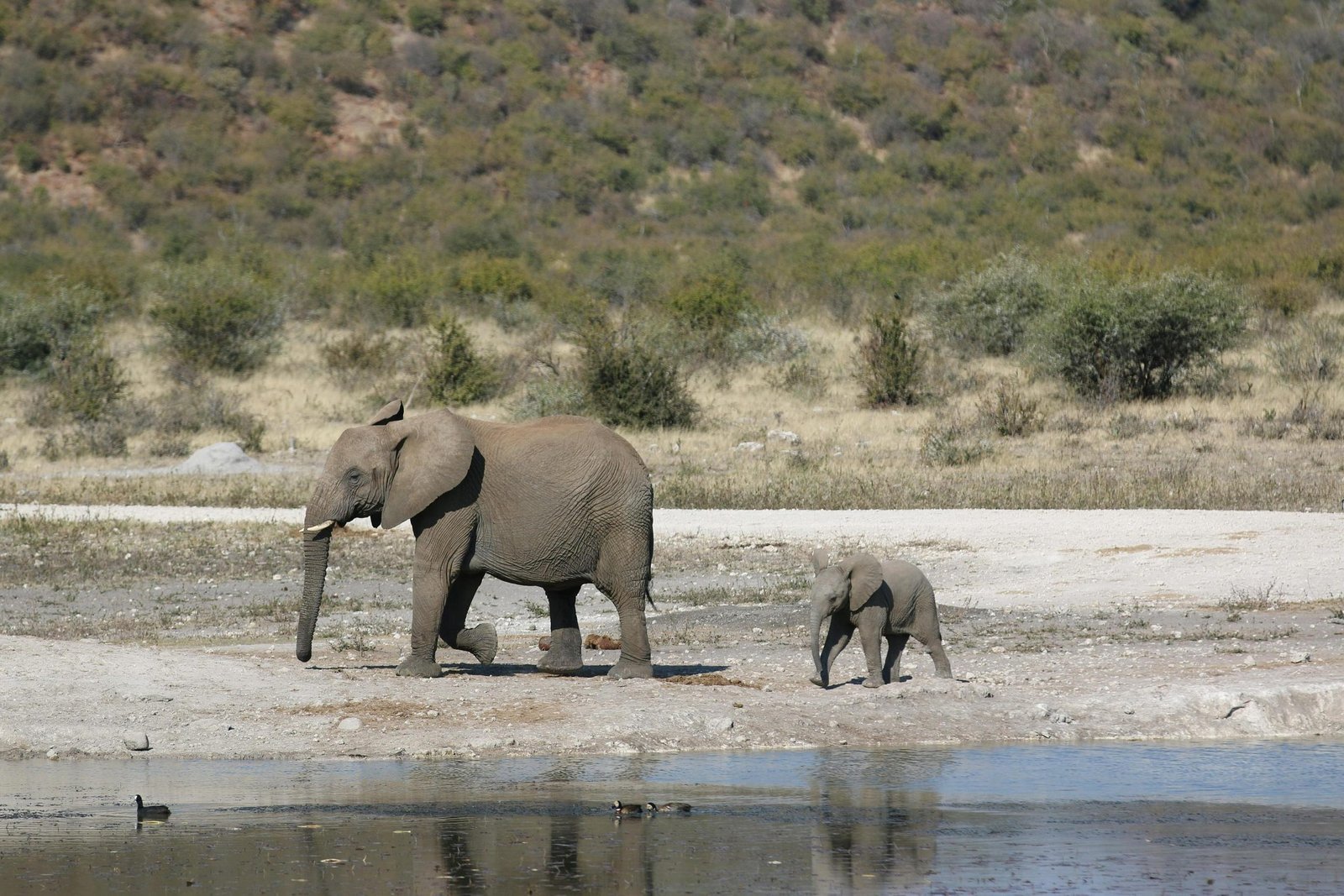
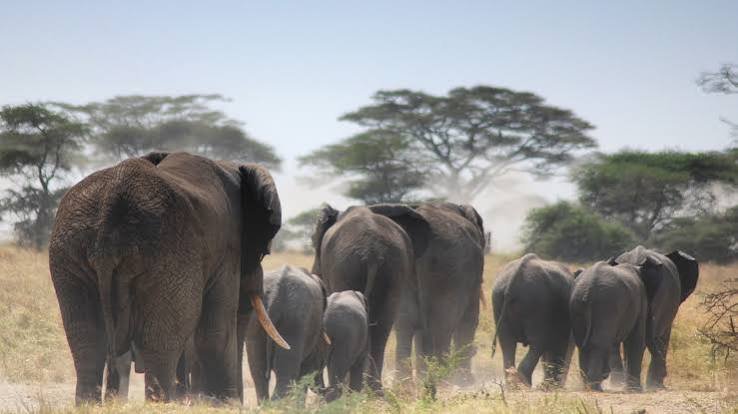
One of the strongest reasons to visit Tarangire is its elephants.
The park is particularly well known for large elephant concentrations, and seeing these animals moving through the savannah is one of the defining experiences of a Tarangire safari. TANAPA describes the park as a destination renowned for its elephant herds and notes that wildlife becomes particularly concentrated around water sources during dry periods.
During a game drive, you may see:
- Large elephant families travelling together
- Mothers with young calves
- Individual bulls feeding away from larger herds
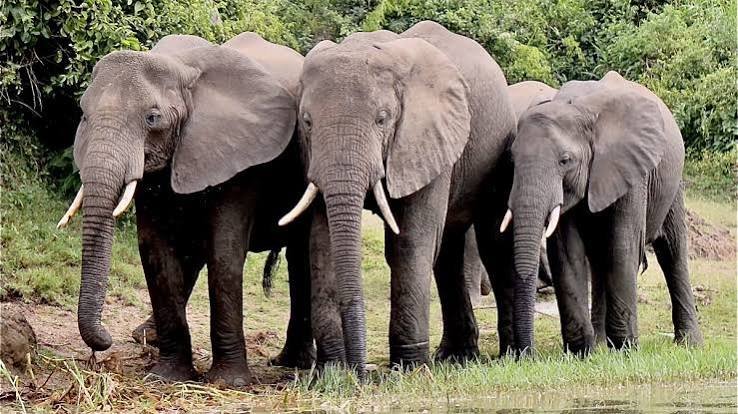
- Elephants drinking near the river
- Elephants feeding beneath baobab trees
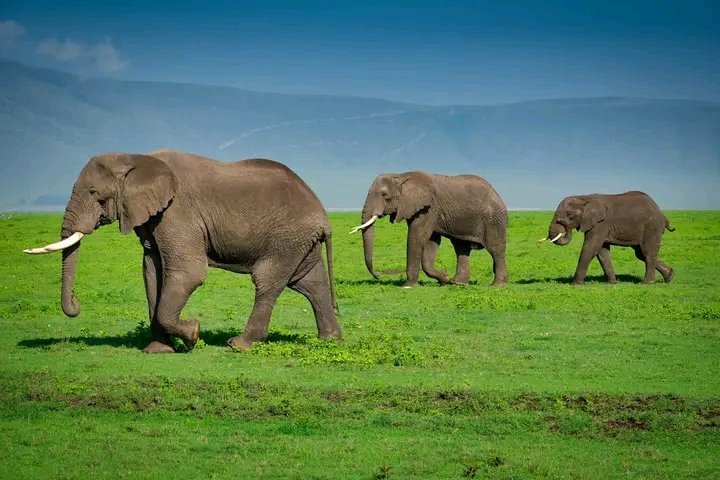
- Elephants crossing open grasslands
What makes the experience special is not simply seeing one elephant. It is observing elephant behaviour in a natural environment.
You might spend several minutes watching a herd slowly approach a water source, communicate with one another, feed, drink and continue moving through the landscape.
For photographers and wildlife enthusiasts, these encounters can provide memorable safari moments without requiring you to rush from one sighting to another.
2. Discover the Legendary Baobab Landscapes:The Ultimate 9 Reasons to Visit Tarangire National Park in 2026–2028
Tarangire is also famous for its spectacular baobab trees.
These enormous trees give the park an appearance that is different from many other safari destinations. Instead of seeing only open grasslands, visitors encounter landscapes where enormous baobabs rise above the savannah, creating dramatic scenery.
TANAPA identifies baobab landscapes as one of Tarangire’s signature attractions.
The combination of:
Elephants + baobabs + golden grasslands + African skies
creates one of the most recognizable visual experiences in Northern Tanzania.
The baobabs are also ecologically important. Their trunks, branches, flowers and surrounding habitats interact with many forms of wildlife.
For visitors interested in nature rather than wildlife alone, these trees make Tarangire particularly interesting.
Why baobabs make the safari special:The Ultimate 9 Reasons to Visit Tarangire National Park in 2026–2028
A game drive in Tarangire is not simply about searching for animals. The landscape itself becomes part of the experience.
You may drive through an open area and suddenly encounter a huge baobab standing almost alone against the sky, while elephants feed nearby.
That combination is one of the reasons Tarangire is so memorable.
3. See Wildlife Gather Around the Tarangire River:The Ultimate 9 Reasons to Visit Tarangire National Park in 2026–2028
The Tarangire River is central to the park’s ecosystem.
During the dry season, water becomes increasingly important as seasonal sources elsewhere become less reliable. Wildlife consequently concentrates around remaining water sources, including the Tarangire River. TANAPA describes the river as a major dry-season lifeline for wildlife.
This creates excellent opportunities for game viewing.
Depending on the season and location, visitors may encounter:
- Elephants
- Buffalo
- Zebra
- Wildebeest
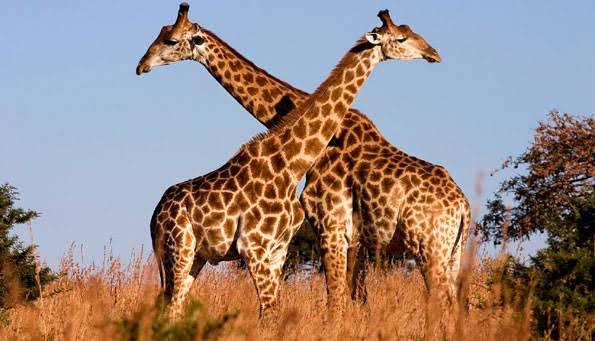
- Giraffe
- Antelope
- Lions
- Other predators and smaller animals
The attraction is not only the number of animals but also the opportunity to observe natural interactions.
You may see herbivores approaching water cautiously while predators remain nearby. You may watch elephants drink and play, or observe birds feeding around the riverbanks.
This makes a Tarangire game drive feel like an unfolding natural story rather than a simple checklist of animals.
4. Enjoy Excellent Wildlife Viewing During the Dry Season
If your main goal is wildlife viewing, the dry season can be particularly rewarding.
TANAPA identifies June to October as a dry-season period and explains that wildlife becomes easier to locate around water sources. The park also experiences other dry periods depending on rainfall patterns, while November–December brings short rains and March–May generally corresponds with the long rains.
During the dry months:
- Vegetation can become less dense
- Animals gather around reliable water
- Wildlife tracks can become easier to follow
- Large mammals may be more concentrated
- Game viewing can become more predictable
This does not mean that Tarangire is worth visiting only during the dry season.
The green season can offer a completely different experience, with greener landscapes, changing skies and seasonal birdlife.
Therefore, your ideal travel period should depend on what you want from the safari.
June–October
Often attractive for concentrated wildlife viewing and dry landscapes.
November–December
The landscape begins becoming greener following the short rains, and birdwatching can be rewarding.
March–May
The long-rain period can produce lush scenery and dramatic skies, although road conditions and weather should be considered.
5. Discover a Surprisingly Diverse Range of Wildlife:The Ultimate 9 Reasons to Visit Tarangire National Park in 2026–2028
Although elephants are the park’s most famous attraction, Tarangire is much more than an elephant destination.
TANAPA lists numerous species associated with the park, including lions, leopards, cheetahs, buffalo, giraffes, zebras, wildebeest and various antelope species.
This diversity means that each game drive can be different.
For example, a morning drive might begin with giraffes feeding among trees. Later, you may encounter a group of zebras and wildebeest crossing an open plain. Further along, your guide may identify tracks belonging to a predator.
The unpredictability is part of the excitement.
Predators
Tarangire supports predators such as:
- Lions
- Leopards
- Cheetahs
- Hyenas
TANAPA also highlights pythons and other predators among the park’s wildlife attractions.
Seeing predators is never guaranteed, because wildlife sightings depend on season, location, weather and animal behaviour. However, Tarangire provides diverse habitats that support both predators and prey.
6. Experience One of Tanzania’s Outstanding Birding Destinations
Tarangire is not only for people interested in large mammals.
It is also an excellent destination for birdwatching.
TANAPA states that approximately 550 bird species have been recorded in Tarangire, making it an important birding destination in East Africa.
Bird enthusiasts may encounter a wide variety of species associated with:
- Open grasslands
- Acacia woodland
- Riverine areas
- Seasonal wetlands
- Baobab landscapes
- Forested sections
Among the birds highlighted by TANAPA are kori bustards, ostriches, lovebirds, bee-eaters and birds of prey.
This makes Tarangire particularly interesting for travellers who want more than the traditional Big Five experience.
A safari guide with strong knowledge of birds can make a significant difference because many species can easily be overlooked by visitors who are concentrating only on elephants, lions and giraffes.
7. Explore Different Landscapes Within One National Park
Another reason to visit Tarangire is its variety of landscapes.
The park includes areas of:
- Open savannah
- Acacia woodland
- Riverine vegetation
- Seasonal swamps
- Baobab-covered hills
- Termite-mound plains
- Wetland habitats
TANAPA highlights Silale Swamp, river loops, riverine forests and termite-mound plains among the park’s attractions.
This variety creates different wildlife-viewing opportunities.
For example, elephants may be encountered around water and woodland areas, while giraffes can be seen feeding among trees. Open plains may provide opportunities to observe grazing animals, while swamp areas can attract different species and birds.
Because the scenery changes as you travel through the park, a full-day game drive can feel like several different safari experiences combined into one.
8. Enjoy More Than a Traditional Game Drive
Tarangire can offer several safari experiences beyond the standard vehicle game drive.
Depending on current park regulations, permissions and your safari arrangement, activities can include:
Guided Walking Safaris
Walking allows you to experience the environment at a different scale.
Instead of simply looking for large animals, you become more aware of:
- Animal tracks
- Insects
- Plants
- Bird calls
- Smaller mammals
- Scents
- Different types of vegetation
TANAPA lists guided walking safaris among Tarangire’s visitor activities and notes that walking activities must be conducted with authorized personnel.
Photographic Safaris
The combination of wildlife and dramatic landscapes makes Tarangire attractive to photography enthusiasts.
The most interesting photographs may not always be close-up animal portraits. Sometimes the strongest image is an elephant walking beneath a huge baobab, giraffes against a sunset, or a herd crossing an open landscape.
Bush Meals and Sundowners
Depending on the safari arrangement and permitted locations, visitors may also enjoy bush meals or sundowner experiences.
These experiences allow travellers to appreciate the environment more slowly instead of spending the entire day inside a vehicle.
9. Tarangire Fits Perfectly Into a Northern Tanzania Safari
One of Tarangire’s greatest practical advantages is its position within the Northern Tanzania safari circuit.
A classic itinerary can combine:
Arusha → Tarangire → Serengeti → Ngorongoro → Arusha
or adapt the sequence according to the number of days available.
Tanzania’s tourism authorities specifically present Tarangire, Ngorongoro and Serengeti as major destinations within the Northern Tanzania safari experience.
This makes Tarangire particularly useful for travellers who have limited time but still want to experience several different environments.
For example:
3-Day Safari
Day 1: Tarangire National Park
Day 2: Ngorongoro Crater
Day 3: Lake Manyara or return toward Arusha
4-Day Safari
Day 1: Tarangire
Day 2: Serengeti
Day 3: Serengeti
Day 4: Ngorongoro and departure
5-Day Safari
Day 1: Tarangire
Day 2: Serengeti
Day 3: Serengeti
Day 4: Ngorongoro
Day 5: Ngorongoro/return to Arusha
The exact route should be adjusted according to your interests, accommodation, season and available time.
Best Time to Visit Tarangire National Park in 2026–2028
Tarangire can be visited throughout the year, but different seasons offer different experiences.
June to October – Dry Season
This is commonly attractive for travellers focused on concentrated wildlife viewing.
As water sources become scarcer, wildlife tends to gather around dependable water sources, including the Tarangire River.
This period can be particularly appealing for first-time safari travellers who want strong opportunities to see elephants and other large mammals.
November to December – Short Rains
The landscape begins changing as rainfall returns.
The scenery can become greener, and birdlife can be particularly interesting.
For travellers who enjoy landscapes and birdwatching, this can be an attractive period.
January to February
These months can provide another relatively dry period within Tarangire’s rainfall cycle, although conditions can vary from year to year. TANAPA identifies January–February among the park’s dry periods.
March to May – Long Rains
The long rains can transform the scenery into a greener environment.
Travellers should be prepared for wetter conditions and potentially muddy roads. TANAPA recommends considering road conditions during the rainy season.
How to Get to Tarangire National Park
Tarangire is commonly accessed by road from the Arusha area.
TANAPA’s current visitor information places the park approximately 2.5–3 hours from Arusha by road, depending on conditions and route.
This makes it convenient for travellers beginning a Northern Tanzania safari from Arusha.
For travellers with limited time, flights are another possibility. TANAPA notes that charter flights can operate to Kuro Airstrip inside the park.
Your choice between road and air depends on:
- Safari duration
- Budget
- Number of travellers
- Desired comfort level
- Other parks on the itinerary
- Accommodation location
For a classic safari experience, travelling by 4×4 safari vehicle also allows you to enjoy the changing landscapes between destinations.
Where to Stay in Tarangire
Accommodation around Tarangire ranges from camping to lodges and tented camps.
TANAPA identifies options including public campsites and special campsites, while lodges and tented camps are available around areas such as the Tarangire River and Silale Swamp.
Your accommodation can be selected according to your travel style.
Budget Safari
Camping can help reduce accommodation costs and provides a more direct connection with the natural environment.
Mid-Range Safari
Tented camps and comfortable lodges can provide a balance between comfort and price.
Luxury Safari
Luxury lodges and high-end tented camps can provide additional comfort, private spaces and premium safari services.
For the best experience, it is useful to choose accommodation based not only on price but also on its location relative to your planned safari activities.
What to Pack for a Tarangire Safari
A good safari packing list should be practical rather than excessive.
Consider bringing:
- Lightweight clothing
- Neutral-coloured clothes
- Comfortable walking shoes
- Wide-brimmed hat
- Sunglasses
- Sunscreen
- Insect repellent
- Binoculars
- Camera
- Extra batteries or power bank
- Reusable water bottle
- Light jacket
- Small daypack
TANAPA also recommends carrying drinking water, sun protection and insect repellent, while neutral-coloured clothing can be useful in the bush.
If you are visiting during wetter months, include waterproof protection and footwear suitable for muddy conditions.
Wildlife Safety in Tarangire
A safari is an exciting experience, but visitors should remember that Tarangire is a wild environment.
Elephants, buffalo and other large animals can be extremely powerful.
TANAPA advises visitors to maintain safe distances, avoid blocking animals’ paths to water, remain in vehicles except at designated areas and follow guide and ranger instructions.
Important rules include:
- Do not approach wild animals.
- Do not feed animals.
- Do not leave the safari vehicle at unauthorized locations.
- Follow your guide’s instructions.
- Remain on designated tracks.
- Respect park speed limits.
- Do not attempt to attract animals for photographs.
- Keep a safe distance from elephants and buffalo.
- Do not use drones without the required permission.
Following these rules protects both visitors and wildlife.
Why Tarangire Is Ideal for Families, Couples and First-Time Safari Travellers:The Ultimate 9 Reasons to Visit Tarangire National Park in 2026–2028
Tarangire can work well for different types of travellers.
For Families
Children can enjoy seeing elephants, giraffes, zebras and other animals in their natural environment.
Shorter safari itineraries can also be designed around family schedules.
For Couples
The scenery, wildlife and lodge experiences can create opportunities for peaceful safari moments, especially around sunrise and sunset.
For Photographers
Baobabs, elephants, birds and changing light provide numerous subjects.
For First-Time Safari Travellers
Tarangire provides an introduction to several important elements of the African safari experience without requiring an extremely long itinerary.
Why Visit Tarangire in 2026–2028?
Planning ahead for 2026, 2027 and 2028 can help you organize the major elements of your safari early.
A well-planned Tarangire safari should consider:
- Your preferred travel season
- Safari duration
- Wildlife interests
- Accommodation category
- Transport
- Number of travellers
- Other parks you want to visit
- Available activities
- Current park fees and regulations
Importantly, park fees and regulations can change. TANAPA advises visitors to check the current tariff information before travelling because charges vary according to visitor category and activities.
The 9 Reasons at a Glance
| Reason | What Makes It Special |
|---|---|
| 1. Elephant Herds | Excellent opportunities to observe large elephant families |
| 2. Baobab Trees | Dramatic and distinctive African landscapes |
| 3. Tarangire River | Important dry-season water source for wildlife |
| 4. Dry-Season Wildlife | Animals can concentrate around reliable water |
| 5. Wildlife Diversity | Elephants, lions, giraffes, zebras, buffalo and more |
| 6. Birdwatching | Around 550 recorded bird species |
| 7. Diverse Landscapes | Savannah, woodland, wetlands, riverine areas and baobabs |
| 8. Safari Activities | Game drives, walking and photographic experiences |
| 9. Northern Circuit Location | Easy to combine with Serengeti and Ngorongoro |
Final Thoughts
The Ultimate 9 Reasons to Visit Tarangire National Park in 2026–2028Tarangire National Park deserves serious consideration when planning a Tanzania safari in 2026, 2027 or 2028. Its appeal comes from the combination of wildlife, landscapes and accessibility rather than from a single attraction.
The park offers remarkable elephant viewing, enormous baobab trees, diverse habitats, impressive birdlife and seasonal concentrations of wildlife around the Tarangire River.
For travellers planning a classic Northern Tanzania safari, Tarangire can also be combined naturally with Serengeti National Park and Ngorongoro Crater, allowing one journey to showcase very different landscapes and wildlife experiences.
Whether you are planning a 2-day, 3-day, 4-day or 5-day Tanzania safari, Tarangire can be incorporated into an itinerary according to your available time, budget and interests.
Most importantly, do not think of Tarangire simply as a place where you go to see elephants. It is an entire ecosystem where wildlife, rivers, baobabs, wetlands, forests, grasslands and seasonal changes come together to create a distinctive Tanzania safari experience.
For a 2026–2028 Tanzania safari, Tarangire can therefore be the beginning of an unforgettable journey through the wild heart of Northern Tanzania.