The Ultimate Tanzania Safari Planning Guide 2026–2028;Planning a Tanzania safari for 2026, 2027, or 2028 is an exciting opportunity to experience some of Africa’s most famous wildlife areas, spectacular landscapes, and diverse safari experiences. But the best safari is not simply about choosing the most famous national park. It is about matching your travel time, budget, interests, safari style, accommodation, and preferred wildlife experiences with the right destinations.
Tanzania offers a remarkable range of safari possibilities. The northern circuit brings together Serengeti, Ngorongoro and Tarangire, while the southern and western regions offer destinations such as Ruaha, Nyerere, Gombe and Mahale. Tanzania’s official tourism information also highlights the country’s broad diversity of national parks, conservation areas, game reserves and marine destinations
This guide explains how to plan a memorable Tanzania safari from the first idea to the final booking.
Why Tanzania Should Be on Your Safari Plan for 2026–2028:The Ultimate Tanzania Safari Planning Guide 2026–2028
Tanzania offers much more than a traditional game drive. Depending on your itinerary, you can combine wildlife viewing with cultural experiences, walking activities, photography, birdwatching, beach holidays and other forms of adventure.
The Northern Safari Circuit is particularly popular because several major attractions can be combined within one itinerary. Tanzania’s official tourism board specifically highlights the combination of Tarangire, Ngorongoro and Serengeti as a signature northern safari experience
A well-planned safari can therefore give you:
- Big Five wildlife viewing
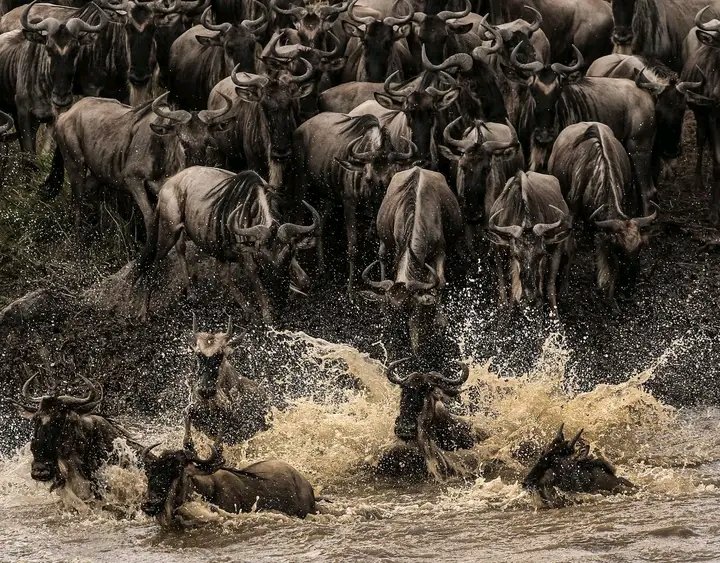
- Wildebeest and zebra migration experiences
- Elephant encounters
- Predator sightings
- Scenic landscapes
- Birdwatching
- Cultural experiences
- Luxury lodge stays
- Budget camping adventures
- Family-friendly safari experiences
- Private or shared group safaris
- Safari and Zanzibar combinations
The key is deciding what kind of Tanzania experience you actually want before selecting your parks.
1. Start by Defining Your Safari Goals
The first step in planning your Tanzania safari is not choosing a hotel. It is identifying what you want to experience.
Different travellers have different priorities.
For example:
Wildlife lovers
You may want to concentrate on destinations with strong opportunities for game viewing and spend more nights inside or close to major wildlife areas.
Migration travellers
If witnessing the Great Migration is your priority, your itinerary should be designed around the seasonal movement of wildebeest and zebra rather than simply choosing a standard park combination.
First-time safari travellers
A classic northern itinerary combining Tarangire, Ngorongoro and Serengeti can provide a varied introduction to Tanzania.
Luxury travellers
You may prefer fewer destinations, better-positioned luxury lodges, private vehicles and carefully timed activities rather than trying to visit as many parks as possible.
Budget travellers
You can reduce costs through shared group safaris, camping, shorter itineraries and carefully selected accommodation.
Beach lovers
A safari can be combined with Zanzibar after your wildlife adventure, creating a Tanzania safari-and-beach holiday.
The most important planning principle is simple: build the safari around your priorities, not around the number of parks you can fit into a schedule.
2. Choose the Right Tanzania Safari Circuit
Tanzania is too diverse to treat every safari destination as the same. Your choice of circuit can dramatically change your experience.
Northern Tanzania Safari Circuit
The northern circuit is one of the most established safari regions in Tanzania.
It commonly includes:
- Tarangire National Park
- Ngorongoro Conservation Area
- Serengeti National Park
- Lake Manyara National Park
- Arusha National Park
For first-time visitors, this region can make it possible to combine different landscapes and wildlife experiences within one trip.
Tarangire National Park
Tarangire is especially associated with large elephant herds, baobab landscapes and diverse wildlife. Tanzania’s tourism board identifies elephants and baobabs among the park’s signature attractions. Tanzania Tourism
Tarangire can be particularly attractive for travellers who want:
- Elephants
- Scenic landscapes
- Birdwatching
- Photography
- A relatively relaxed game-drive experience
Ngorongoro Conservation Area
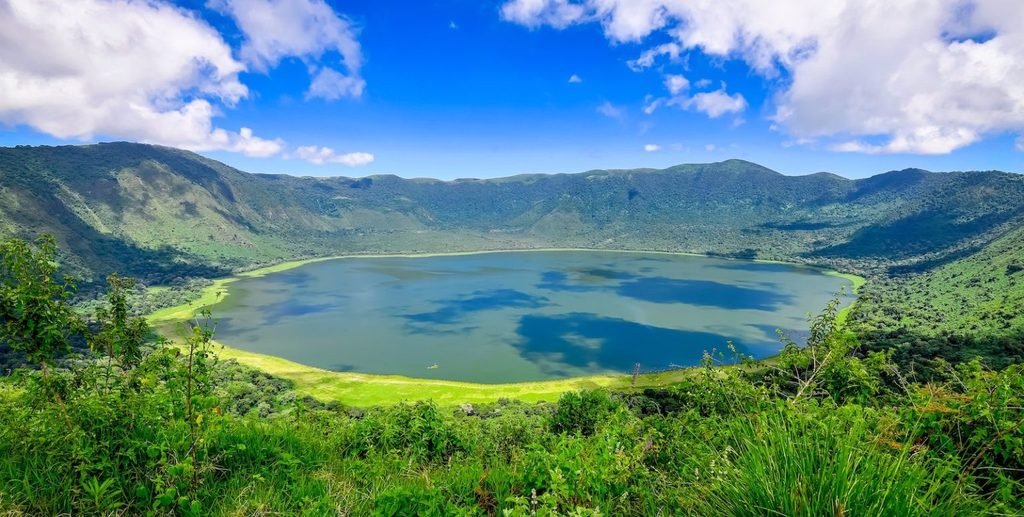
Ngorongoro provides a completely different landscape from the open plains of Serengeti.
The crater environment creates a spectacular setting for wildlife viewing, while the surrounding conservation area adds cultural and ecological importance.
It is an important destination for travellers who want to combine wildlife with dramatic scenery.
Serengeti National Park
Serengeti is synonymous with expansive plains, wildlife and the Great Migration.
The park offers opportunities for:
- Predator sightings
- Large herbivore herds
- Wildlife photography
- Migration-related experiences
- Sunrise and sunset game drives where permitted
- Multi-day exploration
Tanzania’s official tourism information describes Serengeti as one of the country’s iconic safari landscapes. Tanzania Tourism
3. Consider Southern Tanzania for a Different Safari Experience
Travellers who want to explore beyond the classic northern circuit can consider destinations such as Ruaha National Park and Nyerere National Park.
Ruaha offers a more expansive wilderness setting, while the southern safari experience can be combined with different activities and landscapes.
Tanzania’s tourism board currently promotes Ruaha as a major wilderness destination featuring wildlife, dramatic landscapes, the Great Ruaha River and active safari experiences.
Southern Tanzania can therefore appeal to travellers who want:
- A wilderness-focused itinerary
- Longer game drives
- Remote landscapes
- Fewer major tourist hubs
- Wildlife and nature combined with cultural experiences
The choice between northern and southern Tanzania should depend on your travel goals, available time and preferred safari style.
4. Choose the Best Safari Duration
Your safari duration determines how much you can realistically experience.
2-Day Safari
Suitable for travellers with limited time.
Possible combinations include:
Tarangire And Ngorongoro
This can provide a compact introduction to northern Tanzania.
3-Day Safari
A three-day itinerary can offer a stronger wildlife experience.
A common structure is:
Day 1 – Tarangire
Day 2 – Ngorongoro
Day 3 – Departure or additional wildlife experience
Another possibility is focusing on Serengeti depending on your arrival point and transport arrangements.
4–5-Day Safari
This is a useful range for travellers who want to experience several major northern destinations without taking a very long holiday.
Possible combination:
Tarangire → Serengeti → Ngorongoro
6–8-Day Safari
With more time, you can slow down the itinerary and spend multiple nights in Serengeti.
This is especially useful when wildlife viewing is more important than simply checking destinations off a list.
9–14 Days
Longer safaris can combine:
- Northern Tanzania
- Southern Tanzania
- Cultural experiences
- Kilimanjaro activities
- Zanzibar
The longer the safari, the more important it becomes to balance driving time with time spent actually enjoying each destination.
5. Plan Around the Safari Season
Your travel dates matter.
Tanzania can offer wildlife experiences throughout the year, but different seasons can create different conditions for wildlife, landscapes, prices and visitor levels.
Instead of asking only:
“When is the best time to visit Tanzania?”
ask:
“What do I want to see, and when can I travel?”
For example, someone interested in migration-related experiences may plan differently from someone primarily interested in scenery, birdwatching or a quieter safari.
Dry-season considerations
Dry periods can make wildlife viewing attractive because animals may concentrate around available water sources in some areas.
Green-season considerations
Greener periods can provide beautiful scenery, fresh vegetation and excellent photographic conditions.
Migration planning
The Great Migration does not operate according to a simple fixed calendar. The movement of wildlife changes according to rainfall, grazing conditions and location.
Therefore, if migration is your main goal, your itinerary should be designed around the specific area and period you intend to visit, rather than assuming the animals will always be in the same place.
6. Decide Between Private and Group Safari
One of the biggest decisions affecting your safari experience and price is whether you want a private safari or shared group safari.
Private Safari
A private safari gives you more flexibility.
You may have greater control over:
- Departure times
- Game-drive duration
- Photography stops
- Daily itinerary
- Accommodation choices
- Family requirements
It is particularly useful for couples, families, photographers and travellers with specific interests.
Group Joining Safari
A group safari can reduce the overall cost because transportation and some operational expenses are shared.
It can be suitable for:
- Solo travellers
- Budget-conscious travellers
- Young adventurers
- Travellers who enjoy meeting other people
However, the itinerary is usually less flexible than a private safari.
7. Understand What Determines Tanzania Safari Cost
There is no single price for a Tanzania safari because several factors influence the final cost.
The main factors include:
Safari duration
A 2-day safari naturally requires fewer accommodation nights and operational days than an 8-day safari.
Accommodation
Your choice can range from:
- Budget camping
- Public or basic campsites
- Mid-range lodges
- Tented camps
- Luxury lodges
- Premium safari camps
Private versus shared vehicle
A private vehicle generally costs more per traveller than sharing with other guests.
Park and conservation fees
National park and conservation-area fees form part of the safari operating cost.
Transport
Road safaris, domestic flights and transfers can produce significantly different costs.
Season
Accommodation and safari demand can vary depending on travel dates.
Number of travellers
A private safari for one or two people can have a different per-person cost from a private vehicle shared by a larger family or group.
8. Example Tanzania Safari Cost Structure
For planning purposes, you can think of your budget in three broad categories:
| Safari Style | Typical Experience |
|---|---|
| Budget | Shared safari, camping, simple accommodation |
| Mid-Range | Comfortable lodges/tented camps, shared or private arrangements |
| Luxury | Premium lodges/camps, private vehicle, upgraded services |
| Luxury Plus | High-end camps, flights, private experiences and premium services |
Exact prices should always be quoted according to travel dates, number of travellers, accommodation category, route and inclusions.
A professional safari quotation should clearly explain what is included rather than simply giving one attractive headline price.
9. Know What Should Be Included in Your Safari Package
Before paying for a safari, carefully check the inclusions.
A package may include:
- Airport transfers
- Safari vehicle
- Professional safari guide
- Fuel
- Park fees
- Accommodation
- Meals
- Drinking water
- Game drives
- Government taxes
Some packages may exclude:
- International flights
- Visa
- Travel insurance
- Tips
- Alcoholic beverages
- Personal purchases
- Optional activities
- Laundry
- Additional accommodation before or after the safari
Always ask for a detailed itinerary and cost breakdown.
10. Prepare the Right Safari ClothingThe Ultimate Tanzania Safari Planning Guide 2026–2028
Safari clothing should be practical rather than purely fashionable.
Consider packing:
- Lightweight trousers
- Comfortable shirts
- Fleece or light jacket
- Comfortable walking shoes
- Hat
- Sunglasses
- Light rain jacket
- Small daypack
- Reusable water bottle
- Camera equipment
- Binoculars
- Personal medication
Neutral colours can be practical for wildlife viewing and photography.
Morning game drives can also be surprisingly cool, particularly in elevated areas such as the Ngorongoro region.
11. Take Care of Travel Documents Early
International travellers should organize travel documents well before departure.
Tanzania’s official immigration system provides an online visa application platform for visitors.
Current immigration guidance states that applicants should have a passport with at least six months’ validity and an unused visa page, while visitors may also be required to show a return ticket.
Because visa requirements can vary according to nationality and regulations can change, travellers should check the official Tanzania Immigration information close to their departure date.
12. Think About Health and Travel Insurance
A safari is an outdoor adventure, so preparation is important.
Before travelling, consider:
- Travel insurance
- Medical consultation
- Prescription medication
- Personal first-aid supplies
- Sun protection
- Insect protection
- Hydration
- Emergency contact information
Your travel insurance should be appropriate for the activities included in your itinerary.
If your trip combines safari, hiking, Kilimanjaro climbing or water activities in Zanzibar, make sure your insurance covers the activities you actually plan to undertake.
13. Choose Accommodation According to Your Travel Style:The Ultimate Tanzania Safari Planning Guide 2026–2028
Accommodation is one of the easiest ways to customize a Tanzania safari.
Budget Camping
Ideal for travellers who prioritize adventure and affordability.
Mid-Range Lodges
A popular choice for travellers who want comfort without moving into premium luxury pricing.
Luxury Lodges
Designed around comfort, location, service and an elevated safari experience.
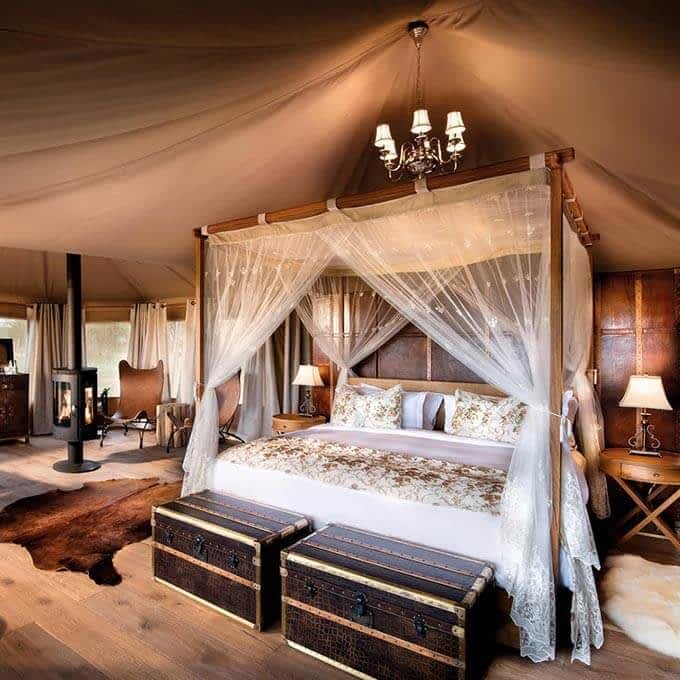
Luxury Tented Camps
These can provide a balance between wilderness atmosphere and high-end accommodation.
When choosing accommodation, don’t look only at the room.
Consider:
- Location
- Distance from wildlife areas
- Meal quality
- Room facilities
- Guest reviews
- Camp atmosphere
- Game-drive logistics
- Transfer times
14. Don’t Try to Visit Too Many Parks
One of the most common planning mistakes is trying to squeeze too many destinations into a short safari.
For example, a traveller with only four days may want to visit five parks.
That can create a schedule dominated by driving.
A better approach is to allow enough time for meaningful wildlife experiences.
Quality of time in a destination can be more valuable than the number of destinations visited.
A well-designed 5-day safari through a few carefully selected destinations can feel more rewarding than an extremely rushed itinerary covering many parks.
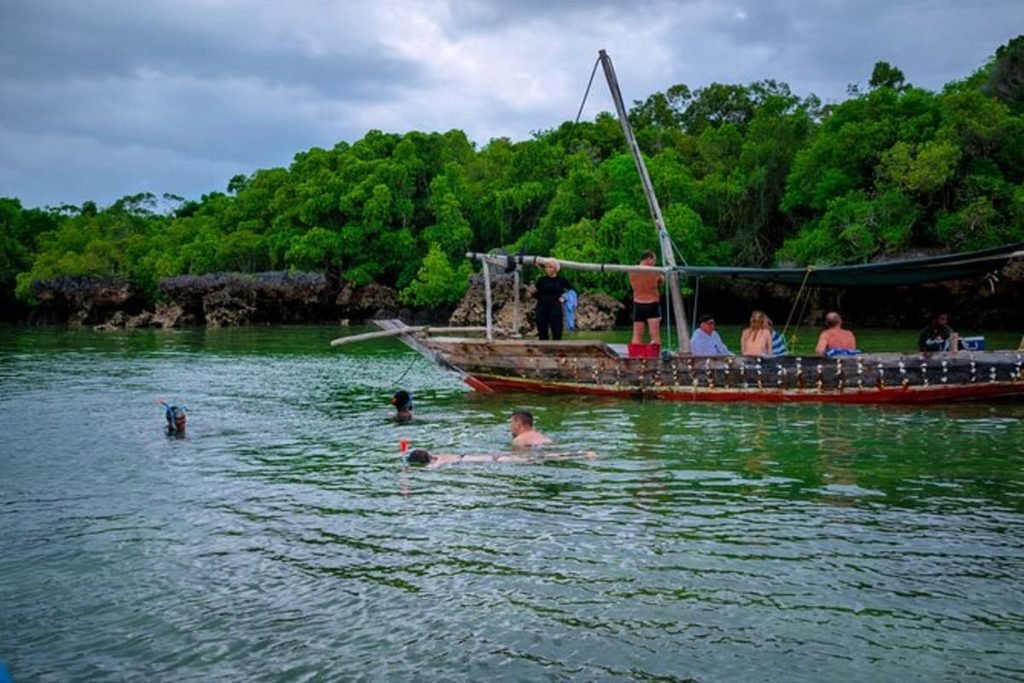
15. Consider Adding Zanzibar:The Ultimate Tanzania Safari Planning Guide 2026–2028
If you have additional holiday time, Tanzania provides an excellent opportunity to combine safari and beach travel.
A classic combination can be:
Safari → Zanzibar → Beach relaxation
For example:
Day 1: Tarangire
Day 2: Ngorongoro
Days 3–5: Serengeti
Days 6–8: Zanzibar
This allows you to experience Tanzania’s wildlife and then finish your holiday beside the Indian Ocean.
16. Choose Your Safari Based on Your Budget
Your budget does not need to determine whether you visit Tanzania. Instead, it should determine how you structure the trip.
If your budget is limited:
- Consider a group joining safari
- Choose camping
- Reduce unnecessary transfers
- Select fewer parks
- Travel during suitable lower-demand periods
If you have a mid-range budget:
- Choose comfortable lodges
- Combine shared or private transportation
- Focus on the parks most important to you
If you prefer luxury:
- Choose premium accommodation
- Consider private vehicles
- Spend more nights in key destinations
- Add domestic flights where they improve the itinerary
- Combine safari with a luxury Zanzibar stay
17. Make Wildlife Your Priority, Not Just Your Checklist
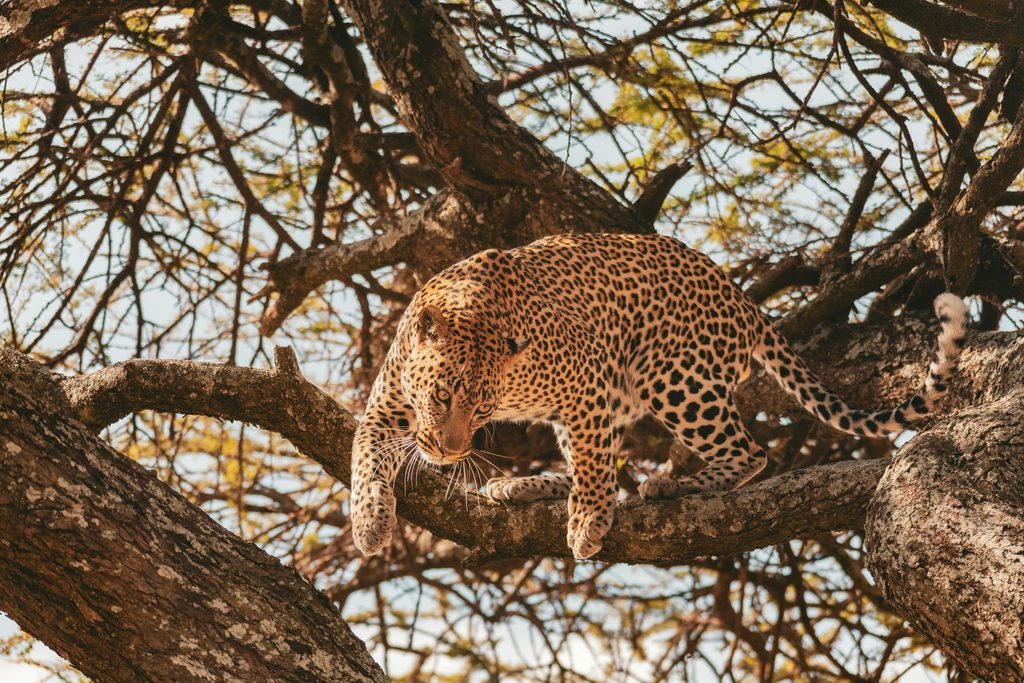
A safari is not a zoo.Wild animals move freely, and sightings can never be guaranteed.Your guide may know where animals were recently observed, but nature remains unpredictable.
You may encounter:
- Lions
- Leopards
- Cheetahs
- Elephants
- Buffalo
- Giraffes
- Zebras
- Wildebeest
- Hippos
- Hyenas
- Antelopes
- Birds and reptiles
The most memorable safari moments are often unexpected.
Instead of measuring success only by the number of animals photographed, give yourself time to appreciate the environment itself.
18. Choose a Safari Operator Carefully
Before booking, evaluate the actual service being offered.
Check whether the package clearly provides:
- A detailed itinerary
- Transparent pricing
- Vehicle information
- Accommodation names
- Guide arrangements
- Park fees
- Meal information
- Airport transfers
- Emergency arrangements
- Cancellation terms
- Payment conditions
Avoid booking purely because a package has the lowest advertised price.
A very low initial price can sometimes exclude important services that later appear as additional costs.
19. Build Your Ideal Tanzania Safari
A strong safari planning formula is:
Travel Goal , Season , Parks ,Duration , Accommodation , Transport , Budget And Your Safari Plan
For example:
Classic 3-Day Safari
Tarangire → Ngorongoro → Departure
Best suited to travellers with limited time.
Classic 5-Day Safari
Tarangire → Serengeti → Ngorongoro
A broader northern Tanzania experience.
7-Day Wildlife Adventure
Tarangire → Serengeti → Ngorongoro + additional Serengeti time
More time for wildlife exploration.
8-Day Safari + Zanzibar
Tarangire → Serengeti → Ngorongoro → Zanzibar
A combination of wildlife and tropical beach relaxation.
20. The Ultimate Tanzania Safari Planning Checklist
Before you finalize your 2026–2028 safari, confirm the following:
Before Booking
- Choose your travel dates
- Decide your main wildlife interests
- Select the safari circuit
- Choose your safari duration
- Set your budget
- Decide between private and group safari
- Select accommodation level
- Decide whether to include Zanzibar
Before Departure
- Confirm passport validity
- Check visa requirements
- Arrange travel insurance
- Confirm airport transfers
- Confirm accommodation
- Review your itinerary
- Prepare appropriate clothing
- Organize medication
- Prepare camera and binoculars
- Keep copies of important documents
Before Paying
Ask for:
- Complete itinerary
- Complete quotation
- Inclusions
- Exclusions
- Accommodation details
- Transport details
- Payment schedule
- Cancellation policy
- Contact information
Final Thoughts: Make Your 2026–2028 Tanzania Safari Truly Unforgettable
Planning the perfect Tanzania safari is not about finding the longest itinerary or visiting the greatest number of parks. It is about creating a journey that matches your time, budget, interests and expectations.
For many travellers, the combination of Tarangire, Ngorongoro and Serengeti provides a powerful introduction to northern Tanzania, while destinations such as Ruaha and Nyerere can offer a different wilderness experience. Tanzania’s official tourism resources continue to promote these destinations as important components of the country’s diverse safari offering.
For 2026–2028, the strongest planning approach is therefore to start with one question:
What do you want your Tanzania safari to feel like?
Once that is clear, you can choose the right parks, season, accommodation, transportation and budget around it.
Book Your Tanzania Safari 2026–2028
Whether you are planning a 3-day short safari, 5-day classic wildlife adventure, 7-day northern circuit safari, luxury safari, budget camping safari, Great Migration experience, or Tanzania Safari & Zanzibar holiday, a carefully designed itinerary can turn your visit into a memorable African adventure.
Eko Tanzania Adventures can structure your safari around your preferred travel dates, destinations, accommodation level, wildlife interests and budget, with the itinerary designed to give you meaningful time in Tanzania’s remarkable wilderness rather than simply rushing between destinations.