Top 10 Highest Mountains in Africa: 2027–2028;Africa is often associated with warm weather, endless savannahs, tropical beaches, and incredible wildlife. But the continent is also home to some of the most spectacular mountains in the world.
From the snow-covered summit of Mount Kilimanjaro in Tanzania to the rugged peaks of the Rwenzori Mountains in Uganda and the dramatic highlands of Ethiopia, Africa offers remarkable opportunities for hiking, trekking, climbing, photography, and adventure travel.
For travelers planning an African mountain adventure in 2027 or 2028, knowing the highest mountains on the continent can help you choose a destination that matches your experience, fitness level, interests, and travel plans.
This guide explores the Top 10 Highest Mountains in Africa, including their elevations, locations, characteristics, climbing opportunities, and what travelers should know before visiting.
Top 10 Highest Mountains in Africa at a Glance:Top 10 Highest Mountains in Africa: 2027–2028
| Rank | Mountain | Elevation | Country |
|---|---|---|---|
| 1 | Mount Kilimanjaro | 5,895 m | Tanzania |
| 2 | Mount Kenya | 5,199 m | Kenya |
| 3 | Mount Stanley | 5,109 m | Uganda / DR Congo |
| 4 | Mount Speke | 4,890 m | Uganda |
| 5 | Mount Baker | 4,844 m | Uganda |
| 6 | Mount Emin | 4,798 m | Uganda / DR Congo |
| 7 | Mount Gessi | 4,715 m | Uganda |
| 8 | Mount Meru | 4,566 m | Tanzania |
| 9 | Mount Karisimbi | 4,507 m | Rwanda / DR Congo |
| 10 | Mount Elgon | 4,321 m | Uganda / Kenya |
Elevations and rankings can vary slightly between sources depending on how individual peaks and mountain massifs are measured.
1. Mount Kilimanjaro – Tanzania:Top 10 Highest Mountains in Africa: 2027–2028
Elevation: 5,895 meters
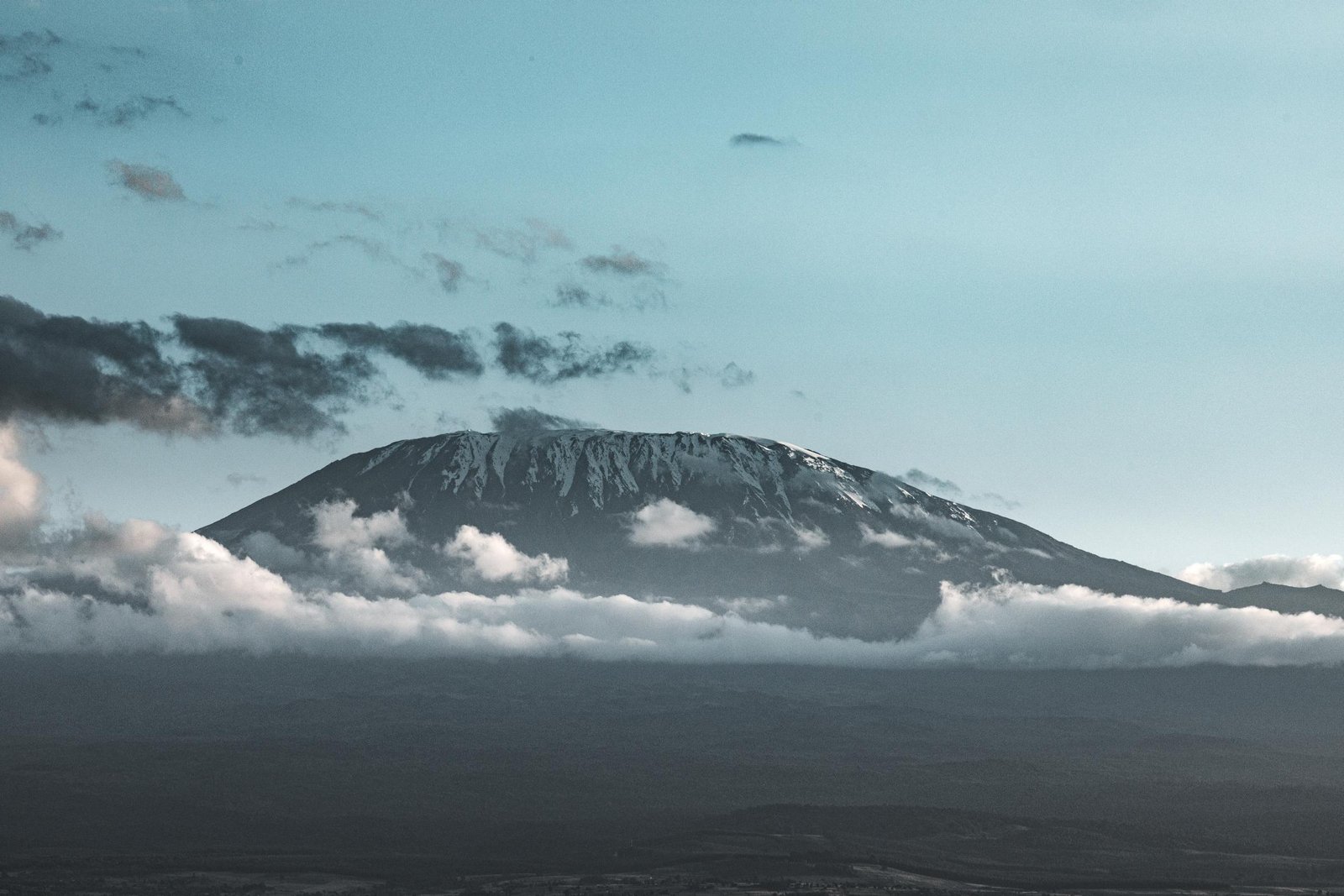
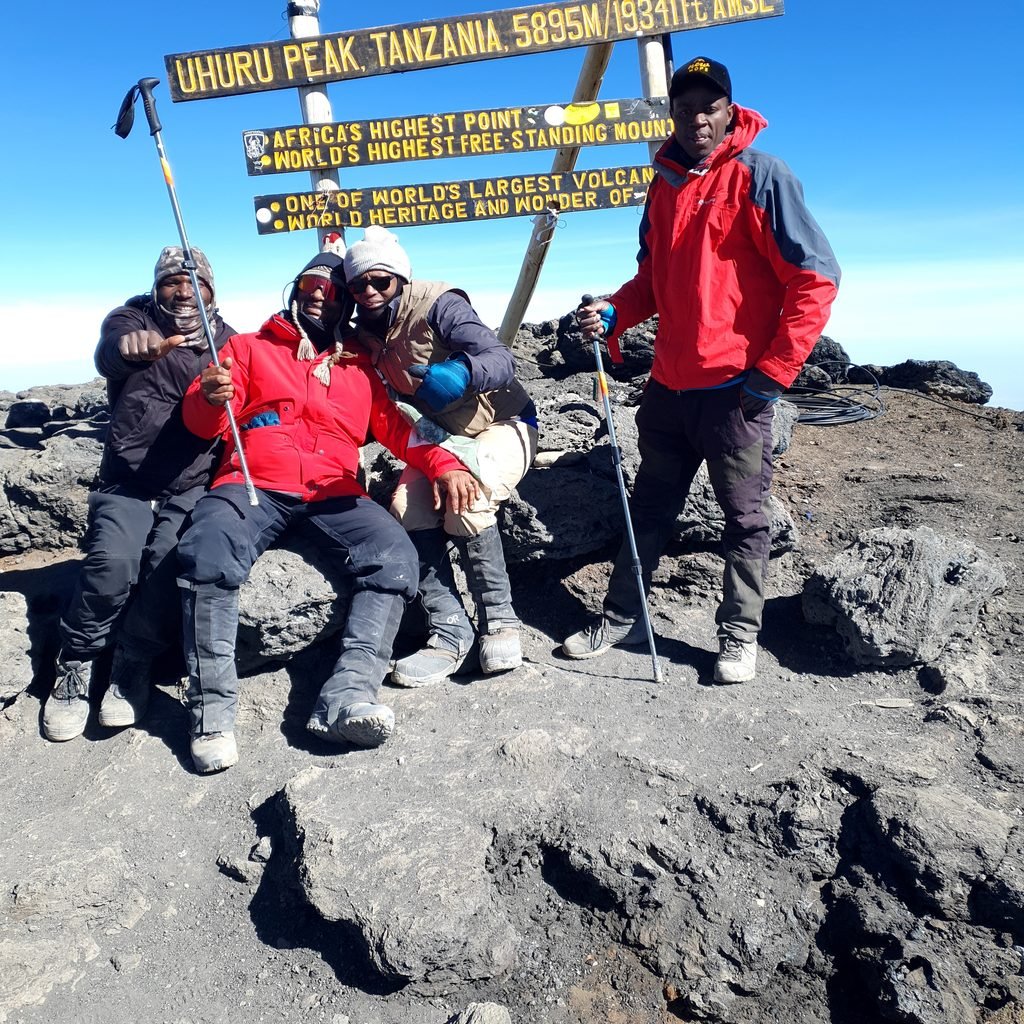
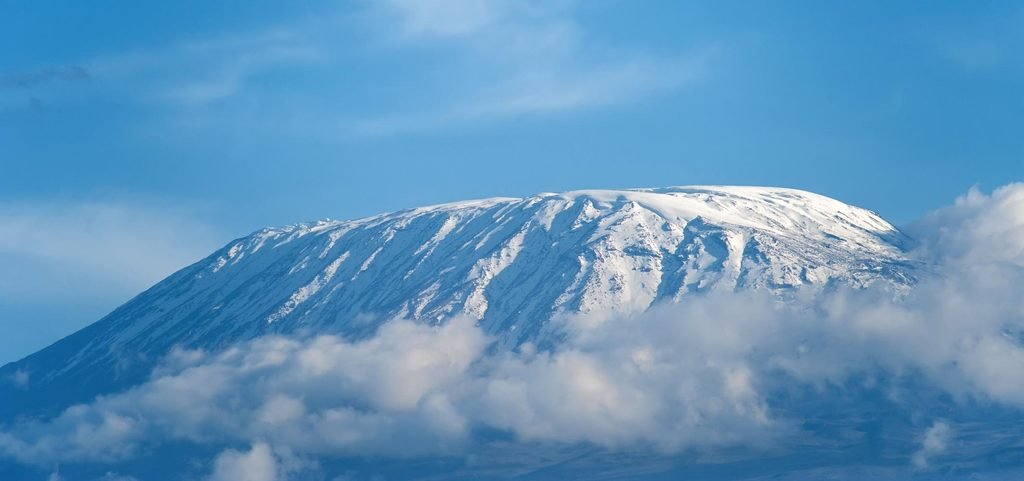
Mount Kilimanjaro is the highest mountain in Africa and one of the world’s most famous trekking destinations.
Located in northern Tanzania near the town of Moshi, Kilimanjaro rises dramatically above the surrounding landscape. Unlike many of the world’s highest mountains, it does not require technical mountaineering skills on the standard trekking routes.
This makes Kilimanjaro particularly attractive to adventure travelers who want to experience a high-altitude summit without needing advanced rock-climbing or mountaineering experience.
Kilimanjaro is a volcanic mountain made up of three major volcanic cones:
- Kibo
- Mawenzi
- Shira
Uhuru Peak, located on Kibo, is the highest point at 5,895 meters.
Why climb Kilimanjaro?
The mountain offers a remarkable variety of landscapes as you ascend.
You may pass through:
- Cultivated farmland
- Rainforest
- Moorland
- Alpine desert
- High-altitude volcanic terrain
- Snow and ice near the summit
This dramatic environmental change is one of the reasons Kilimanjaro is so special.
Popular Kilimanjaro routes
Travelers can choose from several routes, including:
- Machame Route
- Lemosho Route
- Marangu Route
- Rongai Route
- Northern Circuit
- Umbwe Route
For many hikers, routes with more days and better acclimatization opportunities are preferable.
Best for
Kilimanjaro is ideal for travelers looking for:
- A major African trekking adventure
- A non-technical high-altitude climb
- Incredible landscapes
- A personal physical challenge
- A Tanzania safari and mountain combination
For 2027–2028, travelers should plan well in advance, particularly if they have specific travel dates or want a private climb.
2. Mount Kenya – Kenya
Elevation: 5,199 meters
Mount Kenya is the second-highest mountain in Africa.
Located in central Kenya, the mountain is an ancient volcanic massif with several impressive peaks.
The highest points are Batian and Nelion, while Point Lenana is the highest summit that most trekking visitors attempt without technical climbing.
Mount Kenya is famous for its dramatic scenery, including rocky peaks, alpine landscapes, glaciers, valleys, and high-altitude vegetation.
Trekking Mount Kenya
The mountain offers several routes, with popular options including:
- Sirimon Route
- Chogoria Route
- Naro Moru Route
A combination of routes can provide an especially scenic experience.
What makes Mount Kenya special?
Unlike Kilimanjaro, Mount Kenya has a more rugged and technical character around its highest peaks.
However, travelers who do not have technical climbing experience can still enjoy trekking to Point Lenana.
Best for
Mount Kenya is particularly suitable for travelers who want:
- High-altitude trekking
- Dramatic mountain scenery
- Alpine environments
- A Kenya adventure combined with safari
3. Mount Stanley – Uganda and Democratic Republic of the Congo
Elevation: 5,109 meters
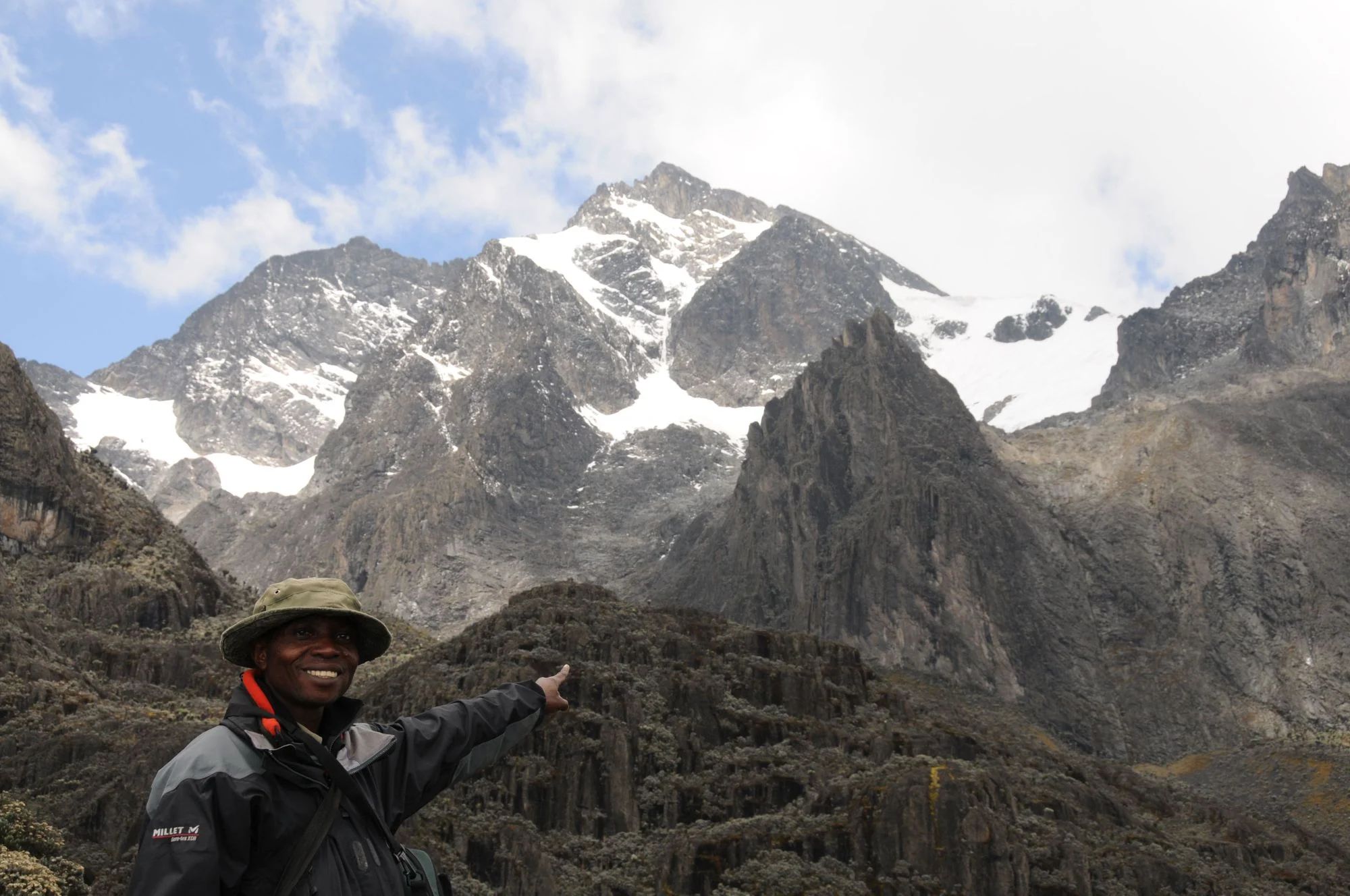
Mount Stanley is the third-highest mountain in Africa and part of the spectacular Rwenzori Mountains.
The mountain lies on the border between Uganda and the Democratic Republic of the Congo.
Its highest point, Margherita Peak, reaches approximately 5,109 meters.
The Rwenzori Mountains are sometimes called the “Mountains of the Moon,” a name that reflects their mysterious landscapes and long-standing historical reputation.
Why visit Mount Stanley?:Top 10 Highest Mountains in Africa: 2027–2028
The Rwenzori environment is very different from Kilimanjaro.
Instead of simply climbing through broad volcanic slopes, trekkers encounter:
- Dense vegetation
- Giant lobelias
- Bamboo forests
- Alpine valleys
- Boggy terrain
- Glacial landscapes
- Rocky high-altitude peaks
The journey itself is a major part of the experience.
Best for
Mount Stanley is best suited to experienced trekkers who want a more demanding and wild mountain adventure.
4. Mount Speke – Uganda
Elevation: approximately 4,890 meters
Mount Speke is another major peak in Uganda’s Rwenzori Mountains.
It is located within the same extraordinary mountain system as Mount Stanley and Mount Baker.
The mountain is known for its rugged terrain, dramatic ridges, and alpine environment.
Mount Speke has several summits, and reaching its higher areas requires more advanced trekking and climbing skills than a typical African hiking trip.
What makes Mount Speke interesting?
The Rwenzori Mountains are famous for their unusual vegetation and wet mountain environment.
Visitors can encounter giant plants and landscapes that feel completely different from the dry savannahs associated with much of East Africa.
Mount Speke is therefore an excellent destination for adventurous travelers who want something beyond the classic Kilimanjaro experience.
5. Mount Baker – Uganda
Elevation: approximately 4,844 meters
Mount Baker is another spectacular peak in the Rwenzori Mountains.
It is located close to Mount Stanley and Mount Speke and forms part of the rugged high-altitude landscape of western Uganda.
The mountain is named after the British explorer Samuel Baker.
The surrounding Rwenzori environment is one of the most unusual mountain ecosystems in Africa.
Trekkers may encounter dense vegetation at lower elevations before entering alpine terrain higher on the mountain.
Best for
Mount Baker is suitable for experienced adventure travelers interested in:
- Remote trekking
- Rwenzori landscapes
- High-altitude hiking
- Challenging mountain environments
6. Mount Emin – Uganda and Democratic Republic of the Congo:Top 10 Highest Mountains in Africa: 2027–2028
Elevation: approximately 4,798 meters
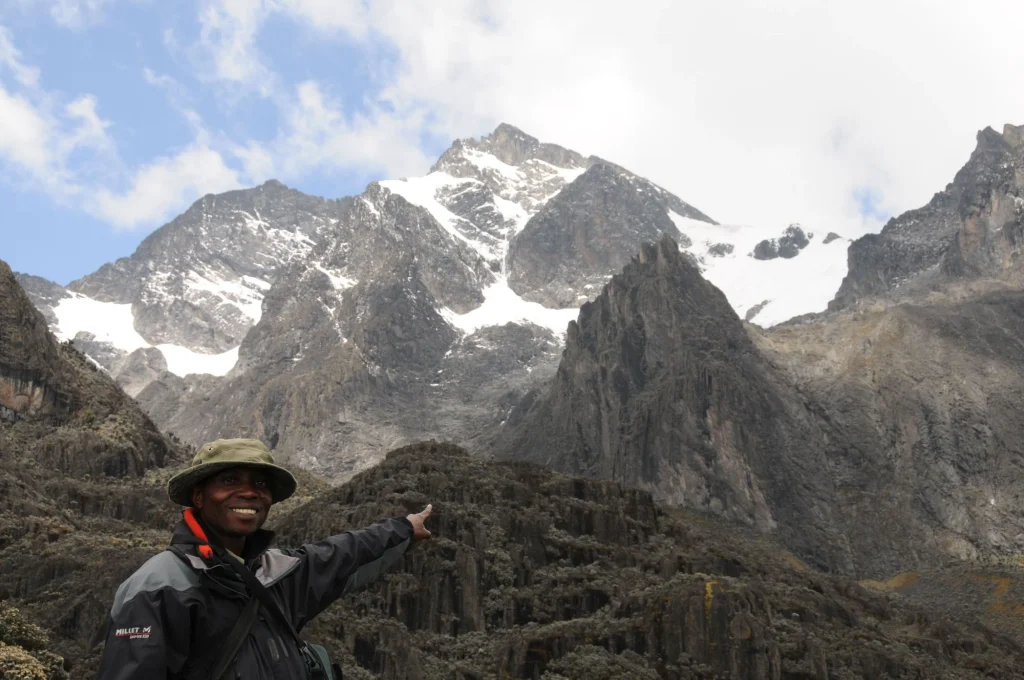
Mount Emin is another important peak in the Rwenzori mountain system.
Although it receives less international attention than Kilimanjaro and Mount Kenya, it is an impressive destination for serious mountain enthusiasts.
Its location near the Uganda–DR Congo border contributes to the remote character of the region.
The mountain has rugged ridges and challenging terrain, making it more appropriate for experienced trekkers and climbers.
Why consider Mount Emin?
For travelers who want to escape the more heavily visited mountain routes, the Rwenzori peaks offer a very different experience.
The journey is not simply about reaching a summit. It is also about experiencing one of Africa’s most distinctive high-altitude environments.
7. Mount Gessi – Uganda
Elevation: approximately 4,715 meters
Mount Gessi is another impressive peak in the Rwenzori Mountains.
It is named after the Italian explorer Romolo Gessi and forms part of the rugged mountain landscape of western Uganda.
The mountain is surrounded by valleys, high-altitude vegetation, and dramatic ridges.
Compared with Kilimanjaro, climbing in the Rwenzori Mountains generally involves a wetter and more challenging environment.
Who should consider Mount Gessi?
Mount Gessi is best suited to experienced hikers and trekkers looking for an adventurous route away from the continent’s most famous trekking destinations.
8. Mount Meru – Tanzania:Top 10 Highest Mountains in Africa: 2027–2028
Elevation: approximately 4,566 meters
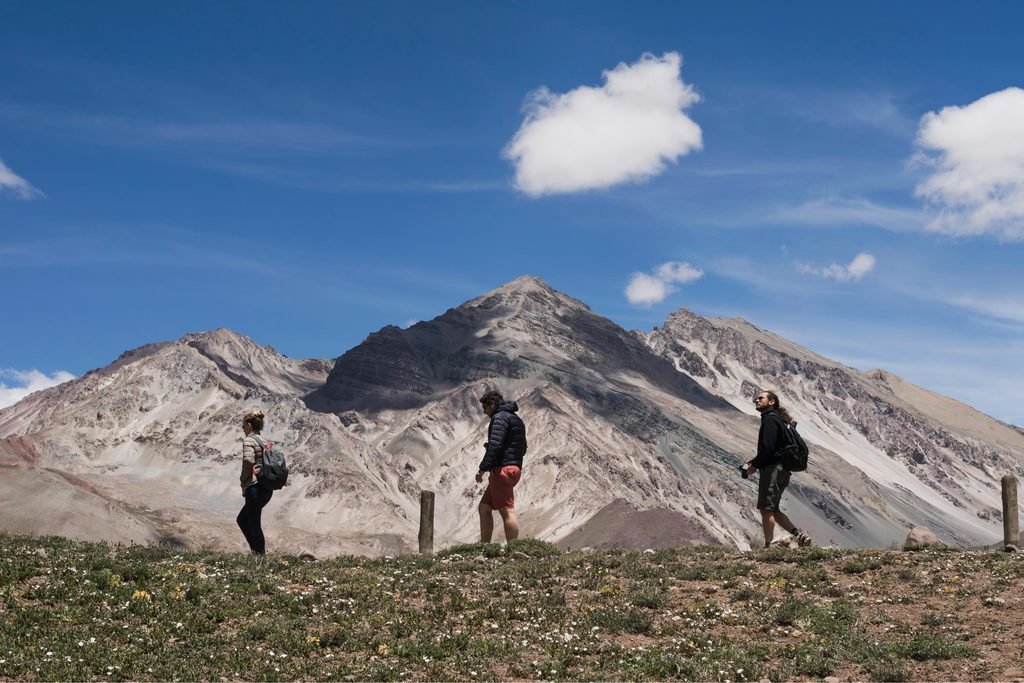
Mount Meru is Tanzania’s second-highest mountain and one of the country’s most beautiful trekking destinations.
It is located near Arusha and forms the centerpiece of Arusha National Park.
Although Mount Meru is lower than Kilimanjaro, it should not be underestimated.
The mountain offers steep sections, high-altitude terrain, and spectacular views.
One of its biggest advantages is that it can also serve as excellent preparation for a Kilimanjaro climb.
Why climb Mount Meru?
The route offers a combination of:
- Forest
- Wildlife
- Rocky terrain
- Alpine landscapes
- Spectacular views
- A challenging summit experience
Because the mountain is located near Arusha, it can also be combined conveniently with a Tanzania safari.
Best combination
A popular adventure itinerary can combine:
Mount Meru Trek + Tanzania Safari + Zanzibar Beach Holiday
This creates a diverse trip involving mountains, wildlife, and tropical beaches.
9. Mount Karisimbi – Rwanda and Democratic Republic of the Congo
Elevation: approximately 4,507 meters
Mount Karisimbi is one of the famous volcanoes of the Virunga Mountains.
It lies along the border between Rwanda and the Democratic Republic of the Congo.
The mountain is part of a volcanic region known for extraordinary landscapes and mountain gorilla habitat.
Karisimbi’s name is associated with the word for white shell, referring to the snow or clouds that can surround the summit.
Why visit Mount Karisimbi?
The area offers a combination of:
- Volcano trekking
- Forest landscapes
- Mountain scenery
- Gorilla tourism in the wider region
- Unique East African culture
Travelers interested in volcanoes and wildlife can create a particularly memorable Rwanda itinerary around the region.
10. Mount Elgon – Uganda and Kenya
Elevation: approximately 4,321 meters
Mount Elgon sits along the Uganda–Kenya border.
Unlike the sharp peaks of Mount Kenya or the volcanic cone of Kilimanjaro, Mount Elgon is an enormous ancient volcano with a very wide summit area.
One of its most remarkable features is its enormous caldera.
The mountain is also known for caves, waterfalls, forests, cliffs, and diverse vegetation.
Why hike Mount Elgon?
Mount Elgon can be an excellent choice for travelers who prefer trekking through remote landscapes rather than chasing a single high summit.
The mountain offers opportunities to experience nature, local communities, forests, and dramatic volcanic scenery.
Comparing Africa’s Highest Mountains
Each mountain offers a different experience.
| Mountain | Height | Country | Best Known For |
|---|---|---|---|
| Kilimanjaro | 5,895 m | Tanzania | Highest mountain in Africa |
| Mount Kenya | 5,199 m | Kenya | Rugged peaks and alpine trekking |
| Mount Stanley | 5,109 m | Uganda/DRC | Rwenzori high peaks |
| Mount Speke | ~4,890 m | Uganda | Rwenzori alpine environment |
| Mount Baker | ~4,844 m | Uganda | Remote mountain trekking |
| Mount Emin | ~4,798 m | Uganda/DRC | Rugged Rwenzori terrain |
| Mount Gessi | ~4,715 m | Uganda | High-altitude adventure |
| Mount Meru | ~4,566 m | Tanzania | Scenic trek near Arusha |
| Mount Karisimbi | ~4,507 m | Rwanda/DRC | Volcano trekking |
| Mount Elgon | ~4,321 m | Uganda/Kenya | Huge caldera and wilderness |
Which African Mountain Should You Climb in 2027–2028?
The answer depends on your experience and what you want from your trip.
Choose Kilimanjaro if…
You want to climb the highest mountain in Africa and experience a famous non-technical trekking challenge.
Choose Mount Kenya if…
You want a more rugged mountain environment and are interested in technical climbing or high-altitude trekking.
Choose the Rwenzori Mountains if…
You want a remote, challenging adventure with unusual vegetation, wet landscapes, and dramatic alpine scenery.
Choose Mount Meru if…
You want a shorter Tanzanian mountain adventure that can be combined with a safari or used as preparation for Kilimanjaro.
Choose Mount Karisimbi if…
You are interested in volcanic landscapes and want to explore Rwanda’s spectacular mountain region.
Choose Mount Elgon if…
You prefer wilderness trekking, caves, forests, and enormous volcanic landscapes.
Best Time to Climb Africa’s Highest Mountains
Weather is an important consideration when planning a mountain trip.
Conditions vary significantly between countries and mountain ranges, so there is no single “best month” for every mountain.
For Kilimanjaro and Mount Meru, the generally drier periods are often preferred by trekkers.
For the Rwenzori Mountains, conditions can be wetter throughout the year, and trekkers should be prepared for muddy trails and changing weather.
For Mount Kenya, climbing conditions also depend on the season and route.
The best approach is to choose your dates based on the specific mountain rather than assuming that the ideal safari season is automatically the ideal mountain-climbing season.
What to Pack for an African Mountain Trek
Your packing list should depend on the mountain, route, duration, and altitude.
However, most high-altitude treks require some combination of:
- Waterproof hiking boots
- Warm layers
- Waterproof jacket
- Thermal base layers
- Hiking trousers
- Warm hat
- Gloves
- Sunglasses
- Sun protection
- Headlamp
- Sleeping bag where required
- Backpack
- Water bottles or hydration system
- Trekking poles
- Personal first-aid supplies
- High-energy snacks
- Personal medication
- Camera or phone
Do not underestimate the temperature at high altitude.
A mountain may begin in a warm tropical environment and become extremely cold near the summit.
Altitude and Physical Preparation
Climbing a high African mountain is not simply a test of strength.
Altitude can affect anyone, regardless of fitness level.
As you climb higher, the amount of available oxygen decreases. Your body needs time to adjust.
This is why acclimatization is an important part of mountain planning.
Longer routes can sometimes provide better opportunities for gradual acclimatization.
Before a major climb, prepare through regular walking, hiking, cardio exercise, and strength training.
However, physical fitness does not eliminate the risk of altitude sickness.
Always listen to your guides and take altitude-related symptoms seriously.
Combining a Mountain Trek With a Safari
One of the best things about East Africa is that you do not have to choose between mountains and wildlife.
A Tanzania adventure can combine:
Kilimanjaro or Mount Meru → Serengeti → Ngorongoro → Zanzibar
Imagine starting your trip in the mountains, continuing into the Serengeti to watch wildlife, exploring the Ngorongoro area, and finally relaxing beside the Indian Ocean in Zanzibar.
This combination allows you to experience several completely different sides of East Africa during one holiday.
Final Thoughts
Africa’s highest mountains offer much more than impressive numbers on a list.
Each mountain has its own personality.
Mount Kilimanjaro represents the iconic African summit adventure.
Mount Kenya offers rugged peaks and alpine scenery.
The Rwenzori Mountains provide a remote and unusual trekking environment.
Mount Meru offers an excellent Tanzanian hiking experience close to Arusha.
Mount Karisimbi introduces travelers to the dramatic volcanic landscapes of the Virunga region.
And Mount Elgon provides wilderness, forests, caves, and one of Africa’s most impressive volcanic landscapes.
For travelers planning an adventure in 2027–2028, the most important thing is to choose a mountain that matches your goals, experience, fitness, available time, and preferred style of travel.
And if your dream is to stand on the highest point in Africa, Mount Kilimanjaro remains the ultimate destination.
The journey to the summit is challenging, but the reward is more than reaching 5,895 meters. It is the feeling of walking through several distinct ecological zones, pushing yourself beyond your comfort zone, and finally watching the African landscape stretch out below you.