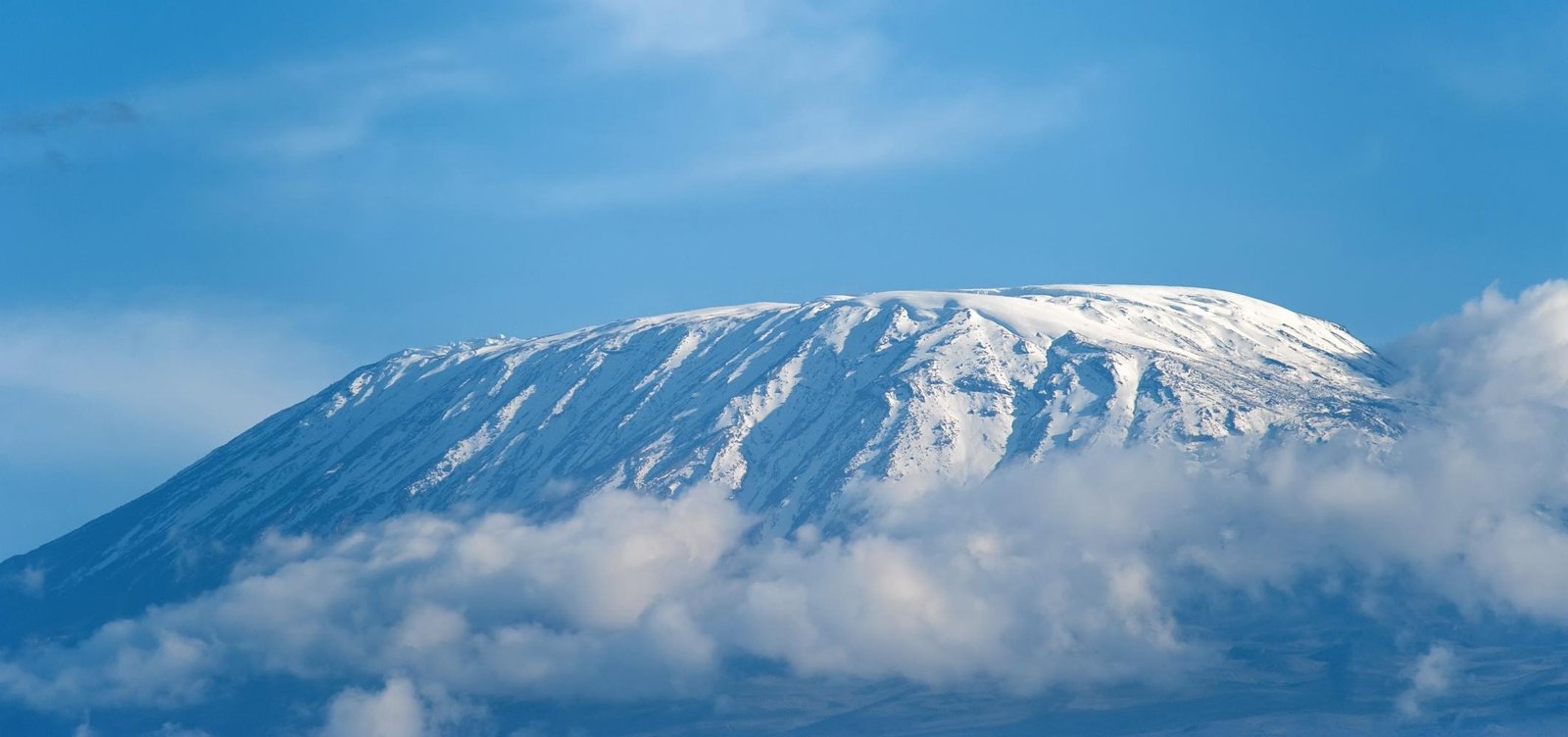
Ultimate 8 Days Machame Route Kilimanjaro Summit Expedition – 8 Powerful Reasons This Route Gives You a Real Chance in 2026–2027;Mount Kilimanjaro is more than a mountain. At 5,895 metres above sea level, it is Africa’s highest mountain and one of the world’s most recognizable trekking destinations. Reaching Uhuru Peak is a serious physical and mental challenge, but with the right route, enough acclimatization time, professional mountain support, and sensible preparation, it can become an achievable adventure.
Among the routes used to climb Kilimanjaro, the Machame Route is particularly popular because it combines spectacular scenery with a gradual approach to higher elevations. An 8-day Machame Route expedition gives climbers additional time compared with shorter itineraries, allowing the journey to be approached at a more measured pace.
This guide explains why an 8-day Machame climb can be a strong option for travelers planning their Kilimanjaro adventure in 2026 or 2027, what the itinerary normally looks like, what you should expect each day, what is included, how much preparation is needed, and how to prepare responsibly for the summit.
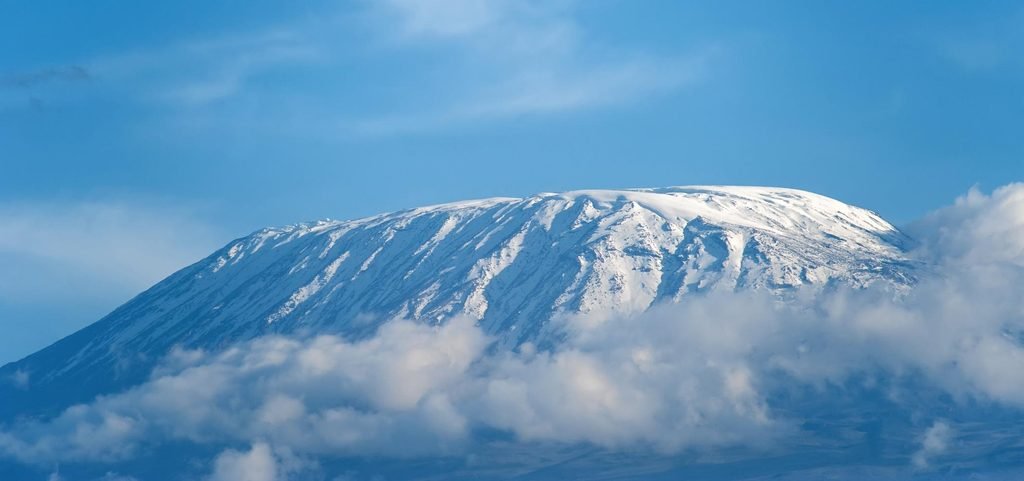
Why Choose the 8-Day Machame Route? Ultimate 8 Days Machame Route Kilimanjaro Summit Expedition – 8 Powerful Reasons This Route Gives You a Real Chance in 2026–2027
The number of days matters on Kilimanjaro.
TANAPA notes that climbing Kilimanjaro normally takes several days depending on the route and that longer itineraries can provide more opportunity for acclimatization. Its visitor guidance specifically recommends choosing an itinerary with acclimatization days, ascending slowly, staying hydrated, and reporting symptoms to your guide.
An 8-day Machame itinerary therefore gives you something extremely valuable: time.
Instead of trying to rush toward the summit, you have more opportunity to move progressively through Kilimanjaro’s different altitude zones, rest properly, manage your energy, and enjoy the landscape.
8 Powerful Reasons to Choose the 8-Day Machame Route
1. More Time for Acclimatization
Altitude is one of the most important challenges on Kilimanjaro.
The physical effort of walking uphill is only part of the challenge. As you climb higher, the air contains less available oxygen, and your body needs time to adapt.
An 8-day itinerary provides more room for a gradual ascent than many shorter programs.
Rather than treating the summit as a race, the expedition becomes a process of adaptation.
A good mountain strategy is generally:
Walk slowly , drink regularly , rest properly , listen to your guide And allow your body time to adapt.
TANAPA specifically advises climbers to ascend slowly, stay hydrated, choose itineraries with acclimatization days, and report symptoms promptly.
This does not guarantee that you will reach Uhuru Peak. Altitude affects individuals differently. However, allowing more time can make the expedition more manageable than attempting to compress the climb into a shorter schedule.
2. Machame Offers Exceptional Scenery
One of the great attractions of the Machame Route is that the landscape changes dramatically as you climb.
Your journey begins in the lower mountain environment and progresses through several ecological zones.
You can experience:
- Montane forest
- Heath and moorland
- Alpine desert
- High-altitude rocky terrain
- The dramatic summit environment of Kibo
TANAPA describes Kilimanjaro as having distinct ecological zones ranging from lush forest to moorland, alpine desert and summit icefields.
This changing scenery makes the Machame climb feel like several different adventures combined into one.
At lower elevations, the trail can be surrounded by dense vegetation and forest.
Higher up, vegetation becomes shorter and more unusual. Giant lobelias and senecios appear in the moorland environment.
Eventually, the landscape becomes increasingly dry, rocky and exposed.
Near the summit, you enter an entirely different world.
The contrast between these environments is one of the reasons climbers remember Kilimanjaro long after returning home.
3. The 8-Day Schedule Gives You Time to Enjoy the Mountain
A common mistake on major trekking adventures is concentrating so much on reaching the final destination that travelers forget to enjoy the journey.
The Machame Route is not only about Uhuru Peak.
It is also about the forests, volcanic landscapes, clouds, ridges, sunsets, changing vegetation, mountain wildlife, camp life and conversations with your guides and mountain crew.
The longer itinerary gives you more time to experience these details without constantly thinking about how quickly you must reach the next camp.
Kilimanjaro National Park protects a remarkable range of habitats. TANAPA notes that the mountain supports wildlife and birdlife across its different vegetation zones, including forest species and high-altitude specialists.
So keep your eyes open.
You may encounter birds, monkeys and other wildlife in the lower forest areas, while the higher zones become increasingly dominated by specialized plants and dramatic volcanic scenery.
4. Machame Creates a Real Trekking Experience
The Machame Route is not a simple walk to the top.
It is a genuine mountain expedition.
Each day requires effort, concentration and patience.
You will walk for several hours, sometimes over uneven volcanic terrain. Weather can change quickly, and temperatures can vary dramatically between the lower slopes and summit zone.
The expedition therefore tests several aspects of your preparation:
- Physical endurance
- Mental patience
- Walking technique
- Altitude adaptation
- Hydration habits
- Clothing management
- Ability to follow your guide
- Ability to conserve energy
The reward is that the journey itself becomes part of the achievement.
Instead of simply saying, “I climbed Kilimanjaro,” you will have experienced several days of walking through one of Africa’s most extraordinary mountain environments.
5. You Descend Through a Different Environment
Another attractive feature of the standard Machame itinerary is the opportunity to descend via the Mweka Route.
This means your ascent and descent do not have to feel like exactly the same journey.
The ascent takes you through Machame and toward the higher mountain zones, while the descent uses the Mweka side of the mountain.
TANAPA identifies Mweka as a descent route for climbers using routes such as Machame, Umbwe, Lemosho and Londorosi.
This gives the expedition a sense of progression.
You climb one side of the mountain and later experience another part of Kilimanjaro as you return toward the lower elevations.
6. The Route Is Suitable for Travelers Who Prefer a More Gradual Adventure
An 8-day Machame expedition can work well for travelers who do not want to rush their Kilimanjaro experience.
You do not need to be an elite athlete to attempt Kilimanjaro.
However, you do need reasonable physical fitness, preparation and the ability to walk for several consecutive days.
The important thing is not simply speed.
In fact, moving too quickly can work against you at altitude.
The traditional Kilimanjaro approach emphasizes patience. TANAPA’s published guidance encourages climbers to “walk slow” and allow time for acclimatization.
That principle fits perfectly with an 8-day expedition.
You have time to settle into the rhythm of the mountain.
7. Professional Mountain Support Makes a Major Difference
Kilimanjaro should not be approached as an unsupported solo hike.
TANAPA states that all climbs must be guided by a licensed operator and that solo trekking is not permitted.
A properly organized expedition normally includes professional mountain guides and support staff who help with:
- Route navigation
- Mountain safety
- Camp organization
- Weather awareness
- Altitude monitoring
- Meal arrangements
- Communication
- Emergency procedures
- Daily trekking management
A good guide does much more than simply show you where to walk.
Your guide becomes an important source of information about the mountain.
They can help you understand how slowly to walk, when to rest, how to manage your water intake, what symptoms to report, and how to respond if mountain conditions change.
For this reason, choosing a properly licensed and experienced local operator is an important part of preparing for Kilimanjaro.
8. The Summit Day Becomes More Manageable When You Prepare Properly
Summit day is normally the hardest part of the expedition.
You may begin the summit attempt during the night, depending on the itinerary and conditions.
The reason for the early start is to allow enough time to climb toward the summit, experience the sunrise around the summit area when conditions permit, reach Uhuru Peak, and begin descending.
The summit environment is completely different from the lower mountain.
You can experience:
- Very cold temperatures
- Strong winds
- Rocky terrain
- Darkness during the initial climb
- Fatigue
- Reduced oxygen availability
- Long periods of uphill walking
This is where the previous days matter.
The goal is to arrive at summit day with as much energy as possible.
That is another reason an 8-day expedition can be attractive: the itinerary is not designed simply around reaching the mountain’s highest point as quickly as possible.
It gives you time to build toward the summit.
8-Day Machame Route Itinerary:Ultimate 8 Days Machame Route Kilimanjaro Summit Expedition – 8 Powerful Reasons This Route Gives You a Real Chance in 2026–2027
The exact itinerary can vary between operators and according to mountain conditions, but a typical 8-day Machame program can look like this:
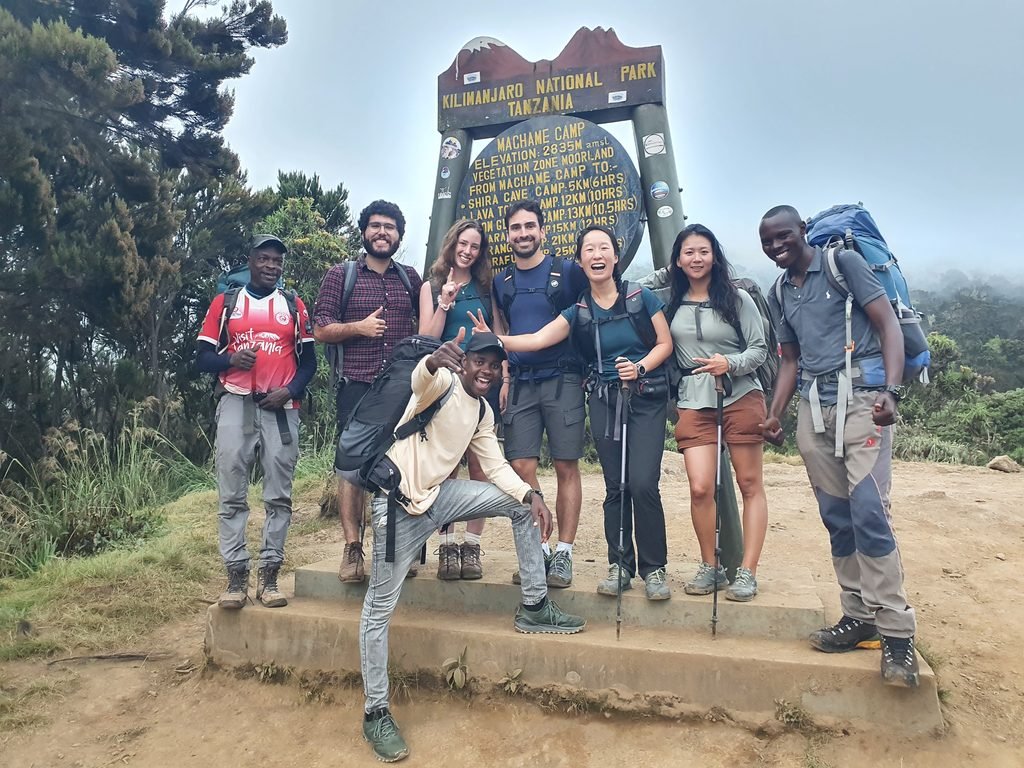
Day 1: Machame Gate – Machame Camp
Starting point: Machame Gate
Destination: Machame Camp
Environment: Montane forest
After breakfast, you travel toward Machame Gate for registration and preparation.
The first trekking day introduces you to the mountain.
The trail passes through forest, where the atmosphere can be cool, green and humid.
You should resist the temptation to walk quickly.
This is the beginning of a multi-day expedition, not a race.
Arriving at camp, you have time to eat, rest and prepare for the next day.
Day 2: Machame Camp – Shira Camp
The environment begins to change as you climb higher.
The dense forest gradually gives way to heath and moorland.
The views become wider, and you begin to appreciate the scale of the mountain.
This is also where pacing becomes increasingly important.
Your objective is to conserve energy rather than impress anyone with speed.
Day 3: Shira Camp – Lava Tower – Barranco Camp
This can be one of the most important days for acclimatization.
You climb higher toward the Lava Tower area before descending toward Barranco.
This type of profile can allow you to spend time at a higher elevation while sleeping lower than your highest point of the day.
The day may feel physically demanding, but it also introduces you to the dramatic volcanic landscape of the upper mountain.
Barranco Camp is famous for its spectacular surroundings and views of the Barranco Wall.
Day 4: Barranco Camp – Karanga Camp
After leaving Barranco, you tackle the famous Barranco Wall.
Although it looks intimidating from a distance, the route is a trekking path rather than a technical rock-climbing expedition.
Your guide helps you move carefully through the terrain.
After the wall, the trail continues through high-altitude terrain toward Karanga Camp.
This is another day when a slow and steady pace is valuable.
Day 5: Karanga Camp – Barafu Camp
You continue toward Barafu Camp.
Barafu is an important staging point for the summit attempt.
At this stage, the landscape becomes increasingly rocky and exposed.
The excitement begins to grow because Uhuru Peak is now within reach.
However, this is also the time to conserve energy.
After reaching camp, you normally eat, rest and prepare your summit equipment.
Day 6: Barafu Camp – Uhuru Peak – Millennium Camp
This is the summit day.
You typically begin the climb during the night.
The first section is challenging because of the darkness, cold temperatures and steep terrain.
You continue slowly toward Stella Point and then along the crater rim toward Uhuru Peak.
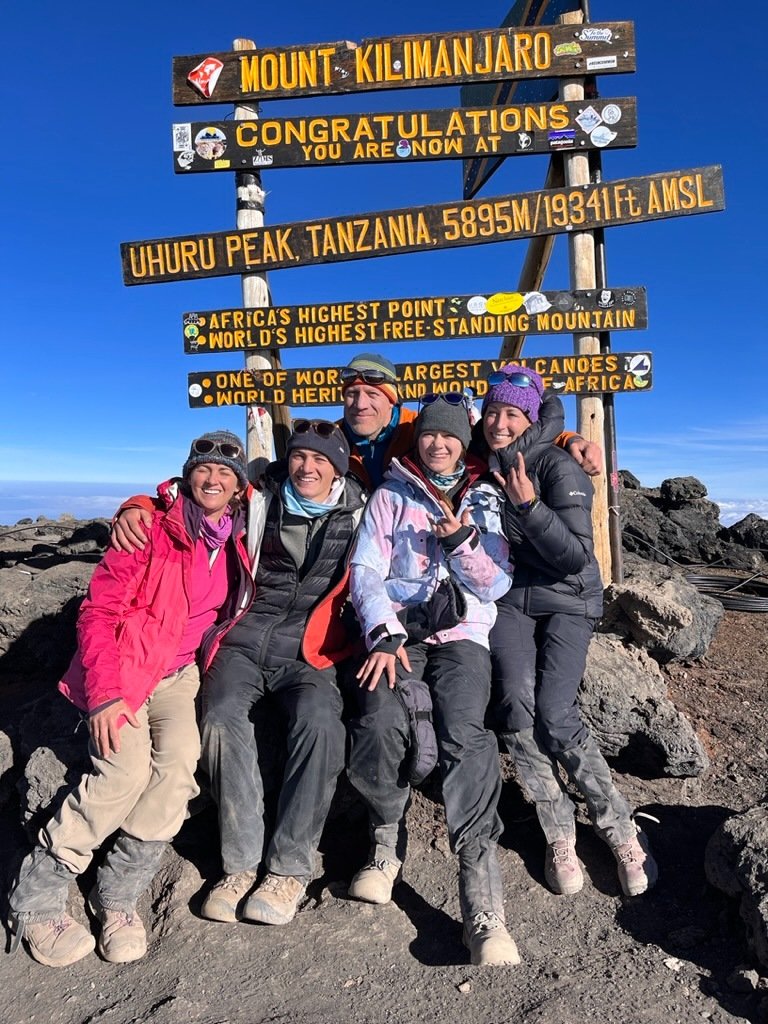
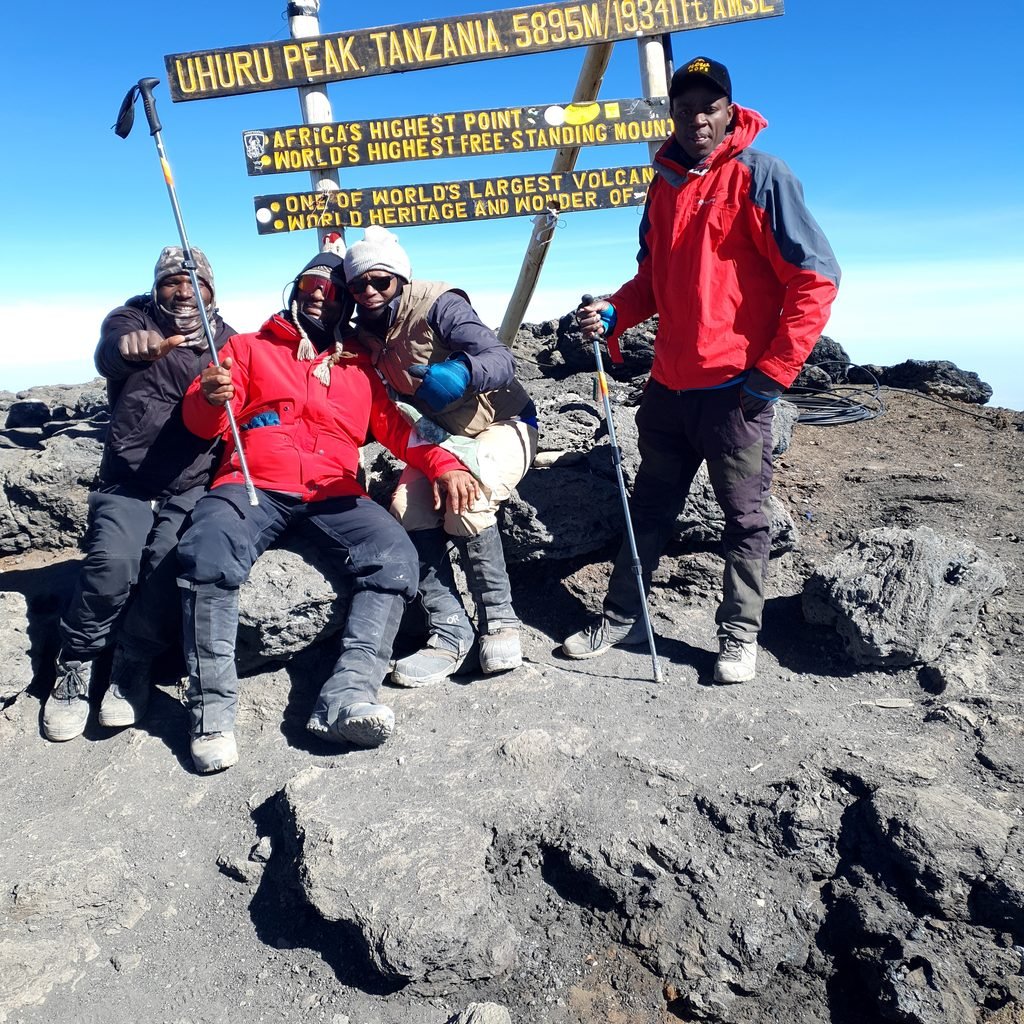
Uhuru Peak:Ultimate 8 Days Machame Route Kilimanjaro Summit Expedition – 8 Powerful Reasons This Route Gives You a Real Chance in 2026–2027
Elevation: 5,895 metres
Reaching Uhuru Peak is the main objective of the expedition.
Standing at the summit, you can look across the vast Tanzanian landscape and experience the achievement of reaching Africa’s highest point.
However, summit success should never come at the expense of safety.
If a climber becomes seriously unwell, the correct decision may be to descend.
Your guide’s safety assessment is extremely important.
After reaching the summit area, you descend toward the lower camp.
The descent can feel surprisingly difficult because of accumulated fatigue.
Day 7: Millennium Camp – Mweka Gate
After breakfast, you continue descending through the mountain’s lower ecological zones.
The air becomes warmer and the vegetation becomes greener.
Eventually, you reach Mweka Gate.
This is an important moment because the main mountain expedition has ended.
Your transport can then take you back toward your accommodation for a proper shower, meal and rest.
Day 8: Departure or Optional Tanzania Extension
The final day can be used for departure arrangements or as a flexible day depending on your travel schedule.
However, many travelers choose to extend their Tanzania experience.
After climbing Kilimanjaro, you can combine your adventure with a safari or a Zanzibar holiday.
Possible extensions include:
- Tarangire National Park
- Lake Manyara
- Ngorongoro Crater
- Serengeti National Park
- Nyerere National Park
- Zanzibar
TANAPA itself notes that Kilimanjaro combines well with Tanzania’s wildlife destinations, making a mountain-and-safari itinerary a natural way to experience more of the country.
8-Day Machame Route Difficulty
The Machame Route is challenging.
Do not choose an 8-day climb simply because you think eight days will make Kilimanjaro easy.
It will not.
The summit is still at 5,895 metres, and altitude can affect people unpredictably.
You should prepare for:
- Long walking days
- Uneven terrain
- Steep sections
- Cold temperatures
- Rain
- Strong sunlight
- Altitude
- Early starts
- Limited personal space at mountain camps
- Physical and mental fatigue
The positive side is that you have several days to develop your mountain rhythm.
Who Should Choose the 8-Day Machame Route?
This itinerary may suit travelers who:
- Want a longer Kilimanjaro experience
- Prefer a gradual approach
- Want more time for acclimatization
- Enjoy changing landscapes
- Have enough vacation time
- Want a classic trekking experience
- Are prepared to walk for several consecutive days
- Prefer not to rush their summit attempt
It can also be a good choice for travelers climbing Kilimanjaro for the first time, provided they understand that altitude and mountain conditions remain unpredictable.
Physical Preparation for Your 2026–2027 Climb
You should begin preparing several weeks or months before departure.
Your training should focus on endurance rather than only maximum strength.
Useful preparation can include:
Long-distance walking
Start with comfortable distances and gradually increase them.
Hill walking
If you have access to hills or stairs, use them to prepare your legs for elevation gain.
Cardio training
Walking, cycling, jogging or similar activities can improve cardiovascular endurance.
Strength training
Focus on legs and core.
Exercises such as:
- Squats
- Step-ups
- Lunges
- Calf raises
- Core exercises
can be useful additions to your preparation.
Practice with your backpack
Do not wait until Kilimanjaro to discover that your backpack is uncomfortable.
Train with the equipment you expect to use.
What to Pack for the 8-Day Machame Route
Your packing list should be designed for changing weather and temperatures.
Clothing
Pack layers rather than relying on one heavy jacket.
Important items include:
- Moisture-wicking base layers
- Trekking trousers
- Warm fleece
- Insulated jacket
- Waterproof jacket
- Waterproof trousers
- Warm hat
- Sun hat
- Gloves
- Hiking socks
- Comfortable trekking boots
Equipment
Consider:
- Sleeping bag suitable for cold mountain conditions
- Headlamp
- Trekking poles
- Water bottles or hydration system
- Backpack
- Duffel bag
- Sunglasses
- Sunscreen
- Personal first-aid items
- Personal medication
- Power bank
TANAPA also advises visitors to carry appropriate cold-weather and rain gear, a headlamp and personal medications.
How Much Does an 8-Day Machame Route Climb Cost?
The total cost depends on several factors.
A professional package may include:
| Package Element | Usually Included |
|---|---|
| Park fees | Yes |
| Camping fees | Yes |
| Mountain guide | Yes |
| Porters | Yes |
| Cook | Often |
| Meals on mountain | Yes |
| Drinking water | Usually |
| Airport transfers | Depending on package |
| Hotel before/after climb | Depending on package |
| Rescue arrangements | Depending on package |
| Flights | Usually excluded |
| Personal equipment | Usually excluded |
| Tips | Usually excluded |
TANAPA explains that Kilimanjaro fees vary according to visitor category, route and number of days, and that conservation, camping and other applicable fees can form part of the overall cost. Current tariffs should therefore be confirmed before booking.
For an accurate 2026 or 2027 quotation, the final price should be based on your travel dates, group size, accommodation preferences, transfers and exactly what you want included.
Why Choose Eko Tanzania Adventures for Your Machame Expedition?
A Kilimanjaro expedition requires more than simply reserving a place on the mountain.
At Eko Tanzania Adventures, the focus should be on creating a well-organized journey from your arrival in Tanzania through your summit attempt and descent.
A complete Machame package can be organized around:
- Professional mountain guiding
- Proper route planning
- Accommodation arrangements
- Airport or hotel transfers
- Mountain meals
- Porter support
- Camping equipment
- Safety planning
- Pre-climb briefing
- Post-climb arrangements
The most important thing is that your expedition is properly organized and that you understand exactly what your package includes before departure.
Responsible Kilimanjaro Trekking
Kilimanjaro is a protected national park, so responsible travel matters.
Travelers should:
- Stay on designated trails
- Avoid littering
- Follow guide instructions
- Respect wildlife
- Avoid damaging vegetation
- Use designated camping areas
- Minimize unnecessary waste
- Respect mountain staff
- Support fair and responsible porter practices
TANAPA emphasizes Leave No Trace principles and responsible behavior within the park.
A successful expedition is not only about reaching the summit.
It is also about leaving the mountain in good condition for future climbers.
Safety on the 8-Day Machame Route
Safety should always come before the summit.
Altitude-related illness can become serious, so climbers should take symptoms seriously.
Potential warning signs can include:
- Severe headache
- Unusual dizziness
- Nausea
- Extreme weakness
- Confusion
- Difficulty walking normally
- Breathing problems
Do not hide symptoms because you are afraid of stopping the climb.
Tell your guide.
TANAPA specifically instructs climbers to report symptoms promptly and to ascend slowly while staying hydrated.
Your guide may recommend rest, monitoring or descent depending on the situation.
The summit is important, but your health is more important.
Best Time for an 8-Day Machame Climb in 2026–2027
Kilimanjaro can be climbed throughout the year, but weather conditions vary by season.
Many travelers prefer periods with generally more favorable trekking conditions, particularly around the drier seasons.
When choosing your dates, consider:
- Rainfall
- Temperature
- Trail conditions
- Visibility
- Crowds
- Personal vacation availability
Do not select dates based solely on one “perfect month.”
Your fitness, preparation, guide support and acclimatization strategy are also important.
Sample 8-Day Machame Package at a Glance
| Day | Route | Overnight |
|---|---|---|
| Day 1 | Machame Gate – Machame Camp | Machame Camp |
| Day 2 | Machame Camp – Shira Camp | Shira Camp |
| Day 3 | Shira – Lava Tower – Barranco | Barranco Camp |
| Day 4 | Barranco – Karanga | Karanga Camp |
| Day 5 | Karanga – Barafu | Barafu Camp |
| Day 6 | Barafu – Uhuru Peak – Millennium | Millennium Camp |
| Day 7 | Millennium – Mweka Gate | Hotel |
| Day 8 | Departure / Optional Extension | — |
Frequently Asked Questions
Is 8 days enough to climb Kilimanjaro?
Eight days provides a substantial itinerary for a Machame expedition and allows more time than many shorter programs. However, no itinerary can guarantee summit success because altitude, weather and individual response vary.
Is Machame Route difficult?
Yes. Machame is a demanding high-altitude trek requiring physical preparation, patience and endurance.
Do I need to be an experienced mountaineer?
You do not normally need technical mountaineering experience for the standard Machame Route, but you should be physically prepared for several days of trekking at increasing altitude.
Can beginners climb Machame?
Prepared beginners can attempt Machame, particularly with an itinerary that gives adequate time for acclimatization. A proper medical assessment and honest discussion with your guide or trekking provider are sensible before departure.
What is the highest point?
The highest point is Uhuru Peak at 5,895 metres.
Is a guide required?
Yes. TANAPA states that Kilimanjaro climbs must be guided by a licensed operator and that solo trekking is not permitted.
Can I combine Kilimanjaro with a safari?
Yes. Kilimanjaro can be combined with Tanzania safari destinations and Zanzibar, depending on your available time and budget.
Final Thoughts: Why the 8-Day Machame Route Deserves Consideration
The 8 Days Machame Route Kilimanjaro Summit Expedition is not about finding a shortcut to Africa’s highest mountain.
It is about giving yourself time.
Time to acclimatize.
Time to adjust to the altitude.
Time to enjoy the changing landscapes.
Time to conserve energy.
Time to prepare for summit night.
And time to experience Kilimanjaro as a journey rather than simply a destination.
The mountain will still demand determination. You will still have difficult moments. The summit will still require effort.
But an 8-day approach allows the expedition to unfold progressively.
For travelers planning in 2026 or 2027, the most important preparation is to choose a properly organized itinerary, work on your physical endurance, bring appropriate equipment, follow your guide’s instructions and respect the realities of high-altitude trekking.
Kilimanjaro does not reward rushing.
It rewards patience.
Pole pole – slowly, slowly.
And when you finally stand at Uhuru Peak, looking across Tanzania from 5,895 metres above sea level, the days of preparation, walking and determination can become one of the most memorable achievements of your Tanzania adventure.
Plan your 8-day Machame Route Kilimanjaro expedition with Eko Tanzania Adventures and begin preparing for your 2026–2027 summit adventure today.