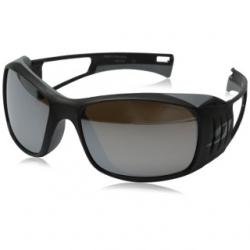
10 Essential Items for Climbing Kilimanjaro; Climbing Mount Kilimanjaro is an extraordinary adventure, but preparing for the mountain involves more than buying the right hiking boots, waterproof jacket, warm sleeping bag, and other essential equipment. While most climbers spend considerable time checking their official Kilimanjaro packing list, there are several smaller items that can make a surprisingly big difference to their comfort, confidence, and overall experience.
Some of these items are easy to overlook because they are not usually included in standard gear lists. Others may seem unnecessary when you are preparing at home, but become extremely useful after several days of walking, changing temperatures, dusty trails, and nights spent at high-altitude camps.
Whether you are climbing through the Machame, Lemosho, Marangu, Rongai, or Northern Circuit Route, a little extra preparation can help you enjoy the journey more comfortably. Kilimanjaro is not simply a physical challenge; it is also an experience that requires patience, mental strength, flexibility, and attention to small details.
The following ten items are not necessarily replacements for the essential equipment recommended by your trekking company. Instead, they are practical additions that many climbers appreciate once they are on the mountain. They can help you manage everyday challenges, stay organised, protect personal belongings, and make your time on Kilimanjaro more enjoyable.
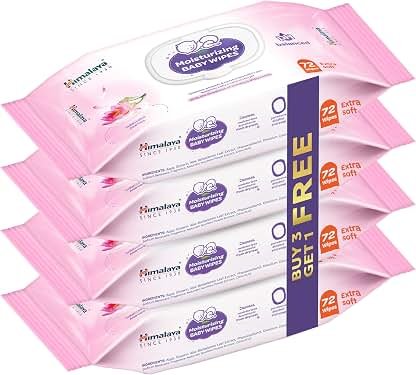
1. Wet Wipes and a Small Pack of Biodegradable Cleaning Wipes
One of the biggest adjustments when climbing Kilimanjaro is getting used to spending several days without the convenience of a normal bathroom or shower. Depending on your route and accommodation arrangements, washing facilities may be limited, especially at higher camps.
After several hours of hiking, you may want to freshen up before changing into clean clothes or getting into your sleeping bag. Wet wipes can make this much easier. They are useful for cleaning your hands, face, neck, and other areas when access to warm water is limited.
They are also helpful after meals, when your hands become dusty, or when you need to clean small areas of your skin before applying moisturiser or sunscreen. A small pack is usually enough for a short trip, although the amount you need will depend on your personal habits and the length of your climb.
Choose suitable wipes with a gentle formula, particularly if you have sensitive skin. However, remember that used wipes should never be left on the mountain or thrown into the environment. Even products described as biodegradable may not break down quickly in mountain conditions. Pack all used wipes out and dispose of them properly.
A small supply of wipes can make camp life feel more comfortable without taking up much space in your daypack or luggage.

2. A Lightweight Notebook and Pen: 10 Essential Items for Climbing Kilimanjaro
A notebook might not seem like an important item for a mountain expedition, but it can become one of the most meaningful things you carry.
Climbing Kilimanjaro gives you many opportunities to experience moments that are difficult to describe after returning home. You may remember your first view of the mountain, the changing vegetation, conversations with your guides, the atmosphere at high-altitude camps, and the excitement of reaching a new stage of the journey.
Writing down these experiences while they are still fresh helps you preserve details that photographs may not capture.
You can record your daily walking distance, weather conditions, personal reflections, interesting wildlife sightings, and how you feel as the altitude increases. You might also want to write down memorable conversations with your mountain crew or personal thoughts during the more challenging parts of the climb.
A notebook can also be useful for practical information. You can keep track of small equipment issues, water consumption, medication schedules where applicable, and reminders from your guide.
Choose a lightweight notebook that fits easily into a pocket or daypack. A waterproof notebook is particularly useful because mountain weather can change quickly.
You do not need to write long entries every day. Even a few sentences can help you remember the experience years later. When you finally reach Uhuru Peak, your notebook may become a personal record of the determination and effort that brought you there.
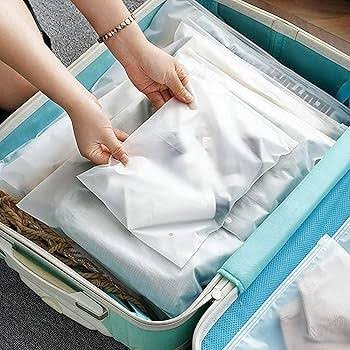
3. Spare Zip-Lock Bags and Waterproof Storage Pouches
Kilimanjaro’s weather can change dramatically as you move through different ecological zones. You may begin your climb in relatively warm conditions, walk through misty rainforest, experience cold winds on exposed trails, and encounter freezing temperatures near the summit.
Keeping your personal belongings dry and organised is therefore important.
Spare zip-lock bags and lightweight waterproof pouches are simple additions that can help protect items inside your daypack. You can use them to separate clean clothes from used clothing, protect your phone, store small personal items, and keep documents or other important belongings away from moisture.
They are especially useful when rain arrives unexpectedly or when you need to organise your daypack quickly during a break.
For example, you might keep your phone and camera accessories in one waterproof pouch, snacks in another, and personal hygiene items in a separate bag. This makes it easier to find what you need without emptying your entire backpack.
Reusable waterproof pouches are a good choice because they can be used throughout the climb and on future trips. If you use disposable zip-lock bags, avoid unnecessary waste and make sure every bag is carried back down the mountain.
Do not rely on ordinary plastic bags as your only protection for expensive electronics. For valuable equipment, use properly sealed waterproof storage and follow your guide’s advice about protecting belongings in wet conditions.

4. Extra High-Energy Snacks That You Actually Enjoy
Food plays an important role in maintaining energy during a Kilimanjaro climb. Your trekking crew will normally organise meals according to the package arrangements, but having a few personal snacks can be useful between meals.
The mountain can be physically demanding, and there may be moments when you want a quick source of energy during a walking day. Small snacks can also make rest stops more enjoyable, particularly when the trail becomes long or the weather is cold.
Consider carrying foods such as energy bars, dried fruit, nuts, crackers, or other compact snacks that you already know you enjoy. Familiar foods are often a better choice than experimenting with completely new products during a demanding trip.
If you have a favourite snack from home, bringing a small supply can also provide a comforting reminder of familiar surroundings.
However, it is important to consider altitude-related appetite changes. Some climbers find that they become less interested in food as they climb higher. For this reason, choose snacks that are easy to eat and do not require complicated preparation.
Avoid carrying excessive quantities. Snacks should supplement the meals provided by your trekking team rather than replace proper nutrition. If you have food allergies, dietary restrictions, or specific nutritional needs, discuss these with your tour operator before departure.
Also, keep food properly sealed and carry every wrapper back down the mountain. Kilimanjaro is a protected natural environment, and responsible climbers should leave no rubbish behind.
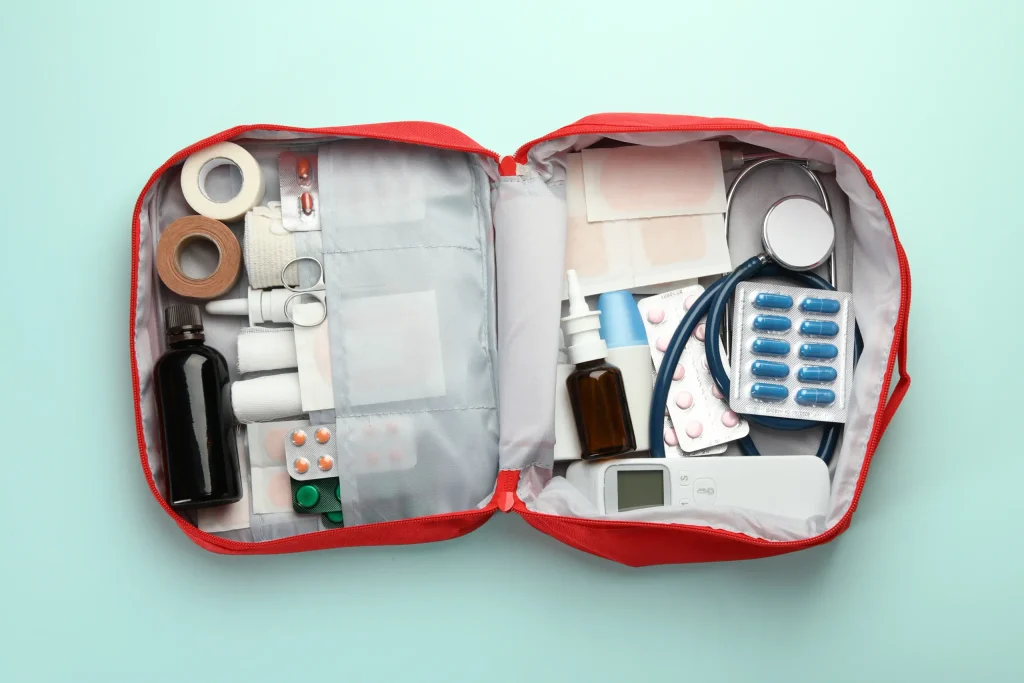
5. A Small Personal First-Aid and Comfort Kit
Your trekking company should provide guidance on medical preparation and have an appropriate emergency and first-aid plan for the climb. Nevertheless, a small personal comfort kit can be useful for managing minor everyday problems.
This might include blister plasters, a few ordinary adhesive dressings, personal prescription medication, lip balm, and any other non-prescription products that you normally use and have been advised are suitable for you.
Blisters are one of the common discomforts experienced by hikers. Even comfortable boots can create friction after several consecutive days of walking, especially if socks become damp or footwear is not properly fitted. Having blister-care supplies available can help you address minor problems early.
Lip balm is another useful addition because cold air, wind, and dry conditions can leave your lips uncomfortable. A product with sun protection is particularly helpful when walking at altitude, where ultraviolet exposure can be stronger.
If you take prescription medication, carry enough for the entire trip, plus an appropriate reserve where possible. Keep medicines in their original packaging and follow your healthcare professional’s instructions. Inform your trekking company about relevant medical needs before the climb.
Do not use a personal first-aid kit as a substitute for professional medical assessment. Symptoms such as severe headache, vomiting, unusual weakness, confusion, difficulty walking, or breathing problems at rest can indicate serious altitude-related illness. Tell your guide immediately rather than trying to treat such symptoms yourself.
Your personal kit should remain small, organised, and easy to reach.
6. A Comfortable Eye Mask and Earplugs
Getting enough rest is important when climbing Kilimanjaro, but sleeping conditions can be different from what you are used to at home.
On camping routes such as Machame, Lemosho, Rongai, and the Northern Circuit, you will generally sleep in a mountain tent. At some camps, other climbers may be nearby, and there may be movement around the campsite early in the morning or later in the evening.
An eye mask and a pair of comfortable earplugs can help create a more peaceful sleeping environment.
An eye mask is useful if light enters your tent early in the morning or if you are sharing accommodation where lighting is not completely under your control. Earplugs may reduce some background noise, such as conversations, footsteps, or movement around neighbouring tents.
They are particularly useful for people who are light sleepers or who find it difficult to rest in unfamiliar surroundings.
Choose soft earplugs that fit comfortably and an eye mask that does not put pressure on your eyes. It is worth testing both before travelling so that you know they suit you.
However, use them sensibly. You should remain able to hear important instructions, alarms, or emergency communication from your guide and trekking team. Keep your earplugs out whenever you need to listen for instructions or respond to people around you.
A good night’s rest will not eliminate the effects of altitude, but it can make daily life on the mountain more comfortable.

7. A Small Power Bank and Charging Cable
Your phone may be useful for taking photographs, checking personal notes, communicating with family, and recording memories during the climb. However, charging opportunities on Kilimanjaro can be limited and depend on your route, accommodation, and trekking arrangements.
A compact power bank can provide an additional source of power when access to electricity is unavailable.
Cold temperatures can also affect battery performance. You may notice that your phone or camera battery loses charge more quickly than expected, particularly during colder nights and summit day.
A power bank helps reduce the risk of running out of battery when you want to take photographs or use your phone for essential communication.
Choose a reliable model with enough capacity for your needs, but remember that heavier equipment adds to your luggage weight. Bring the correct charging cable and test your power bank before travelling.
For international flights, check the airline’s current rules for carrying lithium batteries. Power banks generally need to be carried in cabin baggage rather than checked luggage, and capacity restrictions may apply.
During the climb, keep electronic devices and spare batteries protected from extreme cold. Carrying your phone in an inside pocket close to your body can help preserve battery performance.
Most importantly, do not allow electronic devices to distract you from the mountain. Kilimanjaro is best experienced by looking up, enjoying the scenery, and appreciating the journey rather than spending every moment behind a screen.
8. A Small Microfibre Towel
A lightweight microfibre towel is another practical item that can make a difference during a multi-day climb.
Unlike ordinary cotton towels, microfibre towels are generally lightweight, compact, and designed to dry relatively quickly. This makes them convenient when you have limited luggage space and cannot depend on regular laundry or drying facilities.
You can use one to dry your face after washing, wipe your hands, clean small amounts of moisture from your equipment, or freshen up after a long day on the trail.
A small towel is usually sufficient for basic personal needs. You do not need to bring a large bathroom towel because it will take up unnecessary space and add weight.
Choose a soft towel that feels comfortable against your skin and comes with a small storage pouch. Allow it to dry whenever conditions permit, and keep it separate from wet or dirty clothing.
The towel is particularly useful on routes where washing facilities are basic. It will not replace proper personal hygiene, but it can help you feel fresher and more comfortable at camp.
9. A Reusable Hand Sanitiser Bottle
Hand hygiene is important throughout your Kilimanjaro adventure. You will handle trekking poles, water bottles, food containers, tent equipment, and other shared items during the day.
A small bottle of hand sanitiser can be useful when soap and running water are not immediately available.
It is especially convenient before eating snacks during a walking break or after touching shared equipment. A compact bottle can fit into an accessible pocket of your daypack, allowing you to use it without unpacking your belongings.
Choose a suitable hand sanitiser and make sure the container is securely closed to prevent leaks. A refillable travel bottle can reduce unnecessary packaging, provided it is clearly labelled and appropriate for the product.
Hand sanitiser is not a complete replacement for washing hands with soap and clean water. Whenever proper handwashing facilities are available, use them, particularly after using toilet facilities and before meals.
Also, remember that hand sanitiser is flammable. Keep it away from flames, cooking equipment, and other sources of heat, and allow it to dry completely before handling anything that could ignite.
This is a small item, but it can make daily routines easier and help you maintain good hygiene throughout the climb.
10. A Positive Mindset, Patience, and Personal Motivation
The final item is not something you can buy from an outdoor equipment shop, but it may be one of the most valuable things you bring to Kilimanjaro.
A positive mindset, patience, and a clear reason for climbing can help you manage the mental demands of the journey.
Kilimanjaro is not a race. The mountain requires climbers to move at a steady pace, listen to their guides, respect altitude changes, and understand that each day has its own challenges.
There may be moments when you feel tired, cold, or uncertain about how much walking remains. You might wake up early when your body wants more sleep, or find that a trail takes longer than you expected. Summit night can be particularly demanding because it involves walking in cold, dark conditions at high altitude.
During these moments, remembering why you started can help you stay focused.
Your motivation might be personal achievement, a long-standing dream, a charity challenge, a special celebration, or simply the desire to experience Africa’s highest mountain. Whatever your reason, keep it in mind throughout the climb.
Patience is equally important. Walking slowly does not mean you are performing poorly. In fact, a controlled pace is an important part of altitude management. Follow your guide’s instructions, drink regularly, eat as well as you can, and communicate honestly about how you feel.
It is also important to understand that reaching the summit is not worth risking your health. Your guide may recommend stopping or descending if your condition becomes unsafe. Respecting that decision is part of responsible mountaineering.
A successful Kilimanjaro experience is about more than standing at Uhuru Peak. It is also about making sensible decisions, appreciating the mountain, respecting the trekking crew, and returning safely.
Why These Extra Items Can Make Your Kilimanjaro Climb Better
The ten items above may not appear on every standard Kilimanjaro packing list, but they address practical challenges that climbers can experience during a multi-day expedition.
Wet wipes and a microfibre towel support personal comfort when washing facilities are limited. A notebook helps preserve memories and useful information. Waterproof pouches protect small belongings from moisture, while familiar snacks provide convenient energy between meals.
A small personal comfort kit can help you manage minor issues, and earplugs or an eye mask may make it easier to rest at camp. A power bank helps you manage your electronic devices, while hand sanitiser supports everyday hygiene.
Finally, patience and motivation can help you approach the climb with a realistic attitude.
None of these additions should replace the essential equipment required for your route. Proper hiking boots, suitable clothing layers, a warm sleeping bag where required, a daypack, water containers, sun protection, and other recommended gear remain the foundation of your preparation.
The most effective packing strategy is to carry what you genuinely need rather than bringing everything that might possibly be useful. Every additional item contributes to your overall luggage weight, so choose carefully.
What to Consider Before Packing for Kilimanjaro
Before travelling to Tanzania, ask your trekking company for a route-specific packing list. Equipment requirements can differ depending on whether you choose Machame, Lemosho, Marangu, Rongai, or the Northern Circuit.
For example, camping routes generally require suitable sleeping arrangements and equipment, while the Marangu Route uses mountain huts. The length of your climb also affects how much personal clothing, hygiene supplies, and other small items you may need.
Check the weather conditions expected during your travel period, but remember that Kilimanjaro has several climate zones. Conditions near the summit can be very different from those at the mountain’s lower slopes.
It is also worth checking luggage arrangements. Many trekking teams use porters to transport the main duffel bag, while climbers carry a smaller daypack containing items needed during the day’s walk. Confirm the weight limits and packing requirements with your operator before departure.
Keep important personal items accessible. Medication, travel documents, valuables, and anything you may need during the day should not be packed somewhere that you cannot easily reach.
Most importantly, prepare physically and understand the importance of altitude acclimatisation. Choosing a suitable itinerary with enough time for your body to adjust is generally more valuable than carrying extra gadgets or equipment.
Frequently Asked Questions About Extra Items for Climbing Kilimanjaro
1. Do I need to bring extra items beyond the official Kilimanjaro packing list?
Not every climber needs all ten items. However, some additions, such as waterproof pouches, personal hygiene supplies, a power bank, and suitable snacks, can make the experience more convenient. Ask your trekking company which items are appropriate for your route and package.
2. Are wet wipes useful on Mount Kilimanjaro?
Yes. Wet wipes can help you freshen up when regular shower facilities are unavailable. Choose gentle products and carry all used wipes back down the mountain. Never leave them at campsites or along the trails.
3. Should I carry snacks during the climb?
A small selection of familiar, high-energy snacks can be useful between meals. Choose foods that you enjoy and can comfortably eat while walking. Your trekking team should still provide the meals included in your package.
4. Is a power bank necessary for Kilimanjaro?
It is not essential for every climber, but it can be helpful if you plan to use your phone or camera regularly. Charging facilities may be limited, and cold conditions can reduce battery performance.
5. Can I bring a notebook to record my Kilimanjaro experience?
Absolutely. A small notebook allows you to record your daily experiences, memorable moments, observations, and personal reflections. It can become a valuable souvenir after your climb.
6. What is the most important thing to bring when climbing Kilimanjaro?
The most important preparation includes suitable equipment, appropriate physical conditioning, a well-planned itinerary, and a responsible trekking team. No single extra item can replace these essentials. Your health, safety, and proper acclimatisation should always come first.
Prepare for Your Kilimanjaro Adventure with EKO Tanzania Adventures
Climbing Mount Kilimanjaro is an experience that deserves thoughtful preparation. From choosing the right route to selecting suitable equipment and understanding what to expect at different elevations, every detail can contribute to a more comfortable and rewarding journey.
At EKO Tanzania Adventures, we help climbers prepare for their Kilimanjaro experience with carefully organised trekking arrangements, experienced mountain guides, supportive mountain crews, and route options suited to different preferences and schedules.
Whether you are considering the Machame, Lemosho, Marangu, Rongai, Umbwe, or Northern Circuit Route, our team can help you understand the differences between each option and select an itinerary that matches your available time, experience, fitness level, and travel plans.
We also provide guidance on essential packing requirements, equipment preparation, altitude acclimatisation, and what to expect during your time on the mountain. Our aim is to help you arrive in Tanzania feeling informed, prepared, and ready for the adventure ahead.
When planning your climb, remember that the best preparation is not simply about packing more items. It is about choosing the right equipment, understanding the mountain, following professional guidance, and approaching each day with patience and determination.
Book Your Kilimanjaro Climb with EKO Tanzania Adventures and let us help you prepare for an unforgettable journey to the Roof of Africa. Share your preferred travel dates, number of climbers, chosen route, and any special requirements, and our team will help you plan a Kilimanjaro adventure that suits your expectations.