7-Day Tanzania Wildlife Photography Safari: Serengeti, Ngorongoro & Tarangire
Explore Tours
7-Day Tanzania Wildlife Photography Safari : A great Tanzania photography safari is not about rushing from park to park or stopping for only a few minutes at each wildlife sighting. It is about light, patience, positioning and having enough time to wait for the natural moment.
This 7-Day Tanzania Wildlife Photography Safari is designed for photographers who want to capture Tanzania’s most iconic landscapes and animals at a more relaxed pace. You will visit Tarangire National Park, Lake Manyara National Park, Ngorongoro Crater and Serengeti National Park, with extra time in Serengeti for wildlife behaviour, predator sightings, dramatic skies and golden-hour photography.
Whether you are a professional photographer, enthusiastic amateur, content creator or wildlife lover with a camera, this private safari gives you the flexibility to focus on what matters. Your EKO Tanzania Adventures driver-guide will help you find the best angles, position the vehicle thoughtfully and allow time for you to observe rather than simply tick animals off a list.
Tarangire’s elephant herds and baobab trees, Lake Manyara’s forest and Rift Valley landscapes, Ngorongoro’s crater scenery and Serengeti’s vast plains create an outstanding variety of photographic opportunities.
To book your private photography safari, contact EKO Tanzania Adventures on WhatsApp at +255 761 353 184, call +255 761 353 184, or email info@ekotanzaniaadventures.com / ekotanzaniaadventure@gmail.com.
Tanzania Wildlife Photography Safari at a Glance
- Duration: 7 Days / 6 Nights
- Destinations: Tarangire, Lake Manyara, Ngorongoro Crater and Serengeti
- Safari style: Private photography-focused safari
- Start and end point: Arusha or Kilimanjaro International Airport
- Transport: Private 4×4 Land Cruiser with pop-up roof
- Best for: Wildlife photographers, birdwatchers, couples, small groups and content creators
- Accommodation: Mid-range, luxury or premium tented-camp options
- Main focus: Wildlife behaviour, big cats, elephants, birdlife, landscapes and golden-hour photography
Why Choose a Photography Safari in Tanzania?
Tanzania is one of Africa’s most rewarding photographic destinations because the variety is so strong. In one week, you can photograph elephants beneath baobab trees, lions on kopjes, giraffes against a sunset, flamingos near a soda lake, dramatic crater walls, zebras in motion and wide Serengeti skies.
A photography safari is different from a standard safari because the route and daily schedule are more flexible. Instead of moving quickly to cover every attraction, your guide can remain at an important sighting when the light is good or when animal behaviour is developing.
You may wait for:
- A lion to stand and walk through the grass
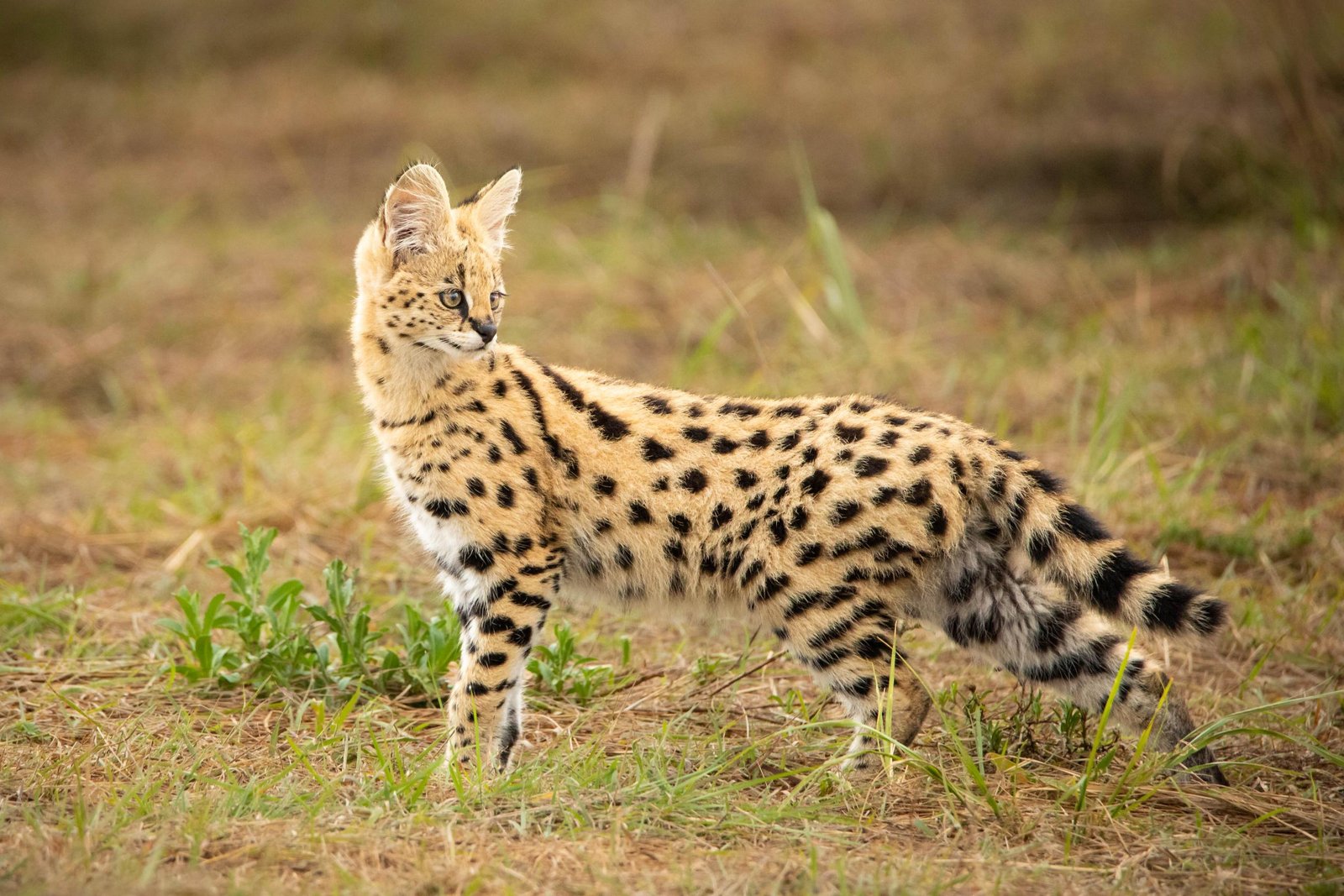
- A leopard to look toward the camera
- Elephants to cross in front of a baobab
- A giraffe to move into sunset light
- A cheetah to scan the plain from a termite mound
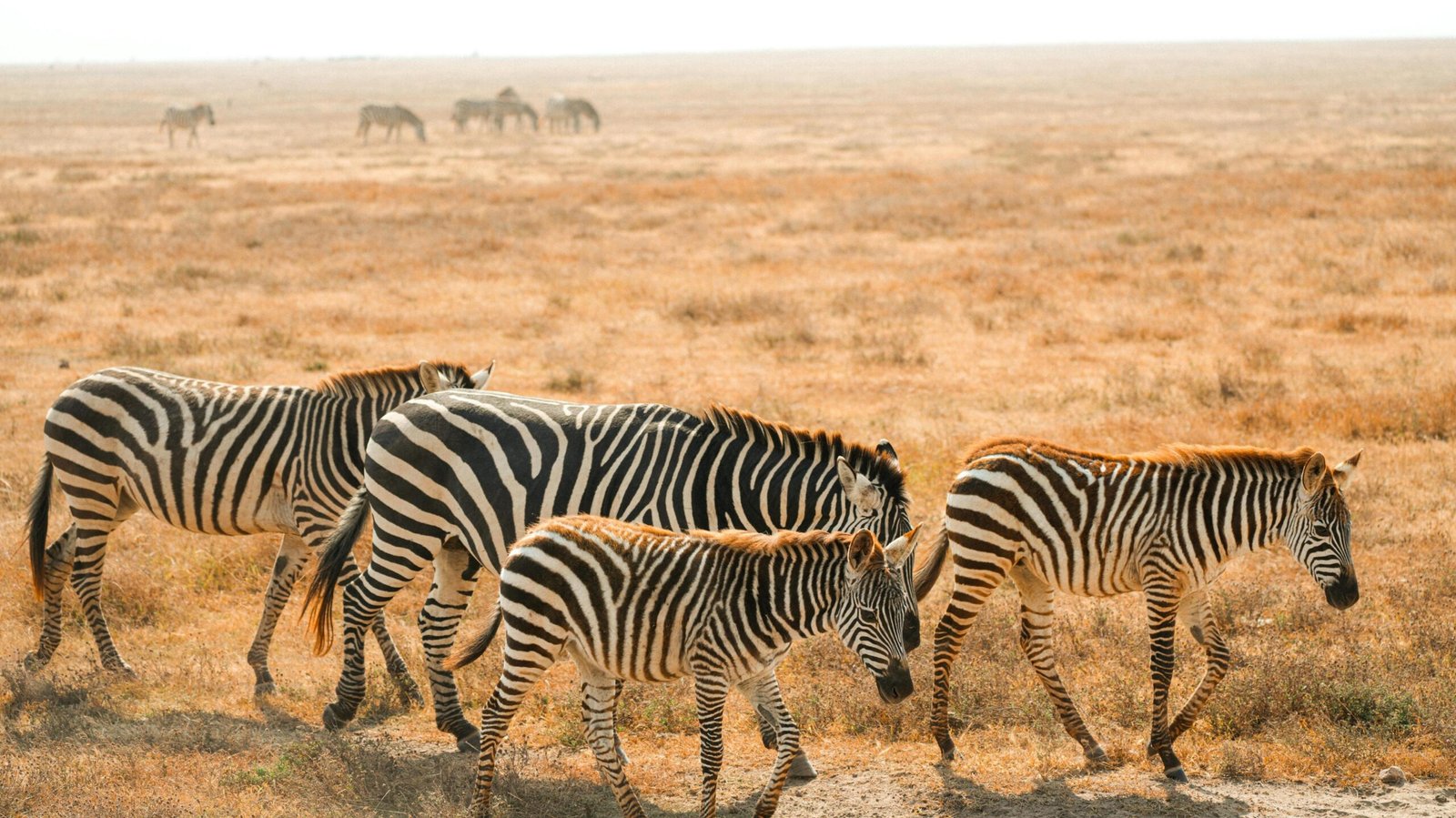
- Zebra and wildebeest herds to create movement and dust
- Birds to take flight over the lake
- A storm to build above the Serengeti plains
This patience often makes the difference between an ordinary photograph and an image that tells a story.
What Makes This Safari Photography-Friendly?
EKO Tanzania Adventures can tailor this itinerary around your photography needs. You will travel in a private safari vehicle, meaning you do not have to share space or compromise your timing with unrelated guests.
Photography-focused arrangements can include:
- Private 4×4 safari Land Cruiser
- Pop-up roof for wide-angle viewing and photography
- Flexible game-drive schedule
- Early morning and late afternoon drives
- Extra time at wildlife sightings
- Small group size for more space
- Advice on accommodation with good wildlife access
- Optional photographer-friendly vehicle setup on request
- Driver-guide who understands the importance of light and positioning
We always follow national park rules and ethical wildlife-viewing standards. Your guide will never chase, block, crowd or disturb animals for a photograph.
Detailed 7-Day Tanzania Photography Safari Itinerary
Day 1: Arrival at Kilimanjaro International Airport – Arusha
Arrive at Kilimanjaro International Airport, where a representative from EKO Tanzania Adventures will meet you and transfer you to your hotel or lodge in Arusha.
Use the afternoon to rest, organise camera equipment, charge batteries and prepare for the safari. Arusha is a useful place to check lenses, memory cards, camera settings and personal gear before travelling into the parks.
In the evening, meet your driver-guide for a safari briefing. Discuss your photographic interests, including whether your priorities are big cats, elephants, birds, landscapes, night skies, family groups, action images or close-up details.
Meals: Dinner, depending on arrival time
Overnight: Arusha hotel or lodge
Day 2: Arusha to Tarangire National Park
After breakfast, depart Arusha for Tarangire National Park. The landscape becomes increasingly open as you travel toward the park, and your first real game drive begins after entering the gate.
Tarangire is one of Tanzania’s best parks for photographing elephants. Large family groups can often be seen moving through woodland, gathering near water or walking beneath ancient baobab trees.
TANAPA describes Tarangire as an elephant heartland with baobab galleries, river loops, swamps and diverse birdlife.
The park offers excellent photography opportunities for:
- Elephant herds and calves
- Baobab silhouettes
- Giraffes and zebras
- Buffalo and antelope
- Ostriches and ground birds
- Bee-eaters, raptors and colourful smaller birds
- Lions and leopards, if seen
- Golden-hour landscape photography
Your guide will try to position the vehicle with the best possible light and background. In the late afternoon, transfer to your lodge or tented camp for dinner and overnight.
Meals: Breakfast, lunch and dinner
Overnight: Tarangire lodge or tented camp
Day 3: Tarangire to Lake Manyara National Park
Wake early for another photography session in Tarangire. Morning light can be beautiful around the baobabs, open grassland and river areas. It is also a time when animals may be active before the day becomes hot.
After breakfast, continue toward Lake Manyara National Park. This compact park offers a very different visual atmosphere from Tarangire. The entrance area includes lush groundwater forest, while other sections open toward the lake and Great Rift Valley Escarpment.
Lake Manyara is a mosaic of forest, grassland, lake-edge habitat and dramatic escarpment scenery.
During your afternoon game drive, look for baboons, blue monkeys, elephants, giraffes, hippos, buffalo and birdlife. The park is also associated with tree-climbing lions, although sightings are not guaranteed.
This day is particularly good for photographers who enjoy forest light, monkeys, bird portraits, wetland scenes and a more intimate landscape.
Later, transfer to your lodge in Karatu or the Lake Manyara area.
Meals: Breakfast, lunch and dinner
Overnight: Karatu or Lake Manyara lodge
Day 4: Lake Manyara / Karatu to Serengeti National Park
After breakfast, depart for Serengeti National Park through the Ngorongoro Conservation Area.
This is a scenic transition day. You may stop at a crater viewpoint if time and weather permit, then continue through highland landscapes toward the open plains.
As you enter Serengeti National Park, the photography begins before you reach your camp. Wildlife may be visible along the route, including zebras, giraffes, wildebeest, gazelles and birds of prey.
Serengeti is one of the most important wildlife photography destinations in the world. UNESCO describes it as a vast savannah ecosystem whose annual migration of wildebeest, zebras and gazelles is among nature’s most impressive events.
Arrive in central Serengeti, often called Seronera, for an afternoon game drive. The area is known for resident wildlife and strong predator habitat.
Later, check into your tented camp or lodge for dinner and overnight.
Meals: Breakfast, lunch and dinner
Overnight: Central Serengeti lodge or tented camp
Day 5: Full-Day Serengeti Wildlife Photography
Today is devoted to photography in central Serengeti. Start early, when the light is soft and wildlife is often active.
Your guide will select routes around the Seronera Valley, kopjes, rivers and open grasslands based on recent sightings and your priorities. This is a strong area for lions, leopards, cheetahs, hyenas, elephants, giraffes and large herds of grazing animals.
Possible photography subjects include:
- Lions on kopjes
- Cheetahs in grassland
- Leopards in acacia or riverine trees
- Elephant portraits
- Wildebeest and zebra herds
- Giraffe silhouettes
- Hippos and birds around water
- Secretary birds and raptors
- Wide landscape compositions
- Golden-hour dust and sky
You can choose to take a full-day game drive with picnic lunch, allowing more time in the field. Alternatively, return to camp during the hottest part of the day and go out again in the afternoon.
Your guide will not promise wildlife sightings, but will use experience, recent reports and knowledge of habitat to maximise opportunities.
Meals: Breakfast, lunch and dinner
Overnight: Central Serengeti lodge or tented camp
Day 6: Serengeti Photography Safari – Transfer to Ngorongoro Highlands
Enjoy another early morning Serengeti game drive. This extra morning is valuable because wildlife photography rewards repeat visits. Conditions change from one day to the next, and the same area can produce completely different light, animal behaviour and compositions.
You may focus on subjects you missed the day before or spend more time with a promising sighting. If the migration herds are within practical reach, your guide will aim to include them. Their location changes with rainfall and grazing conditions, so exact herd positions cannot be guaranteed.
After breakfast, begin travelling toward the Ngorongoro Highlands. The road gradually leaves the plains and rises toward greener, cooler landscapes.
Arrive at your lodge near the crater rim or in Karatu. In the evening, review your images, recharge equipment and prepare for the Ngorongoro Crater game drive.
Meals: Breakfast, lunch and dinner
Overnight: Ngorongoro or Karatu lodge
Day 7: Ngorongoro Crater Photography Safari – Return to Arusha
After an early breakfast, drive to the Ngorongoro Crater gate and descend to the crater floor for a half-day game drive.
Ngorongoro offers a very different photography experience from Serengeti. The crater walls surround the landscape, while grassland, wetland, forest and Lake Magadi create varied backgrounds.
You may photograph:
- Lions and hyenas
- Buffalo and zebras
- Wildebeest and gazelles
- Hippos at water pools
- Elephants in the forested areas
- Flamingos and water birds, depending on conditions
- Black rhinos, if fortunate
- Dramatic crater-wall landscapes
Black rhinos are present in the conservation area but are rare, so sightings cannot be guaranteed. The goal is to enjoy the full ecosystem, not only search for one animal.
All visitors to Ngorongoro Crater must be accompanied by a licensed guide.
After a picnic lunch, ascend from the crater and return to Arusha. Your safari ends at your hotel, Kilimanjaro International Airport or another agreed drop-off point.
Meals: Breakfast and lunch
Best Camera Equipment for a Tanzania Safari
You do not need the most expensive camera to take good Tanzania safari photographs. Understanding light, patience and composition often matters more than having the newest equipment.
Useful equipment includes:
- DSLR or mirrorless camera body
- Zoom lens such as 100–400mm, 150–600mm or 70–200mm
- Wider lens for landscapes and camp photography
- Spare memory cards
- Extra batteries
- Camera cleaning cloth and blower
- Bean bag for stable vehicle photography
- Lens hood
- Power bank
- Lightweight rain cover
- Binoculars
- Smartphone for behind-the-scenes images
Avoid changing lenses in dusty conditions unless necessary. Keep your camera bag closed and use a protective cloth when travelling on rough roads.
Photography Tips for a Tanzania Safari
Use the Best Light
Early morning and late afternoon are often the best times for photography. The light is softer, shadows are gentler and animals may be more active.
Be Patient
Do not take one image and immediately move on. Wait for an animal to turn its head, walk into better light or interact with another animal.
Photograph Behaviour
A sleeping lion is still interesting, but interaction tells a stronger story. Look for grooming, hunting behaviour, mothers with young, birds taking flight, elephants feeding or zebras moving together.
Include the Landscape
Tanzania is not only about close-up animal portraits. Use wide compositions to show animals against baobabs, kopjes, grassland, crater walls or dramatic skies.
Respect Wildlife
Do not pressure your guide to get dangerously close. The best wildlife photographs come from calm, natural behaviour—not from stressing an animal.
Best Time for a Tanzania Photography Safari
This safari can work throughout the year.
June to October is popular for dry-season wildlife viewing. Tarangire can be especially productive as wildlife gathers around water and open areas.
December to March can be excellent for migration photography in the southern Serengeti and Ndutu region.
April and May offer lush scenery, green grass, dramatic clouds and fewer safari vehicles in some areas. Rain can make some tracks challenging, but it can also create beautiful photographic conditions.
What Is Included?
Your photography safari quotation can include:
- Private 4×4 safari Land Cruiser
- Professional English-speaking driver-guide
- Accommodation during the safari
- Meals as listed in the itinerary
- Park entry and conservation fees
- Ngorongoro Crater service fees
- Drinking water during game drives
- Airport or Arusha hotel transfers
- Government taxes and VAT where applicable
What Is Not Included?
Unless stated in your quotation, the package normally excludes:
- International flights
- Tanzania visa
- Travel insurance
- Camera equipment
- Optional Serengeti balloon safari
- Alcoholic drinks
- Tips for guides and lodge staff
- Personal expenses
- Extra nights before or after the safari
Why Book Your Photography Safari with EKO Tanzania Adventures?
A photographic safari needs an experienced guide, a comfortable vehicle and a route that gives you time to work with nature rather than against it.
With EKO Tanzania Adventures, you receive:
- Private safari vehicle and flexible schedule
- Photography-friendly game drives
- Experienced local driver-guide
- Honest advice about wildlife and seasonal conditions
- Accommodation options for every budget
- Extra Serengeti time for better photography opportunities
- Personalised route planning
- Tanzania-based support throughout your journey
Book Your 7-Day Tanzania Wildlife Photography Safari
Capture Tanzania’s elephants, big cats, wide plains, dramatic crater scenery and colourful birdlife on a private safari built around photography.
Contact EKO Tanzania Adventures today for your customised photography safari quote.
- WhatsApp: +255 761 353 184
- Call: +255 761 353 184
- Email: info@ekotanzaniaadventures.com
- Alternative email: ekotanzaniaadventure@gmail.com
- Website: www.ekotanzaniaadventures.com
Travel with your camera, take your time and photograph Tanzania with EKO Tanzania Adventures.
Related Tours
Your Tanzania journey starts here
Ready to Plan Your Perfect Adventure?
Whether you want a Tanzania safari, Mount Kilimanjaro climb, Zanzibar beach holiday or a combination of all three, EKO Tanzania Adventures will help you plan it around your travel dates, group and budget.
Helpful Tanzania travel information