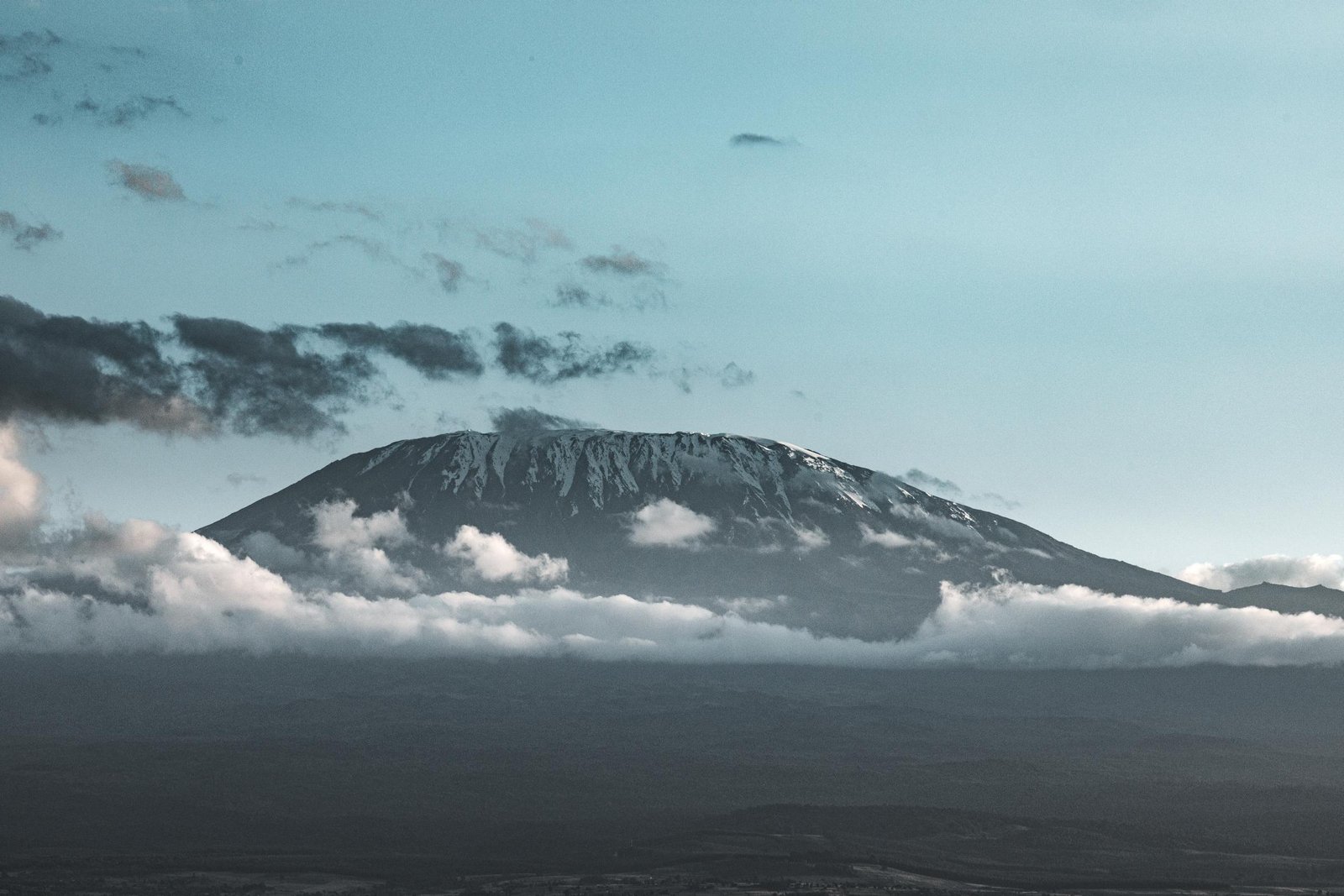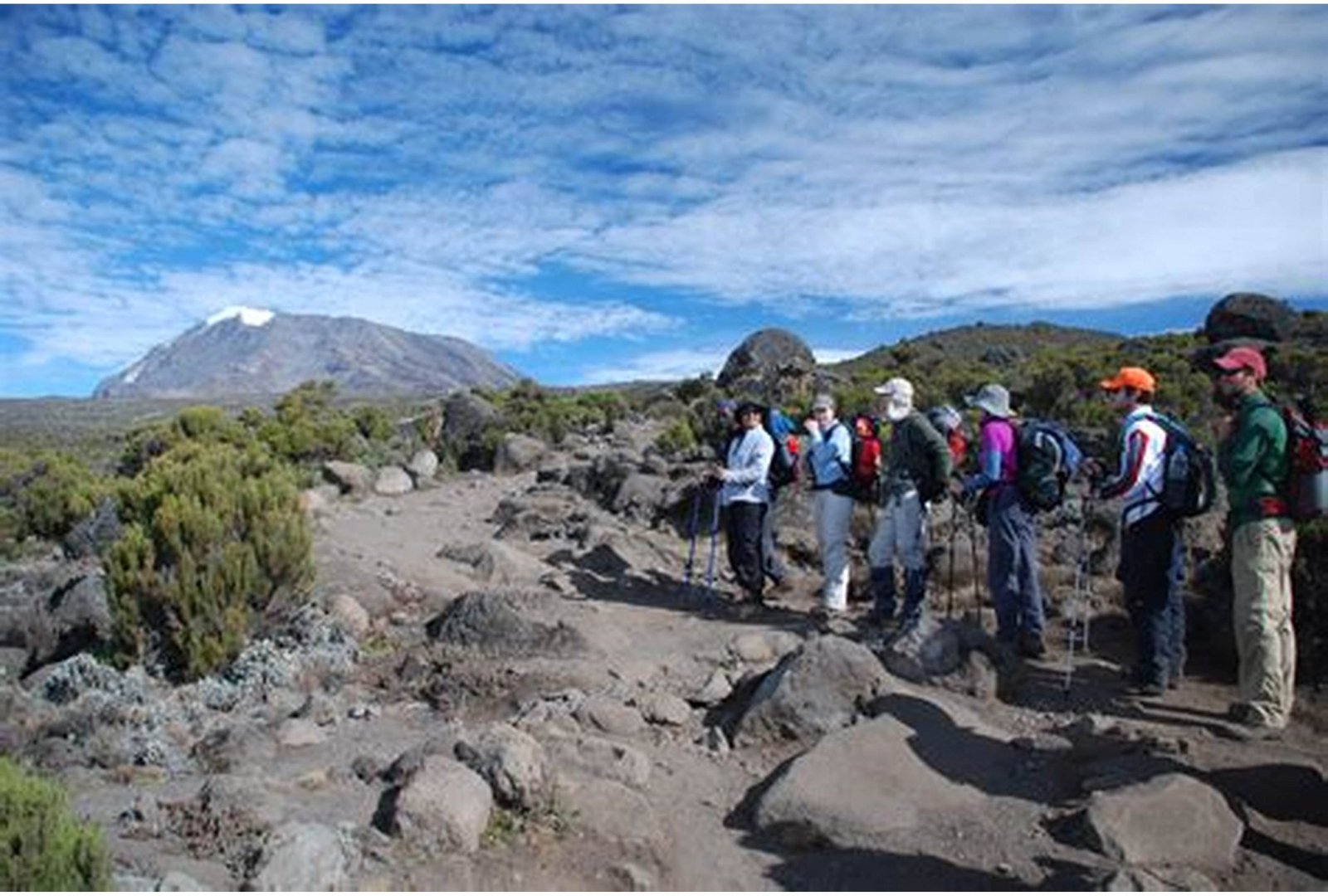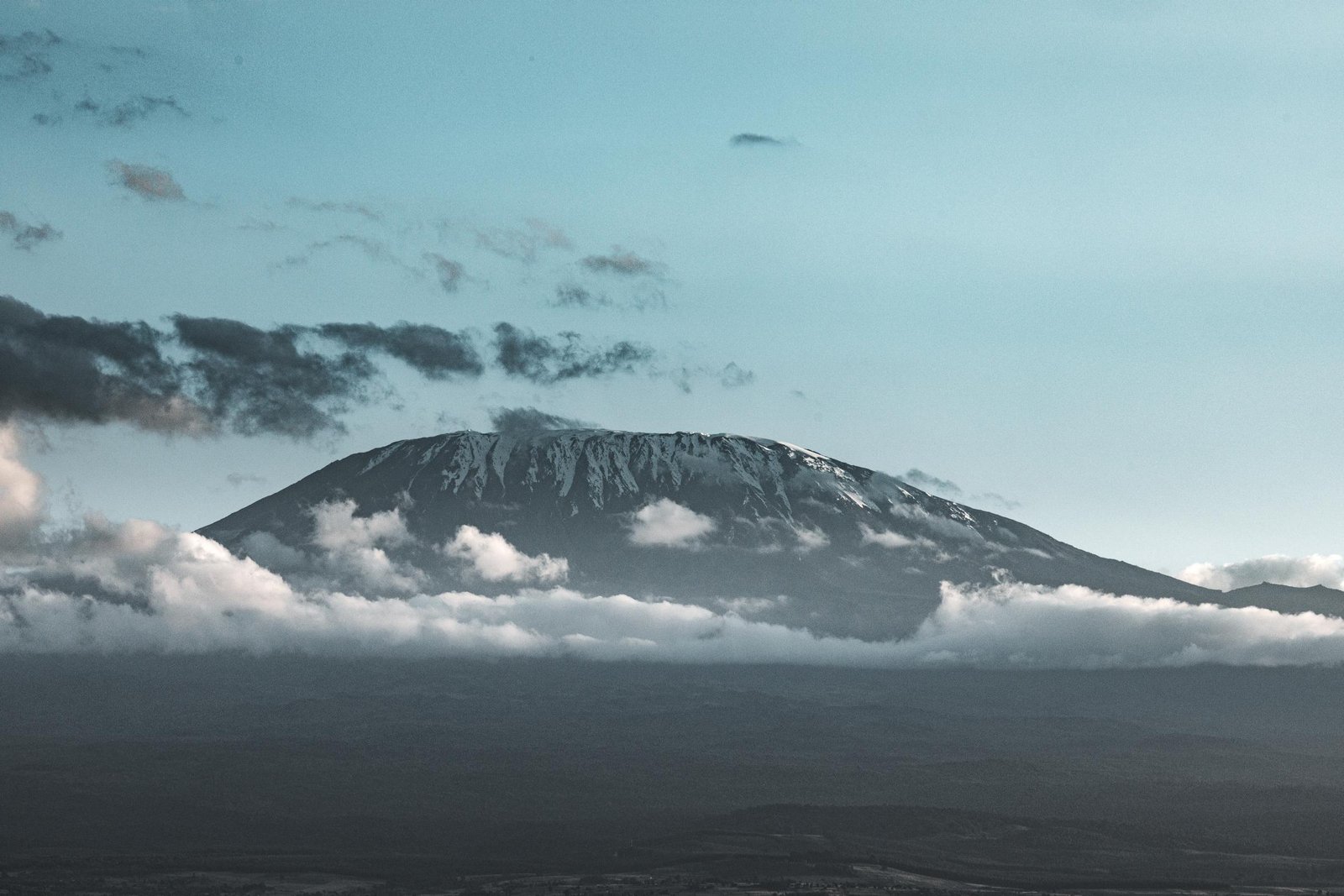
Standing on the summit of Mount Kilimanjaro and looking across Tanzania is a dream for many travelers. At 5,895 meters (19,341 feet) above sea level, Kilimanjaro is Africa’s highest mountain and one of the world’s most recognizable trekking destinations.
But before you start thinking about reaching Uhuru Peak, there is an important question to answer:
Which Kilimanjaro route is right for you?
Choosing a route is not simply about finding the cheapest or shortest option. Each route has a different landscape, number of trekking days, accommodation style, scenery, traffic levels, acclimatization opportunities, and overall character.
For travelers planning a climb in 2026 or 2027, understanding these differences can make the planning process much easier.
At Eko Tanzania Adventures, we help travelers choose their Kilimanjaro route according to their experience, available time, budget, fitness level, preferred scenery, and personal expectations. There is no single route that suits everyone. The right route is the one that matches the kind of mountain experience you want.
This guide explains the major routes and helps you understand what to expect before booking your adventure.
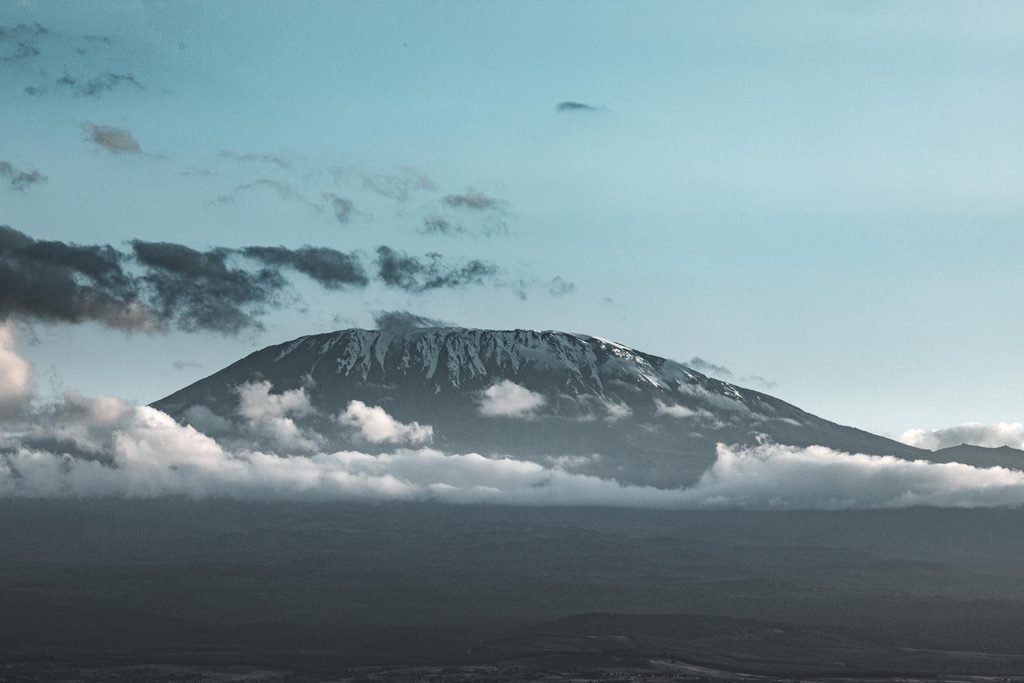
Mount Kilimanjaro at a Glance:Which Kilimanjaro Route Is Right for You? A Complete 2026–2027 Ultimate Guide
Before comparing the routes, it helps to understand the mountain itself.
Mount Kilimanjaro is a volcanic massif in northern Tanzania consisting of three volcanic cones:
- Kibo
- Mawenzi
- Shira
Kibo is the highest of the three and contains Uhuru Peak, the highest point in Africa.
Kilimanjaro is unusual because trekkers can experience several ecological zones during a single climb. Depending on the route, you can pass through:
- Cultivated land
- Rainforest
- Heath and moorland
- Alpine desert
- Arctic-like summit environment
This dramatic change in scenery is one of the reasons climbing Kilimanjaro is such a memorable experience.
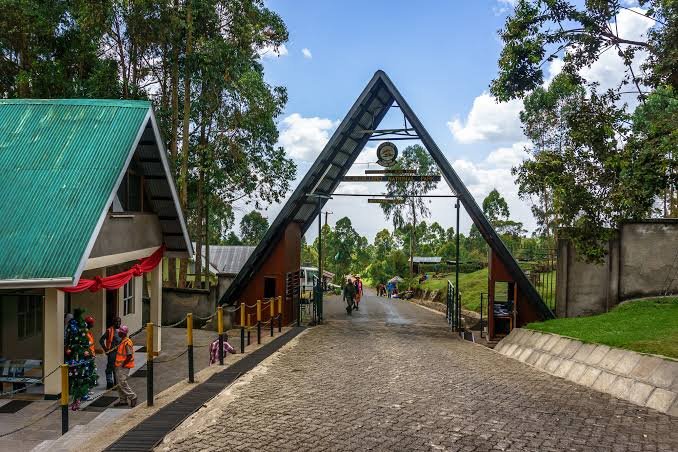
The Main Kilimanjaro Routes:Which Kilimanjaro Route Is Right for You? A Complete 2026–2027 Ultimate Guide
Several routes are used to reach the summit, but the most commonly discussed are:
- Machame Route
- Marangu Route
- Lemosho Route
- Rongai Route
- Northern Circuit
- Umbwe Route
Each offers something different.
Let’s look at them individually.
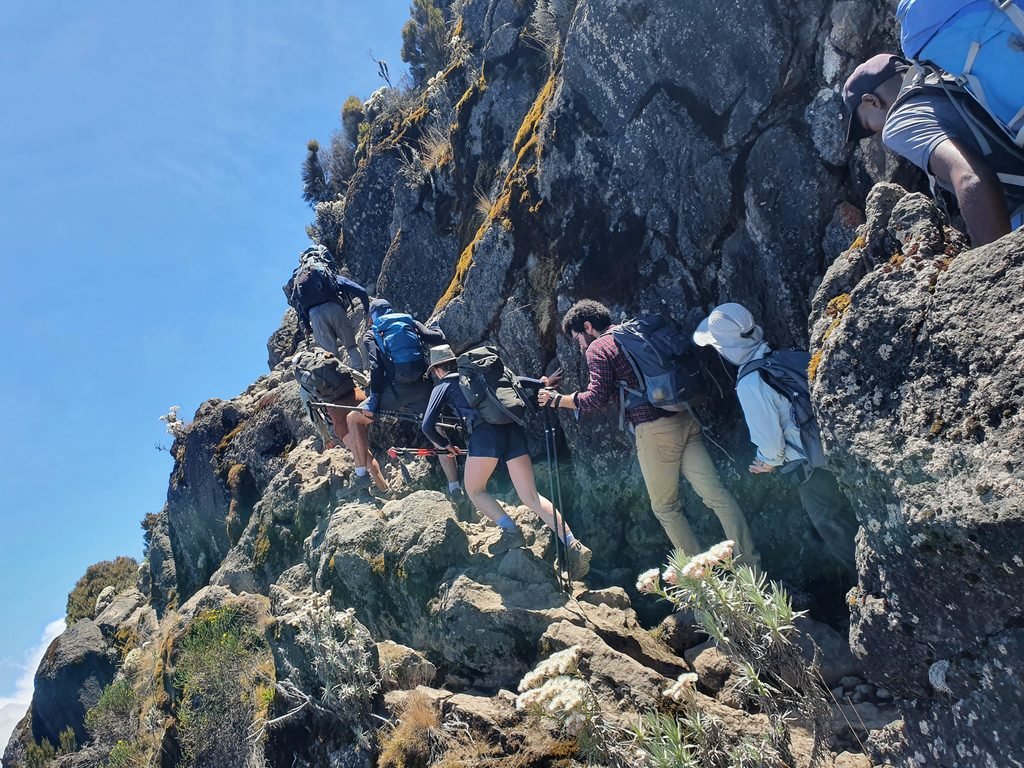
1. Machame Route – The Scenic Adventure:Which Kilimanjaro Route Is Right for You? A Complete 2026–2027 Ultimate Guide
The Machame Route is one of the most popular approaches to Kilimanjaro.
It is sometimes called the Whiskey Route, although the nickname should not be taken to mean that the climb is about drinking. The route is known for its scenic landscapes and a trekking profile that gives climbers opportunities to gain and lose elevation during the approach.
Machame is generally suited to travelers who want a more adventurous mountain experience and are comfortable with camping.
Typical duration
6–7 days
A 7-day itinerary is often preferred because the additional time can provide a more gradual acclimatization schedule.
Highlights
- Beautiful rainforest
- Shira Plateau
- Lava Tower area
- Barranco Wall
- Karanga Valley
- Barafu Camp
- Uhuru Peak
The Barranco section is one of the most memorable parts of the route. Although it can look intimidating from a distance, trekkers generally tackle it as a scrambling-style hiking section rather than a technical rock climb.
Who should choose Machame?
Machame can suit:
- First-time high-altitude trekkers
- Adventure travelers
- Hikers who enjoy camping
- Travelers looking for varied scenery
- People with 6–7 days available
Important consideration
The 6-day version can be demanding because the schedule is relatively compressed. If your priority is acclimatization rather than minimizing days, a longer itinerary is worth considering.
2. Marangu Route – The Classic and Comfortable Hut Route
The Marangu Route is one of the oldest and best-known routes on Kilimanjaro.
It is often called the Coca-Cola Route, a nickname that reflects its historic popularity.
One of its biggest differences is accommodation.
Instead of sleeping in tents throughout the climb, trekkers stay in mountain huts.
Typical duration
5–6 days
However, adding an extra acclimatization day can make the itinerary less rushed.
Highlights
- Beautiful rainforest
- Mandara Hut
- Horombo Hut
- Kibo Hut
- Gillman’s Point
- Uhuru Peak
The route follows a relatively direct path toward the summit.
Who should choose Marangu?
It can be a good choice for travelers who:
- Prefer mountain huts instead of tents
- Want a straightforward route
- Have limited trekking time
- Prefer established infrastructure
- Are comfortable with a more gradual hiking environment but understand the altitude challenge
Important consideration
Marangu’s shorter itineraries mean that altitude acclimatization can be more challenging than on longer routes.
The fact that it has huts does not make the summit easy. The mountain’s altitude remains the major challenge.
3. Lemosho Route – Scenic and Gradual
The Lemosho Route is widely appreciated for its beautiful landscapes and longer approach to the summit.
It begins on the western side of Kilimanjaro and provides a quieter wilderness experience during the early stages of many itineraries.
Typical duration
7–8 days
Longer itineraries are commonly preferred for better acclimatization.
Highlights
- Remote western approach
- Lush rainforest
- Shira Plateau
- Stunning mountain scenery
- Lava Tower
- Barranco Wall
- Karanga
- Barafu
- Uhuru Peak
Lemosho eventually joins sections of the southern circuit.
This means trekkers can enjoy the scenery of the western side before entering some of the mountain’s more established high-altitude paths.
Who should choose Lemosho?
Lemosho is particularly attractive to:
- Travelers who have enough time
- Hikers who want varied scenery
- People seeking a longer acclimatization schedule
- Photographers
- Adventure travelers
- Those who prefer a quieter beginning to the trek
Important consideration
Lemosho generally costs more than shorter routes because it requires more days, more meals, more crew services, and additional logistical arrangements.
For many travelers, however, the extra time is an important part of the experience.
4. Rongai Route – The Northern Approach:Which Kilimanjaro Route Is Right for You? A Complete 2026–2027 Ultimate Guide
The Rongai Route approaches Kilimanjaro from the northern side near the Tanzania–Kenya border.
This gives it a different character from routes approaching from the south or west.
Typical duration
6–7 days
Highlights
- Northern landscapes
- Forest
- Open moorland
- Mawenzi views
- Less-developed wilderness atmosphere
- Kibo
- Uhuru Peak
Rongai is sometimes selected by travelers looking for a different perspective of Kilimanjaro.
Because weather patterns can vary around the mountain, the northern side can also have a different trekking feel.
Who should choose Rongai?
It can suit:
- Hikers seeking a quieter route
- Travelers who like less commonly used approaches
- People interested in northern Kilimanjaro scenery
- Climbers who want to descend via a different route
- Adventure travelers
5. Northern Circuit – The Longest and Most Gradual Option
The Northern Circuit is Kilimanjaro’s longest major trekking route.
It approaches from the west before traveling around the quieter northern side of the mountain.
Typical duration
8–9 days
The longer itinerary gives trekkers more time on the mountain.
This can be particularly useful for acclimatization because the body has more time to adjust to increasing altitude.
Highlights
- Lemosho-style western landscapes
- Shira Plateau
- Northern slopes
- Mawenzi views
- Kibo
- Uhuru Peak
- Quiet mountain environments
Who should choose Northern Circuit?
This route may appeal to:
- Travelers with sufficient time
- Hikers who prioritize gradual acclimatization
- People who want a longer wilderness experience
- Trekkers looking for quieter sections
- Experienced hikers who want an extended Kilimanjaro journey
Important consideration
It is longer and generally more expensive than shorter routes.
If you have enough time, however, the additional days can make the journey feel less rushed.
6. Umbwe Route – A Steep and Demanding Adventure
Umbwe is known for its steep approach.
It is generally considered one of the more demanding routes, particularly during the early days.
Typical duration
5–7 days, depending on the itinerary.
Highlights
- Steep rainforest
- Dramatic mountain scenery
- Barranco area
- Southern Circuit
- High-altitude landscapes
- Uhuru Peak
Umbwe is usually better suited to experienced trekkers who understand the physical demands of steep terrain and altitude.
For a first-time Kilimanjaro climber, a longer route with more gradual acclimatization may be more appropriate.
Kilimanjaro Route Comparison
| Route | Typical Days | Accommodation | Main Character | Best For |
|---|---|---|---|---|
| Machame | 6–7 | Camping | Scenic & adventurous | Adventure hikers |
| Marangu | 5–6 | Mountain huts | Classic & direct | Hut preference |
| Lemosho | 7–8 | Camping | Scenic & gradual | First-time climbers with time |
| Rongai | 6–7 | Camping | Northern & quieter | Alternative approach |
| Northern Circuit | 8–9 | Camping | Long & gradual | Maximum acclimatization time |
| Umbwe | 5–7 | Camping | Steep & demanding | Experienced trekkers |
These are typical ranges rather than fixed schedules. Exact itineraries vary by operator and mountain conditions.
So, Which Route Is Right for You?
Instead of asking which route is universally the best, consider what matters most to you.
If You Want Scenery
Consider Lemosho or Machame.
Both provide dramatic changes in scenery and access to several beautiful sections of the mountain.
If You Prefer Huts
Consider Marangu.
It is the main route where trekkers traditionally sleep in mountain huts rather than camping throughout the climb.
If You Want More Time to Acclimatize
Consider Northern Circuit or an extended Lemosho itinerary.
More days do not eliminate altitude risk, but they can provide a more gradual ascent.
If You Want a Different Perspective
Consider Rongai.
Its northern approach provides a distinct experience from the more commonly used southern approaches.
If You Want a Steeper Challenge
Umbwe may appeal to experienced trekkers who understand its demanding terrain.
Recommended 7-Day Machame Package
For travelers who want a balanced introduction to Kilimanjaro, a 7-day Machame itinerary can be structured as follows.
Day 1: Machame Gate to Machame Camp
Enter the mountain through the Machame Gate and begin hiking through rainforest.
The trail is surrounded by dense vegetation, birds, and humid mountain forest.
Overnight: Machame Camp.
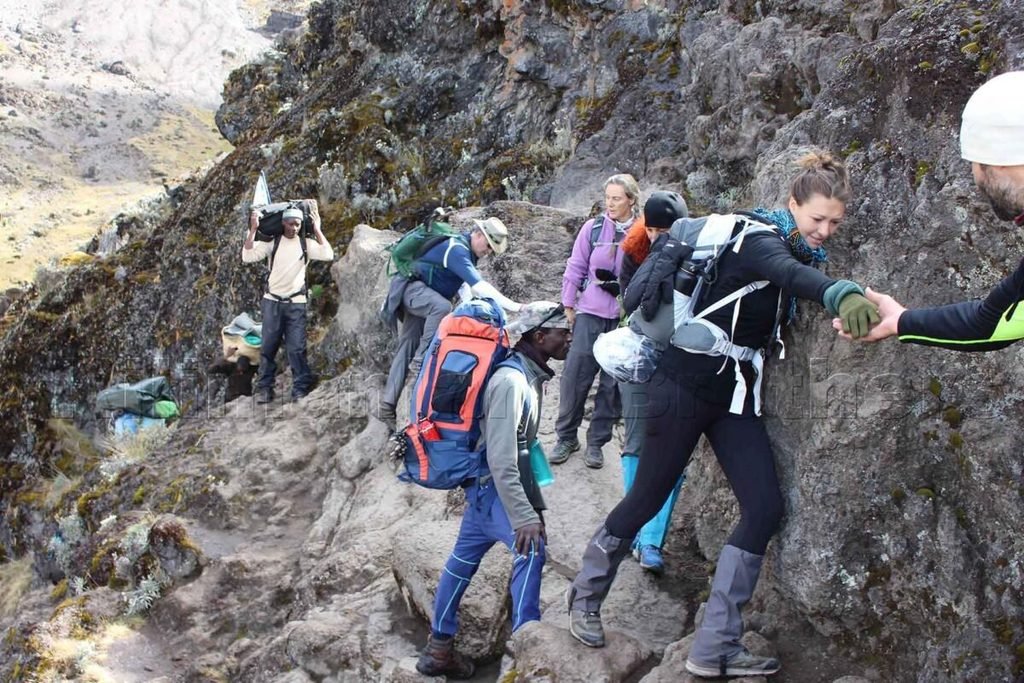
Day 2: Machame Camp to Shira Camp:Which Kilimanjaro Route Is Right for You? A Complete 2026–2027 Ultimate Guide
The landscape gradually changes from rainforest to heath and moorland.
As you climb higher, views of the surrounding landscape begin to open.
Overnight: Shira Camp.
Day 3: Shira Camp to Lava Tower to Barranco Camp
This is an important acclimatization day.
You climb toward Lava Tower before descending toward Barranco.
The principle of “climb high, sleep lower” is useful for helping the body adjust to altitude.
Overnight: Barranco Camp.
Day 4: Barranco to Karanga Camp
Today begins with the famous Barranco Wall.
After tackling the wall, continue toward Karanga Valley.
Overnight: Karanga Camp.
Day 5: Karanga to Barafu Camp
The landscape becomes increasingly barren as you approach the summit zone.
Arrive at Barafu Camp and prepare for summit night.
Overnight: Barafu Camp.
Day 6: Summit Day – Uhuru Peak
This is the biggest day of the trek.
You normally begin during the night, depending on the itinerary.
The climb toward Stella Point is demanding, with cold temperatures and thin air.
From Stella Point, continue around the crater rim toward Uhuru Peak.
Standing at 5,895 meters, you will have reached the highest point in Africa.
After spending a short period at the summit, descend toward the lower camp.
Overnight: Lower mountain camp.
Day 7: Descend and Exit Kilimanjaro
Continue descending through the forest toward the park exit.
Your vehicle meets you at the gate, marking the end of your mountain adventure.
How Much Does Kilimanjaro Cost in 2026–2027?
Kilimanjaro prices vary according to route, number of days, group size, accommodation before and after the climb, park fees, crew arrangements, and package level.
As a general planning guide:
| Package Level | Approximate Cost Per Person |
|---|---|
| Budget/Group Camping | USD 1,500–2,200 |
| Mid-Range Group Climb | USD 2,000–3,000 |
| Private Standard Climb | USD 2,500–3,800 |
| Premium/Luxury Climb | USD 3,500–5,500+ |
| Extended 8–9 Day Climb | USD 2,500–4,500+ |
These are approximate planning ranges rather than fixed quotations.
The final cost should be confirmed based on your travel dates, group size, chosen route, number of trekking days, accommodation, park charges, and services included.
What Is Included in a Kilimanjaro Package?
A comprehensive climbing package may include:
- Professional mountain guide
- Porters
- Cook
- Park entrance fees
- Camping or hut fees
- Rescue-related park fees where applicable
- Meals during the trek
- Drinking water during the climb
- Mountain tents where required
- Sleeping arrangements
- Airport or hotel transfers if specified
- Pre-climb briefing
- Government taxes and applicable service charges
Always request a detailed quotation so you know exactly what is included.
What Is Not Usually Included?
You may need to budget separately for:
- International flights
- Tanzania visa
- Travel insurance
- Personal climbing equipment
- Tips for mountain crew
- Personal medication
- Hotel nights outside the package
- Alcoholic beverages
- Laundry
- Personal shopping
- Emergency evacuation beyond the included arrangements
What Should You Pack for Kilimanjaro?
Kilimanjaro requires more preparation than a normal hiking holiday.
Essential items include:
Clothing
- Moisture-wicking base layers
- Hiking trousers
- Fleece
- Warm jacket
- Waterproof jacket
- Warm gloves
- Hat
- Sun hat
- Thermal layers
- Warm socks
Footwear
- Broken-in hiking boots
- Comfortable camp shoes
- Gaiters if preferred
Equipment
- Headlamp
- Trekking poles
- Sleeping bag suitable for cold conditions
- Daypack
- Duffel bag for porter transport
- Water bottles or hydration system
- Sunglasses
- Sunscreen
- Camera
Personal items
- Toiletries
- Personal medication
- Small first-aid supplies
- Wet wipes
- Hand sanitizer
- Power bank
Your operator should provide a detailed packing list before departure.
Fitness and Training for Kilimanjaro
You do not need to be an elite athlete to climb Kilimanjaro.
However, you should prepare properly.
Training can include:
- Long-distance walking
- Hiking on hills
- Stair climbing
- Strength exercises
- Cardiovascular training
- Weekend hikes carrying a light pack
Try to become comfortable walking for several hours at a time.
The goal is not simply speed. Kilimanjaro is generally climbed at a slow pace.
You may hear the phrase pole pole, means slowly, slowly in Swahili.
This philosophy is especially important at altitude.
Altitude Is the Biggest Challenge
Kilimanjaro’s greatest difficulty is not technical climbing for most trekkers. It is altitude.
Altitude-related symptoms can include:
- Headache
- Nausea
- Fatigue
- Dizziness
- Reduced appetite
- Shortness of breath
More serious altitude illness can occur and requires appropriate medical attention.
Never hide symptoms because you are afraid of leaving the mountain.
Your guide should monitor your condition throughout the trek, and climbers should follow professional advice regarding ascent, descent, and medical concerns.
Food and Hydration on the Mountain
Good nutrition and hydration can make a significant difference to your trekking experience.
Meals commonly include foods such as:
- Rice
- Pasta
- Potatoes
- Vegetables
- Soup
- Bread
- Eggs
- Meat
- Fruit
- Porridge
Drinking enough water is important.
Your guide and support team should explain the expected daily water requirements and how water is supplied during the trek.
When Should You Climb Kilimanjaro in 2026 or 2027?
Kilimanjaro can be climbed throughout the year, but weather conditions vary.
The generally popular trekking periods include:
January–March
Often associated with relatively favorable trekking conditions, although weather can vary.
June–October
A popular period with generally drier conditions.
November–December
Short rains can occur, but climbing remains possible.
April–May
This is part of the longer rainy season and may produce wetter trekking conditions.
Your ideal month depends on your priorities, availability, and tolerance for changing weather.
Responsible Kilimanjaro Trekking
A successful climb should also respect the mountain and the people who make the journey possible.
Choose an itinerary that allows the crew to work safely and fairly.
Good practices include:
- Avoiding unnecessary single-use plastic
- Carrying reusable water bottles
- Following park regulations
- Staying on established trails
- Respecting wildlife
- Listening to your guide
- Treating porters respectfully
- Avoiding excessive baggage
- Leaving no waste behind
Your mountain crew plays an important role in your journey, so responsible treatment and appropriate tipping practices should be part of your planning.
Combining Kilimanjaro With a Tanzania Safari
Why stop after reaching the summit?
Many travelers combine Kilimanjaro with a safari.
After several days in the mountains, descending into Tanzania’s wildlife parks creates a completely different experience.
A popular combination could be:
Kilimanjaro → Tarangire → Ngorongoro → Serengeti → Zanzibar
This allows you to experience:
- Africa’s highest mountain
- Elephants and baobabs
- Ngorongoro’s wildlife
- Serengeti plains
- Great Migration opportunities, depending on season
- Zanzibar beaches
For travelers with enough time, this can become a comprehensive Tanzania holiday.
Why Choose Eko Tanzania Adventures?
At Eko Tanzania Adventures, we understand that choosing a Kilimanjaro route can feel confusing.
Our role is to help you understand the differences before you make your decision.
We can organize climbs around:
- Your preferred route
- Travel dates
- Number of days
- Group size
- Budget
- Accommodation preferences
- Safari plans
- Zanzibar extensions
Whether you are a first-time trekker dreaming about Uhuru Peak or an experienced hiker looking for a longer mountain adventure, your itinerary can be designed around your needs.
The focus should always be on proper preparation, responsible guiding, realistic expectations, and a safe mountain experience.
Frequently Asked Questions
Which Kilimanjaro route is easiest?
There is no route that makes Kilimanjaro easy because altitude is the main challenge. Marangu has a relatively direct profile and hut accommodation, while longer routes such as Lemosho and Northern Circuit provide more days for acclimatization.
Which route is best for beginners?
Beginners often consider longer routes such as Lemosho or a longer Machame itinerary because they provide more time on the mountain. Your fitness, experience, and medical circumstances should also be considered.
Which route has huts?
Marangu is the principal Kilimanjaro route using mountain huts for overnight accommodation.
How many days should I spend climbing Kilimanjaro?
A longer itinerary generally gives more time for acclimatization. Many travelers choose 7–9 day programs rather than trying to minimize the number of days.
Can I climb Kilimanjaro without previous mountain experience?
Many first-time trekkers successfully attempt Kilimanjaro. Good physical preparation, appropriate pacing, proper acclimatization, suitable equipment, and professional mountain support are important.
Is Uhuru Peak guaranteed?
No. Reaching the summit depends on many factors, including weather, altitude response, fitness, and health during the trek. A responsible operator should never promise that every climber will reach the summit.
Final Advice: Choose the Route That Matches Your Journey
The most important thing to remember when choosing your Kilimanjaro route is that there is no single route that is perfect for every traveler.
If you want a classic experience with mountain huts, Marangu may appeal to you.
If you want scenic camping and an adventurous atmosphere, Machame may be attractive.
If you have more time and want a longer, scenic approach, Lemosho is worth considering.
If you prefer a northern perspective, Rongai offers a different experience.
If acclimatization time and a long wilderness journey are priorities, the Northern Circuit provides an extended itinerary.
And if you are an experienced trekker looking for a demanding approach, Umbwe may be worth discussing with your mountain guide.
For 2026 and 2027, the best approach is to start by identifying your priorities rather than choosing a route based only on price or popularity.
Think about how many days you have, whether you prefer camping or huts, how much time you want for acclimatization, the scenery you want to experience, and whether you plan to combine your climb with a safari or Zanzibar holiday.
Then build your trip around those priorities.
At Eko Tanzania Adventures, we can help transform that idea into a practical Tanzania itinerary—from your arrival in Arusha, through the forests and high-altitude landscapes of Kilimanjaro, to the wildlife-filled plains of the Serengeti and the beaches of Zanzibar.
Your Kilimanjaro journey begins long before you reach the summit. Choosing the right route is the first important step.