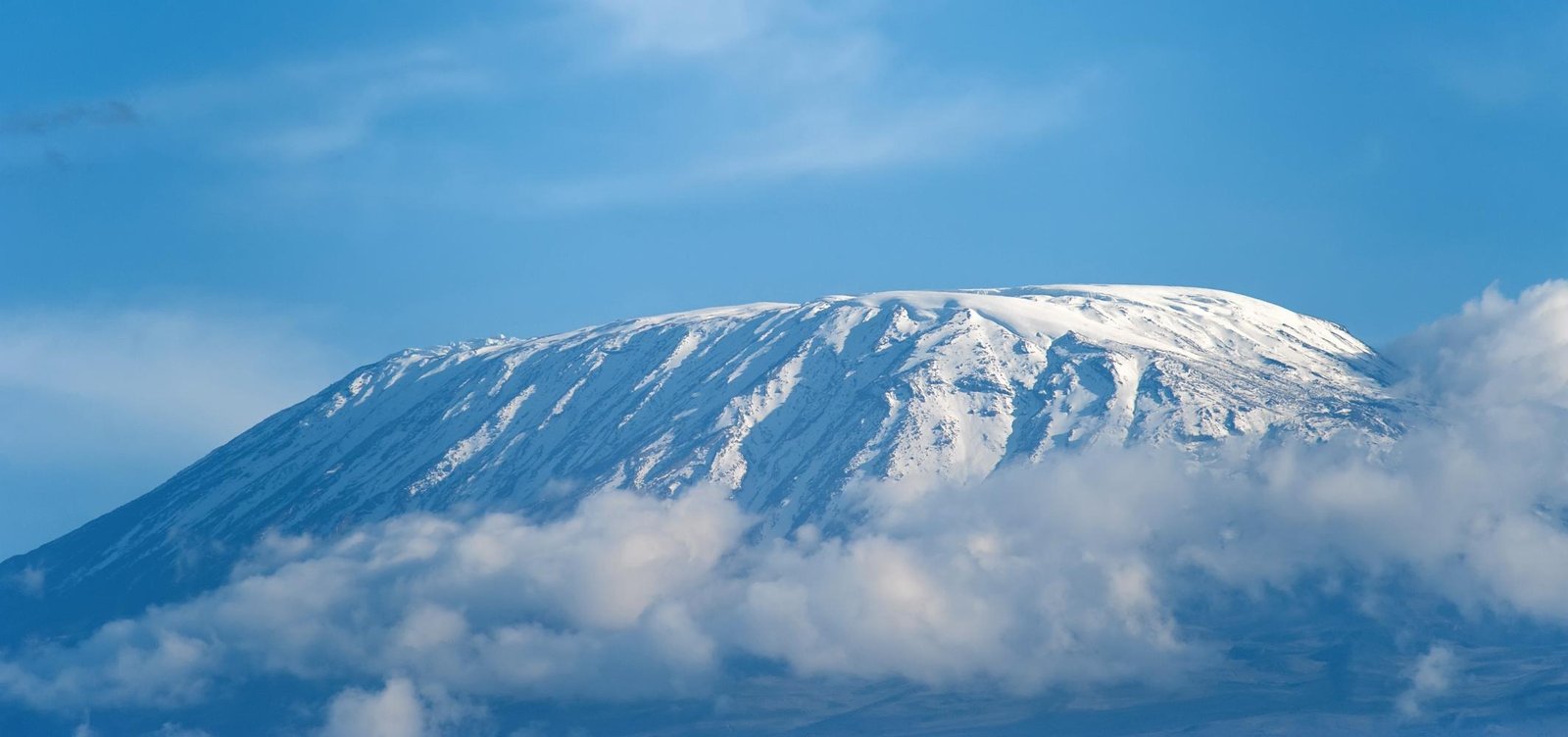
The Ultimate Guide to the Best 6-Day Machame Route to Kilimanjaro’s Summit in 2026, 2027 & 2028:Climbing Mount Kilimanjaro is one of Africa’s most memorable adventures, and the 6-day Machame Route offers an exciting way to reach Uhuru Peak at 5,895 meters (19,341 feet) while experiencing several of the mountain’s dramatic ecological zones.
Known for its spectacular scenery, the Machame Route approaches Kilimanjaro from the south and passes through rainforest, heath and moorland, alpine desert, and the high-altitude summit zone. The route then descends through the Mweka trail.
The six-day version is a short and demanding itinerary. It saves one day compared with the standard seven-day Machame program by combining the Barranco–Karanga–Barafu section into one long trekking day. This makes the route particularly attractive to fit trekkers who have limited time, but it also means that preparation, pacing, acclimatization, and professional mountain support are extremely important.
For travelers planning their Kilimanjaro adventure in 2026, 2027, or 2028, this guide explains the complete itinerary, difficulty, preparation, packing requirements, accommodation, food, safety, costs, and practical planning considerations.
Why Choose the 6-Day Machame Route?
The Machame Route is often called the Whiskey Route and is one of the best-known approaches to Mount Kilimanjaro.
Its attraction comes from the combination of:
- Dramatic mountain scenery
- Diverse ecological zones
- The famous Barranco Wall
- The Lava Tower acclimatization section
- Excellent views of Kibo and Mawenzi
- A challenging summit night
- Descent through the Mweka Route
The route also provides a useful “climb high, sleep low” experience on Day 3. You ascend toward Lava Tower before descending to Barranco Camp, giving your body an opportunity to experience a higher altitude before sleeping lower.
However, the six-day itinerary should not be confused with an easy Kilimanjaro climb. The shortened schedule means there is less time for acclimatization than on the seven-day version, and Day 4 and summit day are particularly demanding.
The Ultimate Guide to the Best 6-Day Machame Route to Kilimanjaro’s Summit in 2026, 2027 & 2028Complete 6-Day Machame Route Itinerary
Day 1: Machame Gate to Machame Camp
Your Kilimanjaro adventure begins with a transfer from your hotel in Moshi or the surrounding area to Machame Gate.
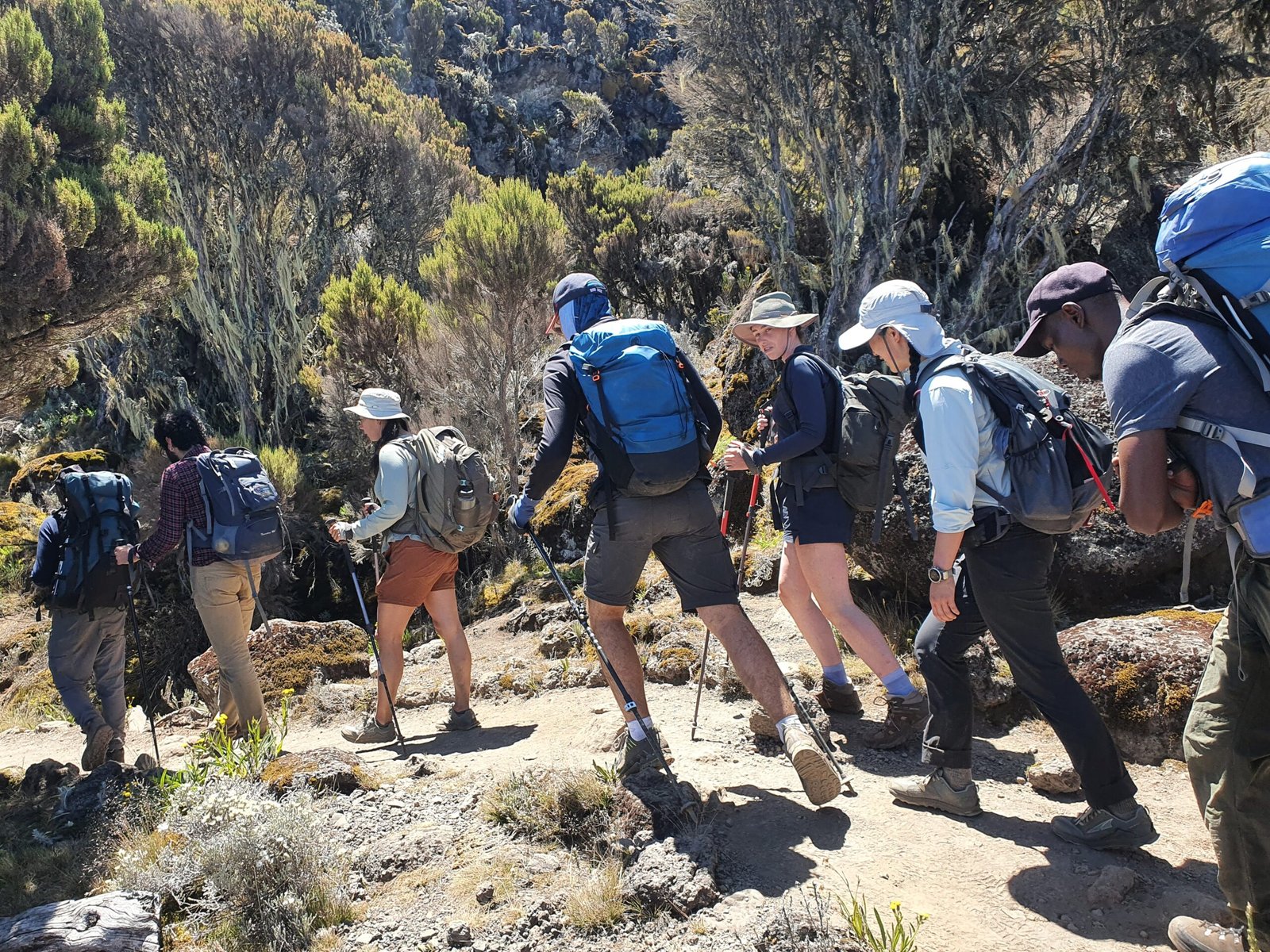
After registration and the necessary preparations, you begin walking through the magnificent montane rainforest.
The first day is relatively straightforward compared with what lies ahead, but the trail gradually becomes steeper. Depending on the season, sections of the forest can be muddy or slippery, so trekking poles and waterproof footwear are useful.
The forest is rich in vegetation and birdlife, making this a beautiful introduction to the mountain.
After several hours of hiking, you reach Machame Camp, where your mountain crew prepares your accommodation and dinner.
Overnight: Machame Camp.
Day 2: Machame Camp to Shira Camp
After breakfast, the trail leaves the rainforest and enters the heath and moorland zone.
The vegetation becomes shorter and the landscape opens dramatically. As you climb higher, you begin to see broader views of the mountain and surrounding landscapes.
Although the distance is relatively short, the altitude gain is significant. This is why a slow pace is important.
Your guides will normally encourage you to walk “pole pole,” meaning slowly in Swahili. This isn’t a race. Conserving energy early in the trek is one of the most important strategies for the days ahead.
Eventually, you reach the spectacular Shira Plateau and continue toward Shira Camp.
Overnight: Shira Camp.
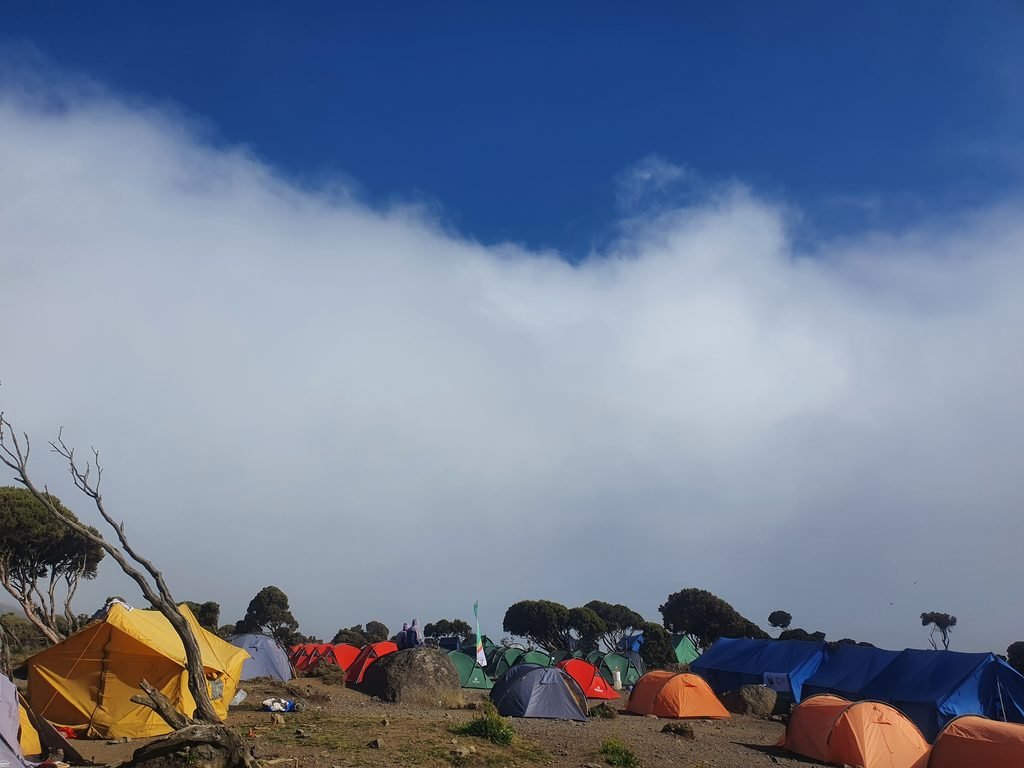
Day 3: Shira Camp – Lava Tower – Barranco Camp
Day 3 is one of the most important days of the entire trek.From Shira, you climb gradually toward the dramatic Lava Tower area. The landscape becomes increasingly dry and rocky as you enter the alpine desert.
Lava Tower is commonly used as an acclimatization point at roughly 4,600 m.
After spending time at this higher elevation, you descend toward Barranco Camp.
This creates the classic acclimatization principle:
Climb high – descend – sleep lower.
Although you finish the day at a similar elevation to where you started, your body has experienced a significantly higher altitude during the day.
Barranco Camp is one of the most scenic camps on Kilimanjaro. Looking up from camp, you can see the imposing Barranco Wall rising above you.
Overnight: Barranco Camp.
Day 4: Barranco Camp – Karanga – Barafu Camp
This is arguably the most demanding trekking day before the summit because the six-day itinerary combines sections that are normally spread over two days on the seven-day Machame route.
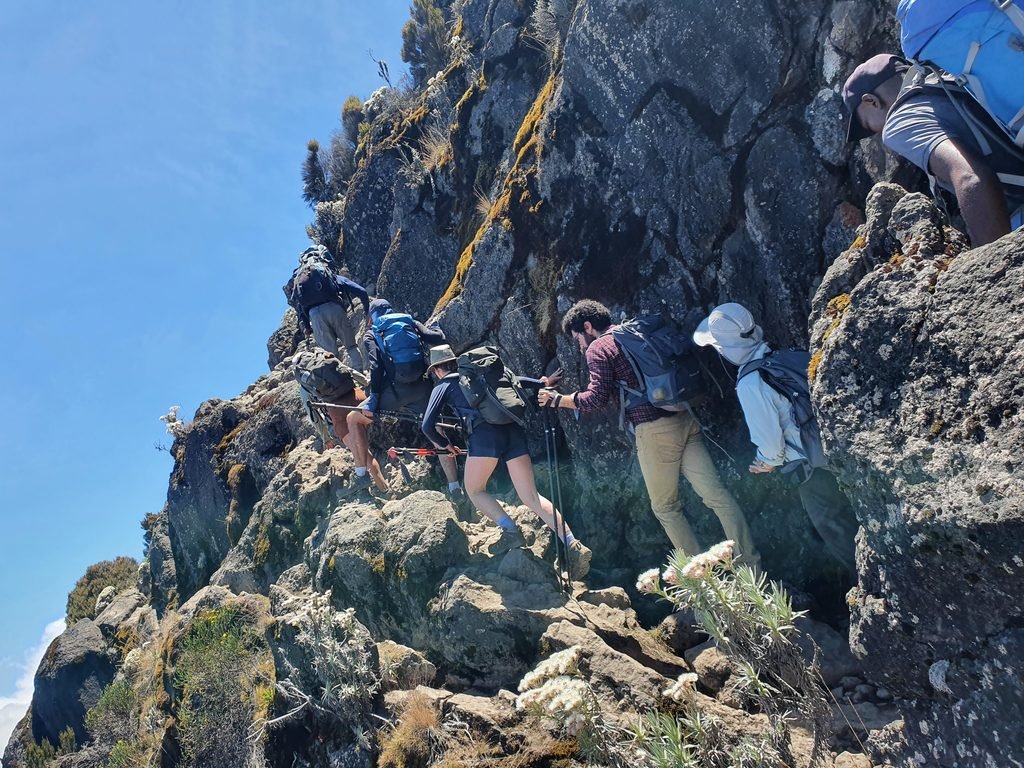
The morning begins with the famous Barranco Wall.
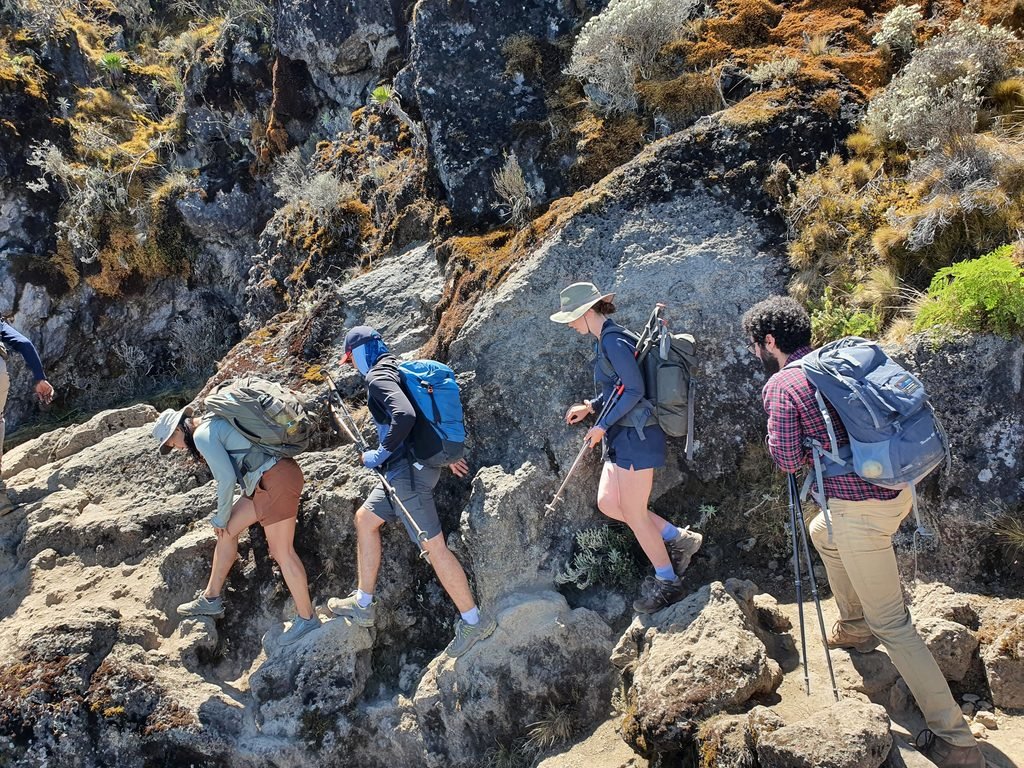
Although the wall looks intimidating from camp, the route is a hiking and scrambling section rather than a technical rock-climbing route. Your guides help you negotiate the steeper sections safely.
After the wall, the trail continues through the Karanga Valley.
You then continue upward toward Barafu Camp, the high camp from which you will attempt the summit.
Barafu means ice or cold in Swahili, and the environment at this altitude is very exposed. Temperatures can become extremely cold, especially at night.
Once you arrive at camp, the most important thing is to rest, eat, hydrate, and prepare your summit equipment.
There is usually an early dinner because the summit attempt begins around midnight.
Overnight: Barafu Camp.
Day 5: Barafu Camp – Uhuru Peak – Mweka Camp
This is the biggest day of your Kilimanjaro adventure.You normally wake around midnight and begin climbing by headlamp.
The initial objective is Stella Point, located on the crater rim at approximately 5,700+ meters.
The climb is slow and physically demanding. The air is thin, temperatures can be extremely cold, and the terrain consists largely of volcanic scree.
This is where mental preparation becomes just as important as physical fitness.
After reaching Stella Point, you continue along the crater rim toward Uhuru Peak.
Then comes the moment you have been waiting for:
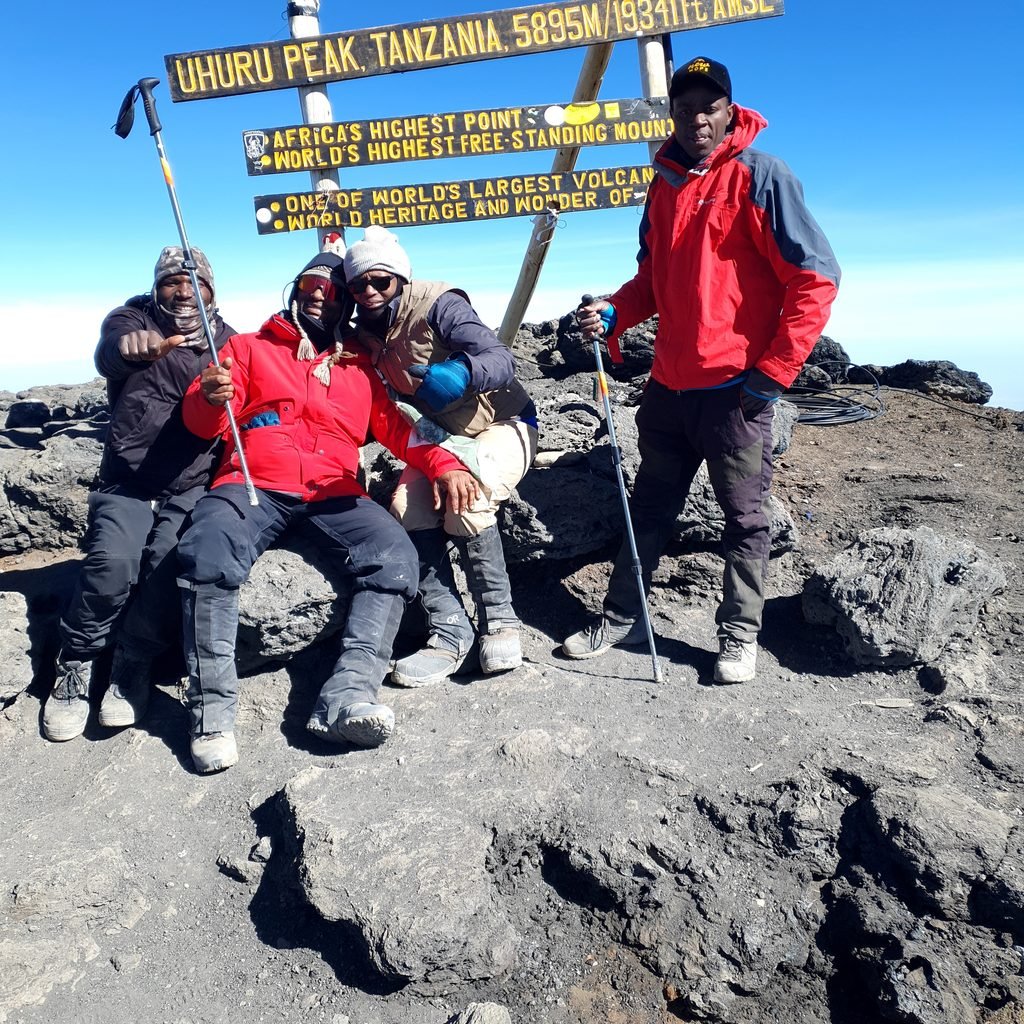
Uhuru Peak – 5,895 m
Standing at Uhuru Peak means you have reached the highest point in Africa.
Depending on weather and your pace, you may experience spectacular sunrise views over the surrounding African landscape.
After celebrating at the summit, you begin the long descent.
You descend toward Barafu before continuing to Mweka Camp, where you can finally rest after the demanding summit day.
The summit day can involve a very long period of walking, and published itineraries commonly estimate roughly 12–16 hours depending on individual pace and conditions.
Overnight: Mweka Camp.
Day 6: Mweka Camp to Mweka Gate
After breakfast, your final mountain descent begins.The trail takes you through the rainforest, and after the high-altitude environment of the summit, the vegetation feels dramatically different.
Depending on weather conditions, the trail may be wet or muddy.
Eventually, you arrive at Mweka Gate, where the trek officially ends.
After completing the necessary procedures, you can receive your summit certificate before transferring back to your hotel.
A hot shower, comfortable bed, and celebratory meal are usually very welcome after six days on the mountain.
6-Day Machame Route at a Glance
| Day | Route | Approx. Altitude | Main Experience |
|---|---|---|---|
| Day 1 | Machame Gate – Machame Camp | 1,800 – 3,000 m | Rainforest |
| Day 2 | Machame Camp – Shira Camp | 3,000 – 3,840 m | Heath & Shira Plateau |
| Day 3 | Shira – Lava Tower – | 3,840 – 4,600 – ~3,950 m | Acclimatization |
| Day 4 | Barranco – Karanga – Barafu | ~3,950 – 4,600–4,700 m | Barranco Wall |
| Day 5 | Barafu – Uhuru Peak – Mweka | 4,600 – 5,895 – 3,100 m | Summit Day |
| Day 6 | Mweka – Mweka Gate | 3,100 – ~1,650 m | Final descent |
Exact distances and elevations can vary slightly between published route measurements and campsite arrangements.
Is the 6-Day Machame Route Difficult?
Yes. The six-day Machame Route should be considered challenging.
The main difficulty isn’t simply the distance. Several factors combine:
1. High altitude
Uhuru Peak is 5,895 meters above sea level. Altitude affects every person differently, regardless of age, fitness, or previous hiking experience.
2. Long summit day
You start climbing during the night and continue to the summit before descending thousands of meters to Mweka Camp.
3. Limited acclimatization
The six-day version removes the Karanga overnight used by the longer itinerary, creating a tighter schedule.
4. Day 4 is demanding
Barranco Wall, Karanga Valley, and the ascent toward Barafu are combined into one day.
5. Weather
Kilimanjaro weather can change rapidly, particularly at higher elevations.
For these reasons, anyone choosing six days should prepare seriously rather than treating the climb as a casual hiking holiday.
6-Day vs 7-Day Machame Route
One of the most important decisions when planning Kilimanjaro is whether to choose six or seven days.
6-Day Machame
- Shorter trip
- Requires fewer mountain days
- More demanding Day 4
- Less time for acclimatization
- Particularly attractive to fit trekkers with limited time
7-Day Machame
The seven-day version adds an overnight at Karanga Camp, separating the Barranco-to-Karanga and Karanga-to-Barafu sections. This provides a more gradual schedule and additional time on the mountain.
Therefore, travelers should choose according to their available time, previous hiking experience, physical preparation, and ability to adapt to altitude rather than simply choosing the shortest itinerary.
Best Time for the Machame Route in 2026, 2027 & 2028
Kilimanjaro can be climbed throughout the year, but weather conditions vary considerably.
The commonly preferred periods are the drier seasons, particularly:
- January–February
- June–October
- Some periods around December
The wetter months can bring more rain, muddy trails, clouds, and less predictable conditions.
However, there is no completely guaranteed weather window. Mountain conditions can change rapidly, so proper equipment remains important regardless of your travel month.
If you are planning for 2026, 2027, or 2028, it is wise to reserve your preferred dates early, especially if you need specific hotel arrangements, flights, or a private climbing team.
What Is Included in a 6-Day Machame Package?
A properly organized Kilimanjaro package normally includes the essential mountain logistics.
Depending on the package selected, these can include:
- Kilimanjaro National Park entry and applicable mountain fees
- Professional mountain guides
- Porters
- Cook and mountain crew
- Camping accommodation
- Tents
- Sleeping arrangements
- Meals during the trek
- Drinking water during the climb
- Airport or hotel transfers where specified
- Park registration
- Summit certificate after successful completion
TANAPA states that Kilimanjaro climbs must be guided by a licensed operator and that the mountain uses designated tented camps on routes such as Machame. Current fees vary according to visitor category, route, and duration, so travelers should confirm the applicable fee schedule when booking.
What Is Usually Not Included?
Travelers should also understand what may be outside the package price.
Common exclusions include:
- International flights
- Tanzania visa
- Travel insurance
- Personal hiking equipment
- Personal medication
- Tips for guides, porters, and support staff
- Hotel nights outside the climbing package
- Personal drinks or alcoholic beverages
- Extra accommodation caused by early arrival or delayed departure
- Rescue or medical expenses not covered by the package
Always request a detailed quotation before making your booking so you understand exactly what is included.
Kilimanjaro Packing List for the 6-Day Machame Route
Packing correctly can make a major difference.
Clothing
Bring layers rather than relying on one heavy jacket.
Recommended items include:
- Moisture-wicking base layers
- Hiking trousers
- Fleece or warm mid-layer
- Waterproof jacket
- Waterproof trousers
- Warm down or insulated jacket
- Thermal underwear
- Warm hat
- Sun hat
- Gloves
- Hiking socks
- Extra socks
Footwear
A good pair of broken-in hiking boots is essential.
Avoid bringing brand-new boots directly onto the mountain.
Essential equipment
You should also consider:
- Sleeping bag suitable for cold mountain conditions
- Headlamp
- Spare batteries
- Trekking poles
- Sunglasses
- Sunscreen
- Water bottles or hydration system
- Backpack
- Waterproof backpack cover
- Personal first-aid supplies
- Lip balm
- Toiletries
- Personal medication
Your operator should provide a specific equipment checklist before departure.
How to Prepare Physically
You don’t need to be an elite athlete to climb Kilimanjaro, but you should prepare your body for long days of walking.
Start training several weeks or months before your trek.
Useful activities include:
Walking
Long-distance walking is one of the best forms of preparation.
Hill training
If you have access to hills or stairs, use them to strengthen your legs.
Cardiovascular exercise
Running, cycling, swimming, and brisk walking can help develop endurance.
Strength training
Focus particularly on:
- Legs
- Glutes
- Core
- Calves
Practice hiking with a backpack
Get used to walking for several hours while carrying the type of daypack you expect to use.
Altitude Acclimatization and Safety
Altitude is one of the most important considerations on Kilimanjaro.
Symptoms of altitude illness can include headache, nausea, dizziness, unusual fatigue, and difficulty sleeping.
Never ignore serious symptoms.
Your guide should monitor your condition throughout the climb, and you should communicate honestly about how you feel.
The official Kilimanjaro National Park visitor guidance recommends ascending slowly, staying hydrated, reporting symptoms promptly, carrying appropriate clothing and personal medication, and following guide instructions.
A critical rule is:
Never push through serious altitude symptoms simply because you want to reach the summit.
Your safety should come first.
Why Professional Guides Matter
A Kilimanjaro climb is not simply about following a trail.
A professional mountain crew helps with:
- Route navigation
- Mountain safety
- Camp organization
- Food preparation
- Water logistics
- Altitude monitoring
- Summit pacing
- Emergency response procedures
- Communication between climbers and support staff
TANAPA confirms that climbs on Kilimanjaro must be conducted with licensed guiding arrangements.
A responsible climbing company should also explain the itinerary clearly, provide an equipment checklist, communicate inclusions and exclusions, and prepare you for the realities of high-altitude trekking.
Why the Machame Route Is So Scenic
One of the major attractions of Machame is the variety of landscapes.
During six days you can experience:
Montane rainforest → Heath and moorland → Shira Plateau → Alpine desert → Arctic summit environment
The scenery changes dramatically as you climb.
At lower elevations, dense vegetation surrounds the trail.
Higher up, the landscape becomes open and rugged.
Near the summit, vegetation almost disappears and volcanic rock, ice, snow, and immense skies dominate the environment.
This changing scenery is one reason Machame remains such a popular Kilimanjaro approach.
Planning Your 2026, 2027 or 2028 Kilimanjaro Climb
If you’re planning ahead, consider these steps:
Step 1: Choose your dates
Select a period that works with your travel schedule and preferred weather conditions.
Step 2: Decide whether six days is appropriate
If you have enough time and want a more gradual itinerary, compare the six-day and seven-day options before booking.
Step 3: Select a reputable local climbing company
Ask about:
- Guides
- Porters
- Safety procedures
- Accommodation
- Meals
- Equipment
- Park fees
- Transfers
- Emergency arrangements
Step 4: Start training
Don’t wait until the week before your climb.
Step 5: Organize your equipment
Make sure everything fits properly before arriving in Tanzania.
Step 6: Arrange insurance
Choose travel insurance that specifically covers high-altitude trekking to the elevation of Kilimanjaro.
Step 7: Allow time before and after the trek
A hotel night before climbing is useful for final preparations, while an additional night after the climb gives you time to recover before your onward journey.
Book Your 6-Day Machame Route with Eko Tanzania Adventures
For travelers planning to climb Kilimanjaro in 2026, 2027, or 2028, the six-day Machame Route can provide a memorable and challenging journey from the rainforest to the summit of Africa.
With Eko Tanzania Adventures, travelers can arrange a professionally guided Kilimanjaro experience with mountain crew support, accommodation arrangements, meals, transfers, and the necessary trekking logistics.
Before booking, tell the team:
- Your preferred climbing date
- Number of travelers
- Your previous hiking experience
- Your preferred accommodation before and after the climb
- Any dietary requirements
- Whether you want a private or group climb
The team can then help you plan the appropriate package and provide the current quotation based on your travel dates.
Final Thoughts
The 6-Day Machame Route is a spectacular but demanding way to climb Mount Kilimanjaro. From the lush rainforest at Machame Gate to the dramatic Barranco Wall, the high-altitude Lava Tower, Barafu Camp, and finally Uhuru Peak at 5,895 meters, every stage offers a different experience.
Its greatest advantage is the ability to experience this remarkable route within six climbing days. Its main challenge is the compressed schedule, especially the demanding fourth day and long summit day.
For 2026, 2027, and 2028, successful preparation should begin long before you arrive in Tanzania. Train consistently, use appropriate equipment, choose professional mountain support, walk slowly, respect altitude, and listen carefully to your guides.
Most importantly, remember that Kilimanjaro is not a race. The goal is to experience the mountain safely and responsibly while giving yourself the best possible preparation for the journey to Africa’s highest point.