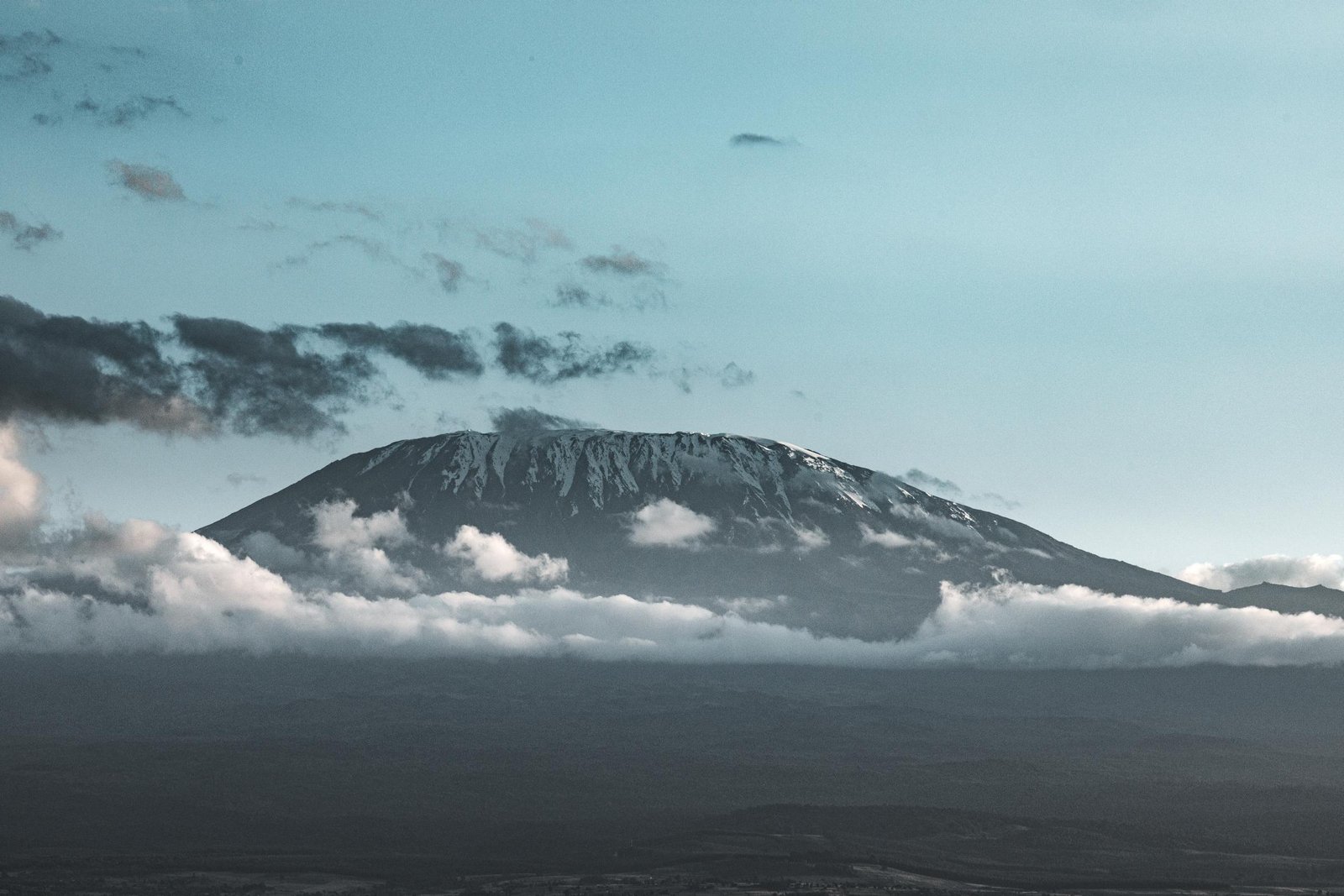
The 9-Day Lemosho Route 2026–2028 is an extended Mount Kilimanjaro climbing expedition designed for trekkers who want to spend more time on the mountain, experience its spectacular landscapes, and give their bodies additional time to adjust to increasing altitude.
Lemosho is known for its scenic western approach, diverse ecological zones, and gradual transition toward the southern circuit of Kilimanjaro. By choosing a nine-day itinerary, trekkers have additional time to acclimatize before attempting the summit of Uhuru Peak at 5,895 metres (19,341 feet).
This makes the itinerary particularly attractive to travelers who do not want to rush their Kilimanjaro experience.
However, it is important to remember that more acclimatization time improves the opportunity for adaptation but does not guarantee summit success. Altitude affects each person differently, and the mountain environment can change quickly.
9-Day Lemosho Route at a Glance
| Feature | Details |
|---|---|
| Route | Lemosho Route |
| Duration | 9 Days |
| Summit | Uhuru Peak |
| Elevation | 5,895 m |
| Starting side | Western Kilimanjaro |
| Accommodation | Mountain camps |
| Summit approach | Southern Circuit |
| Descent | Mweka Route |
| Difficulty | Challenging |
| Main advantage | Extended itinerary with strong acclimatization opportunities |
| Suitable for | Trekkers seeking a gradual, scenic Kilimanjaro expedition |
Why Choose the 9-Day Lemosho Route?
The biggest attraction of the nine-day Lemosho itinerary is its extended acclimatization schedule.
Instead of trying to gain elevation rapidly, the journey allows trekkers to spend more time adjusting to the changing environment.
The route also offers extraordinary scenery.
You can experience:
- Montane rainforest
- Moorland
- Shira Plateau
- Alpine desert
- Lava Tower
- Barranco Valley
- Karanga Valley
- High-altitude volcanic terrain
- Uhuru Peak
The additional day also creates more flexibility for rest and acclimatization before the summit attempt.
9-Day Lemosho Route Itinerary
Day 1: Lemosho Starting Point to Big Tree Camp
Starting elevation: approximately 2,100–2,400 m
Big Tree Camp: approximately 2,780 m
Your expedition begins on the western side of Mount Kilimanjaro.
After completing the necessary registration and park procedures, you begin hiking through the montane rainforest.
The environment is lush and cool, with tall trees, dense vegetation, moss, and birdlife.
The trail gradually gains elevation as you move deeper into the forest.
This first day is designed to introduce you to the mountain gradually rather than immediately exposing you to extreme altitude.
After several hours of hiking, you arrive at Big Tree Camp.
Your mountain crew prepares the campsite while you rest and enjoy your first evening on Kilimanjaro.
Overnight: Big Tree Camp.
Day 2: Big Tree Camp to Shira 1 Camp
Big Tree Camp: approximately 2,780 m
Shira 1 Camp: approximately 3,500 m
The second day marks an important transition.
The dense rainforest gradually gives way to moorland as you climb higher.
The vegetation becomes shorter and more widely spaced, while the surrounding views become increasingly expansive.
Eventually, you reach the spectacular Shira Plateau.
The plateau is an ancient volcanic landscape and provides some of the most impressive views of Kilimanjaro.
Depending on weather conditions, you may be able to see the summit area rising above the surrounding landscape.
Overnight: Shira 1 Camp.
Day 3: Shira 1 Camp to Shira 2 Camp
Shira 1 Camp: approximately 3,500 m
Shira 2 Camp: approximately 3,850 m
The third day is comparatively moderate.
You continue across the Shira Plateau, giving your body more time to adjust to altitude.
This is one of the reasons longer Lemosho itineraries are attractive to trekkers who prioritize gradual acclimatization.
Depending on the exact itinerary, you may undertake a short acclimatization walk around the Shira area before returning to camp.
The landscape is open and dramatic, offering a sharp contrast to the forest encountered on the first day.
Overnight: Shira 2 Camp.
Day 4: Shira 2 Camp to Moir Hut
Shira 2 Camp: approximately 3,850 m
Moir Hut: approximately 4,200 m
The nine-day itinerary provides an additional stage before joining the more commonly used southern circuit.
The trail moves toward the northern side of the Shira Plateau and gradually gains elevation.
Moir Camp is situated in a relatively remote section of the mountain.
This can provide a quieter experience while giving trekkers another opportunity to spend time at higher altitude.
The day’s pace should remain controlled.
The objective is not simply to cover the distance quickly but to continue the gradual process of altitude adaptation.
Overnight: Moir Camp/Hut area.
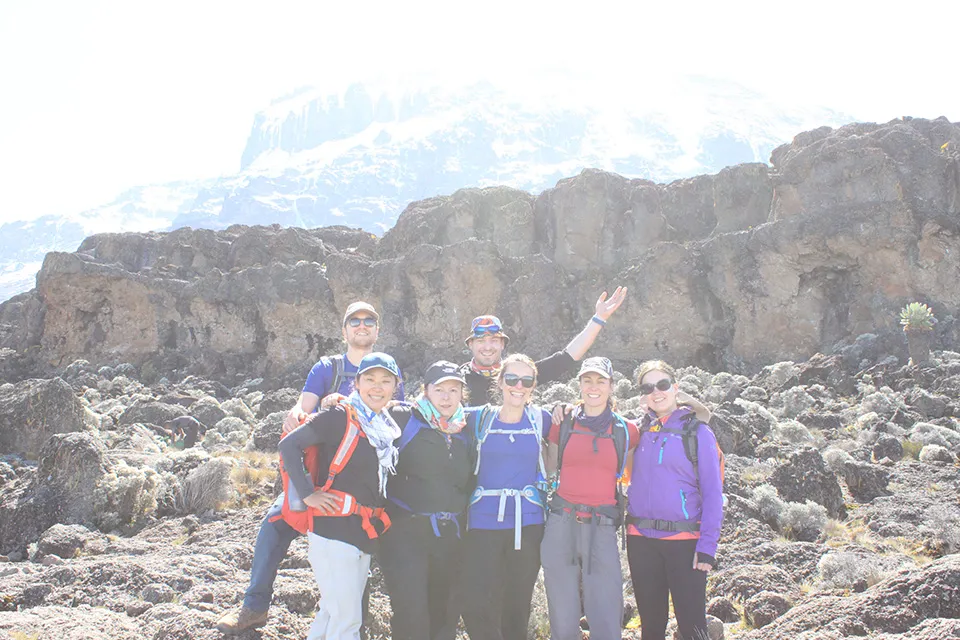
Day 5: Moir Camp to Lava Tower to Barranco Camp
Moir Camp: approximately 4,200 m
Lava Tower: approximately 4,630 m
Barranco Camp: approximately 3,960 m
Today is an important acclimatization day.
The route climbs toward Lava Tower before descending toward Barranco Camp.
You reach an elevation of more than 4,600 metres during the day before sleeping considerably lower.
This is an example of the widely used acclimatization principle:
Climb high, sleep low.
The landscape becomes increasingly rugged and barren.
Lava Tower is a dramatic volcanic formation and one of the major landmarks along the route.
After spending time at higher elevation, you descend toward Barranco Camp.
The dramatic Barranco Wall dominates the landscape around camp.
Overnight: Barranco Camp.
Day 6: Barranco Camp to Karanga Camp
Barranco Camp: approximately 3,960 m
Karanga Camp: approximately 4,035 m
The day begins with the famous Barranco Wall.
Although the wall appears steep from below, the route is primarily a scrambling and hiking section rather than technical rock climbing.
Your guide assists the group through the more challenging sections.
After reaching the top, the trail continues through the high-altitude landscape toward Karanga Valley.
The day’s distance is manageable compared with the summit day, allowing you to conserve energy.
You are now approaching the final stages of the expedition.
Overnight: Karanga Camp.
Day 7: Karanga Camp to Barafu Camp
Karanga Camp: approximately 4,035 m
Barafu Camp: approximately 4,640 m
Today you continue toward Barafu Camp.
The vegetation becomes increasingly sparse as you enter the alpine desert.
The route is dominated by volcanic rocks and expansive high-altitude terrain.
Barafu Camp is the principal launching point for the summit attempt.
Once you arrive, you should focus on preparing for the next stage.
Your afternoon is generally used for:
- Resting
- Eating
- Hydrating
- Organizing summit clothing
- Preparing your headlamp
- Checking trekking poles
- Preparing your daypack
The summit attempt generally begins during the night.
Overnight: Barafu Camp.
Day 8: Barafu Camp to Uhuru Peak to Mweka Camp
This is the most challenging and significant day of the expedition.
The summit attempt normally begins around midnight or during the early hours of the morning.
Barafu Camp to Stella Point
You climb gradually through the darkness toward the crater rim.
The combination of extreme altitude, cold temperatures, steep terrain, darkness, and fatigue makes this section demanding.
The guide normally maintains a deliberately slow pace.
The goal is to conserve energy and allow trekkers to progress steadily.
Stella Point to Uhuru Peak
After reaching Stella Point at approximately 5,739 metres, the trail continues around the crater rim toward Uhuru Peak.
The landscape becomes increasingly spectacular as you approach the highest point.
Finally, you reach:
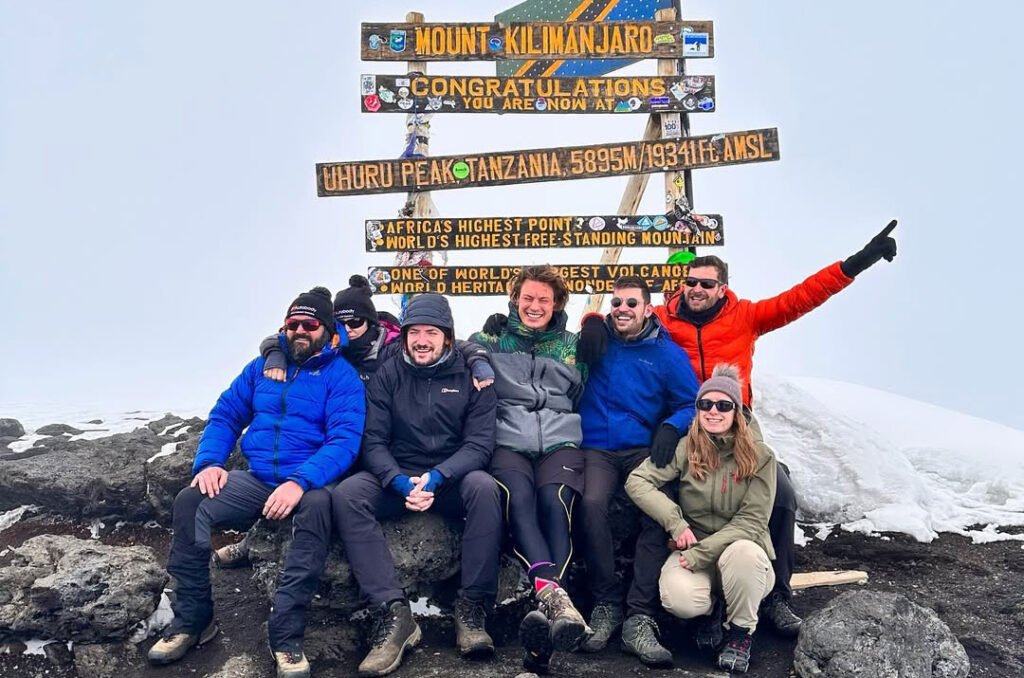
Uhuru Peak — 5,895 Metres
Uhuru Peak is the highest point on Mount Kilimanjaro and the highest point in Africa.
After reaching the summit, trekkers normally spend a limited amount of time at the top because of the extreme altitude and cold.
You then begin the descent.
Uhuru Peak to Barafu Camp
The descent toward Barafu is generally much faster than the ascent.
Once you arrive at Barafu Camp, you take a short rest before continuing downward.
Barafu Camp to Mweka Camp
The trail continues toward Mweka Camp, located at a considerably lower elevation.
The descent brings welcome relief from the extreme summit altitude.
By the time you arrive at camp, you will likely be physically tired but close to completing your expedition.
Overnight: Mweka Camp.
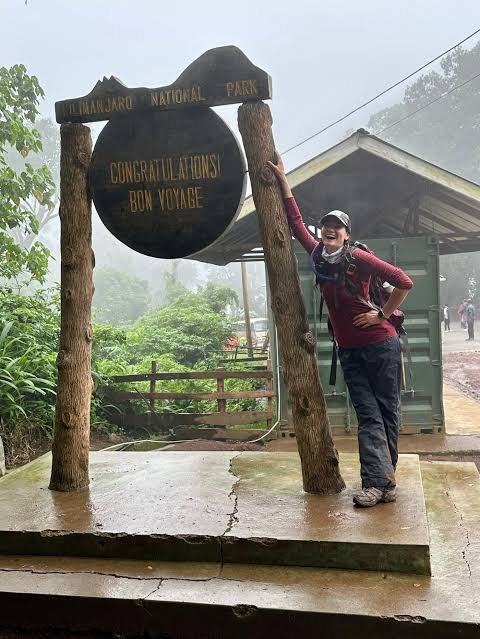
Day 9: Mweka Camp to Mweka Gate:The Ultimate 9-Day Lemosho Route 2026–2028
Mweka Camp: approximately 3,100 m
Mweka Gate: approximately 1,640 m
The final day is a descent through the beautiful rainforest.
After spending several days in high-altitude environments, returning to the forest provides a dramatic change.
The trail becomes greener and warmer as you descend.
Eventually, you reach Mweka Gate.
After completing the necessary park procedures, you meet your transfer vehicle and leave Mount Kilimanjaro.
Your nine-day Lemosho expedition officially comes to an end.
The Biggest Advantage: Extended Acclimatization
One of the strongest reasons travelers choose the nine-day itinerary is the opportunity for additional acclimatization.
The body needs time to adapt as elevation increases.
The nine-day itinerary allows you to:
- Gain elevation gradually
- Spend more nights on the mountain
- Include additional acclimatization stages
- Avoid an unnecessarily compressed schedule
- Approach the summit with several days of trekking experience behind you
However, longer duration does not make altitude risk disappear.
Some people acclimatize quickly, while others experience significant symptoms even with a carefully designed itinerary.
Altitude on the 9-Day Lemosho Route
Altitude is the principal physiological challenge of climbing Kilimanjaro.
As elevation increases, atmospheric pressure decreases.
You may experience:
- Headache
- Fatigue
- Nausea
- Dizziness
- Reduced appetite
- Difficulty sleeping
- Shortness of breath
Mild symptoms can occur during normal acclimatization, but serious or worsening symptoms should never be ignored.
Always inform your guide if you feel unwell.
A responsible mountain crew will prioritize your health and safety rather than pushing you to continue at all costs.
How Difficult Is the 9-Day Lemosho Route?
The route is challenging but non-technical for most trekkers.
You generally do not need specialized mountaineering skills to follow the trail.
Nevertheless, the expedition requires:
- Physical endurance
- Mental preparation
- Patience
- Good pacing
- Ability to walk for several hours
- Ability to cope with cold
- Ability to adapt to high altitude
The summit day is particularly demanding because it combines a nighttime ascent with extreme altitude and a long descent.
Training for the 9-Day Lemosho Route
Good preparation can improve your ability to enjoy the expedition.
Hiking
Make hiking part of your regular training.
Gradually increase distance and elevation.
Cardiovascular conditioning
Useful activities include:
- Walking
- Running
- Cycling
- Swimming
- Stair climbing
Strength
Strengthen your:
- Legs
- Calves
- Glutes
- Core
Long-distance preparation
Practice longer hikes so your body becomes accustomed to several hours of continuous movement.
If possible, practice walking on uneven terrain.
What to Pack for a 9-Day Lemosho Climb
Because the route crosses multiple climatic zones, you need equipment for both warm and freezing conditions.
Clothing
Pack:
- Moisture-wicking base layers
- Trekking trousers
- Fleece jacket
- Insulated jacket
- Waterproof jacket
- Thermal underwear
- Warm hat
- Gloves
- Hiking socks
Footwear
Bring well-fitting hiking boots that have already been broken in.
Essential equipment
Include:
- Headlamp
- Spare batteries
- Trekking poles
- Sleeping bag
- Backpack
- Duffel bag
- Water bottles or hydration system
- Sunglasses
- Sunscreen
- Toiletries
- Personal medication
- Small personal first-aid supplies
Your trekking company should provide a detailed equipment checklist before departure.
Food and Water During the Expedition
Nutrition becomes increasingly important as the climb progresses.
You are using significant amounts of energy each day, so meals should provide adequate calories and a good balance of carbohydrates and protein.
Hydration is also essential.
Drink regularly throughout the day.
At high altitude, appetite can decrease. Even when you do not feel particularly hungry, maintaining regular food and fluid intake is important.
Best Time for the 9-Day Lemosho Route
Kilimanjaro can be climbed during much of the year.
Many travelers prefer the generally drier periods because trails can be more comfortable and visibility may be better.
Commonly preferred periods include:
- January to February
- June to October
- Some periods around December
The wetter periods may bring muddy trails and cloudier conditions, especially on lower sections.
However, mountain weather is unpredictable, and even during traditionally favorable periods, rain or snow can occur.
Estimated Cost of the 9-Day Lemosho Route
The total cost depends on the specific trekking arrangement.
Important factors include:
- Group size
- Private or shared climb
- Season
- Park and conservation fees
- Mountain crew
- Camping services
- Meals
- Transportation
- Equipment rental
- Pre- and post-climb accommodation
- Airport transfers
- Additional services
A longer itinerary generally involves additional operational costs because you spend another night and day on the mountain.
When requesting a quotation, ask for a detailed breakdown.
Confirm whether the price includes:
- Park fees
- Camping fees
- Guides
- Porters
- Cook
- Meals
- Drinking water
- Transfers
- Accommodation before or after climbing
- Rescue or emergency arrangements
- Equipment rental
Also confirm what is excluded.
9-Day Lemosho vs 8-Day Lemosho
The difference is primarily the additional time available for acclimatization and pacing.
| Feature | 8-Day Lemosho | 9-Day Lemosho |
|---|---|---|
| Duration | 8 days | 9 days |
| Acclimatization | Strong | Extended |
| Pace | Gradual | More gradual |
| Scenery | Excellent | Excellent |
| Camping | Yes | Yes |
| Summit | Uhuru Peak | Uhuru Peak |
| Suitable for | Longer trekking itinerary | Travelers prioritizing additional acclimatization time |
The nine-day itinerary can be attractive to trekkers who prefer to spend more time on the mountain and approach the summit without compressing the earlier stages.
Who Should Consider the 9-Day Lemosho Route?
This itinerary can be particularly appealing to travelers who:
- Want an extended Kilimanjaro expedition
- Prefer gradual altitude gain
- Have sufficient time for a nine-day trek
- Enjoy scenic mountain environments
- Want additional acclimatization opportunities
- Are comfortable camping
- Want to explore the western and southern sections of Kilimanjaro
- Are prepared for a demanding summit attempt
It can work for experienced hikers and well-prepared first-time Kilimanjaro trekkers.
Responsible Trekking on Kilimanjaro
A successful expedition should also respect the mountain environment and the people who make the trek possible.
Travelers should:
- Follow park regulations
- Avoid littering
- Respect wildlife
- Respect other trekkers
- Follow guide instructions
- Use established trails
- Minimize environmental impact
- Treat mountain crew members with respect
Responsible trekking helps protect Kilimanjaro for future generations.
Combining the Climb With a Tanzania Safari
After completing a nine-day Lemosho expedition, many travelers choose to extend their Tanzania adventure.
Northern Tanzania provides easy opportunities to combine mountain trekking with wildlife experiences.
Possible safari destinations include:
Tarangire National Park
Known for its elephants, baobab landscapes, and diverse wildlife.
Ngorongoro Conservation Area
Famous for the spectacular Ngorongoro Crater and its rich wildlife environment.
Serengeti National Park
A major destination for wildlife viewing and the annual wildebeest migration.
Travelers with additional time can also extend their holiday to Zanzibar for beaches, culture, history, and relaxation.
Practical Tips for the 9-Day Lemosho Route
Take the climb slowly
The famous Swahili principle “pole pole” is extremely relevant on Kilimanjaro.
Slow and steady progress is preferable to rushing.
Stay hydrated
Drink regularly even when you do not feel thirsty.
Eat consistently
Maintain your energy throughout the trek.
Sleep whenever possible
Rest is particularly valuable during the higher-altitude stages.
Keep summit clothing accessible
Your warmest clothing should be easy to reach before the summit attempt.
Listen to your guide
Your guide monitors the group and can identify changes that may require attention.
Communicate symptoms
Never hide altitude-related symptoms.
Final Conclusion
The Ultimate 9-Day Lemosho Route 2026–2028 ;offers an extraordinary and extended journey to the summit of Mount Kilimanjaro.
Its greatest strength is the opportunity to experience the mountain at a more gradual pace, with additional time for acclimatization before the demanding summit attempt.
From the Lemosho rainforest to the expansive Shira Plateau, the volcanic landscape around Lava Tower, the dramatic Barranco Wall, the high-altitude terrain around Karanga and Barafu, and finally Uhuru Peak at 5,895 metres, the expedition provides an exceptional variety of landscapes and experiences.
The nine-day schedule can be particularly valuable for trekkers who want to prioritize acclimatization and avoid rushing their ascent. Nevertheless, high altitude remains unpredictable, and no itinerary can guarantee that every climber will reach the summit.
For travelers planning their Kilimanjaro adventure in 2026, 2027, or 2028, preparation should focus on physical conditioning, appropriate equipment, hydration, nutrition, gradual acclimatization, experienced mountain support, and careful attention to health and safety.
The journey to Uhuru Peak is not simply a test of physical strength. It is an expedition requiring patience, determination, preparation, and respect for the mountain.
From the first step through the Lemosho forest to the final approach to Uhuru Peak, the 9-Day Lemosho Route offers a truly extraordinary Kilimanjaro climbing experience.