The Ultimate 9-Day Rongai Northern Traverse 2026–2028;Mount Kilimanjaro offers several different approaches to Uhuru Peak, but few provide the sense of remoteness and changing scenery found on the Rongai Northern Traverse.
The 9-Day Rongai Northern Traverse 2026–2028 is an extended Kilimanjaro trekking adventure designed for travelers who want more than a straightforward ascent. Beginning on the northern side of Mount Kilimanjaro and traversing the mountain toward the southern slopes, this itinerary provides an opportunity to experience quieter landscapes, dramatic volcanic terrain, and a gradual approach toward the summit.
The northern side of Kilimanjaro is generally drier than the southern and western slopes, and the Rongai approach is known for its distinctive wilderness atmosphere. The Northern Traverse then takes trekkers across the mountain’s northern slopes before joining the summit approach and descending on the southern side.
A nine-day schedule gives the expedition more time than shorter itineraries, making it attractive to travelers who want a measured pace and additional opportunities for acclimatization.
9-Day Rongai Northern Traverse at a Glance:The Ultimate 9-Day Rongai Northern Traverse 2026–2028
| Day | Route | Overnight |
|---|---|---|
| Day 1 | Rongai Gate – Simba Camp | Simba Camp |
| Day 2 | Simba Camp – Kikelewa Camp | Kikelewa Camp |
| Day 3 | Kikelewa Camp – Mawenzi Tarn | Mawenzi Tarn |
| Day 4 | Mawenzi Tarn – Mawenzi Ridge / Acclimatization Area – Mawenzi Tarn | Mawenzi Tarn |
| Day 5 | Mawenzi Tarn – Kibo Area via Northern Traverse | Kibo Area |
| Day 6 | Kibo Area – School Hut / High Camp | High Camp |
| Day 7 | High Camp – Uhuru Peak – Crater Rim – High Camp/Descent Camp | High Camp or designated descent camp |
| Day 8 | Summit Area – Horombo or lower camp | Horombo / lower camp |
| Day 9 | Descent – Marangu Gate – Transfer | Departure |
Important: Northern Traverse itineraries can differ significantly between trekking programs. Some versions combine Rongai with the Northern Circuit, while others use a shorter northern traverse before joining the standard summit route. The exact camps, mileage, and summit-day arrangements should therefore be confirmed in the final itinerary before booking.
What Is the Rongai Northern Traverse?:The Ultimate 9-Day Rongai Northern Traverse 2026–2028
The Rongai Northern Traverse is a Kilimanjaro trekking concept that combines the Rongai approach with a traverse across the northern side of the mountain.
Instead of approaching and descending along exactly the same corridor, the trek allows travelers to experience different sides of Kilimanjaro.
The journey begins near the Kenya–Tanzania border on the northeastern side of the mountain.
As you gain altitude, the landscape changes from forest to moorland and alpine terrain. The route then moves toward the northern slopes before eventually connecting with the higher sections of Kilimanjaro for the summit attempt.
This makes the expedition particularly attractive to travelers who want:
- A longer Kilimanjaro adventure
- A quieter trekking experience
- Northern-side scenery
- More time for acclimatization
- A gradual approach to the summit
- A route that does not simply retrace the same trail
- An immersive wilderness experience
Why Choose a 9-Day Rongai Northern Traverse?:The Ultimate 9-Day Rongai Northern Traverse 2026–2028
The biggest attraction of a nine-day itinerary is the additional time available to experience the mountain.
A longer schedule can make the journey feel less rushed and provides opportunities to spend more time at different elevations.
1. Experience the Northern Side of Kilimanjaro
The northern slopes provide a different visual character from the more frequently visited southern approaches.
The landscape can feel open, remote, and exceptionally quiet.
2. Longer Acclimatization Period
Altitude is one of the greatest challenges on Kilimanjaro.
An extended itinerary gives your body more time to adapt to increasing elevation.
This does not guarantee that altitude sickness will be prevented, but gradual ascent and appropriate pacing are important components of altitude management.
3. Changing Scenery
The route passes through multiple ecological environments.
You may experience:
Rainforest – Moorland – Alpine Desert – High-Altitude Volcanic Terrain To Summit Zone
4. A More Immersive Adventure:The Ultimate 9-Day Rongai Northern Traverse 2026–2028
Nine days allow you to experience the mountain as a journey rather than simply a race toward the summit.
5. Different Ascent and Descent Experience
A northern traverse can provide greater variety because the trekking corridor can change as the expedition progresses.
Day 1: Rongai Gate to Simba Camp
Your adventure begins with a transfer toward Rongai Gate, located on the northeastern side of Mount Kilimanjaro.
After registration and park procedures, the trek begins.
The first section passes through forested terrain, although the character of the northern approach can differ from the lush conditions found on other sides of the mountain.
The walking pace is deliberately controlled.
The objective is to establish a comfortable rhythm rather than use excessive energy on the first day.
After several hours of trekking, you arrive at Simba Camp, where the mountain team prepares your accommodation and evening meal.
You spend the night preparing mentally and physically for the higher elevations ahead.
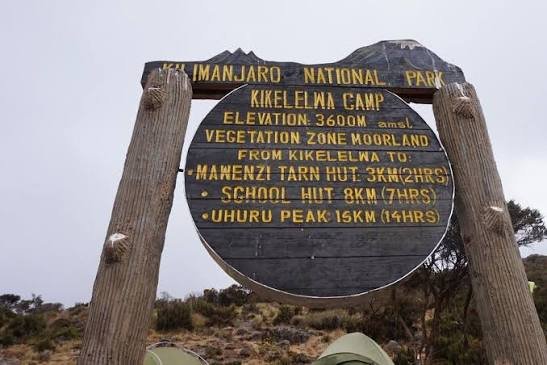
Day 2: Simba Camp to Kikelewa Camp:The Ultimate 9-Day Rongai Northern Traverse 2026–2028
The trail continues upward from Simba Camp toward the higher moorland environment.
The vegetation gradually becomes shorter and more open as altitude increases.
The views across the surrounding landscape become increasingly impressive.
You eventually reach the Kikelewa area, where the environment is more exposed and the sense of wilderness becomes stronger.
At Kikelewa Camp, you rest and prepare for the next stage.
This is another day when walking slowly is essential.
The principle of “pole pole” is one of the most important habits for Kilimanjaro trekking.
Day 3: Kikelewa Camp to Mawenzi Tarn:The Ultimate 9-Day Rongai Northern Traverse 2026–2028
Day three takes you toward Mawenzi Tarn, one of the most spectacular camping areas on Kilimanjaro.
The distinctive peaks of Mawenzi rise dramatically above the surrounding landscape.
Mawenzi is one of Kilimanjaro’s three volcanic cones, alongside Kibo and Shira.
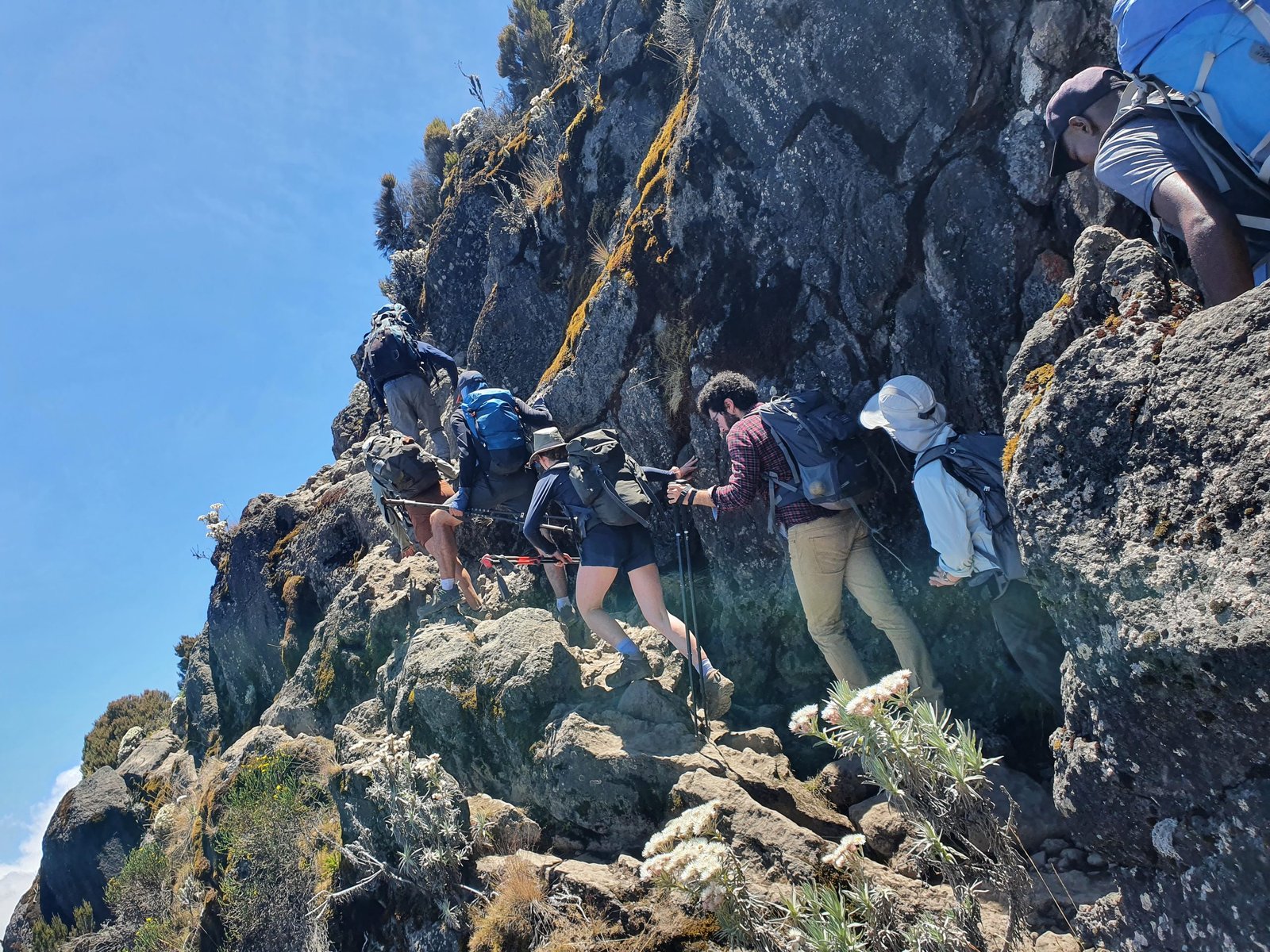
As you approach Mawenzi Tarn, the terrain becomes increasingly rocky and alpine.
The campsite provides a dramatic setting for rest and acclimatization.
You spend the night surrounded by high-altitude volcanic scenery.
Day 4: Acclimatization Around Mawenzi Tarn
The additional acclimatization day is one of the important features of an extended Northern Traverse itinerary.
Rather than simply climbing higher every day, you have time to allow your body to adapt.
Depending on the exact itinerary and weather conditions, your guide may lead you on a short acclimatization hike around the Mawenzi area before returning to camp.
The principle is simple:
Gain altitude during the day and return to a lower elevation for sleeping when appropriate.
This can provide useful altitude exposure without forcing the group to move to a significantly higher sleeping elevation too quickly.
The day also provides an opportunity to rest your legs before continuing across the northern slopes.
Day 5: Mawenzi Tarn Toward the Northern Traverse
The trek continues toward the northern side of Kilimanjaro.
The landscape becomes increasingly rugged and dry.
The Northern Traverse section is one of the highlights of the expedition because it offers a different perspective of the mountain.
You move across high-altitude terrain with views toward the massive summit cone of Kibo.
The sense of isolation can be particularly strong in this section.
There are fewer distractions, and the journey becomes focused on the mountain, your fellow trekkers, and the rhythm of walking.
Depending on the specific itinerary, the group may camp in the Kibo or northern high-altitude area.
Day 6: Kibo Area to High Camp
You continue toward the high camp used for the summit attempt.
At this point, the landscape becomes extremely sparse.
Trees and most vegetation have disappeared, leaving volcanic rocks, gravel, and exposed mountain terrain.
The summit is now visibly closer.
This is an important day for conserving energy.
Once you reach the high camp, your mountain crew prepares food and explains the summit schedule.
You should organize your summit equipment before resting.
Your headlamp, warm clothing, gloves, water, snacks, and other essential items should be easily accessible.
Because the summit attempt starts very early, you should try to rest as much as possible.
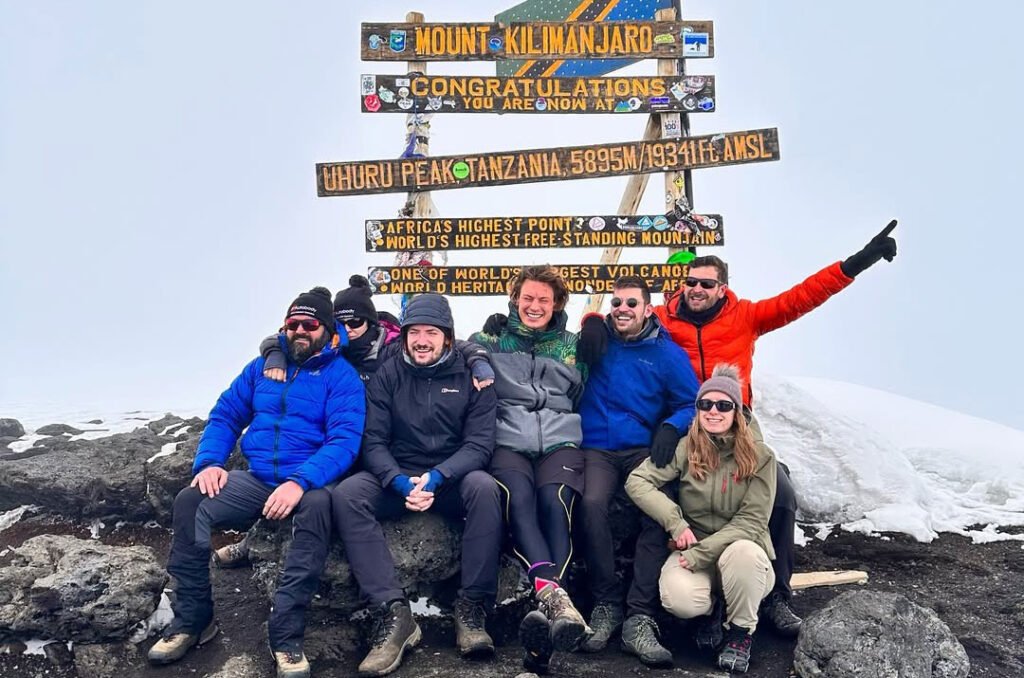
Day 7: High Camp to Uhuru Peak:The Ultimate 9-Day Rongai Northern Traverse 2026–2028
This is the defining day of the expedition.
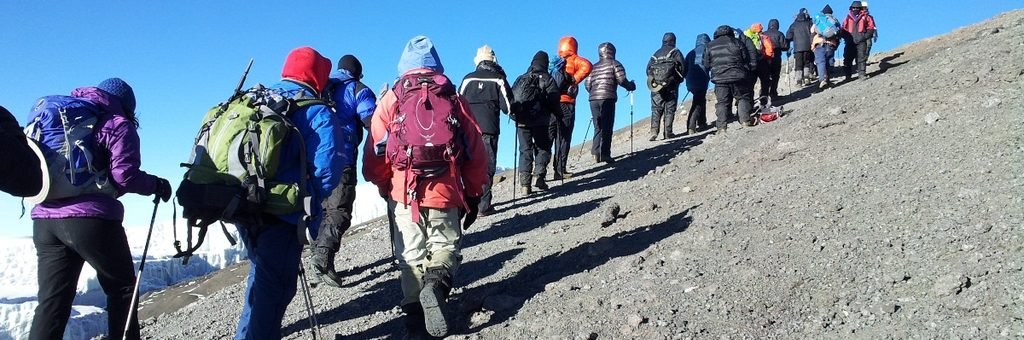
The summit attempt normally begins during the night or very early morning.
The darkness, cold, altitude, and steep terrain create a completely different trekking experience.
The group moves slowly toward the crater rim.
Depending on the exact route and conditions, the summit approach may pass through or near Gilman’s Point or Stella Point before continuing along the crater rim toward Uhuru Peak.
At approximately 5,895 meters (19,341 feet), Uhuru Peak is the highest point on Mount Kilimanjaro and the highest elevation in Africa.
The final section can be physically and mentally demanding.
You may feel tired even if you have trained extensively.
This is where patience becomes extremely important.
Instead of thinking about the entire remaining distance, focus on the next step, the next section, and the guidance of your mountain crew.
When you finally reach Uhuru Peak, you have completed one of Africa’s most iconic high-altitude trekking challenges.
After the summit, you begin the descent.
Depending on the itinerary, the descent may involve returning toward the high camp before continuing farther down the mountain.
Day 8: Descent Toward Lower Camp
After the summit, the focus shifts from climbing to recovery.
The descent provides a major change in altitude and environment.
You gradually move toward the lower slopes, where the air becomes denser and vegetation begins to return.
Depending on the exact Northern Traverse itinerary, this day may take you toward Horombo Camp or another designated lower camp.
The physical challenge is not necessarily over.
Descending after a summit attempt can place significant stress on the knees, ankles, and feet.
Trekking poles can be particularly useful during this stage.
Day 9: Final Descent to Marangu Gate:The Ultimate 9-Day Rongai Northern Traverse 2026–2028
The final day takes you through the lower forest toward Marangu Gate.
The return to green vegetation can be striking after spending several days in barren high-altitude environments.
At the gate, the official trekking procedures are completed.
You then transfer to your hotel or another destination in northern Tanzania.
For many travelers, this is the moment when the magnitude of the experience begins to sink in.
You have spent nine days crossing different environments, adapting to altitude, and working toward one objective: Uhuru Peak.
Acclimatization on the 9-Day Northern Traverse
Acclimatization is a central consideration when planning a Kilimanjaro expedition.
At high altitude, the amount of oxygen available to the body decreases.
The human body needs time to adapt.
A nine-day itinerary can provide a more gradual progression than highly compressed climbs.
Important practices include:
Walk Slowly
Maintaining a slow pace reduces unnecessary exertion.
Stay Hydrated
Drink regularly according to guidance from your mountain team.
Eat Properly
Your body needs energy throughout the expedition, even when appetite decreases.
Sleep at Appropriate Elevations Of The Ultimate 9-Day Rongai Northern Traverse 2026–2028
The itinerary should be designed to manage altitude exposure progressively.
Report Symptoms
Inform your guide if you experience symptoms such as persistent headache, nausea, dizziness, unusual weakness, confusion, difficulty walking, or breathing problems.
Altitude illness can become serious, and climbers should never conceal symptoms.
How Difficult Is the Rongai Northern Traverse?
The 9-day Northern Traverse is a demanding trek.
The longer itinerary may provide more time for acclimatization, but it does not make the mountain easy.
Challenges include:
- High altitude
- Long trekking days
- Cold temperatures
- Rocky terrain
- Steep sections
- Summit-night fatigue
- Changing weather
- Limited sleep before the summit
- Physical demands of descending
Previous hiking experience can be helpful, but technical mountaineering experience is generally not required for the standard trekking route.
Training for the 9-Day Rongai Northern Traverse
Good preparation can make the experience more manageable.
Build Endurance
Begin with regular walking and gradually increase the distance and duration.
Train on Uneven Terrain
Walking on trails, hills, and rocky ground can prepare your body for mountain conditions.
Strengthen Your Legs
Focus on:
- Squats
- Lunges
- Step-ups
- Calf exercises
- Core exercises
Practice Long Walks
Include occasional longer hikes in your preparation.
Test Your Boots
Your footwear should be comfortable and already broken in before the expedition.
Essential Equipment
Your packing list should be suitable for both warm and extremely cold environments.
Recommended items include:
- Waterproof hiking boots
- Thermal underwear
- Hiking trousers
- Fleece layers
- Insulated jacket
- Waterproof jacket
- Waterproof trousers
- Warm gloves
- Warm hat
- Sun hat
- Sunglasses
- Headlamp
- Spare batteries
- Trekking poles
- Water bottles or hydration system
- Sleeping bag suitable for high-altitude conditions
- Backpack
- Duffel bag
- Sunscreen
- Personal toiletries
- Personal medication
- High-energy snacks
Always confirm the equipment supplied as part of your specific package before departure.
Best Time for the Rongai Northern Traverse in 2026–2028
Kilimanjaro can be climbed throughout the year, but weather conditions vary.
The commonly preferred trekking periods generally include:
- January to early March
- June to October
- December
The wetter periods can produce muddy trails, cloud, rain, and more difficult conditions.
Your choice should consider weather, availability, budget, personal schedule, and the type of mountain experience you want.
Estimated Cost of the 9-Day Rongai Northern Traverse
A nine-day Kilimanjaro expedition normally costs more than a shorter trek because of the additional days of mountain logistics, park-related charges, staff support, meals, camping, and transfers.
The exact cost depends on:
- Group size
- Travel season
- Park fees
- Camping arrangements
- Mountain crew
- Food
- Transfers
- Accommodation
- Equipment
- Airport transfers
- Private or shared services
For an accurate quotation, travelers should request a complete breakdown of inclusions and exclusions.
Important Cost Components
A comprehensive package may include:
- Kilimanjaro park fees
- Camping fees
- Mountain guide
- Porters
- Cook
- Meals
- Drinking water
- Camping equipment
- Transfers
- Pre- or post-climb accommodation
- Applicable taxes and service charges
Potential exclusions can include:
- International flights
- Visa
- Travel insurance
- Personal equipment
- Tips
- Personal expenses
- Extra hotel nights
- Safari extensions
- Zanzibar extensions
The cheapest advertised price is not necessarily the same as the lowest total cost once exclusions are added.
Rongai Northern Traverse vs Other Kilimanjaro Routes
| Feature | Rongai Northern Traverse | Machame | Lemosho |
|---|---|---|---|
| Starting side | Northern/Eastern | Southern | Western |
| Scenery | Remote northern landscapes | Highly varied | Highly scenic |
| Crowds | Can feel quieter in sections | Often busier | Varies |
| Acclimatization | Depends on itinerary | Progressive | Progressive |
| Duration | Extended | Commonly 6–7 days | Commonly 7–9+ days |
| Descent | Often via southern side | Mweka | Mweka |
| Experience | Traverse-style adventure | Classic scenic trek | Scenic western approach |
The exact route structure can vary, so travelers should compare complete itineraries rather than route names alone.
Camping and Accommodation
The Rongai Northern Traverse is primarily a camping-based mountain expedition.
You should expect basic mountain camping rather than luxury accommodation.
The camping experience is part of the adventure.
After long days on the trail, the simplicity of mountain life can become one of the memorable aspects of the journey.
Your mountain crew handles much of the camp logistics, allowing you to focus on trekking, rest, and acclimatization.
Food During the Climb Of The Ultimate 9-Day Rongai Northern Traverse 2026–2028
Proper nutrition is essential during a nine-day trek.
Meals should provide enough carbohydrates, protein, fats, and calories to support daily activity.
A typical mountain menu can include:
- Soup
- Rice
- Pasta
- Potatoes
- Vegetables
- Meat
- Eggs
- Bread
- Fruit
- Tea
- Coffee
Meal plans vary between packages.
If you have dietary restrictions, communicate them before the climb so appropriate arrangements can be considered.
Group or Private Northern Traverse?
The Rongai Northern Traverse can potentially be organized as either a private trek or a group expedition, depending on the available departure arrangements.
A group climb can provide:
- Social interaction
- Shared adventure
- Potentially lower per-person costs
- Opportunity to meet international travelers
A private climb may provide:
- More control over the pace
- Greater itinerary flexibility
- More privacy
- A trekking experience centered around your own group
Neither arrangement eliminates the physical and altitude challenges of Kilimanjaro.
Responsible Trekking
Protecting Kilimanjaro should be part of every expedition.
Travelers should:
- Carry waste until appropriate disposal points
- Avoid damaging vegetation
- Stay on designated trails
- Respect park regulations
- Respect other trekkers
- Reduce unnecessary plastic
- Treat mountain crew members respectfully
- Follow safety instructions
Responsible trekking ensures that future travelers can continue to experience the mountain.
Combining the Northern Traverse With a Tanzania Safari
After nine days on Kilimanjaro, many travelers choose to extend their trip with a safari.
Northern Tanzania provides several excellent options.
A post-climb itinerary could include:
Tarangire National Park → Ngorongoro Conservation Area → Serengeti National Park
This gives you the opportunity to move from high-altitude mountain landscapes into some of Tanzania’s most famous wildlife areas.
Another possibility is to travel to Zanzibar after the climb.
A longer Tanzania holiday could therefore combine:
Kilimanjaro → Safari → Zanzibar
This is an attractive way to balance physical adventure with wildlife viewing and beach relaxation.
Practical Tips for a Successful 9-Day Rongai Northern Traverse
1. Do Not Rush
The mountain is not a competition.
Maintain a pace that allows you to conserve energy.
2. Take Acclimatization Seriously
The additional days are valuable. Use them to rest and allow your body to adapt.
3. Keep Your Feet Dry
Wet feet can lead to discomfort and blisters, especially during long trekking days.
4. Dress in Layers
Mountain temperatures can change dramatically during the day.
5. Keep Your Summit Gear Accessible
Do not bury essential summit equipment deep inside your luggage.
6. Communicate With Your Guide
Tell your guide about any symptoms or concerns.
7. Stay Positive
There will probably be moments when the mountain feels difficult.
Break the journey into manageable sections.
8. Prepare for Cold Conditions
Summit temperatures can be extremely low, particularly during the early-morning hours.
Frequently Asked Questions
How long is the Rongai Northern Traverse?
A Northern Traverse itinerary can vary, but this package is designed around a 9-day Kilimanjaro expedition.
Does the Rongai Route start on the northern side?
Yes. The Rongai approach begins from the northeastern side of Mount Kilimanjaro.
Is the Northern Traverse difficult?
It is a demanding high-altitude trek. The longer itinerary can provide more time for acclimatization, but the summit section remains physically challenging.
Do I need previous mountaineering experience?
Technical mountaineering experience is generally not required for the standard trekking route. However, good physical preparation is important.
What is the highest point?
The highest point is Uhuru Peak at approximately 5,895 meters above sea level.
Can I combine the climb with a safari?
Yes. A Tanzania safari can be added before or after the Kilimanjaro expedition.
Can I continue to Zanzibar?
Yes. Zanzibar can be added as a beach extension after the mountain and safari portions of your trip.
Final Thoughts Of The Ultimate 9-Day Rongai Northern Traverse 2026–2028
The Ultimate 9-Day Rongai Northern Traverse 2026–2028 ;It is not simply a climb to the top of Africa. It is a nine-day journey across one of the world’s most remarkable volcanic mountains, culminating in the unforgettable experience of standing at Uhuru Peak.ers a distinctive way to experience Mount Kilimanjaro.
Rather than focusing only on reaching the summit as quickly as possible, the itinerary gives travelers time to experience the mountain’s northern landscapes, volcanic terrain, changing ecological zones, and high-altitude environment.
The combination of the Rongai approach and northern traverse creates a journey that can feel remote and adventurous, while the extended schedule provides valuable time for acclimatization.
The ultimate objective remains Uhuru Peak, standing at approximately 5,895 meters above sea level.
Reaching the summit requires preparation, patience, physical endurance, and careful attention to altitude. No itinerary can guarantee a successful summit, and every climber must be prepared to follow professional guidance and turn around if conditions or health make continuing unsafe.
For travelers planning their Kilimanjaro adventure in 2026, 2027, or 2028, the 9-day Rongai Northern Traverse offers an extraordinary combination of wilderness, scenic variety, acclimatization, and summit adventure.