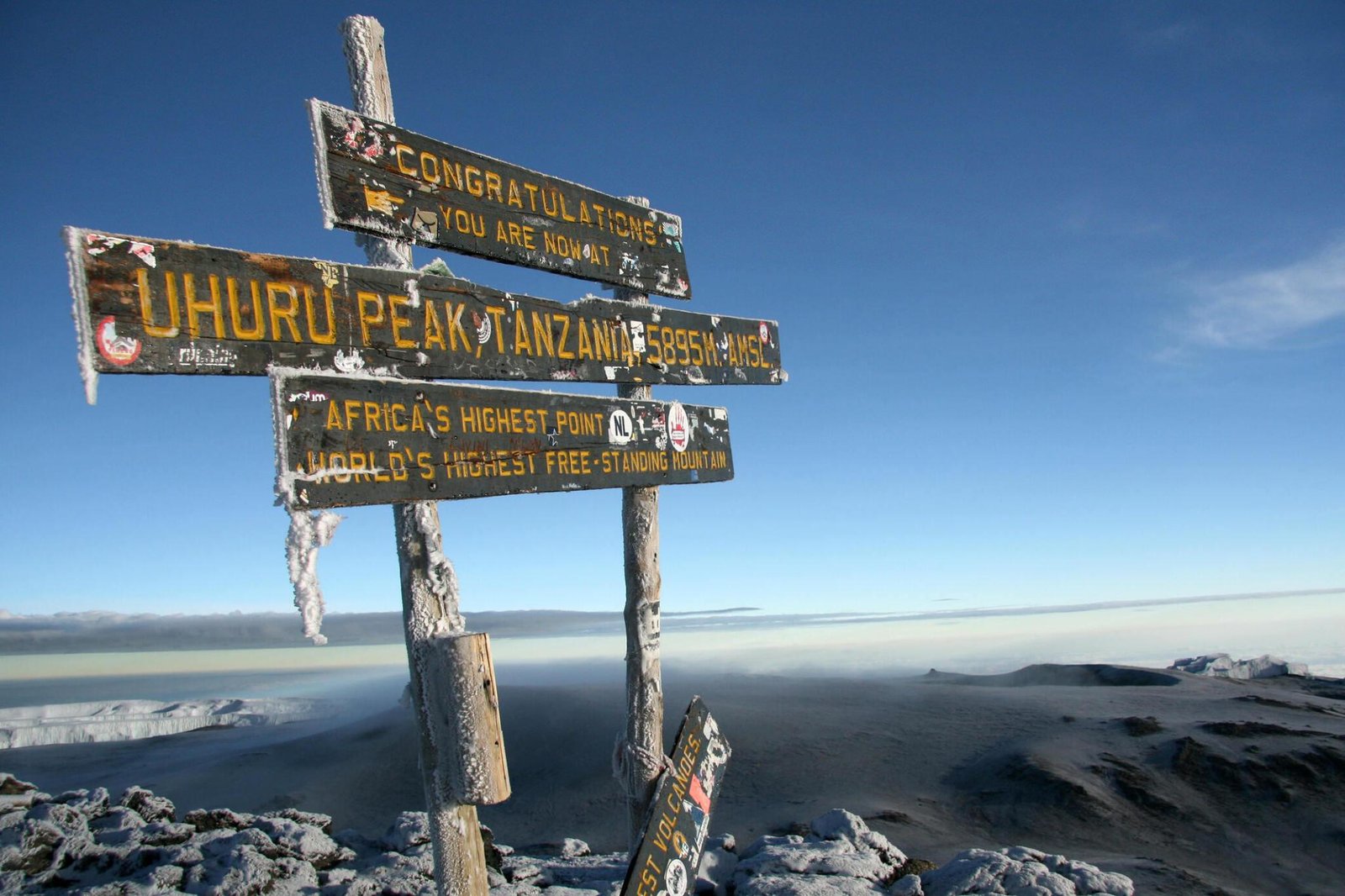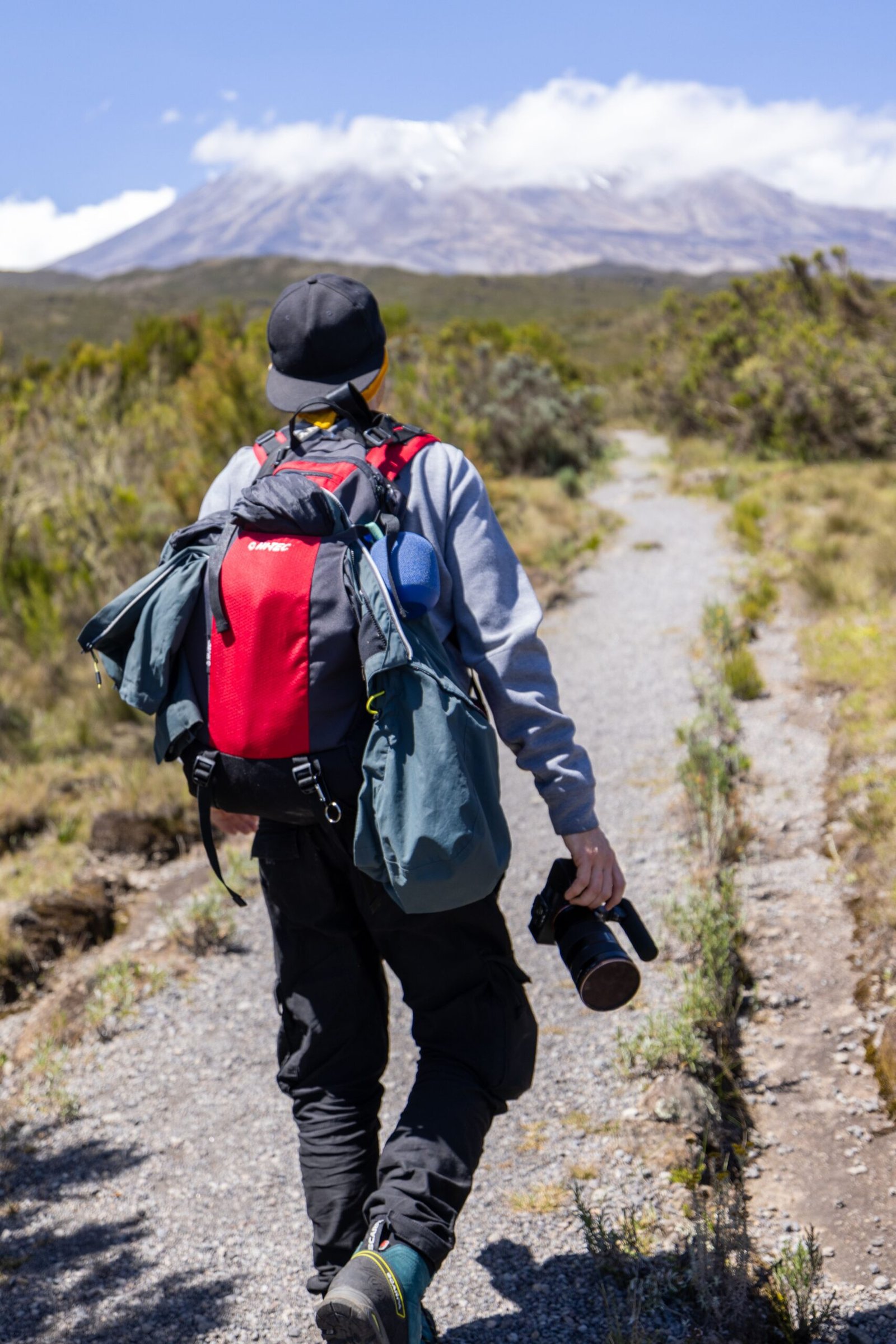
The Best 5-Day Marangu Route Kilimanjaro Climb 2026–2027;Climbing Mount Kilimanjaro is a dream that brings together adventure, determination, and the desire to experience something truly extraordinary. Standing at 5,895 metres above sea level, Uhuru Peak is the highest point in Africa and one of the most memorable destinations for mountain lovers around the world. The 5-Day Marangu Route Kilimanjaro Climb offers an opportunity to take on this challenge while discovering the remarkable landscapes, changing vegetation, and peaceful mountain surroundings that make Kilimanjaro so special.
The Marangu Route is one of the oldest and most established climbing routes on Mount Kilimanjaro. Often called the Coca-Cola Route, it is particularly known for its hut accommodation, which provides an alternative to sleeping in mountain tents. Along the way, you will walk through a beautiful rainforest, cross open moorland, pass distinctive alpine landscapes, and eventually approach the cold, rocky slopes leading towards the summit.
One of the most appealing features of the Marangu Route is its relatively direct trail to the top. Climbers follow the same route on the ascent and descent, allowing them to become familiar with the mountain’s changing surroundings. However, the five-day itinerary is physically demanding and allows limited time for acclimatisation. Although it can be completed by well-prepared trekkers, a six-day Marangu itinerary is worth considering if you have additional time, as the extra day provides more opportunity to adjust to the altitude.
With proper preparation, an experienced mountain crew, suitable equipment, and a steady walking pace, the journey can be a rewarding experience. Every day brings a new stage of the climb, bringing you closer to the summit and offering a chance to appreciate the natural beauty of Tanzania.


Why Choose the 5-Day Marangu Route?:The Best 5-Day Marangu Route Kilimanjaro Climb 2026–2027
The Marangu Route appeals to travellers who want to climb Kilimanjaro using a well-established trail with overnight accommodation in mountain huts. Unlike camping routes, climbers sleep in shared huts at designated camps, where basic facilities provide shelter from the mountain weather.
Another attraction is the changing scenery. The lower slopes are covered in lush rainforest, where tall trees, moss-covered branches, and forest birds create a peaceful atmosphere. As you climb higher, the vegetation becomes shorter, and the landscape opens into moorland with wide views across the mountain.
Beyond the moorland, the environment becomes increasingly dry and rocky. The higher you climb, the more noticeable the effects of altitude become. Walking slowly and following your guide’s instructions are essential, particularly as you approach the summit.
The five-day itinerary suits travellers who have a limited schedule and are prepared for a demanding trek. Nevertheless, reaching Uhuru Peak is never guaranteed. Altitude sickness can affect anyone, regardless of fitness, and the shorter schedule increases the importance of careful monitoring and sound decisions by the mountain guide.
Your Day-by-Day 5-Day Marangu Route Itinerary:The Best 5-Day Marangu Route Kilimanjaro Climb 2026–2027
Day 1: Marangu Gate to Mandara Hut
Your Kilimanjaro adventure begins with a transfer from your hotel in Moshi or Arusha to Marangu Gate, located on the southeastern side of the mountain. After registration and the necessary park procedures, you meet your mountain guide and begin the trek.
The trail leads into a lush rainforest, where the air feels fresh and the surroundings are filled with green vegetation. Tall trees form a natural canopy above the path, while ferns, moss, and forest flowers add colour to the landscape. You may also hear birds calling from the trees, and if you are fortunate, spot monkeys moving through the forest.
The first day’s walk is a gentle introduction to the climb, although the trail can become slippery after rain. Comfortable hiking boots, a waterproof jacket, and careful footing will help you manage the conditions.
After several hours, you reach Mandara Hut, situated at approximately 2,700 metres above sea level. Your guide will show you the accommodation arrangements and explain the plan for the next day. Depending on the weather and available time, you may have the opportunity to take a short walk towards the Maundi Crater viewpoint.
As evening approaches, you can enjoy your meal, organise your equipment, and rest in preparation for the journey towards the higher slopes.
Approximate hiking time: 4–5 hours.
Day 2: Mandara Hut to Horombo Hut:The Best 5-Day Marangu Route Kilimanjaro Climb 2026–2027
After breakfast, you leave the rainforest and continue towards the open moorland zone. The vegetation gradually changes as you gain elevation, with shorter plants and open spaces replacing the dense forest.
During the walk, the views begin to expand across the surrounding landscape. On a clear day, you may see Mount Mawenzi rising dramatically in the distance, with its jagged peaks forming one of Kilimanjaro’s most distinctive sights.
The trail includes steady uphill sections, but maintaining a comfortable pace is more important than walking quickly. Your guide will encourage you to take breaks when needed and drink water regularly.
As you approach Horombo Hut, the landscape becomes increasingly open, offering a different perspective from the forest you experienced on the first day. Located at approximately 3,720 metres, Horombo Hut is an important stopping point for climbers heading towards Kibo Hut and the summit.
After arriving, you can settle into the shared hut accommodation, enjoy your evening meal, and prepare for the next stage. Pay attention to how you feel at this elevation and report any symptoms of altitude illness to your guide.
Approximate hiking time: 5–7 hours.
Day 3: Horombo Hut to Kibo Hut
The third day takes you higher into the alpine desert, where the vegetation becomes sparse and the surroundings increasingly rugged. After breakfast, you leave Horombo Hut and continue towards Kibo Hut, following a trail that crosses open terrain between Mawenzi and Kibo.
The landscape is striking in its simplicity. Grasses and shrubs become less common, while rocks, gravel, and volcanic soil dominate the ground. The mountain’s upper slopes gradually come into view, reminding you that the summit is getting closer.
Depending on the route conditions, the walk may pass through the area known as the Saddle, a broad high-altitude plateau between Kilimanjaro’s two main volcanic peaks. The exposed environment can feel very different from the sheltered rainforest at the beginning of your journey.
Kibo Hut sits at approximately 4,700 metres. At this altitude, even simple activities may require more effort, and some climbers experience headaches, reduced appetite, or fatigue.
After reaching camp, you will have an early meal and receive a briefing about the summit attempt. Your guide will explain the departure time, expected conditions, and safety procedures. Organise your warm clothing, headlamp, gloves, and other essential equipment before resting.
The summit attempt typically begins around midnight or shortly afterwards, so getting as much sleep as possible is important.
Approximate hiking time: 5–7 hours.
Day 4: Kibo Hut to Uhuru Peak and Descent to Horombo Hut:The Best 5-Day Marangu Route Kilimanjaro Climb 2026–2027
Summit day is the most challenging part of the Marangu Route. You usually begin walking in darkness, following your guide along a steep, rocky trail towards Gilman’s Point on the crater rim.
The cold, thin air and long uphill sections make this stage physically demanding. Progress is often slow, with regular short breaks to manage effort and monitor your condition. Your guide will assess how you are coping and may recommend turning back if continuing becomes unsafe.
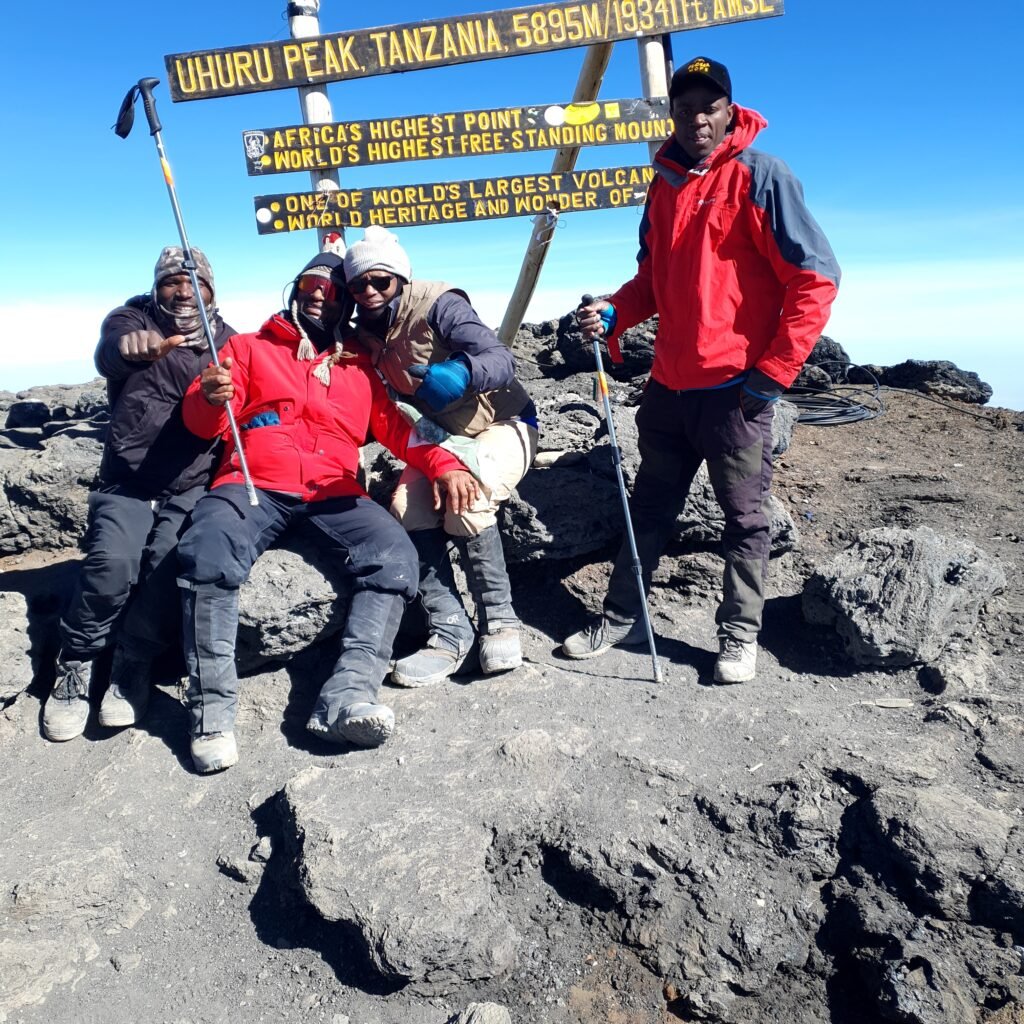
Reaching Gilman’s Point at approximately 5,685 metres is a significant achievement. From there, the trail continues along the crater rim towards Uhuru Peak, the highest point in Africa at 5,895 metres.
If weather conditions and your physical condition allow you to reach the summit, you will have an opportunity to take photographs and appreciate the remarkable landscape around you. The glaciers, volcanic terrain, and distant horizon create a memorable setting for the achievement of a lifetime.
After spending a short time at the summit, you begin the descent towards Kibo Hut. Following a brief rest, you continue downhill to Horombo Hut, where you spend the night.
This is a long and exhausting day, so careful footing and sufficient rest are essential. The descent can be hard on your knees and legs, particularly after hours of climbing at high altitude.
Approximate hiking time: 12–16 hours, depending on conditions and individual pace.
Day 5: Horombo Hut to Marangu Gate
After breakfast, you begin the final descent towards Marangu Gate. The trail takes you back through the moorland and into the rainforest, where the surroundings gradually become greener and the air feels warmer.
Having spent several days at high altitude, you may notice how different the lower slopes feel. The return of dense vegetation, birdsong, and the sounds of the forest provides a pleasant contrast to the rocky environment near the summit.
Although the hardest part of the climb is behind you, descending for several hours can still be tiring. Walk carefully on uneven or slippery sections and use trekking poles if they help you maintain balance.
At Marangu Gate, you complete the required park procedures. Climbers who reach the official summit or other recognised milestones may receive certificates according to park procedures.
Your vehicle will then transfer you to your hotel in Moshi or Arusha, depending on your arrangements. You can finally relax, enjoy a comfortable shower, and reflect on your experience climbing Africa’s highest mountain.
Approximate hiking time: 5–7 hours.
What Is Included in the 5-Day Marangu Route Climb?
The exact services depend on the package confirmed with EKO Tanzania Adventures. A typical guided climb may include:
- Kilimanjaro National Park fees and applicable hut accommodation fees.
- Professional mountain guides, cooks, and support staff.
- Overnight accommodation in designated mountain huts.
- Meals during the climb and treated drinking water.
- Transfers to and from the designated trailheads.
- A pre-climb briefing and practical packing guidance.
- Support from the mountain crew throughout the trek.
Before booking, request a written quotation confirming the services included in your package.
What Is Not Included?
Unless stated otherwise in your quotation, the following expenses may be excluded:
- International flights and Tanzanian visa fees.
- Travel insurance covering high-altitude trekking and emergency evacuation.
- Personal trekking equipment, including suitable clothing and sleeping accessories if required.
- Hotel accommodation before and after the climb.
- Tips for guides, cooks, and support staff.
- Personal snacks, additional drinks, and individual expenses.
- Optional services or transfers not listed in the confirmed package.
Reviewing these details before travelling will help you plan your budget and prepare for the climb with confidence.
How to Prepare for Your Marangu Route Adventure
Preparing for Kilimanjaro begins well before you arrive in Tanzania. Regular walking, hiking, stair climbing, and cardiovascular exercise can help improve your endurance. If possible, practise on uneven terrain and gradually increase the length of your walks to become comfortable with several consecutive days of physical activity.
Pack clothing suitable for changing temperatures. Essential items include broken-in hiking boots, waterproof outer layers, thermal base layers, warm gloves, a hat, a headlamp, sunglasses, sunscreen, and a comfortable daypack. You will also need appropriate equipment for sleeping in mountain huts and staying warm during the summit attempt.
Altitude preparation is especially important on the five-day Marangu itinerary. The schedule provides relatively little time for acclimatisation, and being physically fit does not guarantee protection from altitude sickness. Walk slowly, eat regularly, drink water according to your guide’s advice, and tell your guide immediately if you develop a persistent headache, nausea, dizziness, unusual weakness, or worsening breathlessness.
Severe or worsening symptoms require prompt assessment and may mean descending to a lower altitude. Consider the six-day Marangu itinerary if you can extend your holiday, as an additional acclimatisation day can provide more time for your body to adjust.
The Best Time to Climb Mount Kilimanjaro
Mount Kilimanjaro can be climbed throughout much of the year, but weather conditions influence the overall experience. The periods from January to early March and from June to October are generally popular because conditions are often drier.
January and February can offer relatively clear weather, while June through October usually brings cooler conditions and many opportunities for mountain trekking. However, the weather on Kilimanjaro can change quickly, and rain, wind, clouds, and freezing summit temperatures can occur in any season.
When choosing your climbing dates for 2026–2027, consider your holiday schedule, preferred weather conditions, and package availability. Booking ahead can be helpful during popular climbing periods.
Book Your 5-Day Marangu Route Kilimanjaro Climb with EKO Tanzania Adventures
Are you ready to take on the challenge of Mount Kilimanjaro? EKO Tanzania Adventures can help you plan your five-day Marangu Route climb, from choosing your travel dates to understanding the itinerary, preparing your equipment, and arranging the practical details of your trip.
Whether you are travelling alone, with friends, or as part of a private group, you can discuss your budget, accommodation preferences, trekking experience, and travel plans with our team. We can also explain the demands of the five-day schedule and help you consider a longer itinerary if you would prefer more time for acclimatisation.
Every Kilimanjaro climb requires careful planning, realistic expectations, and a strong focus on safety. Our aim is to help you understand what to expect so that you can prepare properly and make informed decisions throughout your journey.
Contact EKO Tanzania Adventures to discuss your plans and request a quotation for the 2026–2027 climbing season.
EKO Tanzania Adventures
Website: https://ekotanzaniaadventures.com
WhatsApp / Call: +255 761 353 184
Email: info@ekotanzaniaadventures.com
Alternative Email: ekotanzaniaadventure@gmail.com
Reaching Uhuru Peak is a demanding achievement, but the journey itself is just as meaningful. From the rainforest at Marangu Gate to the cold, rocky slopes near the summit, every stage offers a different view of Kilimanjaro. Prepare well, listen to your guide, and take each step at a steady pace as you experience one of Tanzania’s most remarkable adventures.