Overview
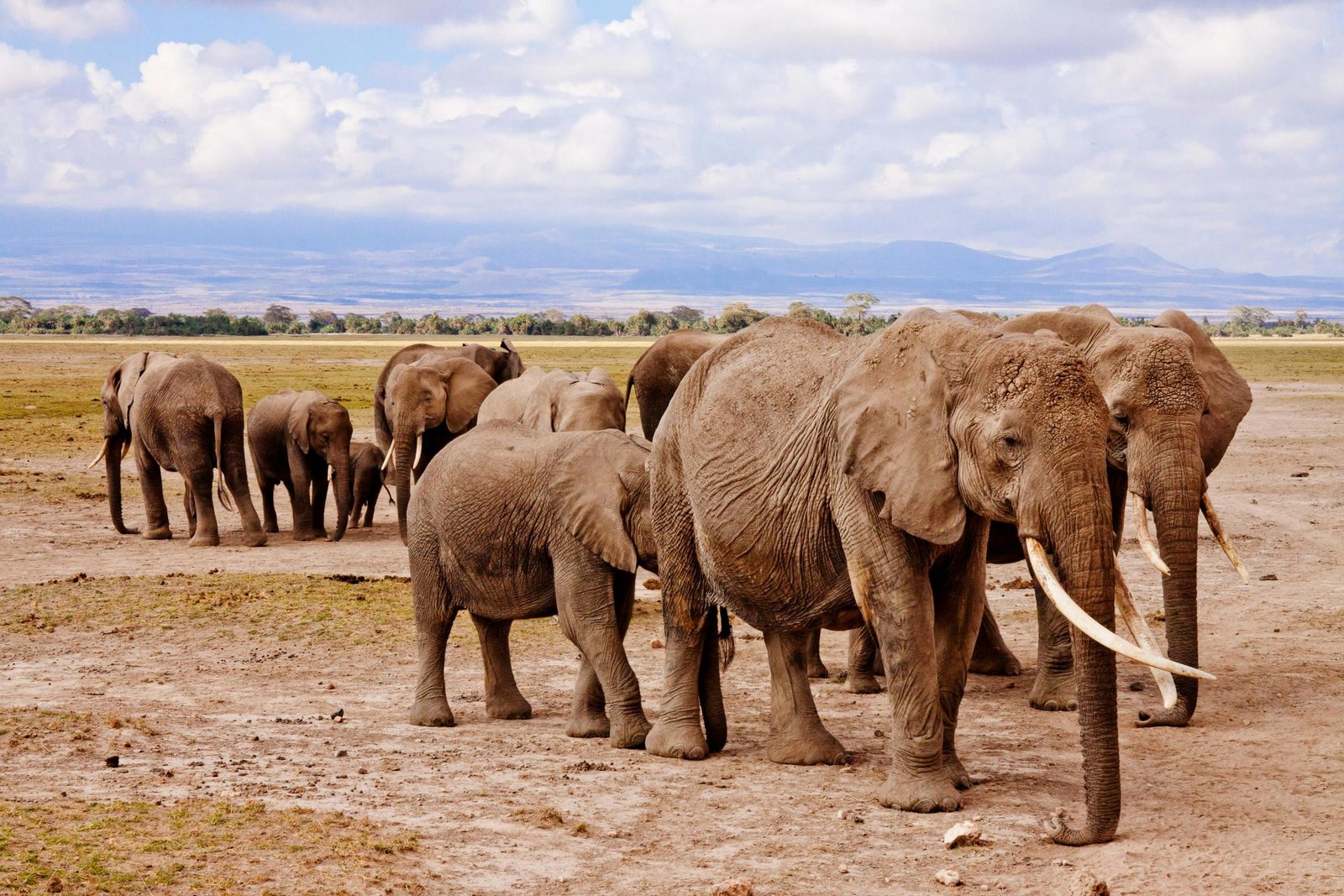
The Ultimate 10-Day Northern Circuit Tanzania Safari 2026–2027;There is something special about experiencing Africa in the wild. It is the sight of elephants walking across open plains, the sound of birds calling from the trees, and the excitement of watching lions resting in the grass after an early morning hunt. These are the moments that make a Tanzania safari memorable long after the journey has ended.
The Ultimate 10-Day Northern Circuit Tanzania Safari 2026–2027 is designed for travellers who want to explore Tanzania’s remarkable wildlife destinations at a comfortable pace. Over ten days, you will discover the beautiful landscapes of Tarangire National Park, Lake Manyara National Park, Serengeti National Park, and the Ngorongoro Conservation Area, with additional time to appreciate the scenery, wildlife, and local culture along the way.
Organized by EKO Tanzania Adventures, this safari brings together some of the most rewarding experiences in northern Tanzania. You will travel through landscapes that range from ancient baobab woodlands and lush forests to vast grasslands stretching towards the horizon. Each destination has its own character, giving you a different perspective on Tanzania’s natural beauty.
One of the advantages of a ten-day safari is the opportunity to spend more time exploring the parks rather than simply travelling between them. You can enjoy extended game drives, watch wildlife at different times of the day, and learn from your professional safari guide about animal behaviour, habitats, and conservation.
The itinerary also offers opportunities to experience the Great Wildebeest Migration, depending on the season and the location of the herds. While wildlife sightings can never be guaranteed, travelling with a knowledgeable guide helps you make informed decisions about where to explore.
Whether you are planning your first African safari, a romantic holiday, a family adventure, or a special trip with friends, this journey can be tailored to your travel dates, accommodation preferences, and budget.
Why Choose a 10-Day Northern Circuit Tanzania Safari?:The Ultimate 10-Day Northern Circuit Tanzania Safari 2026–2027
Tanzania’s Northern Circuit is famous for its variety of landscapes and wildlife. Within one journey, you can explore several national parks and conservation areas, each offering different opportunities for wildlife viewing and photography.
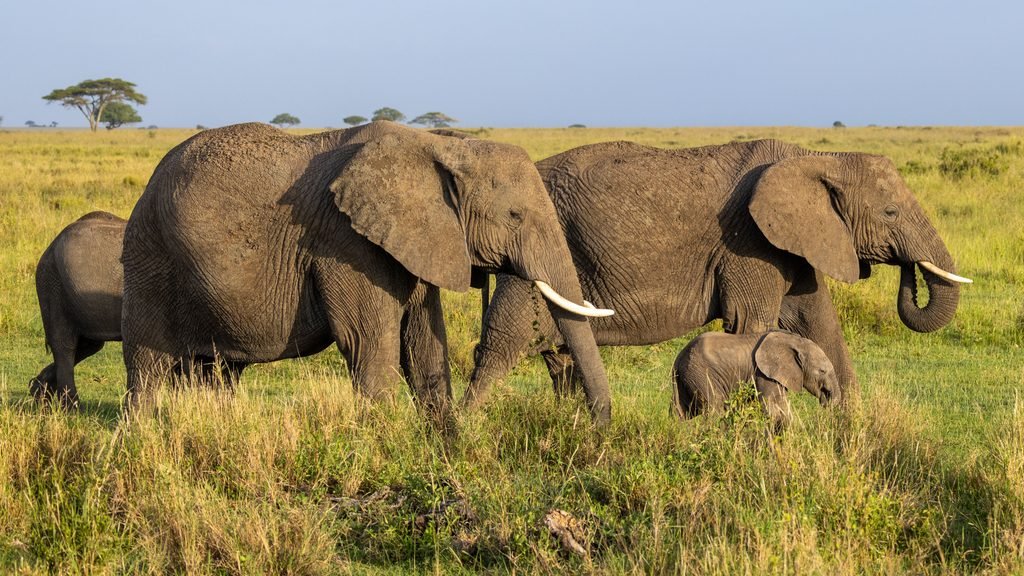
Tarangire National Park is particularly well known for its elephants, ancient baobab trees, and seasonal concentrations of wildlife around the Tarangire River. Lake Manyara National Park offers a different experience, with groundwater forests, open grasslands, birdlife, and scenic views beneath the Great Rift Valley escarpment.
Serengeti National Park is often a highlight of the journey. Its immense plains support large populations of grazing animals and predators, including lions, cheetahs, and leopards. Depending on the time of year, you may also encounter large herds of wildebeest and zebras moving through the ecosystem.
The journey concludes with an exploration of the Ngorongoro Crater, a remarkable volcanic caldera known for its diverse habitats and concentration of wildlife. The crater provides an excellent opportunity to search for several members of the Big Five in one extraordinary setting.
With ten days available, the itinerary can include several nights in the Serengeti, giving you more time to explore different areas of the park. This is especially valuable for travellers interested in photography, predator sightings, and the seasonal movements of migratory animals.
Safari Highlights For The Ultimate 10-Day Northern Circuit Tanzania Safari 2026–2027
- Explore Tarangire National Park, famous for elephants and baobab trees.
- Discover the forests, grasslands, and birdlife of Lake Manyara National Park.
- Spend several days exploring the wildlife-rich plains of Serengeti National Park.
- Learn about the Great Wildebeest Migration and its seasonal movements.
- Search for lions, leopards, cheetahs, elephants, buffaloes, and other wildlife.
- Visit the spectacular Ngorongoro Crater for an unforgettable game drive.
- Enjoy scenic journeys through the northern Tanzanian countryside.
- Experience wildlife viewing with a professional safari guide.
- Choose budget camping, mid-range lodges, or luxury tented camps.
- Enjoy a flexible itinerary designed around your interests and travel dates.
Detailed 10-Day Northern Circuit Tanzania Safari Itinerary

Day 1: Arrival at Kilimanjaro International Airport – Transfer to Arusha
Your adventure begins when you arrive at Kilimanjaro International Airport. After completing airport formalities, you will meet your EKO Tanzania Adventures representative, who will welcome you to Tanzania and arrange your transfer to Arusha.
Arusha is one of the main starting points for safaris in northern Tanzania. The town is surrounded by green countryside, coffee-growing areas, and beautiful mountain scenery. On a clear day, you may see Mount Meru rising above the surrounding landscape.
Depending on your arrival time, you can spend the remainder of the day relaxing at your hotel or lodge. If you arrive early and would like to explore, optional activities around Arusha can be arranged at an additional cost.
Your guide can also provide a briefing about the upcoming safari, including the route, expected driving times, park conditions, and what to bring on game drives.
A relaxed first day gives you time to recover from your flight and prepare for the adventure ahead.
Accommodation: Lodge or hotel in Arusha.
Meals: Depending on your arrival time and selected package.
Day 2: Arusha to Tarangire National Park – A Land of Elephants and Baobabs
After breakfast, you will leave Arusha and travel to Tarangire National Park, a destination that offers some of northern Tanzania’s most distinctive scenery.
The drive takes you through rural landscapes before reaching the park, where enormous baobab trees stand above the grasslands and woodland. These remarkable trees have become one of Tarangire’s most recognizable features.
Once inside the park, your game drive begins. Tarangire is particularly known for its elephants, and you may encounter family groups walking together, feeding beneath trees, or gathering near the river. The park also supports giraffes, zebras, wildebeest, buffaloes, and several species of antelope.
Predators such as lions and leopards also inhabit the park, although sightings depend on animal movements and the conditions on the day. Your guide will help you look for tracks, listen for warning calls, and observe changes in animal behaviour.
The Tarangire River is especially important during the dry season, when wildlife gathers around available water sources. This can create excellent opportunities to observe animals interacting within their natural environment.
You will stop for lunch at a designated picnic site before continuing your afternoon game drive. Later, leave the park and head to your accommodation for dinner and an overnight stay.
Accommodation: Lodge or tented camp in the Tarangire area.
Meals: Breakfast, lunch, and dinner.
Day 3: Tarangire to Lake Manyara National Park – Forests and Birdlife
After breakfast, continue towards Lake Manyara National Park, a beautiful destination located along the base of the Great Rift Valley escarpment.
Although smaller than the Serengeti, Lake Manyara offers an impressive variety of habitats. The park includes groundwater forests, woodland, open grasslands, and a shallow alkaline lake whose size changes with rainfall and seasonal conditions.
During your game drive, you may encounter baboons and blue monkeys in the forest, followed by elephants, giraffes, zebras, and buffaloes in more open areas.
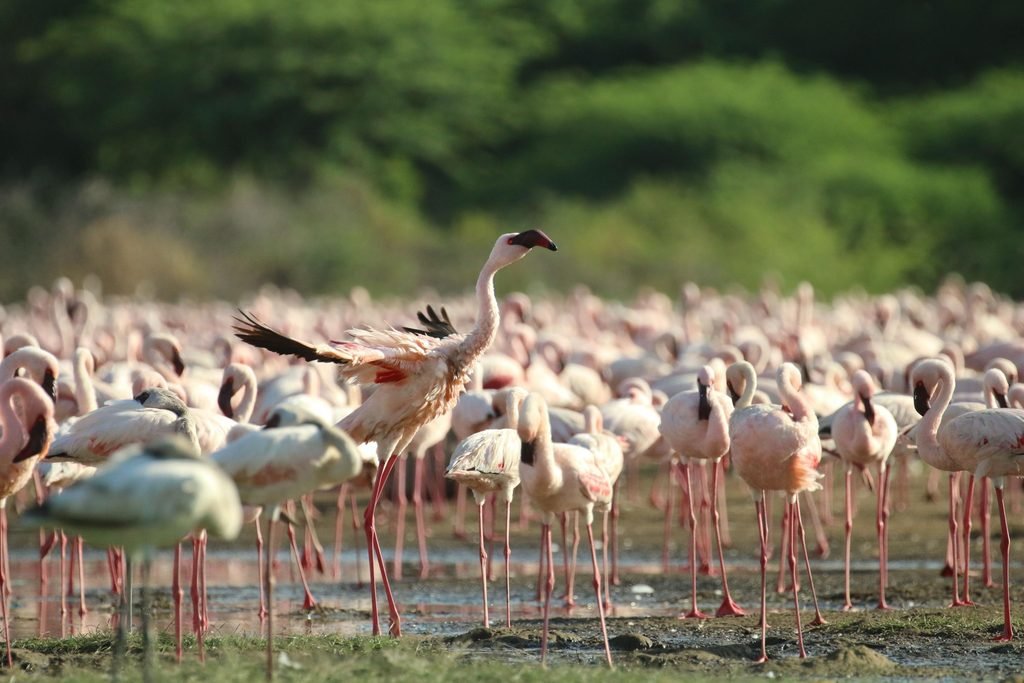
Lake Manyara is also a rewarding destination for birdwatchers. Depending on the season and water levels, you may see flamingos, pelicans, storks, herons, and other waterbirds. The surrounding habitats also support numerous smaller bird species.
The park is sometimes associated with tree-climbing lions. While this behaviour is unusual and sightings are never guaranteed, your guide will help you look for wildlife throughout the drive.
Beyond the animals, the scenery makes Lake Manyara a worthwhile stop. The green forest, dramatic escarpment, and lakeshore provide excellent opportunities for landscape photography.
After your game drive, continue to your accommodation in the Lake Manyara or Karatu area, where you can enjoy dinner and relax.
Accommodation: Lodge or tented camp in the Lake Manyara or Karatu area.
Meals: Breakfast, lunch, and dinner.
Day 4: Lake Manyara or Karatu to Serengeti National Park – Into the Endless Plains
Today, you will travel towards Serengeti National Park, one of Africa’s most celebrated wildlife destinations.
After breakfast, the journey takes you through the scenic Ngorongoro highlands before opening into the vast plains of the Serengeti ecosystem. Along the way, you will notice the landscape changing from cultivated land and rolling hills to open grasslands dotted with acacia trees and rocky outcrops.
Depending on the route and arrangements, you may pass through the Ngorongoro Conservation Area before reaching the Serengeti.
Once inside the national park, your wildlife adventure continues. The Serengeti supports large populations of grazing animals, including wildebeest, zebras, and gazelles. These animals attract predators, making the park an exciting destination for travellers interested in observing the relationships between different species.
You may see lions resting in the shade, giraffes feeding on trees, or elephants moving through woodland. Cheetahs sometimes appear in open grasslands, where their surroundings provide opportunities for hunting, while leopards are more elusive and often associated with trees and riverine habitats.
The park is enormous, and the wildlife you encounter will depend on the areas visited and the season. Your guide will help select a suitable route based on your interests and current conditions.
After the game drive, arrive at your camp or lodge, enjoy dinner, and settle in for the night.
Accommodation: Lodge or tented camp in the Serengeti.
Meals: Breakfast, lunch, and dinner.

Day 5: Full-Day Serengeti Safari – Discover the Big Cats
Wake up to the atmosphere of the African wilderness and prepare for a full day of game viewing in Serengeti National Park.
After an early breakfast, set out with your guide to explore areas where wildlife activity is promising. The early morning is often a rewarding time to search for predators and other animals before temperatures rise.
You may encounter lions resting after a night of hunting, hyenas moving through the grasslands, or herds of zebras grazing alongside wildebeest. Giraffes and elephants may also be seen moving through woodland or across open plains.
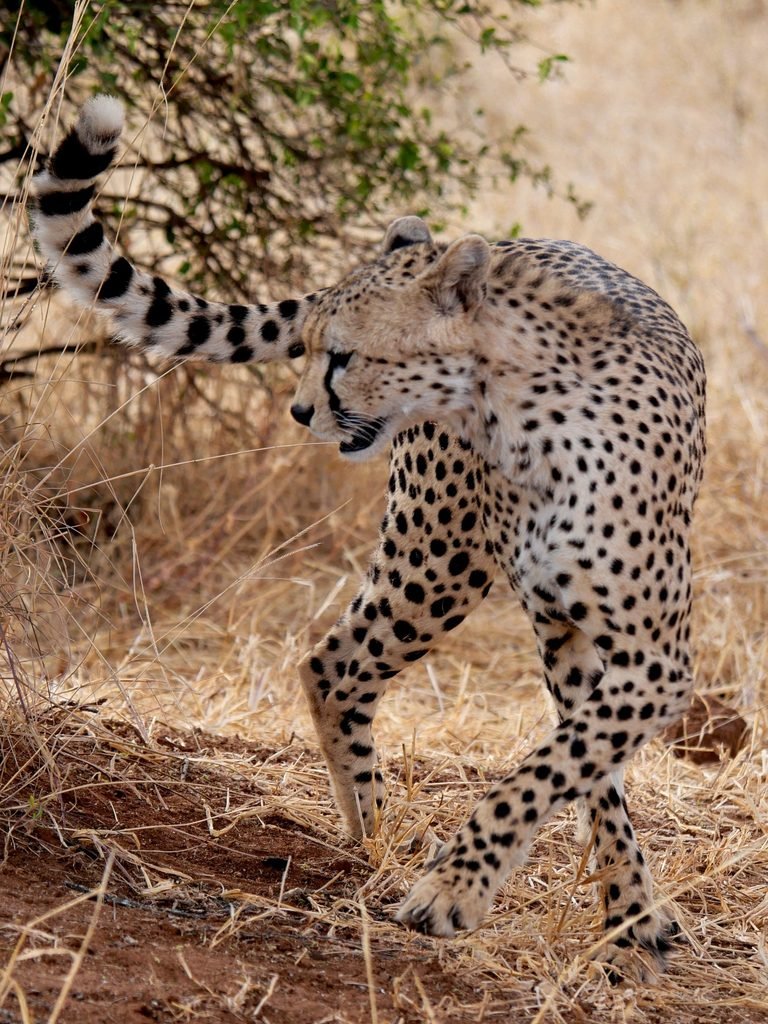
The Serengeti is particularly famous for its big cats. Lions are often spotted in family groups, while cheetahs may be seen scanning the grasslands for prey. Leopards are harder to find, but patient wildlife viewing sometimes produces memorable sightings.
Your guide will explain the animals’ behaviour and the ecological role each species plays. Rather than simply moving from one sighting to another, you will have opportunities to learn more about the Serengeti’s complex ecosystem.
A picnic lunch can be arranged at a designated site during the day’s exploration. Afterwards, continue your game drive through suitable areas before returning to your accommodation.
As the evening approaches, enjoy dinner and relax beneath the African sky.
Accommodation: Lodge or tented camp in the Serengeti.
Meals: Breakfast, lunch, and dinner.
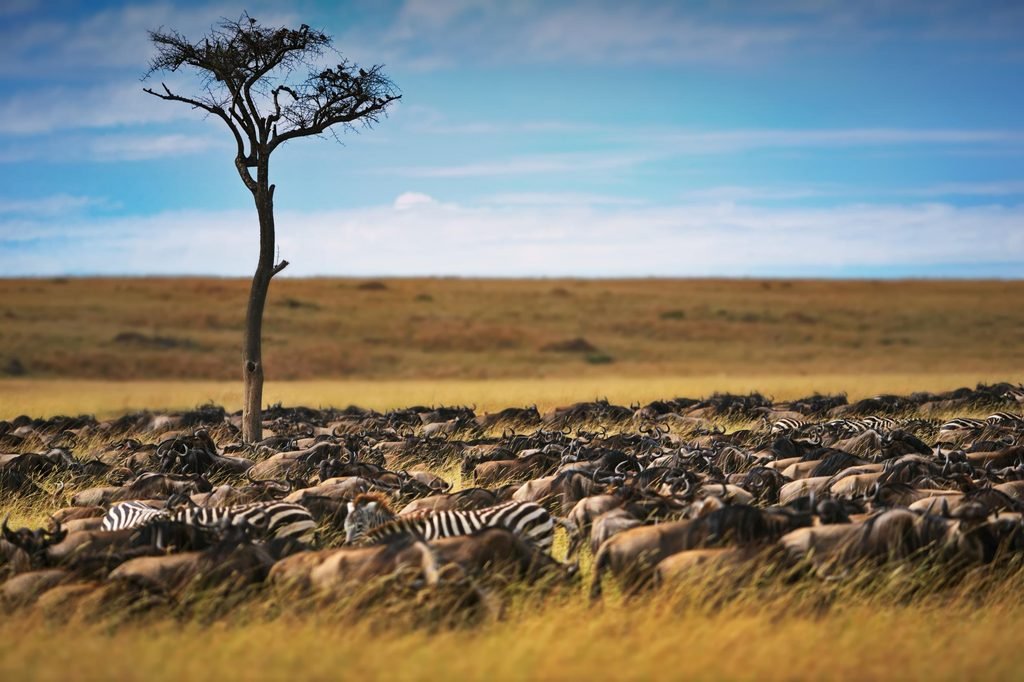
Day 6: Serengeti National Park – Experience the Great Wildebeest Migration
Today is dedicated to exploring the Serengeti and, depending on your travel dates, discovering the remarkable movements of the Great Wildebeest Migration.
The migration is a natural cycle involving enormous numbers of wildebeest, zebras, and other grazing animals moving through the wider Serengeti ecosystem in search of fresh grass and water. Their movements are influenced by rainfall and changing grazing conditions, so the herds do not remain in one place throughout the year.
From approximately December to March, the southern Serengeti and Ndutu areas are often important locations during the calving season. Large numbers of wildebeest give birth during this period, attracting predators and creating opportunities to observe natural behaviour.
During other months, the herds may move through central or western areas or towards the northern Serengeti. River crossings sometimes occur in the north during parts of the dry season, although the timing varies and cannot be guaranteed.
Your guide will help determine which areas are most suitable for your dates. Even when the migration is elsewhere, the Serengeti offers excellent opportunities to see resident wildlife and appreciate its remarkable landscapes.
You may spend time observing grazing herds, searching for predators, or photographing animals against the wide-open plains.
After the game drive, return to your accommodation for dinner and another night in the Serengeti.
Accommodation: Lodge or tented camp in the Serengeti.
Meals: Breakfast, lunch, and dinner.
Day 7: Serengeti National Park – Explore More of the Wilderness
A further day in the Serengeti gives you more flexibility to explore areas that may not have been covered during previous game drives.
After breakfast, your guide will plan the day around wildlife activity, your interests, and the location of your accommodation. Depending on the area, you may explore open grasslands, rocky kopjes, river valleys, or woodland habitats.
Rocky kopjes provide important resting places and lookout points for some animals. Lions may rest among the rocks, while smaller animals and birds use the surrounding vegetation for shelter.
The Serengeti’s open plains also support a wide variety of grazing animals. Watching wildebeest and zebras move across the grasslands can be a memorable experience, particularly when the morning light creates beautiful contrasts across the landscape.
If you enjoy photography, the additional time allows you to be patient and wait for opportunities to capture wildlife in natural settings. Your guide can also help identify suitable viewing positions while respecting park regulations and maintaining a safe distance from animals.
Birdlife is another rewarding aspect of the park. Depending on the habitat, you may see eagles, vultures, secretarybirds, and many other species.
After a full day of exploration, return to your camp or lodge for dinner and relaxation.
Accommodation: Lodge or tented camp in the Serengeti.
Meals: Breakfast, lunch, and dinner.
Day 8: Serengeti to Ngorongoro Conservation Area – Scenic Highlands and Wildlife
After breakfast, enjoy a morning game drive or begin your journey towards the Ngorongoro Conservation Area, depending on the final route and arrangements.
Leaving the Serengeti, you will travel through changing landscapes as the open plains give way to the higher ground surrounding Ngorongoro. The journey offers another perspective on northern Tanzania, with expansive grasslands, scattered settlements, and highland scenery.
The Ngorongoro Conservation Area is internationally known for its wildlife and remarkable geological features. Unlike a national park that primarily focuses on wildlife conservation, the wider conservation area also accommodates human communities and traditional pastoral activities alongside conservation efforts.
Depending on your interests and schedule, an optional visit to Olduvai Gorge may be arranged. This important archaeological and palaeoanthropological site is associated with research into early human evolution. The visit can be particularly interesting for travellers who want to learn about the history of human origins in East Africa. Additional fees may apply.
Continue to your lodge or camp in the Ngorongoro or Karatu area. The cooler highland climate provides a pleasant contrast to the warmer plains of the Serengeti.
Enjoy dinner and prepare for an early start the following morning, when you will explore the famous Ngorongoro Crater.
Accommodation: Lodge or camp in the Ngorongoro or Karatu area.
Meals: Breakfast, lunch, and dinner.
Day 9: Ngorongoro Crater Safari – Search for the Big Five
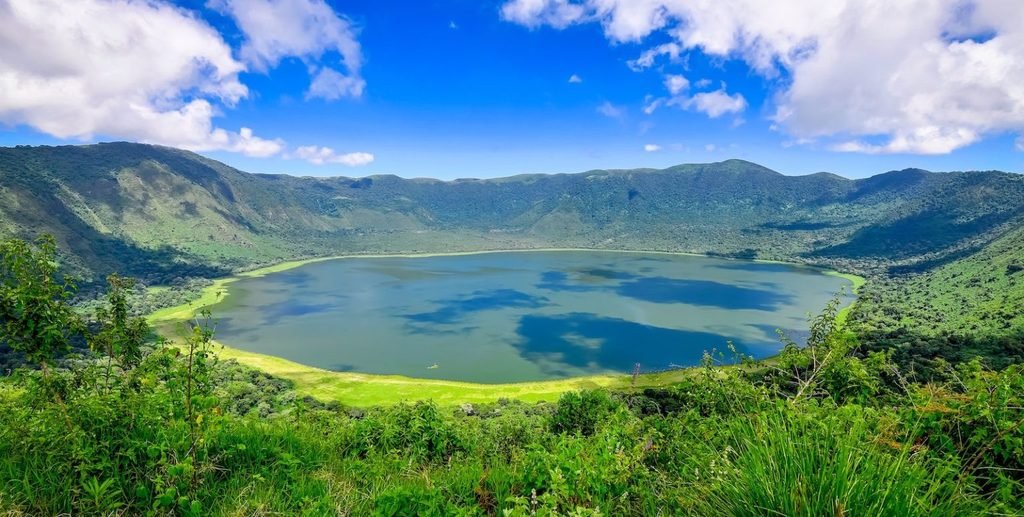
Today, you will visit one of Tanzania’s most remarkable natural attractions: Ngorongoro Crater.
After an early breakfast, travel to the crater entrance and descend to the crater floor. The scenery is striking, with open grasslands, patches of woodland, wetlands, and seasonal water sources surrounded by steep volcanic walls.
The crater provides habitat for a wide range of wildlife. During your game drive, you may encounter zebras, wildebeest, buffaloes, gazelles, hippos, and numerous bird species. Lions are also frequently seen, although sightings depend on conditions and animal movements.
Many visitors hope to see the Big Five: lion, leopard, elephant, buffalo, and rhinoceros. Ngorongoro offers opportunities to search for all five, making it an exciting destination for wildlife enthusiasts and photographers.
The black rhinoceros is particularly special because it is rare and protected. If you are fortunate enough to see one, your guide will help you observe it responsibly from a permitted distance.
A picnic lunch can be enjoyed at a designated site during the game drive. Afterwards, continue exploring the crater floor before ascending to the highlands.
Later, travel to your accommodation in the Ngorongoro or Karatu area. After several days of game viewing, the evening offers time to rest and reflect on the highlights of your journey.
Accommodation: Lodge or tented camp in the Ngorongoro or Karatu area.
Meals: Breakfast, lunch, and dinner.
Day 10: Return to Arusha – Departure from Tanzania
After breakfast, begin your journey back to Arusha or transfer to Kilimanjaro International Airport, depending on your flight schedule.
If your flight departs later in the day, the transfer can be arranged to allow sufficient time for the journey and airport check-in. Any additional activity in Arusha should be discussed in advance so that it fits comfortably within your schedule.
Over the past ten days, you will have explored several of northern Tanzania’s most remarkable destinations. From Tarangire’s elephants and baobab trees to the vast Serengeti plains and the wildlife-rich Ngorongoro Crater, each location offers its own memories.
For many travellers, the best moments are often the unexpected ones: an elephant crossing the road, a giraffe appearing against the morning sky, or a quiet stretch of grassland filled with grazing animals.
EKO Tanzania Adventures will arrange your departure transfer according to the agreed itinerary and your onward travel plans.
Meals: Breakfast, depending on your package and departure time.
End of the 10-Day Northern Circuit Tanzania Safari.
Best Time to Visit Tanzania for a 10-Day Safari
Tanzania offers wildlife viewing throughout the year, but the season can influence the scenery, road conditions, and location of the Great Wildebeest Migration.
June to October: The Dry Season
The dry season is a popular time for safaris because vegetation is often thinner and animals may gather near available water sources. Tarangire can be particularly rewarding for elephant viewing, while the Serengeti offers excellent opportunities to search for predators and grazing herds.
River crossings may occur in the northern Serengeti during parts of this period, but they are unpredictable and should never be treated as guaranteed events.
November to December: The Short Rains
The short rains often bring fresh vegetation and greener landscapes. Wildlife viewing remains rewarding, and birdwatching can be especially enjoyable. Rainfall varies, so road and weather conditions should be considered when planning transfers.
January to March: The Calving Season
The southern Serengeti and Ndutu areas are often important during the wildebeest calving season. Large numbers of calves may be born, attracting predators and creating opportunities to observe the natural cycle of life on the plains.
The exact timing and distribution of the herds depend on rainfall and grazing conditions.
April to May: The Long Rains
The long rains bring greener scenery and may offer a quieter safari experience in some areas. However, some roads can become muddy, and heavy rain may affect travel times or game-drive conditions.
Planning tip: Share your exact travel dates with EKO Tanzania Adventures so the itinerary can be adapted to seasonal conditions and the wildlife experiences you are most interested in.
Accommodation Options
Your choice of accommodation affects both the comfort and cost of your safari. EKO Tanzania Adventures can help you select options according to your preferences and availability.
Budget Camping Safari
Budget camping is suitable for travellers who want to concentrate on wildlife experiences while keeping accommodation costs manageable. Depending on the package, you may stay at designated campsites or other basic accommodation facilities.
Camping offers a close connection with the outdoors, although facilities and comfort levels vary between locations.
Mid-Range Safari
Mid-range accommodation provides a balance between comfort and value. Options may include lodges, permanent tented camps, and hotels with private rooms, en-suite bathrooms, and dining facilities.
This option is popular with couples, families, and travellers who want comfortable accommodation after a full day of game viewing.
Luxury Safari
Luxury accommodation is ideal for travellers seeking elevated comfort, attentive service, and carefully selected locations. Depending on availability, the options may include upscale lodges and luxury tented camps with spacious rooms, quality dining, and scenic surroundings.
Accommodation should be confirmed in advance, particularly for travel during popular safari periods.
What Is Included in the 10-Day Northern Circuit Tanzania Safari?
The final inclusions depend on the package you select and the quotation provided. A typical safari package may include:
- Airport transfers according to the agreed itinerary.
- Private safari transport in a suitable wildlife-viewing vehicle, if specified in your quotation.
- Services of a professional English-speaking safari guide.
- Park entry fees for the destinations included in the itinerary.
- Applicable Ngorongoro Crater service fees.
- Nine nights of accommodation, subject to the confirmed itinerary.
- Meals specified in the package.
- Game drives in Tarangire, Lake Manyara, Serengeti, and Ngorongoro.
- Drinking water in the safari vehicle, according to the package.
- Government taxes and levies included in the quotation.
Always check the final quotation to confirm the exact services, fees, and accommodation arrangements.
What Is Not Included?
Unless specifically stated in your quotation, the following expenses are generally excluded:
- International flights to and from Tanzania.
- Tanzania visa fees.
- Travel insurance and personal medical expenses.
- Tips for your safari guide and accommodation staff.
- Alcoholic drinks and beverages not specified in the package.
- Personal purchases, souvenirs, and laundry.
- Optional excursions and activities.
- Extra accommodation before or after the safari.
- Any additional fees arising from changes to the agreed itinerary.
- Other expenses not specifically listed under the inclusions.
What to Pack for Your Tanzania Safari
Packing the right items helps you enjoy your safari comfortably. Lightweight clothing in neutral colours, such as khaki, beige, brown, and olive green, is suitable for most game drives.
Bring a warm jacket or fleece for early mornings and cooler evenings, particularly in the Ngorongoro highlands. Comfortable shoes, a sun hat, sunglasses, sunscreen, and insect repellent are also useful.
If wildlife photography is important to you, consider bringing a camera with sufficient storage, spare batteries, and binoculars. A small day bag can keep your essentials organised during game drives.
A reusable water bottle and any personal medication you need should also be included. During the rainy season, a lightweight waterproof jacket and protection for electronic equipment may be helpful.
Temperatures can vary considerably between the parks, so wearing layers is usually more practical than relying on a single heavy or lightweight outfit.
Responsible Wildlife Tourism in Tanzania
A rewarding safari should also respect the wildlife and natural environments that make Tanzania special.
During game drives, follow your guide’s instructions, remain inside the vehicle unless you are at an authorised location, and avoid making unnecessary noise around animals. Wildlife should never be fed, chased, or disturbed for photographs.
Respecting park regulations helps protect both visitors and animals. It also supports the long-term conservation of habitats that sustain elephants, big cats, rhinos, and many other species.
When visiting local communities or cultural sites, ask permission before taking photographs of people and follow local guidance. Small acts of respect help make the experience more meaningful for both visitors and residents.
By travelling responsibly, you can enjoy Tanzania’s natural beauty while contributing to a culture of respect for wildlife and the places where it lives.
Why Choose EKO Tanzania Adventures?
Planning a ten-day safari involves more than choosing national parks. Accommodation, driving distances, seasonal wildlife movements, park fees, and individual interests all affect how the journey comes together.
EKO Tanzania Adventures can help organise these details and tailor the itinerary to your requirements. Whether you prefer a budget camping adventure, a comfortable mid-range safari, or a luxury lodge experience, the trip can be planned around your travel dates, group size, and budget.
Before booking, discuss your accommodation preferences, dietary requirements, interests, and any special requests. If you are especially interested in photography, birdwatching, the Great Wildebeest Migration, or particular wildlife species, sharing this information in advance can help guide the planning process.
A well-planned safari should allow you to enjoy the destinations without feeling rushed. With ten days available, there is room to explore different habitats, spend additional time in the Serengeti, and appreciate the landscapes between parks.
Although wildlife sightings cannot be guaranteed, careful planning and an experienced guide can help you make the most of your time in Tanzania.
Book Your Ultimate 10-Day Northern Circuit Tanzania Safari 2026–2027
Are you ready to discover the heart of the African wilderness?
The Ultimate 10-Day Northern Circuit Tanzania Safari 2026–2027 offers an opportunity to explore Tarangire National Park, Lake Manyara National Park, Serengeti National Park, and the Ngorongoro Conservation Area in one memorable journey.
From watching elephants beneath ancient baobab trees to searching for big cats across the Serengeti plains, each day brings a new opportunity to appreciate Tanzania’s wildlife and natural beauty. The journey also gives you time to enjoy the changing landscapes and learn more about the ecosystems that make these destinations so remarkable.
EKO Tanzania Adventures can customise your safari according to your preferred travel dates, number of travellers, accommodation category, budget, and onward travel plans. You can discuss itinerary adjustments and request a personalised quotation before confirming your booking.
Contact EKO Tanzania Adventures
Website: https://ekotanzaniaadventures.com
WhatsApp / Call: +255 761 353 184
Email: info@ekotanzaniaadventures.com
Alternative Email: ekotanzaniaadventure@gmail.com
Your journey through northern Tanzania can become much more than a holiday. It can be an opportunity to experience wildlife in its natural environment, discover landscapes unlike any other, and create memories that stay with you long after you return home.
Start planning your ten-day Tanzania safari with EKO Tanzania Adventures and discover the heart of the wild at your own pace.