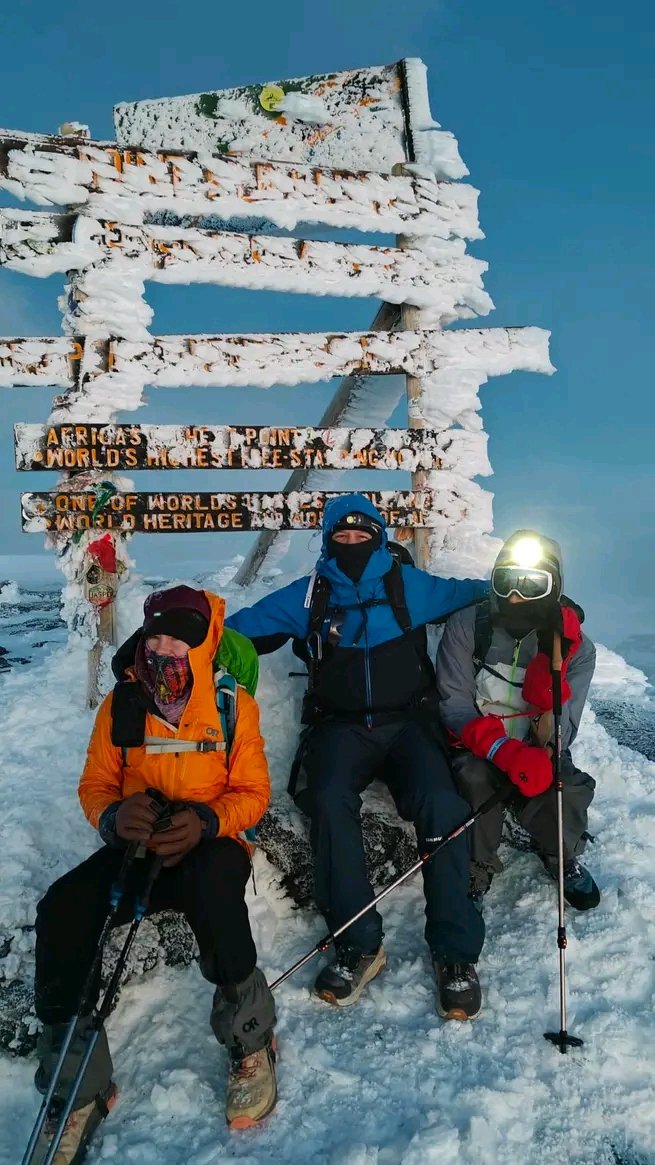
Unforgettable 7-Day Kilimanjaro Climb via the Machame Route 2026–2027:Mount Kilimanjaro is one of the most rewarding adventures you can experience in Tanzania. Standing at 5,895 metres above sea level, Kilimanjaro is the highest mountain in Africa and attracts travellers who want to challenge themselves, explore beautiful landscapes and achieve something truly special. The seven-day Machame Route is an excellent option for those who want to enjoy the journey while allowing additional time for acclimatisation before attempting the summit.
One of the biggest advantages of choosing seven days is that the itinerary includes an overnight stay at Karanga Camp before continuing to Barafu Camp. This breaks up the climb and provides additional time to rest before summit night. The route also includes the Lava Tower acclimatisation stage, where climbers ascend to a higher elevation before descending to sleep at Barranco Camp. This approach can help the body adapt to altitude, although it does not eliminate the risk of altitude sickness.
Why Choose the Unforgettable 7-Day Kilimanjaro Climb via the Machame Route 2026–2027 ?
The seven-day Machame Route is popular because it combines remarkable scenery with a trekking schedule that provides more time for acclimatisation than the shorter six-day version. Rather than rushing towards the summit, you follow a gradual route that takes you through different environments before reaching the highest point in Africa.
The extra day is particularly useful because climbing Kilimanjaro is not simply a matter of physical strength. As you gain elevation, the amount of oxygen available to your body decreases, and even fit travellers may find that walking becomes more demanding. Having additional time on the mountain can improve your opportunity to adjust, although individual responses vary.
Another reason to choose Machame is the diversity of the landscape. The rainforest offers a refreshing beginning, the Shira Plateau provides wide mountain views, and the alpine desert introduces you to a much drier and rockier environment. The Barranco Wall adds a memorable challenge, while summit night tests your patience and determination.
For travellers planning a Tanzania holiday in 2026 or 2027, this route can also fit into a broader itinerary. You may choose to spend a few days recovering in Moshi or Arusha after the climb before continuing to a wildlife safari in Serengeti National Park, Ngorongoro Crater or Tarangire National Park. Another option is to finish your holiday with a relaxing beach stay in Zanzibar.
Complete Unforgettable 7-Day Kilimanjaro Climb via the Machame Route 2026–2027 Itinerary
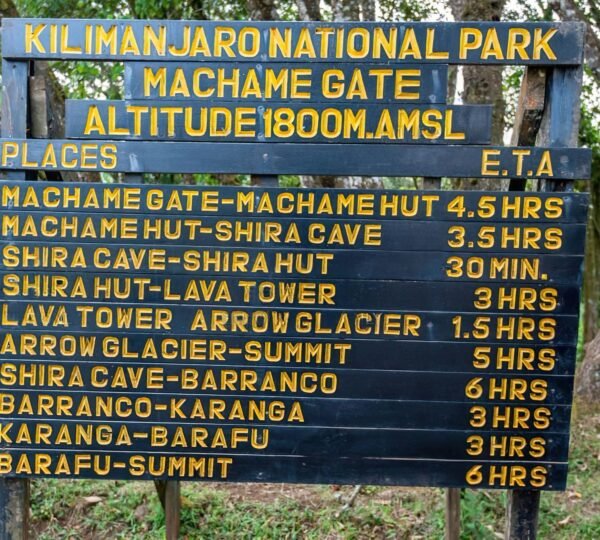
Unforgettable 7-Day Kilimanjaro Climb via the Machame Route 2026–2027
Day 1: Machame Gate to Machame Camp
Your Kilimanjaro adventure begins with a transfer from Moshi to Machame Gate. Once you arrive, your mountain team completes the necessary registration and prepares the equipment for the trek. After meeting your guide and supporting crew, you begin walking into the rainforest on the lower slopes of Mount Kilimanjaro.
The first day introduces you to the mountain’s natural beauty. The trail passes beneath tall trees and through thick vegetation, with moss-covered branches and forest plants creating a cool, green environment. You may hear birds calling from the canopy or occasionally spot monkeys among the trees.
The path gradually climbs through the forest, and some sections can be muddy or slippery after rainfall. Walking at a comfortable pace is important because this is only the beginning of a demanding week. Your guide will help you maintain a steady rhythm and take breaks when needed.
After approximately five to seven hours of trekking, depending on the trail conditions and your pace, you reach Machame Camp. The mountain crew prepares the camp and dinner, giving you time to relax and recover.
Spend the evening drinking enough water, eating well and preparing your equipment for the following morning. Your first night on Kilimanjaro is an opportunity to rest and become familiar with the camping routine.
Overnight: Machame Camp.
Day 3: Shira Camp to Lava Tower and Barranco Camp
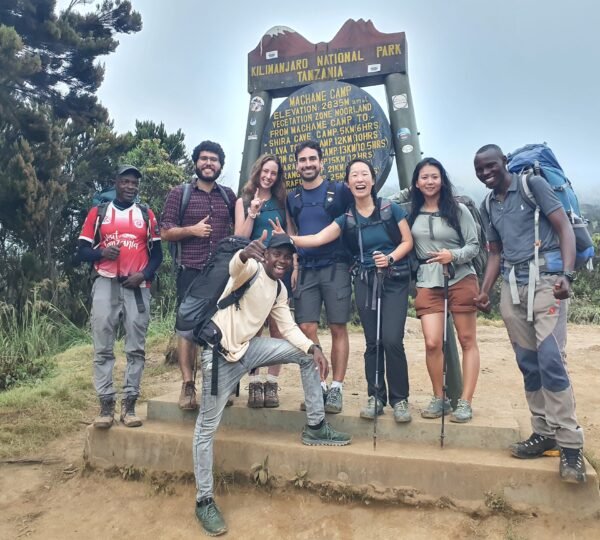
Day 2: Machame Camp to Shira Camp
After breakfast, you leave the rainforest behind and continue climbing through heathland and moorland towards the Shira Plateau. The vegetation gradually becomes shorter, the trail grows more exposed and the views of the surrounding mountain landscape begin to open up.
Although this stage is shorter than the first day in terms of distance, some sections are steep and rocky. As you gain elevation, you may notice that you become tired more quickly than usual. Take your time, breathe comfortably and avoid trying to keep up with faster climbers.
The Shira Plateau is one of the most beautiful sections of the Machame Route. The open landscape offers impressive views of Kilimanjaro, and on clear days, you may also see Mount Meru in the distance. The changing scenery makes this part of the climb especially rewarding.
When you arrive at Shira Camp, your crew prepares your sleeping arrangements and meals. You can spend the afternoon resting, enjoying the surroundings and listening to your guide’s advice about the next stage.
Overnight: Shira Camp.
Day 3: Shira Camp to Lava Tower and Barranco Camp
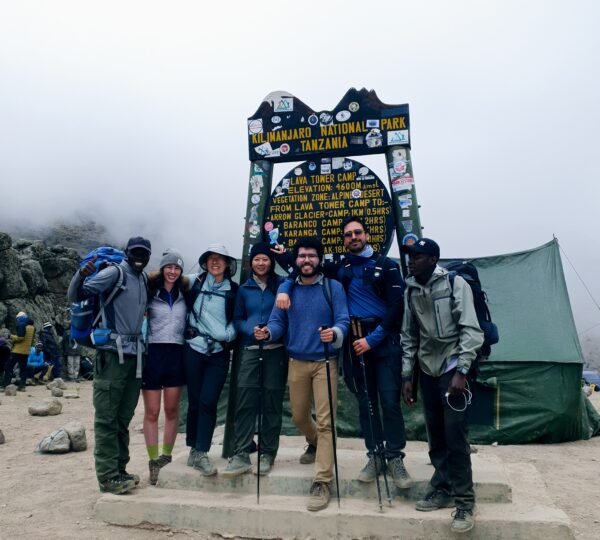
Day 3: Shira Camp to Lava Tower and Barranco Camp
Day three is an important stage for acclimatisation. After breakfast, you leave Shira Camp and continue towards Lava Tower, climbing through a landscape that becomes increasingly rocky and dry as you approach higher elevations.
The route reaches approximately 4,600 metres near Lava Tower. At this height, the reduced availability of oxygen can make walking more difficult, even for people who exercise regularly. Your guide will maintain a careful pace and allow time for rest.
After spending time near Lava Tower, you descend towards Barranco Camp at approximately 3,960 metres. This is an example of the climb-high, sleep-low approach, in which you gain elevation during the day before sleeping at a lower altitude. It can help your body adjust, but it does not guarantee that you will avoid altitude sickness.
As you approach Barranco Camp, you enter a striking valley surrounded by steep mountain walls and unusual high-altitude plants. The giant groundsels growing among the rocks create a landscape that feels very different from the rainforest you experienced on the first day.
Upon reaching camp, enjoy dinner and rest. Your guide will explain the following day’s route, including the famous Barranco Wall.
Overnight: Barranco Camp.
Day 4: Barranco Camp to Karanga Camp
The day begins with one of the most memorable sections of the Machame Route: the Barranco Wall. From camp, the trail climbs a steep rocky slope that can look intimidating from below. However, with a qualified guide and careful footing, most trekkers who are comfortable on uneven terrain can negotiate it without technical climbing equipment.
Some sections require you to use your hands for balance while moving over rocks. Follow your guide’s instructions, allow other climbers enough space and avoid rushing through narrow sections.
Once you reach the top of the wall, you can enjoy impressive views of the surrounding valleys and mountain ridges. The trail continues across a series of ups and downs before leading towards Karanga Camp.
Although the walking distance is relatively short, the terrain requires concentration and steady movement. Reaching Karanga gives you valuable time to rest before continuing towards Barafu Camp the next day.
This additional overnight stop is one of the main benefits of the seven-day itinerary. It allows you to break up the approach to the high camp instead of combining the two stages into a longer day.
Overnight: Karanga Camp.
Day 5: Karanga Camp to Barafu Camp
After breakfast, you leave Karanga Camp and continue climbing towards Barafu Camp, the starting point for the final summit attempt. The trail passes through rocky alpine desert, where the landscape becomes increasingly exposed and vegetation is scarce.
The distance is relatively short, but the altitude makes the climb physically demanding. Walk slowly, take regular breaks and conserve your energy. Your guide will help you maintain a manageable pace as you approach the high camp.
Upon arrival at Barafu Camp, you will have time to rest, eat and prepare for summit night. Your guide will explain the route, the expected departure time and the equipment you should carry during the ascent.
Prepare your warm clothing, gloves, headlamp, water and snacks before going to sleep. The summit attempt usually begins around midnight or during the early hours of the morning, so you may have only a few hours to rest.
Eating a good dinner and staying warm are important, even if you do not feel particularly hungry. Your body will need energy for the long climb ahead.
Overnight: Barafu Camp.
Day 6: Barafu Camp to Uhuru Peak and Mweka Camp
Summit day is the most demanding part of your Kilimanjaro adventure. You normally leave Barafu Camp around midnight, beginning the ascent in darkness while temperatures may be extremely cold.
The trail climbs steadily over volcanic scree towards Stella Point on the crater rim. Progress can feel slow because of the altitude, cold weather and physical effort involved. Your guide will establish a careful pace and monitor how you are feeling throughout the ascent.
Reaching Stella Point is a significant achievement. If the weather permits, you may see the sunrise spreading across the surrounding mountain landscape. From there, the trail continues towards Uhuru Peak, which stands at 5,895 metres above sea level.
Standing at the highest point in Africa is an unforgettable moment for many climbers. You may feel proud of the effort you have invested, especially when you remember the rainforest, rocky trails and cold nights that brought you to the summit.
After taking photographs and celebrating, you begin the descent towards Barafu Camp before continuing to Mweka Camp. The descent is long, and your legs may feel tired after the summit attempt. Trekking poles can help with balance, particularly on loose volcanic gravel.
Your mountain crew will support you throughout the day and prepare dinner when you reach camp. If altitude symptoms or exhaustion make continuing unsafe, your guide must prioritise your health rather than pressuring you to reach the summit.
Overnight: Mweka Camp, subject to the confirmed itinerary and your condition.
Day 7: Mweka Camp to Mweka Gate
Your final morning begins with breakfast before you descend through the rainforest towards Mweka Gate. The greener surroundings and warmer temperatures provide a welcome change after spending several days in the high-altitude environment.
The trail may be muddy or slippery after rain, so continue walking carefully. Even though you are descending, tired legs can make uneven ground challenging, and it is important not to rush.
At Mweka Gate, your team completes the departure formalities. Climbers who reach the summit can receive the appropriate summit certificate, while certificates for eligible lower milestones depend on the applicable park rules.
Your vehicle then transfers you to your hotel in Moshi or another agreed destination. A warm shower, a good meal and a comfortable bed will be especially welcome after the demanding climb.
The experience ends with memories of the changing landscapes, the friendships formed on the trail and the determination required to climb Africa’s highest mountain.
End of trek: Transfer to your hotel.
7-Day Machame Route Climb Cost for 2026–2027
The cost of climbing Kilimanjaro via the Machame Route depends on your group size, travel dates, accommodation preferences and the services included in the package. Private climbs may cost more per person than group climbs because fewer travellers share the operating costs.
For planning purposes, a seven-day Machame climb may cost approximately US$2,000–US$3,500 per person, depending on the operator and level of service. This is an indicative budget, not a confirmed quotation from EKO Tanzania Adventures. You should request an updated price for your preferred dates before making a booking.
The official Tanzania National Parks Authority publishes park tariffs, and applicable fees depend on visitor category and the services required. These charges should be confirmed for your actual travel dates.
A typical climbing package may include:
-
Kilimanjaro National Park and camping fees.
-
Professional mountain guides and supporting crew.
-
Porters and a mountain cook.
-
Meals during the trek.
-
Tents and agreed camping equipment.
-
Drinking water arrangements.
-
Transfers between the agreed meeting point and mountain gates.
-
Applicable taxes and compulsory charges, where stated.
Expenses that may be excluded include international flights, visas, travel insurance, hotel accommodation before or after the climb, personal trekking equipment, tips and personal purchases.
Always request a written quotation that clearly explains what is included and excluded. A package with a low advertised price may not include every compulsory expense.
Best Time to Unforgettable 7-Day Kilimanjaro Climb via the Machame Route 2026–2027
Kilimanjaro can be climbed throughout the year, but the weather can affect trail conditions, visibility and comfort. January to early March and June to October are commonly preferred periods because conditions are often relatively dry.
January and February can provide rewarding trekking conditions, while June to October is another popular period. During these months, the mountain may be busier, so advance planning is useful if you have fixed travel dates.
The wetter periods can bring muddy trails, rainfall and reduced visibility. If you choose to climb during these months, make sure you have reliable waterproof clothing and suitable footwear.
There is no guarantee of perfect weather, even during the dry season. Temperatures near the summit can fall well below freezing, and conditions may change rapidly. Your packing list should therefore prepare you for both wet and cold conditions.
Physical Preparation and Essential Equipment
Preparing for Kilimanjaro should begin several weeks before departure. Regular walking, hiking, cycling or other aerobic exercise can help improve endurance. If possible, practise walking uphill and spending several hours on your feet, gradually increasing the duration of your training.
Strength exercises for your legs and core can improve stability on rocky trails. It is also helpful to practise using trekking poles and walking with the daypack you intend to carry.
Your equipment should include broken-in hiking boots, moisture-wicking base layers, warm insulating clothing, waterproof outerwear, gloves, a warm hat, a headlamp, sunglasses, sunscreen and trekking poles. You will also need a daypack, personal toiletries and any medication recommended for your needs.
A suitable sleeping bag is essential if it is not supplied by your operator. Ask for the complete equipment list before travelling, and check which items can be rented locally.
Physical preparation is important, but fitness alone does not prevent altitude sickness. Discuss relevant health concerns with a qualified healthcare professional before your trip and follow your guide’s acclimatisation advice throughout the climb.
Safety and Acclimatisation on the Machame Route
Safety should remain your highest priority throughout the journey. Altitude sickness can affect climbers of different ages and fitness levels. Symptoms may include headache, nausea, dizziness and unusual fatigue, so report any concerns to your guide promptly.
Severe breathlessness at rest, confusion, difficulty walking straight or a worsening cough can indicate a serious altitude-related problem requiring urgent assessment and descent. Never ignore these symptoms to continue towards the summit.
Walk slowly, eat regularly and drink fluids throughout the day. Your guide should monitor the group’s condition and explain the emergency procedures before the trek begins. Appropriate travel insurance should cover high-altitude trekking and emergency evacuation.
All climbs must follow the rules of Kilimanjaro National Park, including the requirement to use an authorised guide or licensed operator.
Why Book The Unforgettable 7-Day Kilimanjaro Climb via the Machame Route 2026–2027 with EKO Tanzania Adventures?
Choosing the right operator helps you understand what to expect before arriving in Tanzania. Clear communication about the itinerary, costs, equipment, accommodation and safety arrangements can make the planning process easier.
EKO Tanzania Adventures can help you discuss your preferred climbing dates, group size, accommodation arrangements and budget. Before confirming your booking, request a detailed itinerary and written quotation, and ask questions about the mountain crew, included services and emergency procedures.
If you want to combine your Kilimanjaro climb with a wildlife safari or Zanzibar beach holiday, you can discuss how to arrange the different parts of your trip. Allow enough time to recover after the climb before beginning another physically demanding activity.
Booking early is advisable if you plan to travel during a popular climbing season. Preparing your equipment, arranging suitable insurance and following a regular training programme will also help you approach the experience with greater confidence.
Frequently Asked Questions
How much does the seven-day Machame Route cost?
A reasonable initial budget is approximately US$2,000–US$3,500 per person, although actual prices depend on the operator, group size, travel dates and package inclusions.
Is the Machame Route suitable for beginners?
Yes, beginners with suitable fitness and preparation can attempt the route. However, it is a challenging high-altitude trek, so you should understand the demands and allow enough time for acclimatisation.
What is the highest point on Kilimanjaro?
Uhuru Peak is the highest point on Mount Kilimanjaro, at 5,895 metres above sea level.
What should I do if I feel unwell during the climb?
Tell your guide immediately. Do not hide symptoms or continue climbing if your condition makes it unsafe. Your health must come before reaching the summit.
Book Your Unforgettable 7-Day Kilimanjaro Climb 2026–2027
Climbing Mount Kilimanjaro is a journey that challenges both your body and your determination. The seven-day Machame Route allows you to experience the mountain’s changing landscapes, from the green rainforest to the rocky high camps and the final ascent towards Uhuru Peak.
With good preparation, suitable equipment and experienced guidance, you can approach this adventure with a realistic plan and a greater appreciation of what the mountain requires. Every day brings a different challenge, and every stage gives you another opportunity to enjoy Tanzania’s remarkable natural beauty.
If you are planning your Kilimanjaro climb for 2026 or 2027, contact EKO Tanzania Adventures to discuss your preferred dates, group or private climbing options, and a quotation tailored to your travel plans.
EKO Tanzania Adventures
Website: www.ekotanzaniaadventures.com
WhatsApp / Call: +255 761 353 184
Email: info@ekotanzaniaadventures.com
Alternative Email: ekotanzaniaadventure@gmail.com
Start planning your Kilimanjaro adventure today, prepare carefully and get ready to experience one of Africa’s most memorable mountain journeys.